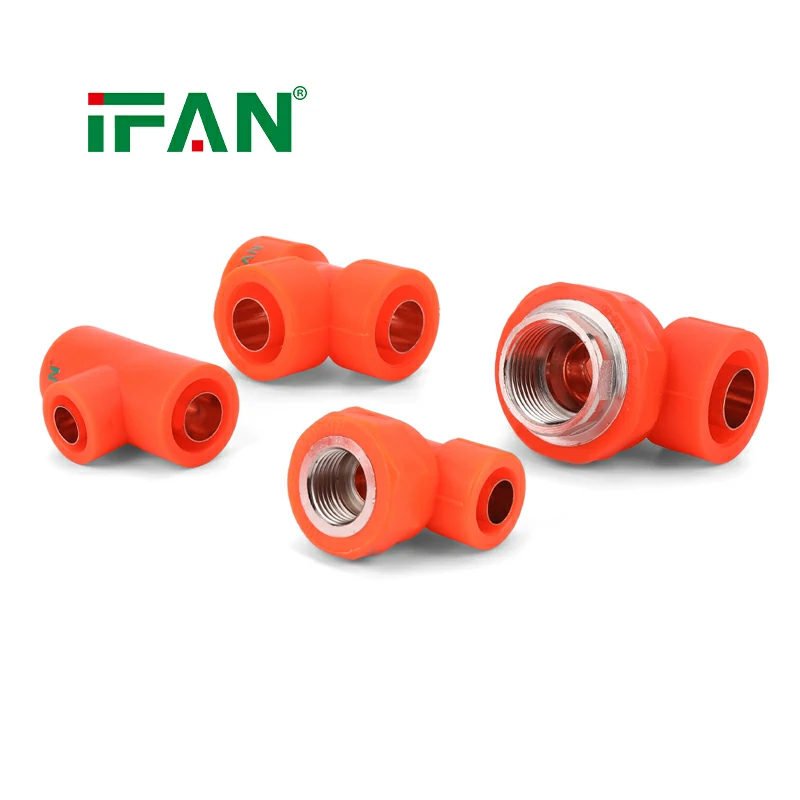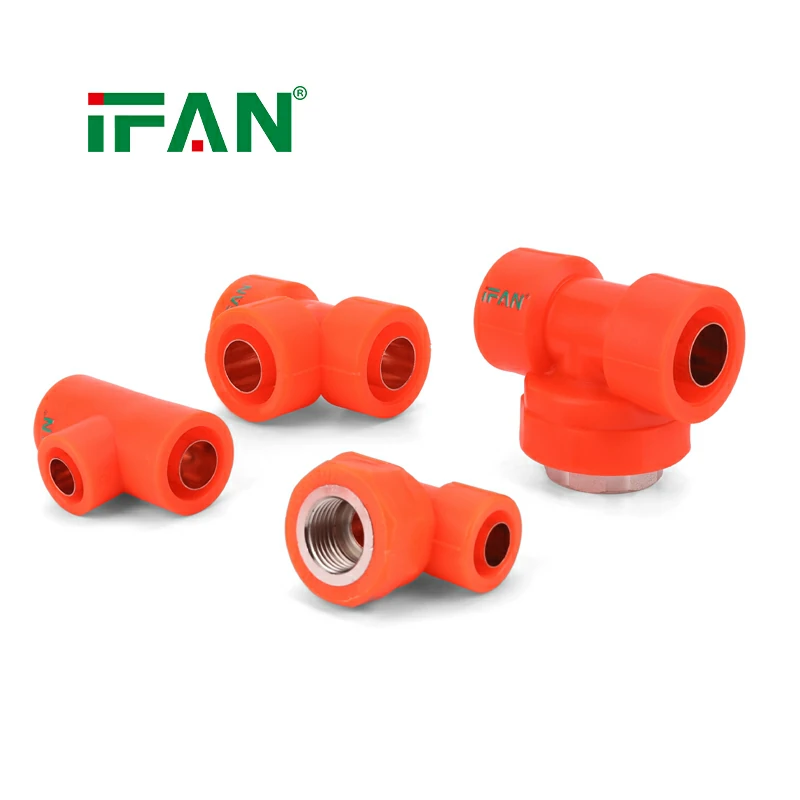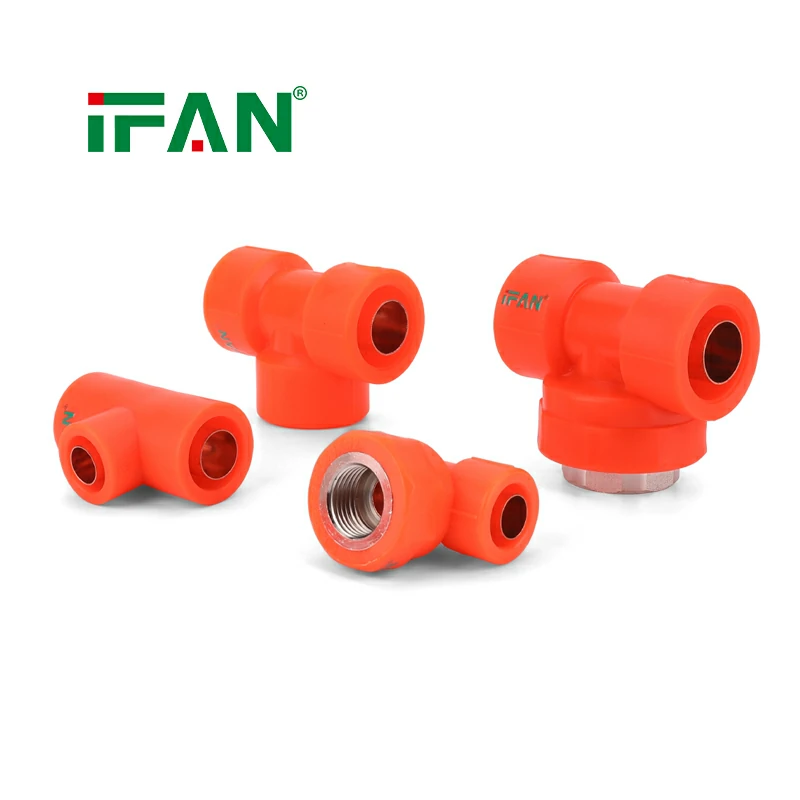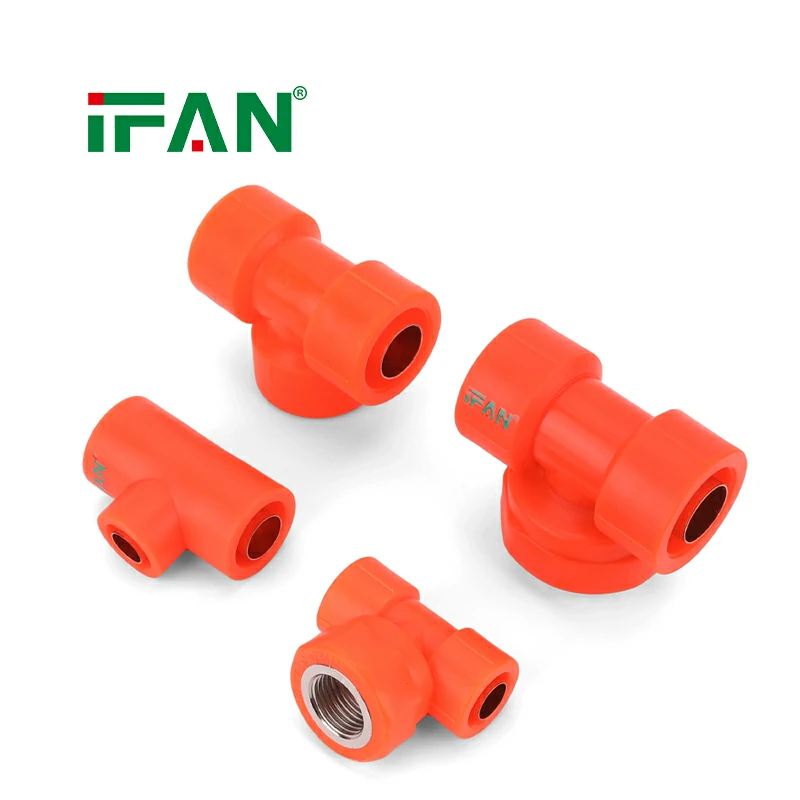
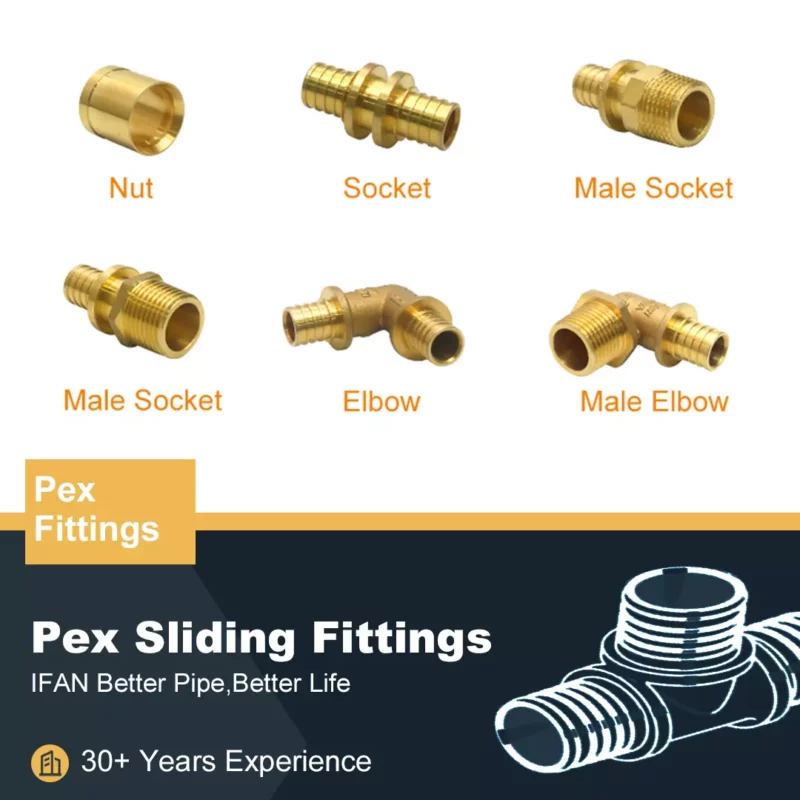
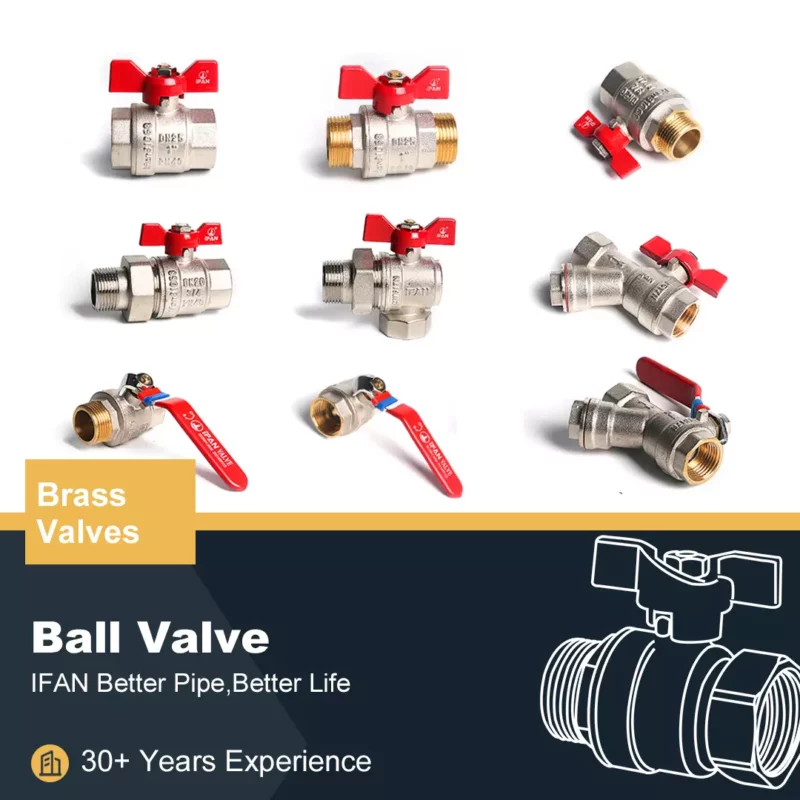
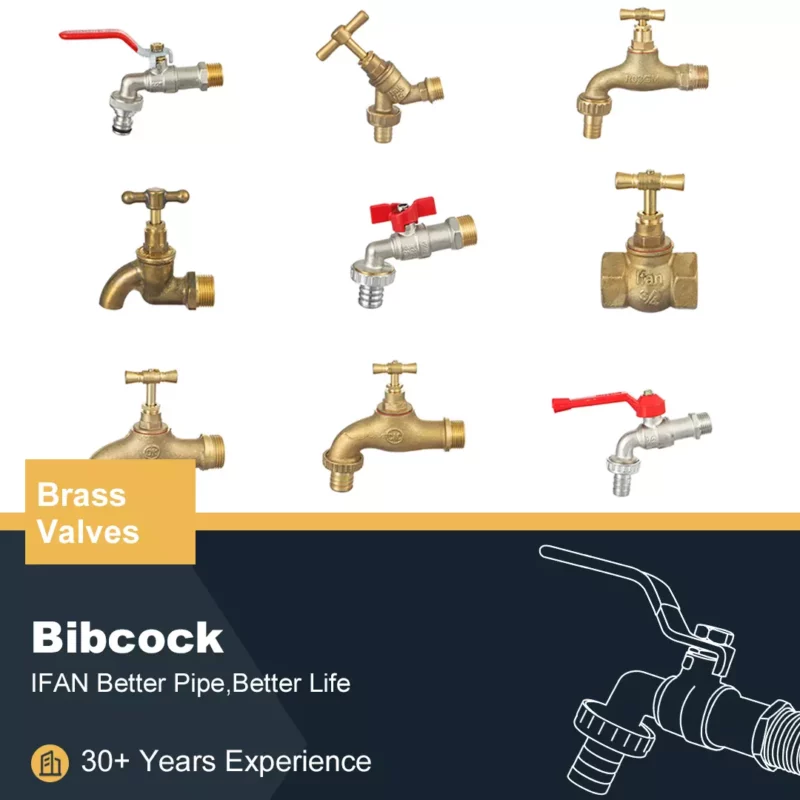
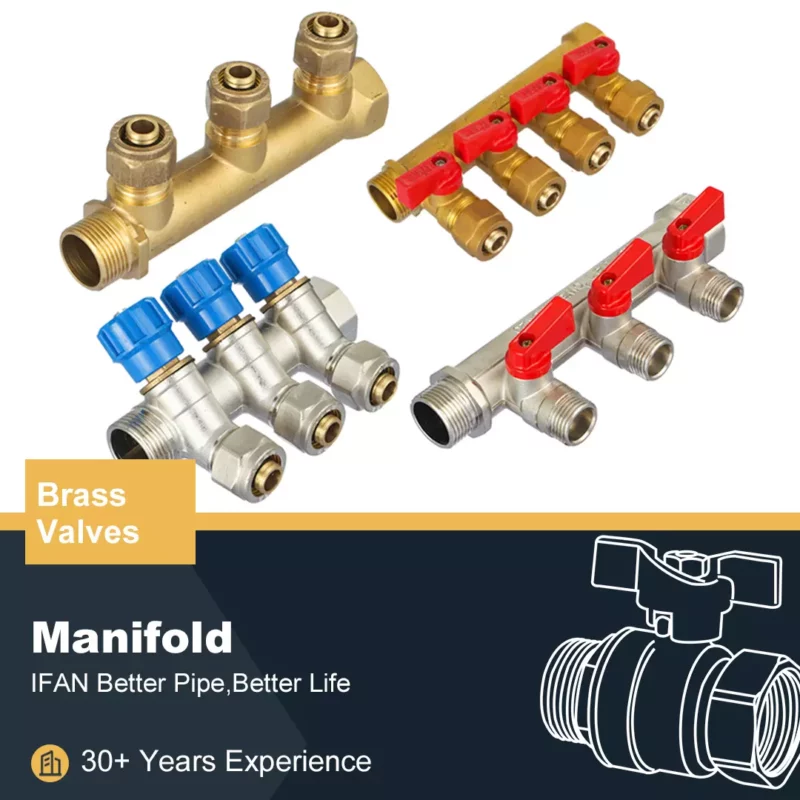
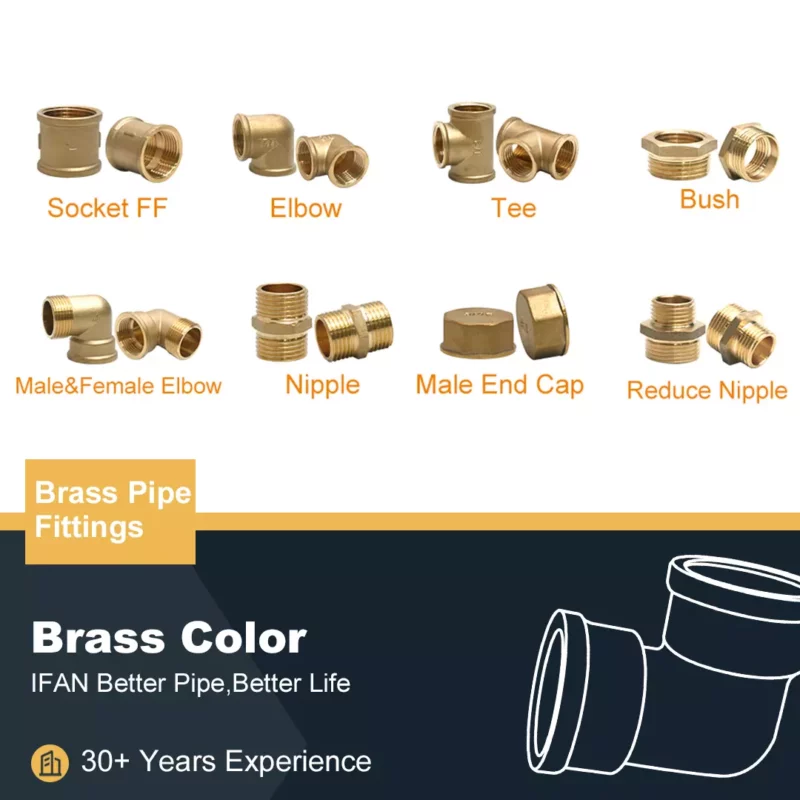
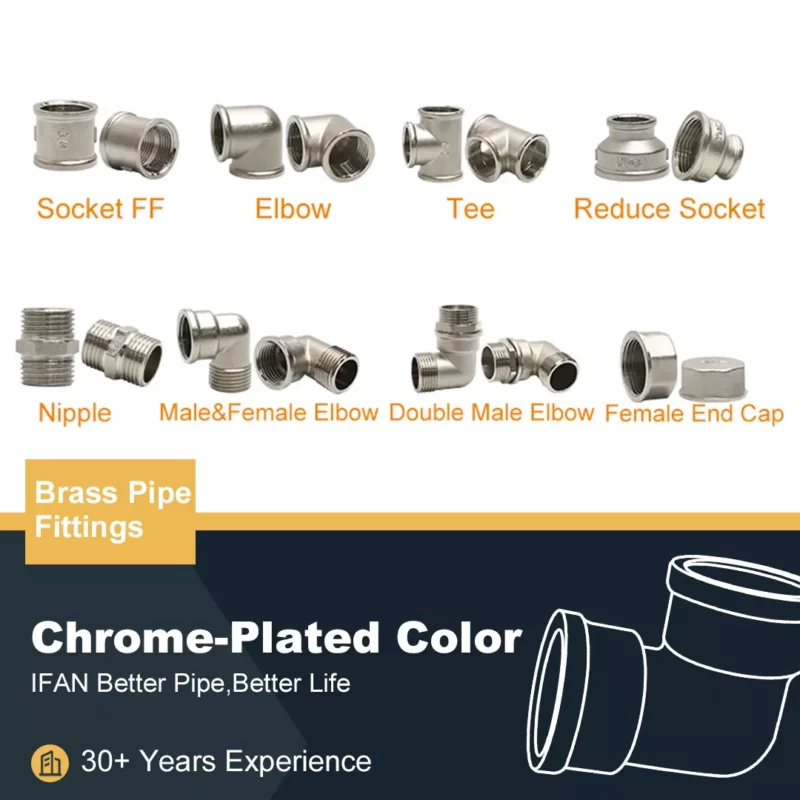
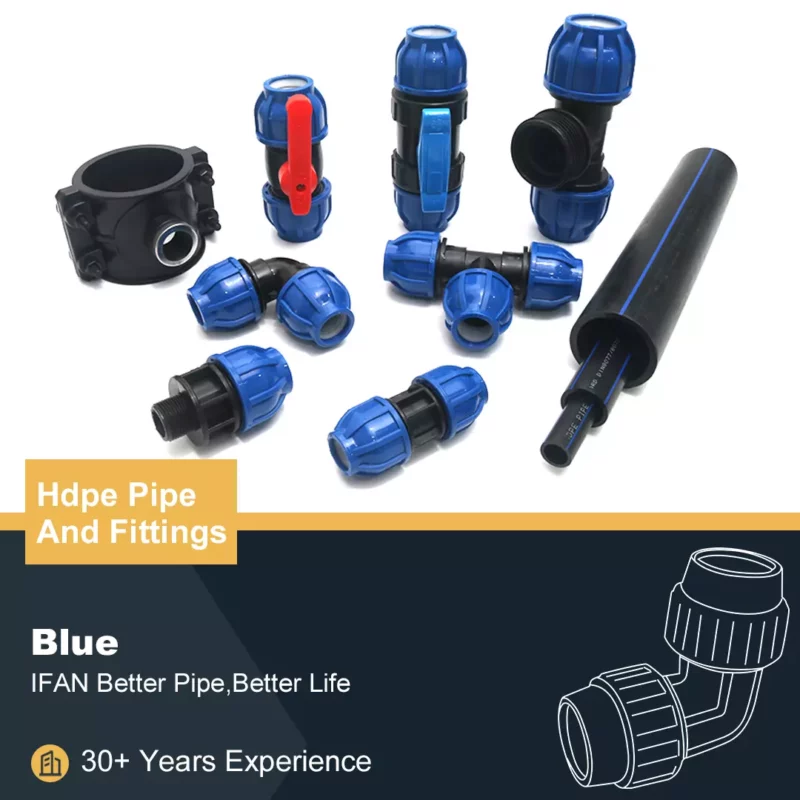
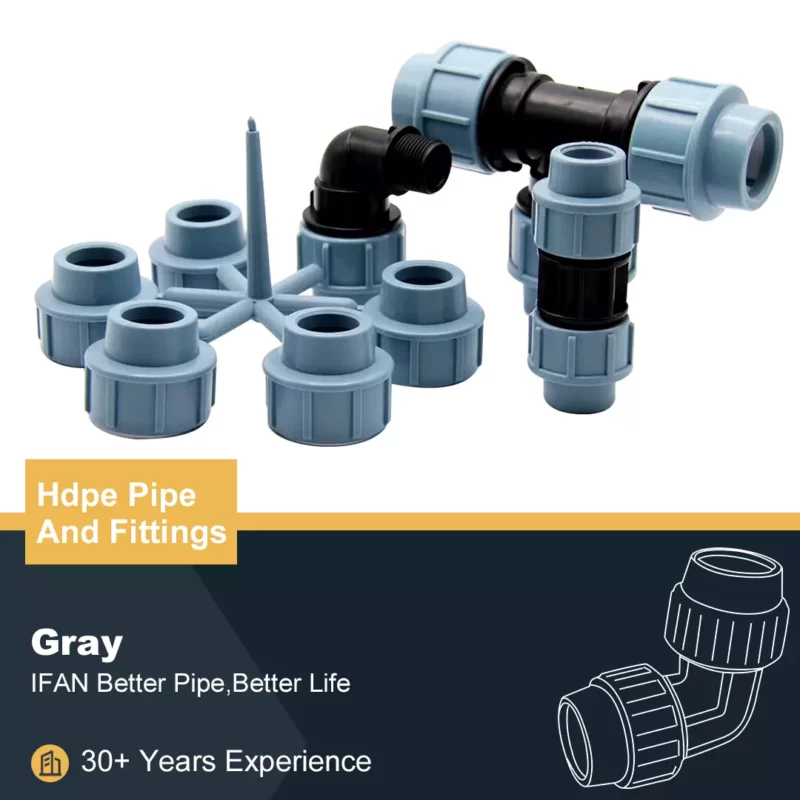
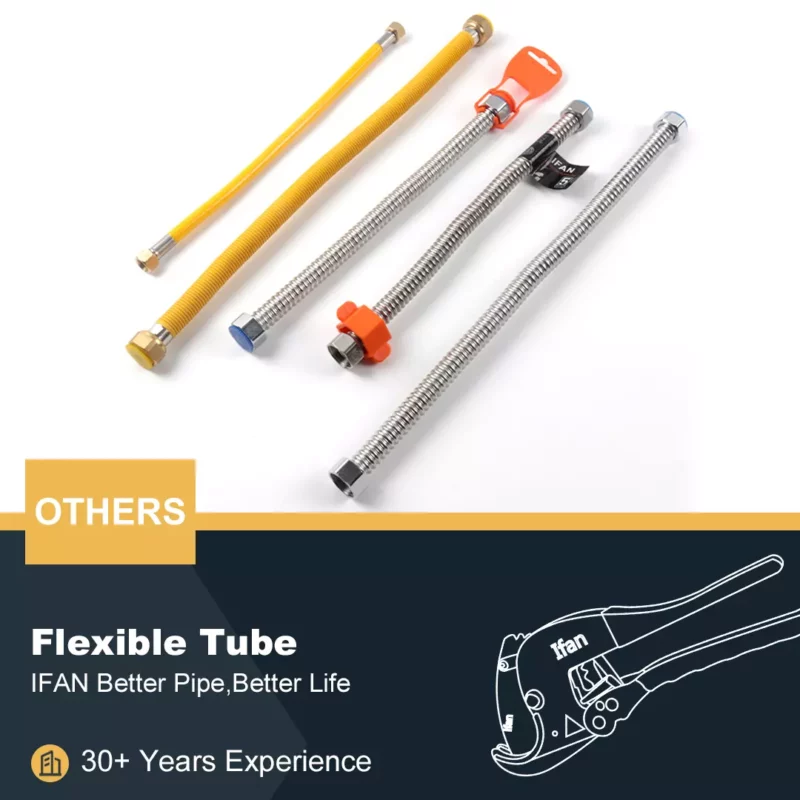


Compression fittings are an essential part of plumbing systems. They are used to connect pipes without the need for welding or soldering. Among the many types of compression fittings available, brass compression fittings stand out for their durability, strength, and resistance to corrosion. This article will explore the benefits and features of durable brass compression fittings and why they are a top choice for plumbing applications.
What Are Brass Compression Fittings?
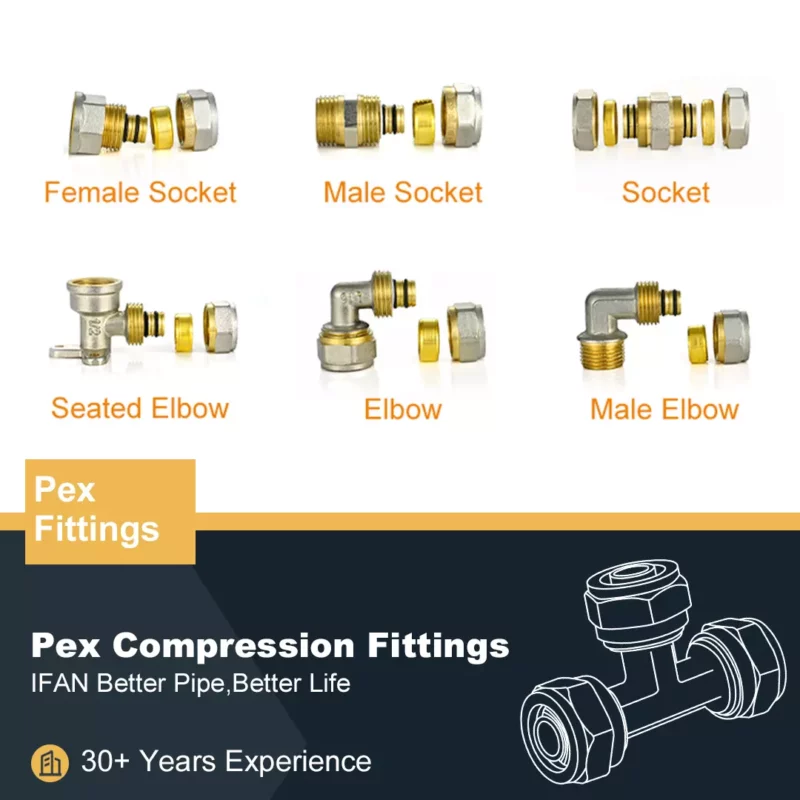
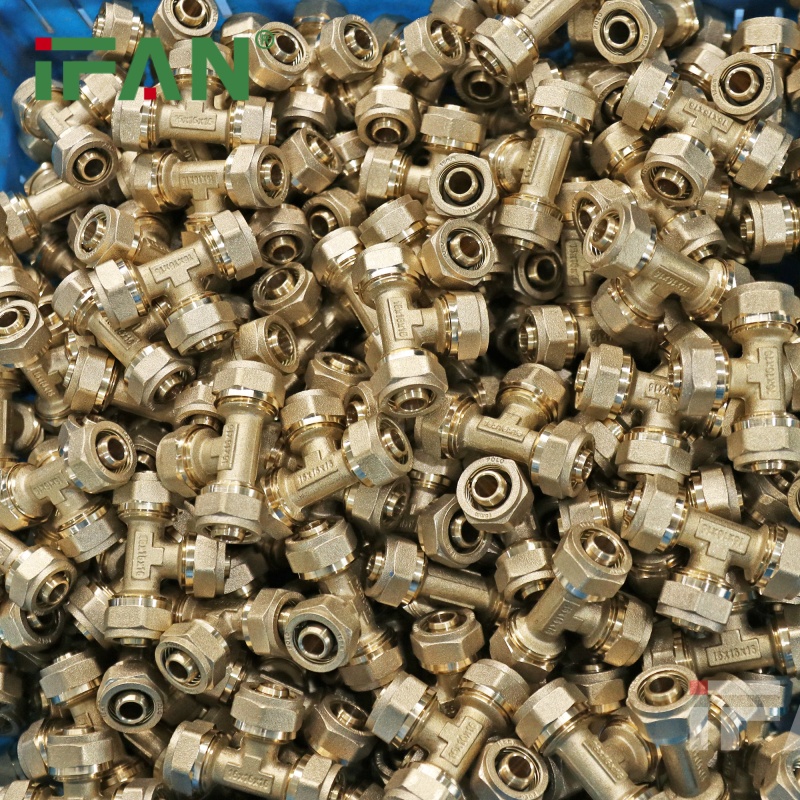
Brass compression fittings are mechanical connectors designed to join pipes or tubes. They consist of a few key components: a compression nut, a compression ring (or ferrule), and a fitting body. These fittings are widely used in plumbing systems to create leak-free connections. The fitting works by tightening the compression nut, which compresses the ferrule against the pipe. This creates a secure and reliable seal.
Brass, the material used for these fittings, is known for its strength and resistance to corrosion. It is also an excellent conductor of heat and electricity, which makes it ideal for various plumbing applications, especially in areas where pipes are exposed to varying temperatures.
Benefits of Brass Compression Fittings
There are several advantages to using brass compression fittings in plumbing systems. One of the most significant benefits is their durability. Brass is resistant to corrosion and oxidation, making it ideal for use in both hot and cold water systems. Unlike plastic fittings, brass can withstand higher temperatures without degrading.
Another advantage is the ease of installation. Compression fittings do not require any special tools or skills. A simple wrench can be used to tighten the fitting, ensuring a quick and secure connection. Additionally, brass compression fittings are reusable, which makes them a cost-effective choice for repairs and adjustments.
Brass is also a highly versatile material. It is compatible with a wide range of pipe materials, including copper, steel, and plastic. This makes brass compression fittings an excellent option for various plumbing applications, from residential to industrial use.
Applications of Brass Compression Fittings
Brass compression fittings are used in a wide range of plumbing applications. They are often found in water distribution systems, HVAC systems, and gas lines. In residential plumbing, they are commonly used for connecting pipes in areas like kitchens, bathrooms, and laundry rooms.
For industrial applications, brass compression fittings are used in air, oil, and gas systems. Their resistance to high pressures and temperatures makes them ideal for use in critical systems. These fittings are also used in commercial plumbing to ensure secure connections in larger, more complex systems.
The versatility of brass compression fittings makes them suitable for various pipe materials, such as copper, PVC, and PEX. This allows for flexibility in plumbing system design, making it easier to work with different types of pipes.
How to Install Brass Compression Fittings
Installing brass compression fittings is a straightforward process, but it requires attention to detail to ensure a proper seal. To begin, ensure that the pipe is clean and free from any debris or dirt. Cut the pipe to the desired length, ensuring that the cut is straight to avoid damaging the fitting.
Next, slide the compression nut and ferrule onto the pipe. The ferrule should be placed with the tapered end facing the fitting body. Once the nut and ferrule are in place, insert the pipe into the fitting body. Tighten the compression nut onto the fitting body using a wrench. Be careful not to overtighten, as this could damage the components or create leaks.
Once the fitting is secure, check for leaks by turning on the water supply. If you notice any leaks, carefully tighten the compression nut a little more. It is important to avoid excessive force, as this can cause damage to the fitting and the pipe.
Maintenance and Care of Brass Compression Fittings
Brass compression fittings are known for their longevity, but regular maintenance can help ensure their optimal performance. One key step is to periodically check for any signs of wear or corrosion. Over time, the compression ring or nut may weaken, leading to potential leaks. If you notice any issues, it may be time to replace the fitting.
Another aspect of maintenance is checking the pipe connections. Ensure that the pipes are properly aligned and that the fittings are secure. If there is any shifting or movement in the pipes, it could affect the performance of the compression fittings.
For outdoor plumbing systems, it is essential to protect brass fittings from extreme weather conditions. Freezing temperatures can cause pipes to expand and contract, which can lead to leaks or damage. Insulating the pipes can help protect both the brass fittings and the system as a whole.
Conclusion
Durable brass compression fittings are an excellent choice for both residential and commercial plumbing applications. Their strength, corrosion resistance, and ease of installation make them a reliable and cost-effective solution for a wide range of plumbing systems. Whether you’re working with copper, steel, or plastic pipes, brass compression fittings provide secure, leak-free connections that stand the test of time. By understanding how to install, maintain, and care for these fittings, you can ensure the longevity and performance of your plumbing system.
If you have read this article and have any questions, please feel free to contact IFAN. Below is our contact information:
Whatsapp:+86 13373827623
Email:[email protected]