
Introduction
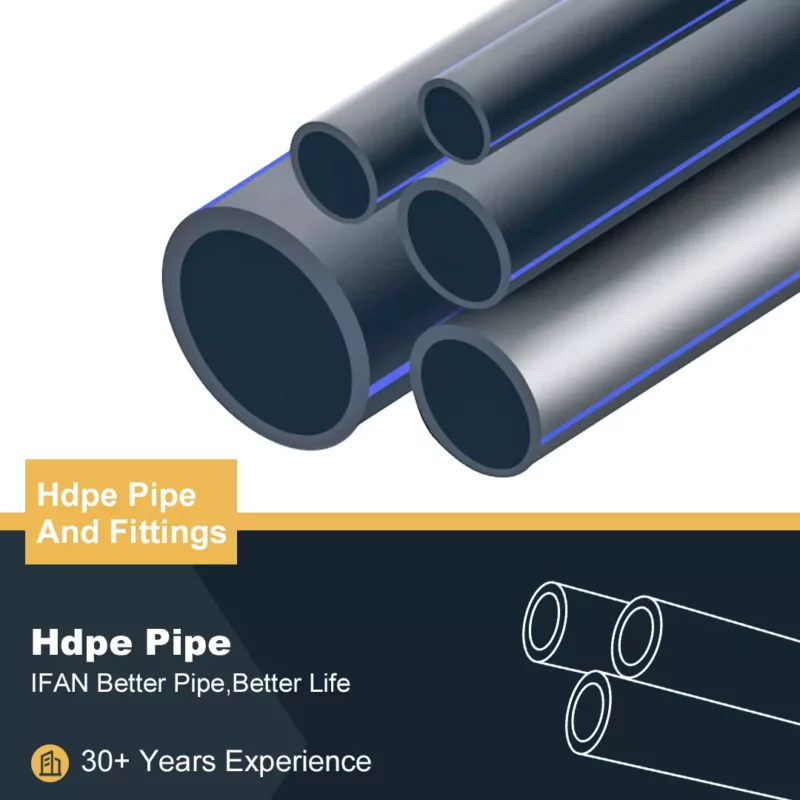
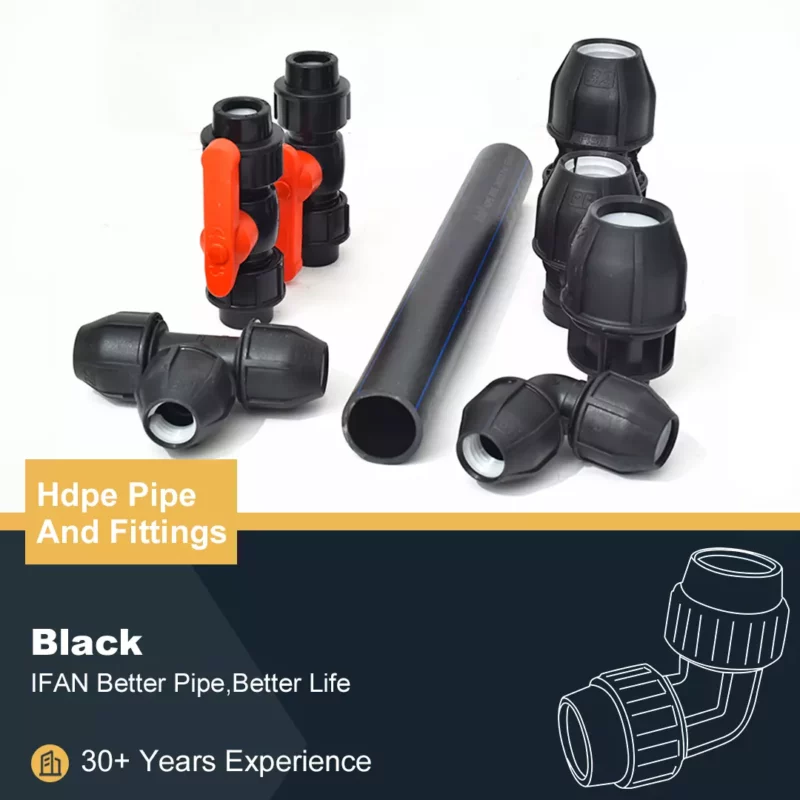
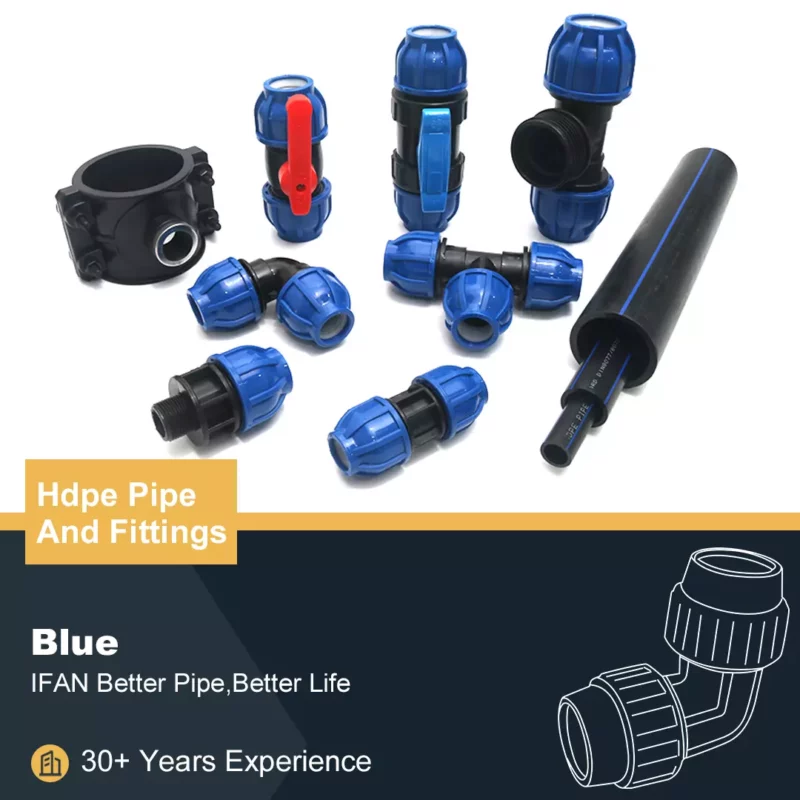
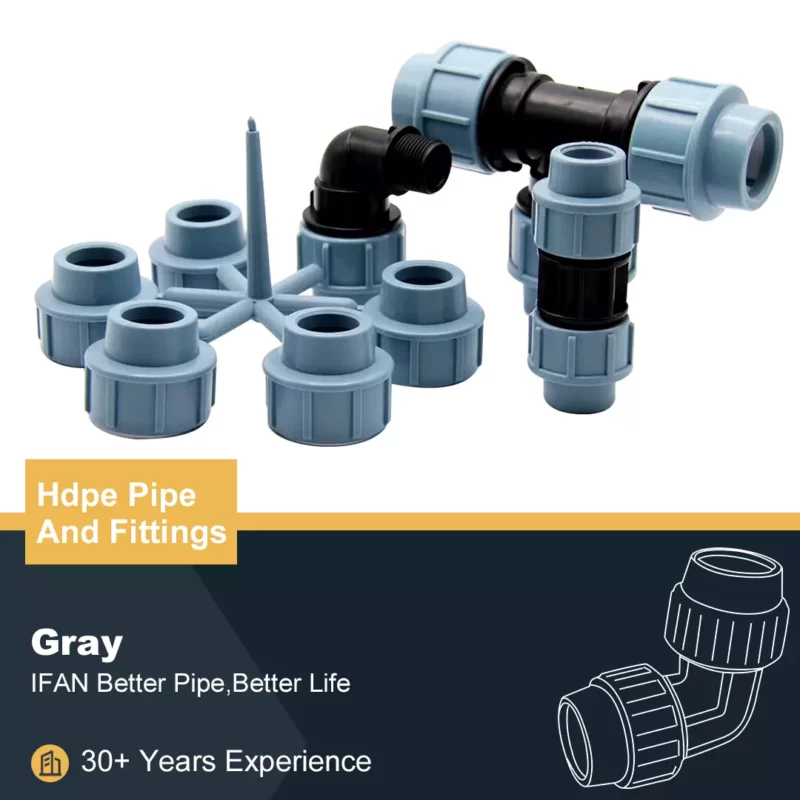
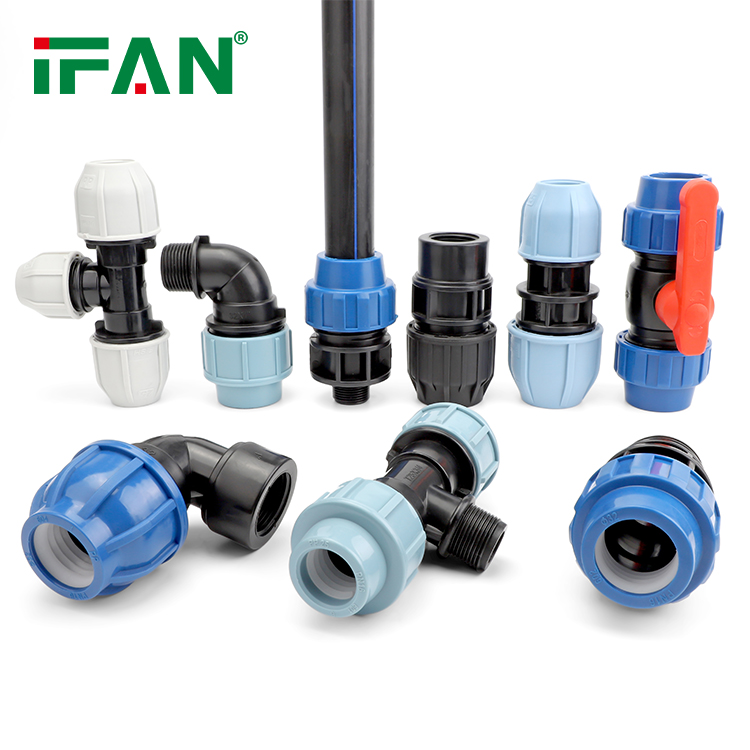
Infrastructure projects require durable and economical piping systems that can perform efficiently over decades. Material selection greatly affects both short-term installation expenses and long-term maintenance costs. HDPE pipe fittings have gained recognition for their excellent cost efficiency and performance. Their strength, flexibility, and resistance to corrosion make them ideal for various industries, including water supply, gas distribution, and wastewater management. This article explains how these fittings deliver significant long-term cost advantages through reduced maintenance, durability, and operational efficiency.
The Importance of Cost Efficiency in Piping Systems
When planning a pipeline project, decision-makers consider the total life-cycle cost rather than only the initial purchase price. A system that costs less upfront may demand higher maintenance later. HDPE pipe fittings offer a strong balance between affordability and long-term value. Their longevity, leak-free performance, and minimal maintenance requirements reduce operational expenses. Over time, these savings far exceed the initial investment. For both public utilities and private industries, cost-effective materials are essential to ensure sustainable and reliable infrastructure development.
Material Characteristics That Reduce Expenses
High-Density Polyethylene combines flexibility, durability, and chemical resistance in a single material. Unlike metal alternatives, it does not rust, corrode, or require protective coatings. The material’s smooth interior surface minimizes friction losses, reducing pumping energy costs. It also tolerates ground movement without cracking or breaking. These qualities mean fewer repairs, less downtime, and lower replacement frequency. HDPE pipe fittings therefore provide consistent performance at reduced operational expense, making them a financially attractive option for modern piping systems.
Fusion Welding and Leak Prevention
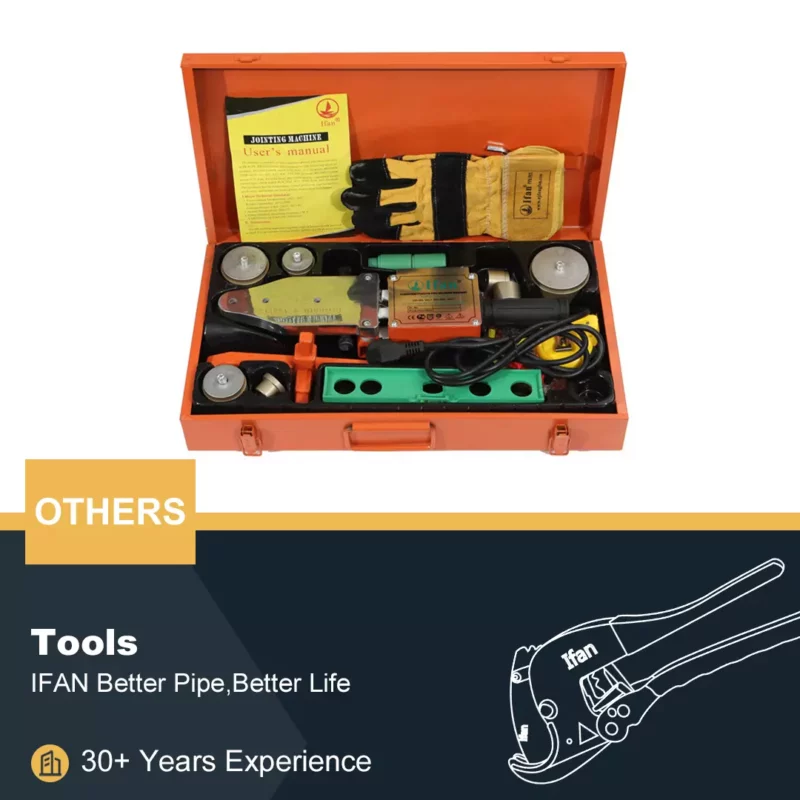
One of the main cost-saving features of HDPE systems is fusion welding. This joining method uses heat and pressure to create a seamless bond between pipes and fittings. The joint becomes as strong as the pipe itself, eliminating weak points. With no need for rubber gaskets or mechanical seals, maintenance and leakage costs drop significantly. Leak-free systems prevent water loss, energy waste, and environmental damage. Over the lifespan of a network, these benefits translate into major financial savings for operators and utilities.
Low Maintenance Requirements
Maintenance is one of the largest expenses in traditional piping systems. Metal and concrete materials often suffer from corrosion, scaling, and joint failure. HDPE pipe fittings, however, resist these common issues. Their flexibility and chemical stability minimize wear and tear. Inspections are less frequent, and repairs are rare. This reduced maintenance demand lowers labor costs and operational disruptions. Over decades of use, the minimal need for upkeep offers clear economic advantages, especially for large-scale municipal or industrial networks.
Long Service Life and Reliability
Durability directly affects cost performance. HDPE systems can operate for more than Long-term durability according to standards when properly installed. Their long lifespan eliminates the need for frequent replacement cycles. The fittings maintain structural integrity under high pressure, temperature changes, and soil stress. This reliability ensures consistent service without costly failures or shutdowns. Long-term performance reduces total ownership costs for governments, contractors, and private users. The extended service life is one of the strongest financial advantages offered by HDPE solutions.
Reduced Installation Costs
Installation costs can represent a major portion of a project’s budget. The lightweight and flexible nature of HDPE systems reduces the need for heavy machinery and labor. Workers can handle and position the fittings easily, speeding up construction. Fusion welding simplifies connections and eliminates extra sealing materials. Trenchless installation techniques, often compatible with HDPE, further reduce excavation and restoration costs. Together, these factors lower initial expenses while maintaining high installation quality, making HDPE pipe fittings a cost-effective choice.
Energy Efficiency and Operational Savings
Operational energy costs are a hidden expense in many piping networks. Friction and leakage can increase pumping energy and system inefficiency. The smooth internal surface of HDPE pipes reduces flow resistance, improving hydraulic performance. Pumps require less power to move water, gas, or other fluids. Over years of operation, this translates into substantial energy savings. The leak-free joints also help maintain stable pressure, optimizing performance. Lower energy consumption reduces both operational costs and environmental impact, benefiting users and the planet.
Resistance to Corrosion and Environmental Damage
Corrosion and environmental degradation are major causes of system failures and high repair expenses. Metal pipes often require coatings or cathodic protection, adding ongoing costs. HDPE pipe fittings are immune to rust, chemical corrosion, and electrochemical reactions. They can safely transport water, chemicals, or gases without damage. The material’s UV resistance allows outdoor use without degradation. These properties eliminate expensive protective treatments and extend system life, ensuring reliable performance under diverse environmental conditions with minimal financial burden.
Adaptability to Various Applications
Versatility contributes to the cost-effectiveness of HDPE systems. The same material can serve in water supply, mining, agriculture, or gas networks. This flexibility reduces inventory needs and simplifies maintenance logistics. HDPE pipe fittings are compatible with trenchless technologies, making them ideal for rehabilitation of old pipelines. Their adaptability lowers installation and operational costs across multiple industries. By investing in one durable system type, organizations reduce procurement complexity and benefit from standardization, further optimizing long-term budgets.
Environmental and Economic Sustainability
Sustainability and cost efficiency are closely linked. HDPE materials are recyclable, reducing waste and promoting circular economy principles. Their long service life minimizes material consumption and disposal costs. Leak-free systems conserve water and energy, lowering utility bills and resource use. Lightweight transportation reduces fuel costs and emissions. Together, these factors support environmentally responsible and financially sustainable infrastructure. HDPE pipe fittings thus provide both economic and ecological value, aligning with modern sustainability goals for public and private sectors.
Quality Standards and Assurance
Reliability and consistency are key to achieving long-term cost savings. HDPE systems are produced under strict international standards such as ISO 4427, EN 12201, and ASTM D3035. Each fitting is tested for pressure tolerance, dimensional accuracy, and welding compatibility. Certified installers ensure correct fusion welding and installation. Quality assurance reduces the risk of system failure and unexpected expenses. When installed and maintained according to standards, HDPE systems deliver predictable, long-lasting, and cost-efficient performance for decades.
Real-World Cost Comparisons
Studies comparing HDPE systems with metal and concrete alternatives consistently show lower total life-cycle costs. The reduced installation time, minimal maintenance, and longer service life lead to overall savings. Municipalities and industries that have replaced older systems report fewer leaks, lower energy use, and improved reliability. While initial costs may be similar, the long-term financial benefits are significant. These real-world examples demonstrate how HDPE pipe fittings provide measurable economic advantages over conventional materials.
Future Outlook in Infrastructure Investment
The global shift toward sustainable infrastructure highlights the importance of long-term cost planning. HDPE systems fit perfectly into this vision by combining performance, durability, and affordability. Future developments include smart monitoring systems and enhanced fusion technologies that further improve efficiency. As more cities modernize their networks, HDPE pipe fittings will continue to be a preferred choice. Their proven ability to reduce operational expenses and extend service life ensures a strong return on investment for decades ahead.
Conclusion
Cost efficiency in piping systems depends on durability, reliability, and low maintenance. HDPE solutions deliver these benefits while maintaining high performance and safety standards. Fusion-welded joints prevent leaks, and corrosion resistance eliminates repair costs. Lightweight construction simplifies installation and reduces energy use. With long service life and minimal maintenance, HDPE pipe fittings offer outstanding long-term cost advantages. They represent a smart, sustainable investment for governments, industries, and contractors seeking efficient and economically sound infrastructure solutions.
If you have read this article and have any questions, please feel free to contact IFAN. Below is our contact information:
Whatsapp:+86 13373827623
Email:[email protected]