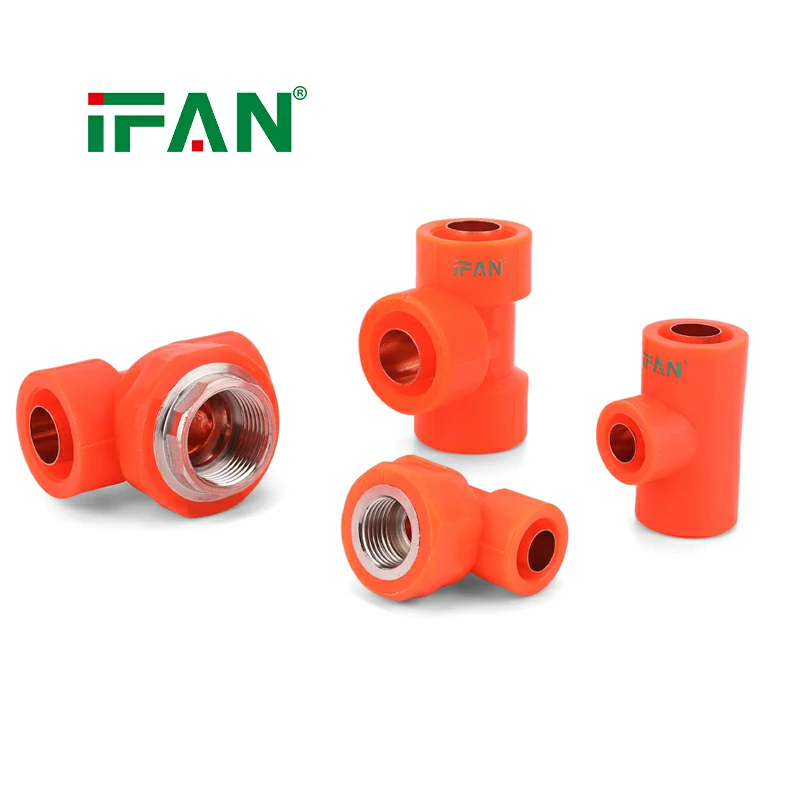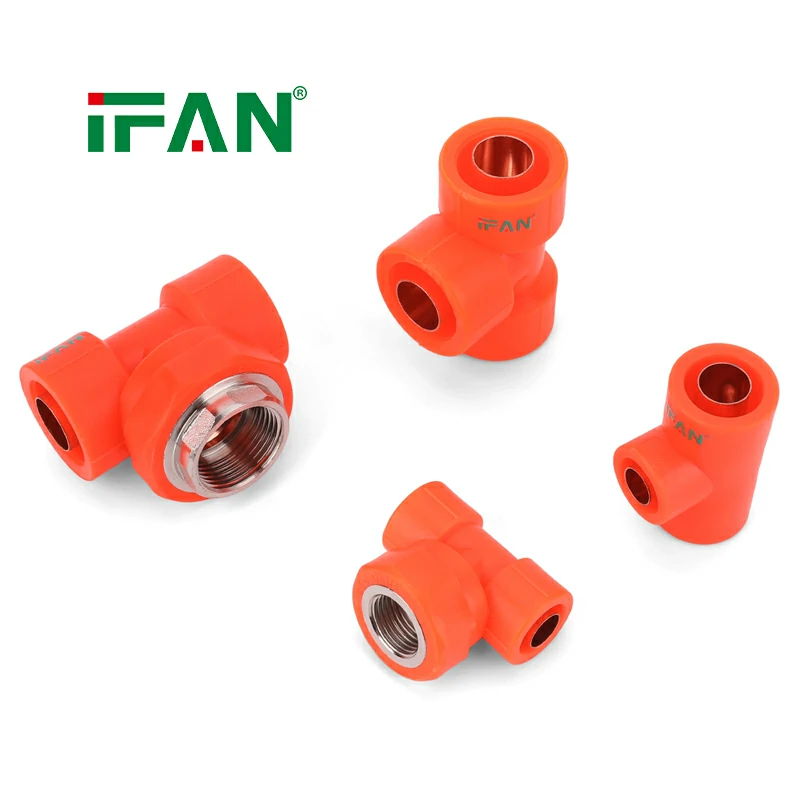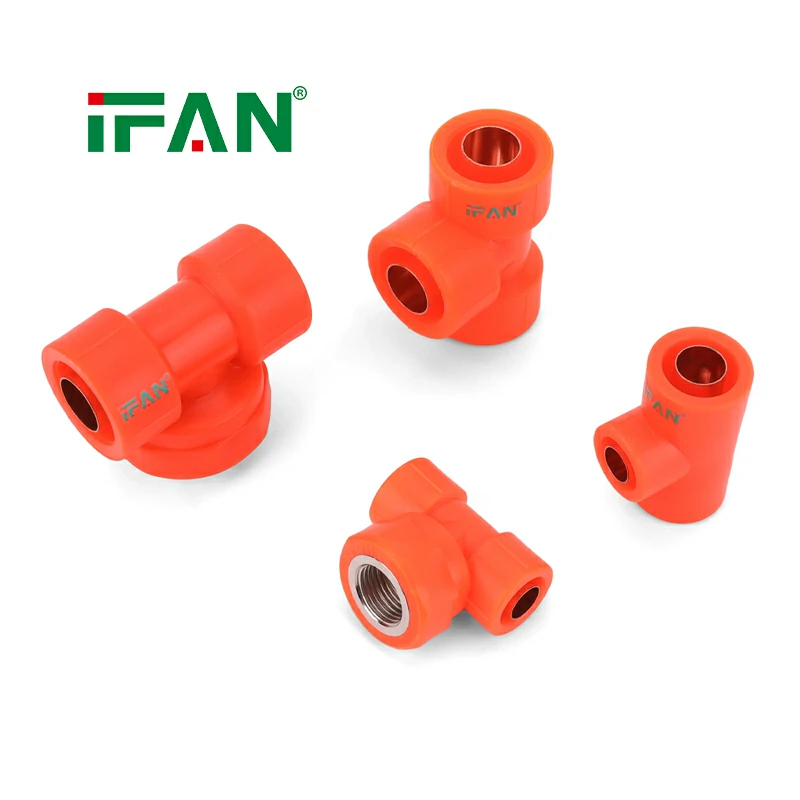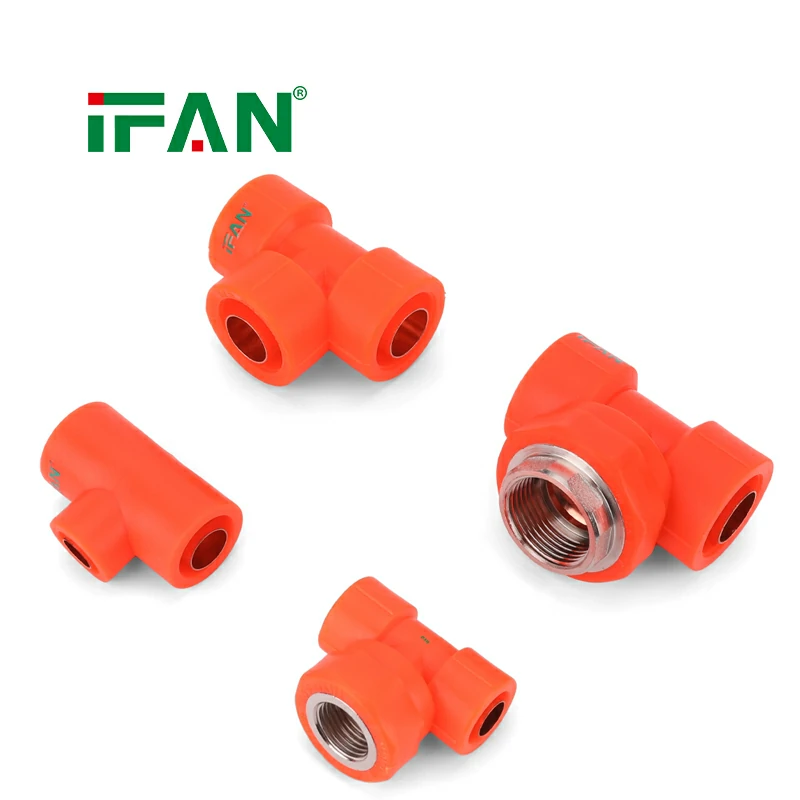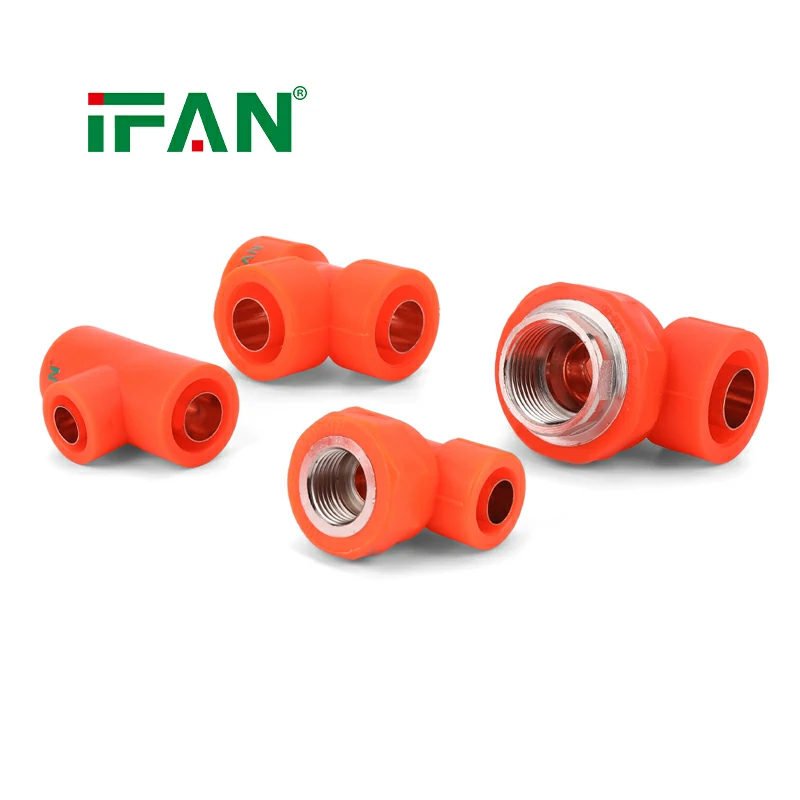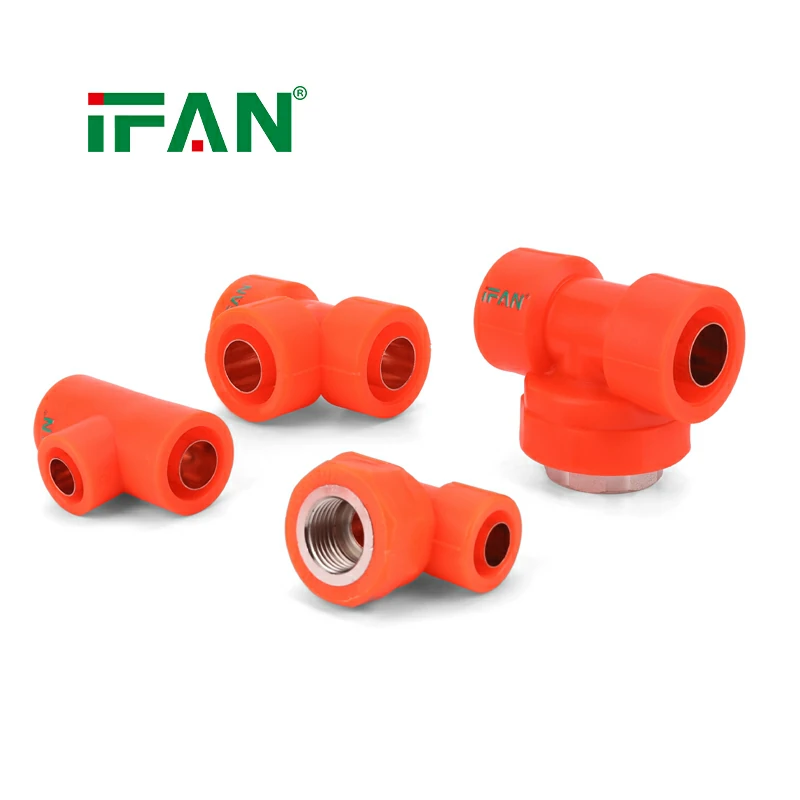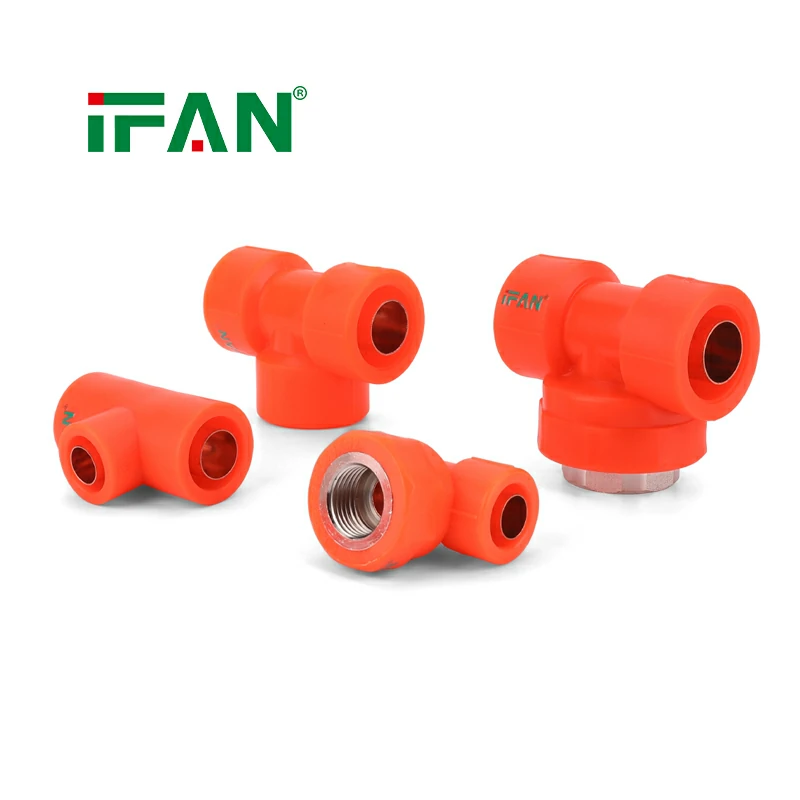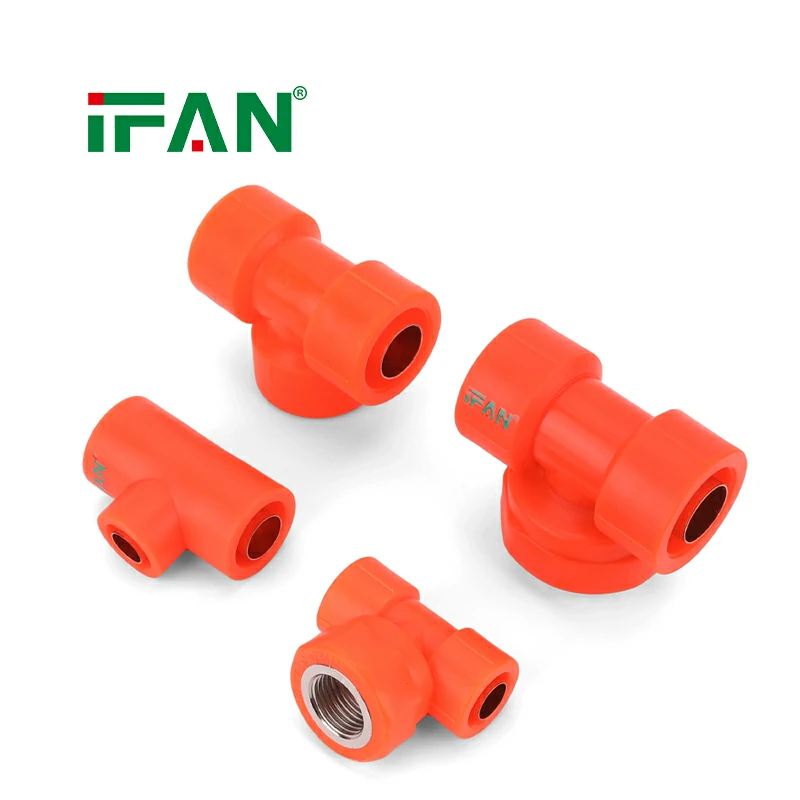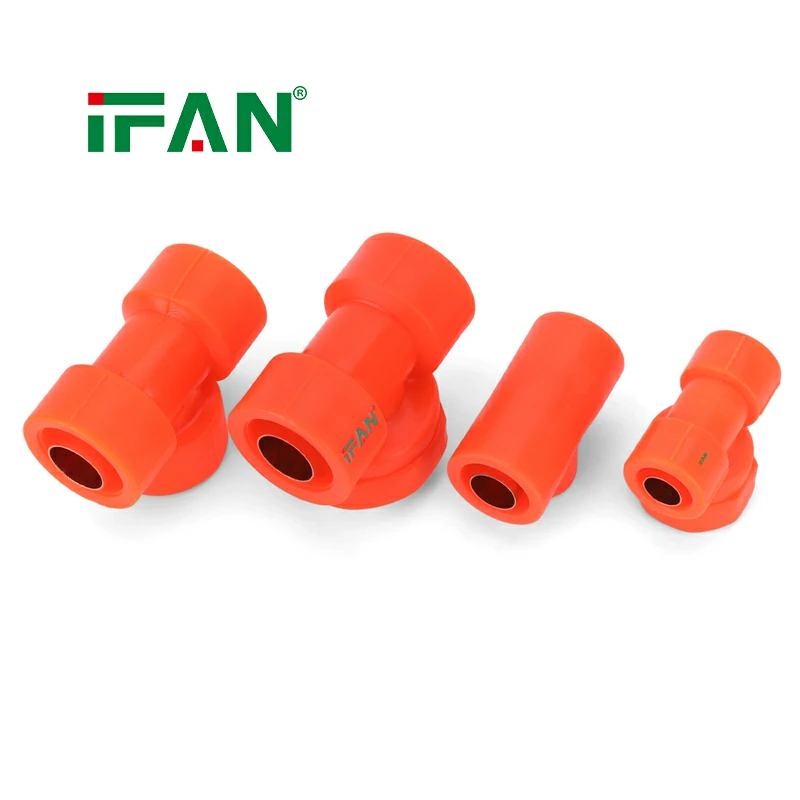
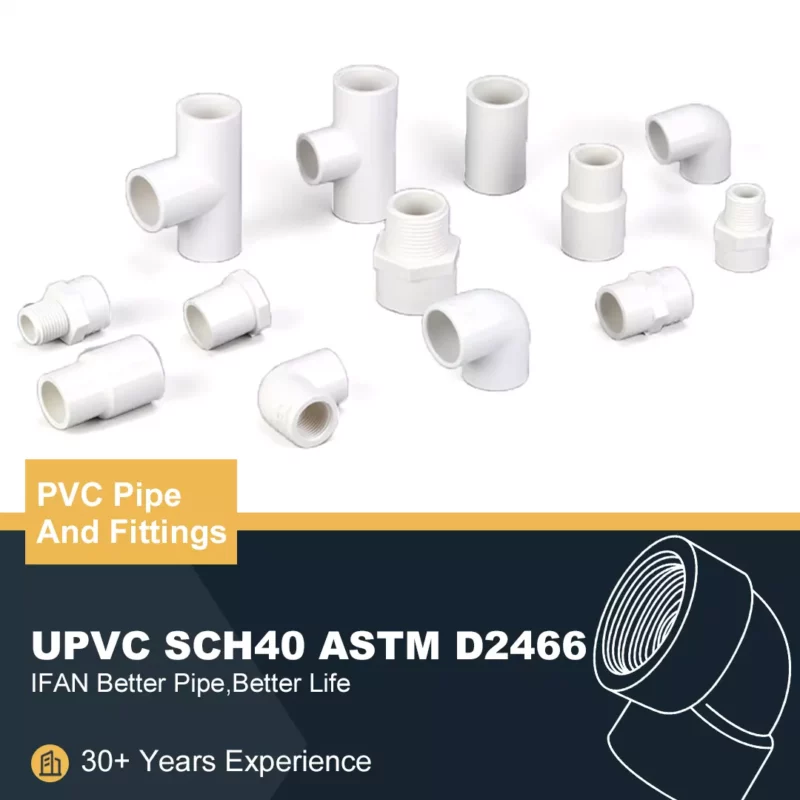
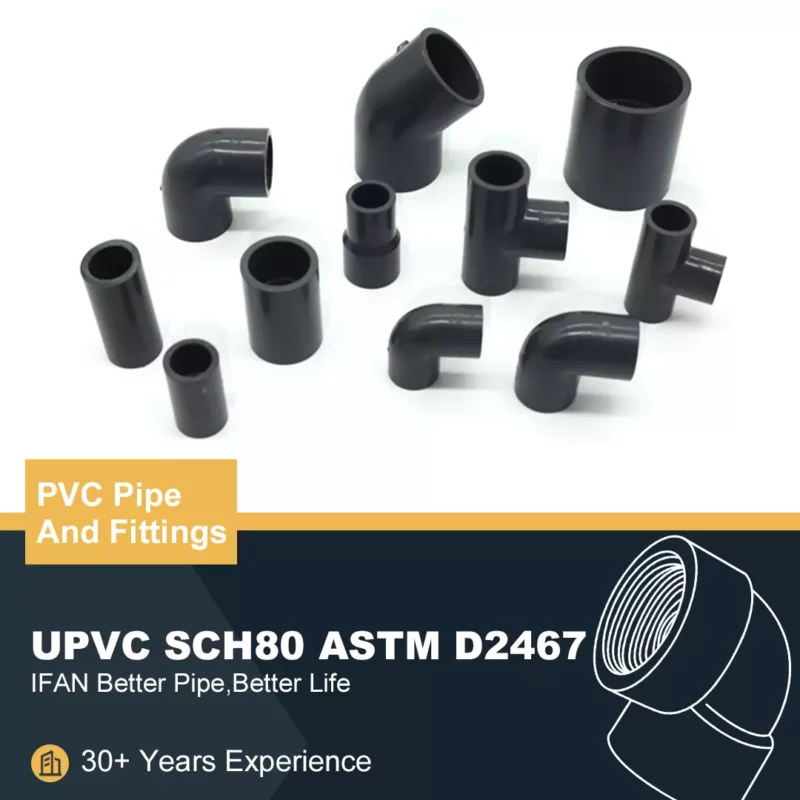
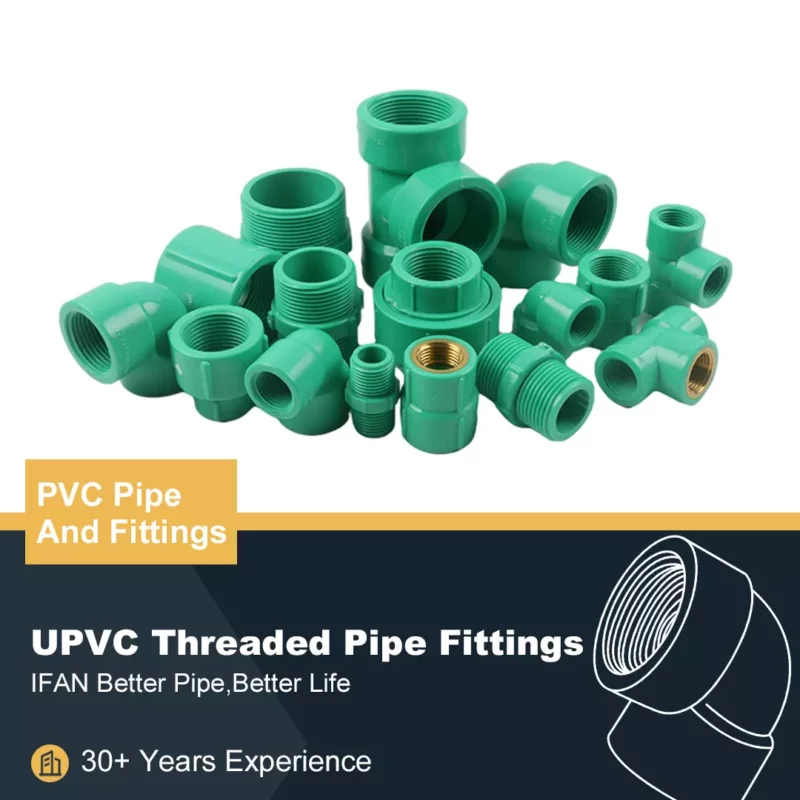
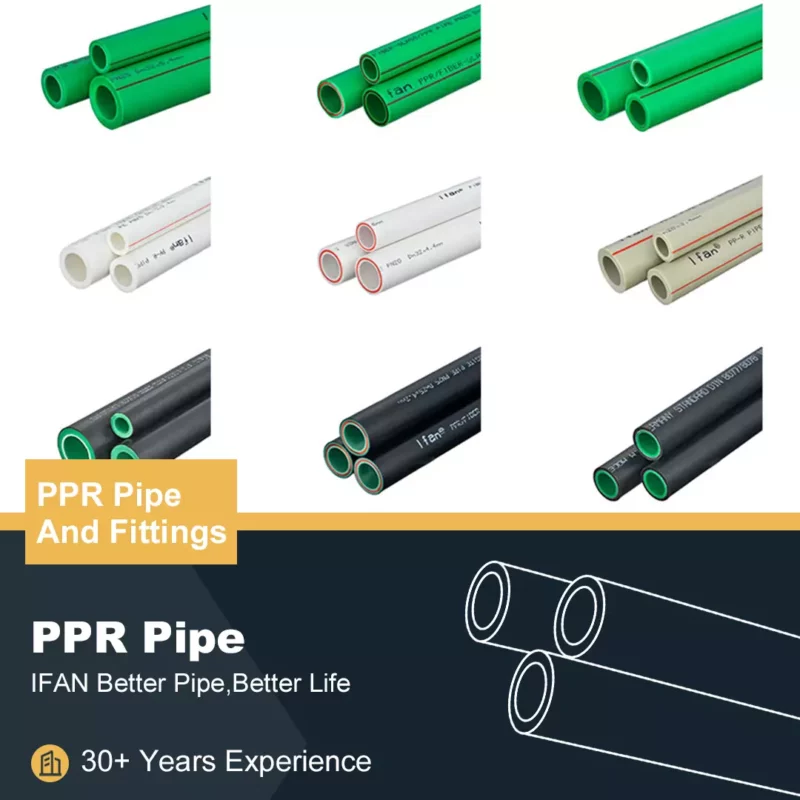
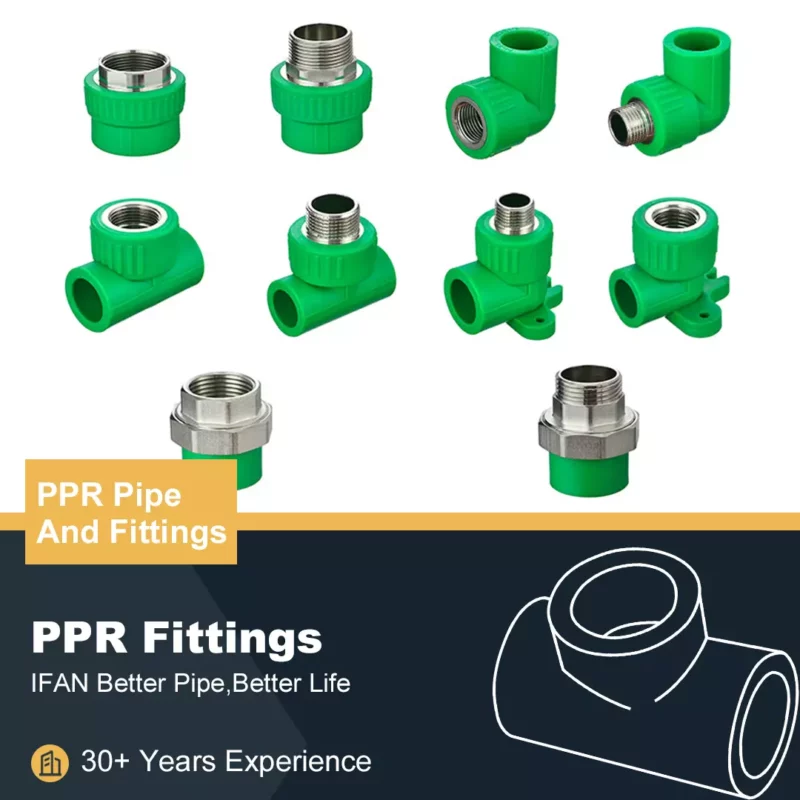
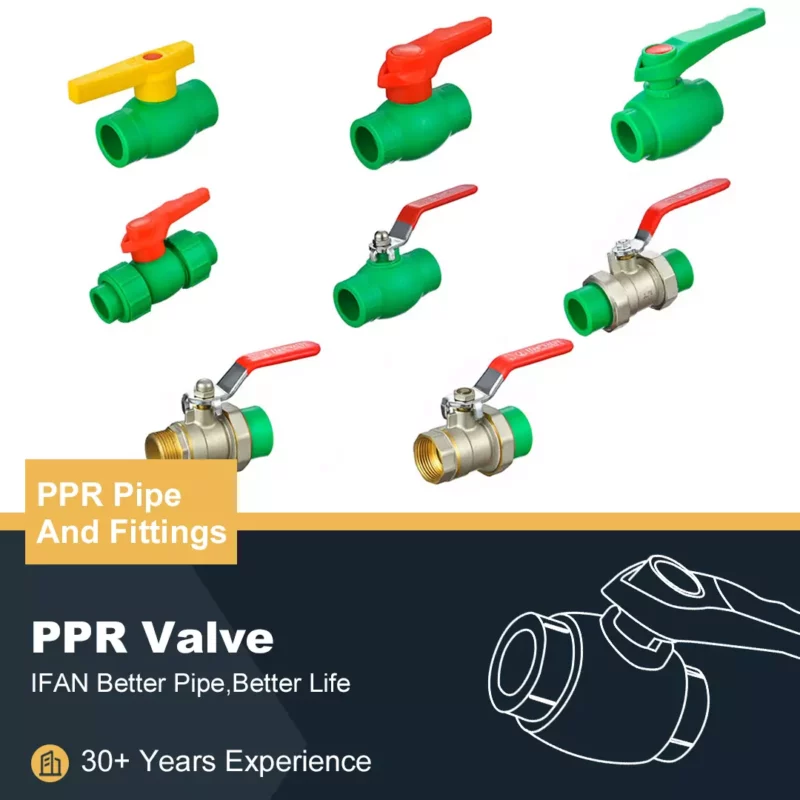
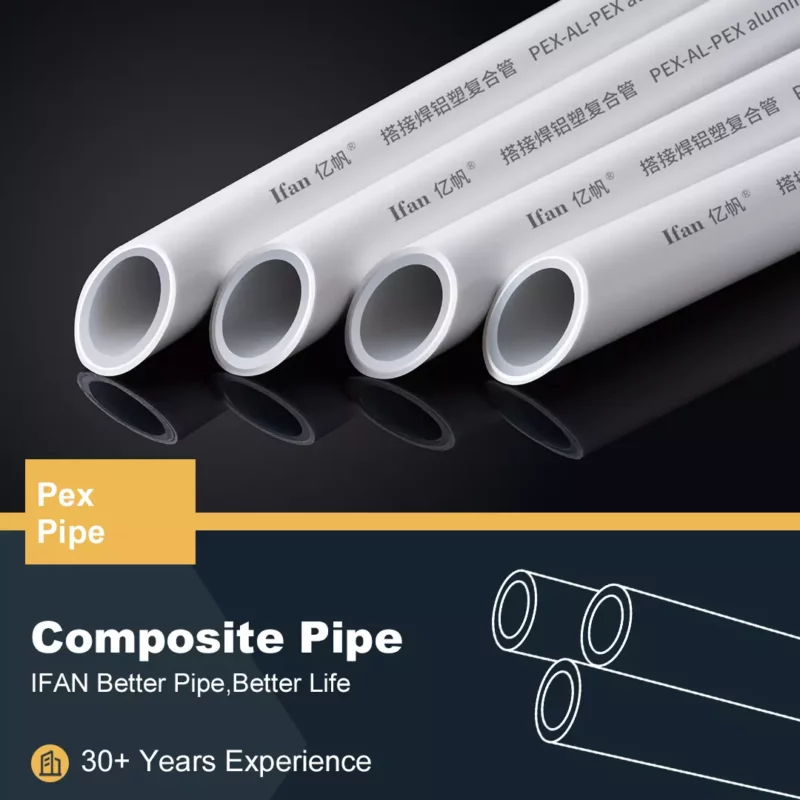
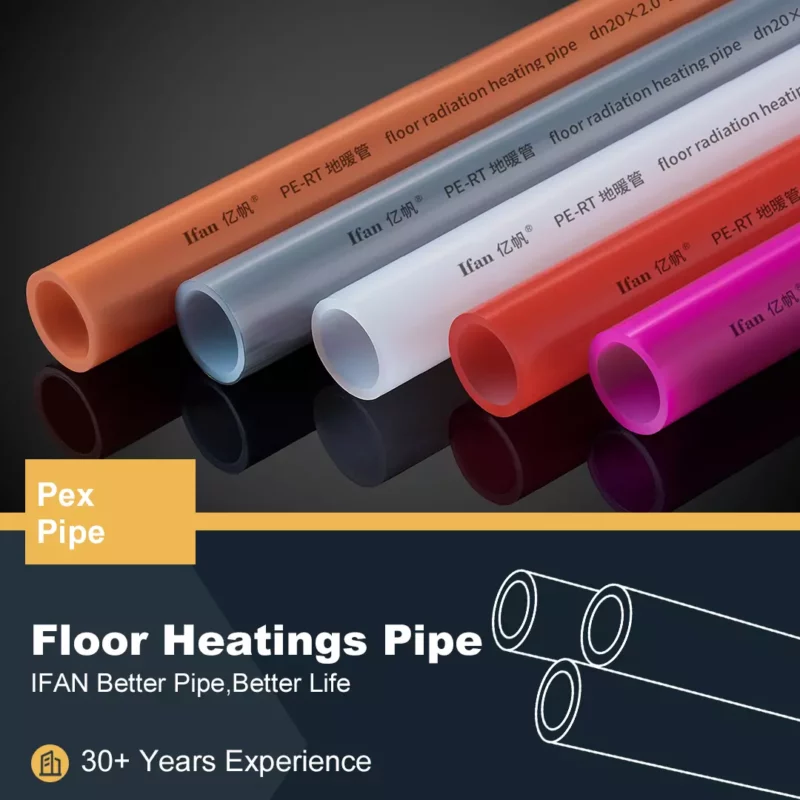



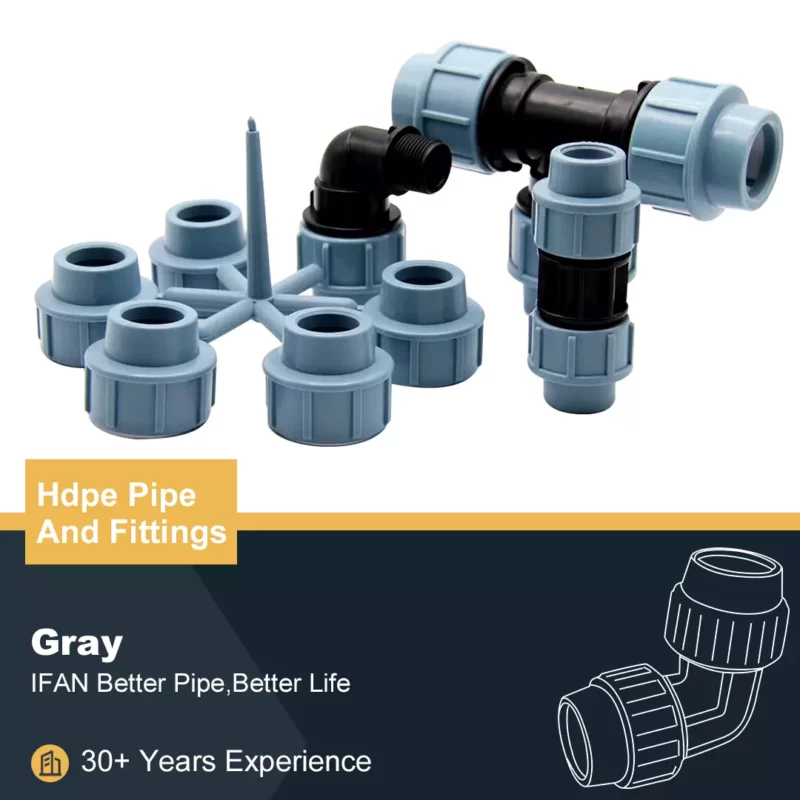




The global PPR fittings market stands at the forefront of a transformative decade, poised for significant evolution driven by technological innovation, sustainability mandates, and shifting global infrastructure priorities. This comprehensive industry report to 2033 provides a detailed analysis of the market dynamics, growth catalysts, emerging trends, and future outlook for Polypropylene Random Copolymer (PPR) fittings, which have become the cornerstone of modern plumbing and fluid handling systems worldwide.
Executive Summary: A Market in Transition
The PPR fittings market is projected to experience a robust Compound Annual Growth Rate (CAGR) of 7.8% from 2023 to 2033, with the market valuation expected to surpass USD 8.5 billion by the end of the forecast period. This growth trajectory is underpinned by the global construction boom, replacement of aging metallic piping infrastructure, and increasing regulatory emphasis on water conservation and system efficiency. The superior technical properties of PPR fittings—including corrosion resistance, leak-proof joint technology, and installation efficiency—have positioned them as the preferred solution across residential, commercial, and industrial applications.
Market Segmentation Analysis
By Product Type:
- Standard PPR fittings (Elbows, Tees, Couplings) dominate with 45% market share
- Multi-layer composite PPR fittings showing fastest growth at 12.3% CAGR
- Electrofusion PPR fittings gaining traction in retrofit applications
- Large-diameter PPR fittings (>110mm) emerging for industrial applications
By Application:
- Potable water systems represent the largest application segment (52%)
- Heating and cooling systems showing accelerated adoption
- Industrial fluid handling emerging as a high-growth niche
- Agricultural irrigation applications gaining market presence
By End-User:
- Residential construction accounts for 48% of PPR fittings consumption
- Commercial real estate demonstrating strongest growth momentum
- Industrial sector increasingly specifying PPR fittings for corrosive environments
- Municipal infrastructure upgrades driving public sector demand
Regional Market Dynamics
Asia-Pacific: The Growth Engine
The Asia-Pacific region dominates the global PPR fittings market with 54% share and is projected to maintain leadership through 2033. China’s massive infrastructure initiatives, India’s “Housing for All” program, and Southeast Asia’s rapid urbanization are primary growth drivers. The region is also witnessing substantial manufacturing capacity expansion, with local producers increasingly competing on quality rather than just price.
North America: Steady Evolution
The North American PPR fittings market is characterized by gradual but consistent displacement of traditional CPVC and copper systems. Building code evolution, increased focus on water conservation, and growing installer preference for fusion welding over solvent cement are driving adoption. The market is expected to grow at 6.2% CAGR through 2033.
Europe: Maturity and Innovation
European markets demonstrate the highest penetration of PPR fittings globally, with Germany, France, and the Benelux countries leading adoption. The market is characterized by premiumization, with smart PPR fittings and integrated digital solutions gaining traction. Sustainability regulations and circular economy principles are shaping product development and material choices.
Middle East and Africa: Emerging Opportunities
The MEA region presents substantial growth potential for PPR fittings, particularly in GCC countries’ mega-projects and African urban development initiatives. The climate suitability of PPR systems and government focus on reducing non-revenue water are key market drivers.
Key Growth Drivers
Infrastructure Development Wave:
Global infrastructure investment, particularly in emerging economies, is creating unprecedented demand for reliable plumbing systems. PPR fittings are benefiting from their proven performance in large-scale projects and increasing specification by engineering consultants.
Water Conservation Imperative:
With municipalities worldwide facing water scarcity challenges, the leak-proof characteristics of PPR fittings systems are becoming a critical selection criterion. The ability to reduce non-revenue water by 15-25% compared to traditional systems represents a compelling value proposition.
Labor Efficiency Requirements:
The global shortage of skilled plumbers is accelerating adoption of PPR fittings, which require less specialized labor for installation compared to threaded or soldered systems. The reduced installation time (30-50% faster than traditional methods) provides significant cost advantages.
Regulatory Support:
Increasingly stringent building codes regarding water safety, energy efficiency, and material sustainability are favoring PPR fittings over traditional alternatives. Bans on lead-based solder in many jurisdictions have further accelerated market transition.
Competitive Landscape
The global PPR fittings market features a diverse competitive environment:
Market Leaders:
- European manufacturers maintain leadership in premium segments
- Chinese producers dominate volume production and emerging markets
- Indian companies showing rapid quality improvement and export growth
Competitive Strategies:
- Product innovation focusing on smart features and installation efficiency
- Vertical integration to control raw material quality and costs
- Geographic expansion into high-growth emerging markets
- Strategic partnerships with plumbing contractors and specifiers
Market Consolidation:
The PPR fittings market is experiencing moderate consolidation as larger players acquire regional manufacturers to gain market access and production capacity. This trend is expected to continue through the forecast period.
Technological Innovations Shaping the Future
Smart PPR Fittings:
The integration of IoT sensors into PPR fittings is creating new value propositions in predictive maintenance and system monitoring. These smart fittings can detect leaks, monitor water quality, and provide real-time system performance data.
Advanced Material Science:
Next-generation PPR fittings incorporate nano-composites and advanced polymer blends that enhance thermal stability, impact resistance, and pressure ratings. These innovations are expanding application possibilities into more demanding industrial environments.
Digital Integration:
QR codes and RFID tags on PPR fittings are enabling digital twins of plumbing systems, simplifying maintenance, and providing verification of installation quality. This digital thread is becoming increasingly important in commercial and industrial applications.
Sustainable Formulations:
Bio-based polypropylene and advanced recycling technologies are making PPR fittings more sustainable. Several major manufacturers have committed to 100% recyclable or bio-based PPR fittings by 2030.
Challenges and Restraints
Price Volatility:
Raw material price fluctuations, particularly in polypropylene, create margin pressure and pricing instability in the PPR fittings market. Manufacturers are addressing this through strategic sourcing and formula optimization.
Quality Standardization:
The proliferation of sub-standard PPR fittings, particularly in emerging markets, threatens market credibility. Industry associations and regulatory bodies are responding with stricter certification requirements and enforcement.
Installation Skill Gaps:
While PPR fittings installation is less skill-intensive than traditional methods, the need for certified fusion welders creates adoption barriers in some markets. Manufacturer-led training programs are helping to address this challenge.
Strategic Recommendations
For Manufacturers:
- Invest in circular economy capabilities and sustainable material development
- Develop region-specific product portfolios addressing local needs and standards
- Strengthen technical support and training infrastructure
- Pursue strategic acquisitions to fill geographic or product portfolio gaps
For Distributors:
- Focus on value-added services including technical support and installation training
- Develop specialized expertise in high-growth application segments
- Build partnerships with plumbing contractors and specifiers
- Implement robust quality assurance protocols
For End-Users:
- Specify certified PPR fittings from reputable manufacturers
- Invest in installer training to ensure system performance
- Consider total cost of ownership rather than just initial material cost
- Leverage digital capabilities for system maintenance and management
Future Outlook to 2033
The PPR fittings market is positioned for a decade of sustained growth and transformation. Several key trends will shape the market landscape:
Technology Convergence:
The integration of digital, material, and installation technologies will create new value propositions and application possibilities for PPR fittings.
Sustainability Leadership:
PPR fittings will increasingly be positioned as a sustainable choice, with manufacturers focusing on circular economy principles and environmental product declarations.
Market Polarization:
The market will likely polarize between standardized volume products and specialized premium solutions, with manufacturers needing to choose strategic focus.
Global Standards Harmonization:
Increasing harmonization of quality standards and certification requirements will facilitate global trade and quality assurance.
Conclusion: A Foundation for Future Growth
The PPR fittings market represents a critical component of global infrastructure development through 2033. The convergence of technical superiority, economic advantages, and sustainability benefits positions PPR fittings for continued market share gains across applications and geographies. Market participants who successfully navigate the evolving landscape—embracing innovation, ensuring quality, and addressing sustainability imperatives—are positioned to capitalize on the significant growth opportunities ahead.
The transition from traditional piping materials to PPR fittings is more than a product substitution—it represents a fundamental upgrade in system reliability, efficiency, and sustainability that aligns perfectly with global infrastructure needs for the coming decade.
If you have read this article and have any questions, please feel free to contact IFAN. Below is our contact information:
Whatsapp:+86 13373827623