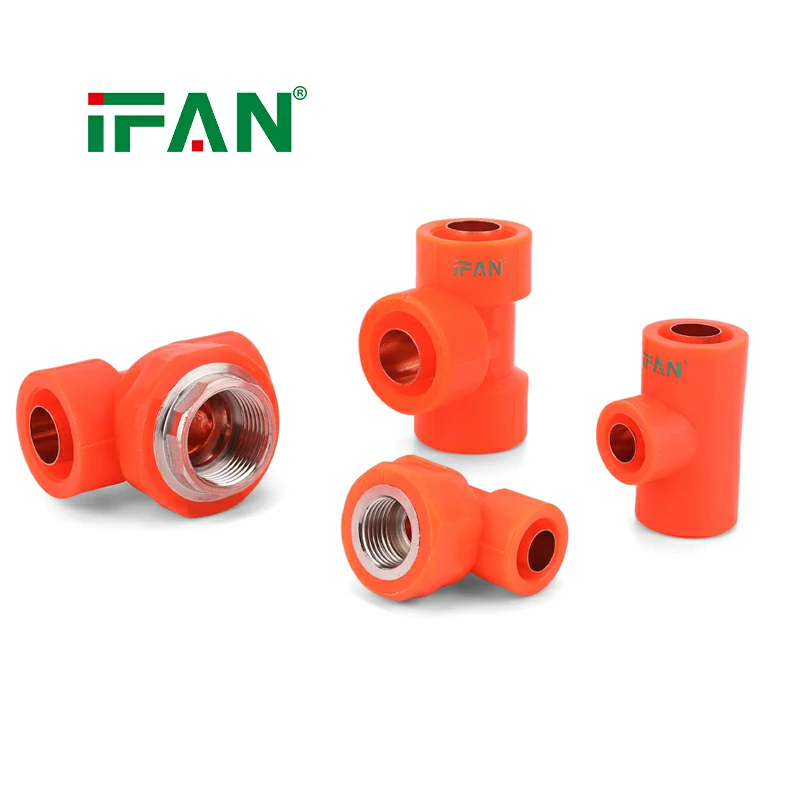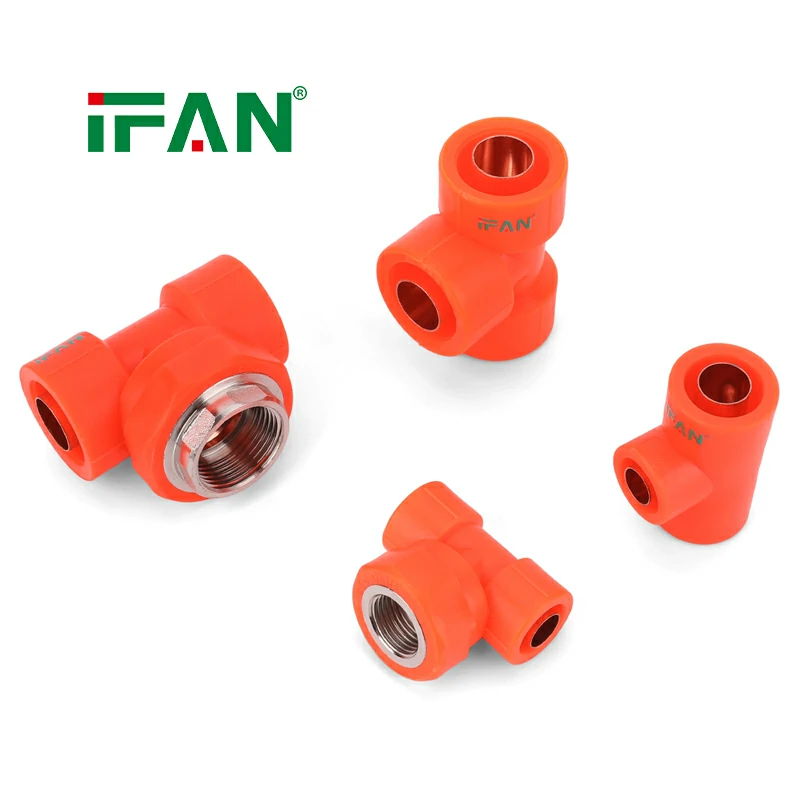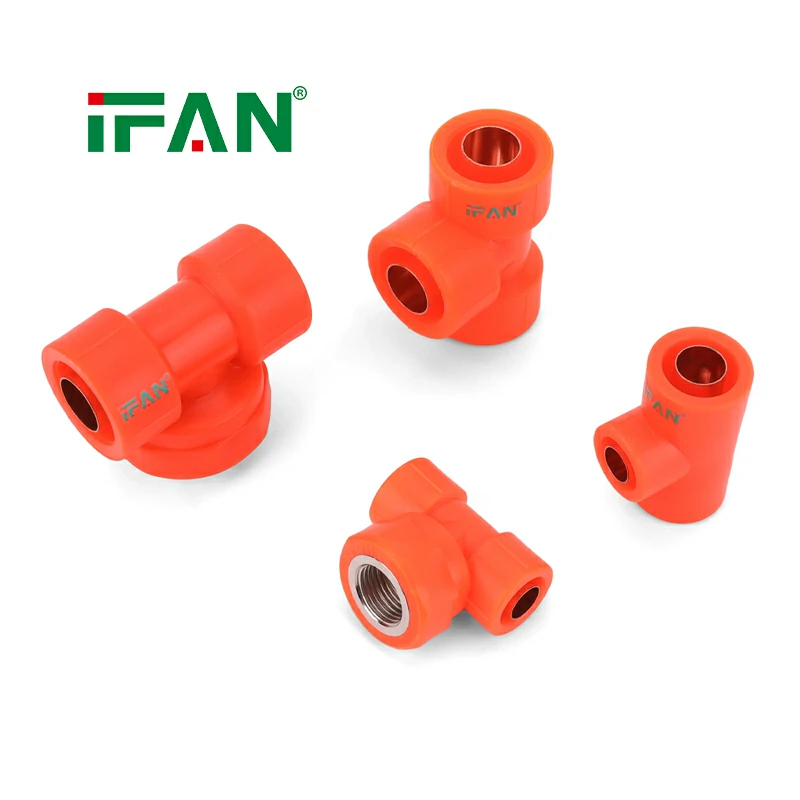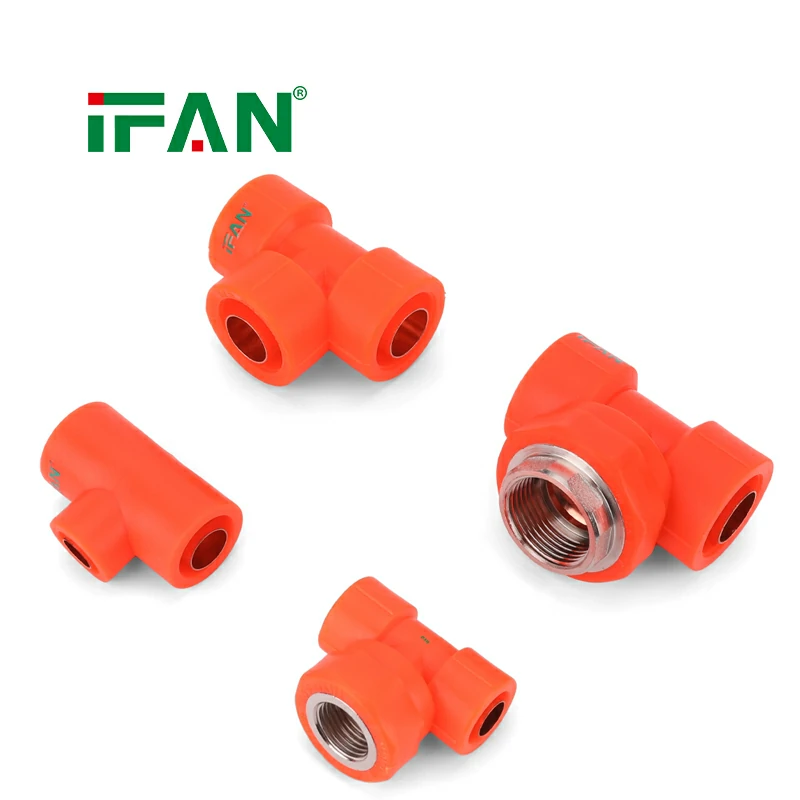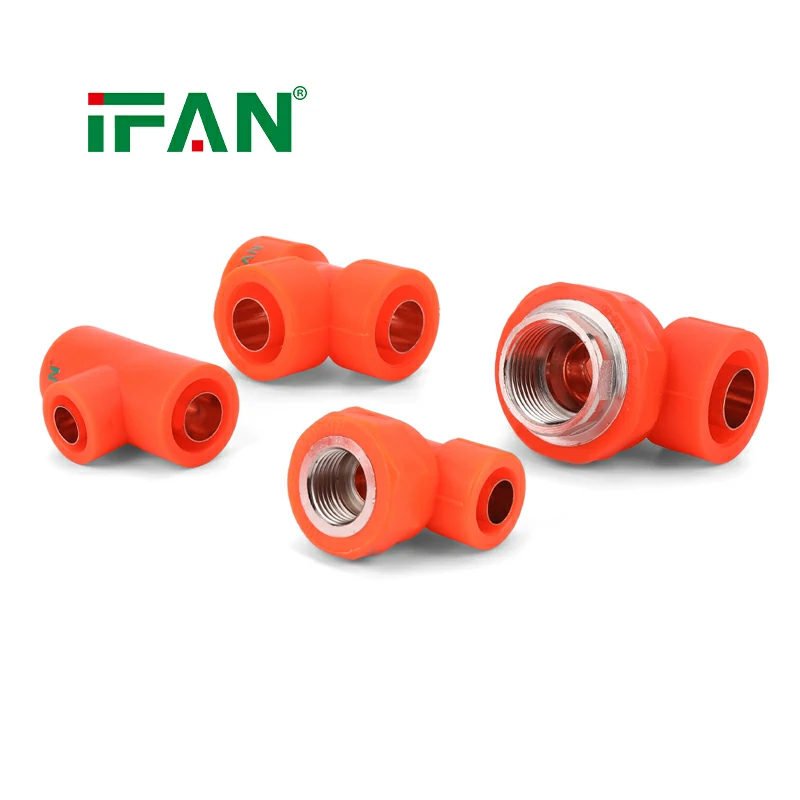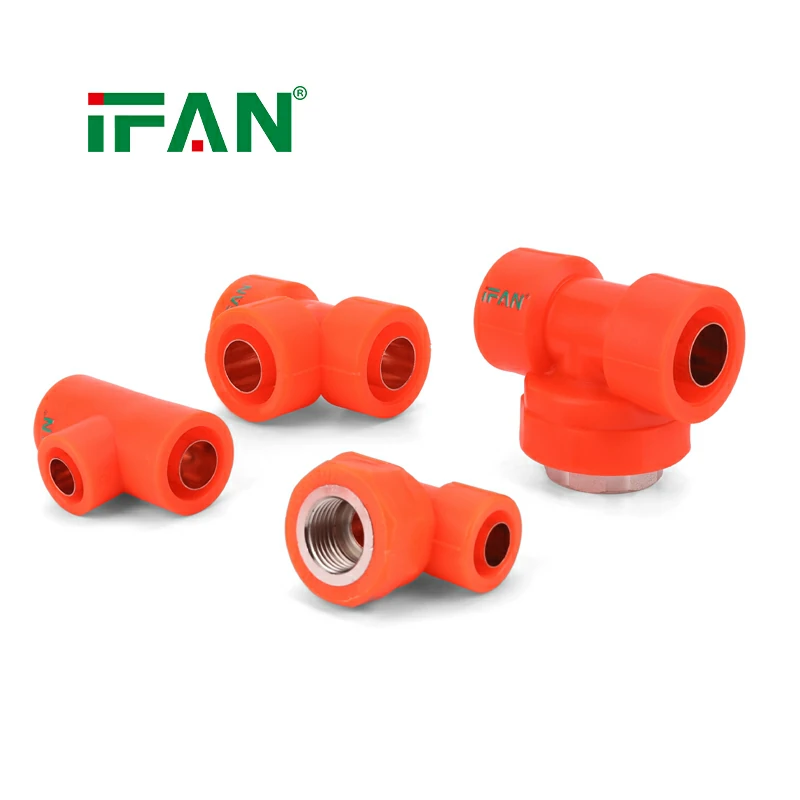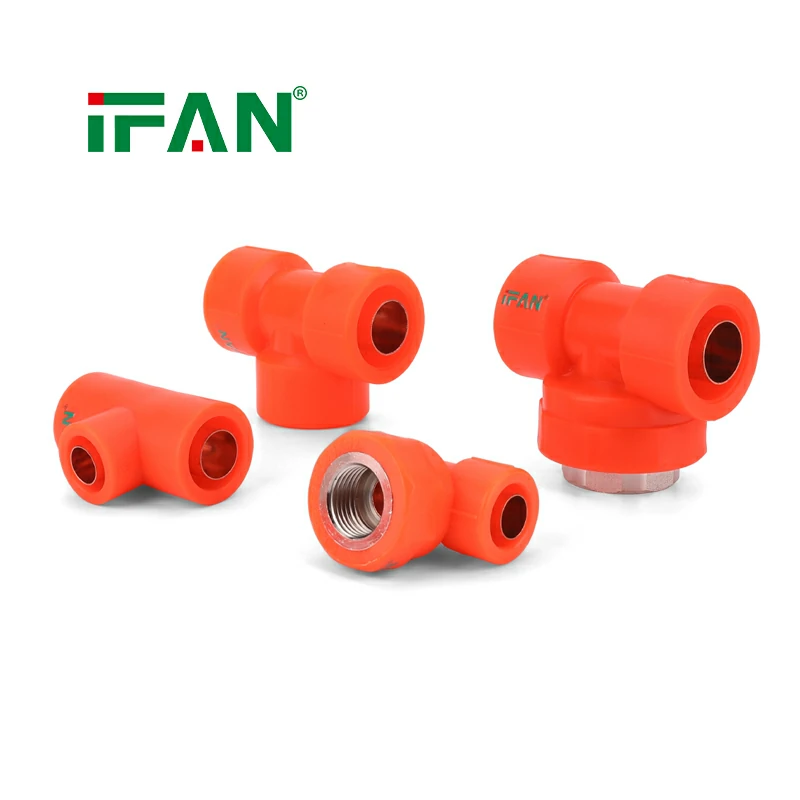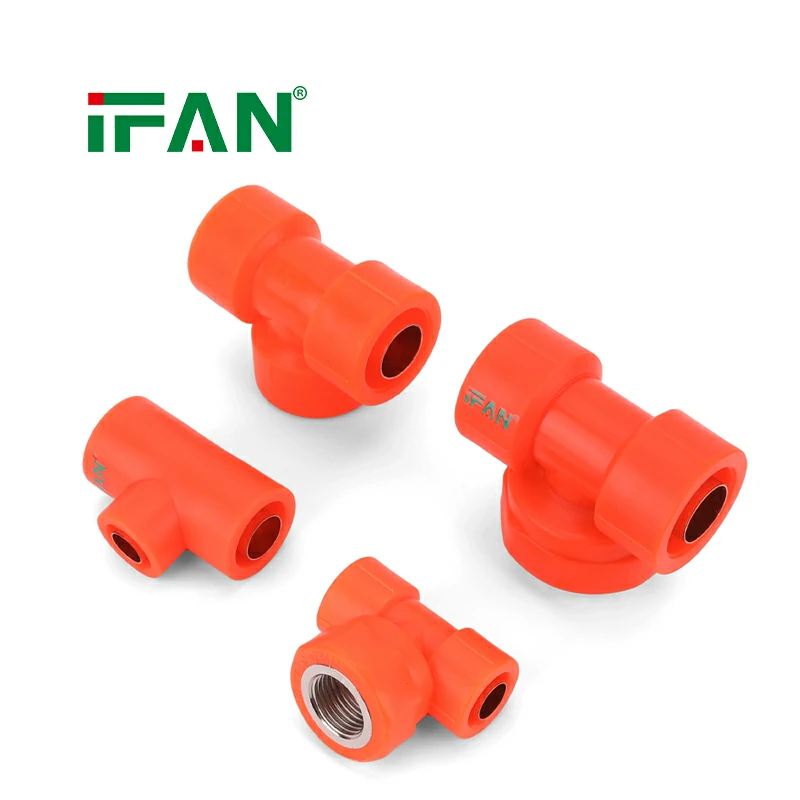
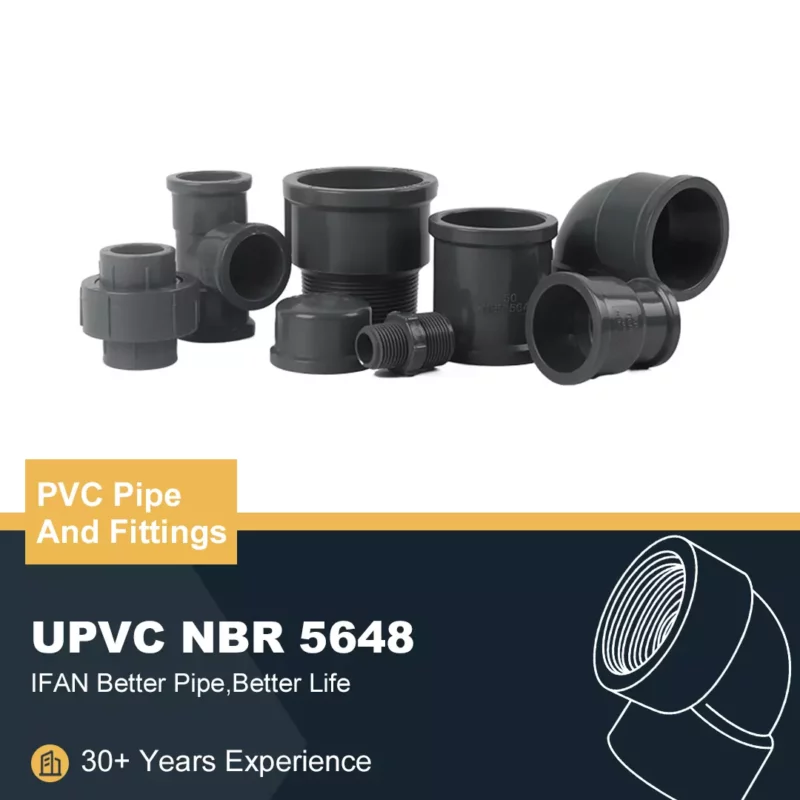
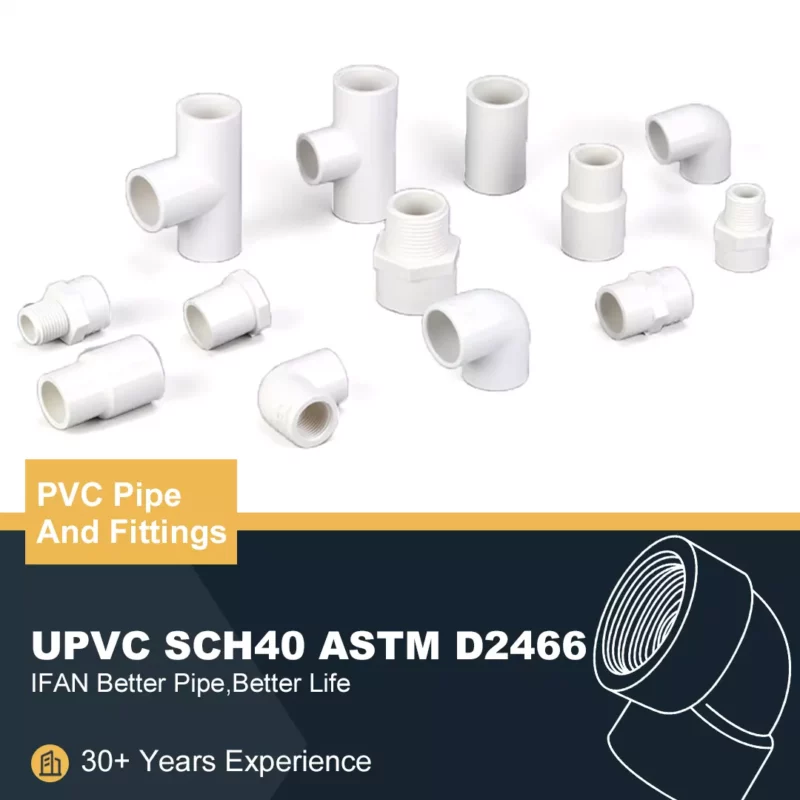
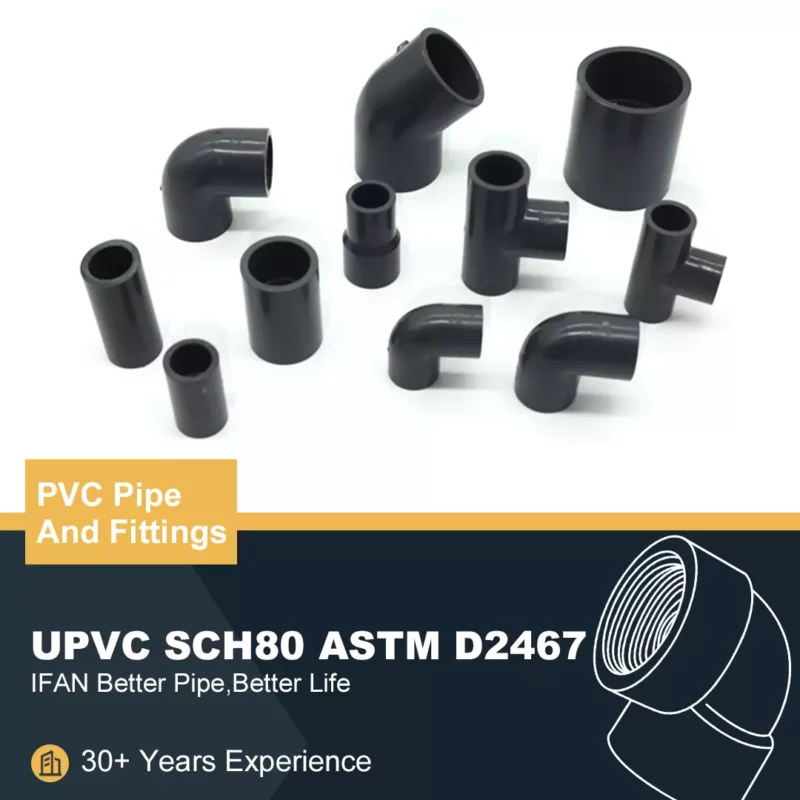
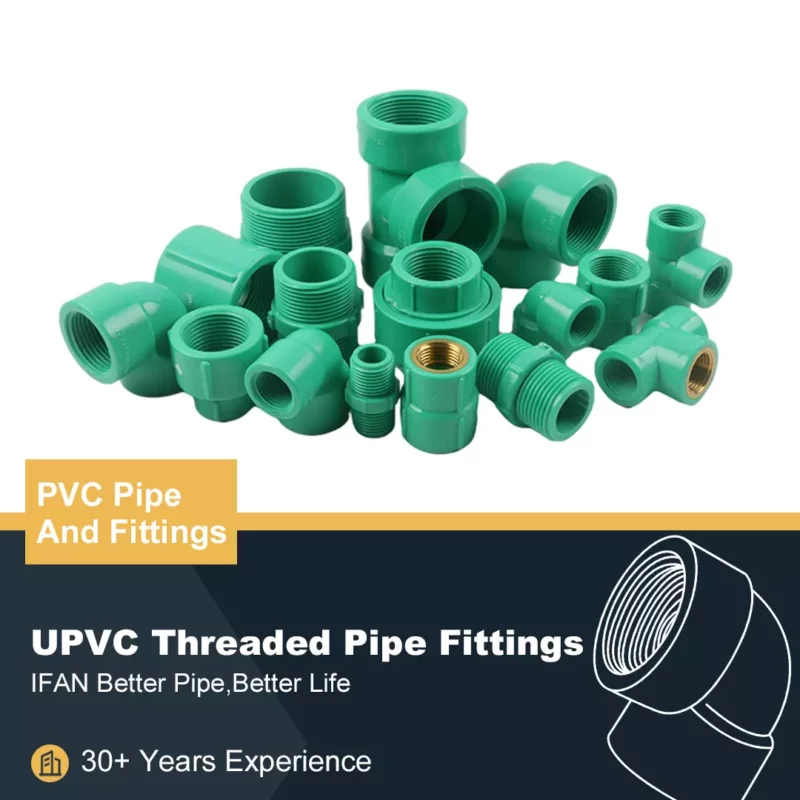
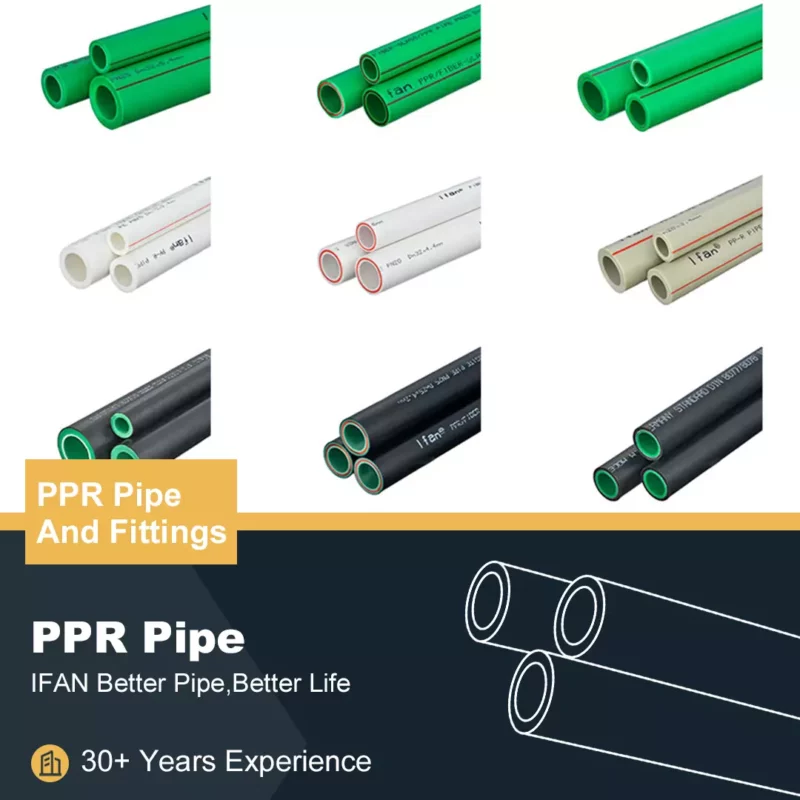
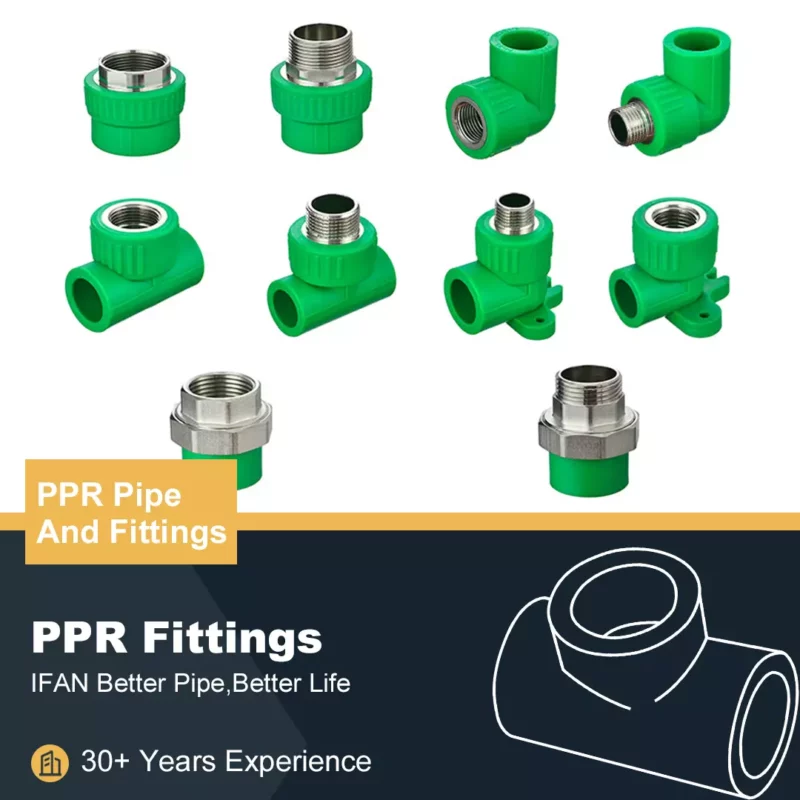
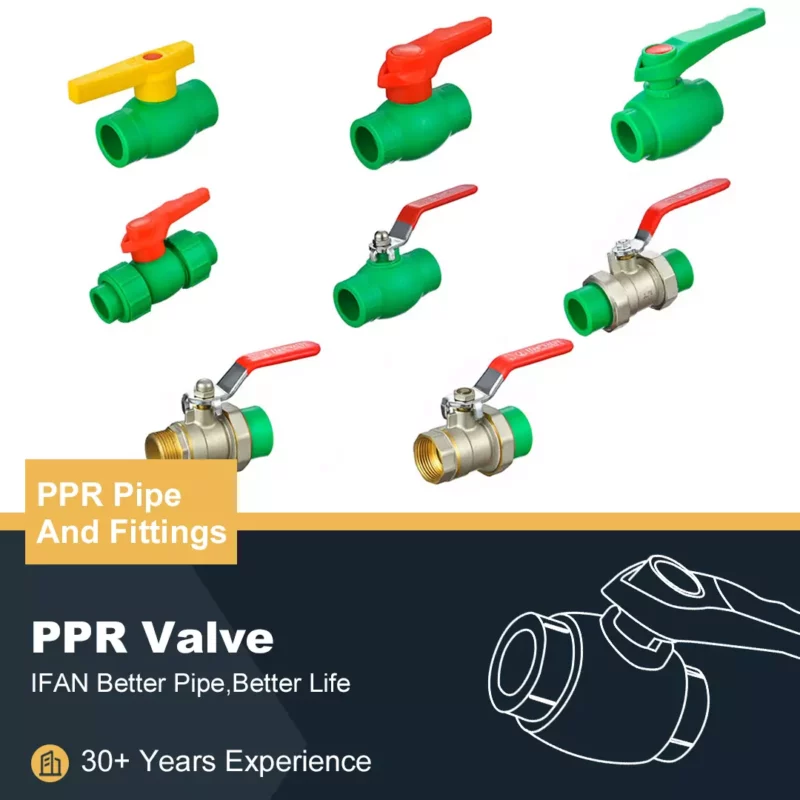
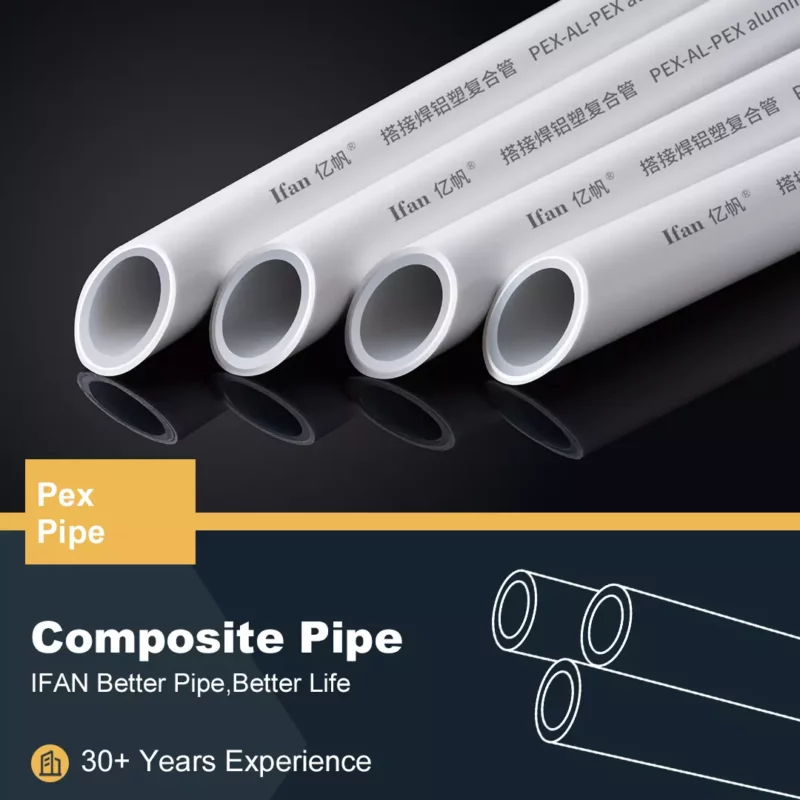
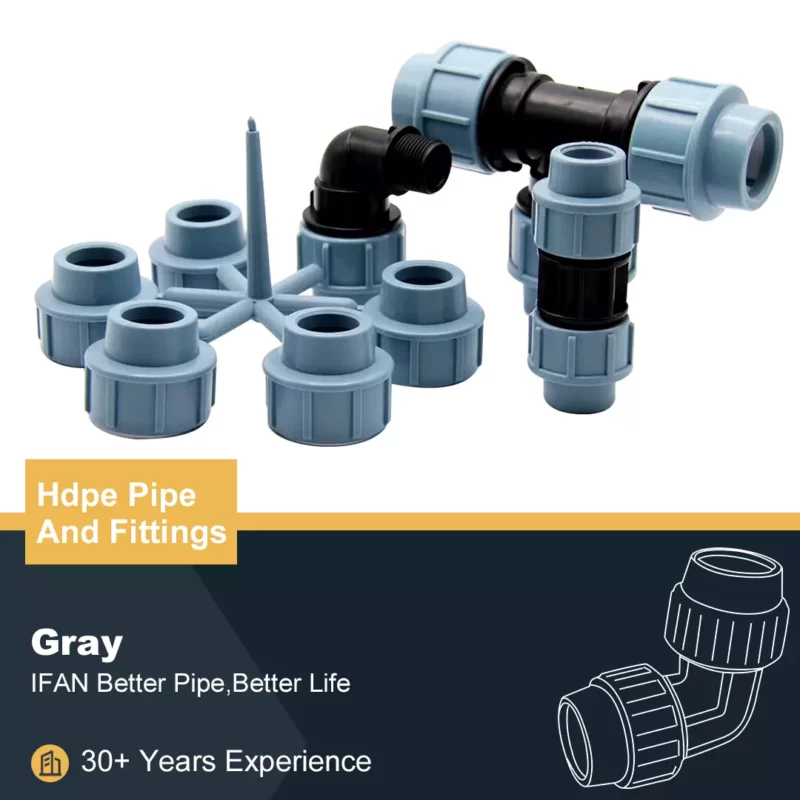


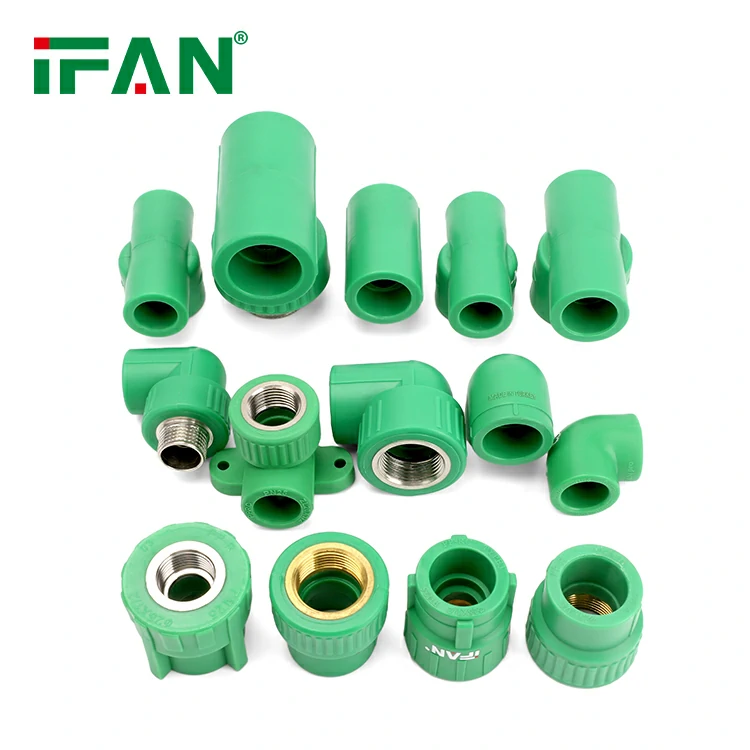
Kenya’s construction and plumbing sectors are experiencing a significant transformation, largely driven by the emergence and growth of local PPR fittings manufacturers. This burgeoning industry represents a crucial component of Kenya’s industrial development strategy, aligning with the government’s “Buy Kenya, Build Kenya” initiative and supporting the nation’s ambitious infrastructure goals. The rise of domestic production for PPR fittings is not only meeting local demand but also positioning Kenya as a potential regional hub for quality plumbing materials in East Africa.
The Kenyan PPR Fittings Market Landscape
The market for PPR fittings in Kenya has evolved from complete import dependency to increasingly robust local manufacturing capacity. This transition is fueled by several key factors:
Growing Construction Industry:
Kenya’s construction sector has maintained an average growth rate of 6.5% annually, driven by both public infrastructure projects and private real estate development. The government’s Affordable Housing Program, part of the Big Four Agenda, has particularly stimulated demand for reliable, cost-effective plumbing materials like PPR fittings.
Urbanization and Water Infrastructure Needs:
With Kenya’s urbanization rate exceeding 4% annually, the demand for modern plumbing solutions in urban centers has skyrocketed. Additionally, initiatives to expand access to clean water and improve sanitation facilities nationwide have created sustained demand for durable PPR fittings that can withstand local conditions.
Import Substitution Economic Policy:
The high cost of importing PPR fittings, coupled with foreign exchange volatility, has made local manufacturing increasingly attractive. The Kenyan government’s support for local manufacturing through tax incentives and industrial parks has accelerated this transition.
Leading PPR Fitting Manufacturers in Kenya
Several key players have established significant manufacturing presence in Kenya:
1. Davis & Shirtliff Group
As one of East Africa’s leading water and energy solutions providers, Davis & Shirtliff has invested heavily in local production of PPR fittings. Their manufacturing facility in Athi River produces a comprehensive range of PPR fittings that meet international standards while being optimized for African conditions.
2. Sanha Kenya Ltd.
Specializing in plumbing and piping systems, Sanha has established a state-of-the-art manufacturing plant in Nairobi. Their PPR fittings production focuses on both standard plumbing applications and specialized industrial uses, with rigorous quality control processes ensuring product reliability.
3. Astral Pipes Kenya
Leveraging global expertise with local manufacturing, Astral operates a modern production facility in Mombasa. Their PPR fittings are known for consistent quality and competitive pricing, making them popular among both large contractors and individual plumbers.
4. Several Emerging Local Manufacturers
A growing number of Kenyan-owned enterprises have entered the PPR fittings manufacturing space, often focusing on specific market segments or regional distribution. These include:
- Plastex Kenya Ltd. in Thika
- Pipe & Fittings Kenya Ltd. in Industrial Area, Nairobi
- Aqua-Plast Industries in Ruiru
Manufacturing Capabilities and Quality Standards
Kenyan PPR fittings manufacturers have made significant strides in production technology and quality assurance:
Production Technology:
- Advanced injection molding machines for precise PPR fittings manufacturing
- Computer-controlled extrusion systems for consistent pipe production
- Automated quality monitoring systems throughout production processes
- Robotic handling systems for improved efficiency and reduced contamination
Quality Assurance:
- Adherence to KS 1956:2019 standards for plastic piping systems
- Implementation of ISO 9001 quality management systems
- Regular third-party testing and certification
- Compliance with international standards including DIN 8077/8078
Material Standards:
Leading Kenyan manufacturers use virgin PP-R CT (Type 3) raw materials, ensuring:
- Long-term pressure resistance
- Thermal stability for hot water applications
- Chemical resistance to local water conditions
- Durability exceeding 50-year service life
Market Advantages of Kenyan-Made PPR Fittings
Local manufacturing provides several competitive advantages:
Cost Competitiveness:
- Elimination of import duties and shipping costs
- Reduced logistics expenses within Kenya
- Economies of scale from serving regional markets
- Competitive pricing compared to imported alternatives
Supply Chain Efficiency:
- Shorter lead times for contractors and distributors
- Better inventory management for retailers
- Quick response to market demand fluctuations
- Reduced risk of project delays due to material shortages
Technical Support and Training:
- Local technical support teams
- Installation training programs for plumbers
- Customized solutions for specific project requirements
- Rapid response to technical queries and site visits
Challenges Facing Local Manufacturers
Despite significant progress, Kenyan PPR fittings manufacturers face several challenges:
Raw Material Dependency:
Most manufacturers still import polypropylene compound raw materials, exposing them to global price fluctuations and currency exchange risks.
Competition from Imports:
Lower-quality imported PPR fittings, particularly from Asia, continue to pressure the market with aggressive pricing, though often at the expense of quality and durability.
Technical Skills Gap:
There remains a shortage of highly skilled technicians and engineers specialized in polymer processing and PPR fittings manufacturing technology.
Infrastructure Limitations:
Inconsistent power supply and logistical challenges occasionally disrupt production schedules and increase operational costs.
Government Support and Industrial Policy
The Kenyan government has implemented several initiatives supporting local PPR fittings manufacturing:
Manufacturing Under Bond Program:
This allows manufacturers to import raw materials duty-free for products destined for export, encouraging regional market expansion.
Special Economic Zones:
Manufacturers located in SEZs benefit from tax incentives and streamlined regulatory processes, enhancing their competitiveness.
Standards Enforcement:
The Kenya Bureau of Standards (KEBS) has strengthened enforcement against substandard PPR fittings, protecting quality-conscious local manufacturers.
Public Procurement Preference:
Government tenders often provide preference to locally manufactured PPR fittings, supporting domestic production.
Future Outlook and Growth Opportunities
The future looks promising for Kenyan PPR fittings manufacturers:
Regional Export Potential:
Kenya is well-positioned to supply PPR fittings to neighboring countries in the East African Community, leveraging its manufacturing infrastructure and logistics networks.
Technology Upgrade:
Ongoing investments in advanced manufacturing technologies will improve product quality and production efficiency.
Product Diversification:
Manufacturers are expanding into specialized PPR fittings for industrial applications, heating systems, and chemical processing.
Sustainable Manufacturing:
Increasing focus on energy-efficient production and recycling of production waste aligns with global sustainability trends.
Impact on Employment and Skills Development
The growth of PPR fittings manufacturing in Kenya has created significant employment opportunities:
- Direct employment in manufacturing operations
- Technical roles in quality control and R&D
- Sales and distribution networks
- Installation and technical support services
Additionally, manufacturers are investing in skills development through:
- Technical training programs
- Partnerships with vocational training institutions
- Apprenticeship programs for youth
- Continuous professional development for staff
Recommendations for Industry Growth
To further strengthen the local PPR fittings manufacturing sector:
For Manufacturers:
- Invest in research and development for product innovation
- Develop strategic partnerships with raw material suppliers
- Enhance after-sales support and technical training
- Pursue international quality certifications for export markets
For Government:
- Strengthen enforcement against substandard imports
- Enhance support for raw material local production
- Facilitate access to affordable financing for industry expansion
- Support industry-academia collaboration for skills development
For Stakeholders:
- Specify Kenyan-made PPR fittings in project specifications
- Participate in industry standards development
- Support knowledge sharing and best practice adoption
- Promote the quality and reliability of locally manufactured products
Conclusion: Building Kenya’s Future with Local Manufacturing
The growth of PPR fittings manufacturing in Kenya represents a success story in local industrial development and import substitution. Kenyan manufacturers have demonstrated their ability to produce world-class PPR fittings that meet international quality standards while offering competitive pricing and reliable supply.
As the construction industry continues to grow and infrastructure development accelerates, locally manufactured PPR fittings will play an increasingly vital role in building Kenya’s future. The industry’s growth not only supports economic development and job creation but also contributes to building better, more reliable plumbing infrastructure for all Kenyans.
With continued investment, innovation, and supportive policies, Kenyan PPR fittings manufacturers are well-positioned to not only dominate the domestic market but also become significant players in the regional East African market.
If you have read this article and have any questions, please feel free to contact IFAN. Below is our contact information:
Whatsapp:+86 13373827623