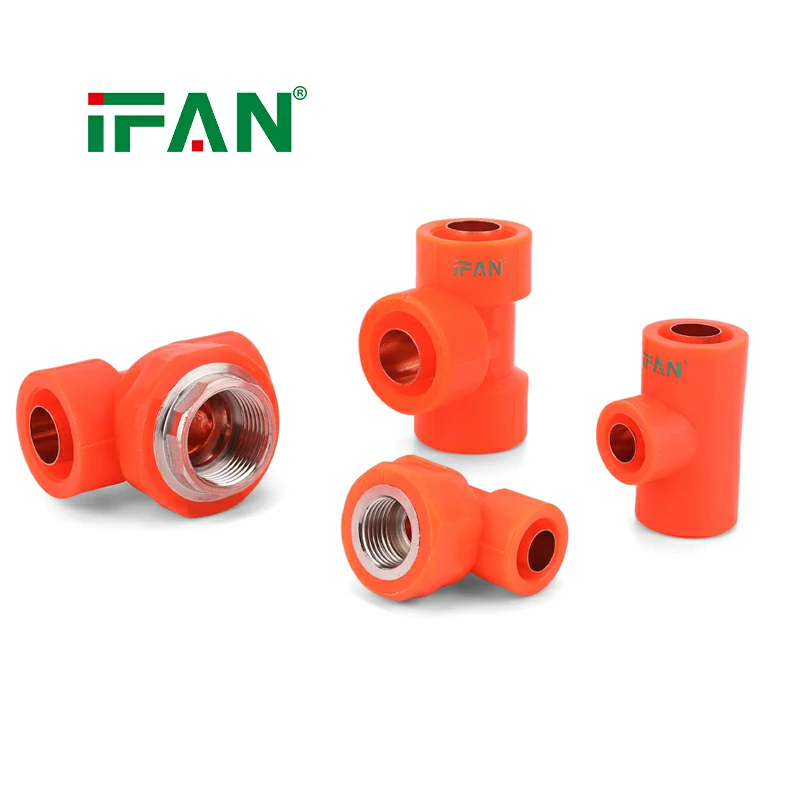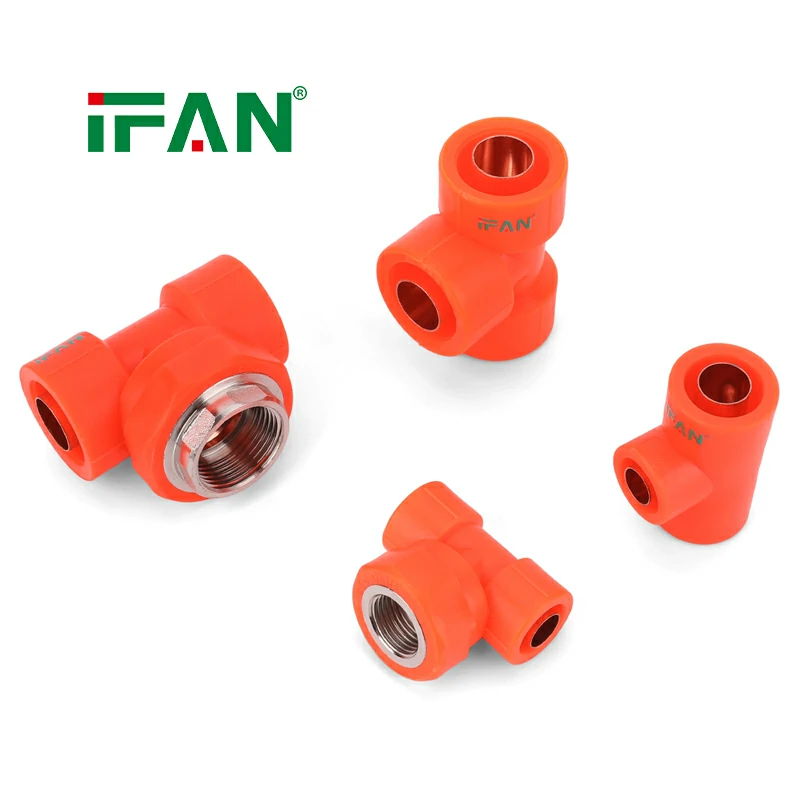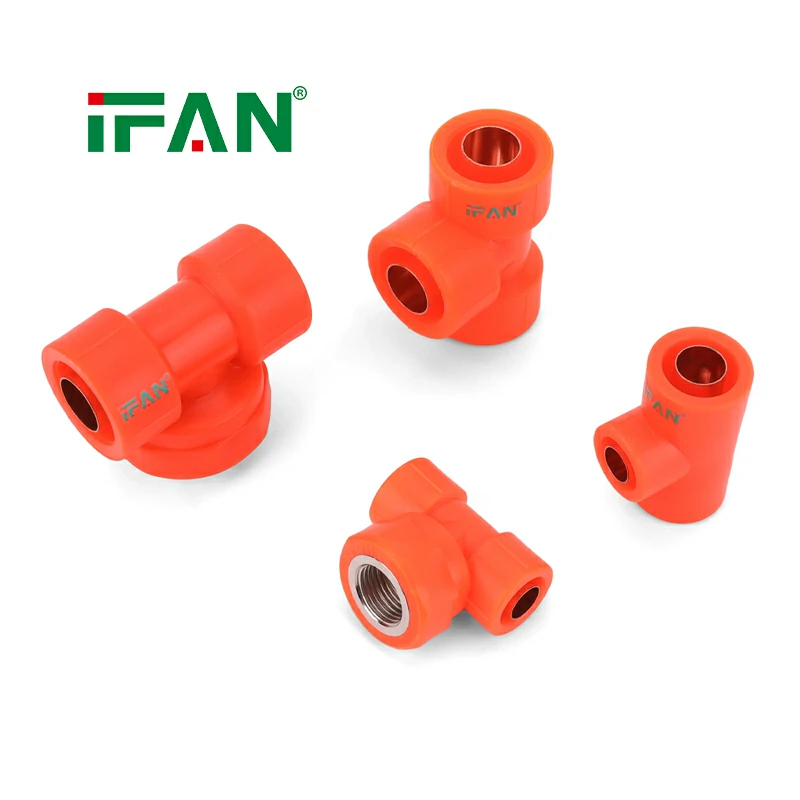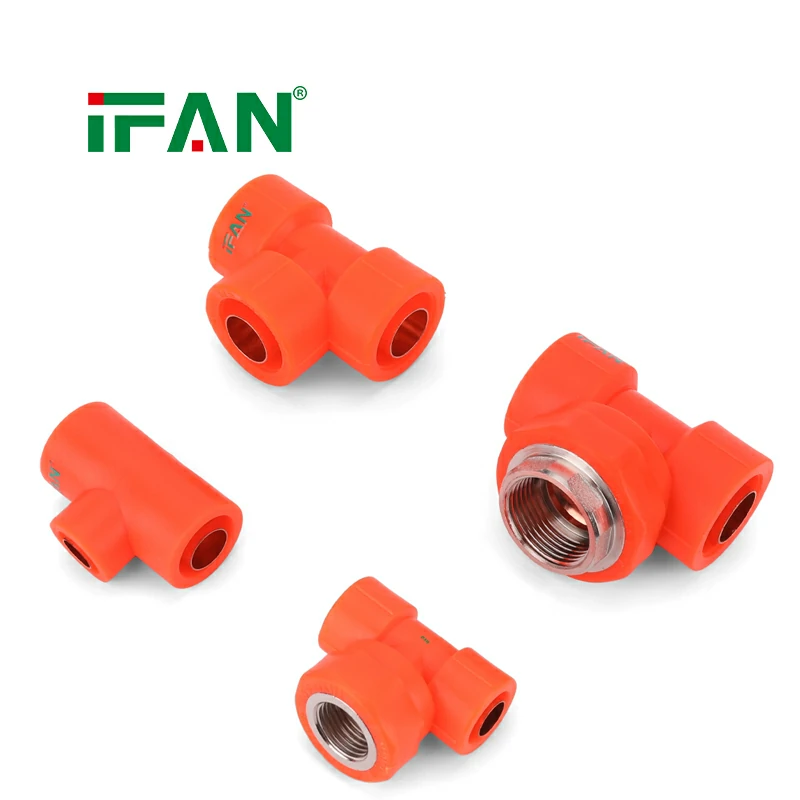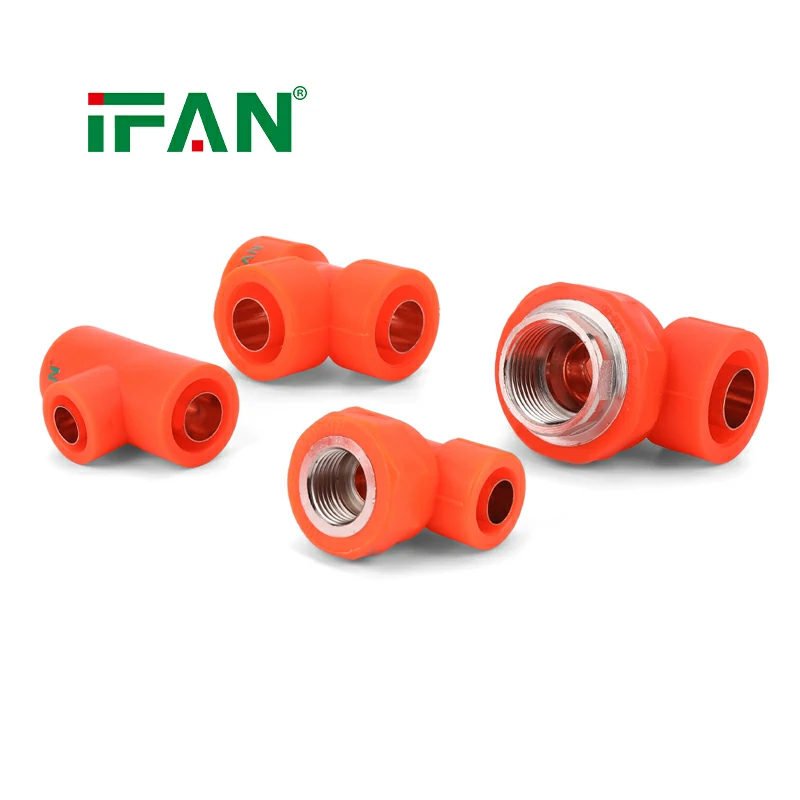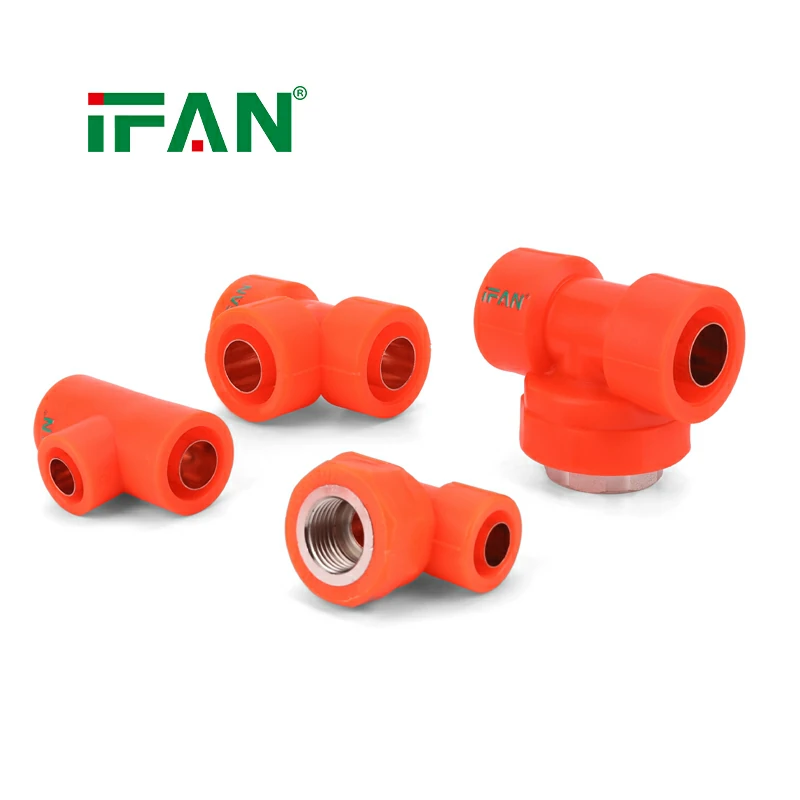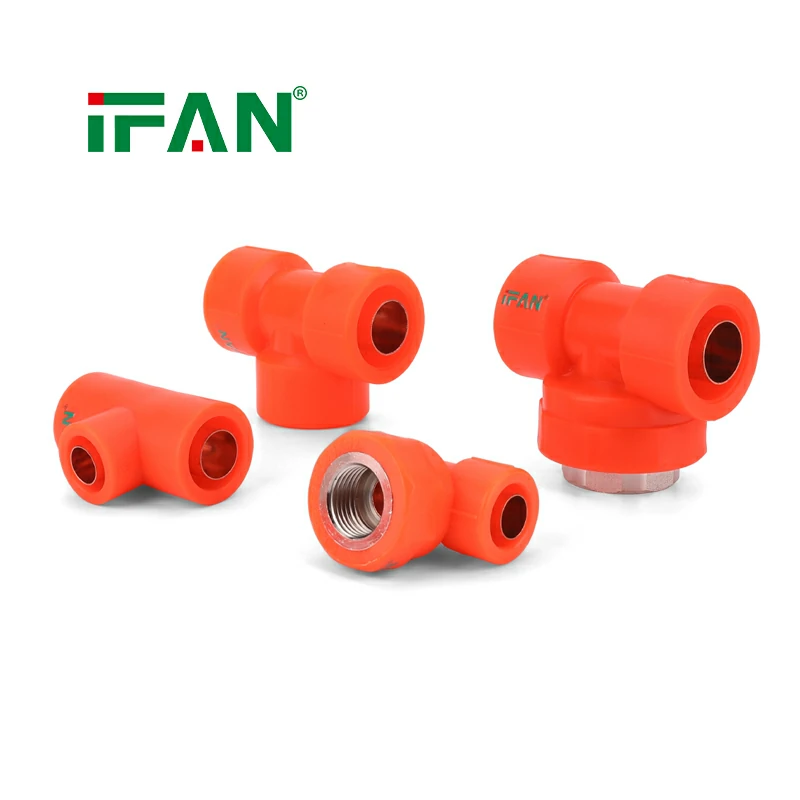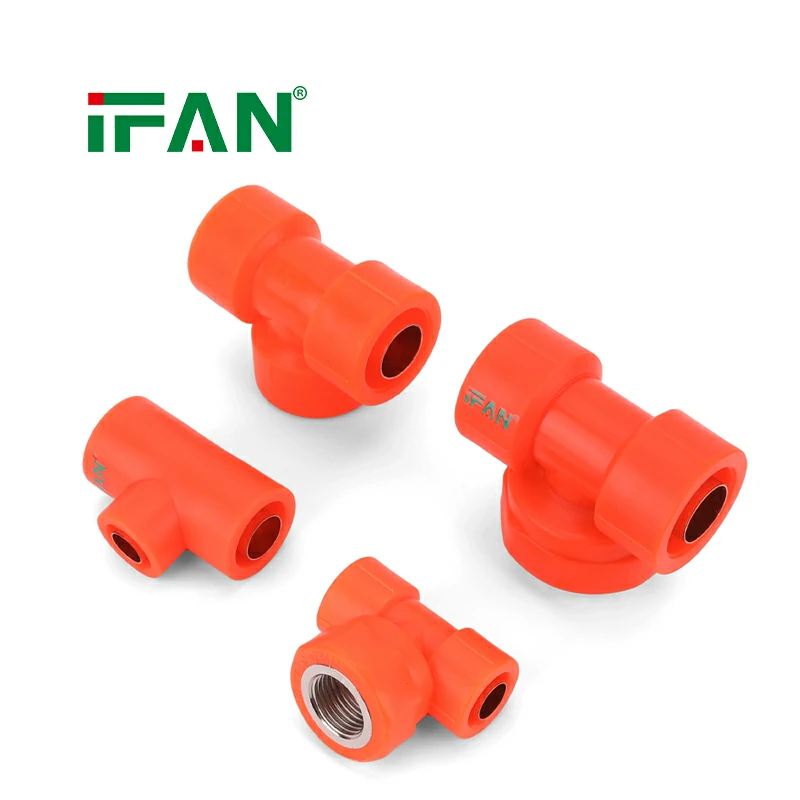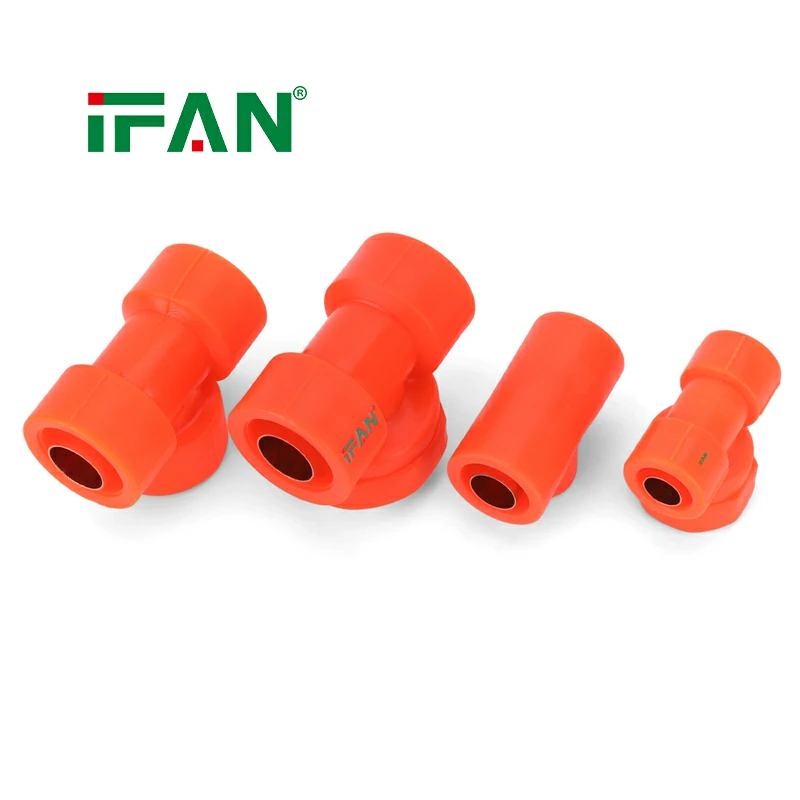
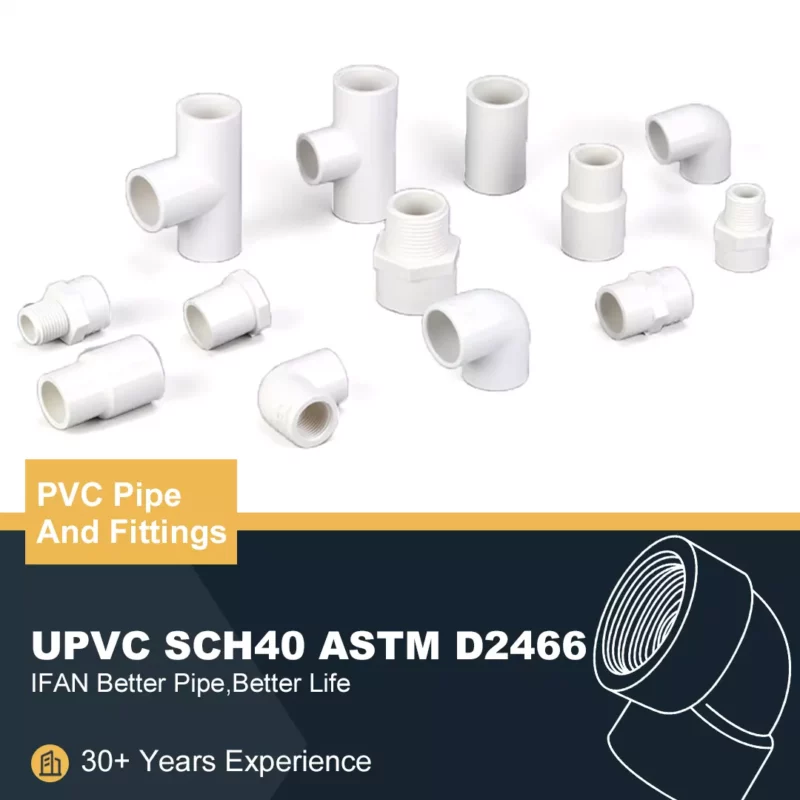
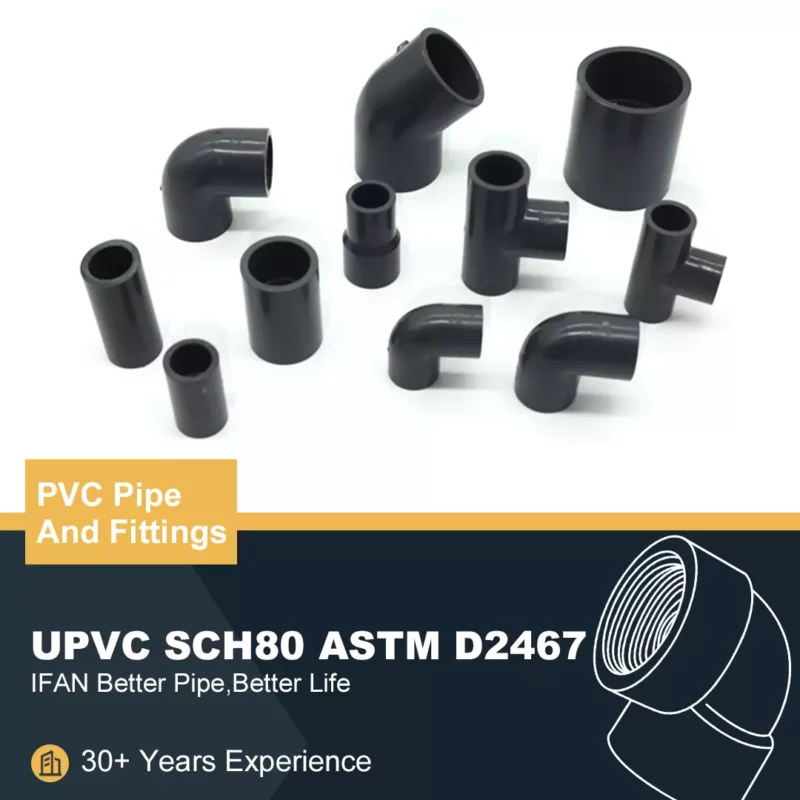
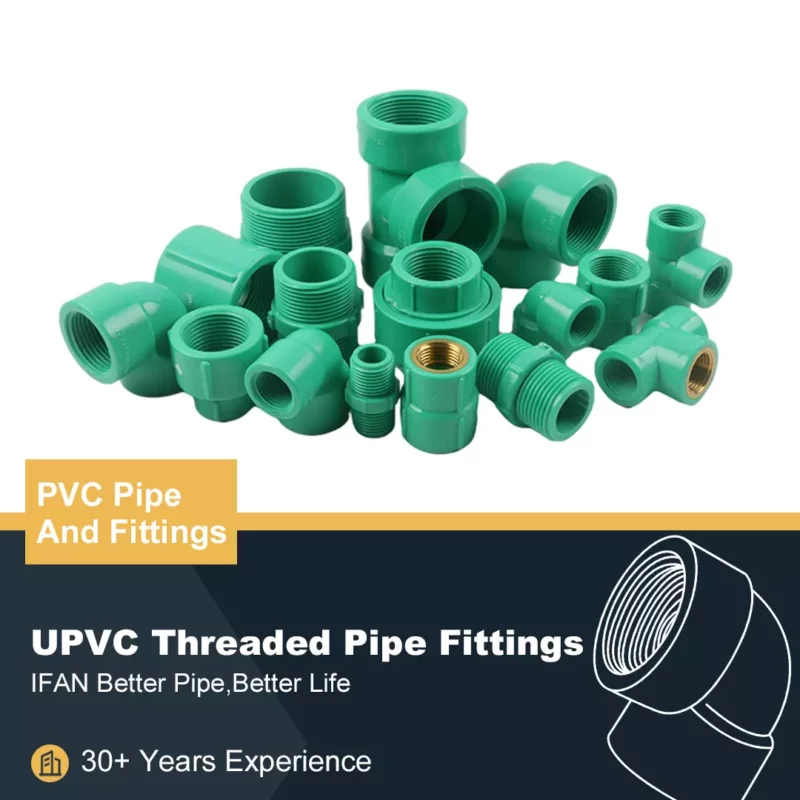
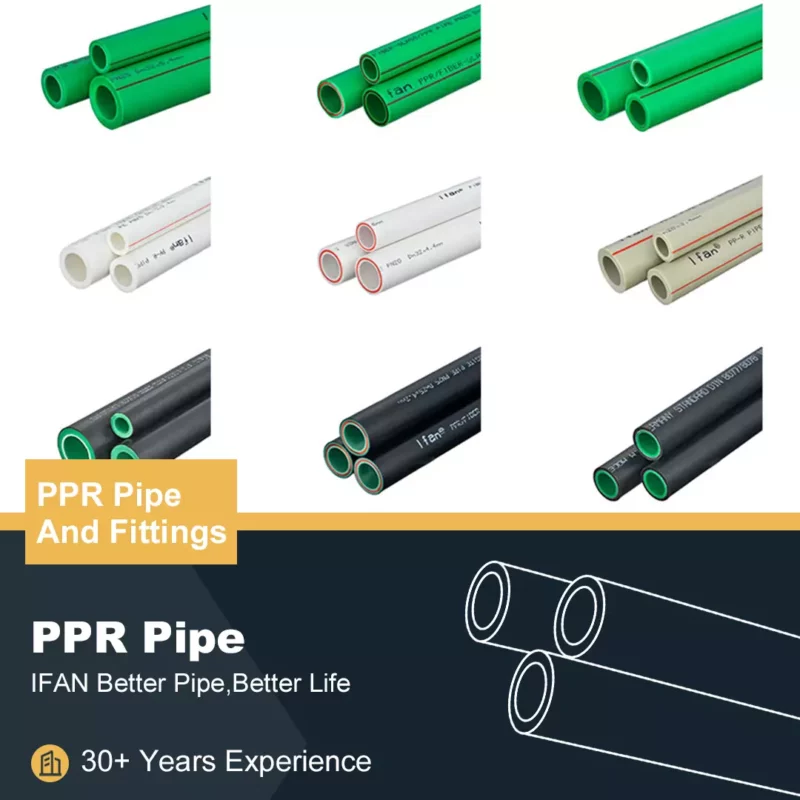
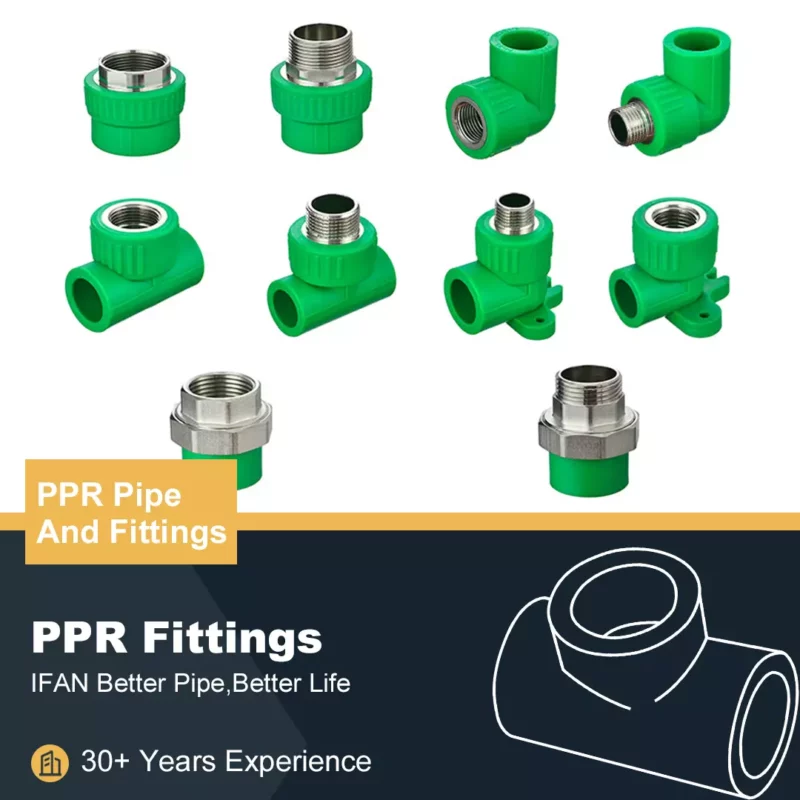


In a decisive move to combat one of the most persistent challenges in water infrastructure management, the Ministry of Water Resources has officially endorsed the nationwide adoption of new-generation piping systems centered around advanced PPR fitting technology. This landmark policy shift represents a fundamental transformation in the government’s approach to water conservation, moving from reactive repairs of aging networks to proactive investment in leak-proof infrastructure. The ministry’s welcome for these innovative PPR fitting systems underscores a commitment to solving the critical issue of non-revenue water through modern engineering solutions.
The Water Loss Crisis: Understanding the Scale
The ministry’s endorsement comes amid growing concern over non-revenue water (NRW) – treated water that is lost before reaching consumers. Current estimates suggest that many municipal water systems lose between 25-40% of their treated water through leaks, breaks, and system failures. This represents not just an environmental concern but a significant economic burden, with millions spent on treatment and pumping only for the water to be lost through faulty infrastructure.
Traditional metallic piping systems, particularly those using threaded joints and mechanical connections, have proven inadequate in addressing this challenge. The inherent weaknesses of these systems include:
- Corrosion-induced failures in iron and steel pipes
- Joint deterioration in threaded connections
- Mineral buildup that weakens pipe walls
- Thermal expansion issues leading to connection failures
It is against this backdrop that the ministry has turned its attention to the revolutionary potential of PPR fitting technology as a comprehensive solution.
The Science Behind PPR Fitting Systems
Polypropylene Random Copolymer (PPR) fitting systems represent a paradigm shift in plumbing technology. Unlike traditional systems that rely on mechanical force or chemical adhesives, PPR fitting connections are created through thermal fusion welding. This process involves:
- Homogeneous Molecular Bonding: When properly heated and joined, the PPR fitting and pipe end fuse at a molecular level, creating a single, monolithic piece that eliminates the joint as a potential failure point.
- Corrosion Immunity: PPR fitting systems are completely resistant to electrochemical corrosion, scaling, and biological growth that typically plague metallic systems.
- Thermal Stability: The material maintains structural integrity across a wide temperature range (-10°C to 95°C), making it suitable for both cold water supply and hot water distribution systems.
The ministry’s technical evaluation confirmed that properly installed PPR fitting systems can achieve a service life exceeding Long-term durability according to standards with minimal maintenance requirements, representing a significant improvement over conventional piping materials.
Implementation Strategy: A Phased Approach
The ministry has outlined a comprehensive implementation strategy for the nationwide adoption of PPR fitting technology:
Phase 1: Regulatory Framework and Standards Development
- Update national plumbing codes to include PPR fitting specifications
- Establish quality certification protocols for PPR fitting manufacturers
- Develop installation standards and best practices
Phase 2: Pilot Programs in High-Priority Areas
- Target municipalities with the highest non-revenue water rates
- Implement PPR fitting systems in new housing developments
- Retrofit critical water transmission lines in urban centers
Phase 3: Capacity Building and Workforce Development
- Create certified training programs for PPR fitting installation
- Establish technical certification for plumbing professionals
- Develop vocational training curricula for next-generation plumbers
Economic Impact and Cost-Benefit Analysis
The ministry’s comprehensive cost-benefit analysis reveals compelling economic advantages for PPR fitting systems:
Direct Cost Savings:
- Reduction in water loss by 15-25% in implemented areas
- Decreased maintenance costs by 40-60%
- Extended system lifespan reducing replacement frequency
Indirect Economic Benefits:
- Job creation in PPR fitting manufacturing and installation
- Reduced energy consumption for water treatment and pumping
- Improved water security for industrial and agricultural users
The analysis indicates that the initial higher material cost of PPR fitting systems is offset within 3-5 years through reduced maintenance and water conservation benefits.
Technical Specifications and Quality Assurance
To ensure successful implementation, the ministry has established rigorous technical standards for PPR fitting systems:
- Material Requirements: Mandating virgin PP-R CT (Type 3) material with appropriate pressure ratings
- Dimensional Standards: Ensuring precise socket depths and fusion zone specifications
- Performance Testing: Requiring pressure and thermal cycle testing certification
- Installation Protocols: Standardizing heating times, temperatures, and joining procedures
The ministry will establish a PPR fitting quality certification mark to help consumers and contractors identify approved products meeting these stringent standards.
Environmental and Sustainability Benefits
The adoption of PPR fitting systems aligns with the nation’s broader environmental objectives:
- Water Conservation: Significant reduction in treated water loss
- Energy Efficiency: Reduced pumping energy requirements due to smooth interior surfaces
- Material Sustainability: Recyclable material composition and long service life
- Reduced Chemical Usage: Elimination of lead-based solder and chemical solvents
Challenges and Mitigation Strategies
The ministry acknowledges several implementation challenges and has developed corresponding mitigation strategies:
- Initial Cost Barriers: Exploring subsidy programs and financing mechanisms
- Workforce Transition: Creating comprehensive retraining programs for existing plumbers
- Supply Chain Development: Encouraging local manufacturing of PPR fitting components
- Quality Control: Establishing robust certification and inspection protocols
Monitoring and Evaluation Framework
A comprehensive monitoring system will track the impact of PPR fitting implementation:
- Key Performance Indicators: Water loss reduction, maintenance cost savings, system longevity
- Implementation Metrics: Installation rates, workforce certification numbers, quality compliance
- Economic Indicators: Job creation, manufacturing growth, import substitution
Conclusion: A Watershed Moment for Water Infrastructure
The ministry’s endorsement of PPR fitting technology represents a watershed moment in the nation’s approach to water infrastructure management. This strategic shift from reactive maintenance to proactive investment in leak-proof systems demonstrates a commitment to sustainable water management and fiscal responsibility.
The successful implementation of PPR fitting systems nationwide has the potential to transform water infrastructure, achieving:
- Significant reduction in non-revenue water
- Improved water quality and system reliability
- Long-term cost savings for municipalities and consumers
- Enhanced environmental sustainability
- Job creation and economic development
As the ministry moves forward with this initiative, the PPR fitting technology stands poised to become the new standard for water distribution systems, ensuring a more secure and sustainable water future for generations to come.
If you have read this article and have any questions, please feel free to contact IFAN. Below is our contact information:
Whatsapp:+86 13373827623