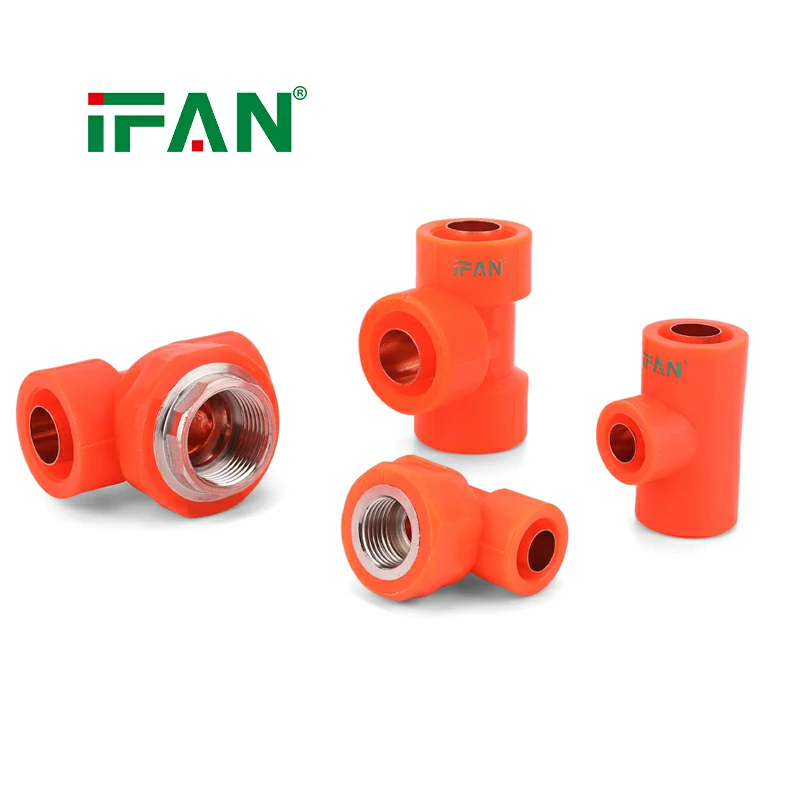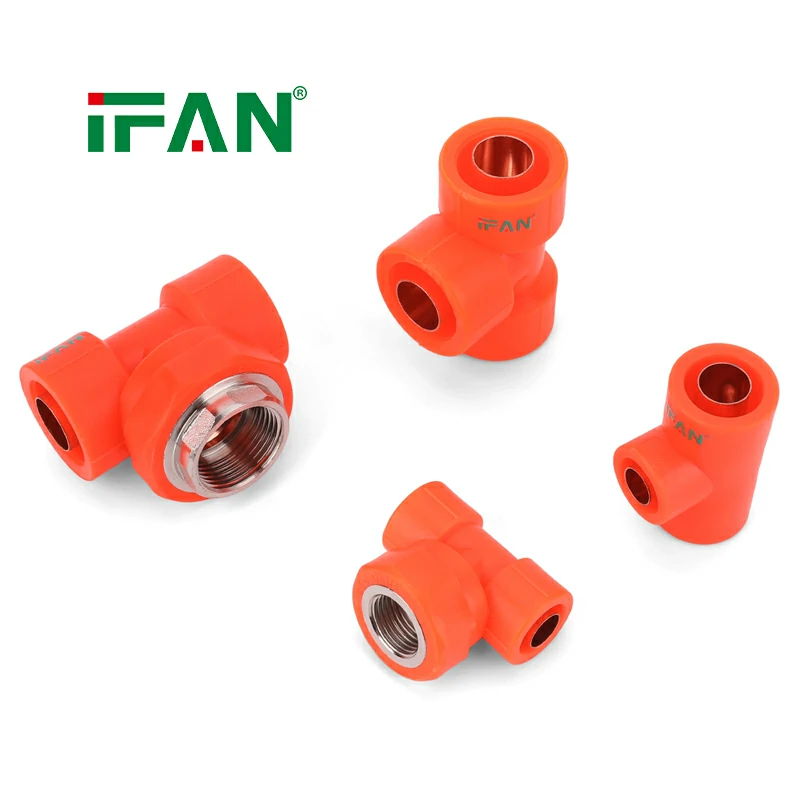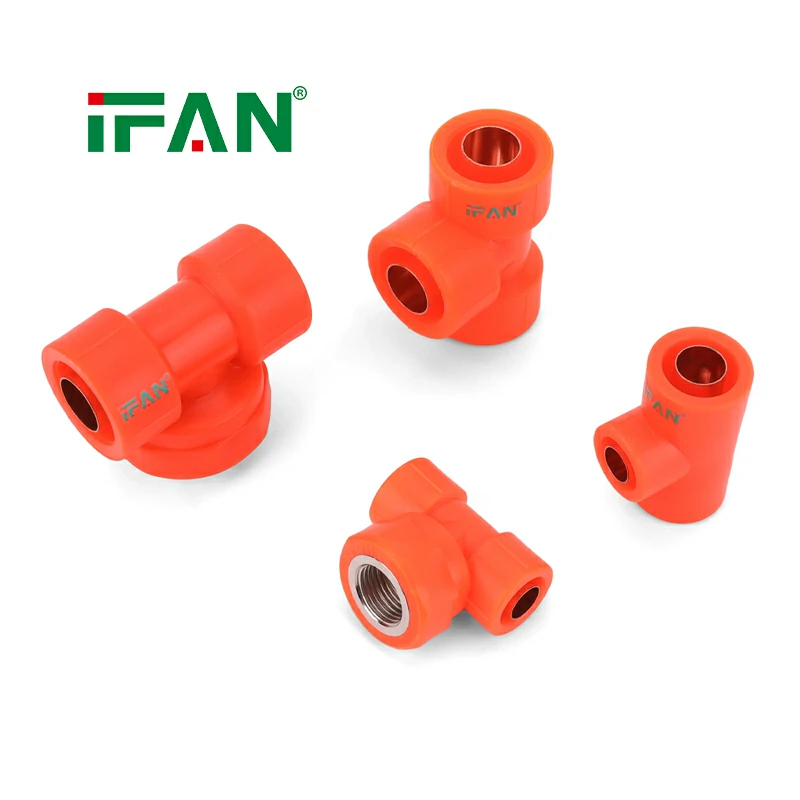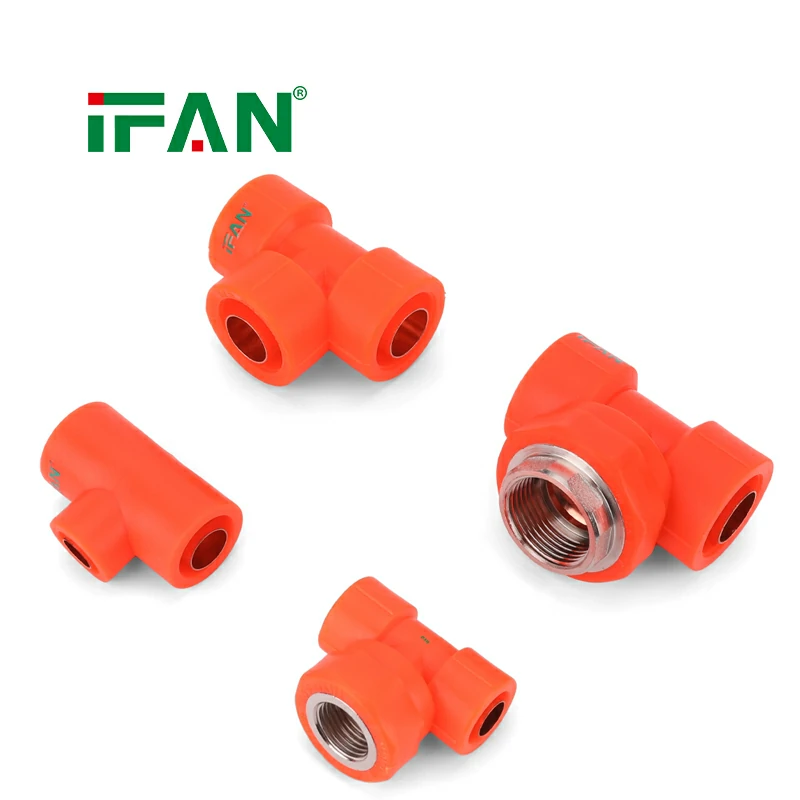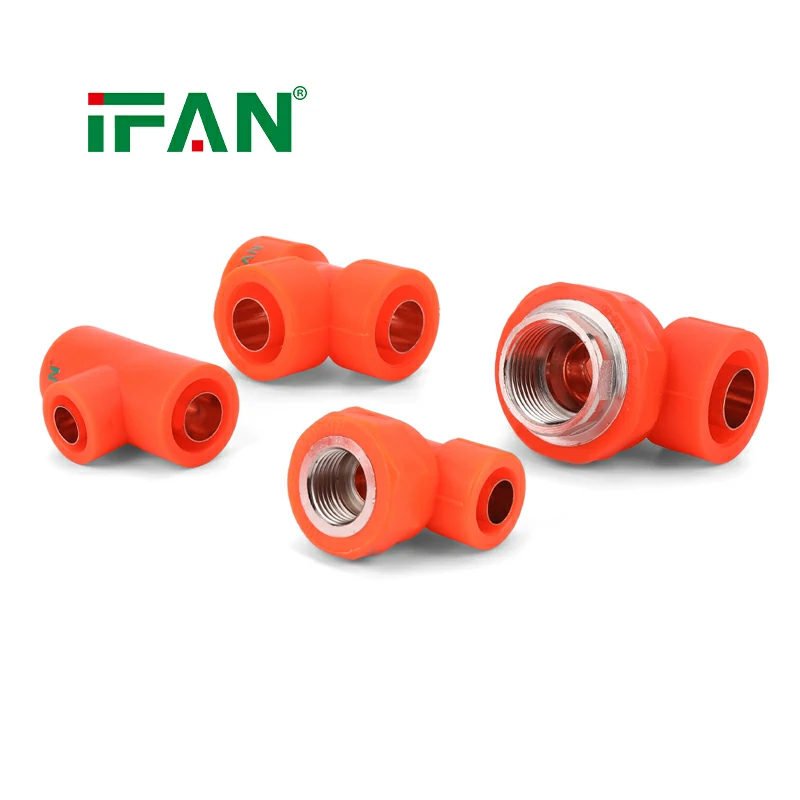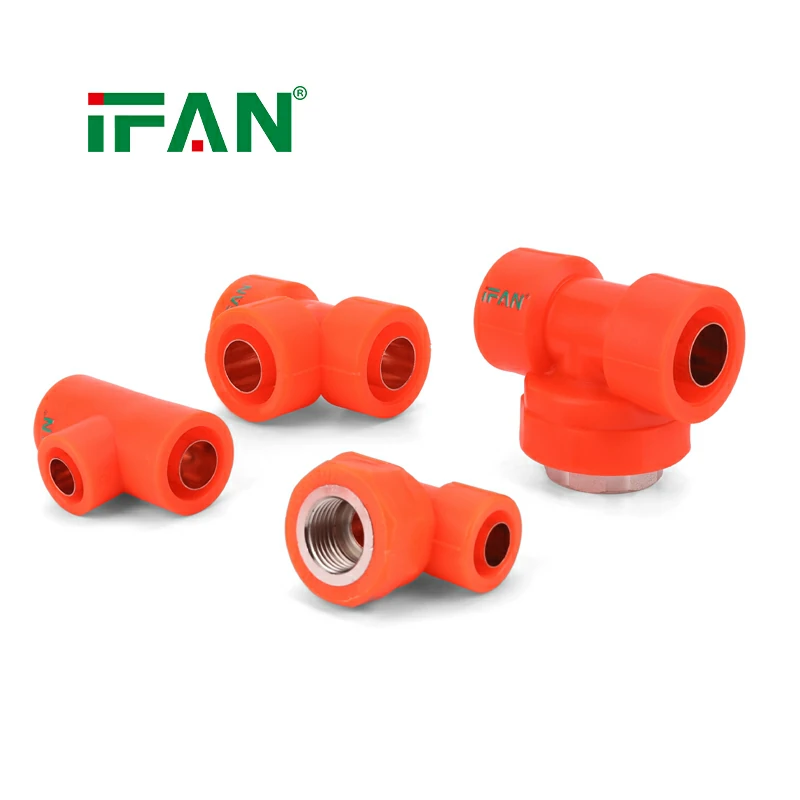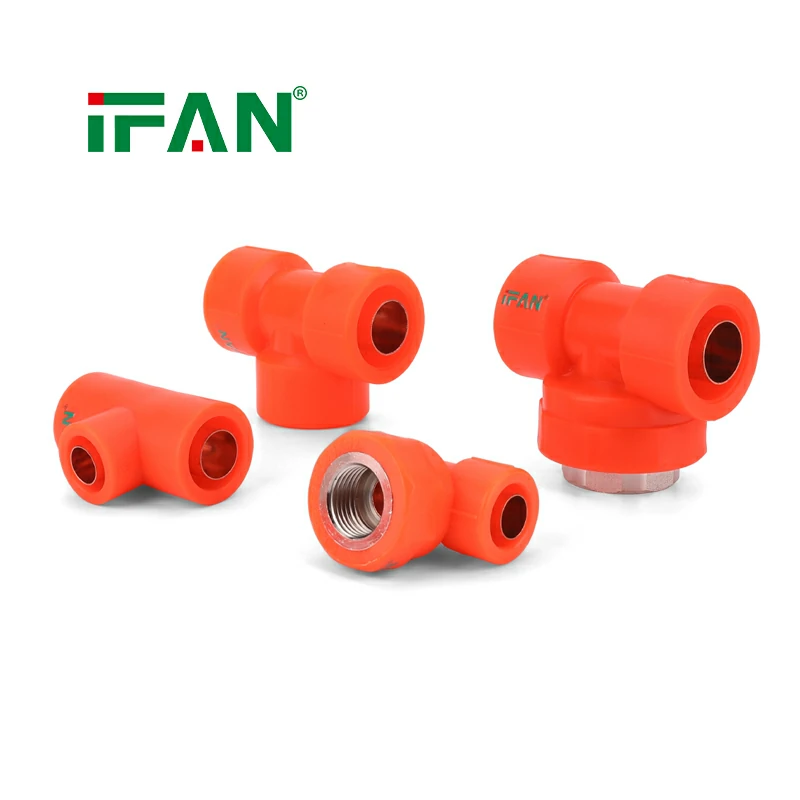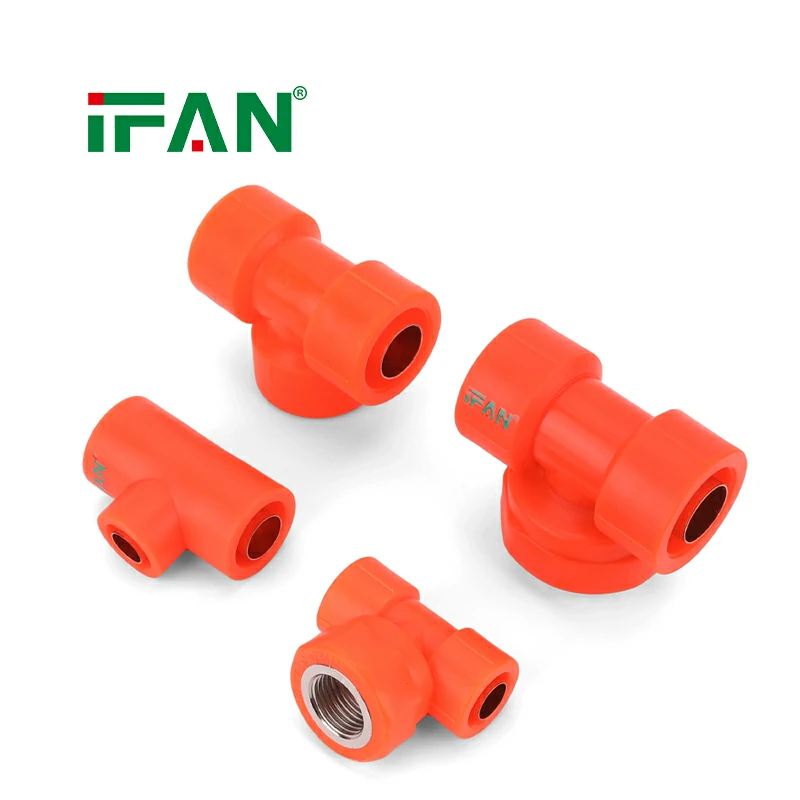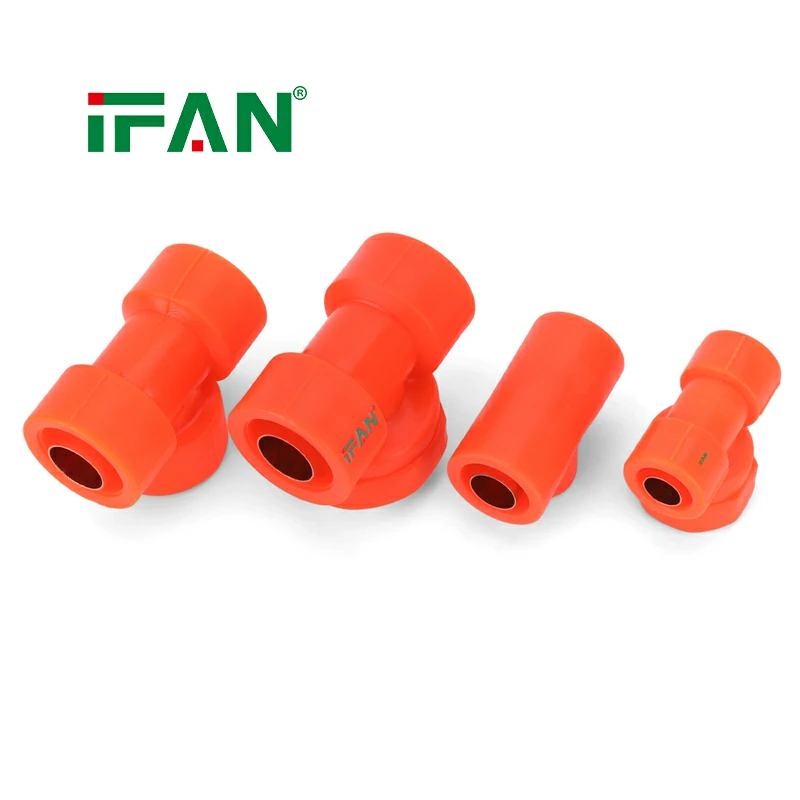
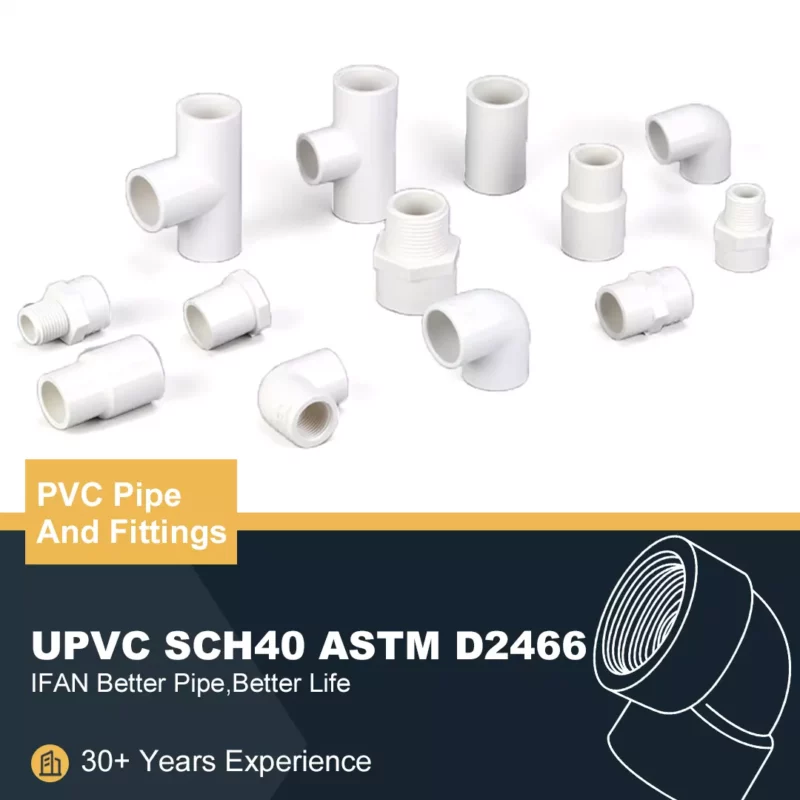
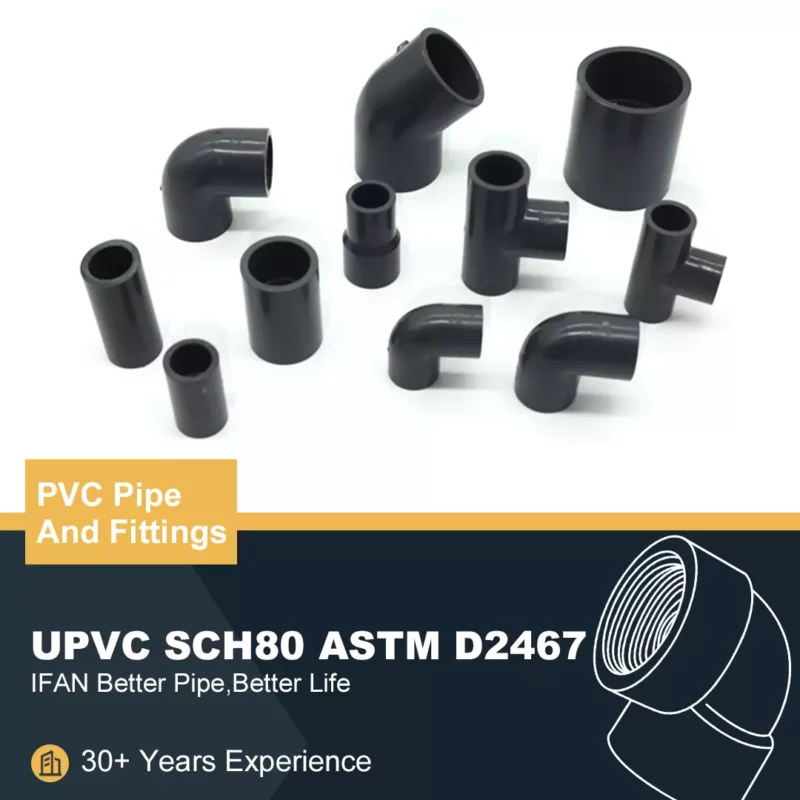
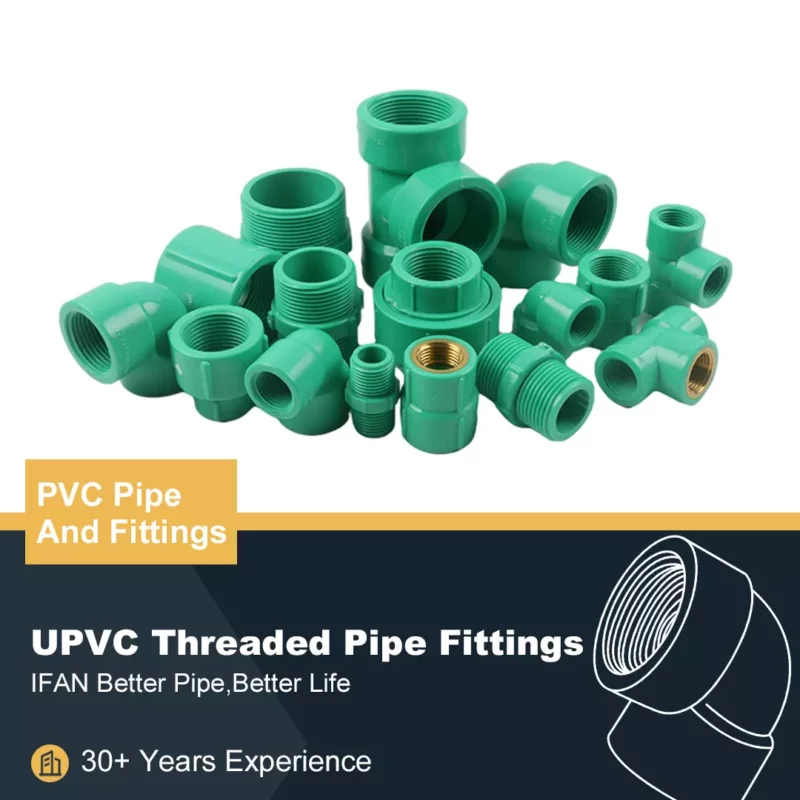
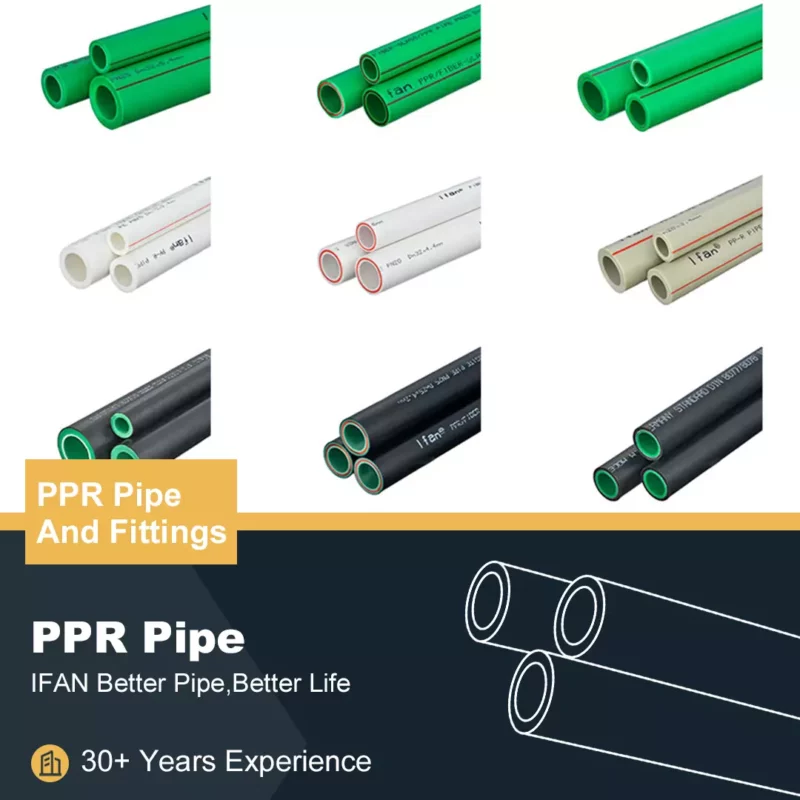
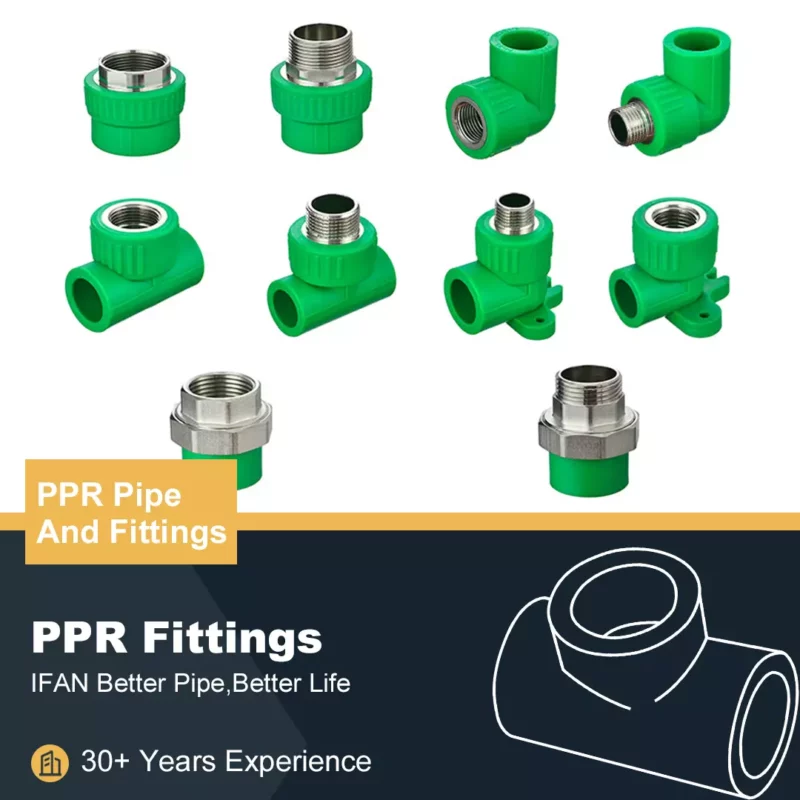
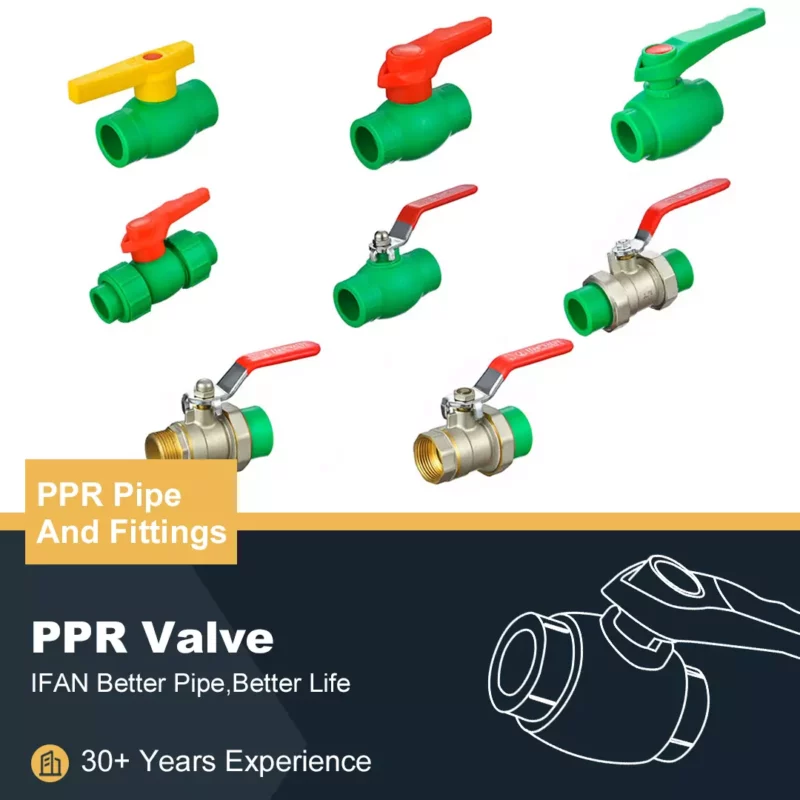
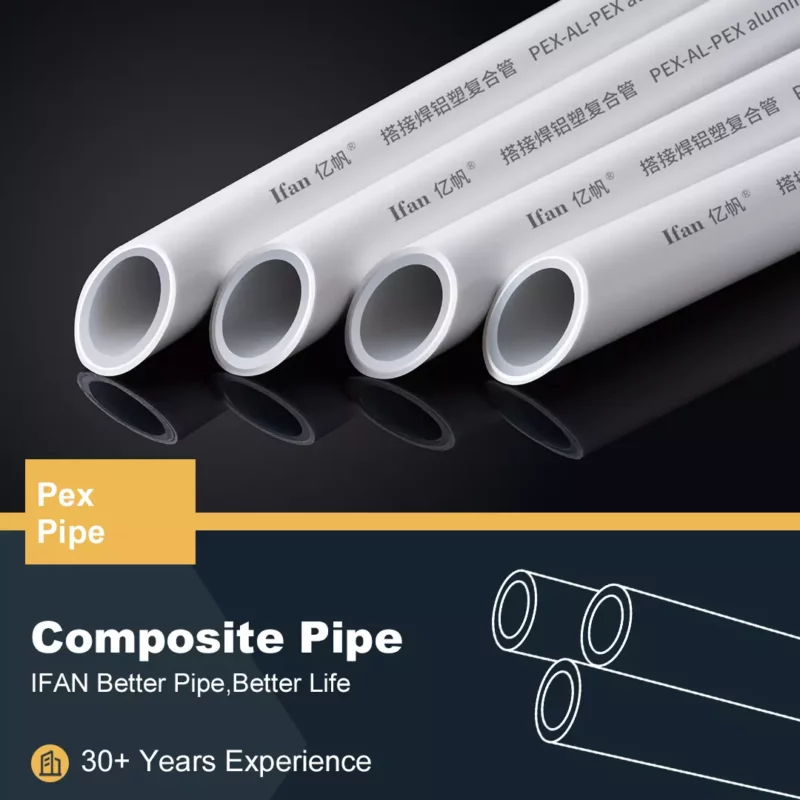
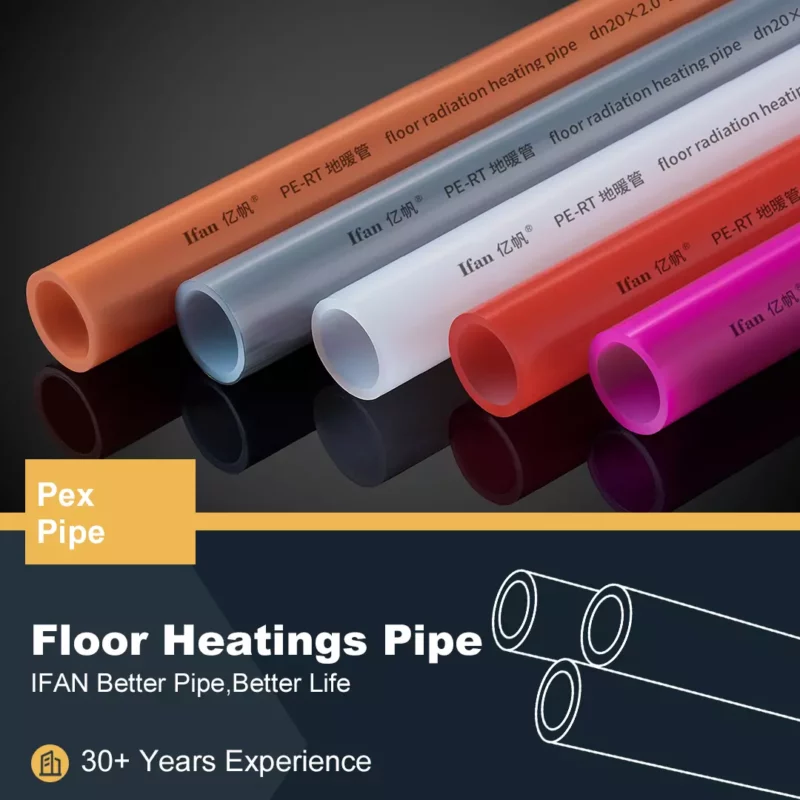


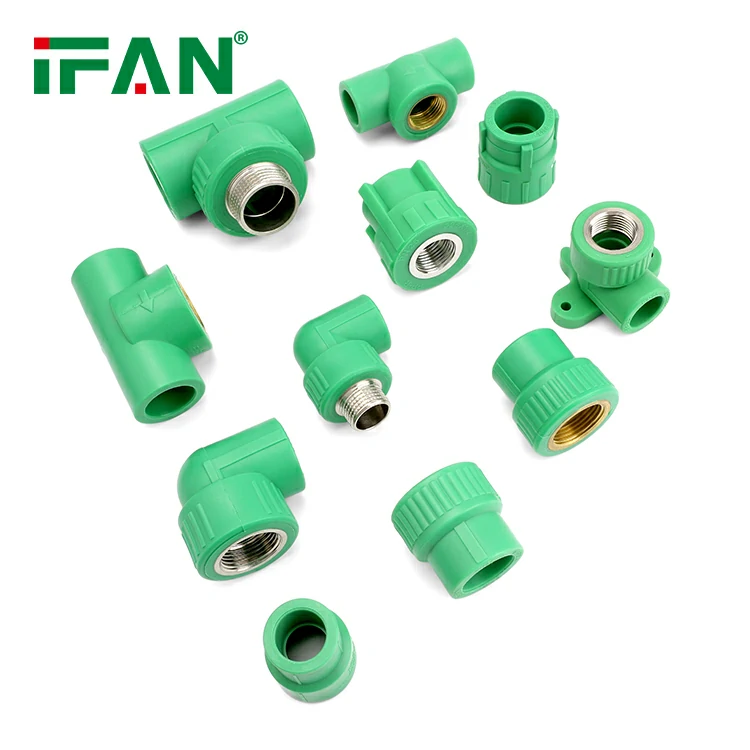
The Indian plumbing and piping landscape is undergoing a quiet revolution, driven by urbanization, infrastructure development, and a growing emphasis on water conservation. At the heart of this transformation is the rapidly expanding market for PPR fittings. A strategic assessment of this market reveals not just significant current growth, but immense future potential, shaped by a complex interplay of drivers, challenges, and evolving consumer preferences. Understanding these dynamics is crucial for any stakeholder looking to capitalize on one of India’s most promising building materials sectors.
Market Overview: Current Size and Growth Trajectory
The Indian PPR fittings market has transitioned from a niche segment to a mainstream plumbing solution over the past decade. Currently valued at an estimated USD 300-400 million, the market is experiencing a robust Compound Annual Growth Rate (CAGR) of 12-15%. This significantly outpaces the overall construction materials sector, indicating a strong shift away from traditional galvanized iron (GI) and chlorinated polyvinyl chloride (CPVC) pipes.
This growth is fundamentally fueled by the massive government investment in infrastructure, including the “Housing for All” initiative, and the booming real estate sector, particularly in tier-2 and tier-3 cities. As builders and contractors seek durable, cost-effective, and easy-to-install solutions, PPR fittings have emerged as the preferred choice for potable water systems in residential, commercial, and industrial projects.
Key Market Drivers Propelling Adoption
Several powerful factors are converging to accelerate the adoption of PPR fittings across India:
- Superior Technical Properties: The inherent advantages of PPR fittings are their strongest selling point. Their corrosion resistance is a game-changer in a country where water quality varies greatly, eliminating the rust and scale issues that plague GI pipes. The leak-proof, thermally fused joints provide unparalleled reliability, a critical factor in high-rise buildings where water leakage can cause catastrophic damage.
- Cost-Effectiveness and Installation Efficiency: While the raw material cost of PPR fittings may be higher than GI, the total installed cost is increasingly competitive. The speed of installation—requiring only a fusion welder instead of threaders and skilled fitters—drastically reduces labor costs and project timelines. This “time is money” principle is resonating strongly with modern contractors.
- Government Initiatives and “Make in India”: The Swachh Bharat Mission and AMRUT (Atal Mission for Rejuvenation and Urban Transformation) have emphasized the need for clean and efficient water supply infrastructure. PPR fittings, with their hygienic and durable properties, align perfectly with these goals. Furthermore, the “Make in India” campaign has encouraged domestic manufacturing, reducing import dependency and making PPR fittings more accessible and affordable.
- Growing Consumer Awareness: The end-user, especially in urban India, is now more informed about health and quality of life. Homebuyers are aware of the problems associated with rusty water from old pipes and are demanding better solutions, thereby pushing builders to adopt superior systems like PPR fittings.
Market Challenges and Restraints
Despite the optimistic outlook, the market faces significant hurdles that must be navigated:
- Price Sensitivity: The Indian market remains highly price-sensitive. Low-cost, often sub-standard GI and CPVC alternatives still dominate in budget-conscious segments and rural areas, creating stiff competition for quality PPR fittings.
- Counterfeit and Sub-standard Products: The popularity of PPR fittings has led to a flood of non-standard, recycled material products that do not meet ISI standards. These inferior products fail prematurely, damaging the reputation of the technology as a whole and creating mistrust among consumers.
- Skill Gap: Proper installation of PPR fittings requires certified welders. A shortage of trained installers can lead to faulty joints and system failures, undermining the core benefit of the product.
- Fragmented Distribution Channels: The market is highly fragmented, with a mix of direct sales, distributors, and a vast network of small retailers. Ensuring consistent quality and technical support across this network is a major challenge for manufacturers.
Competitive Landscape: A Mix of Global and Local Players
The competitive environment for PPR fittings in India is diverse and dynamic, comprising several distinct groups:
- Leading Multinational Brands: Companies like Supreme Industries and Ashirvad Pipes (which have technical collaborations) have set high benchmarks for quality and have strong brand recall. They compete on brand trust, extensive product range, and technical support.
- Established Domestic Manufacturers: A growing number of Indian companies are investing in advanced manufacturing plants and developing robust distribution networks. They often compete effectively on price while increasingly improving quality.
- Unorganized Local Players: This segment produces low-cost, often non-standardized PPR fittings, primarily catering to the most price-sensitive customers. Their presence keeps pressure on organized players but also poses a threat to market quality.
The key differentiators are shifting from just price to quality certification (ISI mark). After-sales service, availability of a complete system range. And the ability to provide technical training and support.
Future Outlook and Strategic Recommendations
The future of the PPR fittings market in India is exceptionally bright. The ongoing urban infrastructure boom, coupled with the government’s focus on water conservation and clean drinking water. Will continue to drive demand. The market is expected to see further consolidation, with organized players gaining share as quality consciousness increases.
Strategic Recommendations for Stakeholders:
- For Manufacturers: Focus on consumer education about the dangers of sub-standard PPR fittings. Invest in “Make in India” production to optimize costs and ensure supply chain resilience. Develop robust dealer training programs and provide installation support to build trust.
- For Distributors and Retailers: Partner with brands that offer strong technical backing and quality assurance. Educate your customers—the plumbers and contractors—on the long-term value proposition of genuine PPR fittings.
- For Specifiers and Builders: Mandate ISI-marked PPR fittings in project specifications. Invest in certifying in-house plumbing teams to ensure proper installation and realize the full lifecycle benefits of the system.
Conclusion: A Market Poised for Dominance
The strategic assessment of the Indian PPR fittings market paints a picture of a sector on the cusp of maturity. While challenges around price competition and quality control persist, the underlying drivers are too powerful to ignore. As infrastructure development continues and the demand for reliable, hygienic water systems grows. PPR fittings are not just another product—they are becoming the foundational component of modern India’s plumbing infrastructure. The companies that can navigate the market’s complexity, build trust. And deliver consistent quality are poised to reap substantial rewards in this burgeoning landscape.
If you have read this article and have any questions, please feel free to contact IFAN. Below is our contact information:
Whatsapp:+86 13373827623