

Introduction to Clean Water Systems
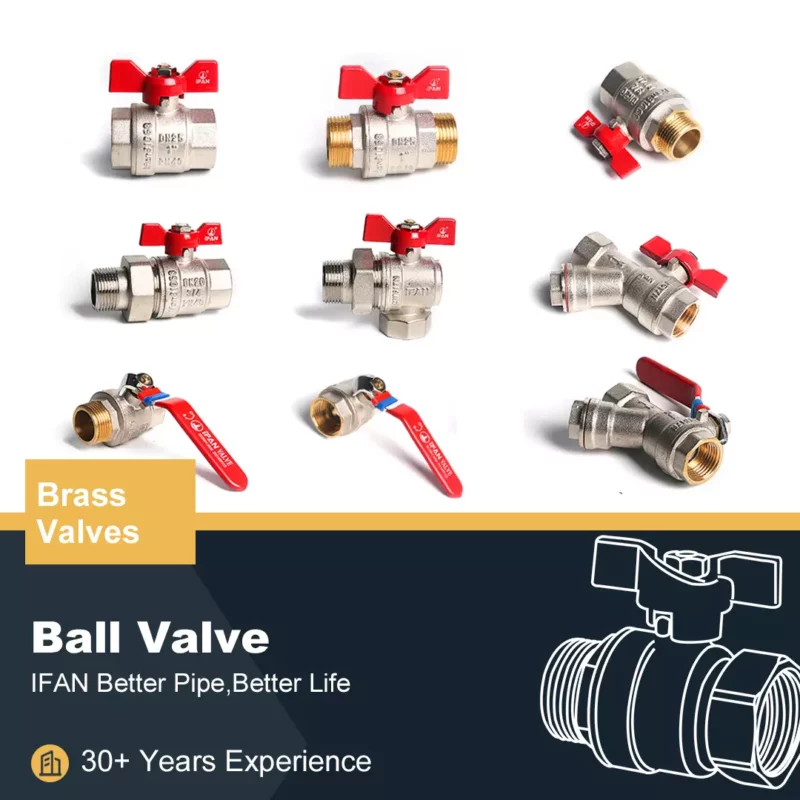
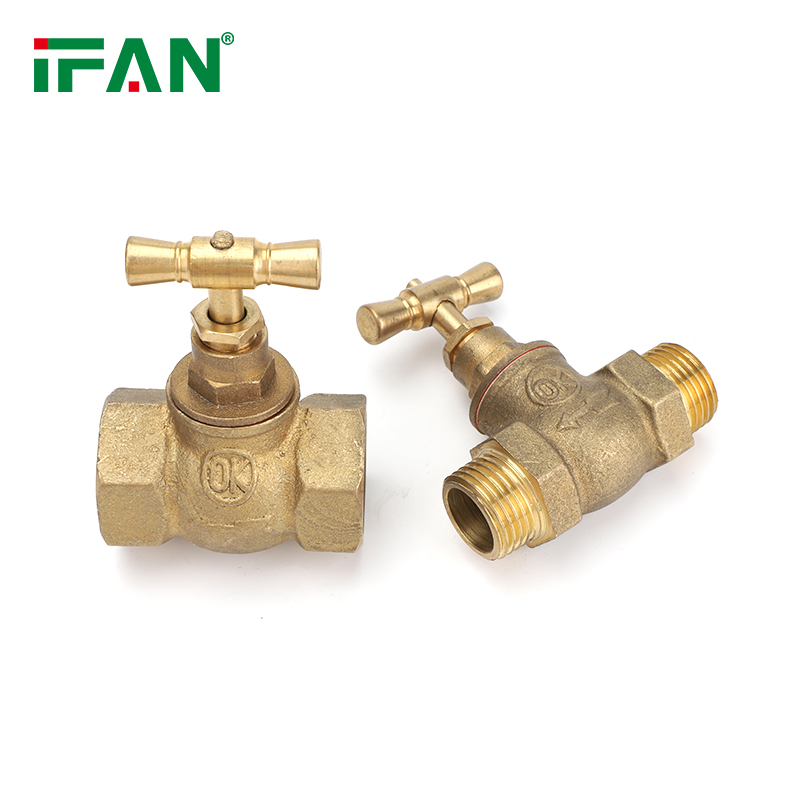
Clean water is vital for health, hygiene, and daily life. Whether in homes, businesses, or public infrastructure, water systems must stay uncontaminated. One key element in protecting water purity is the check valve. A check valve allows water to flow in one direction only. It stops dirty or unsafe water from flowing backward into clean supply lines. Among various valve materials, brass offers excellent performance and durability. Brass check valves are widely used to help maintain clean water systems. They are effective, affordable, and long-lasting.
The Importance of Preventing Backflow
Backflow occurs when water reverses direction in a pipeline. This can allow contaminated water to enter clean water systems. Backflow can be caused by pressure changes or system failures. It poses health risks by introducing bacteria, chemicals, or waste into drinking water. In water systems connected to irrigation, boilers, or industrial processes, the risk increases. Check valves help prevent this by automatically closing when flow reverses. They are passive devices that require no electricity or manual control. A properly installed brass check valve plays a vital role in protecting water quality.
Why Brass is Ideal for Water Systems
Brass is a metal alloy made of copper and zinc. It is widely used in plumbing for its strength and resistance to corrosion. In clean water systems, material safety is essential. Many brass check valves are now lead-free, making them safe for drinking water. Brass does not rust and can withstand high pressure and temperature. It also resists wear from constant water flow. Unlike plastic, brass will not deform under stress. Unlike iron, it will not corrode and contaminate water. These qualities make brass a reliable material for long-term water safety.
How Brass Check Valves Work
Brass check valves have a simple but effective mechanism. They allow water to flow in one direction and close automatically when flow stops or reverses. Inside the valve, a disc, ball, or spring mechanism responds to water pressure. When water flows forward, the valve opens. When flow stops or moves backward, the mechanism closes the passage. This quick action prevents backflow instantly. The valve does not require sensors, power, or manual operation. It works purely on pressure changes, ensuring automatic protection at all times. This makes brass check valves both efficient and low-maintenance.
Types of Brass Check Valves for Water Use
Several brass check valve types are used in water systems. Swing check valves have a hinged disc that swings open with flow and closes when flow reverses. They are ideal for horizontal lines with steady flow. Spring-loaded check valves use an internal spring to close the valve quickly. These are great for vertical lines and systems with pressure fluctuations. Ball check valves use a ball to block reverse flow and are useful in compact installations. The right valve type depends on system design, pressure, and water flow rate. Each type supports clean water maintenance effectively.
Residential Water System Applications
In homes, brass check valves help maintain clean and safe water. They are used in water heaters to prevent hot water from flowing back into cold lines. In irrigation systems, they stop dirty water from re-entering the clean water supply. Sump pump systems use check valves to prevent backflow into the pit. In multi-story buildings, they help maintain pressure balance and prevent back-siphonage. Lead-free brass valves are especially important in homes with drinking water lines. With their corrosion resistance and strong sealing, brass check valves support clean and efficient home plumbing.
Commercial and Municipal Uses
Brass check valves are also widely used in commercial and public water systems. In commercial kitchens, they prevent backflow from dishwashers or sinks into clean water lines. In hospitals and laboratories, they help protect sterile water systems. Municipal water treatment plants use them in distribution lines and pump stations. Parks and public fountains use check valves in irrigation and water feature systems. Fire sprinkler systems also rely on check valves to control flow direction. In all these applications, maintaining clean water is critical. Brass check valves provide dependable performance for these important services.
Easy Maintenance and Long-Term Reliability
Brass check valves are low-maintenance and built to last. Their sturdy construction reduces the chance of failure or leaks. They do not require lubrication or electrical controls. Periodic inspections help ensure they continue to function correctly. Look for signs of leaks, corrosion, or debris buildup. Cleaning or replacing worn parts extends valve life. Because brass is resistant to mineral buildup, it maintains clean flow paths. With proper care, a brass check valve can last for many years. This long service life makes them cost-effective for maintaining clean water systems.
Environmental and Health Standards Compliance
Water system components must meet strict health and safety standards. Lead-free brass check valves are approved for use in potable water systems. Look for valves certified by organizations such as NSF or UPC. These certifications ensure that the valve materials are safe and reliable. Compliance with local plumbing codes is also essential. Using certified brass check valves supports public health and environmental responsibility. Recyclable brass also contributes to sustainability goals. By choosing certified, environmentally safe products, you help protect both water quality and the environment.
Choosing the Right Brass Check Valve
To maintain clean water, selecting the correct valve is critical. Consider water pressure, pipe size, and flow direction. Choose a valve rated for the conditions of your system. Always select lead-free brass for drinking water applications. Consider the valve orientation—some are designed for horizontal pipes, others for vertical. If the system has fluctuating pressure, choose a spring-loaded type. Buy from reputable manufacturers with proven product quality and safety certifications. The right valve ensures proper function and long-term protection for your water system. Making a careful selection helps maintain water purity and system performance.
Conclusion
Brass check valves are essential tools for maintaining clean water in any system. Their one-way design prevents dangerous backflow, keeping drinking water safe. Brass offers strength, corrosion resistance, and long-term durability. It performs reliably in homes, businesses, and municipal systems. With options for different applications and pressures, brass check valves meet a wide range of needs. They are easy to install, require little maintenance, and meet health and safety standards. By choosing a high-quality brass check valve, you protect your water supply, equipment, and health. For clean, safe, and reliable water flow—trust a brass check valve.
If you have read this article and have any questions, please feel free to contact IFAN. Below is our contact information:
Whatsapp:+86 13373827623
Email:[email protected]