

Introduction to Brass Check Valves
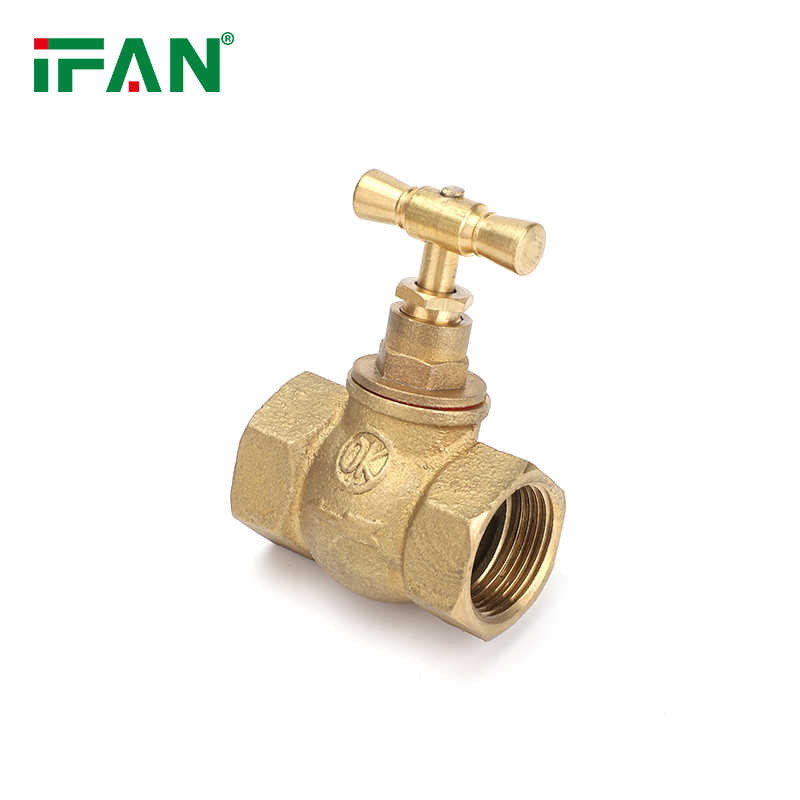
Brass check valves are essential components in fluid control systems. They ensure that fluid flows in only one direction. This helps protect pumps, pipes, and other equipment from damage. A check valve operates automatically without manual control. Its design is simple but highly effective. Brass is a preferred material due to its strength and resistance to corrosion. These valves are used in water supply systems, HVAC, irrigation, and many industrial processes. Choosing the right check valve ensures long-lasting performance and low maintenance. In this article, we will explore the benefits, applications, and selection tips for brass check valves.
Why Brass is a Preferred Material
Brass offers an excellent balance of durability, corrosion resistance, and affordability. It withstands high temperatures and pressures without losing shape or strength. Brass does not rust like iron or steel, making it ideal for water systems. It resists corrosion from many chemicals and fluids, enhancing its longevity. This makes brass check valves suitable for both residential and industrial use. Unlike plastic, brass does not warp or crack under stress. Its strength ensures reliable sealing and long-term performance. For many, brass is the ideal material for stable and safe valve function.
Functionality of a Check Valve
A check valve allows flow in one direction and blocks reverse flow. This simple mechanism prevents backflow, which can damage equipment. It typically consists of a disc, spring, or ball inside the valve body. When fluid flows in the correct direction, the valve opens. If the flow reverses, the valve closes automatically. No external power or operator is needed. This self-acting feature increases system reliability and reduces operational costs. Proper functioning depends on pressure and flow rate. Brass check valves offer consistent performance across different system conditions.
Key Benefits of Brass Check Valves
Brass check valves provide several advantages over other types. They are resistant to wear and chemical damage. Their simple design reduces the risk of mechanical failure. They require minimal maintenance, lowering long-term costs. Brass valves offer excellent sealing, preventing leaks and backflow. They perform well in high-pressure and high-temperature environments. These valves are compatible with various pipe materials and fittings. Their compact size makes them suitable for limited spaces. With long service life, brass check valves are a cost-effective solution for fluid control systems.
Applications in Residential Plumbing
In residential systems, brass check valves are used to protect water heaters, pumps, and meters. They prevent backflow into clean water lines, ensuring safe drinking water. In irrigation systems, they stop dirty water from re-entering the clean supply. Check valves also protect sump pumps from reverse flow. Their corrosion resistance is perfect for household water systems. Homeowners prefer brass for its strength, reliability, and ease of installation. These valves are also suitable for outdoor use due to their durability. Choosing brass check valves improves home safety and efficiency.
Industrial and Commercial Uses
Brass check valves are widely used in industrial and commercial environments. In HVAC systems, they prevent refrigerant backflow. They are crucial in chemical processing, where reverse flow can be dangerous. Manufacturing plants use them to protect sensitive machinery. In compressed air systems, they maintain pressure and prevent leakage. They are also used in oil and gas pipelines. Brass handles aggressive fluids better than many other materials. Its non-sparking property adds safety in flammable environments. Industries rely on brass check valves for uninterrupted, safe operations.
Types of Brass Check Valves
There are several types of brass check valves, each suited to specific applications. Swing check valves have a hinged disc that swings open and shut. They are ideal for low-pressure systems. Spring-loaded check valves use a spring to assist closing. These offer faster response to flow changes. Ball check valves use a ball to block backflow. They are compact and effective for vertical flow systems. Lift check valves use a guided disc that lifts with flow and drops to close. Selecting the right type improves efficiency and protects the system.
Installation and Maintenance Tips
Proper installation is critical for reliable valve performance. Always install brass check valves in the correct flow direction. Arrows on the valve body indicate this. Avoid debris in the system that could block the valve. Use proper fittings and avoid over-tightening. Regular inspection helps detect early signs of wear or leakage. Clean the valve if debris builds up. Replace the valve if sealing components are damaged. Though low maintenance, timely checks increase lifespan. Follow manufacturer guidelines for best results. Proper care ensures years of reliable operation.
How to Choose the Right Valve
Selecting the right brass check valve depends on several factors. First, consider the fluid type and pressure levels. Choose a valve designed for your system’s temperature and flow rate. Ensure compatibility with your piping size and connection type. Look for certifications if using in drinking water systems. Consider whether you need a horizontal or vertical installation type. Spring-loaded valves are better for fast shutoff. For gravity-fed systems, swing or ball types may be more suitable. Evaluate long-term costs, not just the purchase price. A quality valve saves money over time.
Environmental and Safety Considerations
Brass check valves contribute to safety and environmental protection. By preventing backflow, they protect water supplies from contamination. This is critical in homes, hospitals, and food processing facilities. In chemical systems, they prevent hazardous spills or mixing. Their durability means fewer replacements and less waste. Brass is a recyclable material, supporting sustainable practices. Lead-free brass options meet health and environmental standards. Always verify compliance with local codes and regulations. A safe system begins with the right components. Brass check valves support both safety and sustainability goals.
Conclusion
Brass check valves are reliable, durable, and versatile components for fluid control systems. Their corrosion resistance and strength make them ideal for many applications. Whether for home, industrial, or commercial use, they offer long-term performance with minimal maintenance. Choosing the right type ensures maximum efficiency and safety. With proper installation and care, brass check valves can last for years. Investing in high-quality valves protects your system and reduces operational risks. For dependable performance and peace of mind, choose brass check valves.
If you have read this article and have any questions, please feel free to contact IFAN. Below is our contact information:
Whatsapp:+86 13373827623
Email:[email protected]