

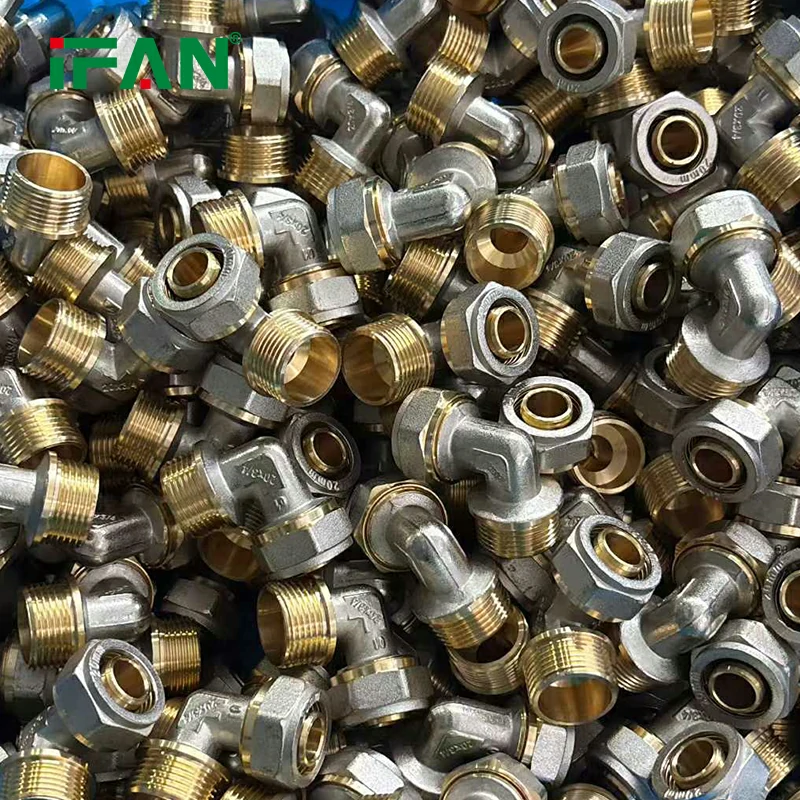
Understanding the Compression Mechanism
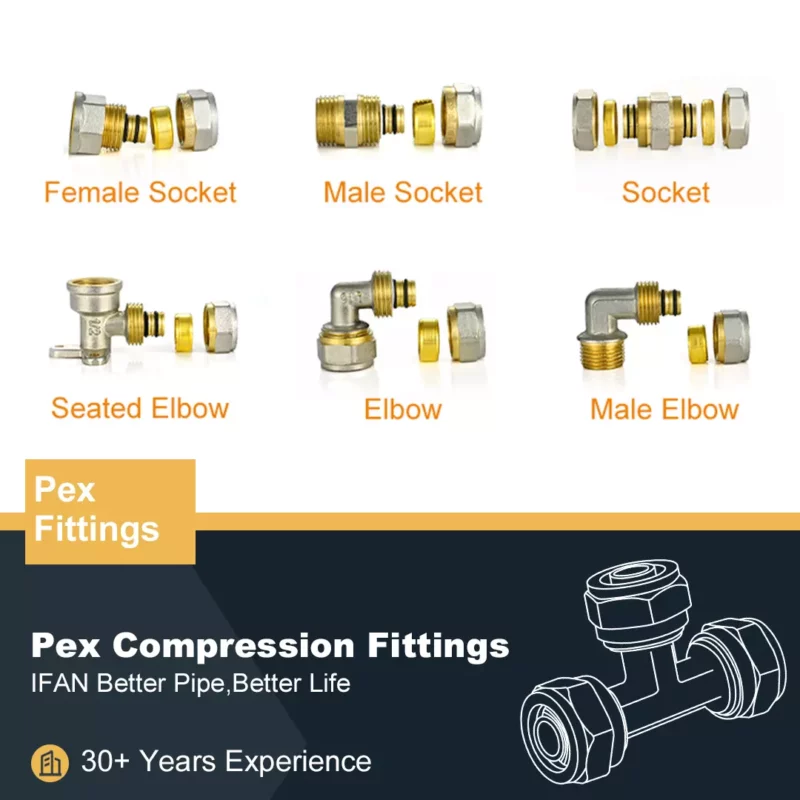
PEX brass compression fittings create a mechanical seal. You tighten a compression nut onto the fitting body. This action squeezes a brass ferrule against the PEX tube. The ferrule bites slightly into the plastic material. This creates a strong, reliable, leak-free connection.
Detailed Component Breakdown
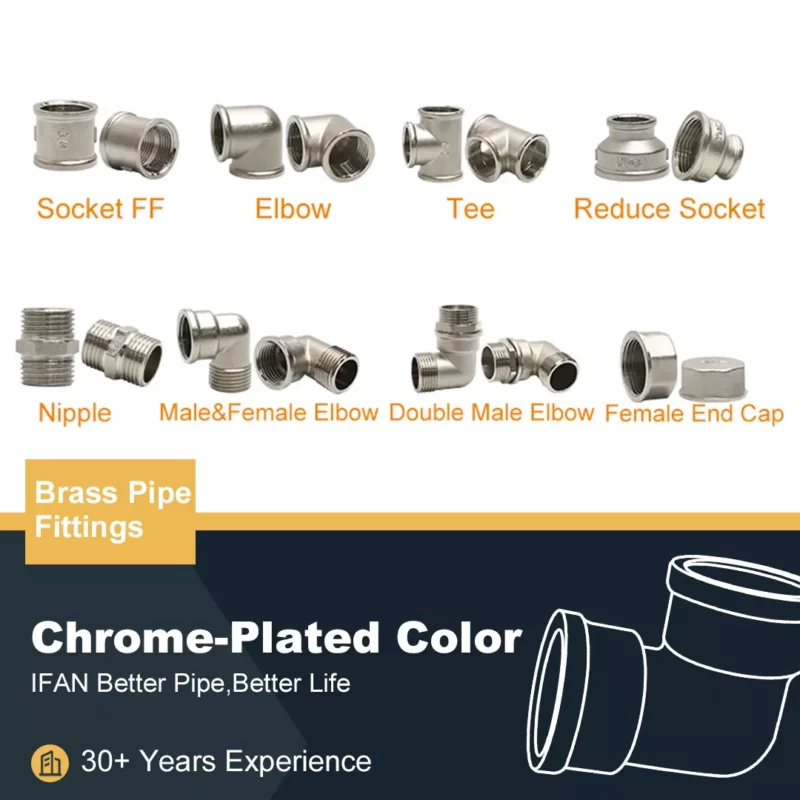
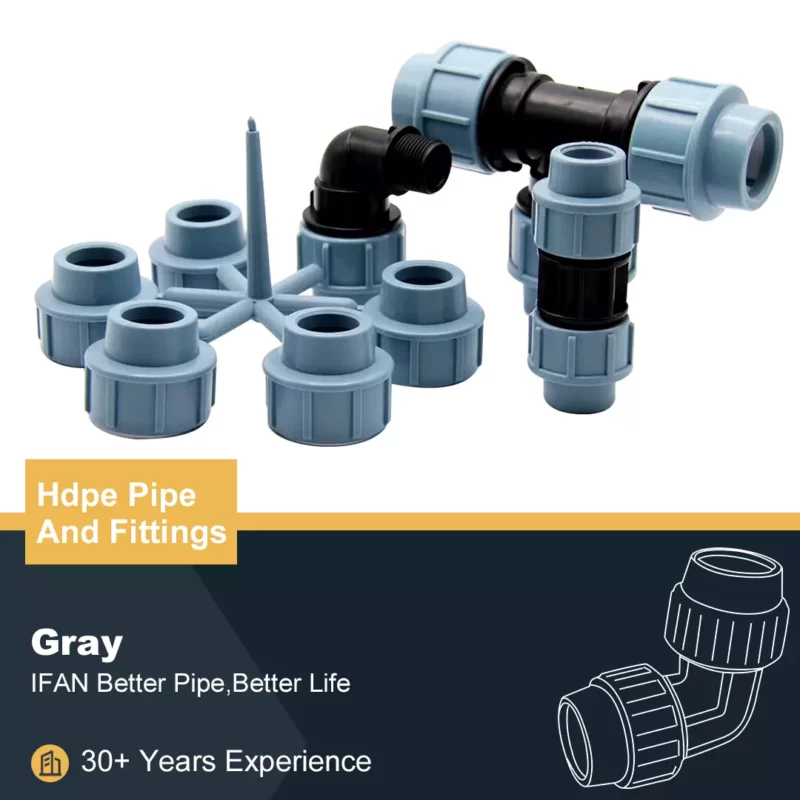
Each fitting consists of three main parts. The brass body provides the connection point. A brass compression nut threads onto this body. A brass ferrule or sleeve completes the assembly. Some designs use a copper compression ring instead.
Material Quality and Standards
High-quality fittings use lead-free brass alloys. These meet NSF/ANSI 61 standards for drinking water. The brass must resist dezincification corrosion. This ensures long-term safety and reliability. The material should have a smooth, clean finish.
Installation Step-by-Step Process
First, cut the PEX tube squarely with a sharp cutter. Then, deburr the outside and inside edges. Slide the compression nut onto the tube first. Follow it with the brass ferrule. Insert the tube fully into the fitting body until it stops.
Tightening and Sealing Technique
Hand-tighten the compression nut onto the threads initially. Then, use two wrenches to complete the connection. Hold the fitting body steady with one wrench. Use the second wrench to tighten the nut. Typically, turn it one-and-a-half full rotations past hand-tight.
Advantages Over Other Connection Methods
This method requires no special heating tools. It creates a demountable connection for future changes. The installation process is relatively quick and clean. You can use it in tight spaces easily. It works with all PEX types (A, B, and C).
Common Applications and Uses
These fittings are ideal for repair and modification work. They work perfectly for connecting fixtures and appliances. Many use them for making final connections to valves. They are common in retrofitting old plumbing systems. Their versatility makes them popular.
Potential Limitations and Considerations
Compression fittings need adequate space for wrench access. They may be slightly more expensive than other methods. Overtightening can damage the ferrule and cause leaks. They are not recommended for underground or concealed use. Always follow local plumbing codes.
Troubleshooting and Leak Repair
If a slight leak occurs, try tightening the nut a little more. Do not overtighten as this may worsen the leak. If leaking persists, disassemble and inspect the components. Check for scratches on the tube or damaged ferrules. Replace any damaged parts and reassemble.
Conclusion
PEX brass compression fittings offer a reliable, tool-free connection method. Their design allows for easy installation and future modifications. They provide a strong, leak-proof seal for various plumbing applications. These fittings are a valuable solution for professionals and DIYers alike.
If you have read this article and have any questions, please feel free to contact IFAN. Below is our contact information:
Whatsapp:+86 13373827623
Email:[email protected]