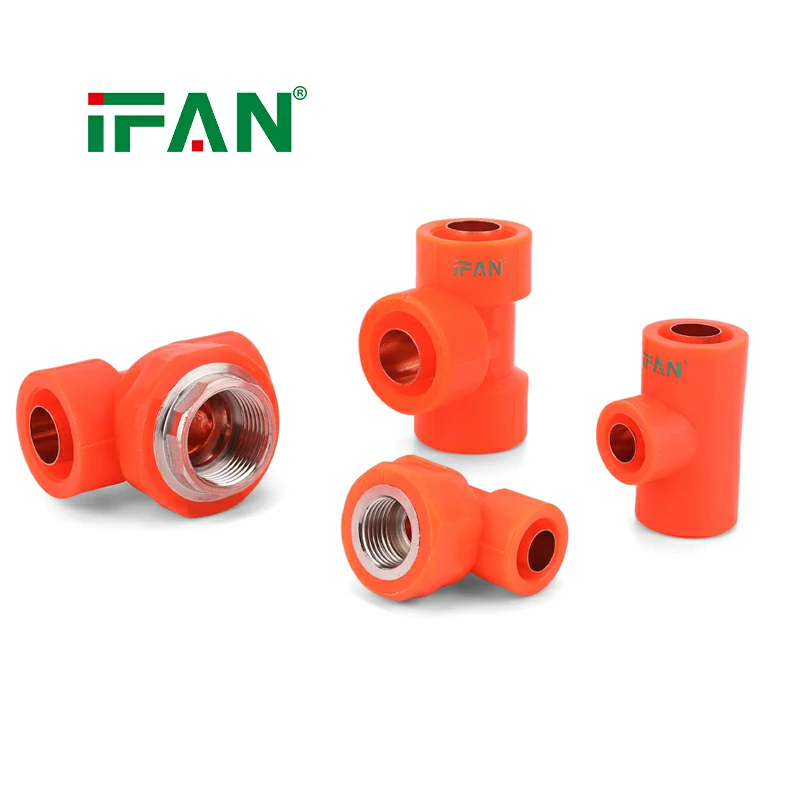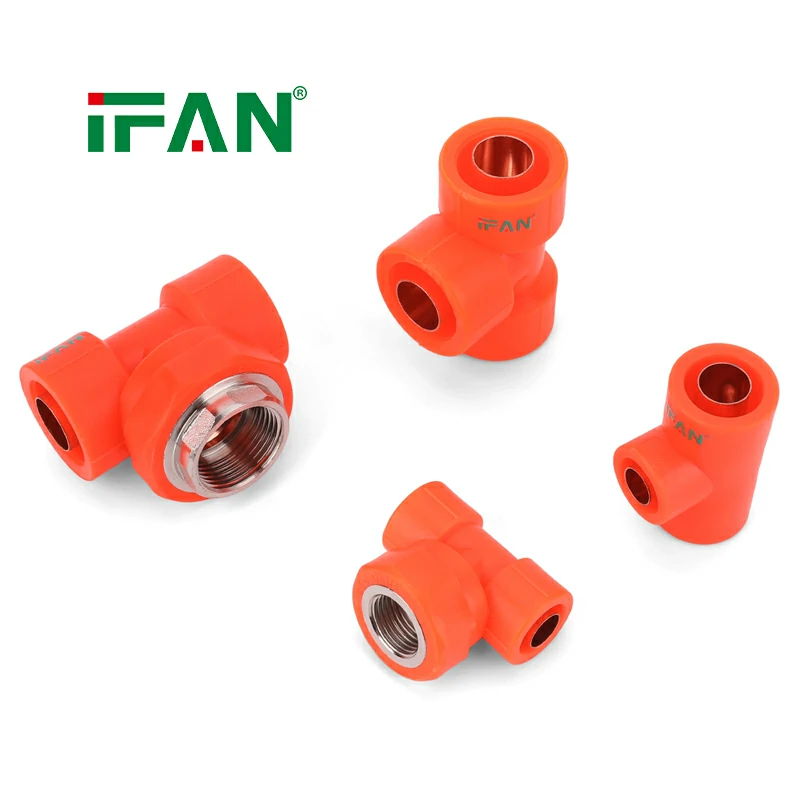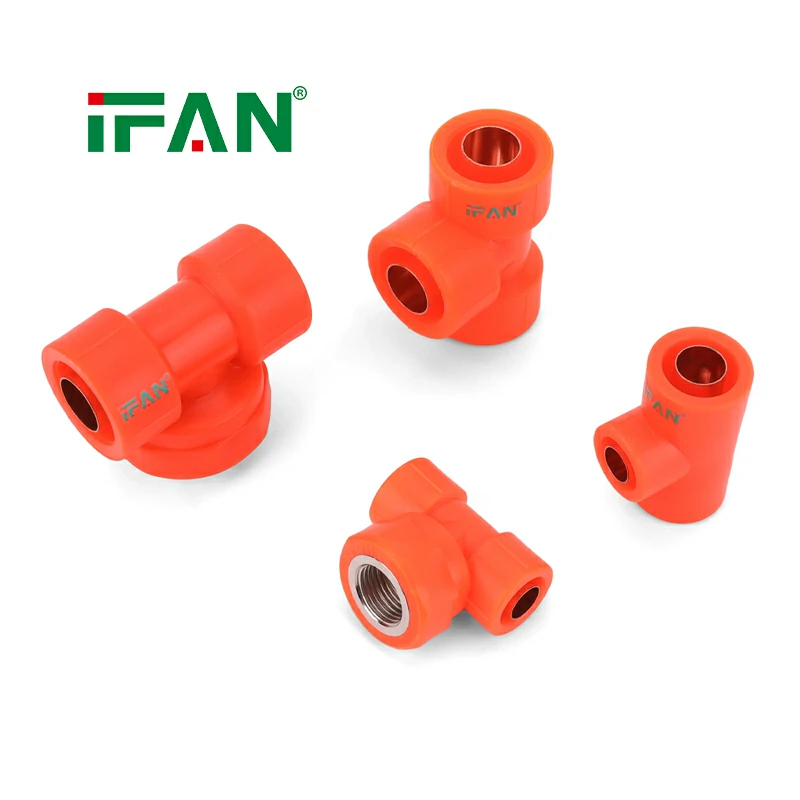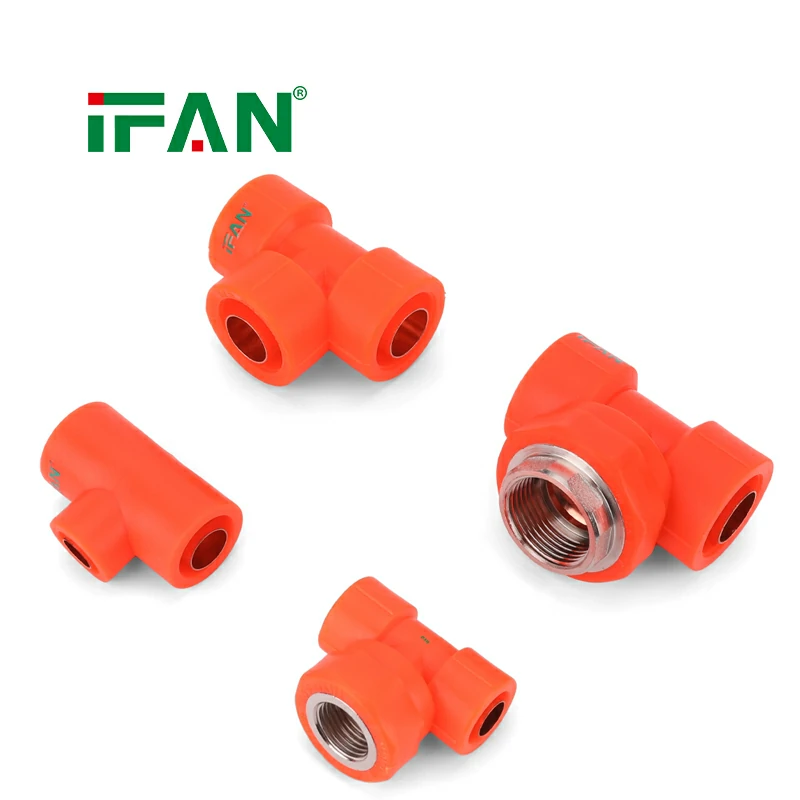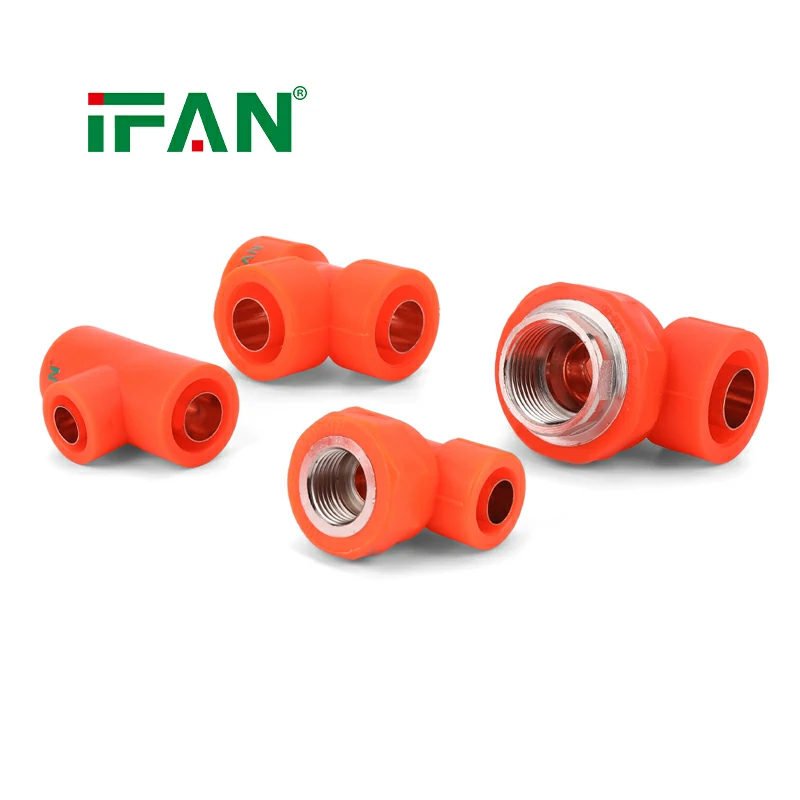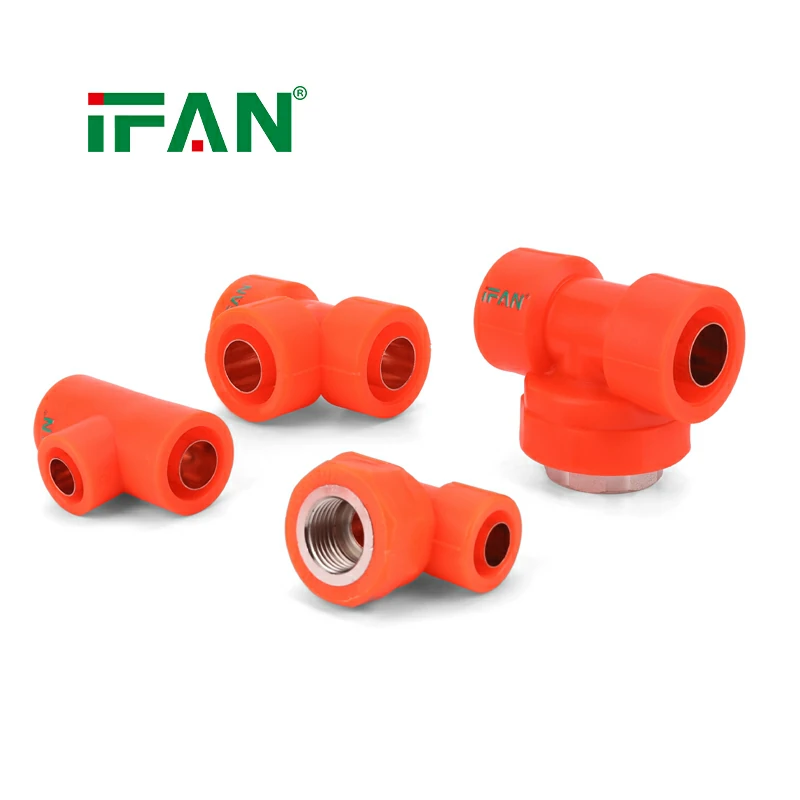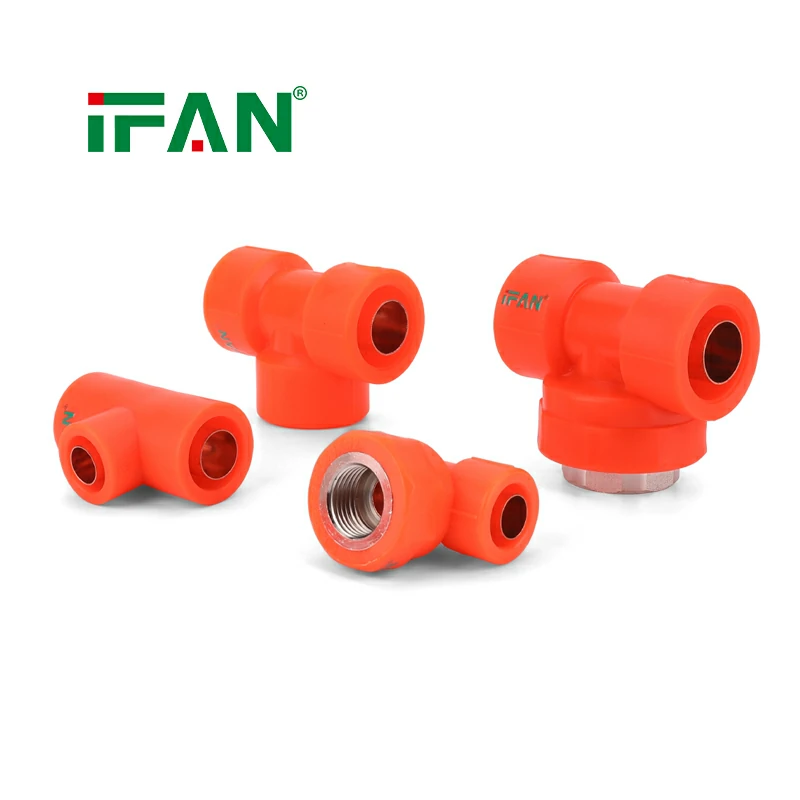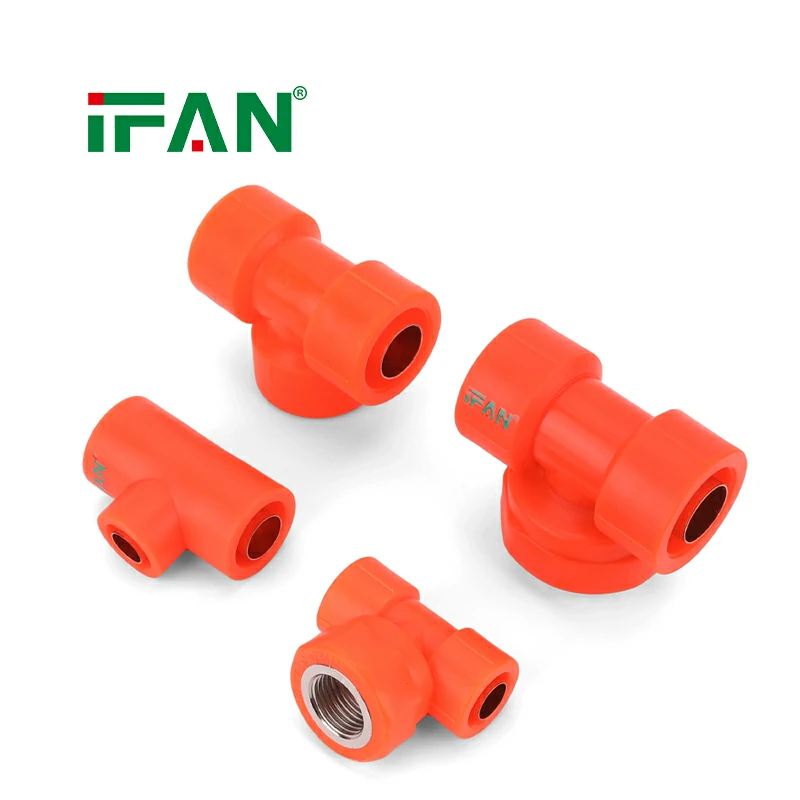

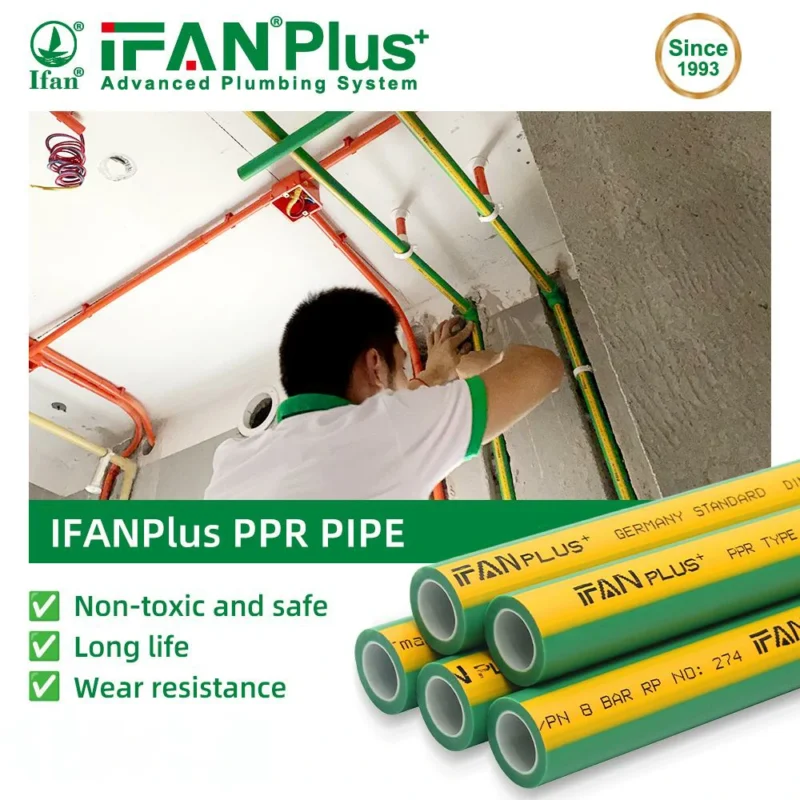
Introduction to PPR Plumbing Systems
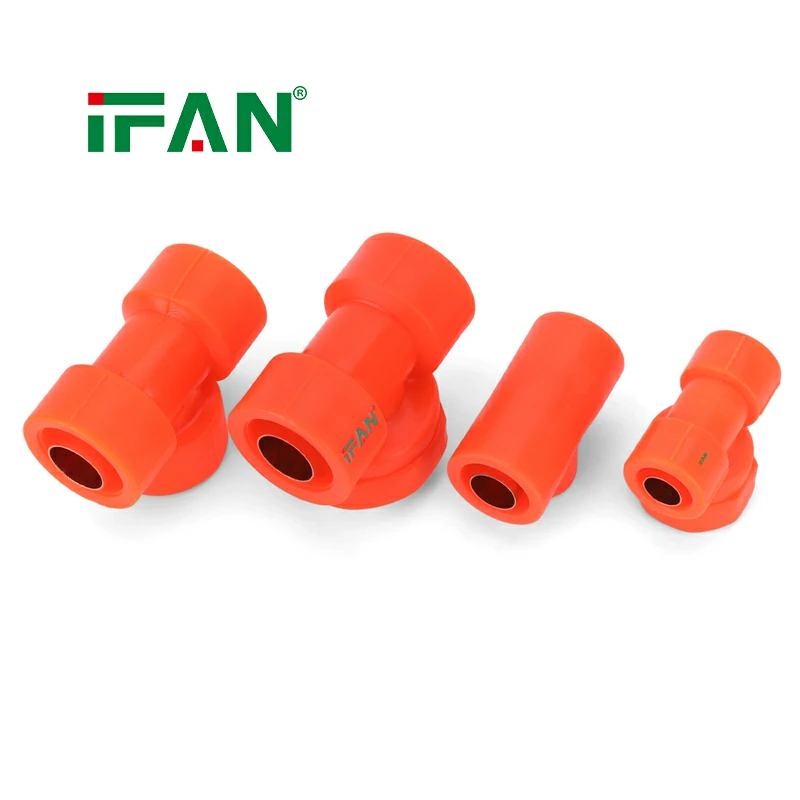
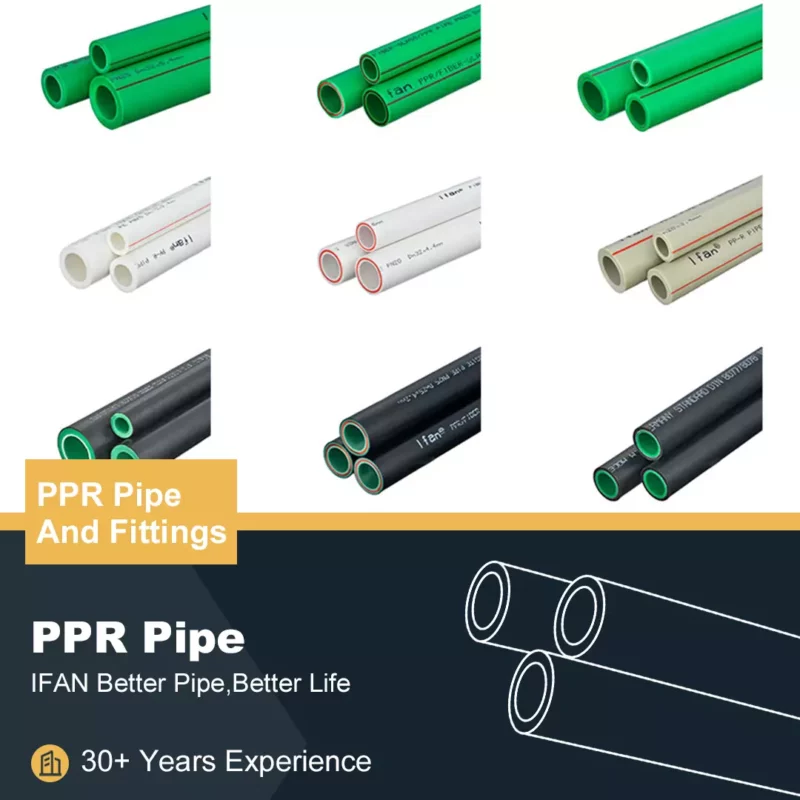
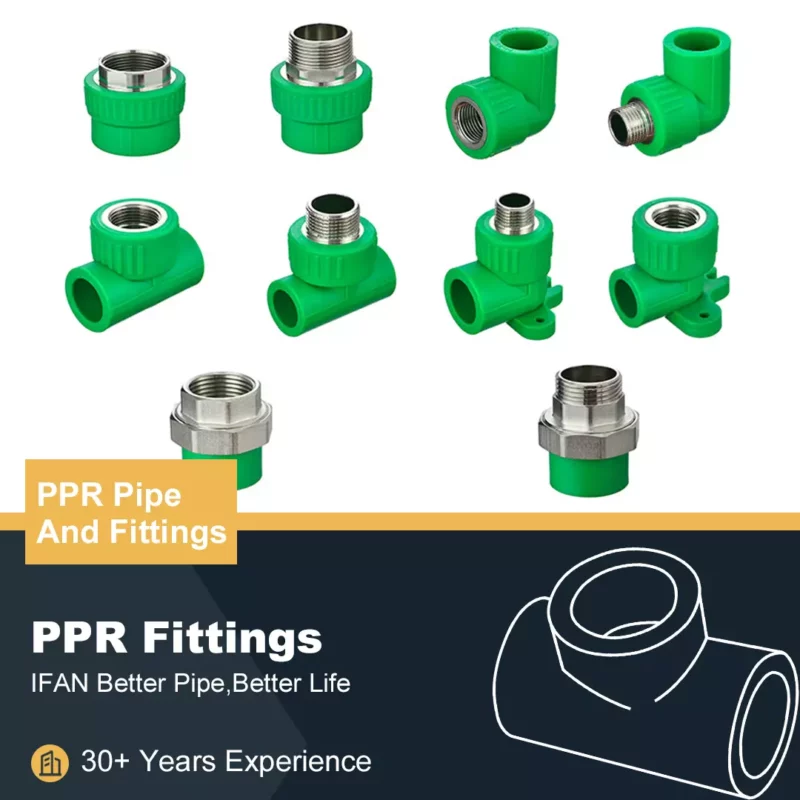
PPR, or Polypropylene Random Copolymer, is widely used in modern plumbing systems. It is known for strength, safety, and eco-friendliness. PPR pipes are suitable for hot and cold water supply. They are also used in industrial and chemical applications. These pipes have become a popular choice due to their green profile. They are recyclable, energy-efficient to produce, and safe for water transport. Unlike metal pipes, PPR does not corrode or leach chemicals. It offers long-lasting performance and supports sustainable construction practices. In eco-conscious buildings, PPR is often the preferred plumbing material.
Environmentally Friendly Manufacturing
PPR pipes are made using a clean, low-impact manufacturing process. The production emits fewer greenhouse gases compared to metal pipe production. PPR requires less energy to produce and shape. It generates minimal waste and leaves a smaller carbon footprint. No harmful by-products are released during production. The material itself is non-toxic and fully recyclable. PPR can be melted and reshaped without losing its integrity. This supports circular economy principles. Choosing PPR means reducing environmental harm from the start of the supply chain. It aligns with green building standards and eco-certification requirements.
Safe for Drinking Water Systems
PPR pipes are ideal for potable water supply systems. They do not react with water or release harmful substances. The inner surface is smooth and resists scaling. This helps maintain water purity and flow efficiency. Unlike metal pipes, PPR does not rust or corrode over time. It maintains water quality without affecting taste or smell. PPR is free from BPA, heavy metals, and toxic coatings. It complies with international health and safety standards. These features make it a reliable choice for households, hospitals, schools, and food-related facilities. Clean water delivery is essential for health, and PPR ensures it.
Energy-Efficient Thermal Performance
PPR pipes provide excellent thermal insulation. Their low thermal conductivity helps reduce heat loss in hot water systems. This improves energy efficiency and lowers utility costs. Unlike metal pipes, PPR keeps water warmer for longer. This is beneficial in both domestic and commercial applications. In heating systems, PPR reduces the energy required to maintain water temperature. In cold-water systems, it prevents heat gain from surrounding areas. This thermal performance contributes to overall building energy efficiency. It supports the goals of sustainable design and green construction practices. Efficient thermal performance means fewer resources used over time.
Long Lifespan and Reduced Waste
PPR pipes have a service life of over Long-term durability according to standards under normal conditions. Their durability reduces the need for frequent replacements. This lowers material consumption and reduces waste generation. Long-lasting materials support sustainable infrastructure. PPR pipes resist chemical attack, scaling, and physical impact. This ensures reliability in both low and high-pressure systems. With fewer failures and leaks, maintenance demands are reduced. Less maintenance also means fewer disruptions and reduced costs. The longer a pipe lasts, the less environmental impact it creates. Choosing PPR helps create low-maintenance, long-lasting, and eco-conscious plumbing systems.
Recyclability and End-of-Life Impact
PPR is 100% recyclable, making it a sustainable material choice. At the end of its service life, it can be collected and reprocessed. Recycled PPR can be used to produce new piping products or other plastic items. Unlike PVC or other plastics with toxic additives, PPR is safe to recycle. It does not release hazardous gases when processed properly. Recycling reduces demand for virgin materials and supports waste reduction goals. This lowers the total environmental footprint of construction. Incorporating recyclable materials like PPR into building design supports LEED and other green building certifications.
Non-Toxic and Chemical Resistant
PPR is a chemically inert material. It does not interact with transported fluids, even under high temperatures or pressure. This makes it safe for transporting drinking water, chemicals, and industrial fluids. It also resists biofilm growth and microbial contamination. In healthcare and food facilities, hygiene is critical. PPR meets the strict hygiene requirements of these environments. It contains no plasticizers, chlorine, or toxic coatings. The absence of harmful substances protects both users and the environment. With PPR, plumbing systems remain clean, safe, and environmentally responsible throughout their lifecycle.
Reduced Installation Impact
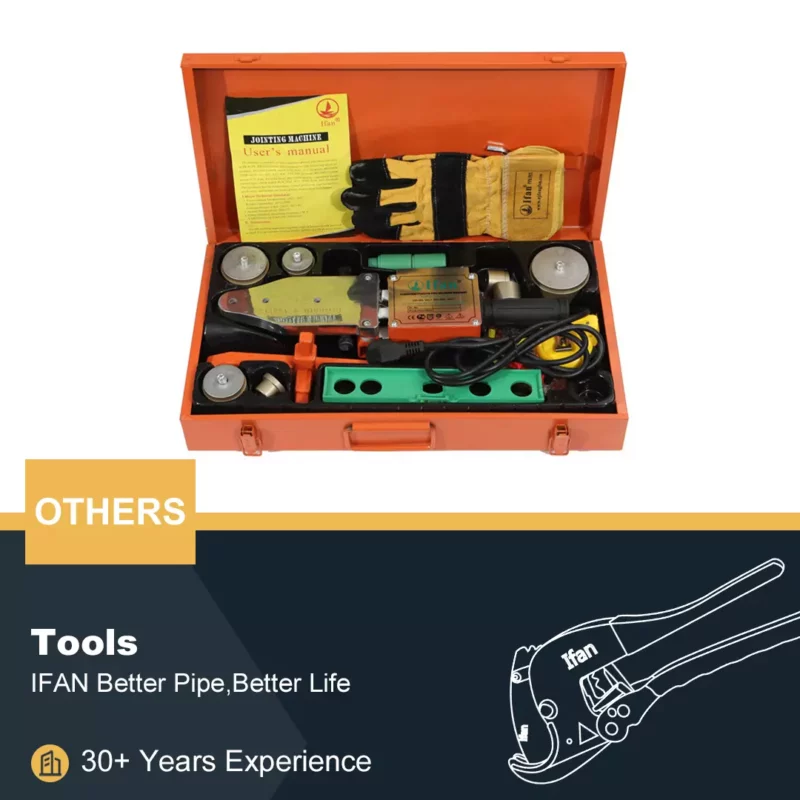
PPR pipe installation is simpler and less resource-intensive than metal systems. Pipes are lightweight and easy to handle on-site. This reduces labor time and transportation energy. Fusion welding is used to join PPR pipes. This method requires no glues, solvents, or heavy equipment. The result is a leak-free and permanent bond. Clean installation methods reduce job site pollution and chemical exposure. Less waste is generated during cutting and joining. Faster installation reduces project timelines and energy use on-site. All of these factors contribute to a lower environmental impact during construction.
Compatibility With Renewable Systems
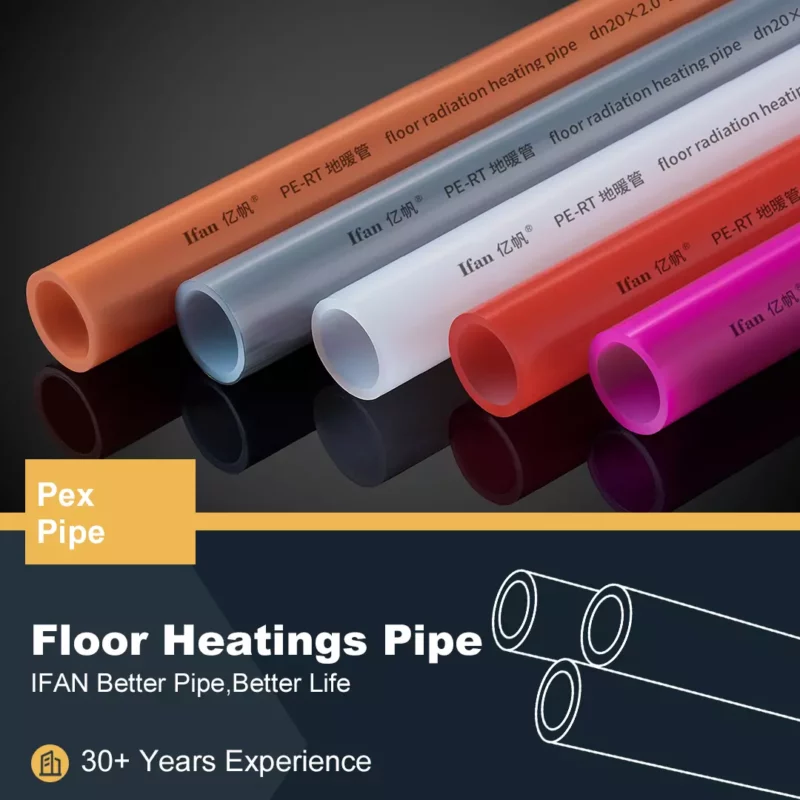
PPR pipes work well with renewable energy-based systems. They are commonly used in solar hot water systems and geothermal heating. These applications demand materials that handle temperature changes and pressure. PPR’s durability and thermal properties make it ideal for such use. It supports eco-friendly designs by integrating with green technologies. For example, PPR can distribute water heated by solar panels efficiently. In underfloor heating, it maintains consistent temperatures with minimal energy loss. Compatibility with renewable systems enhances the sustainability of plumbing infrastructure. It ensures that the entire water system aligns with energy-saving goals.
Cost-Effectiveness Supports Green Adoption
Although eco-friendly materials can be expensive, PPR remains affordable. It offers an excellent balance between performance and cost. Its low installation cost and long life reduce total system expenses. For green buildings, cost is often a limiting factor. PPR makes it easier to achieve sustainability without high material costs. Energy savings and reduced maintenance add long-term value. Because it meets both economic and environmental goals, PPR is suitable for mainstream adoption. Its availability and proven performance encourage wider use in eco-conscious projects. The more it’s used, the greater the positive environmental impact.
Conclusion
PPR pipe is a smart, sustainable solution for modern plumbing systems. It supports eco-friendly construction through low-impact manufacturing, recyclability, and safe water delivery. Its long lifespan reduces waste, while its thermal performance improves energy efficiency. PPR is non-toxic, durable, and easy to install with minimal environmental disruption. It integrates seamlessly with renewable energy systems and supports water conservation. Its affordability helps promote sustainability across residential and commercial sectors. Choosing PPR means choosing a better future for plumbing and the planet. For any project focused on efficiency and environmental care, PPR is the right pipe material.
If you have read this article and have any questions, please feel free to contact IFAN. Below is our contact information:
Whatsapp:+86 13373827623
Email:[email protected]