


Introduction to Check Valves
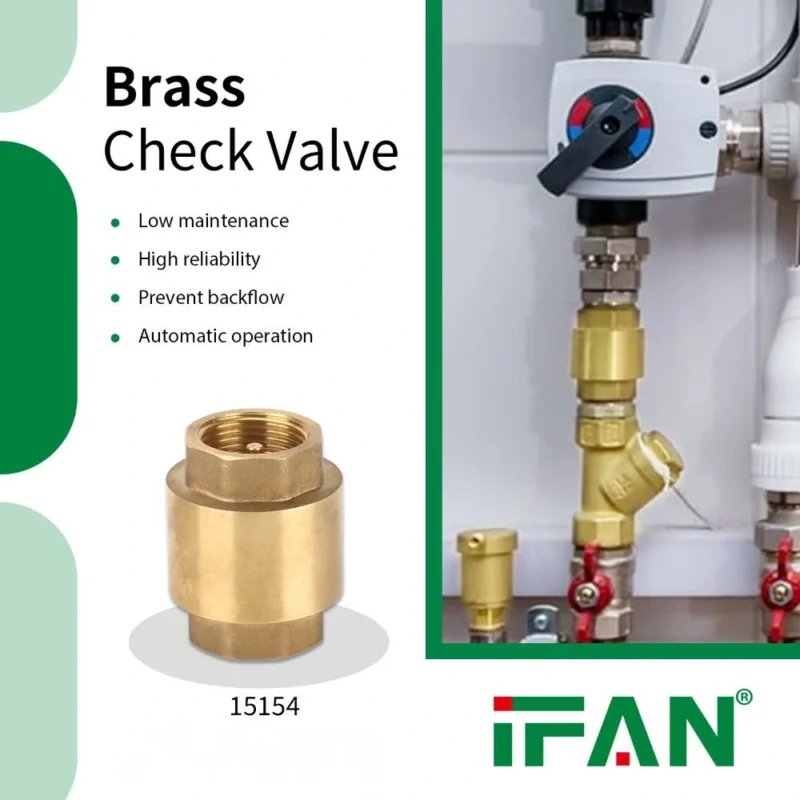
Check valves are essential components in fluid systems. They allow flow in one direction only. This prevents backflow, which can damage equipment or contaminate fluids. Among different materials, brass check valves are widely used. Brass offers strength, durability, and corrosion resistance. These qualities make brass check valves ideal for various applications. They work automatically without manual control. Once flow begins, the valve opens. When flow reverses, the valve closes, stopping backflow.
How a Brass Check Valve Works
A brass check valve operates with a simple mechanism. It contains a disc, ball, or spring-loaded element. When fluid flows in the correct direction, pressure opens the valve. If flow reverses, pressure forces the valve to shut. This prevents backflow instantly. The design depends on application needs. Some use a swing check, others a spring type. All aim to ensure flow control in one direction. Brass construction adds long-term performance and reliability.
Key Features of Brass Check Valves
Brass check valves are known for their key features. First, brass resists corrosion and high temperatures. This makes the valve suitable for hot water systems. Second, they provide tight sealing. This helps maintain system pressure and prevents leaks. Third, they have a compact and durable design. Their simple structure reduces maintenance needs. Lastly, they are compatible with different pipe types. They work in residential, commercial, and industrial systems. These features ensure long-lasting use.
Applications in Plumbing Systems
Brass check valves are common in plumbing systems. They are used in water supply lines to prevent contamination. Without a check valve, backflow may carry dirty water into clean lines. This poses health risks. In residential systems, they protect water heaters and boilers. In commercial buildings, they are used in fire sprinkler systems. These valves ensure pressure remains consistent and flow moves correctly. Brass valves are a trusted choice in these setups.
Industrial and Commercial Use Cases
In industrial settings, brass check valves serve many roles. They are used in chemical processing, HVAC systems, and oil pipelines. These valves handle fluids under different temperatures and pressures. Their one-way flow control ensures safety and efficiency. In commercial spaces, they are installed in cooling systems and air compressors. These systems rely on consistent flow and pressure. Brass valves prevent pressure drops and reverse flow, protecting equipment from failure.
Advantages Over Other Valve Materials
Brass check valves offer many benefits compared to other materials. Plastic valves are cheaper but less durable. Stainless steel is strong but more expensive. Brass balances cost and performance. It handles moderate pressure and temperature ranges. Brass also resists corrosion from water and most chemicals. This makes it reliable in harsh environments. Its machinability allows for precise manufacturing. As a result, brass valves offer consistent quality and long service life.
Installation Considerations
Proper installation ensures optimal valve performance. First, check the flow direction arrow on the valve body. This must match system flow. Second, avoid overtightening during installation. Excess force may crack threads or damage seals. Third, install the valve in a clean system. Debris can block the valve from closing properly. Also, consider valve orientation. Some check valves only work in horizontal or vertical positions. Always follow the manufacturer’s guidelines for best results.
Maintenance and Troubleshooting
Brass check valves require minimal maintenance. However, regular inspections improve system reliability. Check for leaks, unusual noises, or pressure drops. These may indicate a stuck or damaged valve. In hard water areas, mineral buildup may affect sealing. Periodic flushing can help avoid this. If the valve fails, replacement is often easier than repair. Always shut off flow before removal. Use proper tools and avoid damaging connecting parts. Routine checks extend valve life significantly.
Environmental and Safety Benefits
Using brass check valves improves safety and environmental performance. They help prevent contamination in water supply systems. In chemical plants, they stop hazardous backflow. This protects workers and the environment. Brass itself is recyclable, reducing environmental impact. Additionally, the valves’ durability reduces the need for frequent replacement. This lowers material waste. Their ability to work without electricity or control systems adds reliability. In emergencies, they still function automatically.
Choosing the Right Brass Check Valve
Selecting the correct valve depends on the application. Consider pressure range, temperature, and fluid type. For high-pressure systems, use valves rated accordingly. If fluid is corrosive, ensure brass is compatible. Choose a valve size that matches the pipe system. Oversized valves may reduce flow efficiency. Undersized ones cause pressure drops. Also, decide between swing or spring check types. Swing valves are good for low-pressure flow. Spring types close faster and suit vertical installations.
Cost and Availability
Brass check valves are affordable and widely available. Their price depends on size, pressure rating, and design. Compared to stainless steel, they offer lower initial costs. Due to their popularity, most hardware and plumbing stores stock them. Online suppliers also provide a wide range. Bulk purchases often reduce cost per unit. Because they’re standard components, lead times are usually short. This makes them a practical choice for contractors and system designers.
Conclusion
Brass check valves play a vital role in fluid control systems. They ensure one-way flow, prevent backflow, and protect equipment. Their brass construction offers strength, reliability, and corrosion resistance. With low maintenance needs, they are suitable for many applications. From homes to factories, they are used worldwide. Proper installation and regular checks ensure long service life. With a balance of performance and cost, brass check valves remain a top choice. Their role in safety and efficiency cannot be overstated.
If you have read this article and have any questions, please feel free to contact IFAN. Below is our contact information:
Whatsapp:+86 13373827623
Email:[email protected]