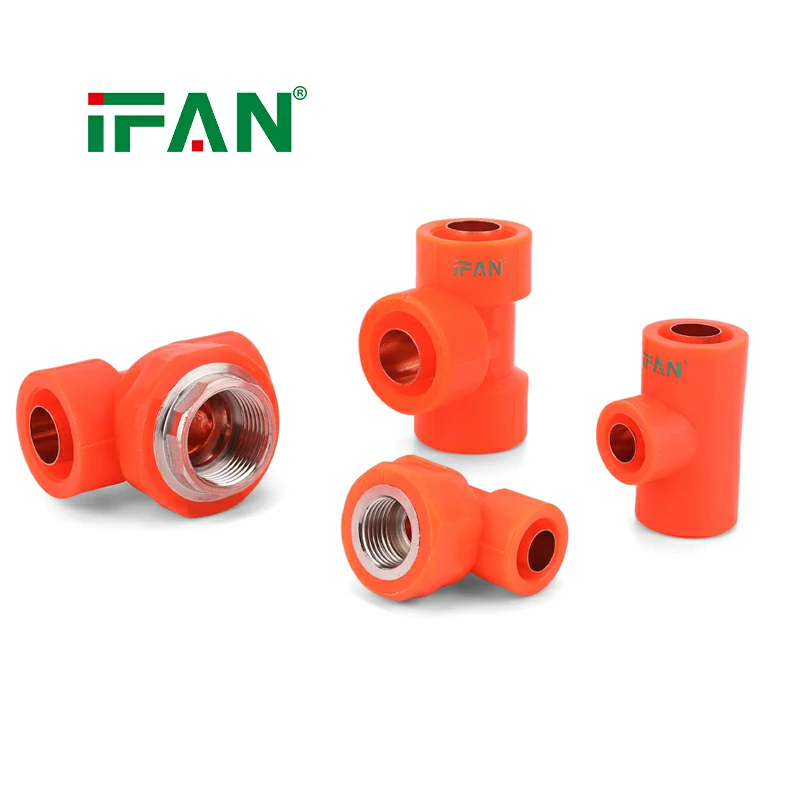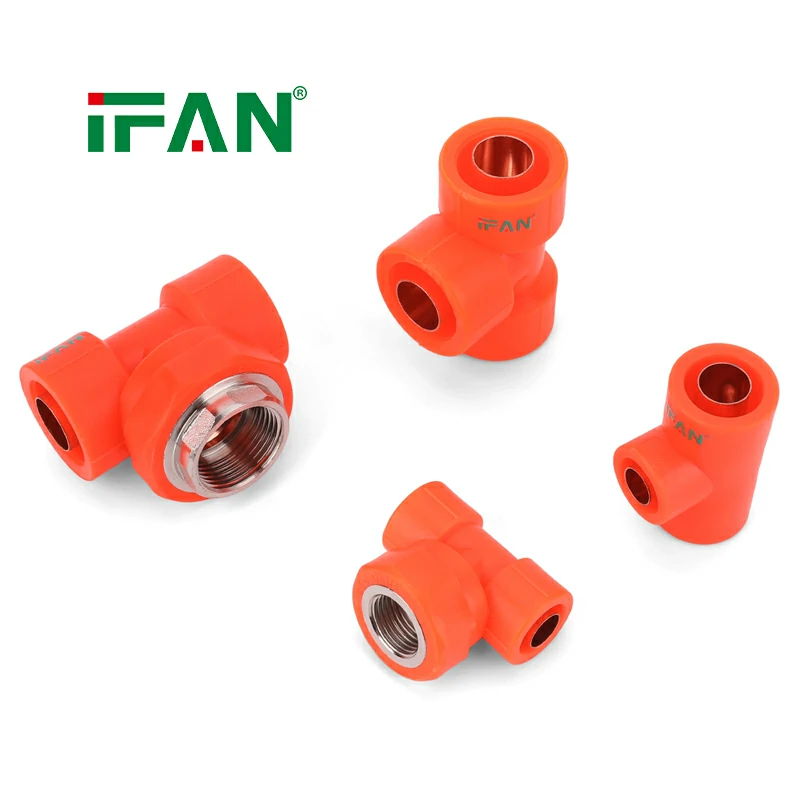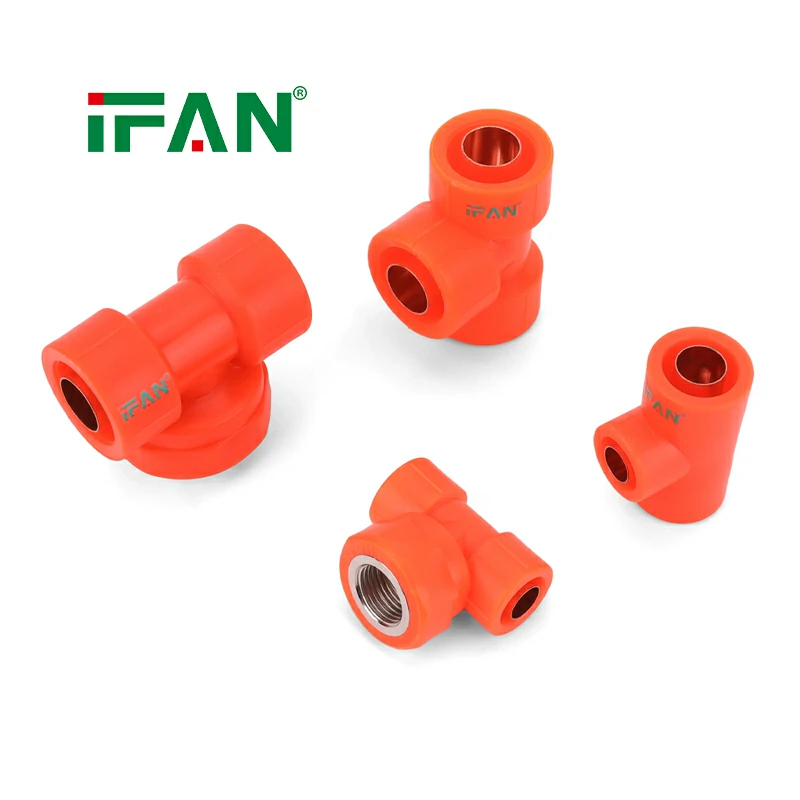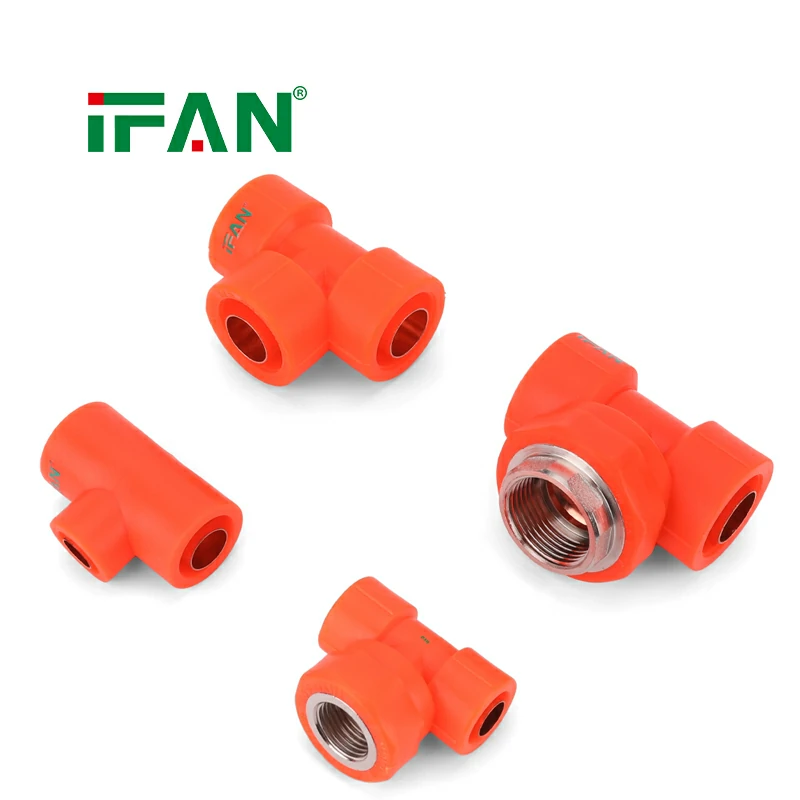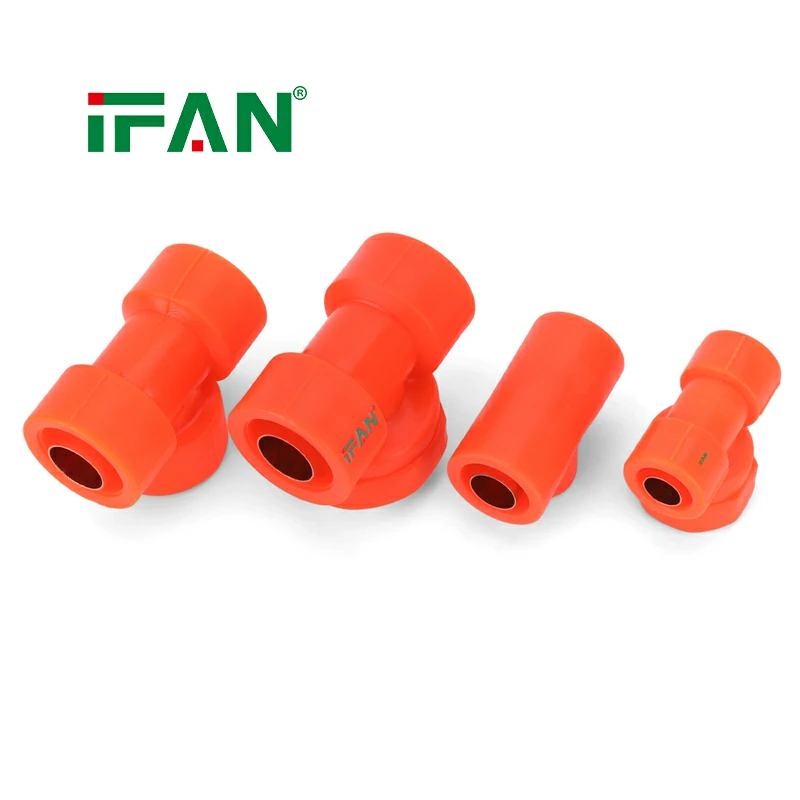
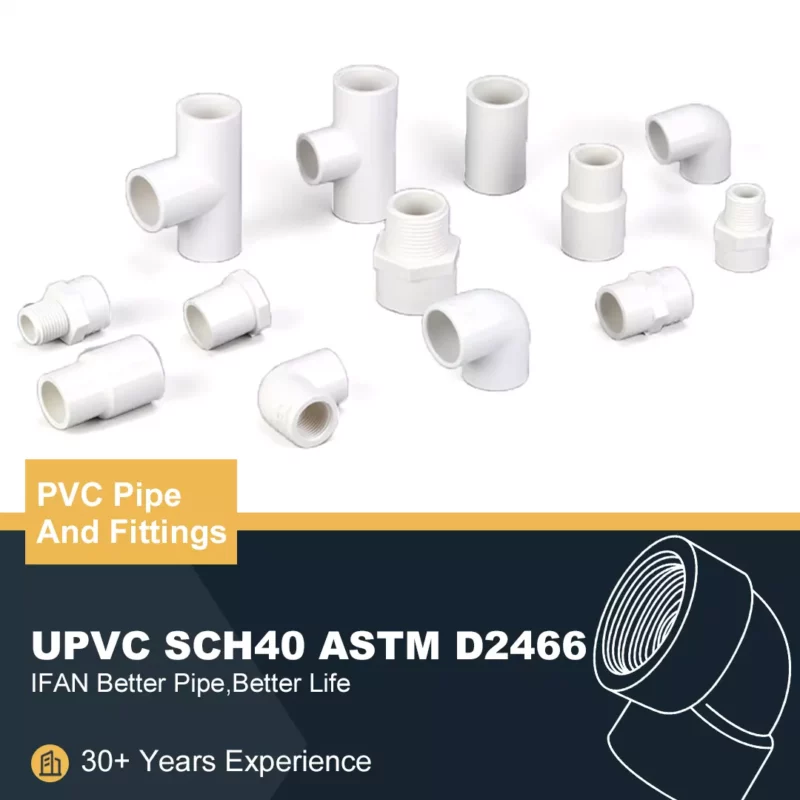
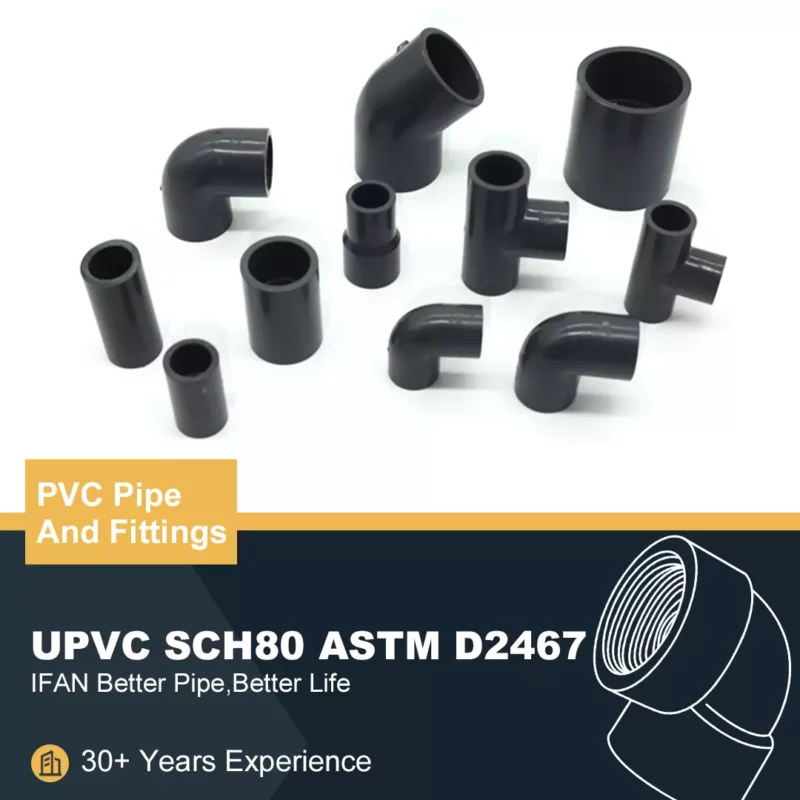
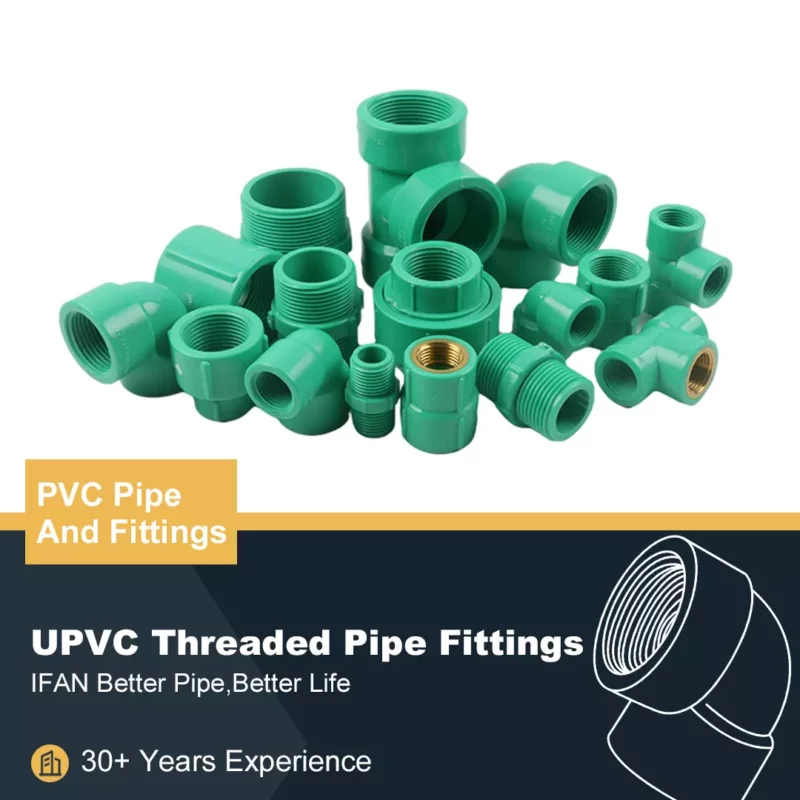
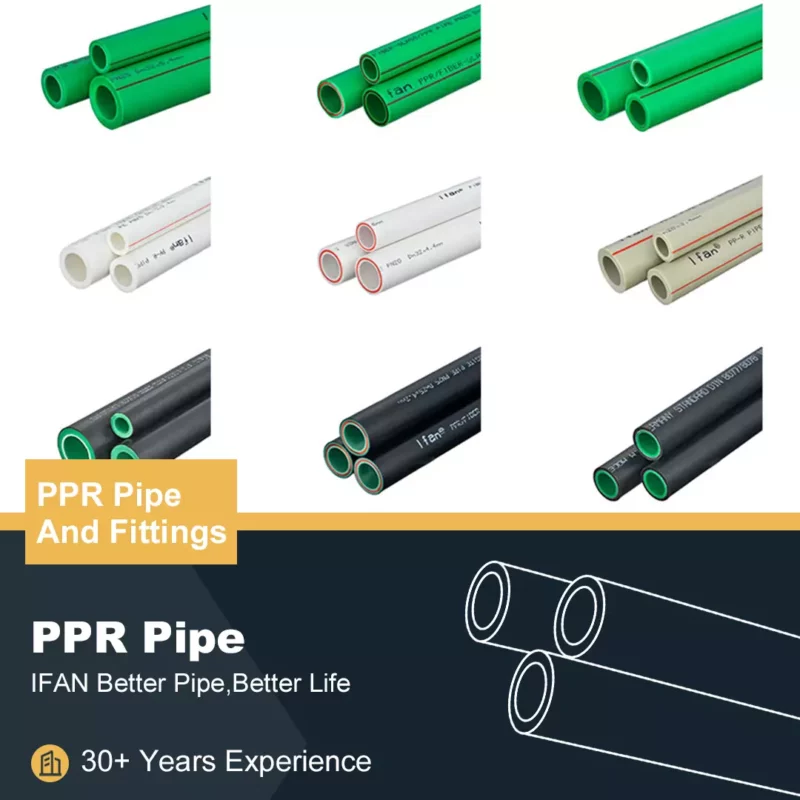
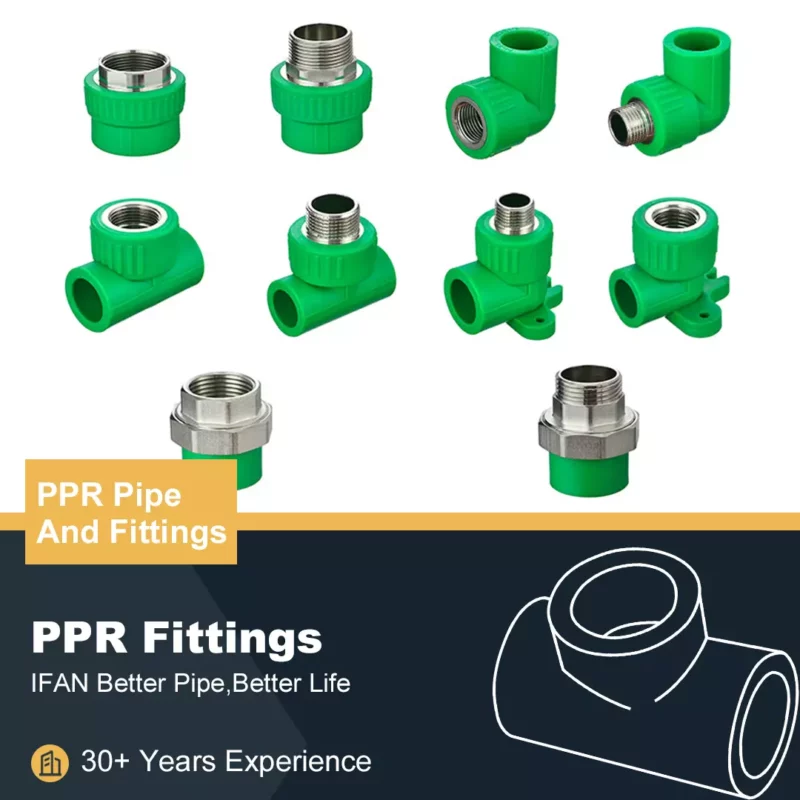
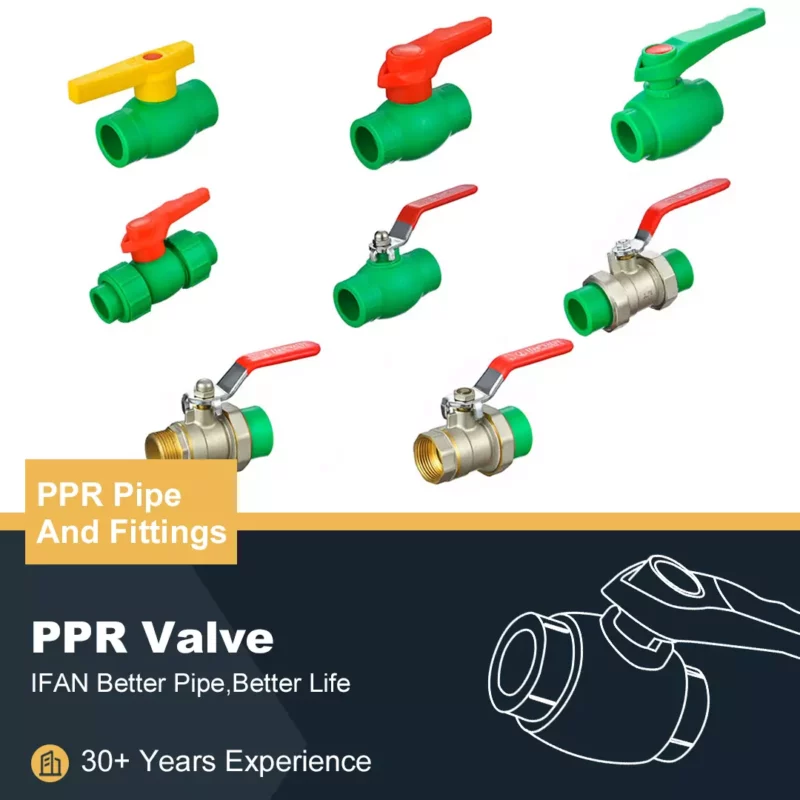
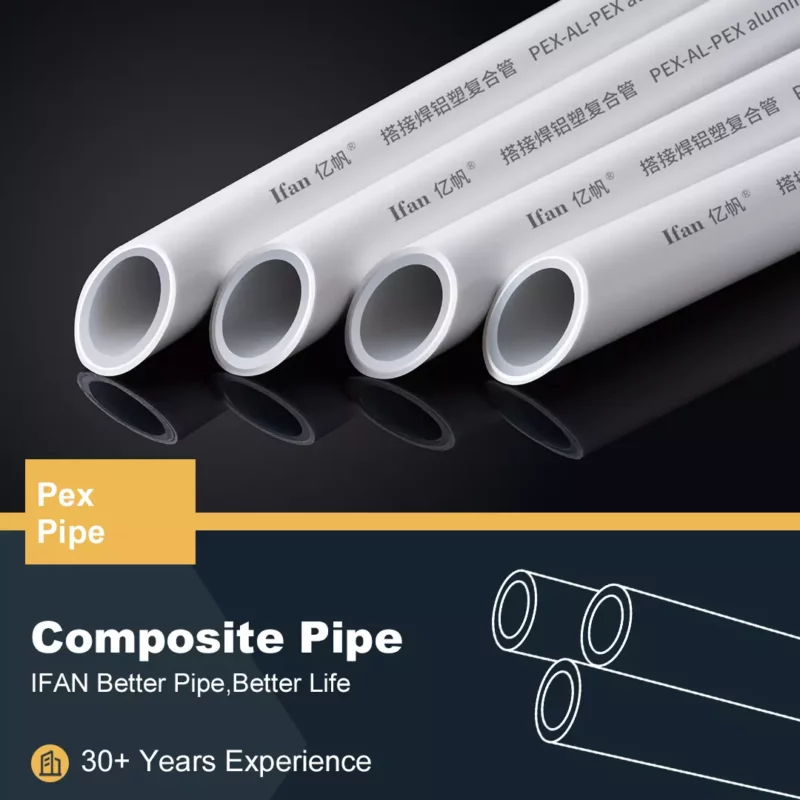
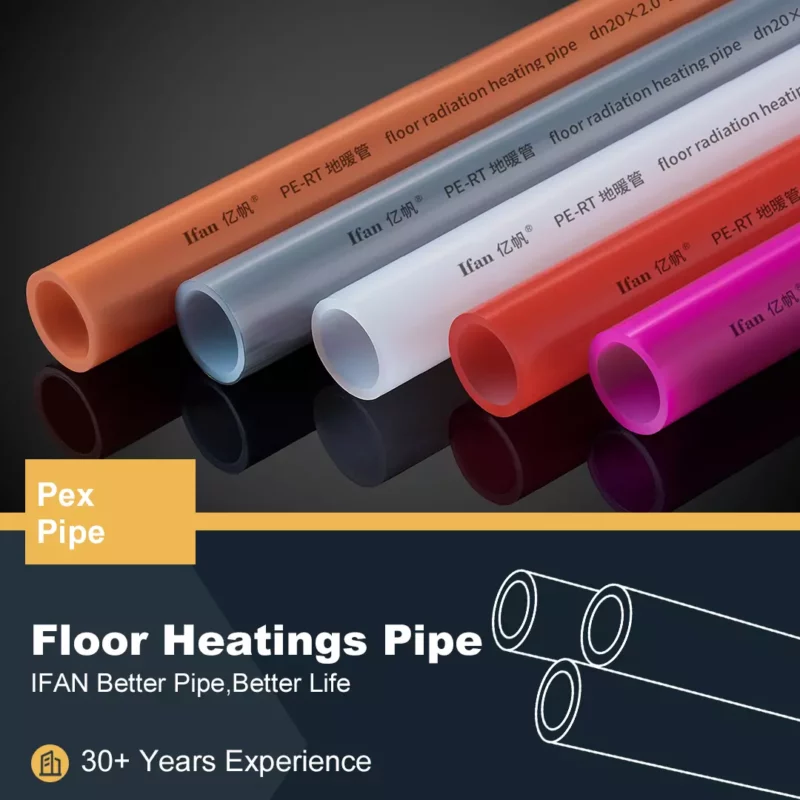


PPR pipe fittings are widely used in plumbing systems due to their durability, safety, and reliability. Made from Polypropylene Random Copolymer (PPR), these fittings are designed to handle various applications. This article explains why PPR fittings are ideal for long-term use, exploring their properties, installation advantages, and performance across environments.
High Resistance to Corrosion and Scaling
PPR pipe fittings are highly resistant to corrosion, unlike metal alternatives. They do not react with chemicals in water. This means they can handle aggressive fluids, hard water, or acidic conditions without degrading. Another key advantage is their resistance to scaling. Mineral deposits do not build up inside PPR pipes as they do with metal ones. This prevents clogging and keeps flow rates consistent over time. As a result, plumbing systems maintain optimal performance for years. PPR’s chemical structure also prevents rust or discoloration, making it suitable for drinking water lines and clean water systems. Its resistance contributes to the fittings’ long-term reliability.
Excellent Temperature and Pressure Performance
PPR pipe fittings are engineered to handle high pressure and temperature variations. They perform well in both hot and cold water systems. These fittings can withstand continuous temperatures up to 70°C and short-term exposure up to 95°C. In addition, they remain stable under pressures commonly found in domestic and industrial systems. Their structural integrity stays intact even under thermal stress. This makes them suitable for heating systems, chilled water loops, and pressurized fluid transport. The material expands slightly with heat, reducing stress on joints. Unlike metal, PPR will not warp or crack when exposed to extreme conditions, ensuring long service life.
Safe and Hygienic for Potable Water
Safety is essential in water supply systems. PPR pipe fittings are non-toxic and safe for transporting drinking water. The material is free from harmful chemicals and additives. It does not leach contaminants into the water. PPR is certified by health and safety standards in many countries. This makes it widely accepted in residential, commercial, and healthcare applications. Its smooth inner surface prevents bacterial growth, ensuring water remains clean. Unlike older pipe materials, PPR does not alter the taste or color of water. Its hygienic properties make it a preferred choice for kitchens, bathrooms, and hospital plumbing systems.
Long Lifespan with Minimal Maintenance
One of the main benefits of PPR pipe fittings is their long operational lifespan. When installed correctly, they can last more than Long-term durability according to standards. This makes them a cost-effective choice for builders and property owners. PPR’s durability reduces the need for repairs or replacements. The material resists environmental wear, mechanical damage, and chemical corrosion. This makes maintenance minimal, even in demanding environments. In addition, fittings do not degrade from UV exposure when protected properly. Their stable structure ensures consistent performance over time. These advantages make PPR a smart choice for long-term infrastructure investments in both public and private projects.
Simple, Secure, and Fast Installation
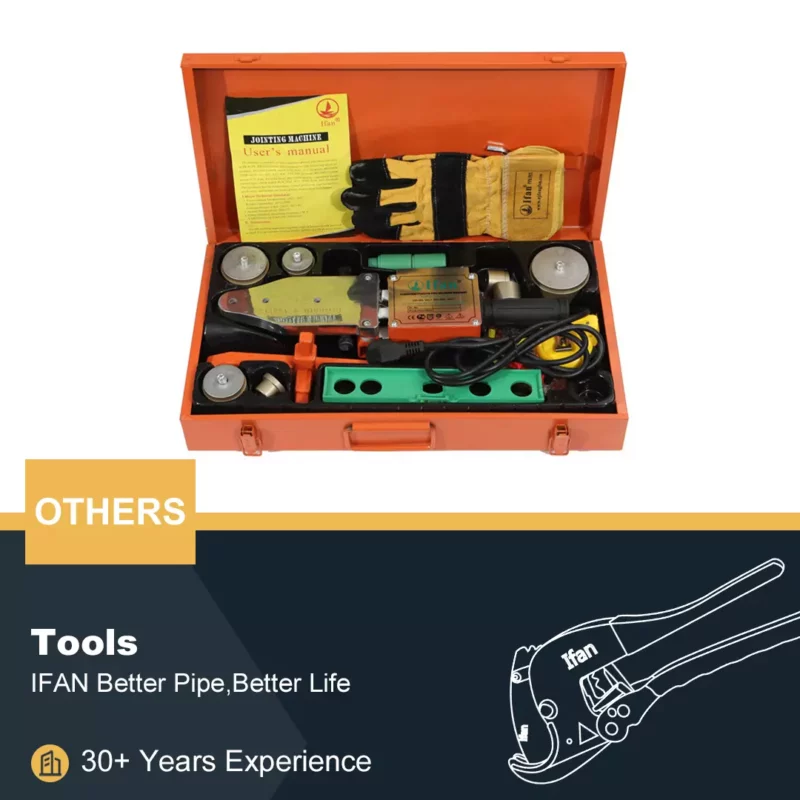
PPR pipe fittings are designed for easy and secure installation. The most common method is heat fusion welding. This process uses a fusion tool to join pipes and fittings into a single unit. The result is a seamless, leak-proof joint. No additional sealing materials, adhesives, or clamps are needed. Heat fusion creates joints that are as strong as the pipe itself. Installation time is significantly shorter than with traditional metal systems. Lightweight materials also reduce labor effort. Even large systems can be assembled quickly. This simplicity reduces labor costs and installation errors, making PPR ideal for fast-paced construction environments.
Energy Efficient and Environmentally Friendly
PPR is an environmentally friendly material. It requires less energy to produce compared to metal pipes. The lightweight nature of PPR reduces fuel use during transportation. This lowers the carbon footprint of the overall project. During installation, no harmful chemicals are released. Waste from cutting and joining is minimal and recyclable. PPR is also a good thermal insulator. It reduces energy loss in hot and cold water systems. This boosts energy efficiency in buildings. For sustainable construction and green building certifications, PPR systems provide strong support. Their long life and recyclability make them an eco-conscious choice for modern infrastructure.
Resistant to Impact and Vibration
Durability under mechanical stress is important in plumbing systems. PPR pipe fittings are highly resistant to physical impacts. Unlike brittle materials, PPR can absorb shocks without cracking. This makes them suitable for areas prone to movement or vibration. Industrial settings, pumping stations, and high-traffic buildings benefit from this feature. PPR also resists stress from sudden pressure surges, known as water hammer. These surges can damage less flexible materials over time. PPR’s elasticity helps reduce system damage and extends service life. These mechanical properties support safe and reliable operation, even in challenging environments where structural stress is common.
Compatibility with Modern Plumbing Systems
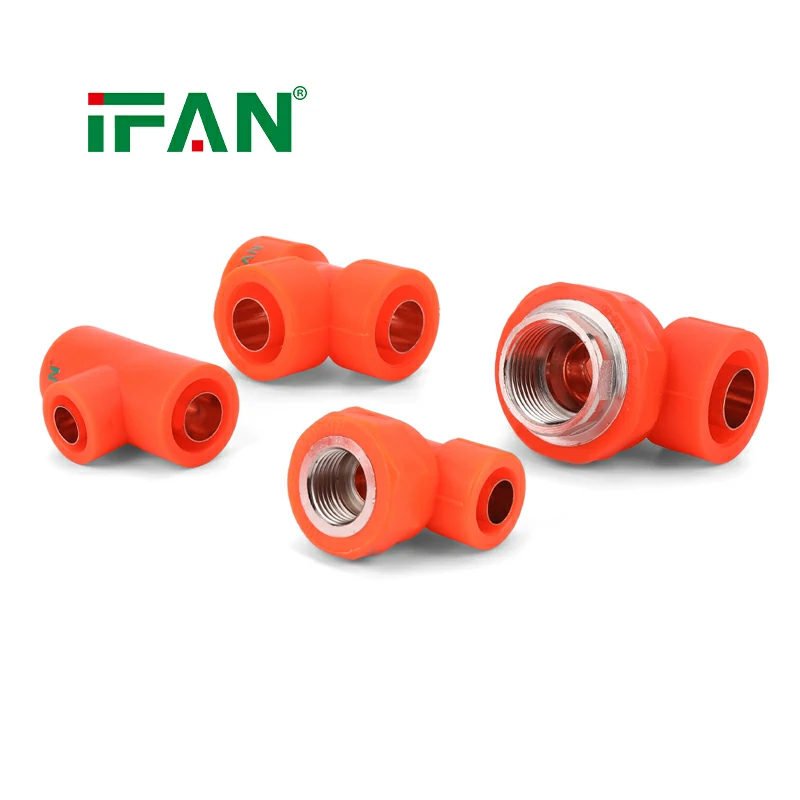
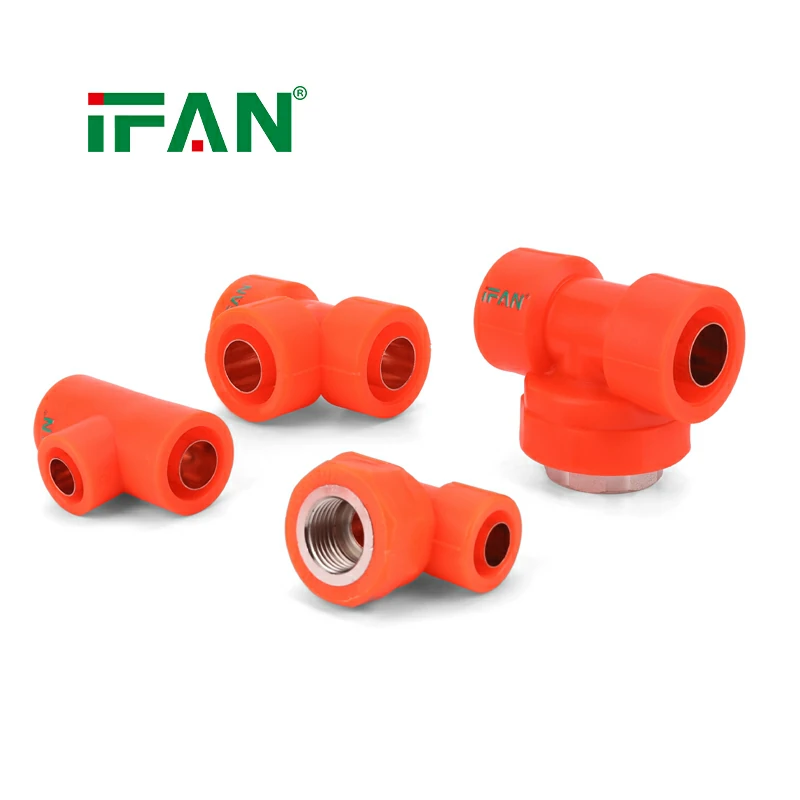
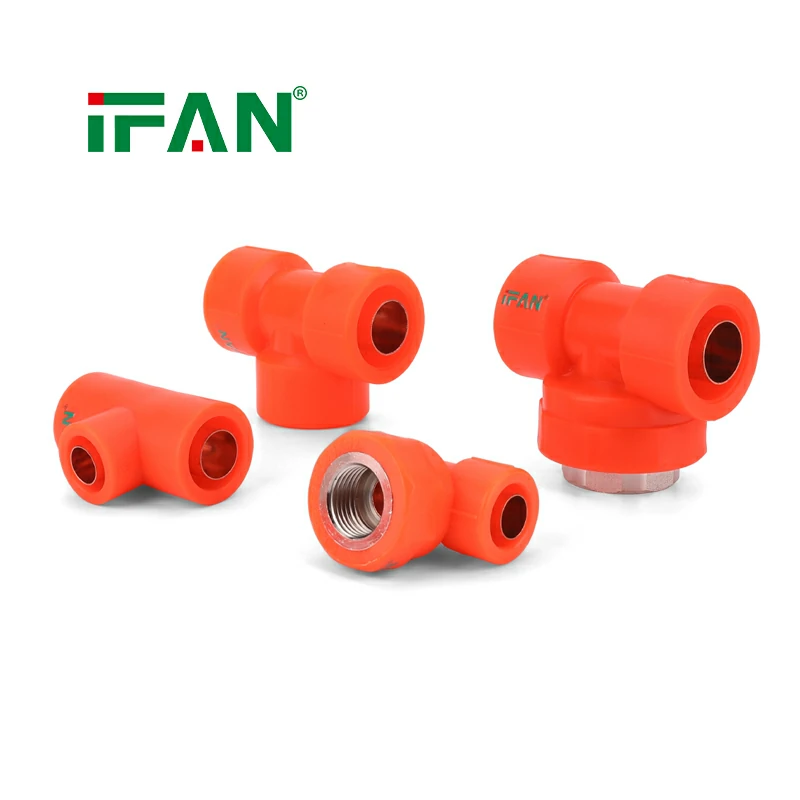
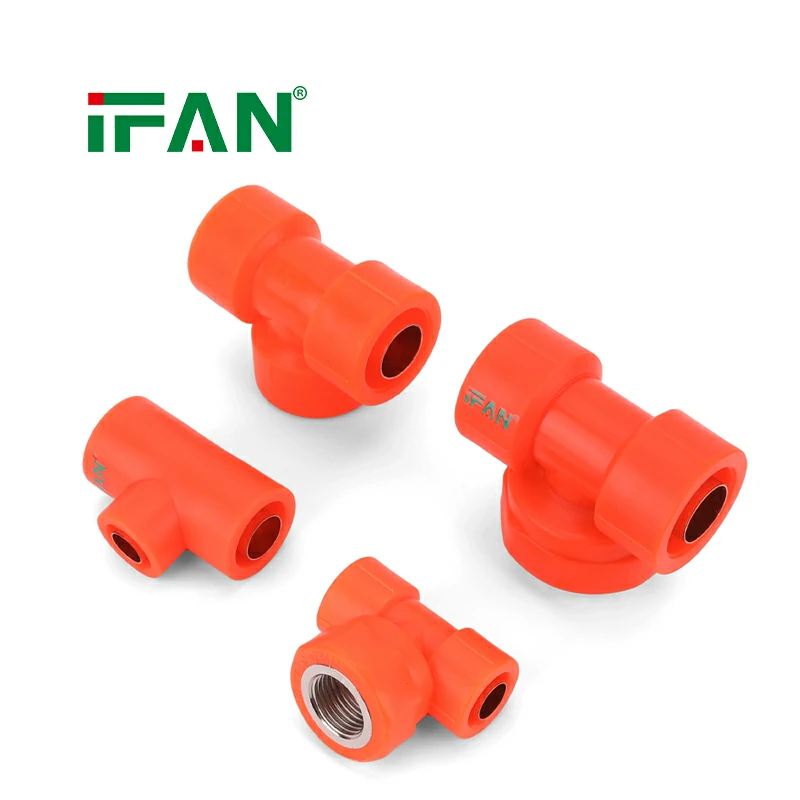
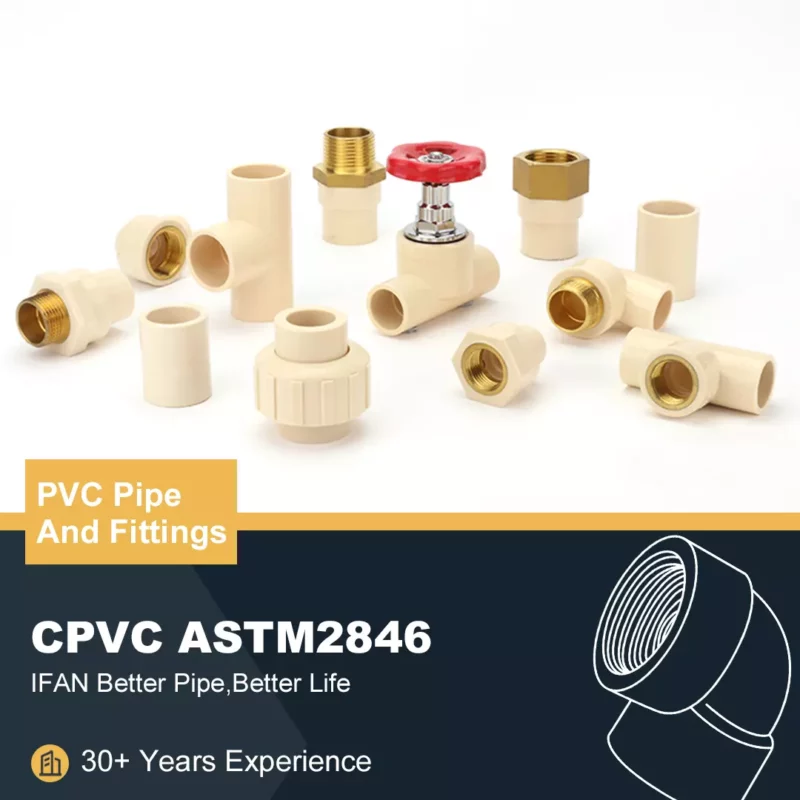
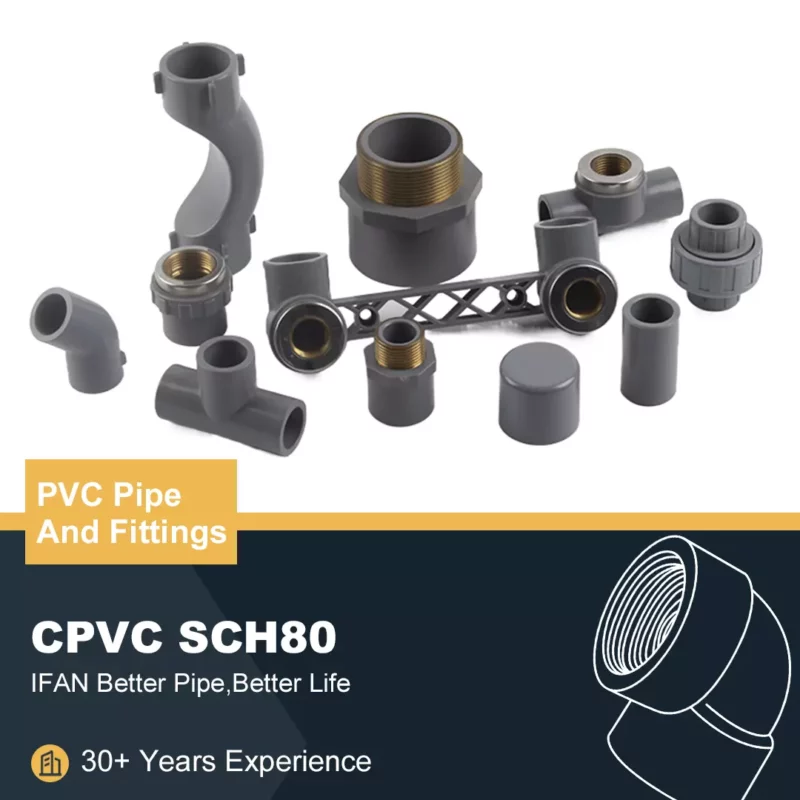
PPR pipe fittings are compatible with modern plumbing designs and systems. They are available in many sizes and configurations. This includes elbows, tees, reducers, unions, and more. PPR can connect with other materials using transition fittings, such as brass-threaded ends. This allows seamless integration with existing copper, steel, or PVC systems. The fittings work well in both concealed and exposed installations. They can be used in walls, ceilings, and underground without performance issues. In smart buildings, PPR systems support efficient water management. Their versatility helps meet complex plumbing needs without compromising durability or safety.
Cost-Effective Over the System Lifetime
Though PPR fittings may seem more expensive than some alternatives at first, their long-term value is unmatched. Their durability reduces the cost of frequent repairs and replacements. Their ease of installation saves on labor costs. The long lifespan means fewer disruptions due to plumbing failures. Maintenance requirements are minimal, leading to long-term savings. In large-scale projects, these savings add up significantly over the system’s lifetime. Additionally, fewer leaks and system failures mean lower water and energy losses. Overall, PPR fittings provide excellent return on investment. For contractors and developers, they offer reliable performance within budget constraints.
Conclusion: A Durable Solution for the Future
PPR pipe fittings offer unmatched advantages for long-term plumbing solutions. Their resistance to corrosion, pressure, and temperature makes them ideal for demanding environments. They are safe for drinking water, easy to install, and require minimal maintenance. With a service life of over Long-term durability according to standards, they deliver great value over time. Their environmental benefits and mechanical strength support modern sustainable construction practices. From residential homes to industrial plants, PPR systems provide a reliable, future-ready solution. For anyone seeking efficiency, safety, and long-term durability, PPR pipe fittings are an intelligent and forward-thinking choice in today’s plumbing industry.
If you have read this article and have any questions, please feel free to contact IFAN. Below is our contact information:
Whatsapp:+86 13373827623
Email:[email protected]