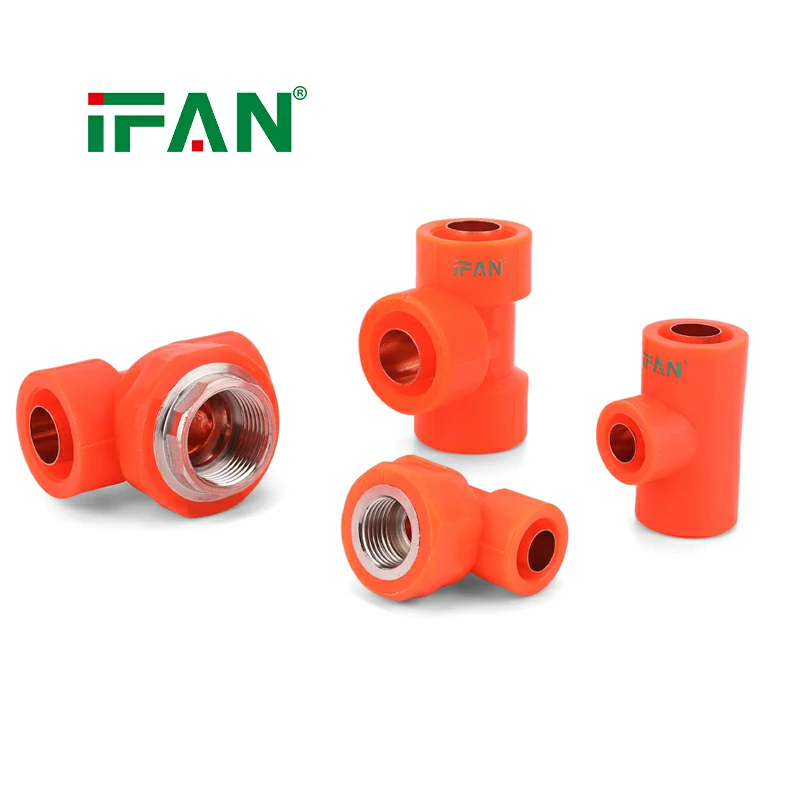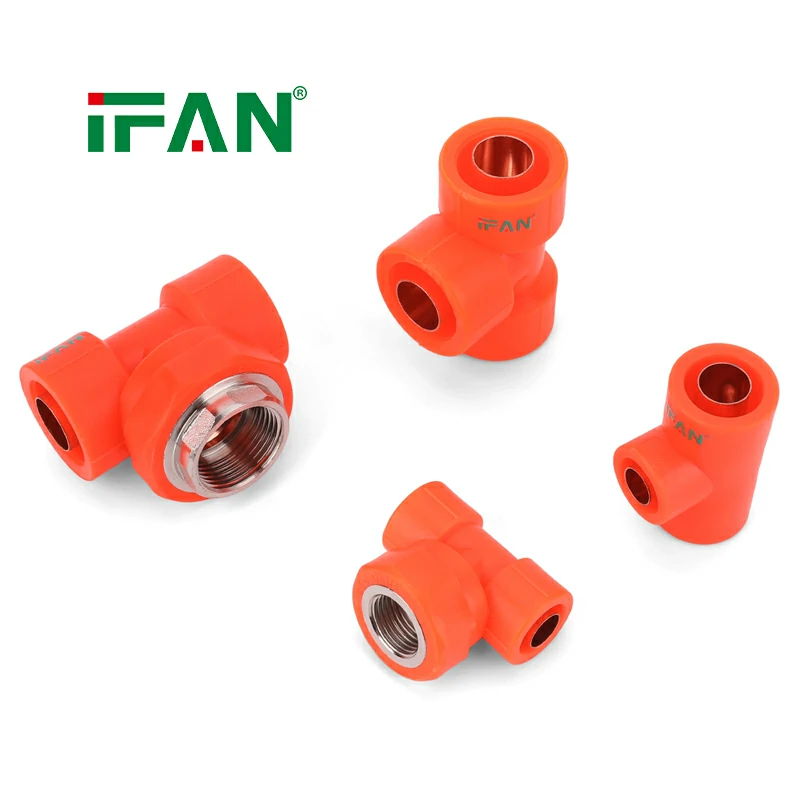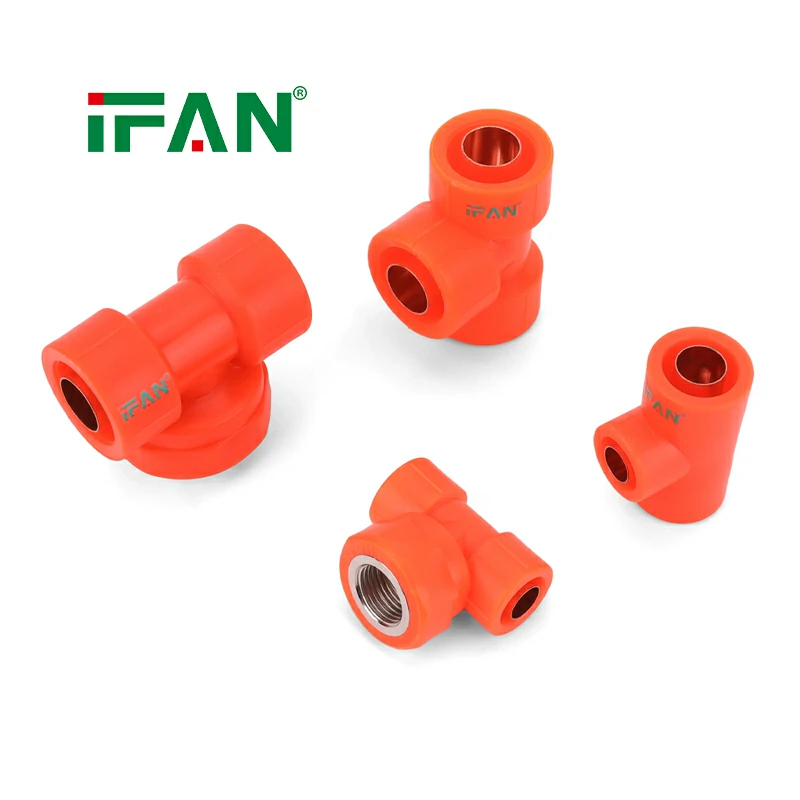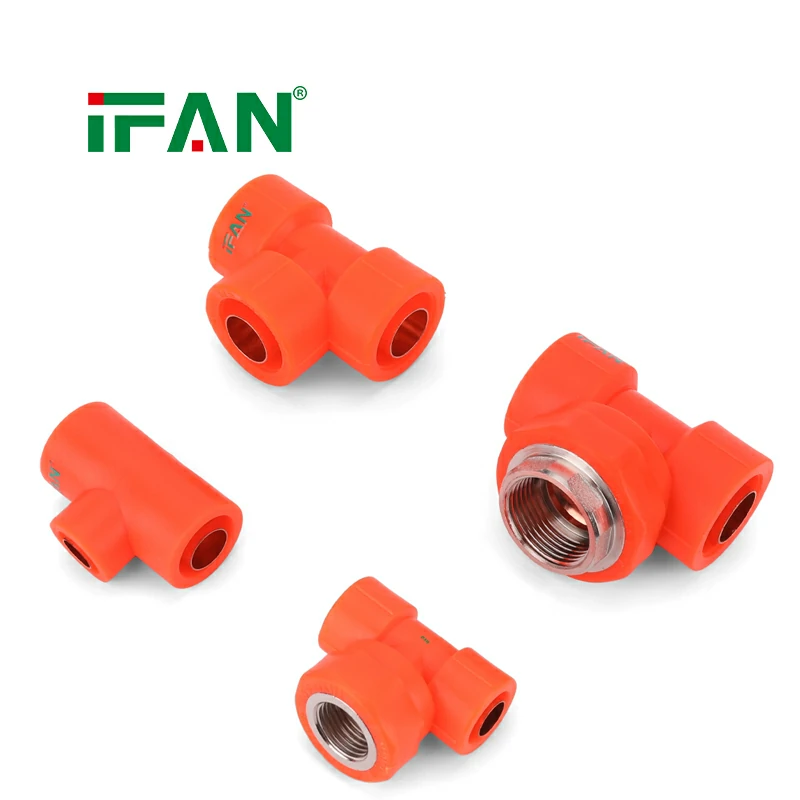
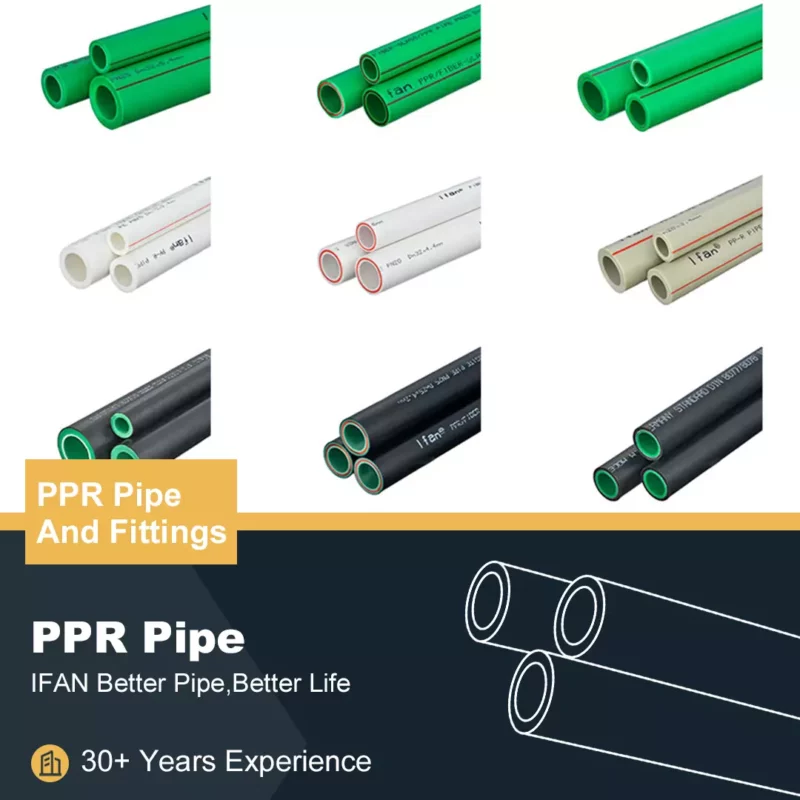
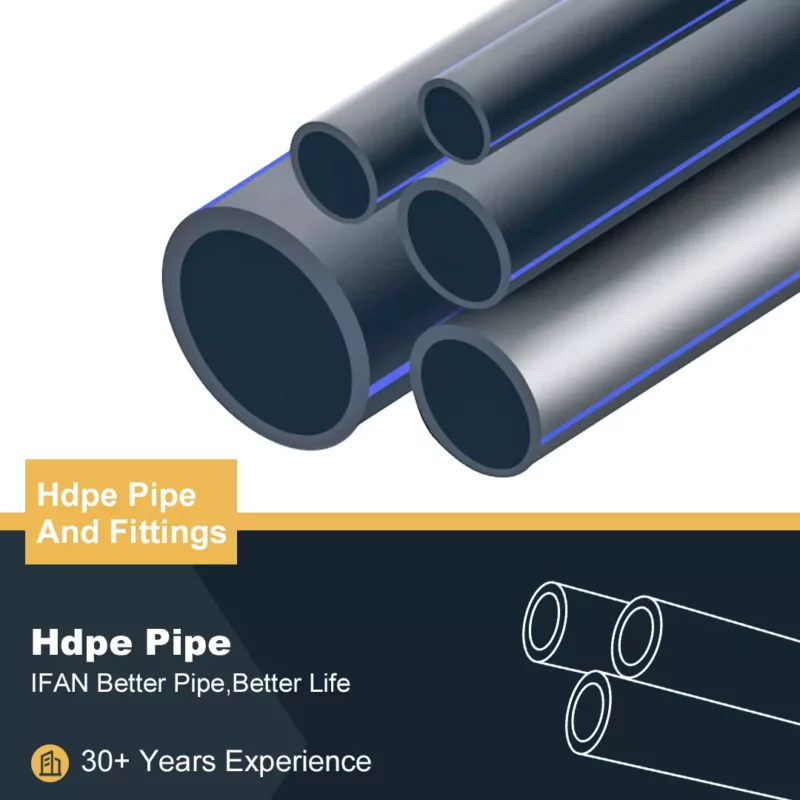
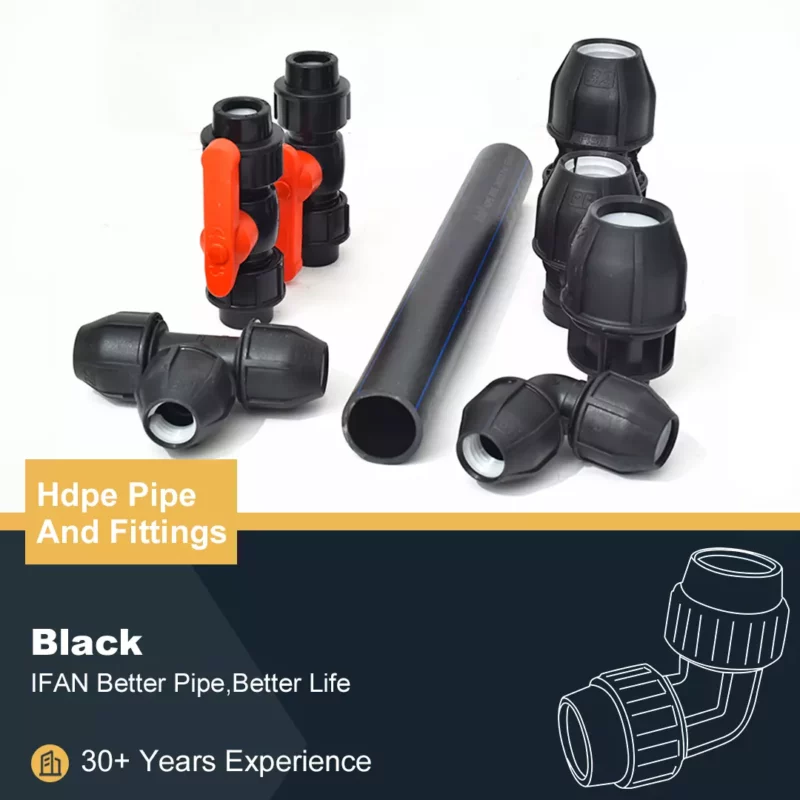
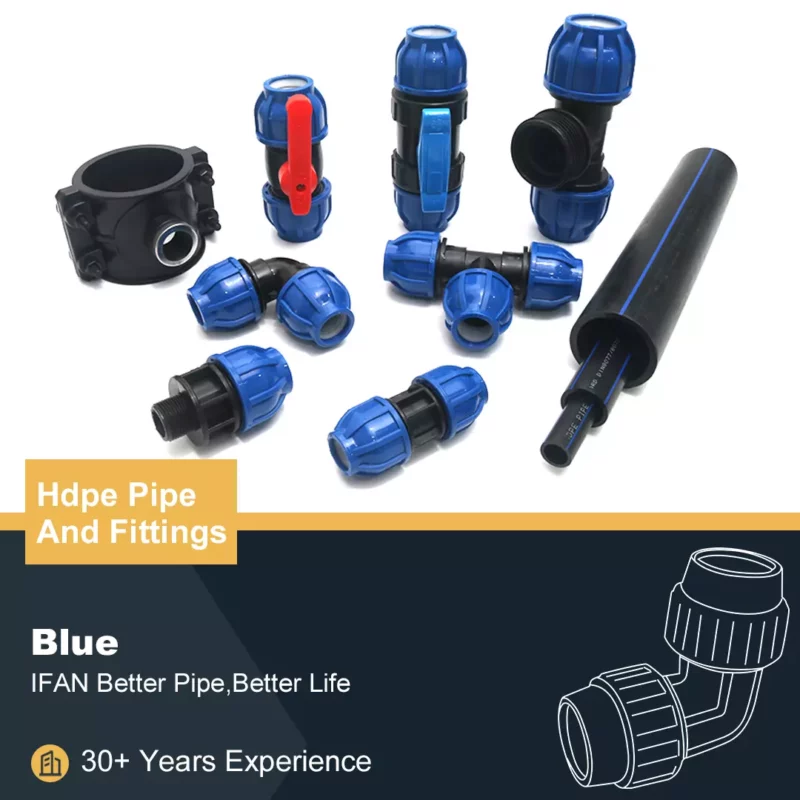
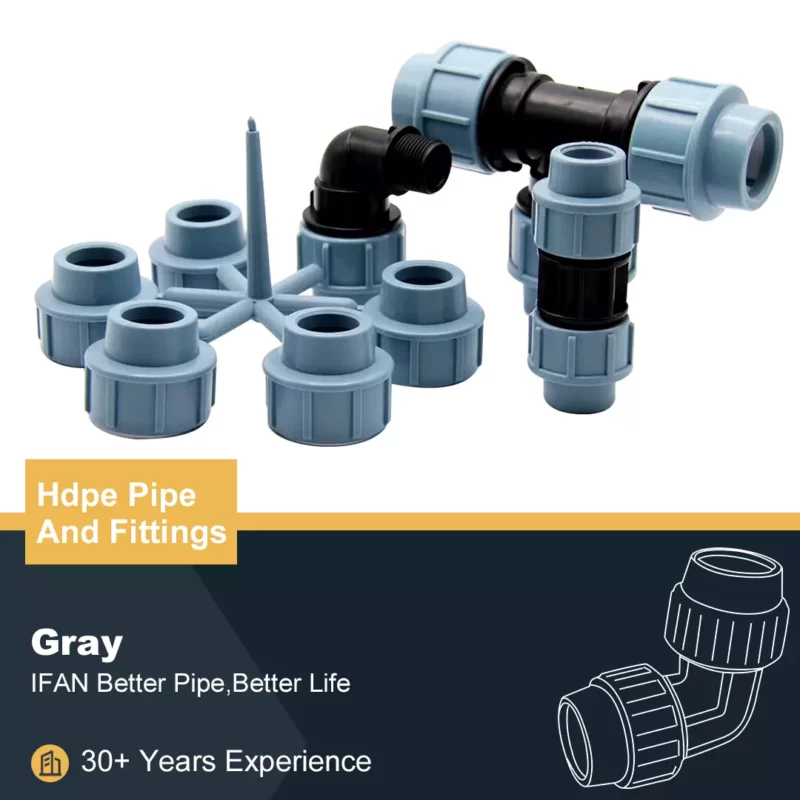


Introduction to PPR Pipes
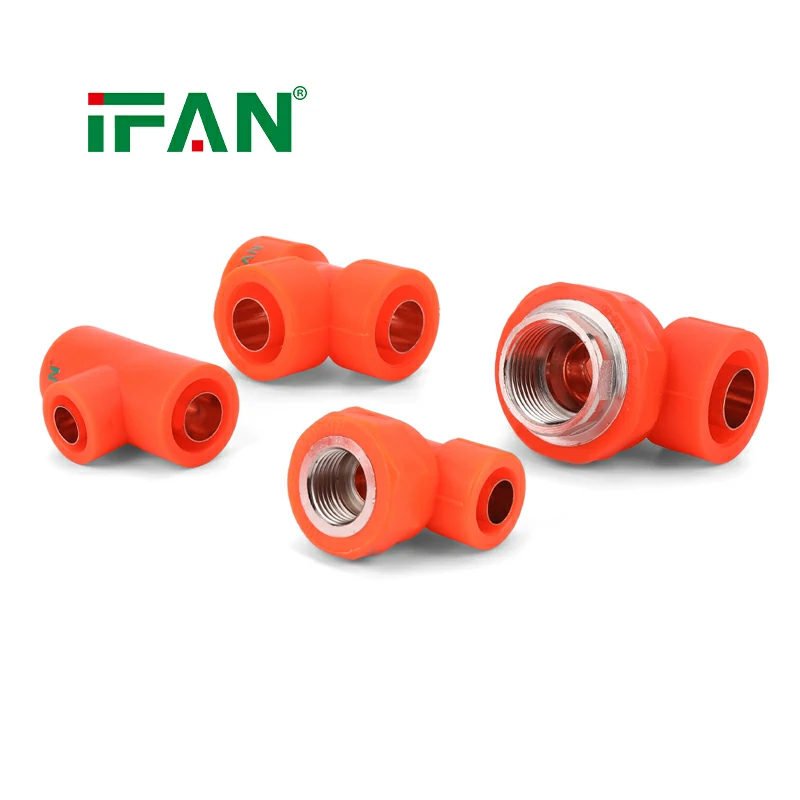
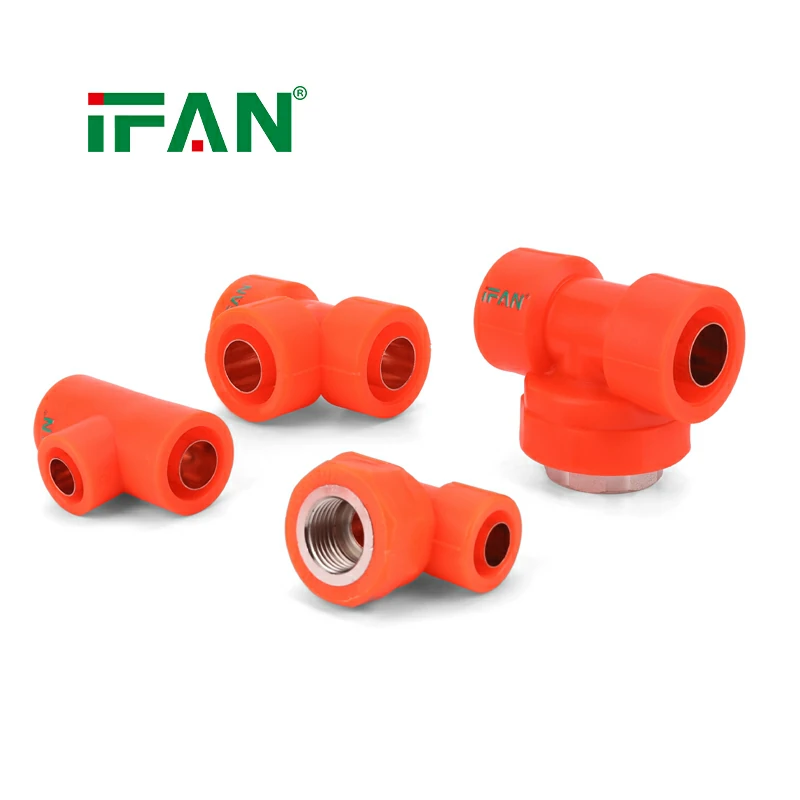
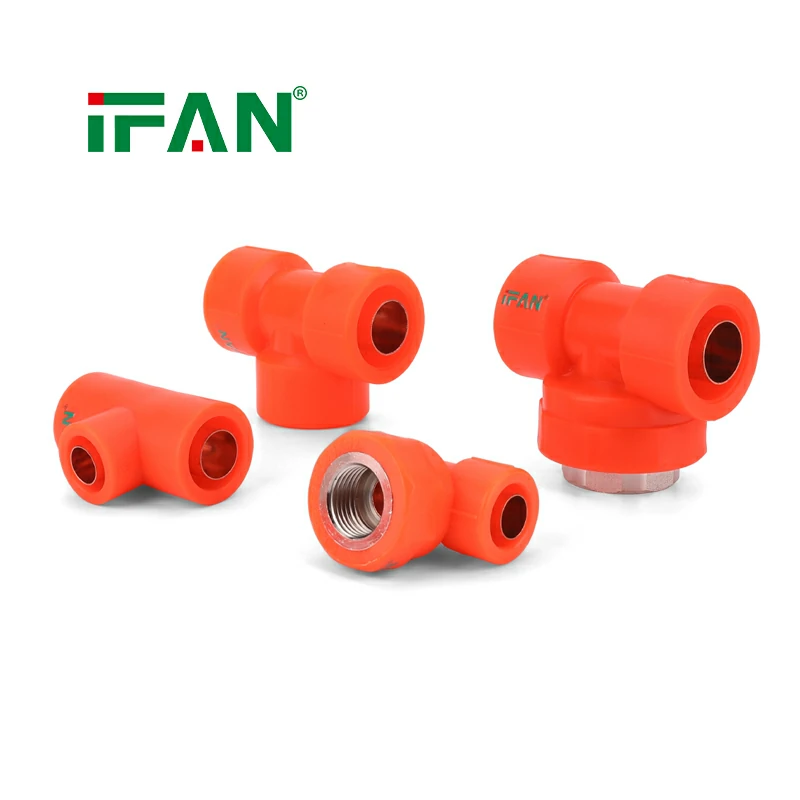
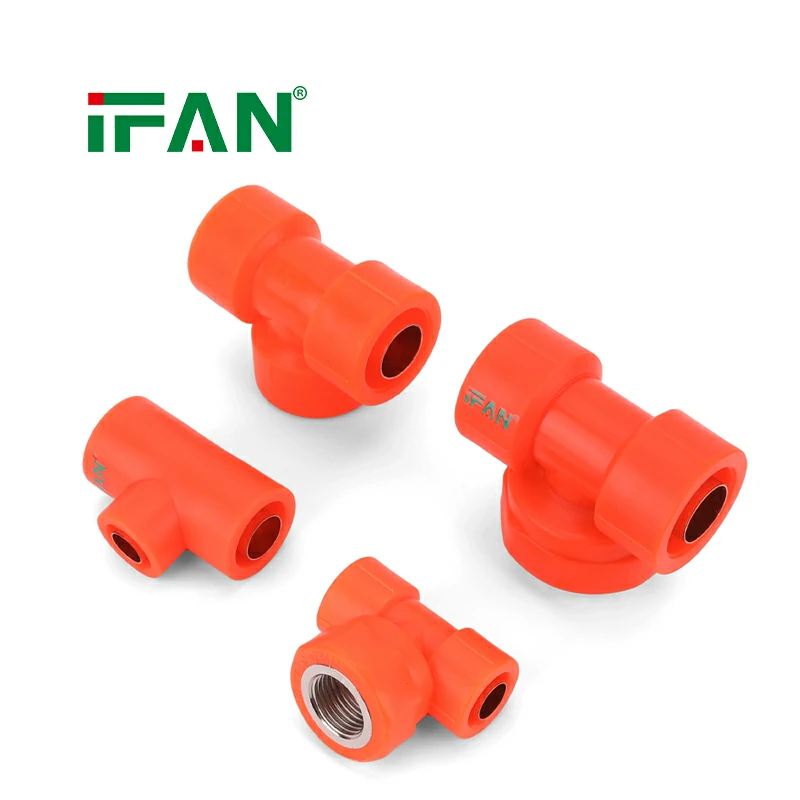
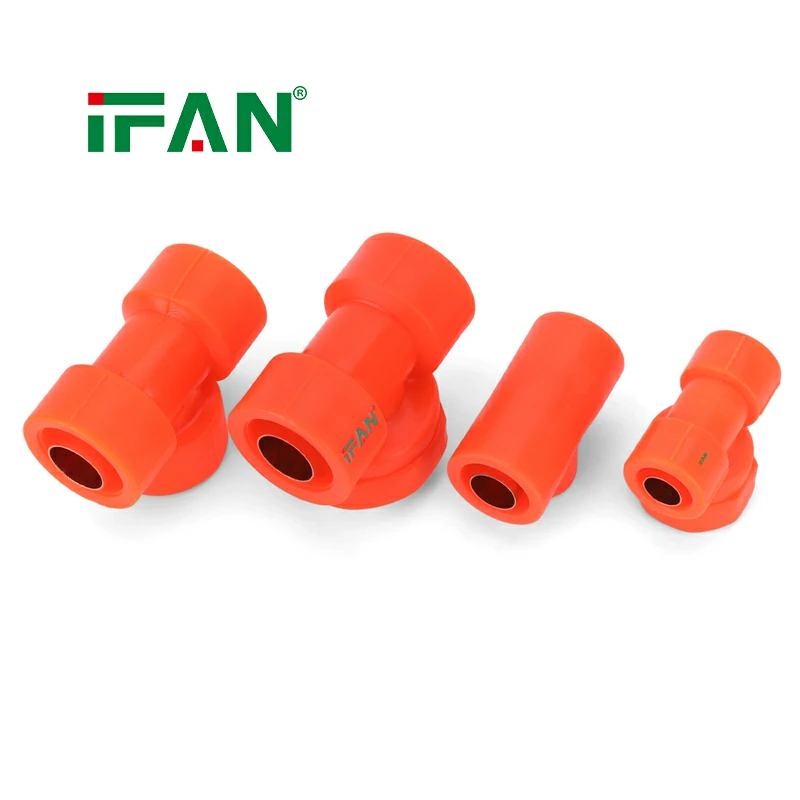
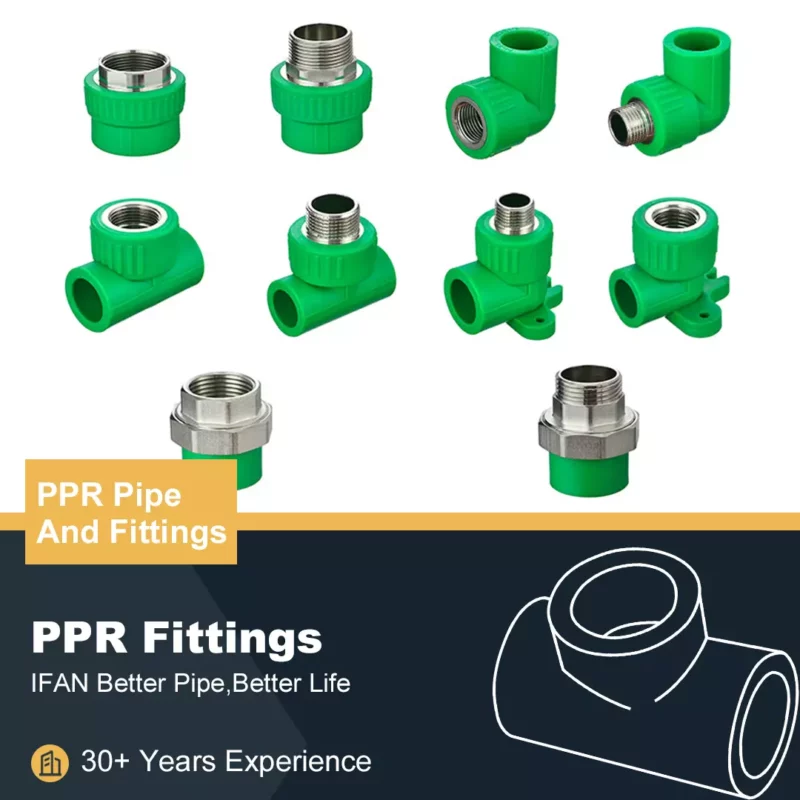
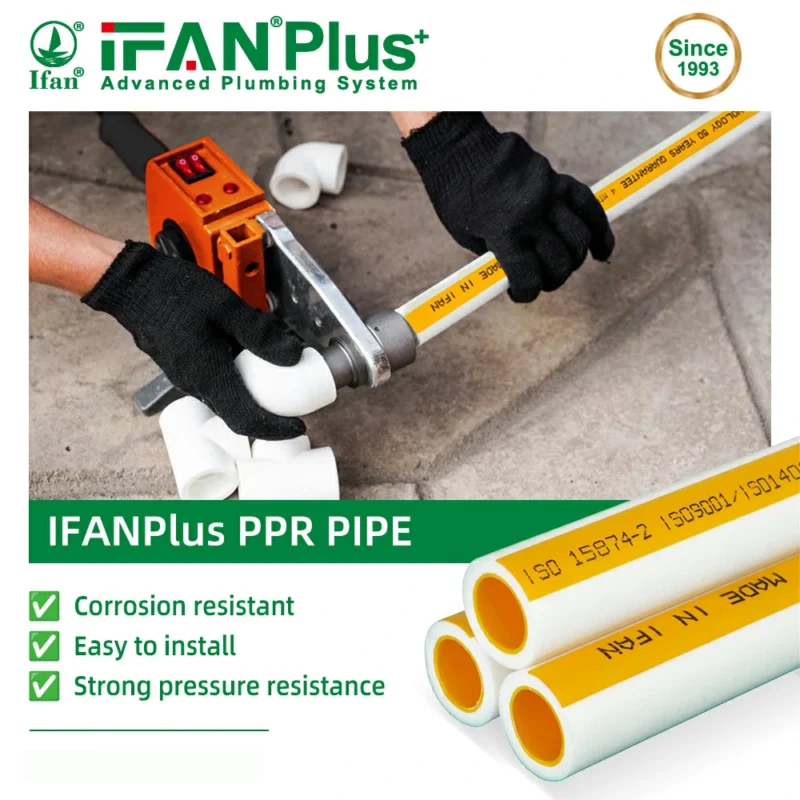
PPR pipes, or polypropylene random copolymer pipes, are widely used in plumbing and industrial systems. They are known for their strength, safety, and durability. PPR pipes are commonly used in both residential and commercial buildings. Their corrosion resistance makes them ideal for transporting water, chemicals, or compressed air. Unlike metal pipes, they don’t rust, scale, or degrade over time. Their smooth inner walls ensure consistent flow with minimal pressure loss. PPR pipes are joined using heat fusion, which creates leak-proof, long-lasting connections. This system offers a safe and efficient solution for modern piping needs.
What Makes PPR Pipes Corrosion Resistant
PPR material is naturally resistant to corrosion. It does not react with most chemicals or environmental elements. Unlike steel or copper, it doesn’t oxidize or rust when exposed to moisture. It also resists acidic and alkaline substances. This makes it suitable for a wide range of applications, including drinking water and industrial use. The smooth inner surface prevents mineral buildup and scaling. This helps maintain water purity and flow rate. Even in aggressive environments, PPR pipes maintain their integrity. They remain stable and unaffected by chemical reactions over long periods.
Long-Term Durability and Strength
PPR pipes are built to last. They can handle high temperatures and pressure without cracking or breaking. Their lifespan exceeds Long-term durability according to standards under normal conditions. This makes them one of the most durable piping systems available today. The fusion welding technique adds to their strength. It forms a single, unified pipeline without weak joints. The pipe and fitting essentially become one solid structure. This eliminates leaks, loosening, or joint failure. PPR’s resistance to mechanical damage and environmental stress further enhances durability. For both underground and visible installations, they remain strong and reliable for decades.
Heat and Chemical Resistance
PPR pipes can handle water temperatures up to 95°C. This makes them ideal for hot and cold water systems. They also resist a wide range of chemicals. This includes household cleaners, industrial solvents, and certain acids or alkalis. Their structure remains stable even when exposed to varying chemical compositions. This is essential in laboratories, factories, or chemical transport systems. The pipe doesn’t warp, degrade, or release harmful substances. Even in fluctuating temperatures, PPR maintains its properties. This reliability makes it suitable for high-demand applications where other materials might fail.
Eco-Friendly and Safe
PPR pipes are non-toxic and safe for potable water use. They do not leach chemicals into the water. This ensures a clean and safe water supply for households and institutions. PPR is also fully recyclable. Its long service life reduces the need for frequent replacements, lowering waste. The manufacturing process uses less energy compared to metal pipe production. This makes it more environmentally friendly overall. No glues or hazardous materials are needed during installation. PPR supports green building practices and sustainability. It is an excellent choice for eco-conscious builders and homeowners.
Easy Installation and Maintenance
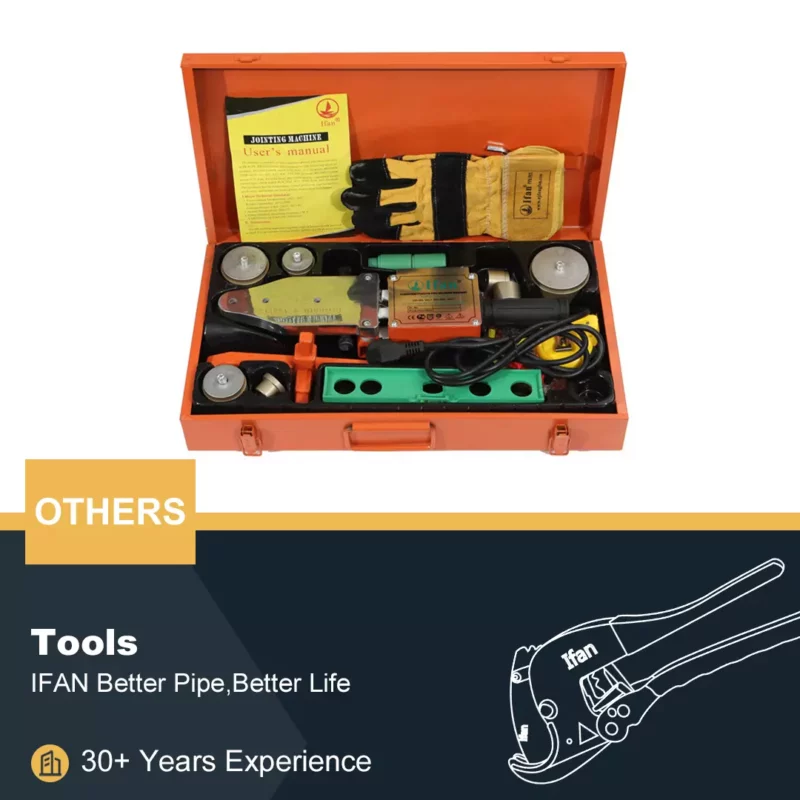
Installing PPR pipes is simple and efficient. Heat fusion welding ensures strong, leak-free joints. It does not require threading, adhesives, or complex tools. This reduces installation time and labor costs. The lightweight material is easy to carry and position, even in tight spaces. Once installed, PPR systems require minimal maintenance. Their resistance to scaling, corrosion, and blockages keeps flow systems clean. Occasional inspection is usually enough to ensure proper performance. If needed, repairs are quick due to the modular design. The pipe can be cut, heated, and rejoined without issue.
Wide Range of Applications
PPR pipes are used across multiple industries and settings. In homes, they serve for hot and cold water supply lines. In commercial buildings, they’re used in HVAC and chilled water systems. Hospitals use them for safe delivery of drinking and sterile water. Factories rely on PPR for chemical transport and compressed air lines. Agriculture uses PPR piping for irrigation systems. Thanks to their chemical resistance, they’re also suitable in food and pharmaceutical industries. Their versatility makes them one of the most commonly specified piping systems worldwide. From domestic to industrial use, PPR performs reliably.
Cost-Effective Over Time
While PPR pipes may cost more upfront than some materials, they save money over time. Their long lifespan reduces the need for replacements. Installation is faster and requires fewer tools, lowering labor costs. Energy efficiency improves due to better insulation properties. This is especially useful in hot water systems, where heat loss is minimized. Maintenance costs are low because the system rarely fails. The smooth inner walls prevent clogs and reduce pumping effort. Over years of use, these savings add up. For both large and small projects, PPR pipes offer great value.
Resistant to Biological Growth
The interior of PPR pipes resists algae, bacteria, and fungi. This keeps the water supply clean and healthy. The smooth, non-porous surface does not allow biofilm to develop. This is especially important in potable water systems and medical facilities. The reduction of bacterial growth improves hygiene and safety. In contrast, metal pipes can harbor harmful microorganisms if not properly treated. With PPR, there’s no need for internal coatings or chemical treatments. The pipe naturally resists microbial contamination. This supports public health and complies with international water safety standards.
Thermal and Noise Insulation
PPR pipes provide excellent thermal insulation. They help maintain water temperature over long distances. This saves energy and improves system efficiency. The material also absorbs vibration and noise. This results in quieter plumbing systems, especially in high-rise buildings. Unlike metal pipes, PPR does not bang or rattle during water flow. Noise reduction improves comfort in residential and commercial settings. The natural insulation also reduces condensation. This prevents moisture damage to walls, ceilings, and pipe supports. These additional benefits enhance the overall performance of PPR piping systems.
Final Thoughts
PPR pipes have revolutionized the plumbing and fluid transport industry. Their combination of corrosion resistance, thermal stability, and mechanical strength makes them highly dependable. Safe for drinking water and efficient for industrial use, they serve a wide range of applications. From the moment of installation to many years of service, PPR provides consistent performance. It helps reduce costs, protect health, and support sustainable development. Whether you’re planning a small renovation or a large infrastructure project, choosing PPR is a smart, forward-thinking decision. It’s the modern solution to long-lasting, corrosion-free piping.
If you have read this article and have any questions, please feel free to contact IFAN. Below is our contact information:
Whatsapp:+86 13373827623
Email:[email protected]