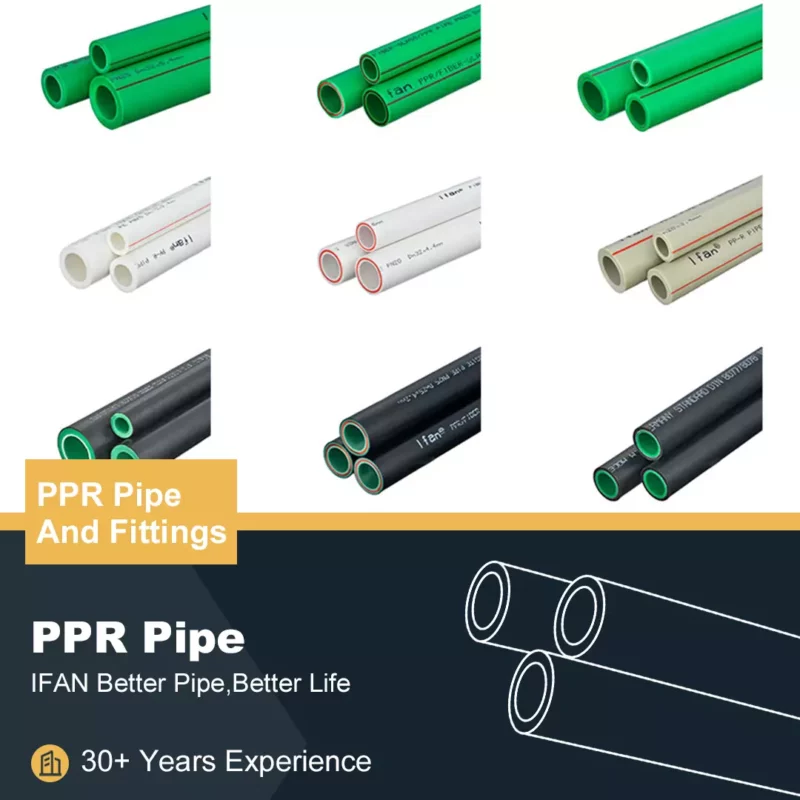
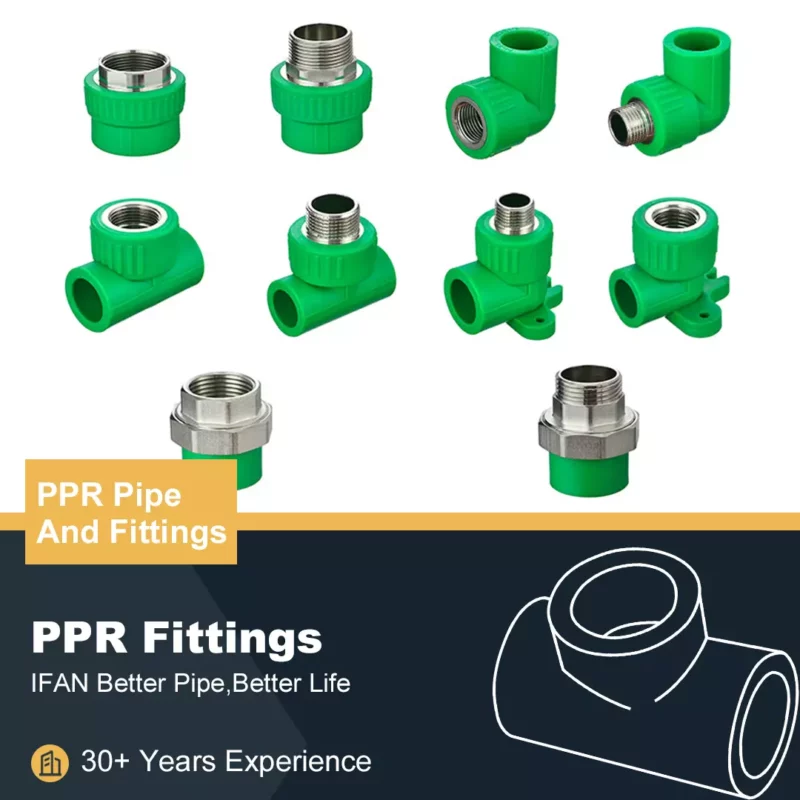
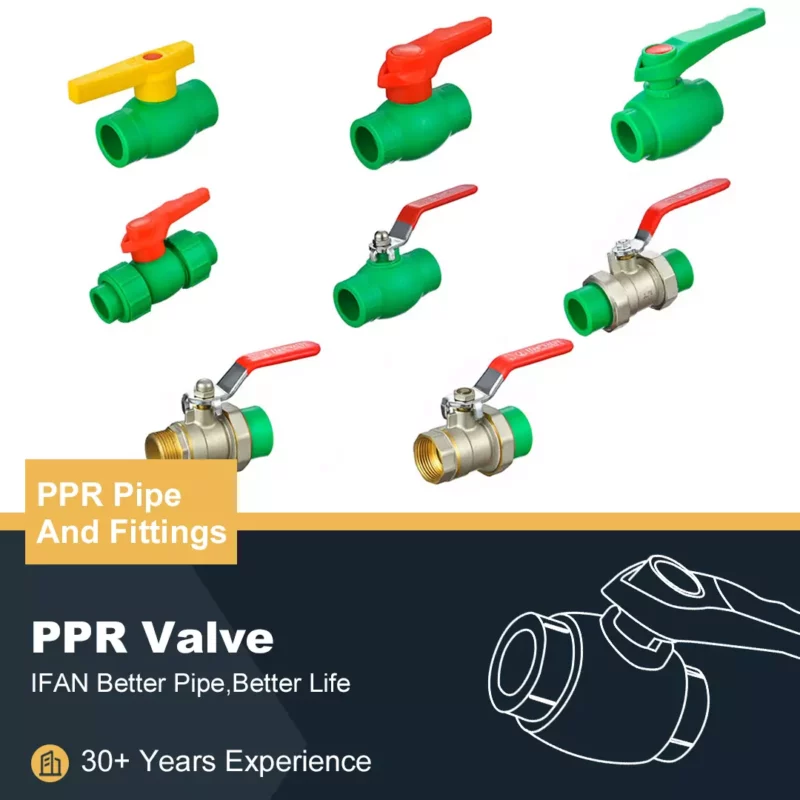
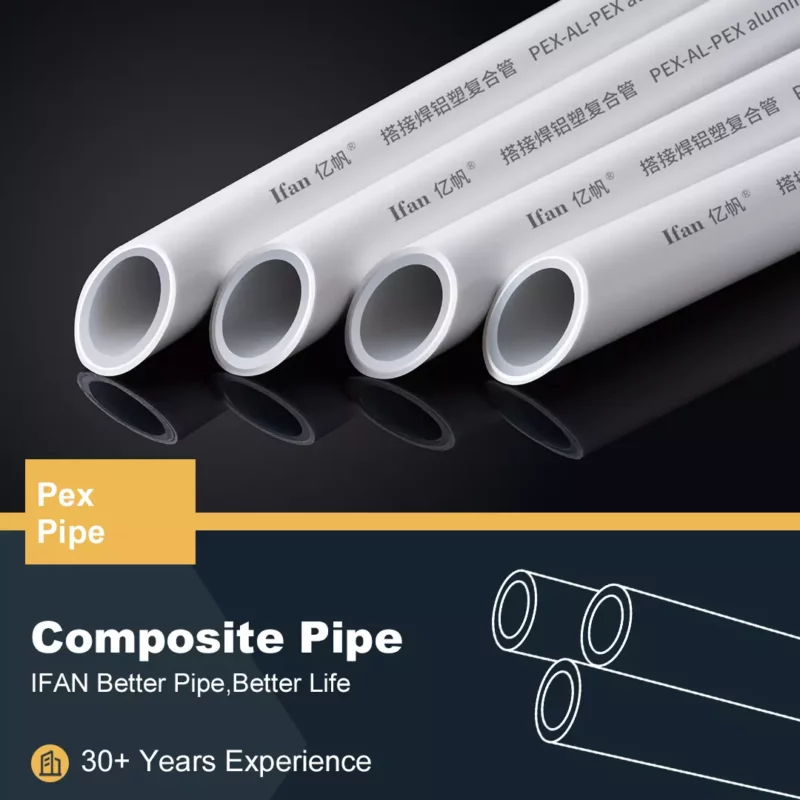
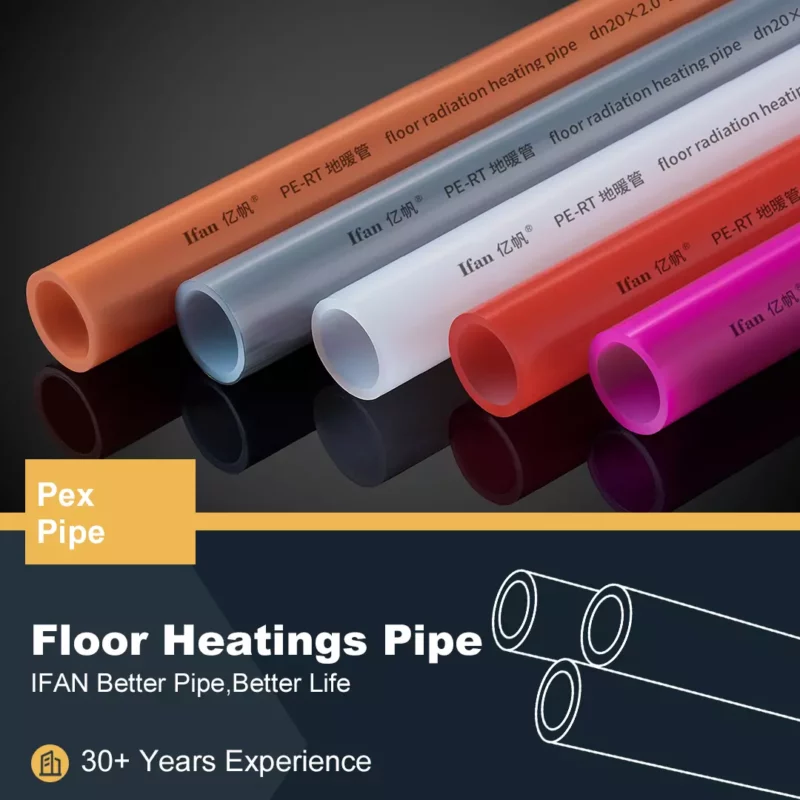

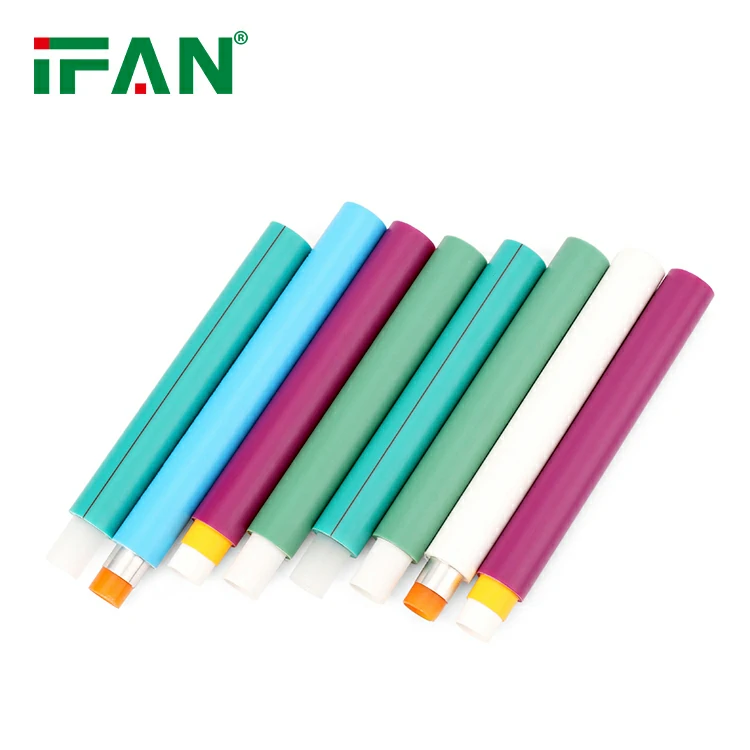
PPR pipes require proper installation to ensure longevity and efficiency. Unlike traditional pipes, they use heat fusion welding, which demands precision and expertise.
Tools Required for Installation
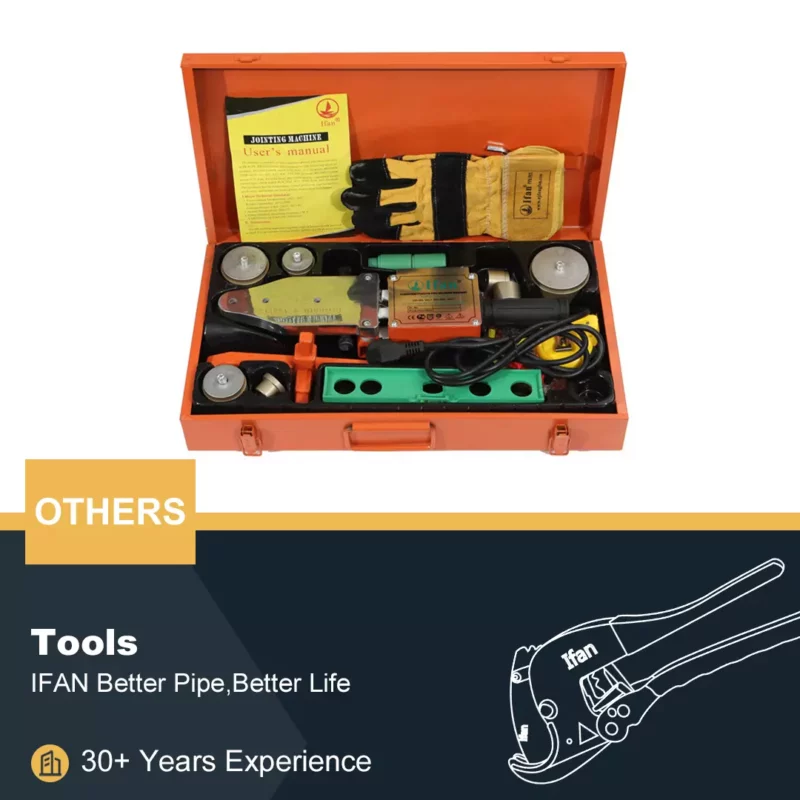
Installers need a PPR welding machine, pipe cutter, measuring tape, and marker. High-quality tools ensure clean cuts and secure joints.
Cutting the Pipes Correctly
Using a sharp pipe cutter, technicians make straight cuts to avoid misalignment. Rough edges can weaken joints, so smoothing them is essential.
Heat Fusion Welding Process
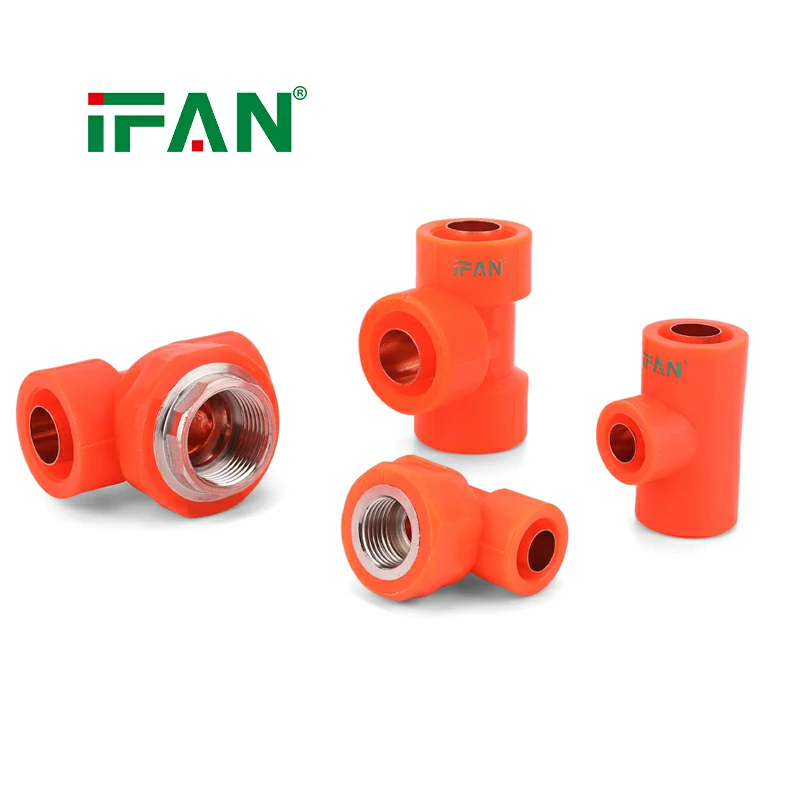
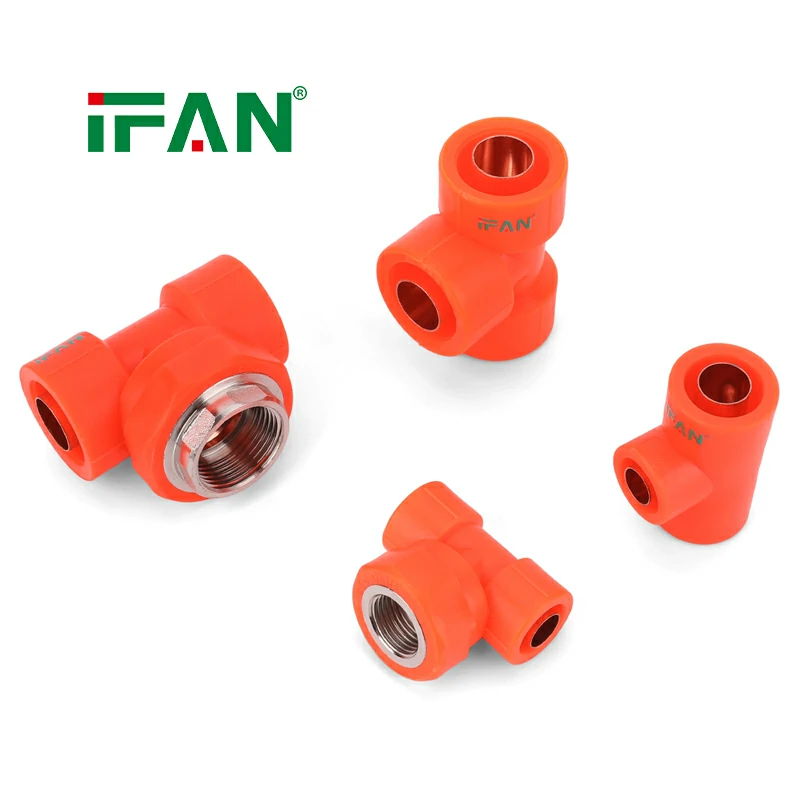
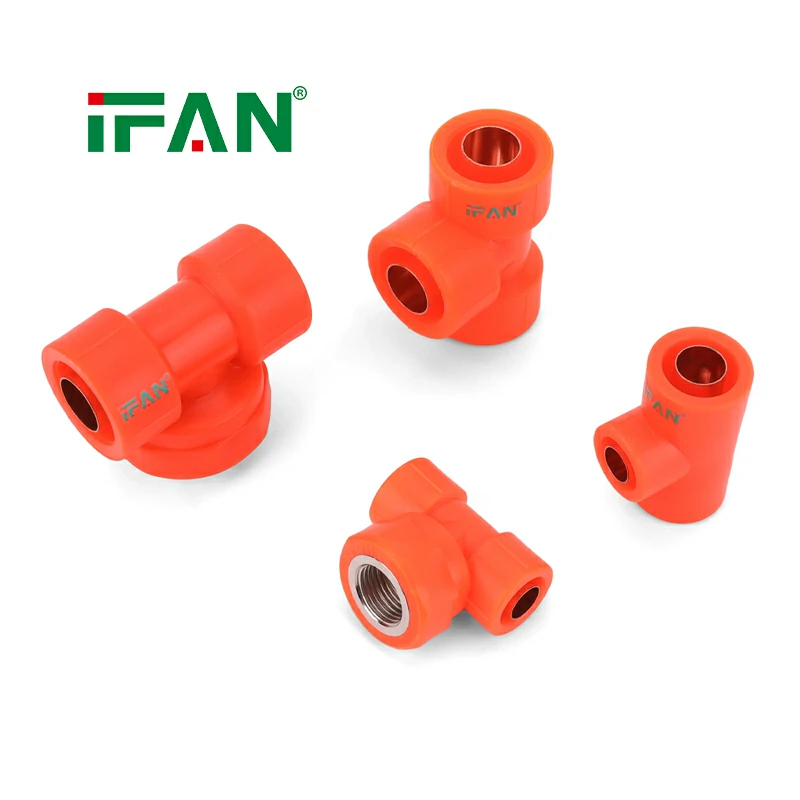
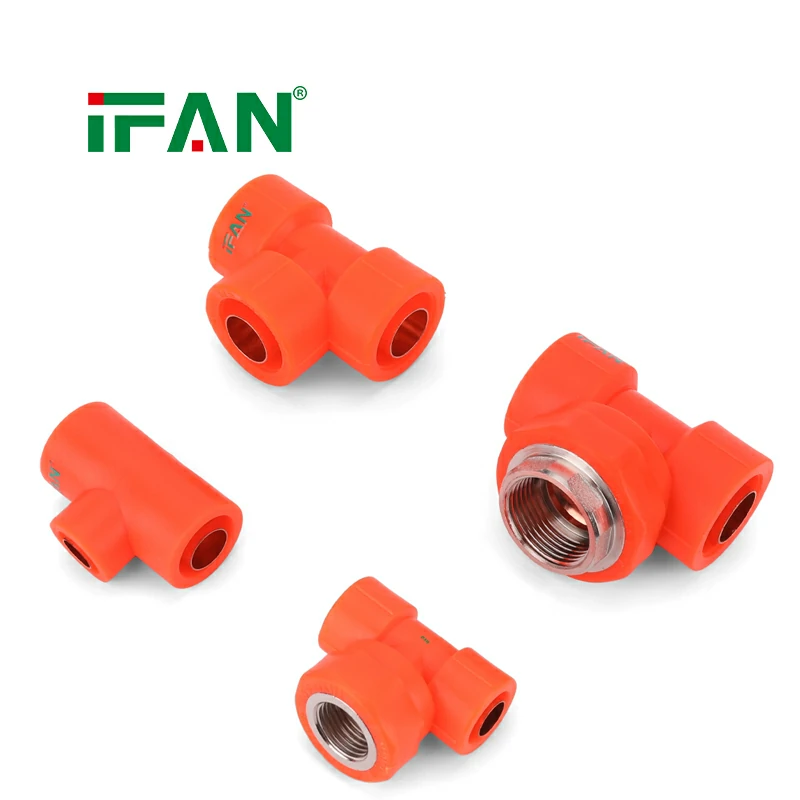
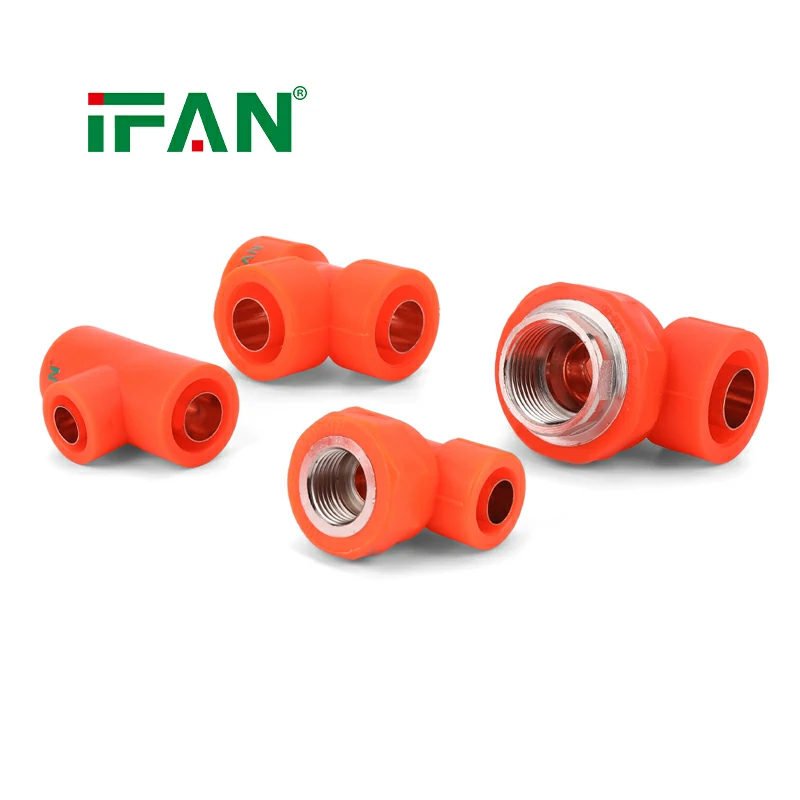
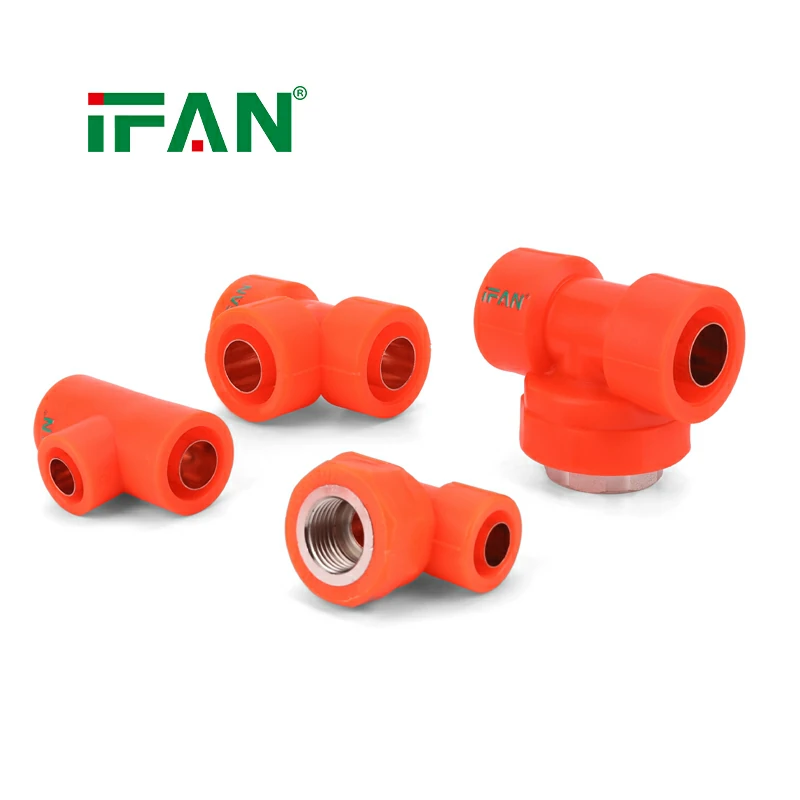
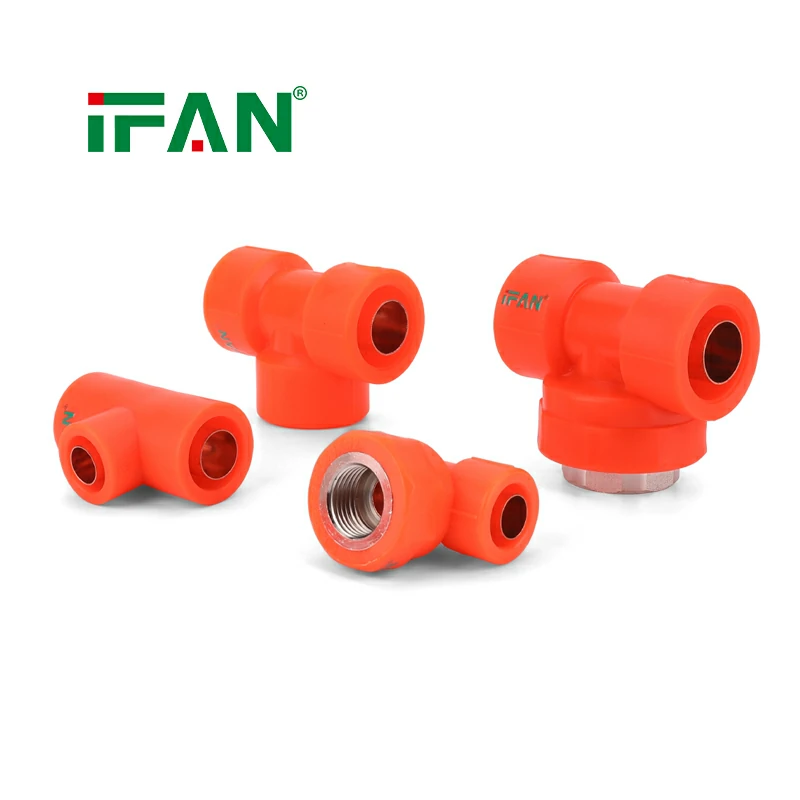
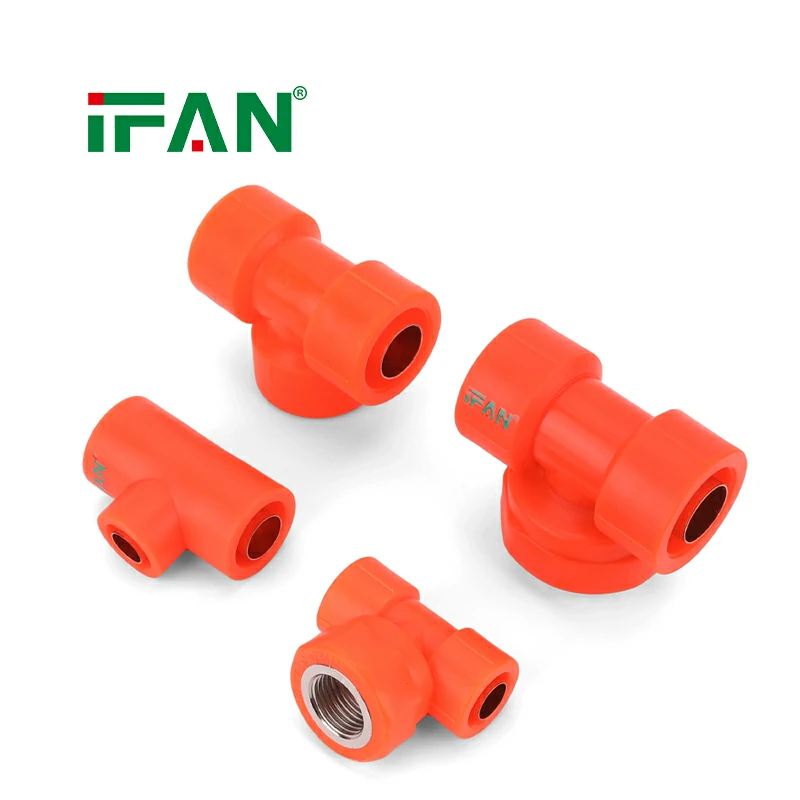
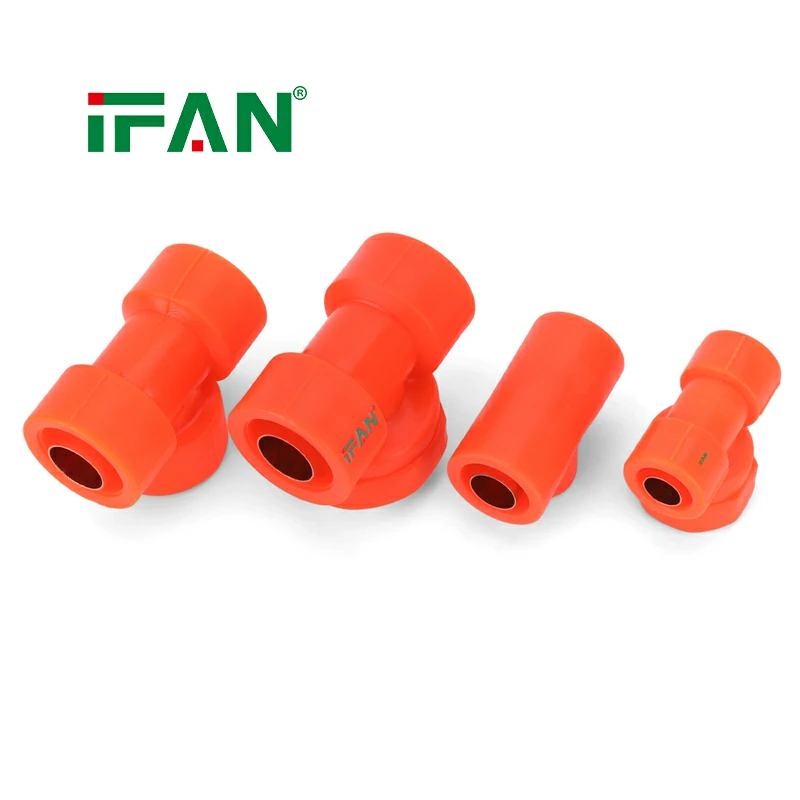
The ppr pipes and fitting are heated simultaneously with a welding machine. After reaching the correct temperature, they are joined quickly and held steady for a few seconds to form a permanent bond.
Cooling and Pressure Testing
After welding, the joint must cool naturally without disturbance. Once cooled, the system undergoes pressure testing to check for leaks or weak spots.
Common Mistakes to Avoid
Overheating the pipes, which can deform them
Rushing the cooling process, leading to weak joints
Poor alignment, causing leaks under pressure
Professional vs. DIY Installation
While DIY installation is possible, hiring professionals ensures optimal performance. Experts follow precise techniques to guarantee leak-free systems.
If you have read this article and have any questions, please feel free to contact IFAN. Below is our contact information:
Whatsapp:+86 13373827623
Email:[email protected]