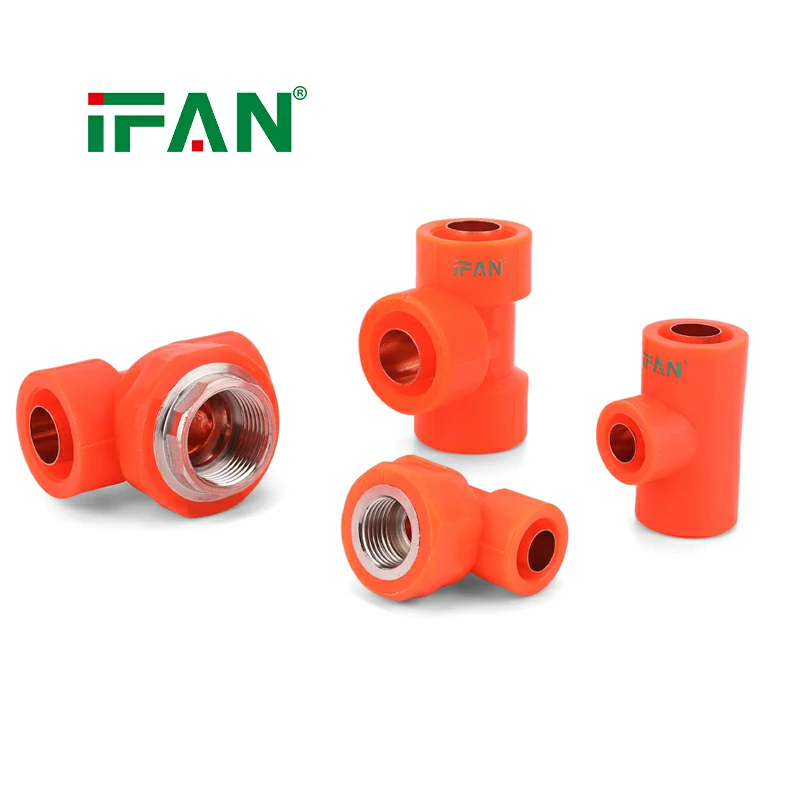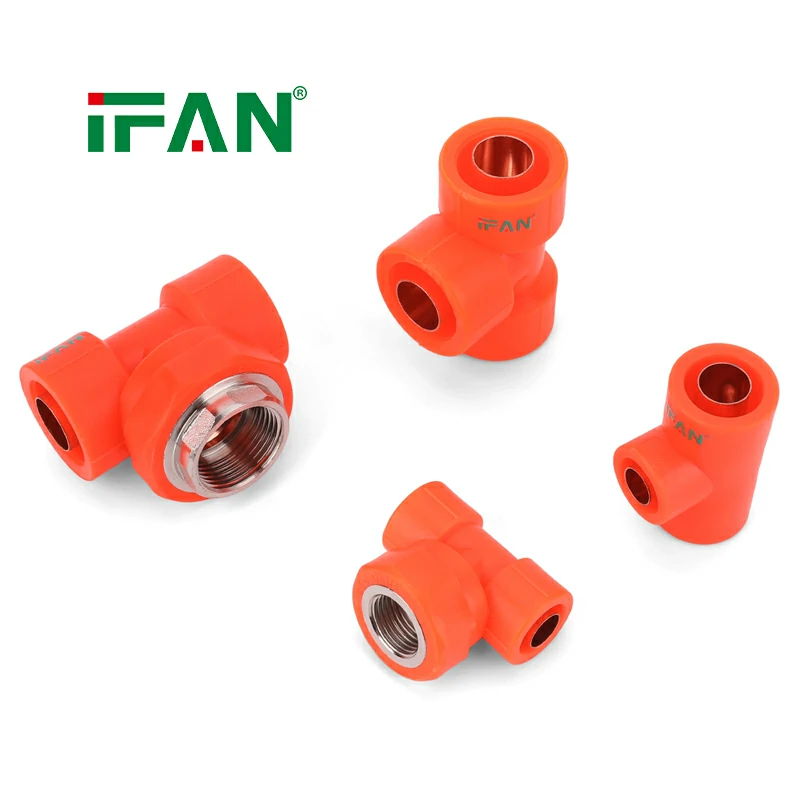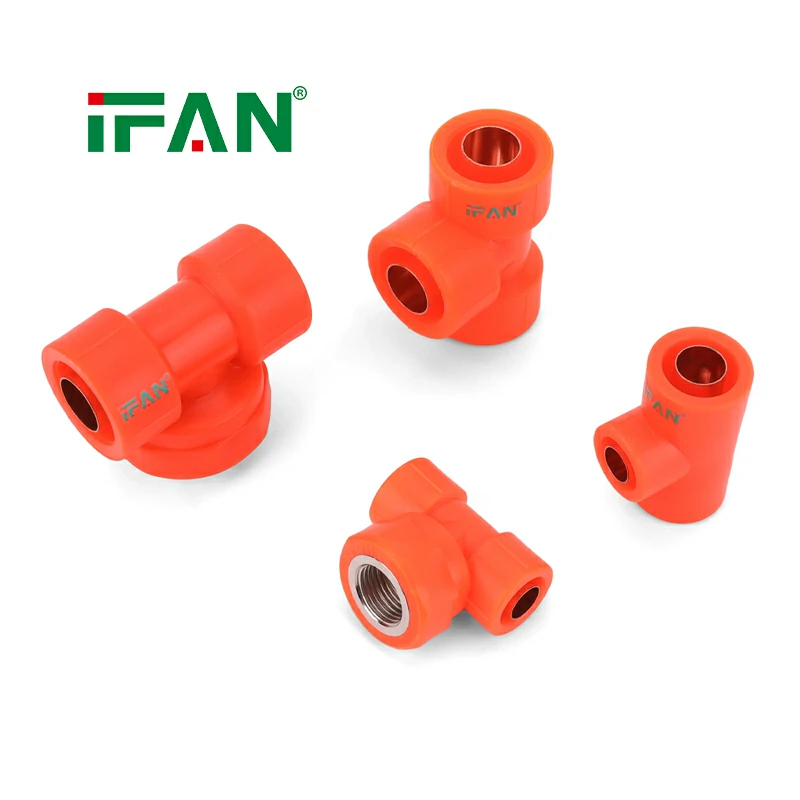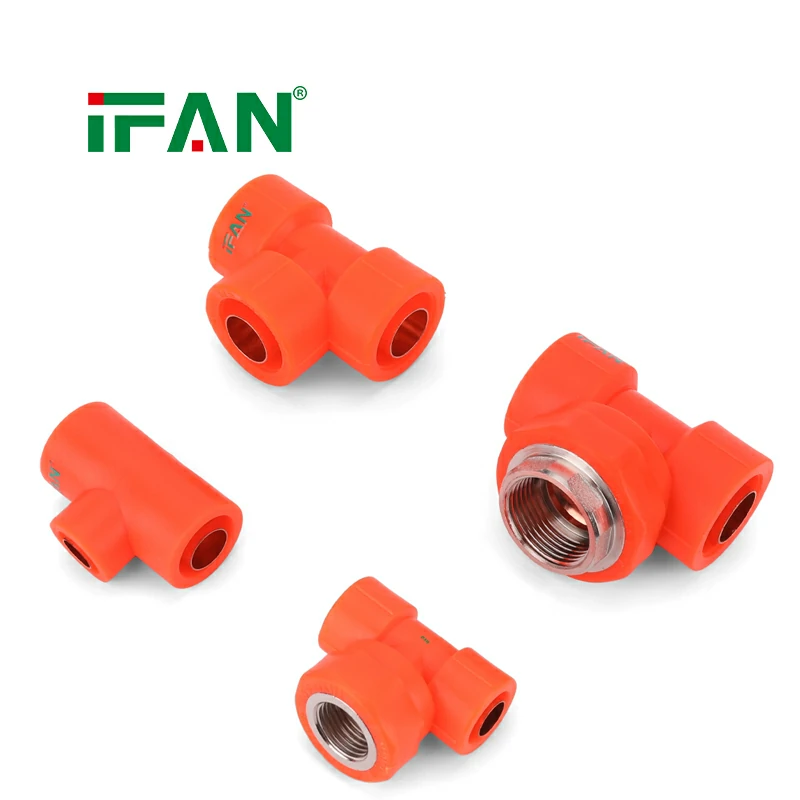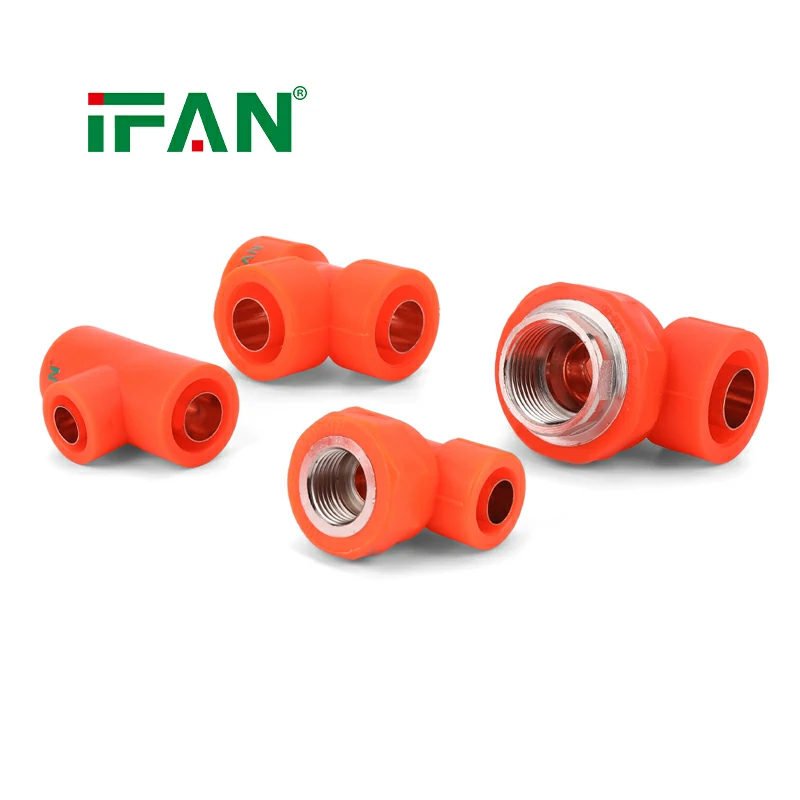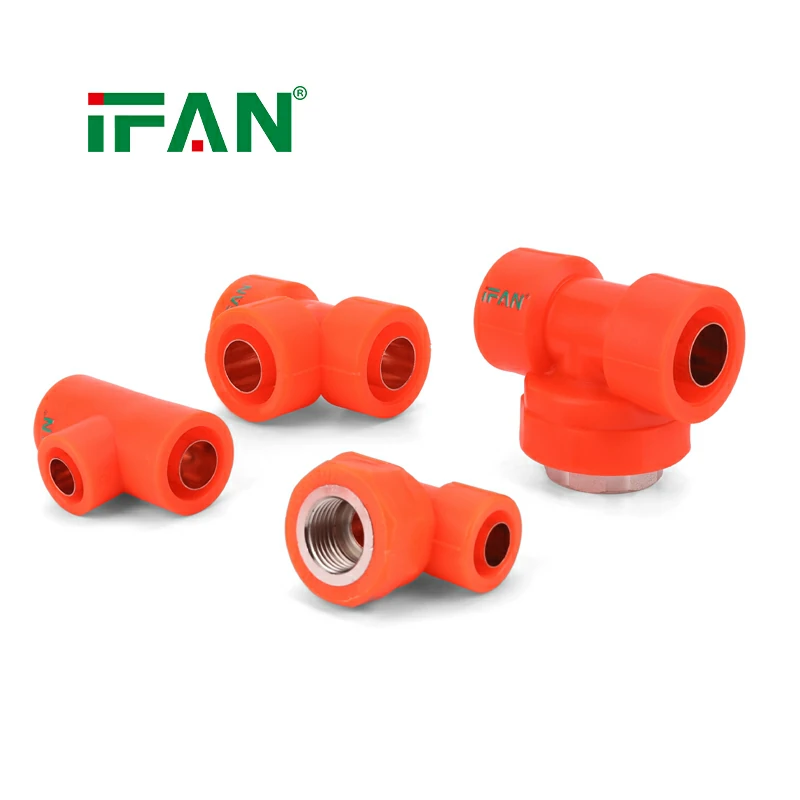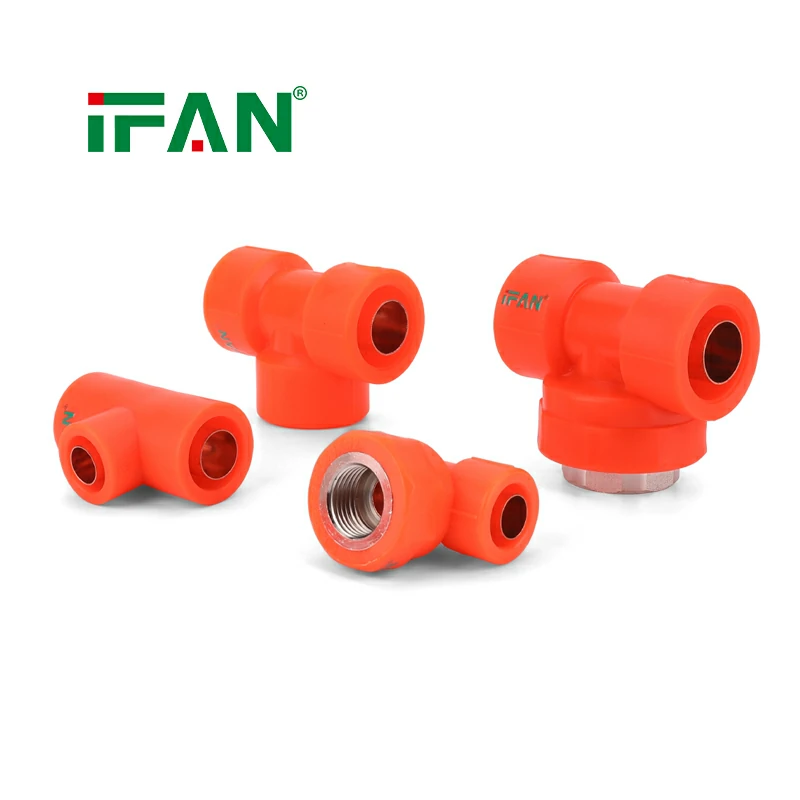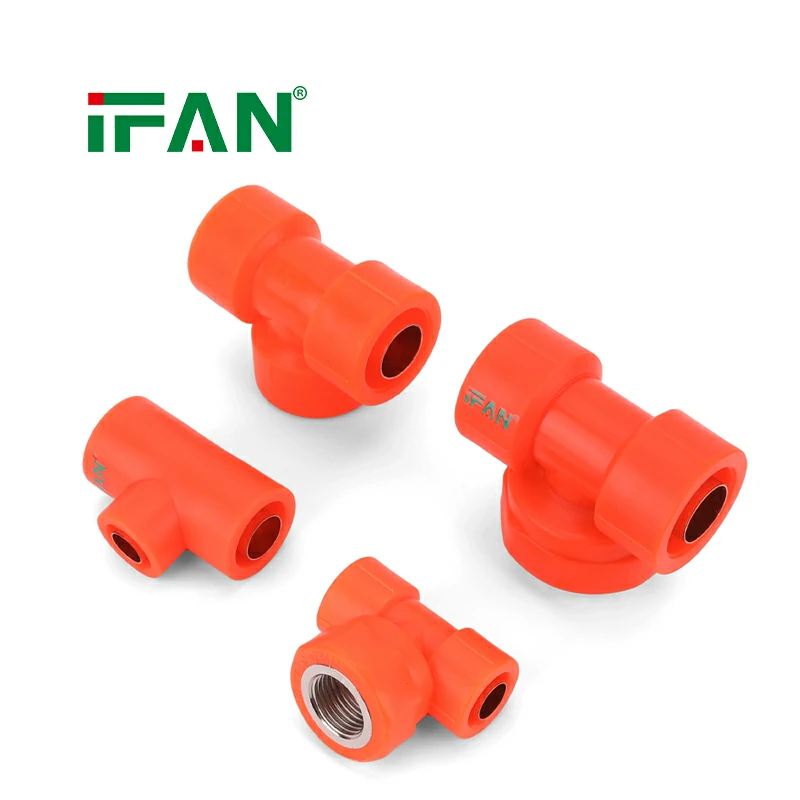
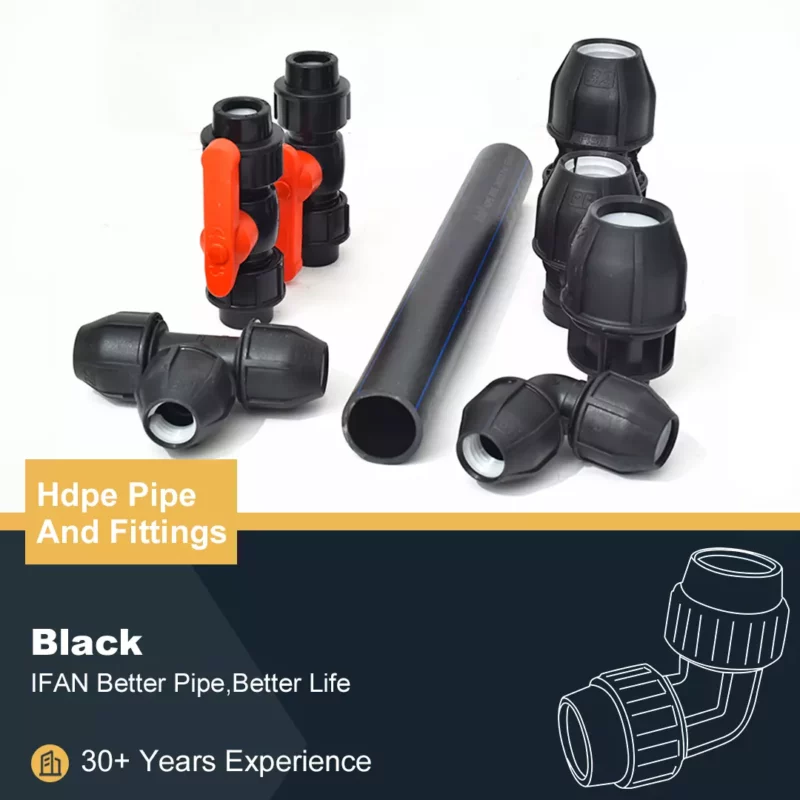
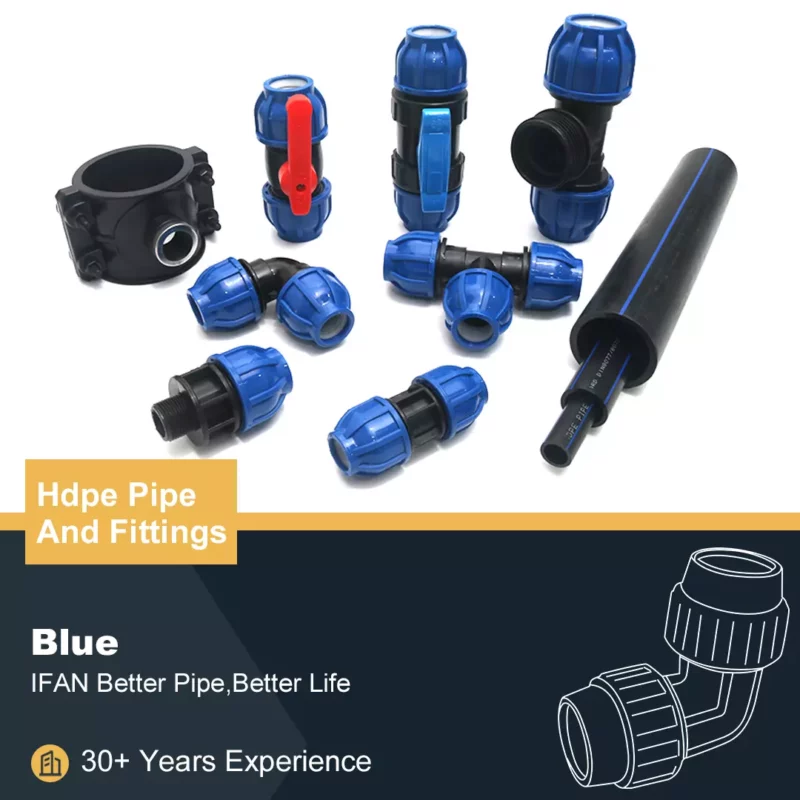
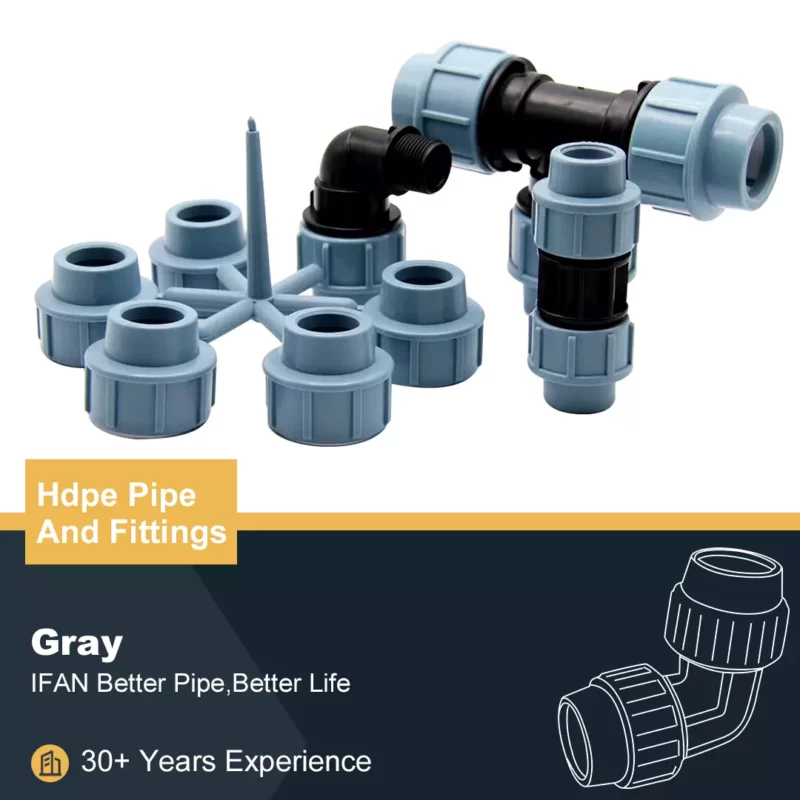

Introduction to UPVC Drainage Fittings
UPVC drainage fittings are essential components in modern waste systems. They help manage and direct the flow of wastewater. UPVC stands for unplasticized polyvinyl chloride, a durable and rigid plastic. These fittings are widely used in residential, commercial, and industrial plumbing. Their strong construction and chemical resistance make them ideal for waste disposal systems. Compared to traditional metal fittings, UPVC offers several performance advantages. They do not rust, degrade, or leak easily. This ensures a long-lasting and dependable waste management solution. Properly installed UPVC fittings contribute to safe and efficient drainage operations. For engineers, contractors, and homeowners, UPVC is a trusted choice.
Why Waste Systems Need Reliable Fittings
Waste systems transport used water and waste materials away from buildings. These systems must function without failure. A small leak or blockage can cause property damage and health risks. Fittings are key to a system’s reliability. They connect pipes and control flow direction. If fittings fail, the entire system can be compromised. Therefore, using high-quality, corrosion-resistant fittings is essential. UPVC drainage fittings meet these demands. They maintain their structure under pressure and resist environmental damage. Their smooth interior reduces clogs and ensures steady waste flow. A dependable fitting helps maintain hygiene and protects infrastructure from wastewater exposure.
UPVC’s Strength in Waste Applications
UPVC is a tough, rigid material ideal for plumbing. Its physical strength allows it to withstand internal waste pressure. It resists impact damage and holds its shape over time. In waste systems, fittings face both chemical and physical stress. UPVC is unaffected by most cleaning agents, grease, and biological waste. This durability makes it perfect for kitchens, bathrooms, and industrial drains. UPVC fittings can also handle high flow volumes without leaking. Their strength means they can be used both above and below ground. Whether exposed or buried, UPVC continues to perform well. Its stability ensures long-term efficiency in waste systems.
Corrosion and Chemical Resistance
Wastewater often contains harsh substances like detergents, oils, and chemicals. Metal fittings can corrode under these conditions. Corrosion weakens the structure and leads to leaks or blockages. UPVC drainage fittings resist chemical damage and never rust. They are non-reactive, even when exposed to strong acids or alkalis. This property ensures the system remains intact and safe. UPVC fittings also prevent contamination. They do not release metal ions or other harmful particles. This makes them safe for household, industrial, and laboratory applications. In aggressive waste environments, UPVC maintains reliability. Its resistance to corrosion is a major benefit for long-term drainage use.
Leak-Free Connections for System Integrity
Waste systems must be sealed to prevent leaks and contamination. Leaks can lead to foul odors, mold growth, and structural damage. UPVC drainage fittings are designed for leak-free performance. They offer precision-molded connections that fit tightly and securely. Common joint types include solvent weld and push-fit systems. Solvent weld fittings use a chemical adhesive to form permanent bonds. Push-fit types use rubber seals to create tight, flexible joints. Both methods ensure a watertight seal. When installed correctly, UPVC fittings prevent any escape of waste or water. This reliability is critical for maintaining hygiene and system performance.
Easy Installation and Maintenance
UPVC drainage fittings are lightweight and easy to handle. They can be installed without heavy tools or welding equipment. This reduces labor time and overall installation cost. The fittings come in standard sizes, compatible with most drainage pipes. They are easy to cut, align, and fit, even in tight spaces. Once installed, UPVC systems require minimal maintenance. Their smooth inner surfaces prevent buildup of debris or scale. This reduces the chance of blockages. In case of damage, parts can be replaced without dismantling the entire system. For both new construction and renovation projects, UPVC fittings offer convenience and simplicity.
Versatility Across Waste System Designs
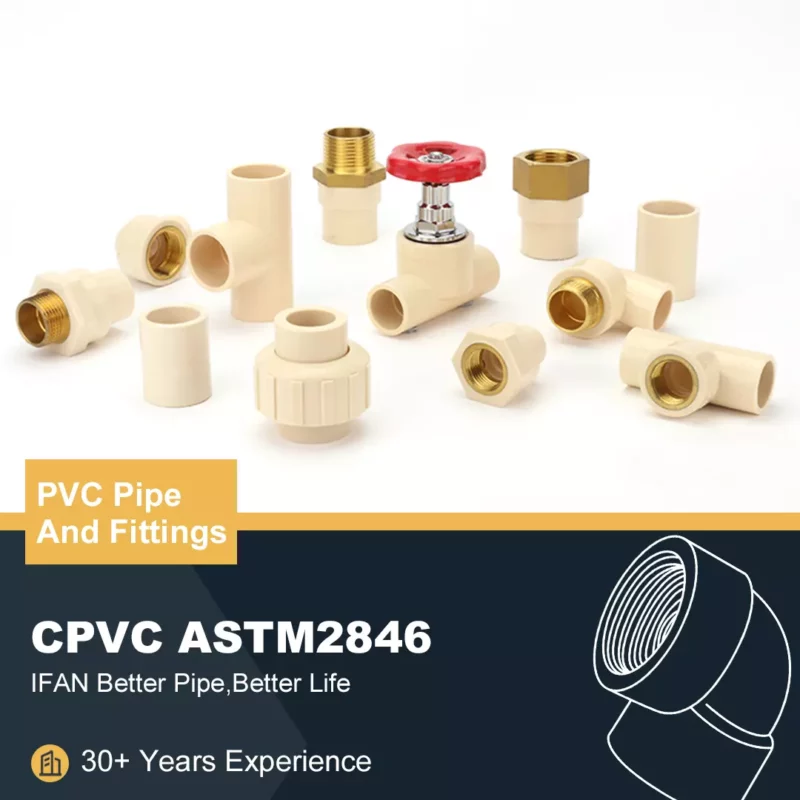
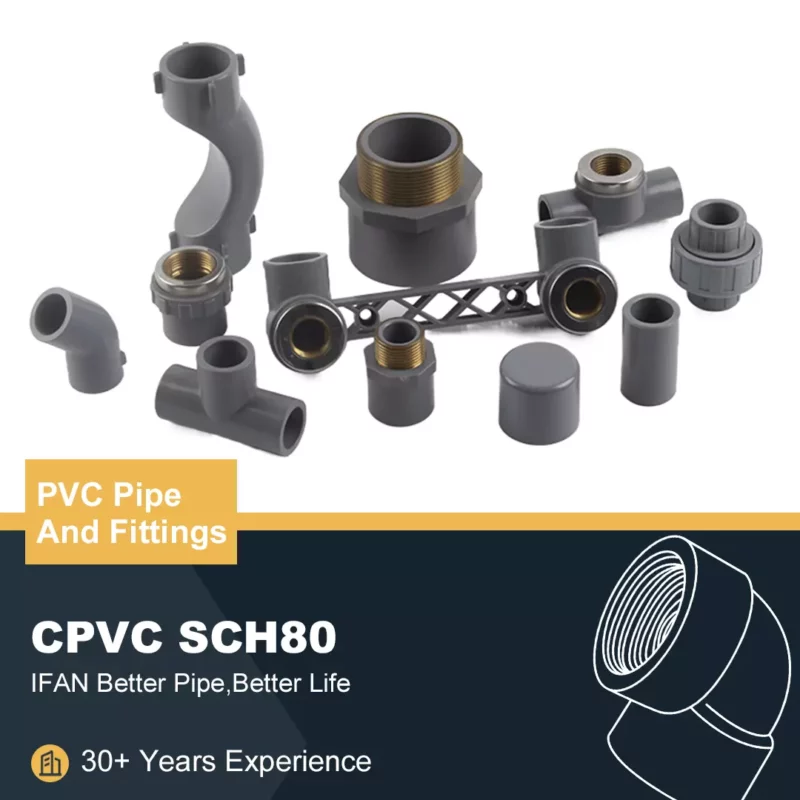
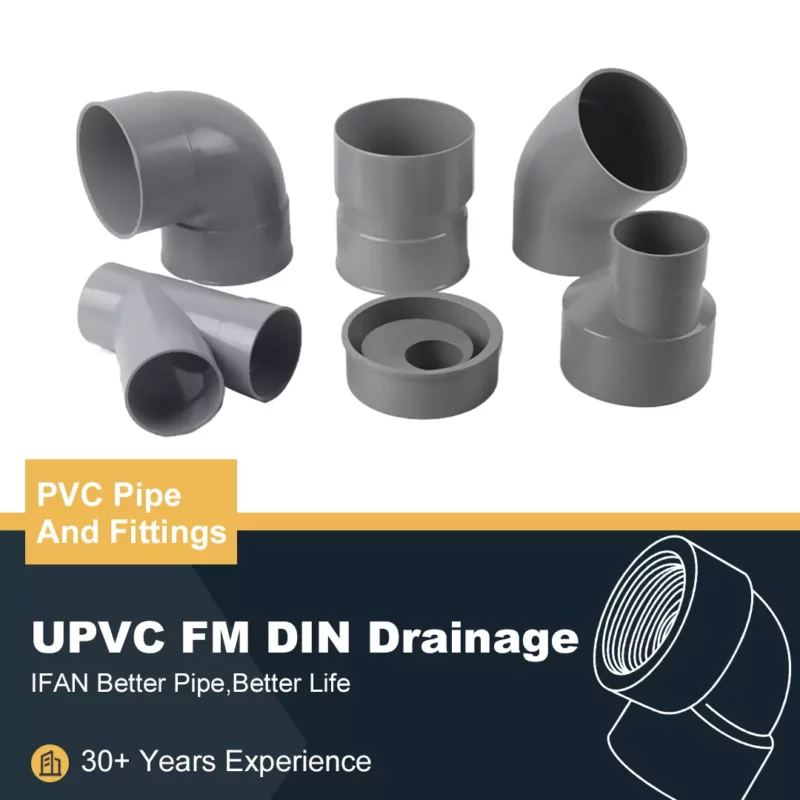
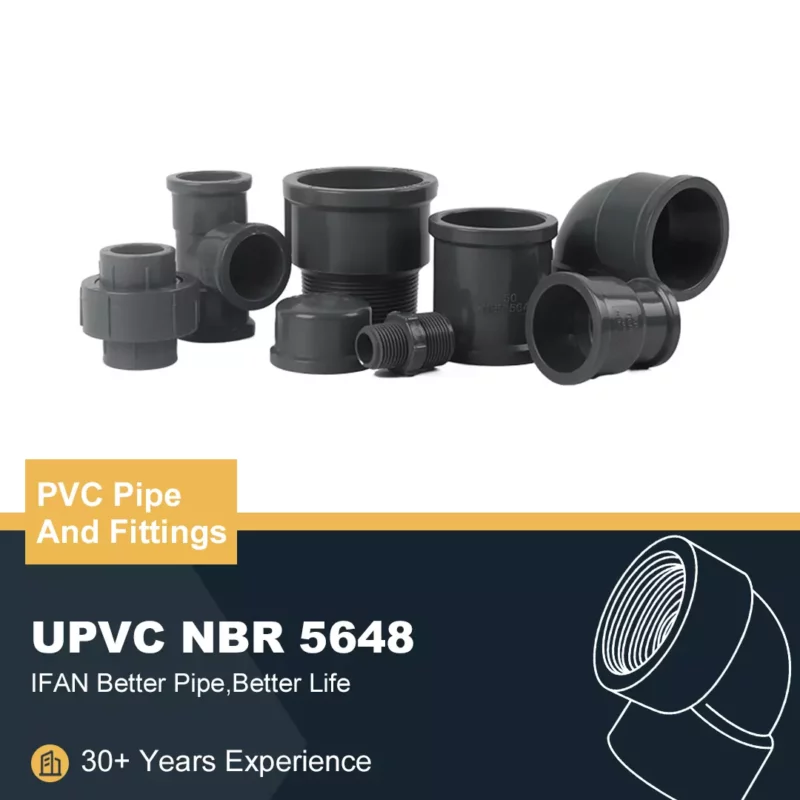
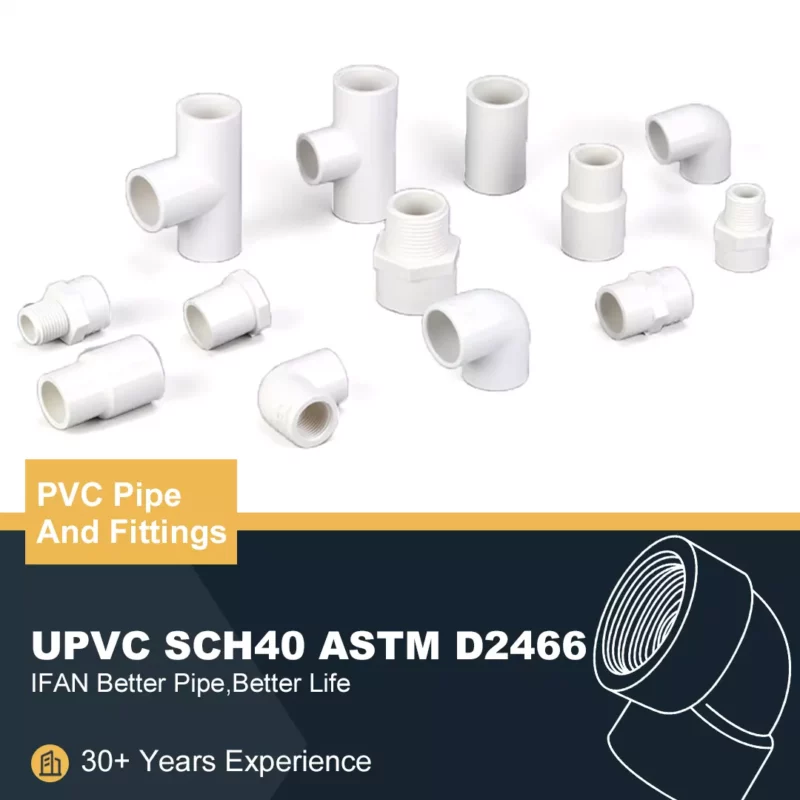
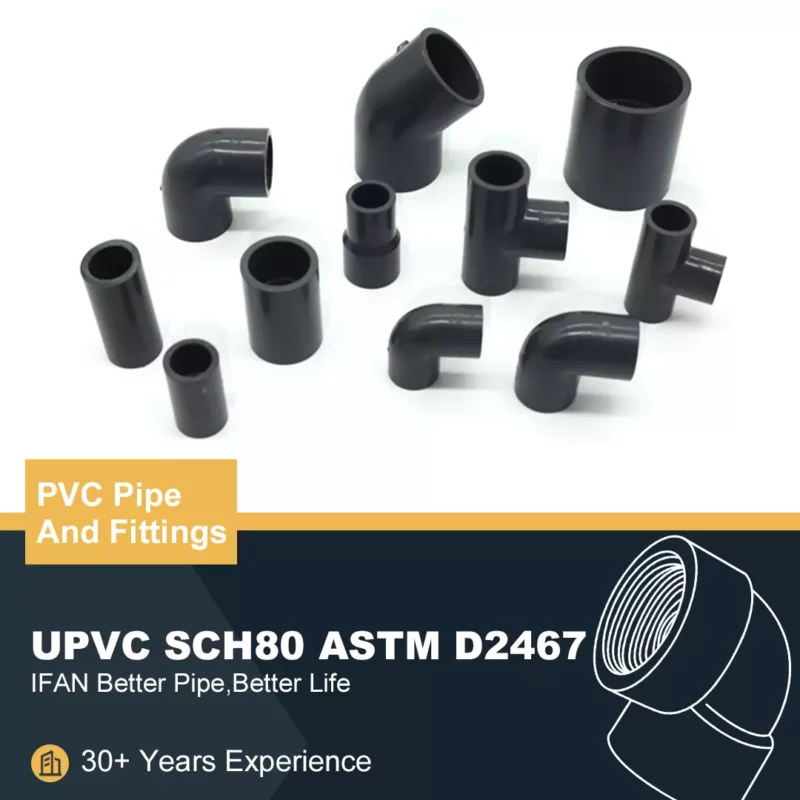
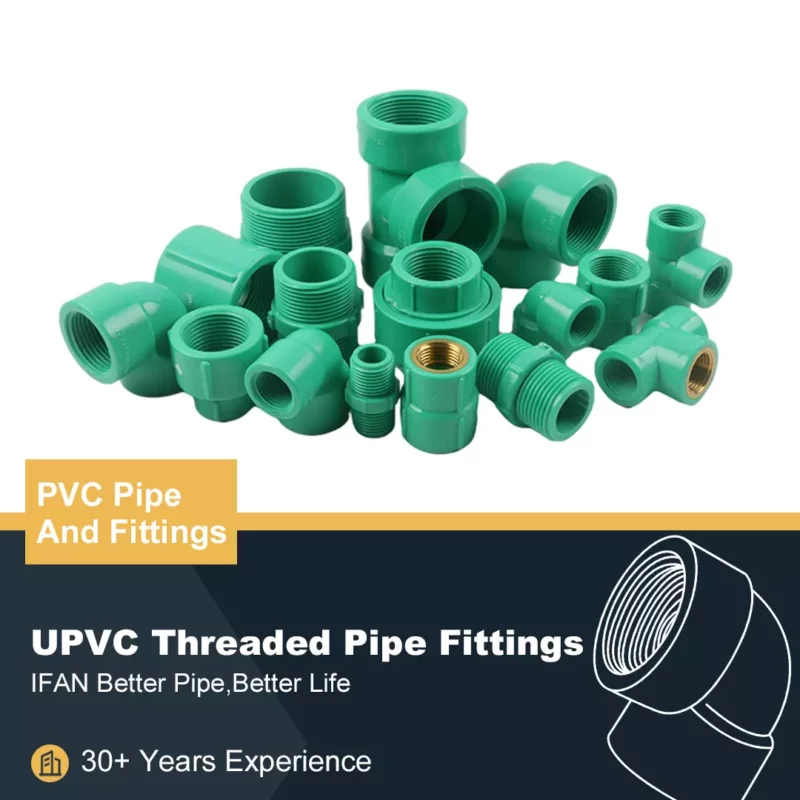
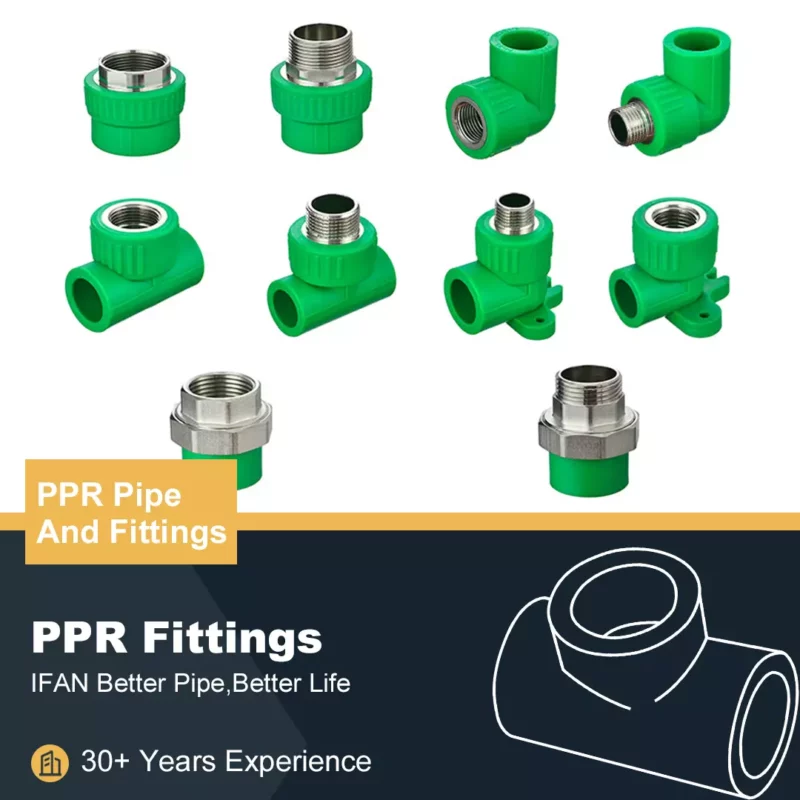
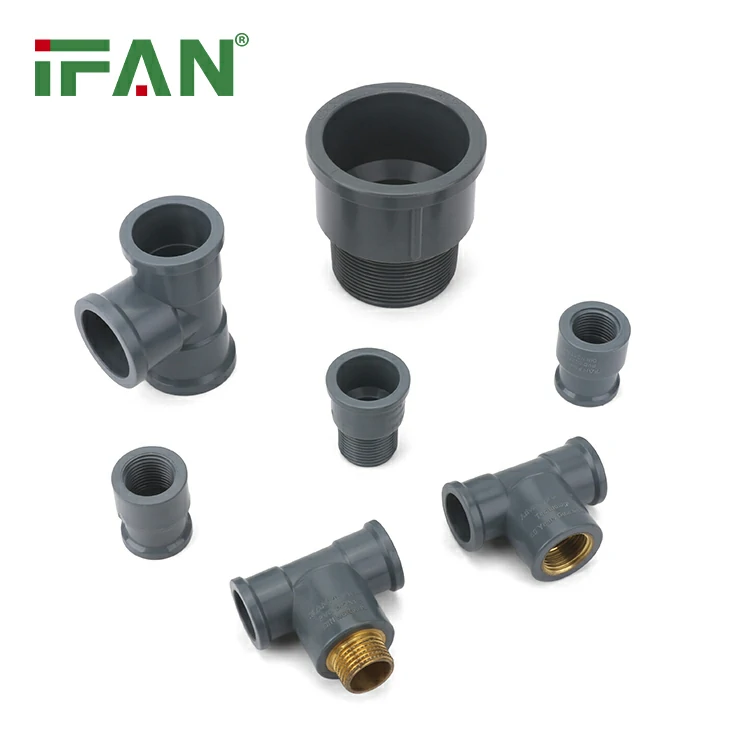
UPVC drainage fittings are available in various shapes and sizes. These include elbows, tees, couplers, reducers, and traps. This variety supports complex plumbing layouts and system designs. Whether for horizontal drains or vertical stacks, UPVC provides suitable options. The fittings are ideal for gravity-based drainage systems. They can be used in residential bathrooms, kitchens, and utility rooms. In commercial settings, they manage wastewater from multiple floors and fixtures. In industrial sites, they handle high-volume and chemically active waste. UPVC’s versatility allows it to adapt to almost any waste system. It provides the flexibility engineers and plumbers need during system planning.
Durability for Long-Term Performance
UPVC fittings are built for long-term use. They resist wear, impact, and environmental damage. Once installed, they can last for decades with minimal service. Their durability helps avoid costly repairs and system failures. Unlike metal or rubber components, UPVC does not degrade under constant exposure to water. This makes it a cost-effective solution over the lifespan of a building. Many manufacturers offer warranties due to the reliability of the material. UPVC’s consistent performance adds value for property owners and contractors. Choosing UPVC reduces the risk of drainage issues years down the line.
Supporting Sustainable Waste Management
UPVC is a recyclable material that supports sustainable construction. At the end of its life, it can be reused for new products. This reduces construction waste and promotes resource conservation. UPVC production also requires less energy than metal production. This makes it more environmentally friendly from a manufacturing standpoint. Its long lifespan reduces the need for frequent replacement. This minimizes material use over time. Using corrosion-free UPVC helps avoid contamination and water waste. Builders aiming for green certifications often choose UPVC components. It balances performance with environmental responsibility, making it ideal for eco-conscious waste systems.
Meeting International Standards and Certifications
UPVC drainage fittings are manufactured according to global quality standards. These include ISO, ASTM, and local plumbing codes. Compliance ensures consistent size, material strength, and leak resistance. Certified fittings undergo pressure testing and material inspections. This guarantees safe performance under real-world conditions. Plumbing systems must meet regulatory requirements to pass inspections. Using certified UPVC fittings helps ensure code compliance. Many countries specify UPVC as an approved material for waste systems. Contractors and engineers rely on these certifications for quality assurance. With approved products, projects move faster and with fewer complications. UPVC fittings meet the reliability standards demanded by the modern construction industry.
Conclusion: The Smart Choice for Waste Systems
UPVC drainage fittings are ideal for today’s waste systems. Their strength, corrosion resistance, and leak-proof design make them a reliable solution. They are easy to install, affordable, and require little maintenance. In harsh chemical environments, UPVC outperforms traditional materials. From homes to high-rise buildings and factories, UPVC delivers consistent results. It helps create clean, efficient, and sustainable waste systems. The wide availability and versatility of fittings support complex designs. Choosing UPVC ensures long-term protection and system stability. For any drainage project, UPVC fittings provide peace of mind and performance. They are truly the smart choice for waste system infrastructure.
If you have read this article and have any questions, please feel free to contact IFAN. Below is our contact information:
Whatsapp:+86 13373827623
Email:[email protected]