
Introduction to UPVC Drainage Fittings
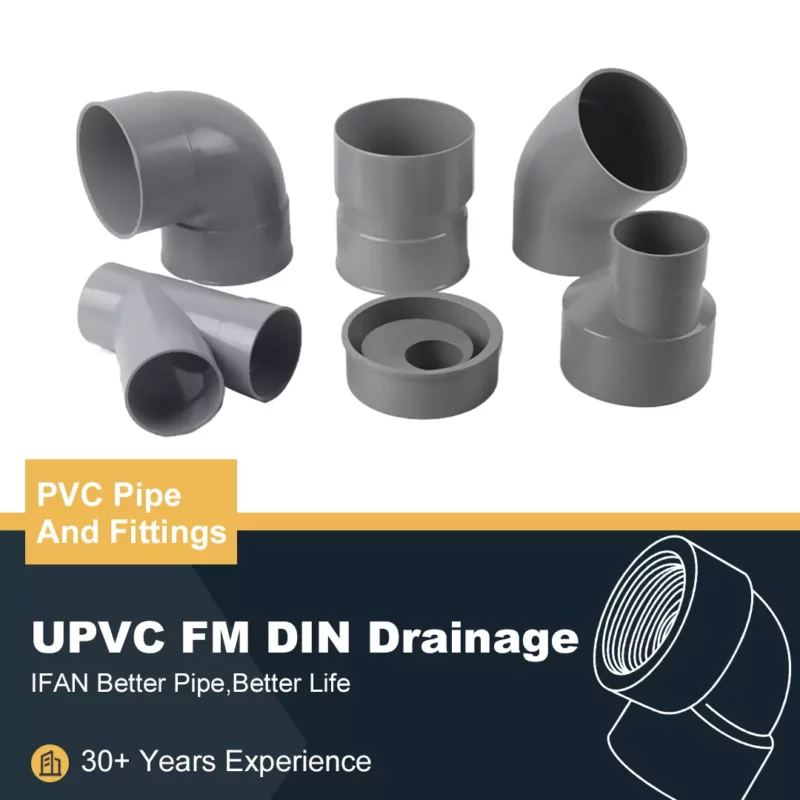
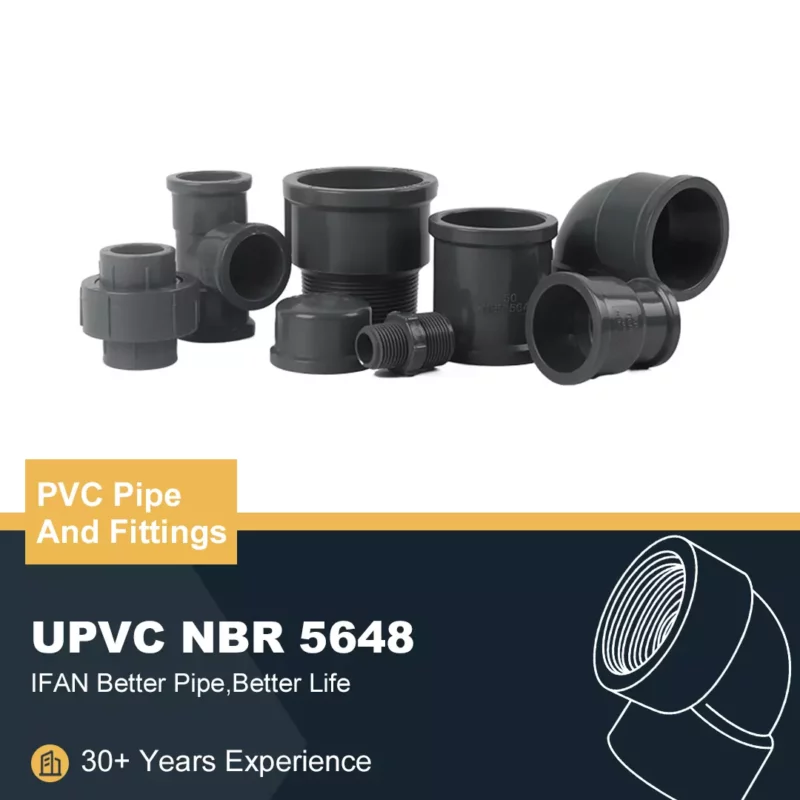
UPVC drainage fittings are essential components in modern plumbing systems. They connect pipes and direct the flow of wastewater safely. UPVC stands for unplasticized polyvinyl chloride. It is a strong, rigid plastic used in various construction applications. One of its key advantages is its resistance to rust and corrosion. Unlike metal, UPVC does not react with moisture or chemicals. This quality makes it ideal for long-lasting drainage solutions. UPVC fittings ensure the system remains leak-free and structurally sound. Their resistance to corrosion helps prevent blockages and system failures. As a result, they are widely used in homes, commercial buildings, and industrial sites. Choosing UPVC fittings helps create a more reliable and low-maintenance plumbing system.
Understanding Rust and Corrosion in Drainage Systems
Rust and corrosion are common problems in metal piping systems. Rust forms when iron reacts with oxygen and water. Corrosion also occurs when metals are exposed to certain chemicals or acidic environments. Over time, rust and corrosion weaken the pipes. They create leaks, blockages, and system failures. In drainage systems, these issues lead to costly repairs and health hazards. Rust particles can clog pipes and reduce flow capacity. Corroded joints often develop leaks and compromise structural integrity. These problems are especially severe in humid or chemically active environments. That’s why using rust-resistant materials is critical for long-term performance. UPVC offers a permanent solution to these issues.
Why UPVC Resists Rust and Corrosion
UPVC is a plastic, so it contains no metal content. This means it cannot rust under any condition. It also resists chemical corrosion from substances commonly found in wastewater. UPVC’s molecular structure is highly stable and non-reactive. It does not break down when exposed to acids, salts, or detergents. This makes it a reliable choice for harsh drainage environments. Even when installed underground or exposed to industrial waste, UPVC maintains its performance. It does not develop surface degradation or internal damage. Its resistance to rust and corrosion is one of the main reasons for its popularity. UPVC fittings stay clean, strong, and effective for many years.
Benefits of Corrosion Resistance in Plumbing
Corrosion-resistant materials bring multiple benefits to plumbing systems. First, they increase the system’s lifespan. Pipes and fittings last longer without needing replacement. Second, they reduce the risk of leaks and failures. This lowers maintenance costs and avoids emergency repairs. Third, they improve water flow by preventing buildup inside the pipes. UPVC’s smooth surface prevents mineral deposits and rust particles from forming. Fourth, corrosion resistance ensures better water quality. Contaminants from corroded metal do not enter the drainage or water supply. Finally, it provides peace of mind to property owners and facility managers. A system built with UPVC fittings is reliable, clean, and cost-effective.
Performance in Harsh Environments
UPVC drainage fittings perform exceptionally well in harsh environments. They can handle exposure to moisture, chemicals, and extreme temperatures. In coastal regions, salt-laden air causes metal pipes to rust quickly. UPVC remains unaffected in these conditions. In factories and laboratories, chemicals in wastewater can corrode metal fittings. UPVC’s chemical resistance ensures safe operation without degradation. Underground systems face pressure from soil and exposure to groundwater. UPVC fittings resist both physical stress and corrosion. Even in areas with highly acidic or alkaline waste, UPVC maintains its structure. Its stability under pressure and in aggressive environments is unmatched by metal alternatives.
Long-Term Cost Savings
Using UPVC drainage fittings can lead to significant cost savings over time. They require less maintenance than metal systems. Because they don’t corrode, they rarely need repairs or replacements. Property owners save money on labor and replacement parts. UPVC’s durability means fewer system failures, which reduces downtime. Facilities avoid disruption caused by pipe leaks or flooding. The initial cost of UPVC fittings is also competitive. Combined with their longevity, the overall investment is lower. Many builders and contractors now prefer UPVC for this reason. Long-term savings in time, labor, and materials make UPVC a smart financial choice.
Compatibility with Other Systems
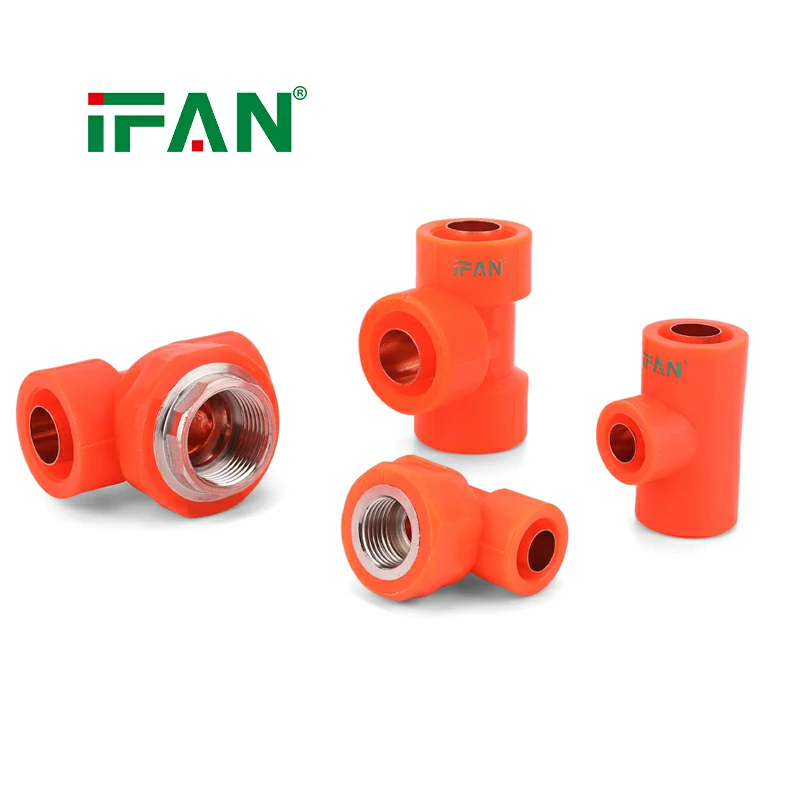
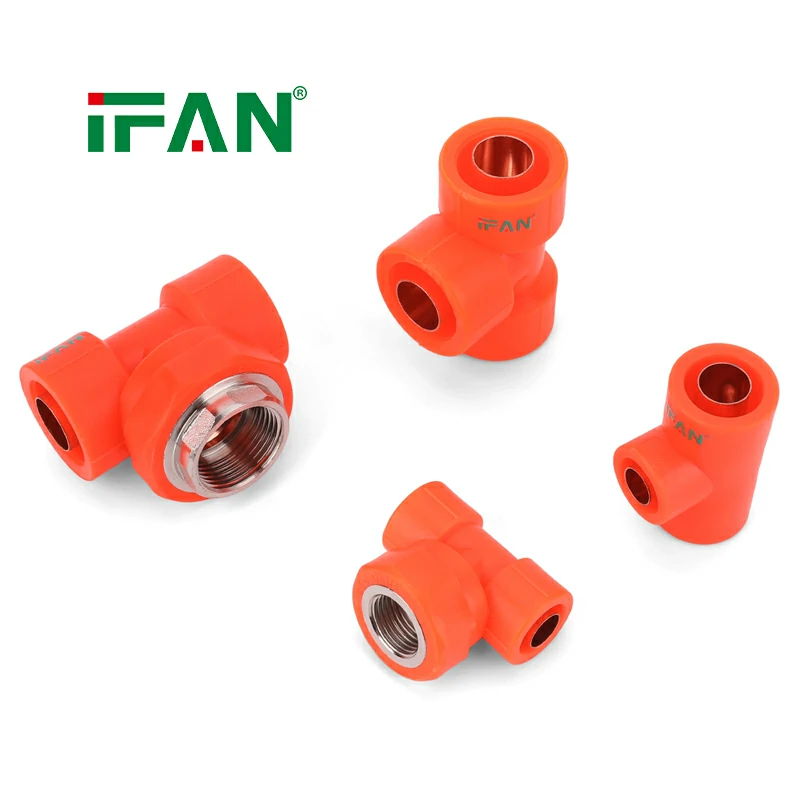
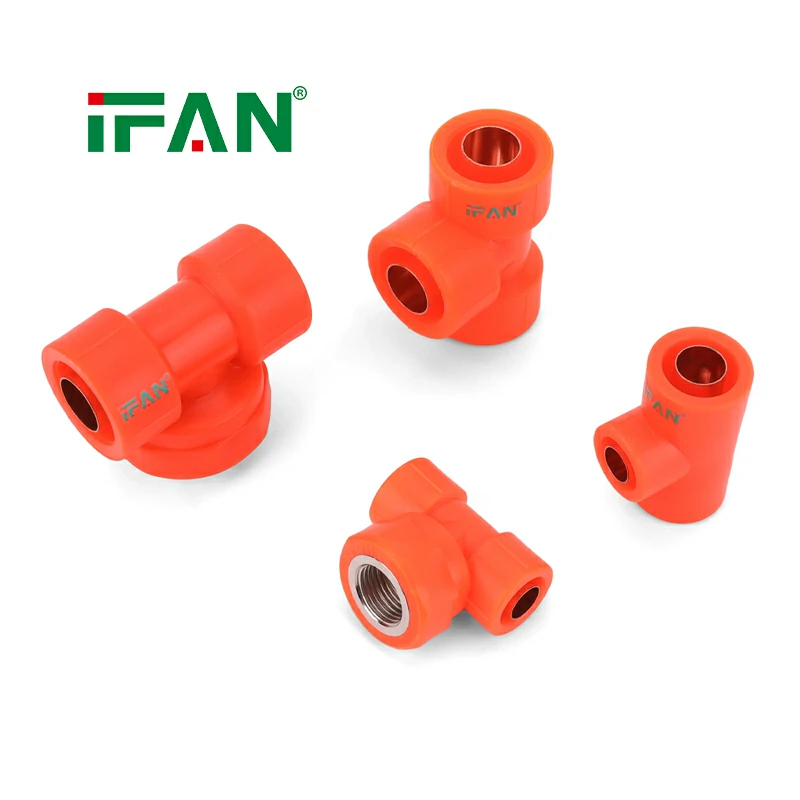
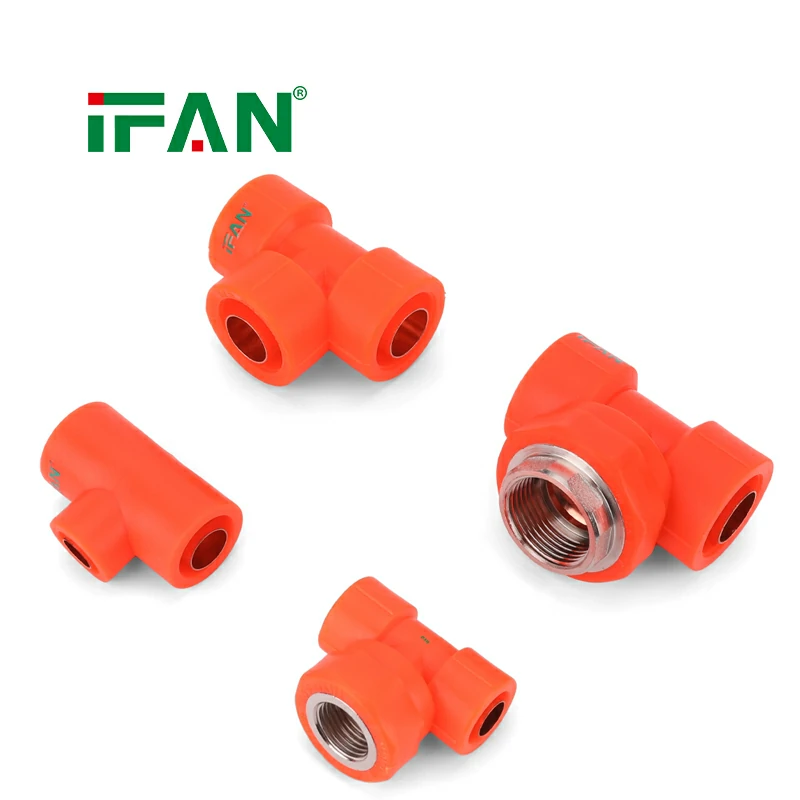
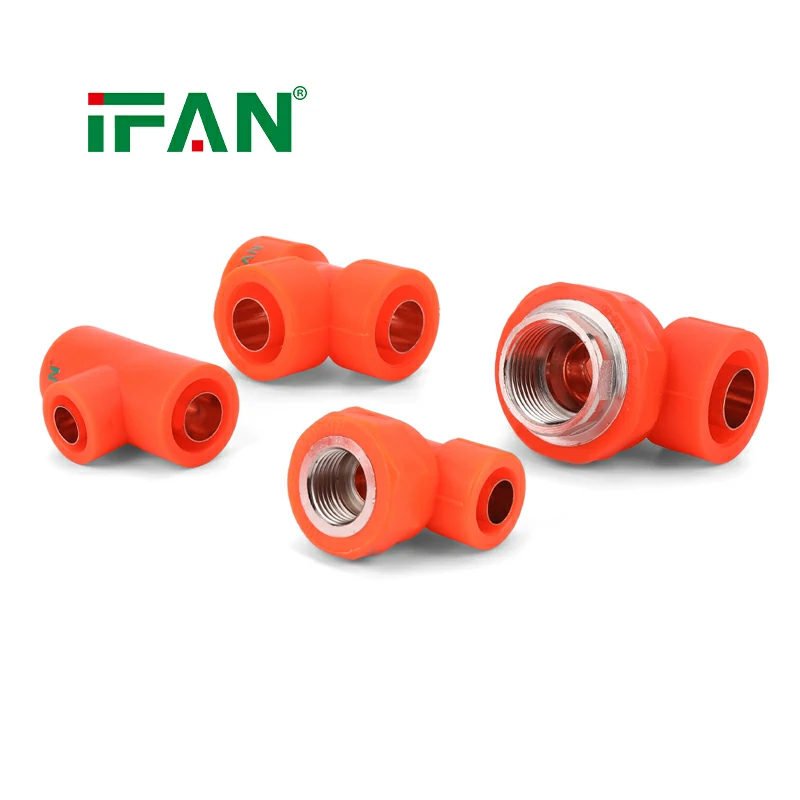
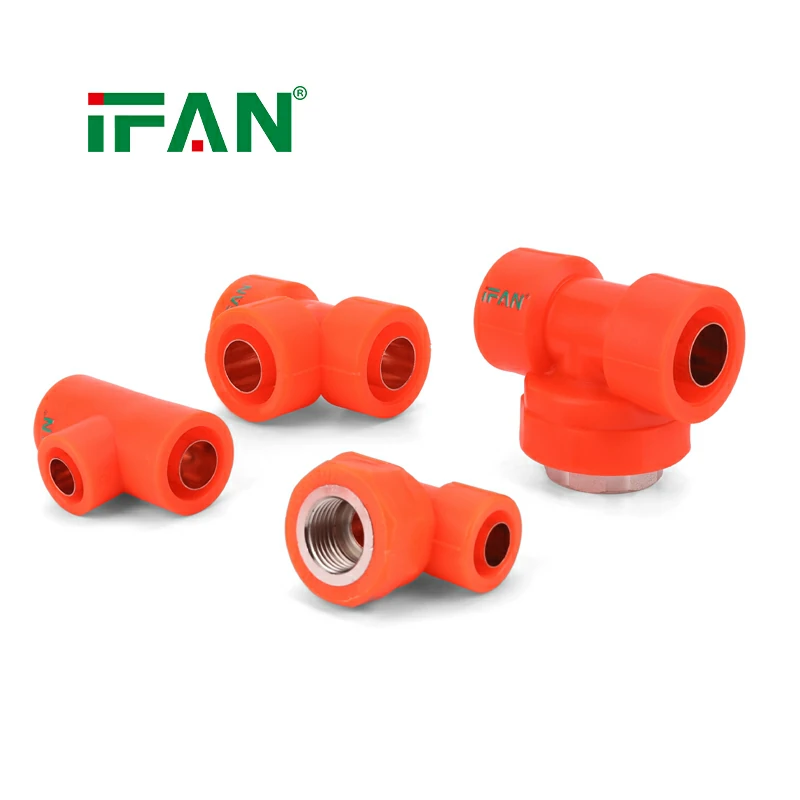
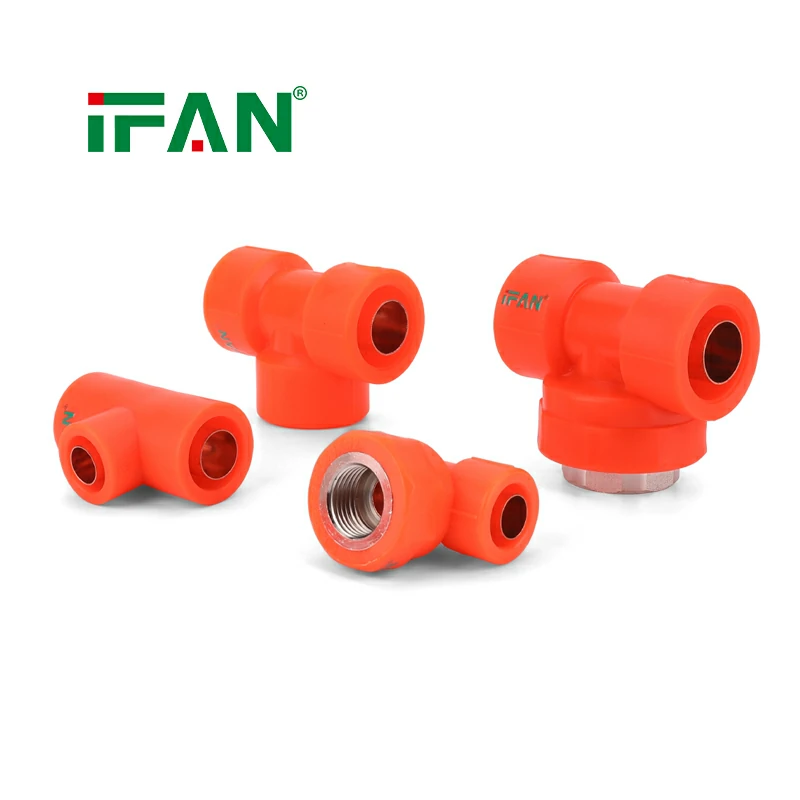
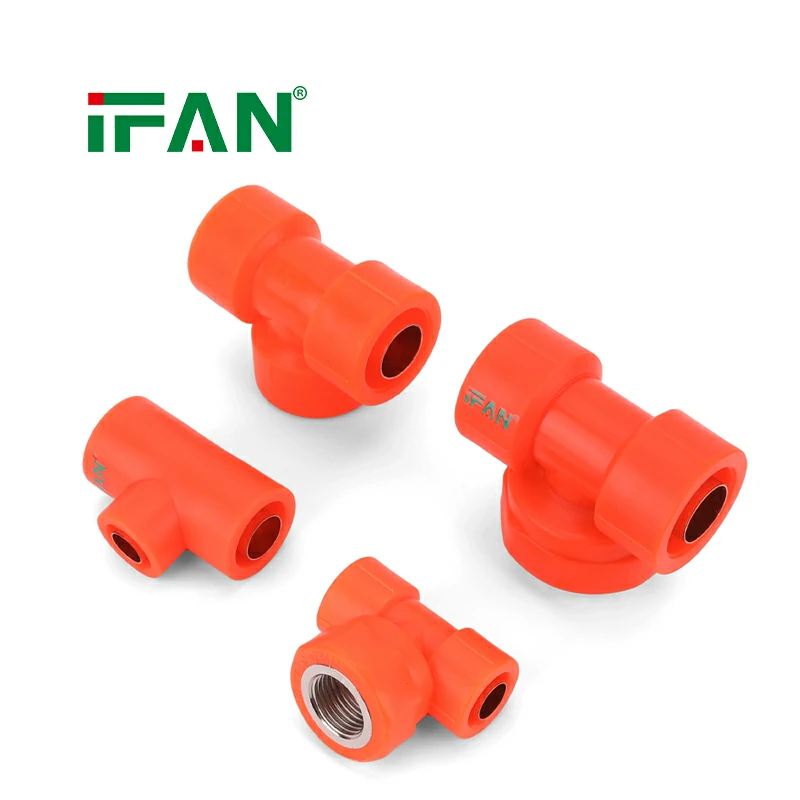
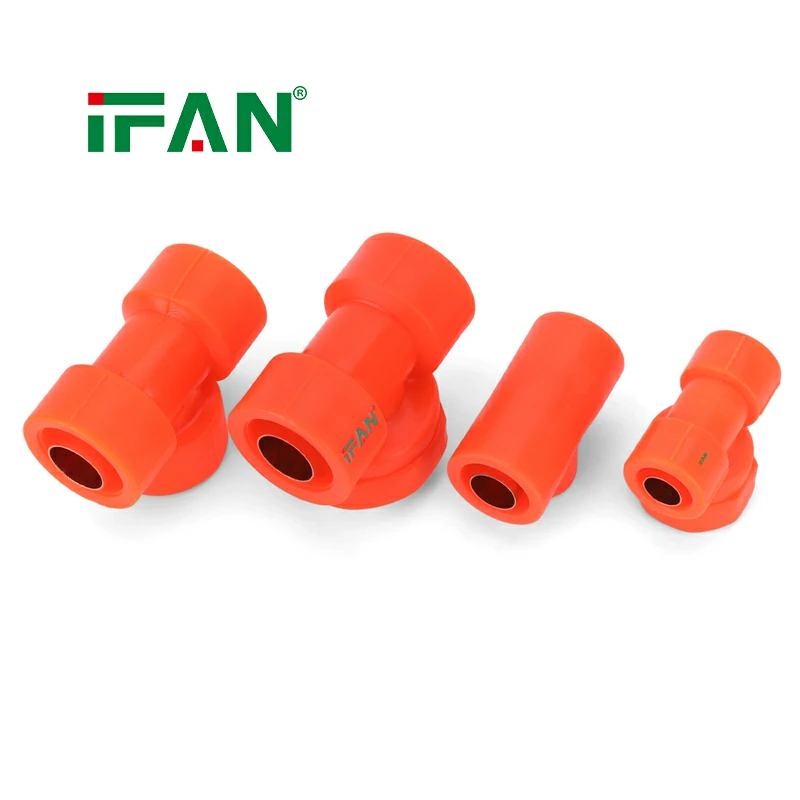
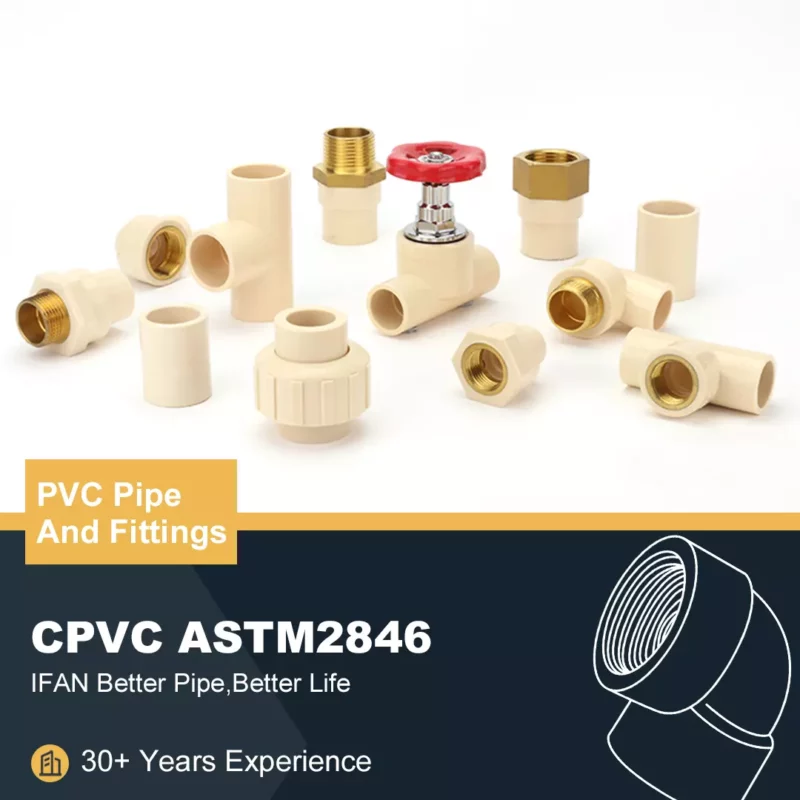
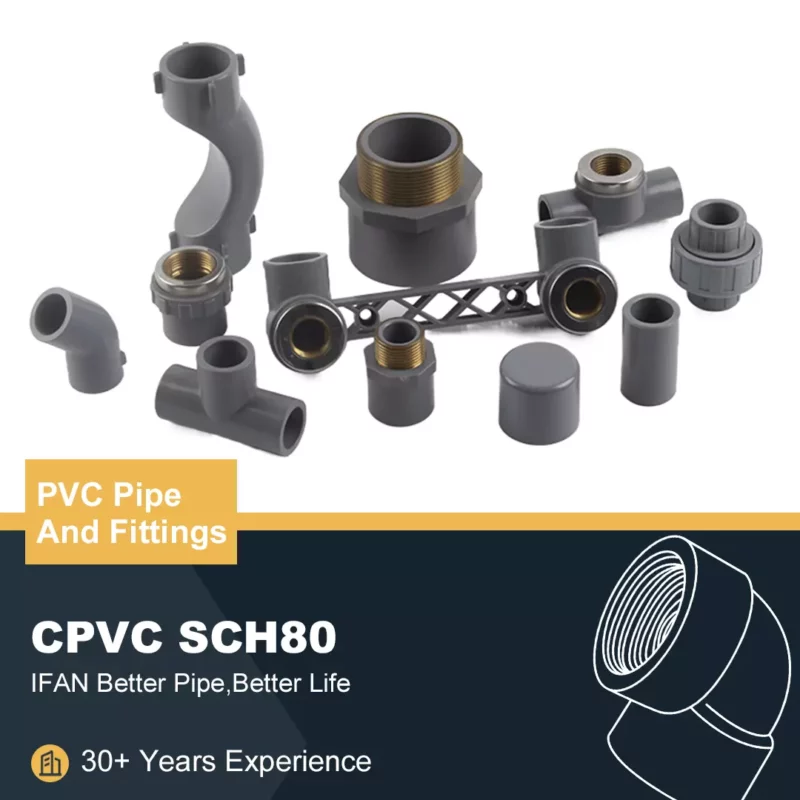
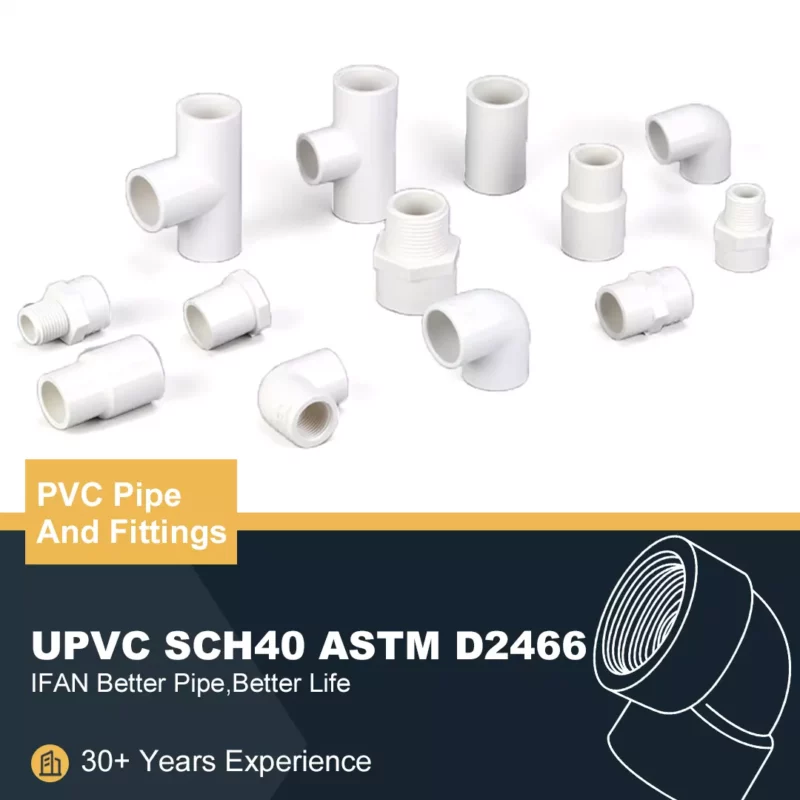
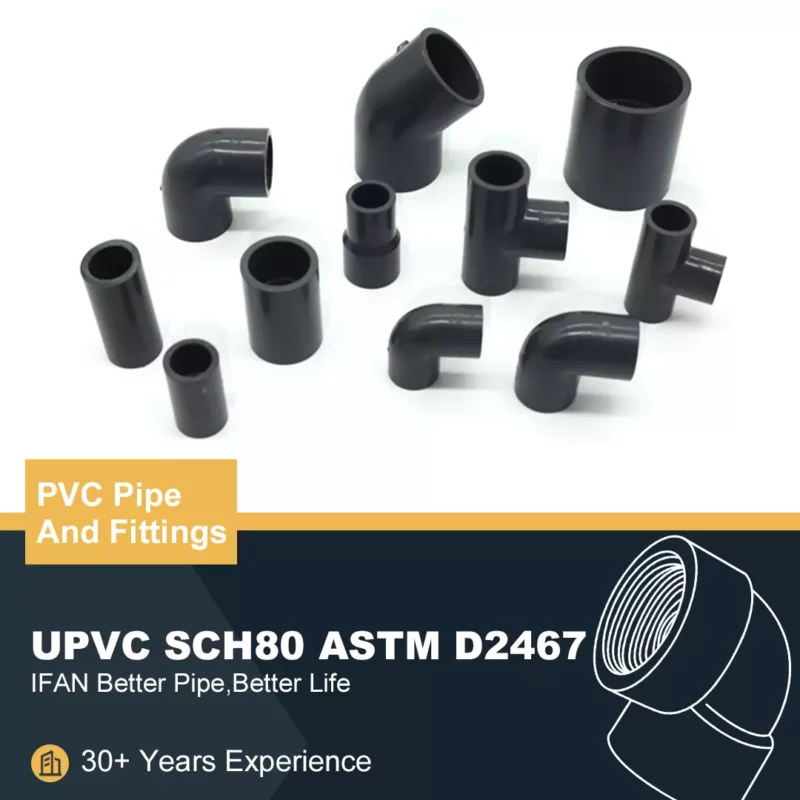
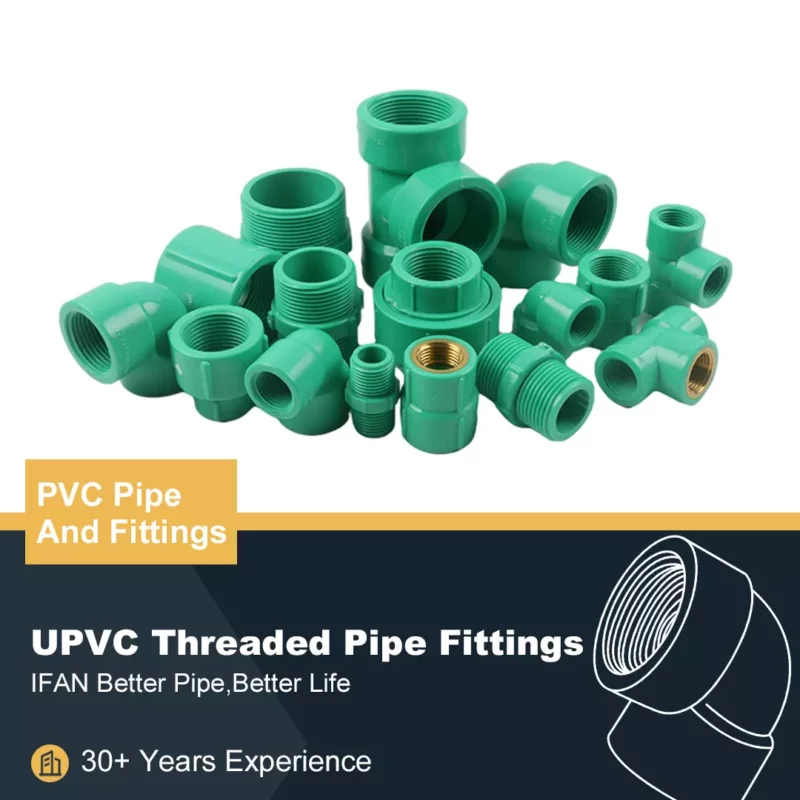
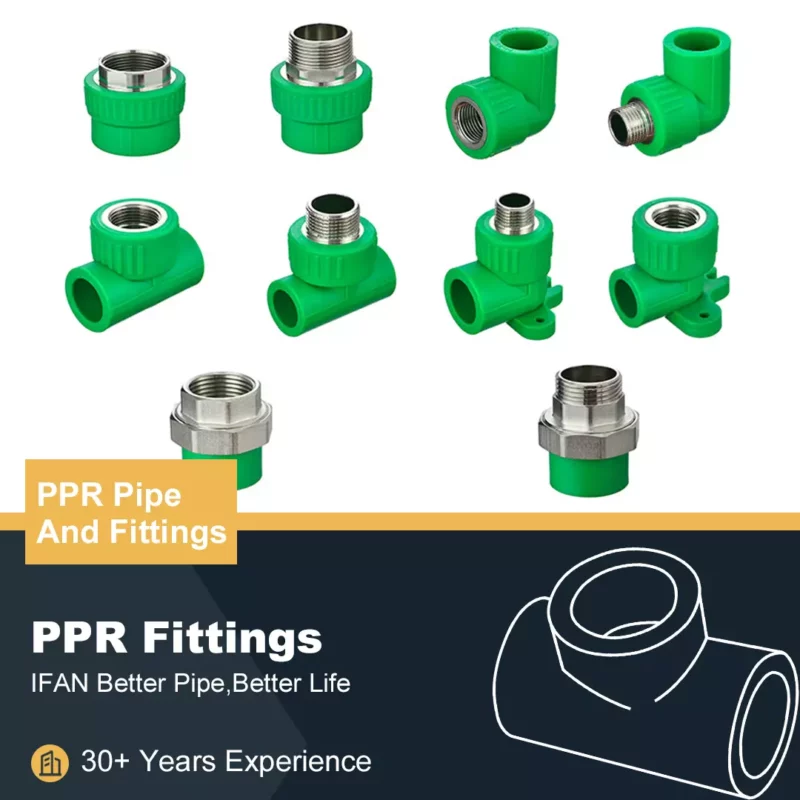
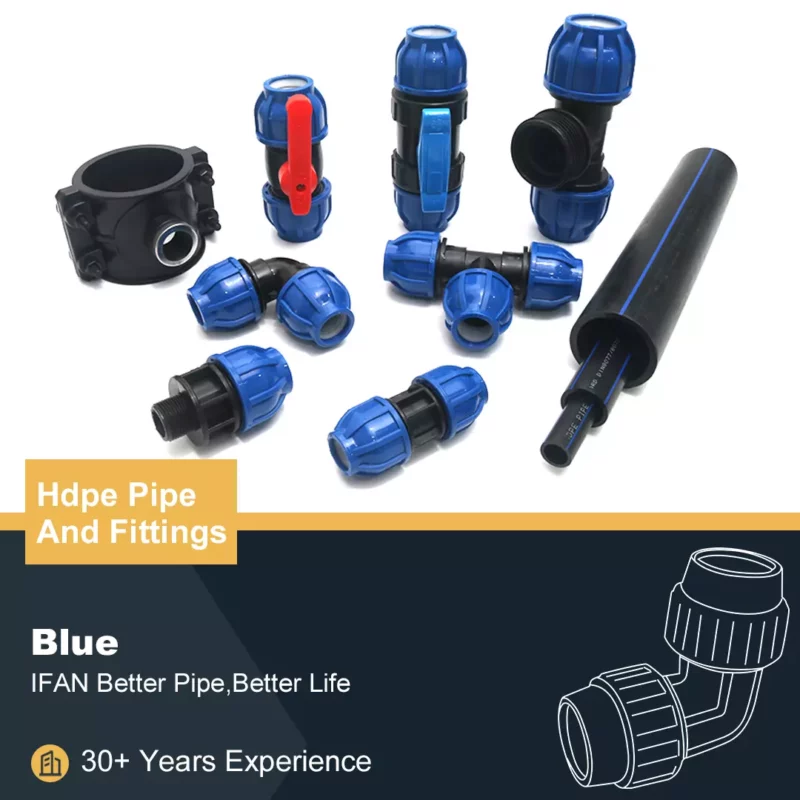
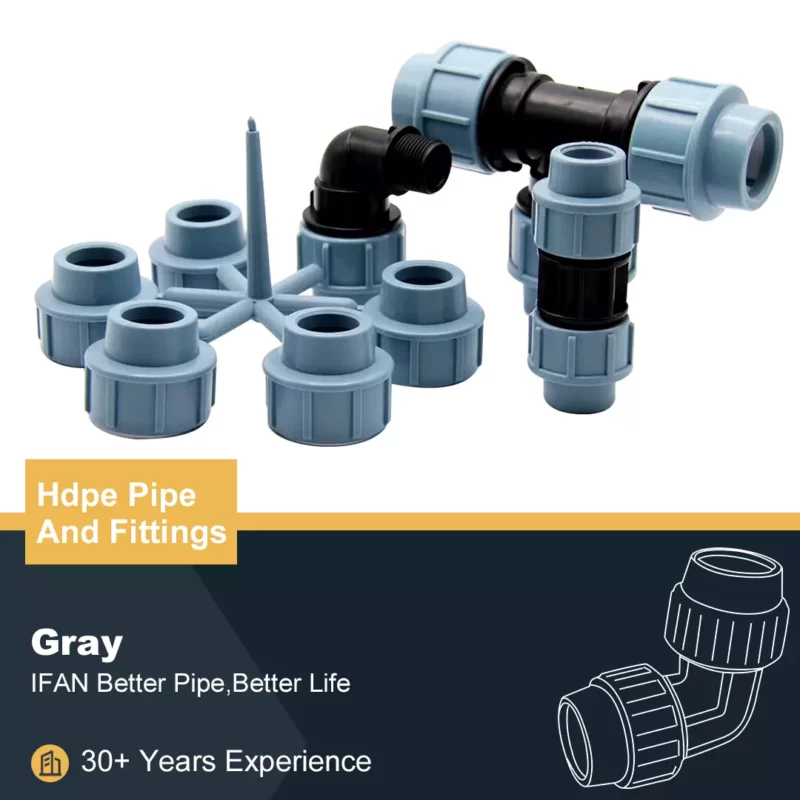
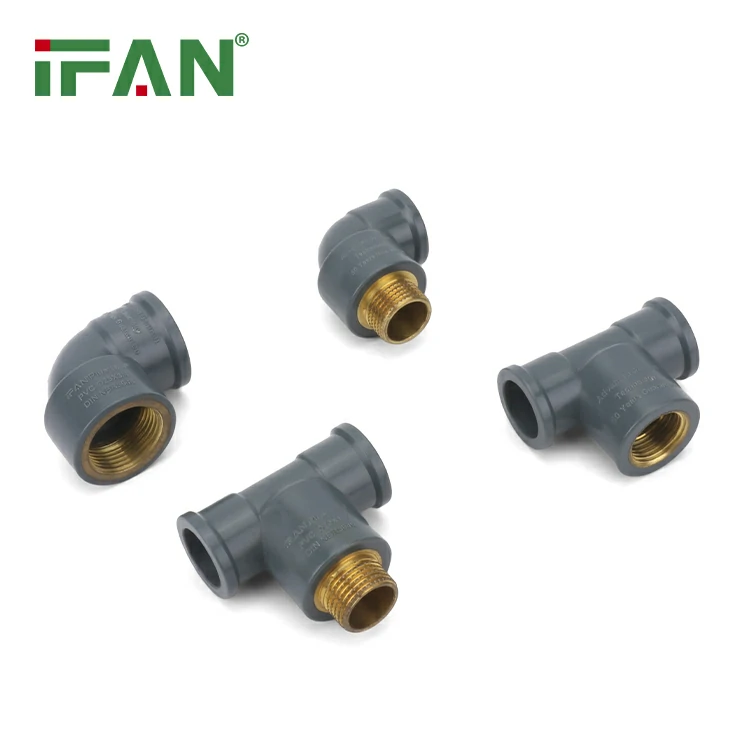
UPVC drainage fittings are compatible with various plumbing systems. They connect easily with UPVC pipes and adapt to existing drainage networks. Fittings are available in many sizes and shapes. They include elbows, tees, couplers, and reducers. This makes system design flexible and efficient. UPVC also integrates well with other plastic systems like CPVC or PE. Transition joints and adapters are widely available. This allows easy replacement of corroded metal parts with UPVC alternatives. Plumbers appreciate UPVC’s ease of use and reliable performance. Whether for new construction or renovation, UPVC fittings offer a practical solution.
Environmental and Health Advantages
UPVC is not only corrosion-resistant but also environmentally responsible. It is non-toxic and safe for use in drainage systems. UPVC does not release harmful substances into soil or water. Its long lifespan reduces material waste over time. UPVC is also recyclable. Old fittings can be processed and reused in non-pressurized systems. Using corrosion-resistant materials supports sustainable construction practices. Health-wise, UPVC fittings reduce the risk of contamination. Rust and metal particles are eliminated from the system. Clean water disposal protects communities and the environment. Builders can meet green building standards by choosing UPVC over metal alternatives.
Installation and Maintenance Simplicity
UPVC drainage fittings are easy to install and maintain. They are lightweight and can be handled without heavy tools. Installation methods include push-fit and solvent-welding. Both create tight, leak-free connections. Because UPVC resists rust and corrosion, inspections are straightforward. Plumbers can quickly identify and resolve issues without complications. UPVC systems also stay cleaner over time. Their smooth surfaces reduce the buildup of grime or deposits. In case of system changes, fittings are easy to remove and replace. This adds flexibility to the plumbing design. Overall, UPVC reduces the time and effort needed for both setup and maintenance.
Conclusion: A Reliable Choice for Modern Plumbing
UPVC drainage fittings are a reliable choice for modern plumbing systems. Their resistance to rust and corrosion makes them ideal for long-term use. They outperform metal alternatives in durability, safety, and cost-effectiveness. Whether for residential or industrial use, UPVC ensures leak-free, maintenance-free performance. Their chemical resistance supports usage in diverse environments. From coastal homes to chemical plants, UPVC stands strong. With environmental benefits and easy installation, UPVC fits today’s construction needs. Choosing UPVC drainage fittings means investing in a cleaner, safer, and more reliable system. For any project requiring dependable drainage, UPVC fittings are the clear and lasting solution.
If you have read this article and have any questions, please feel free to contact IFAN. Below is our contact information:
Whatsapp:+86 13373827623
Email:[email protected]