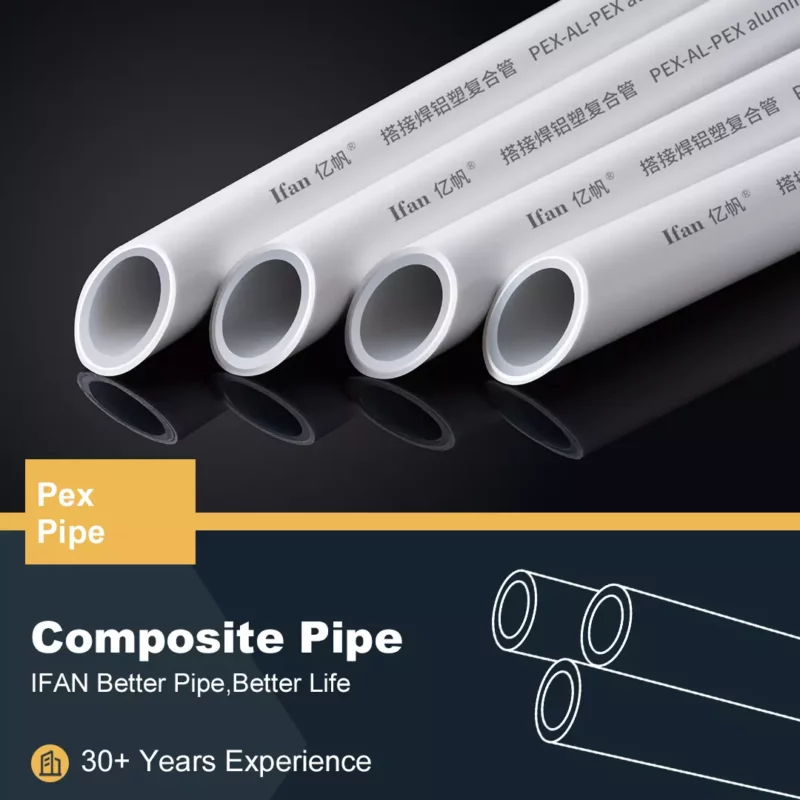
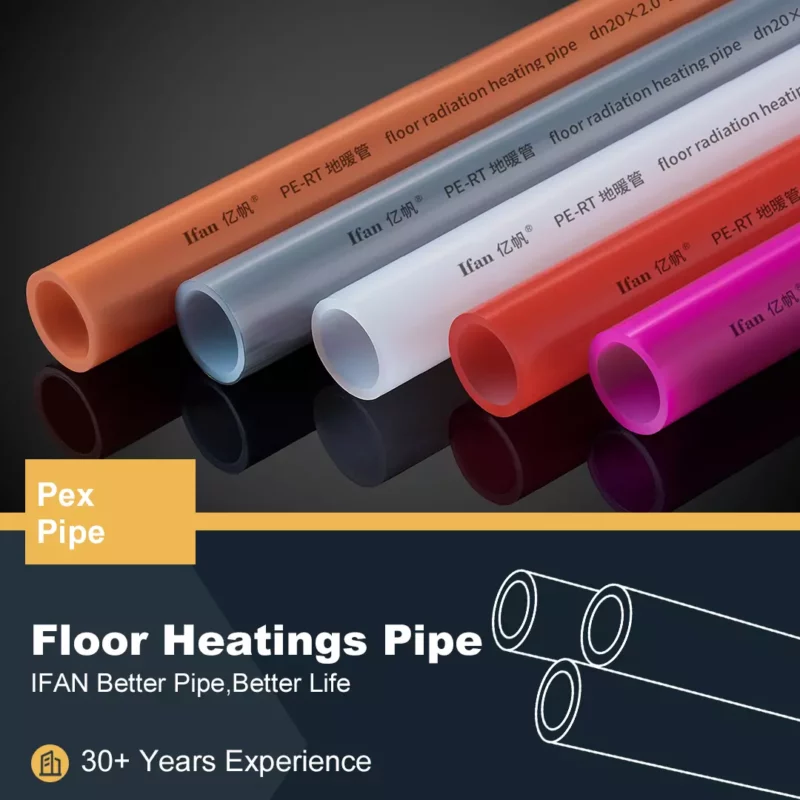
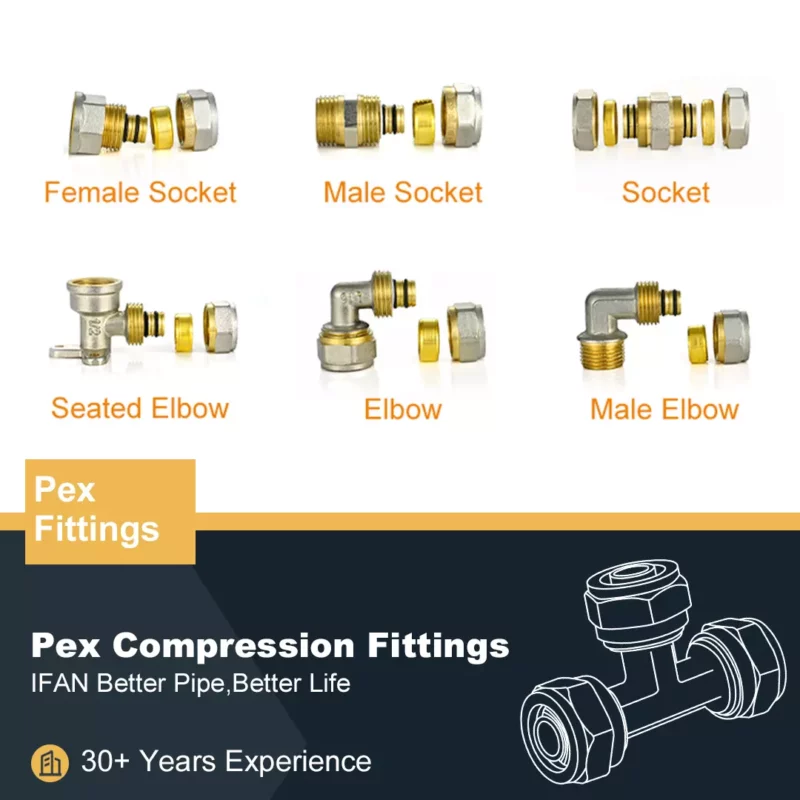
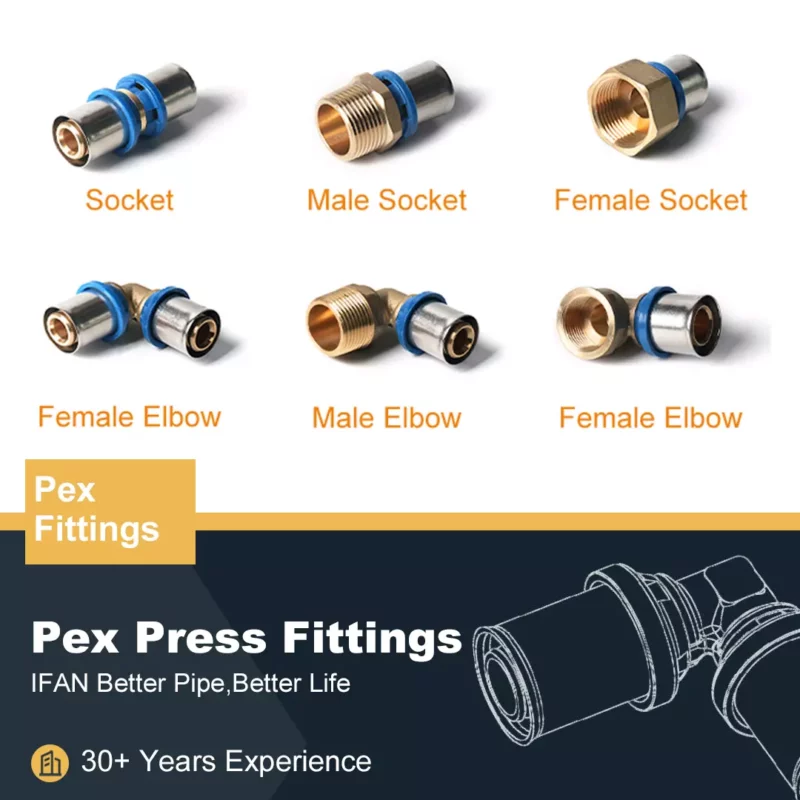



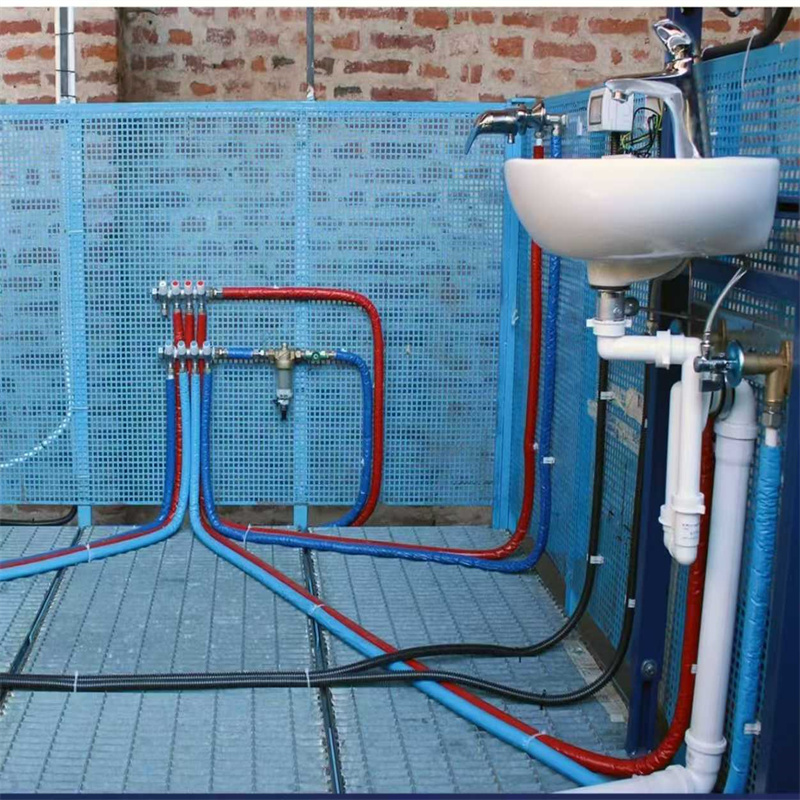
Builders install PEX insulation pipes in indoor heating networks. These pipes deliver hot water without energy loss. Manufacturers combine cross-linked polyethylene with insulation layers. Insulation surrounds the inner pipe tightly and evenly. The system operates efficiently in residential floors and radiators.
Cross-Linking and Layering Process
Producers cross-link polyethylene molecules during pipe extrusion. This process strengthens heat and pressure resistance. After extrusion, they apply insulation foam around the pipe. An outer jacket protects the insulation from impact. The full structure resists deformation under temperature changes.
Noise Reduction from Flow
Installers choose PEX insulation pipes to reduce water flow noise. The insulation absorbs vibrations during circulation. Systems remain quiet even at high flow rates. Users enjoy comfort in bedrooms and living rooms. Flow sounds no longer disturb sleeping environments.
Installation Under Concrete Floors
Contractors place PEX insulation pipe under concrete slabs for heating. Technicians clip pipes to rebar or mesh grids. They pour concrete over the layout without shifting the pipe. Insulation prevents heat loss into the ground. The system ensures even heat distribution above.
Expansion Control in Long Runs
Plumbers use expansion loops for long PEX insulation pipe runs. These loops absorb thermal movement in pipelines. Installers space loops based on manufacturer instructions. The insulation reduces pipe stress from expansion. Systems maintain stability during temperature cycles.
Insulated Bends and Joints
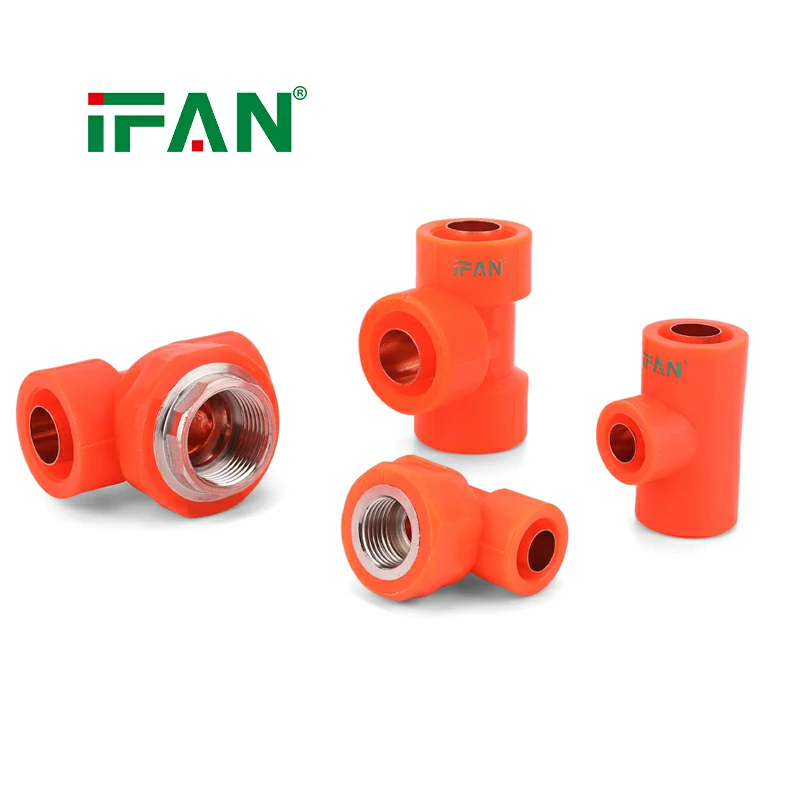
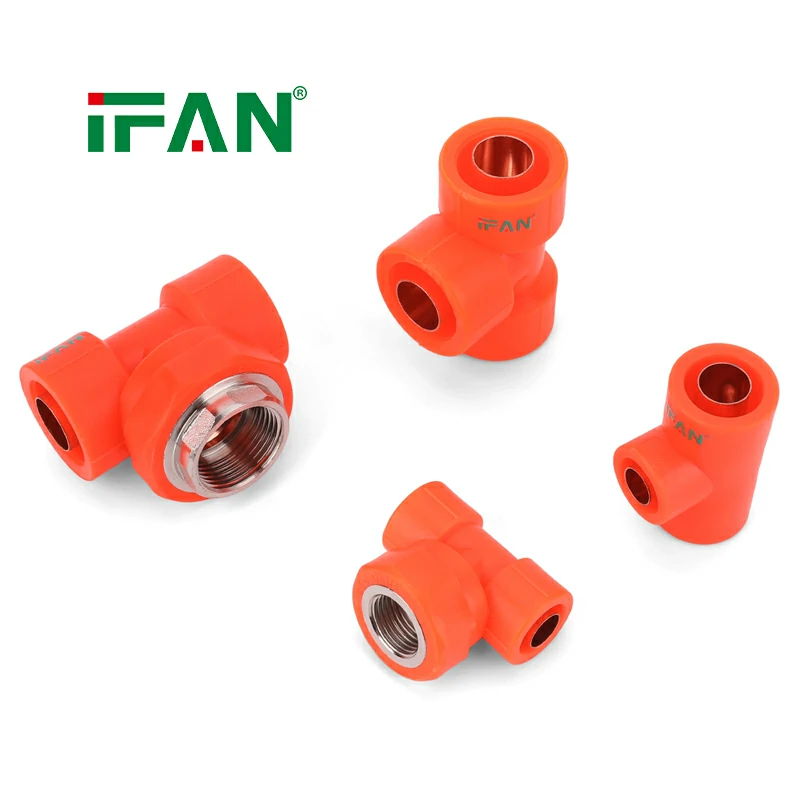
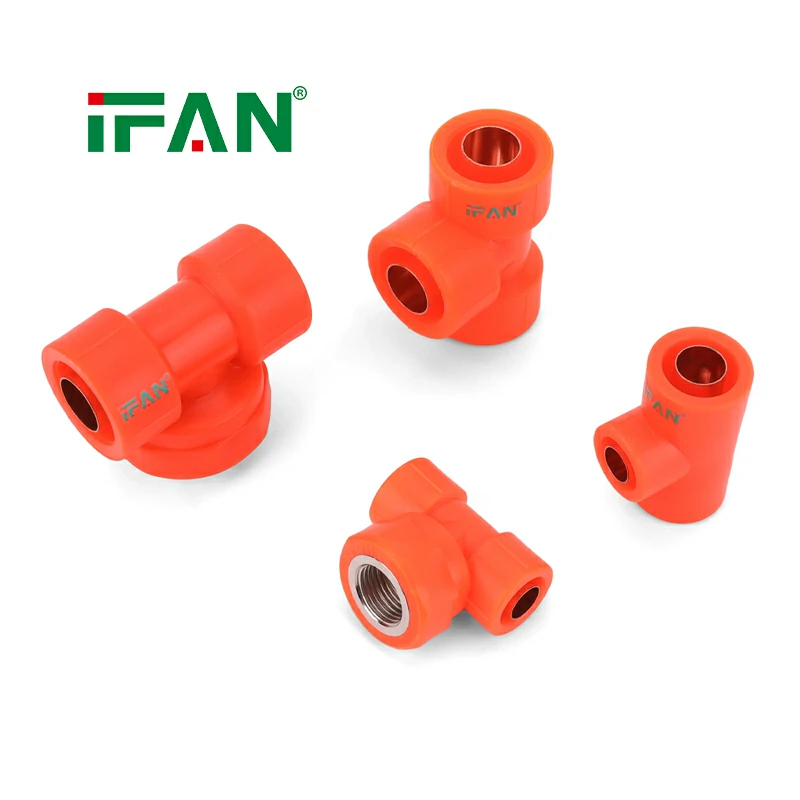
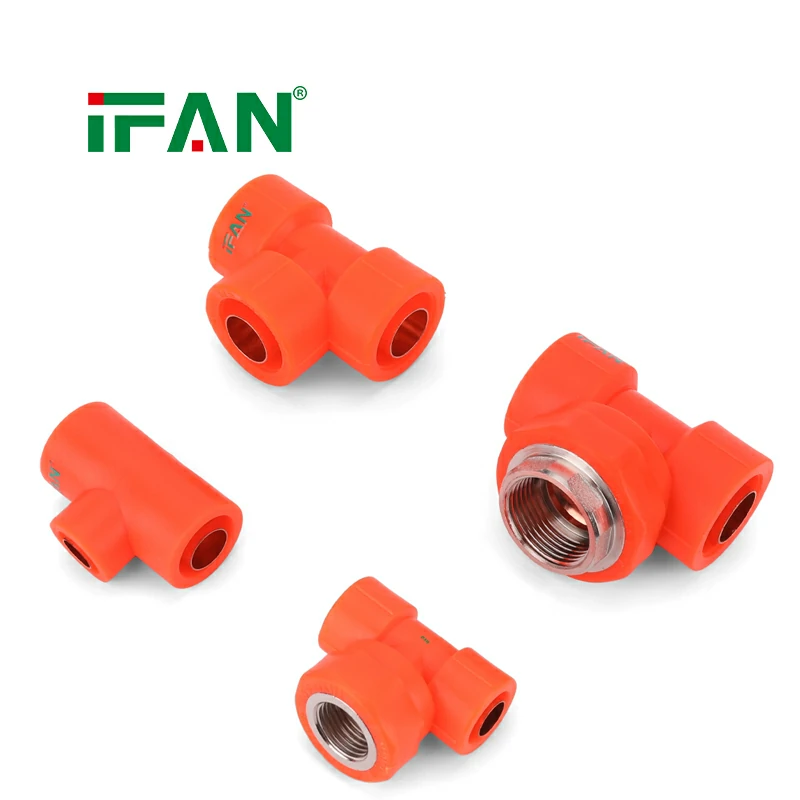
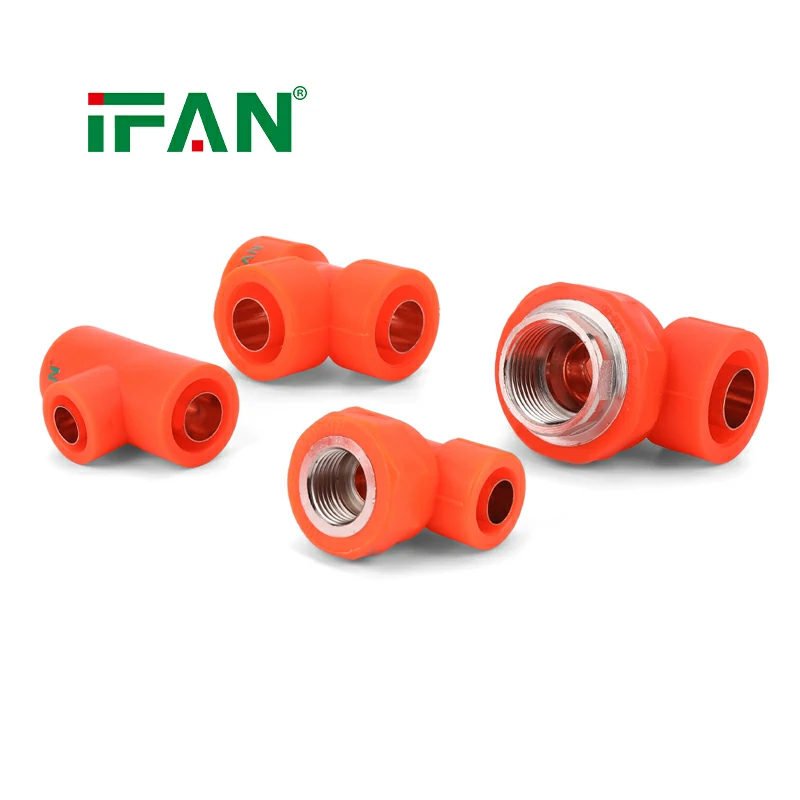
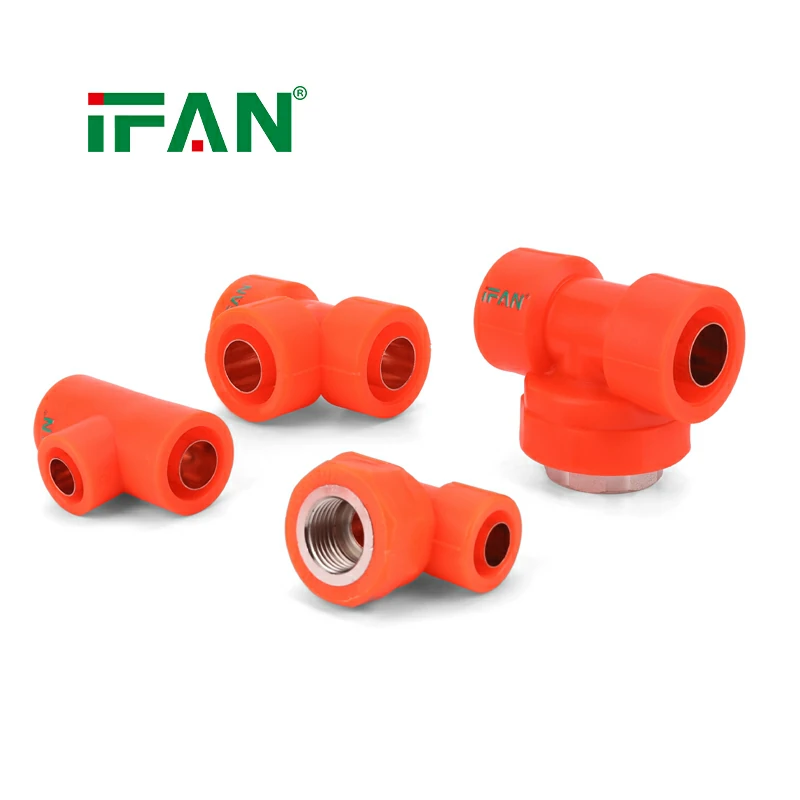
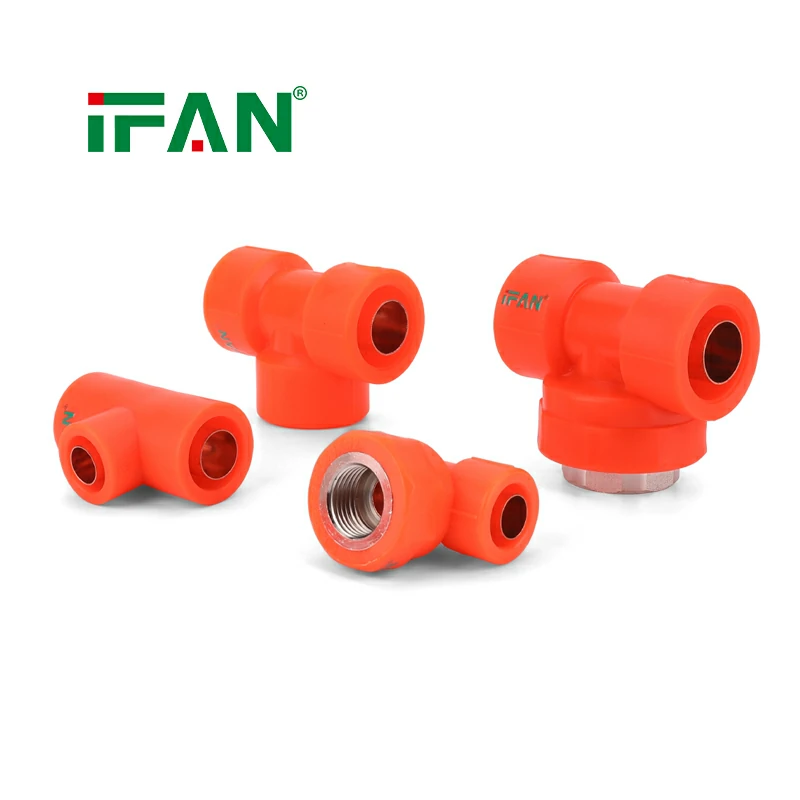
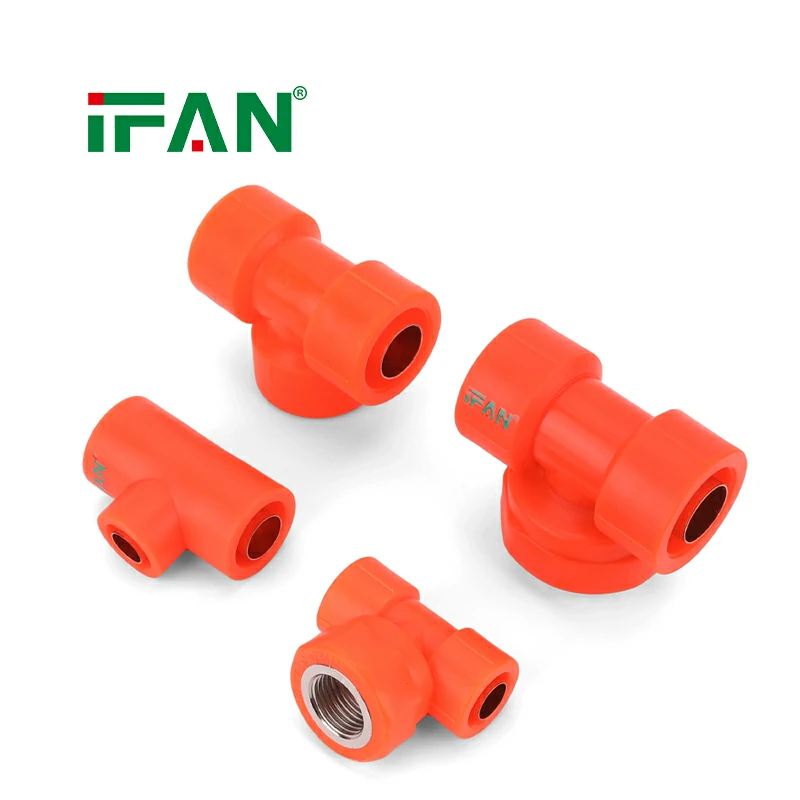
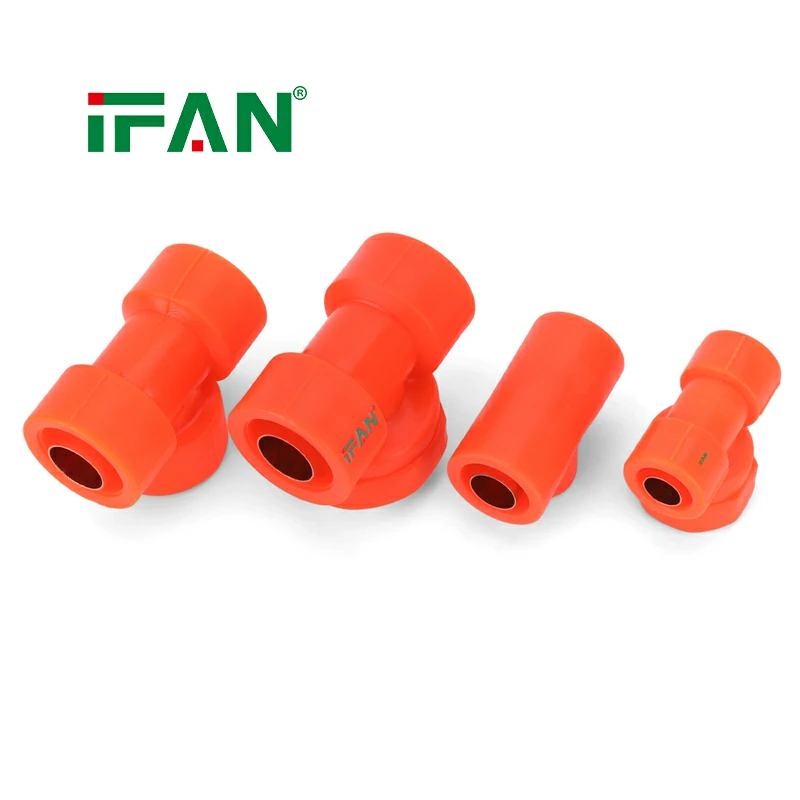
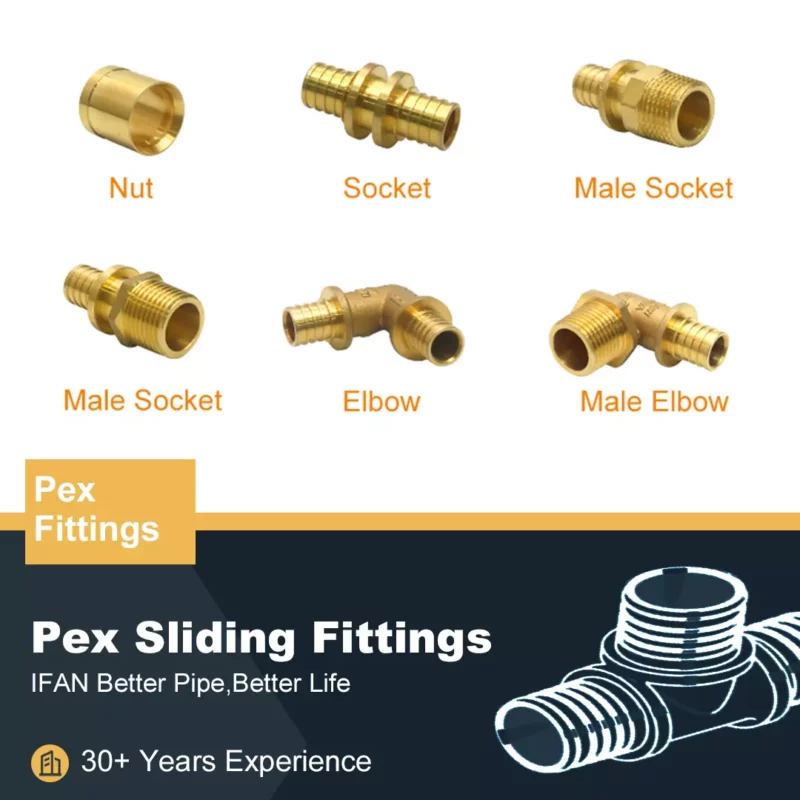
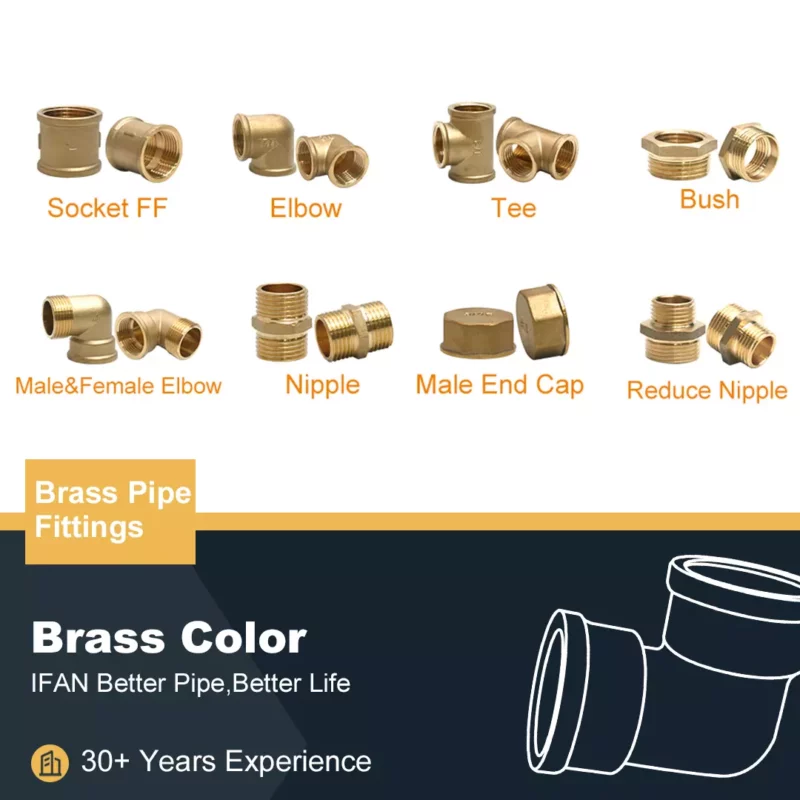
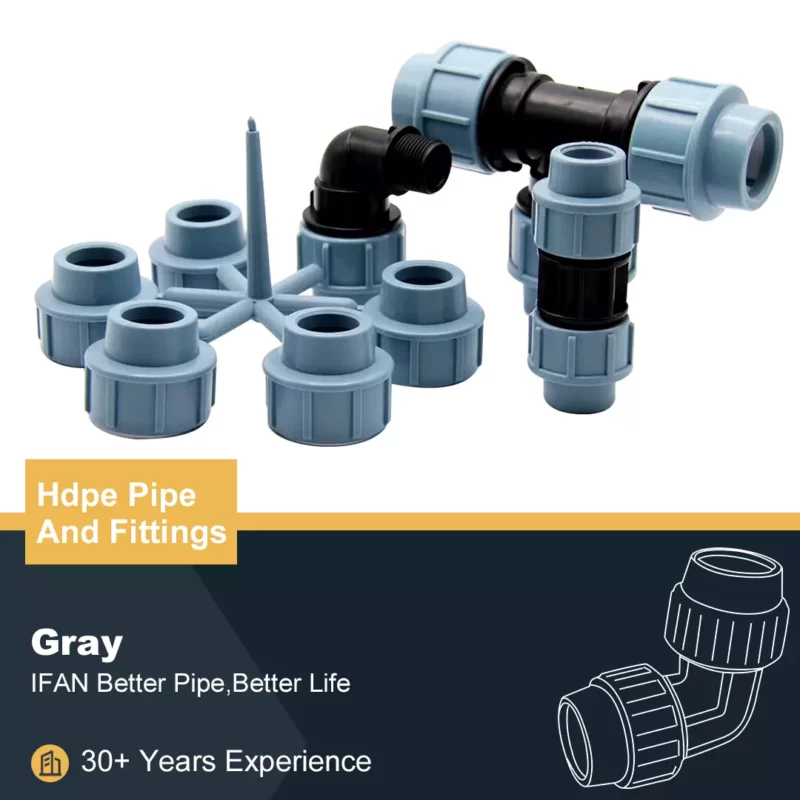
Technicians install insulated elbows and couplings with straight pipe sections. These fittings match the pipe’s insulation thickness. Installers tape seams to prevent thermal bridging. The entire route remains protected and efficient. No fitting section remains uninsulated.
Quick Detection of Damages
Inspectors find damage by checking surface temperature with infrared tools. Damaged sections feel cooler during operation. Workers cut and replace sections with new insulated pipes. Proper insulation reduces failure risk and repair frequency. Use clamps to reseal joints securely.
If you have read this article and have any questions, please feel free to contact IFAN. Below is our contact information:
Whatsapp:+86 13373827623
Email:[email protected]