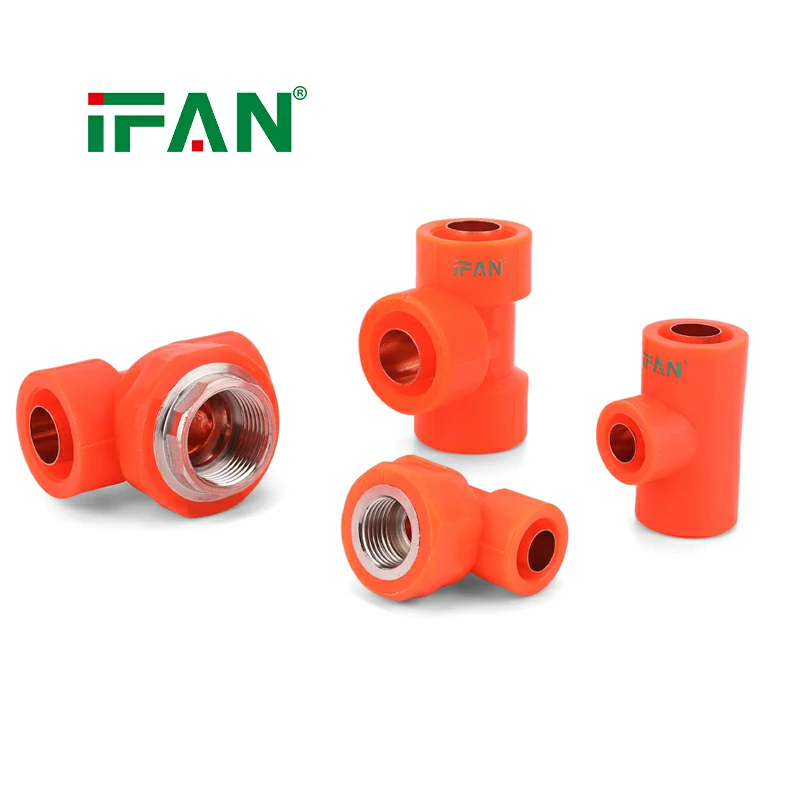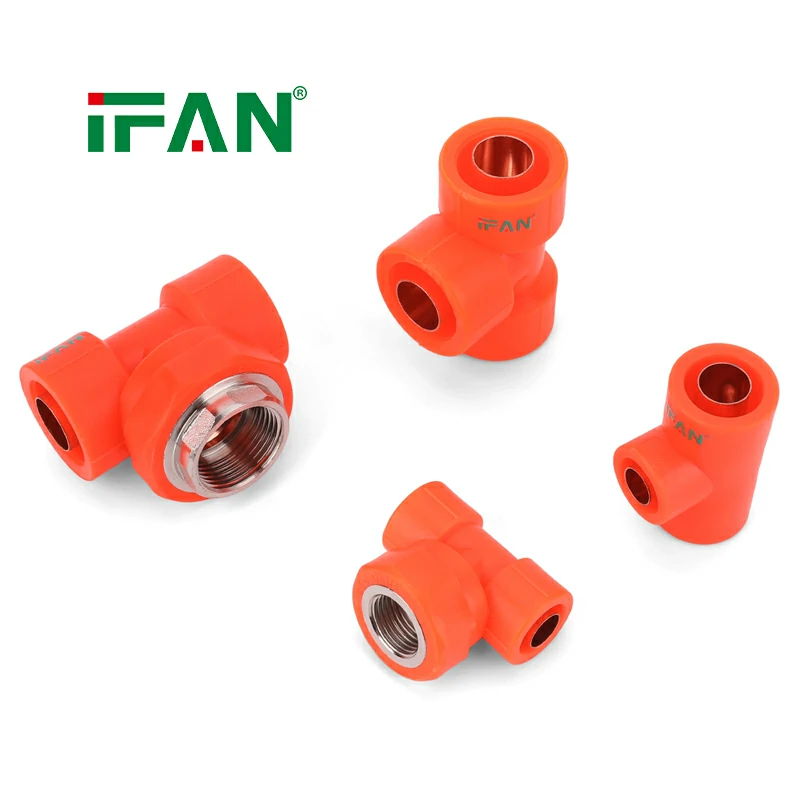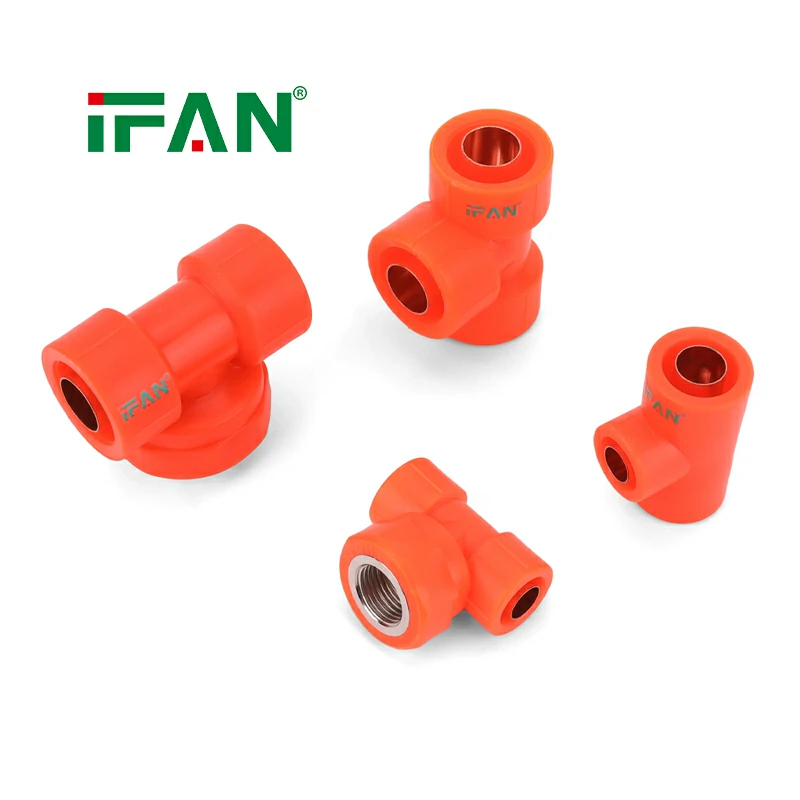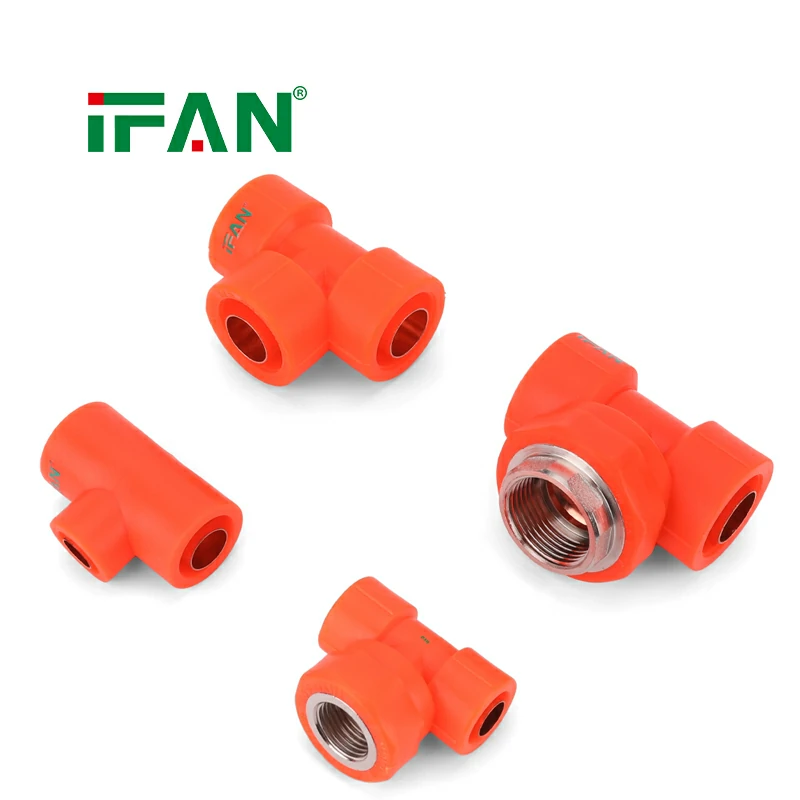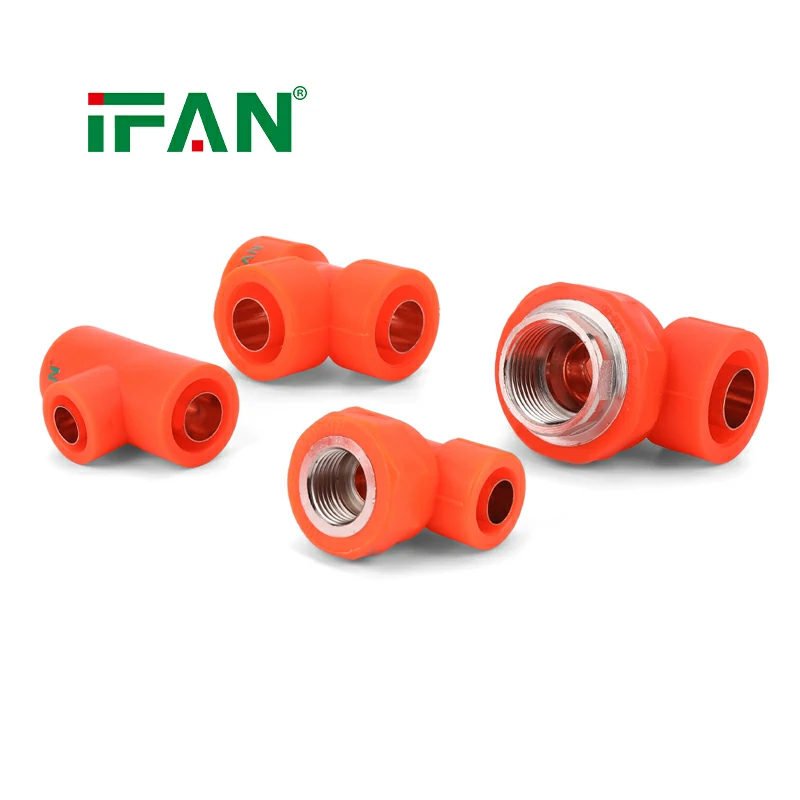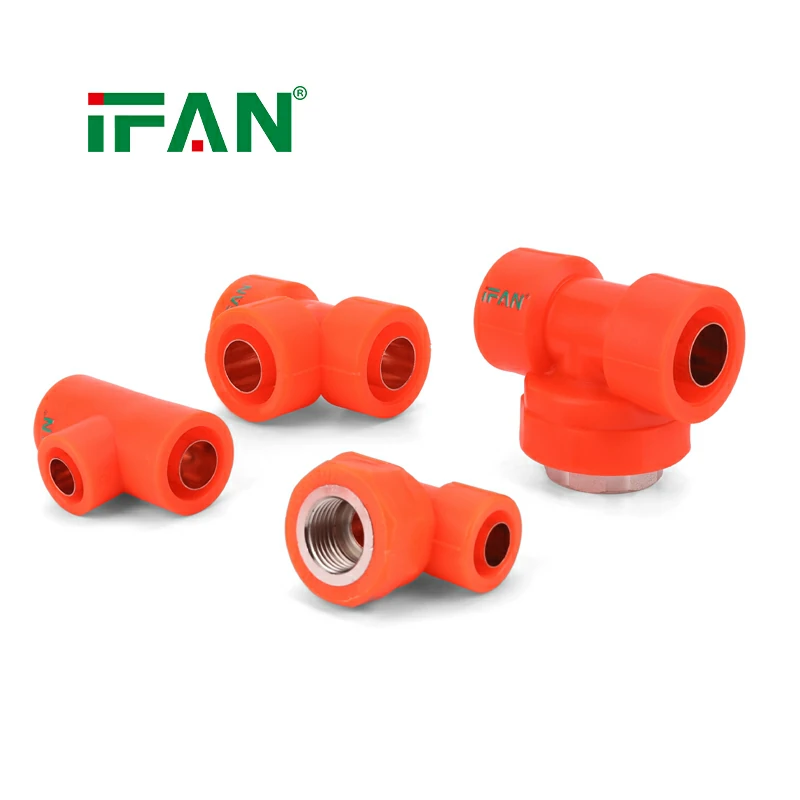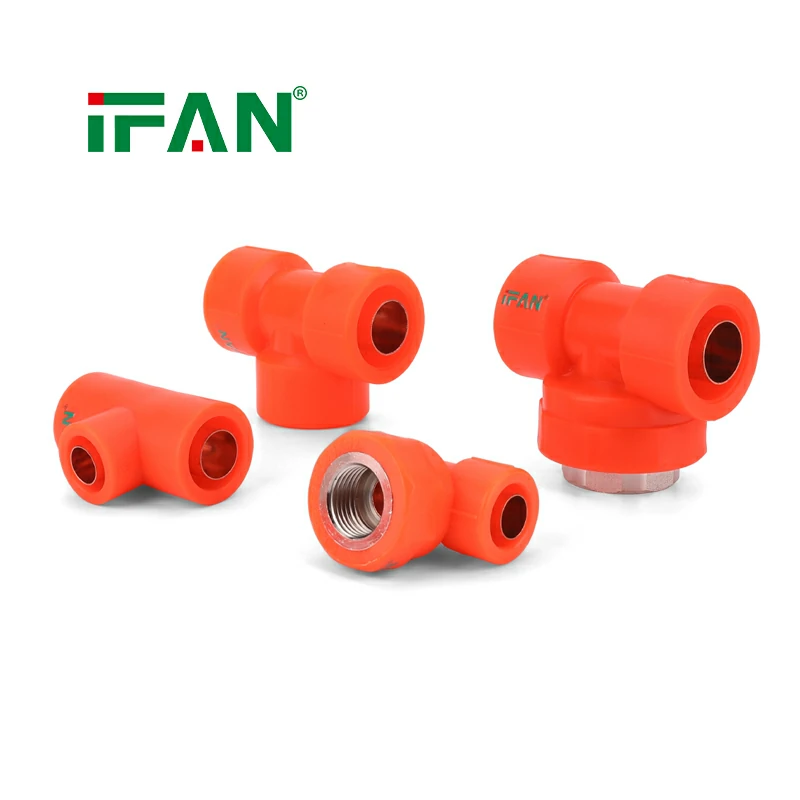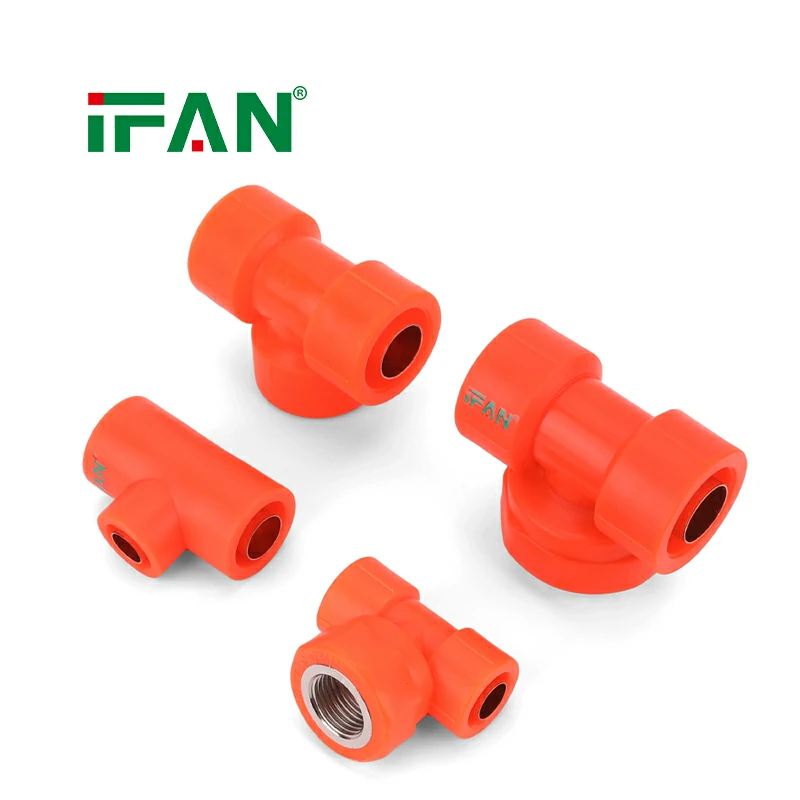
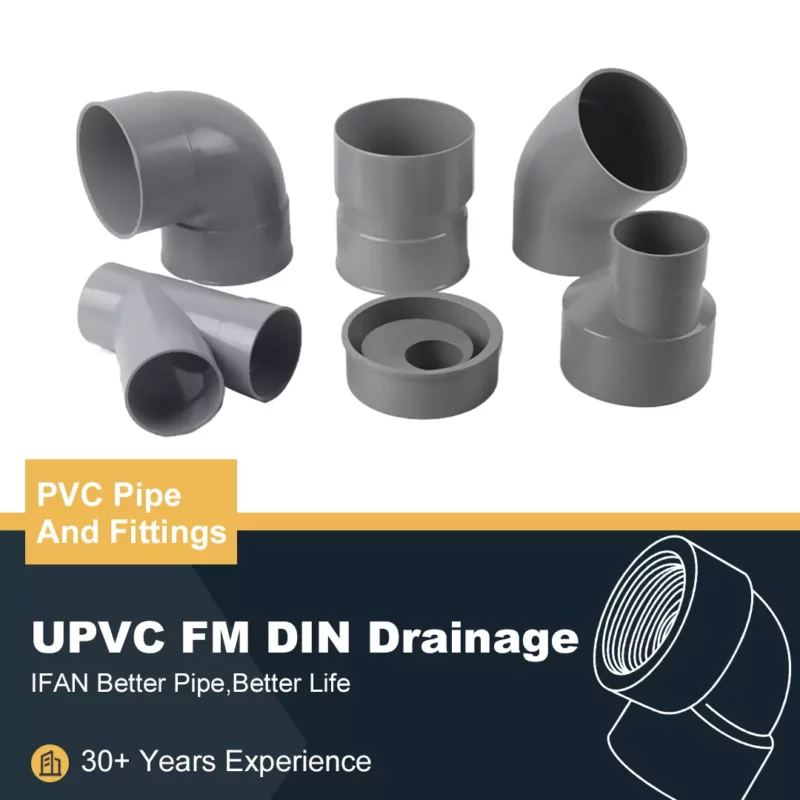
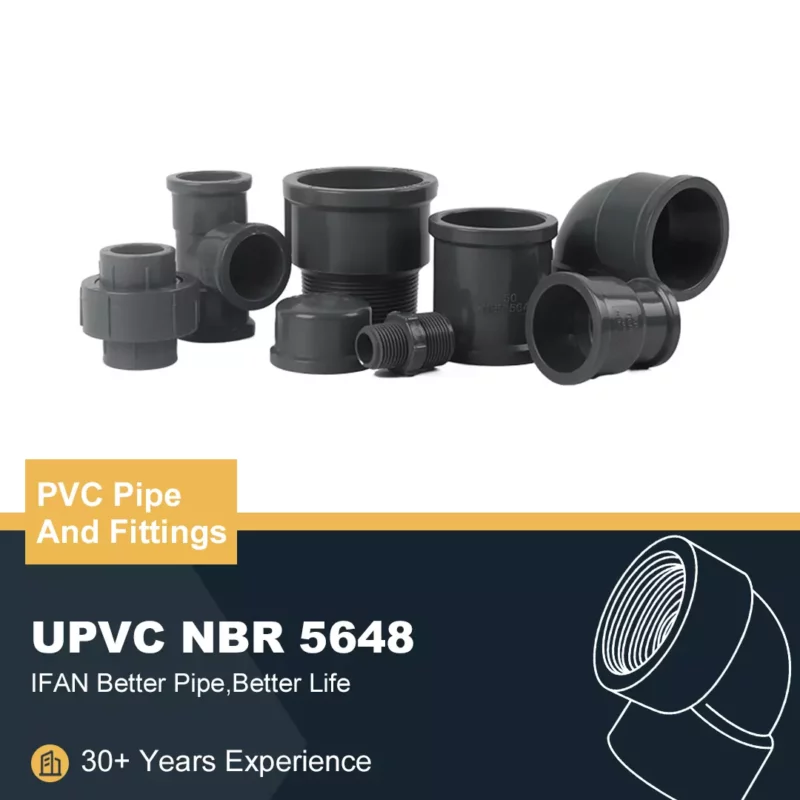
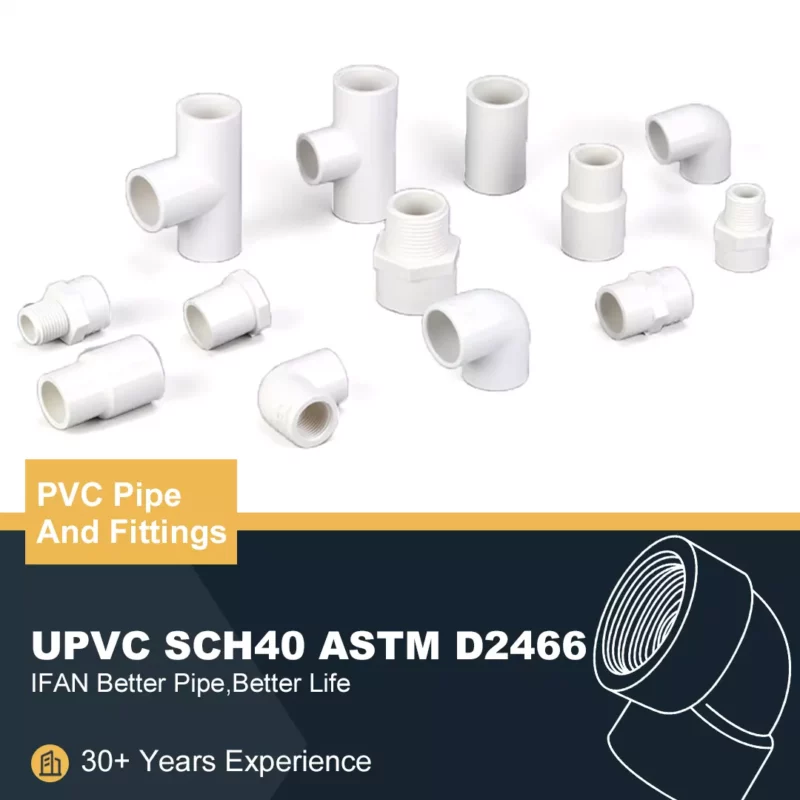
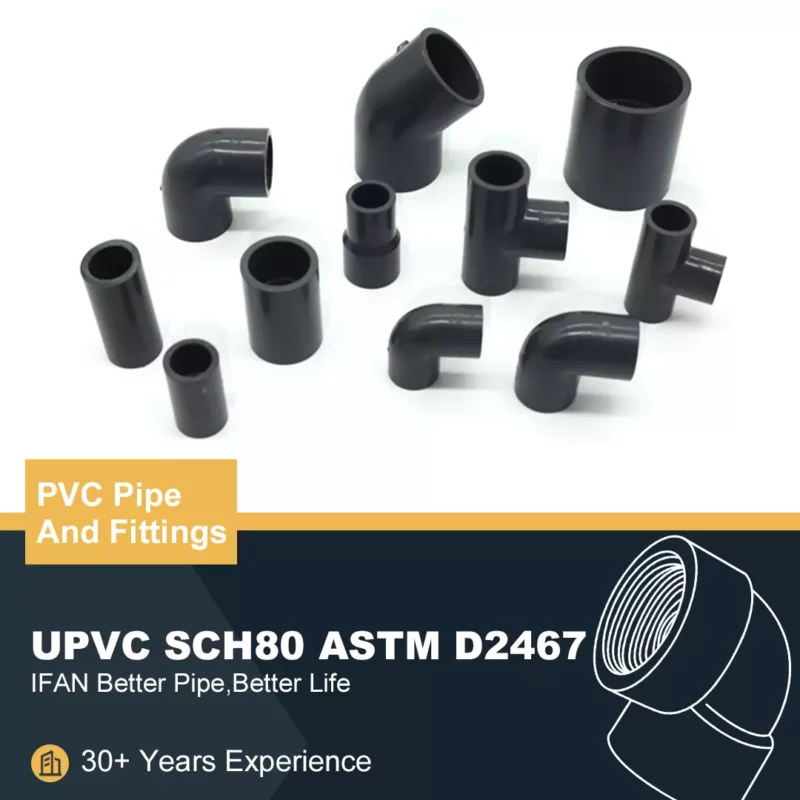


Overview of PPR Pipe Fittings in Buildings
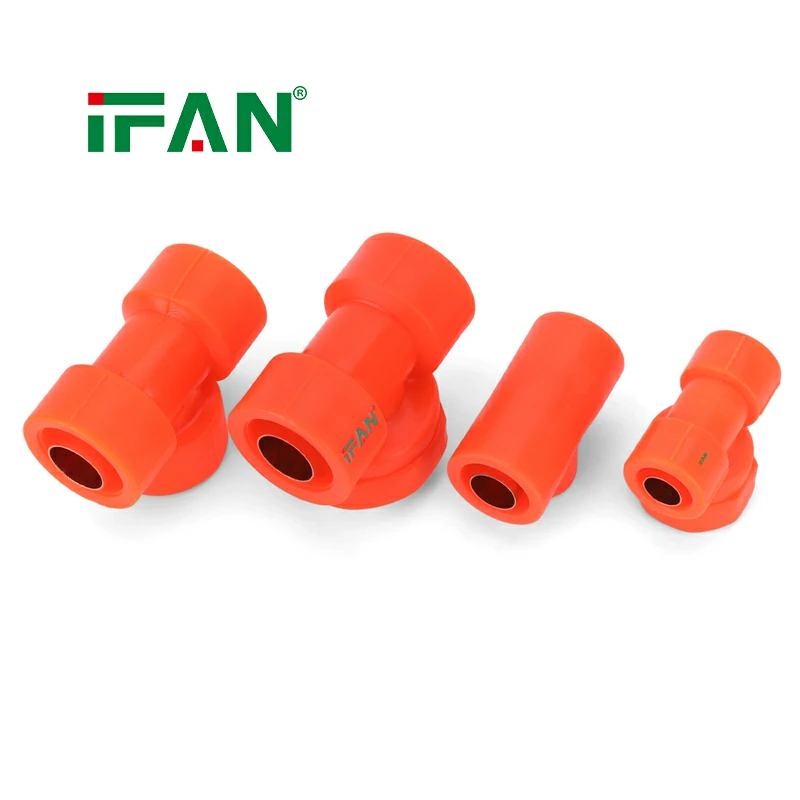
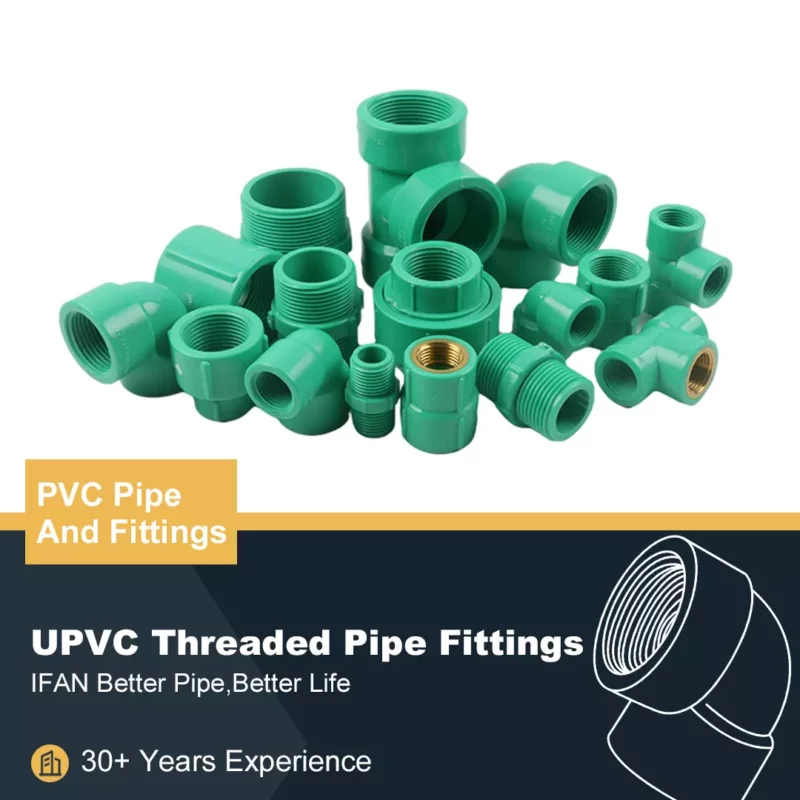
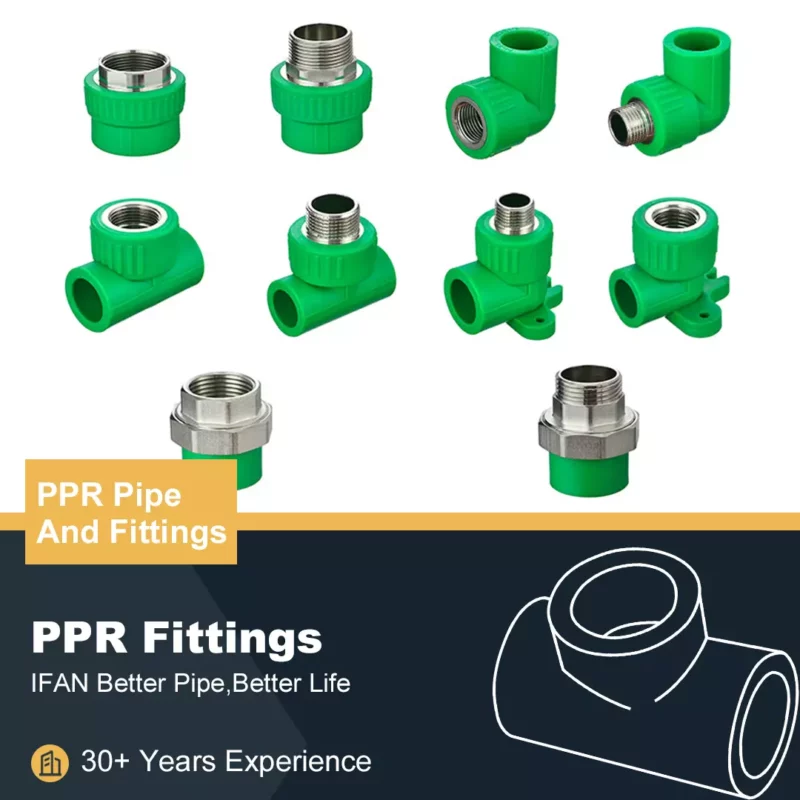
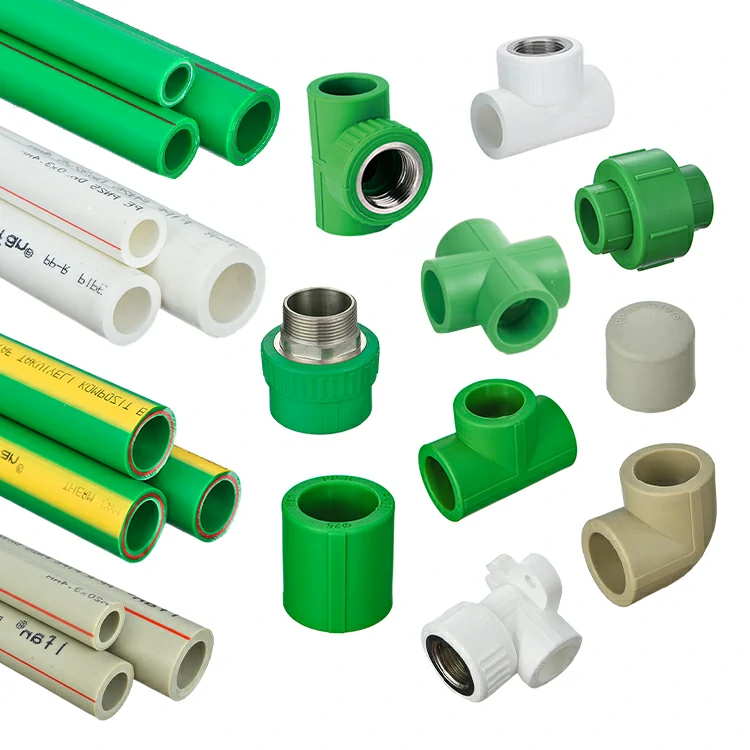
Installers use PPR pipe fittings to join pipes in residential and commercial plumbing systems. These fittings support consistent water flow indoors. Elbows, reducers, couplings, and end caps help form complex piping layouts. Installers rely on them for long-term service reliability.
Tools and Setup Preparation
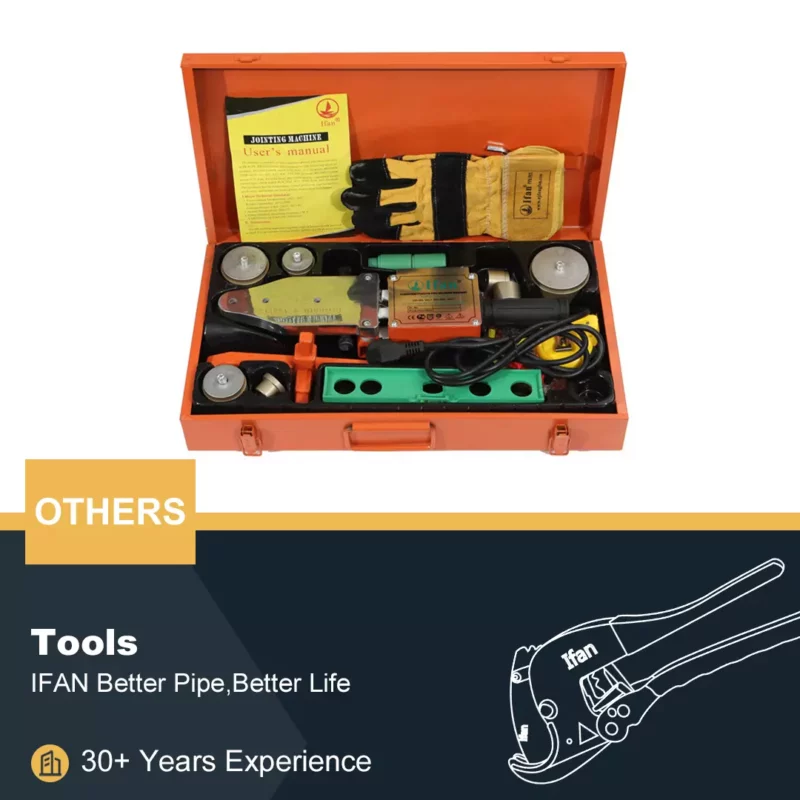
Gather a pipe cutter, marker, ruler, cleaning cloth, and fusion welding machine. Plug in the machine and preheat to 260°C. Measure the pipe length accurately. Mark the cutting point and cut using the pipe cutter. Clean the pipe ends with a cloth to remove dust or grease.
Welding Pipes to Fittings Properly
Insert both pipe and fitting into the preheated welding machine heads. Wait 5–7 seconds for proper melting. Quickly remove both and join them by pushing straight. Hold the connection for 10–15 seconds to ensure bonding. Repeat this process for each required connection.
Assembling Complex Water Networks
Use elbows to create turns and bends. Installers use tees for three-way connections. Use unions for maintenance-friendly connections. Align all parts carefully during joining. Inspect joints immediately after cooling for cracks or misalignment.
Repairing Damaged Sections Safely
Cut out the faulty section using a sharp pipe cutter. Prepare a new pipe of equal length. Clean the replacement pipe ends thoroughly. Fuse the new section using standard welding procedures. Let it cool before pressure testing the repair.
Avoiding Common Installation Errors
Do not overheat pipes or fittings. Avoid touching hot welding components directly. Keep the welding machine stable during use. Do not twist parts during joining. Always maintain straight alignment to ensure a tight seal.
Post-Installation Testing Process
Let all joints cool completely before turning on the water. Check every joint for drips or leaks under pressure. Test the water flow through all pipe routes. Fix any leakage immediately using the cutting and welding method.
Storage and Handling Reminders
Store unused PPR fittings indoors away from sunlight. Do not place heavy tools on them. Avoid exposure to open flames or sharp edges. Place fittings in labeled boxes to avoid confusion. Keep fittings dry to preserve material integrity.
Installation Summary for PPR Systems
Accurate measurements, clean cuts, proper welding, and careful testing ensure a functional PPR piping system. Workers must follow every step precisely for lasting results.
If you have read this article and have any questions, please feel free to contact IFAN. Below is our contact information:
Whatsapp:+86 13373827623
Email:[email protected]