

Understanding PPR Pipe Fittings
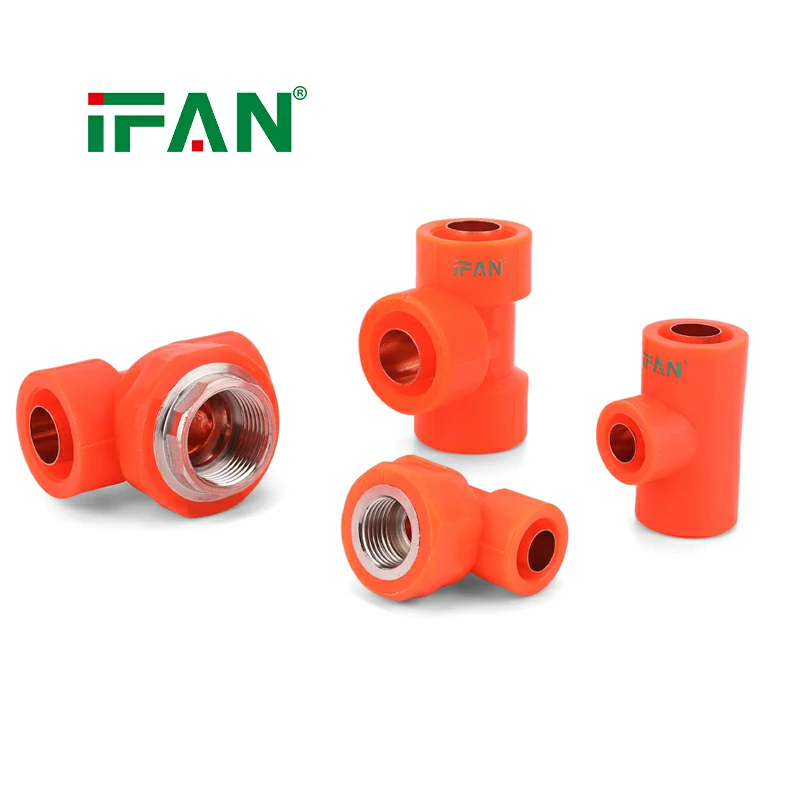
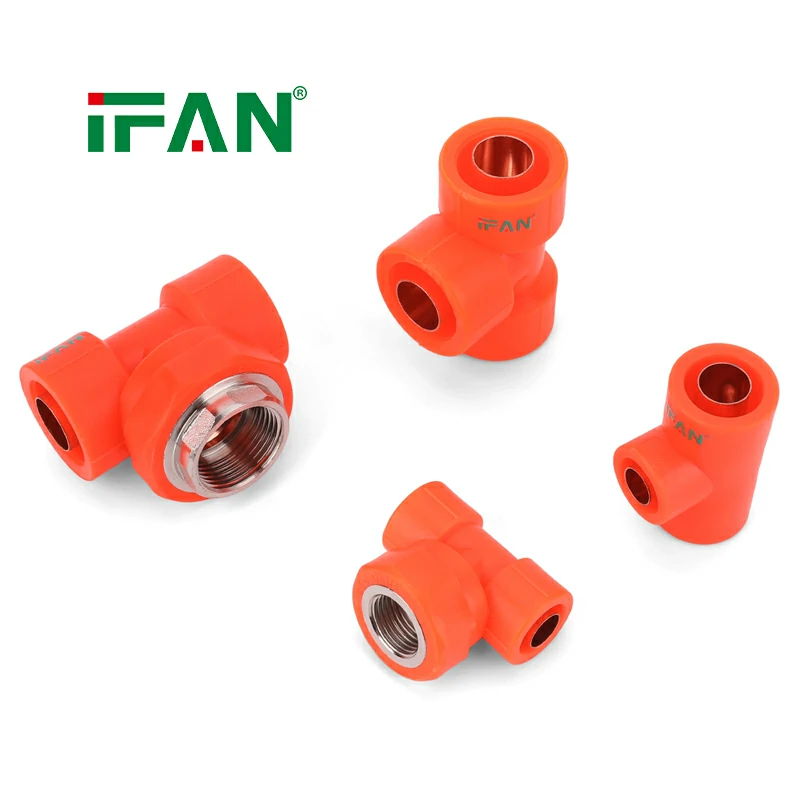
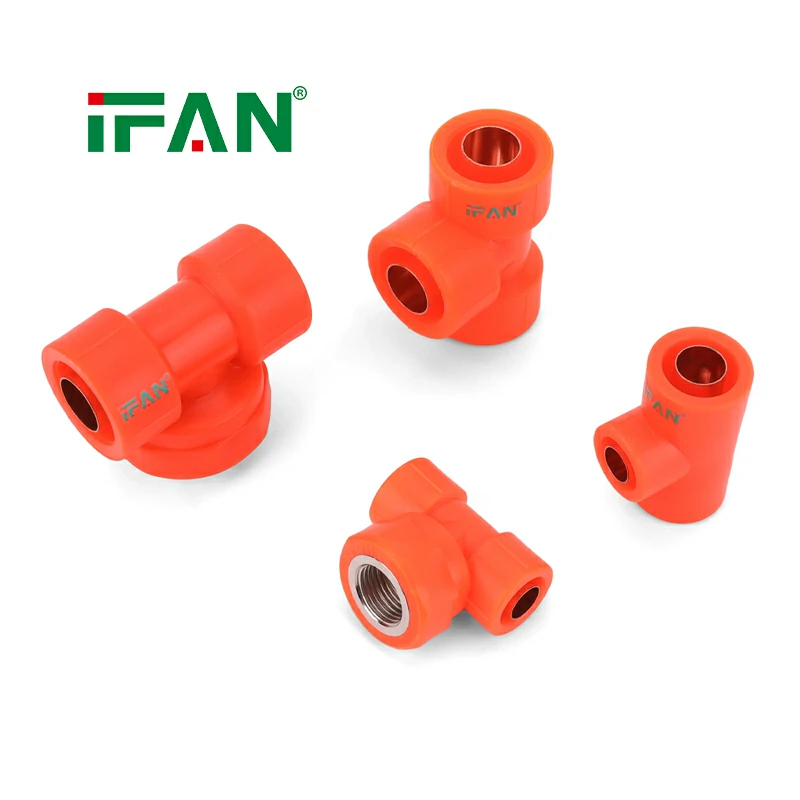
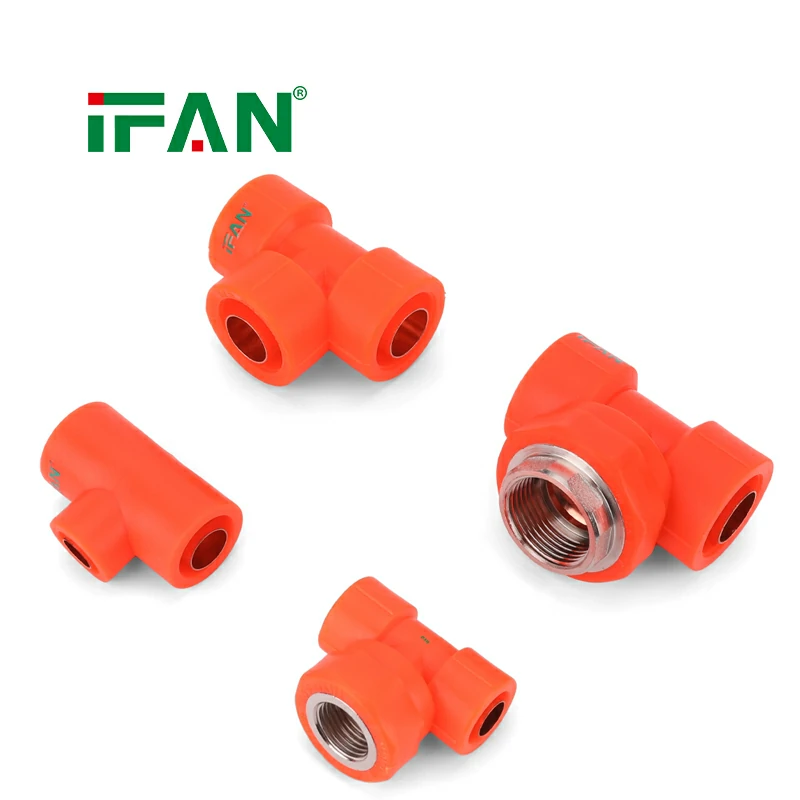
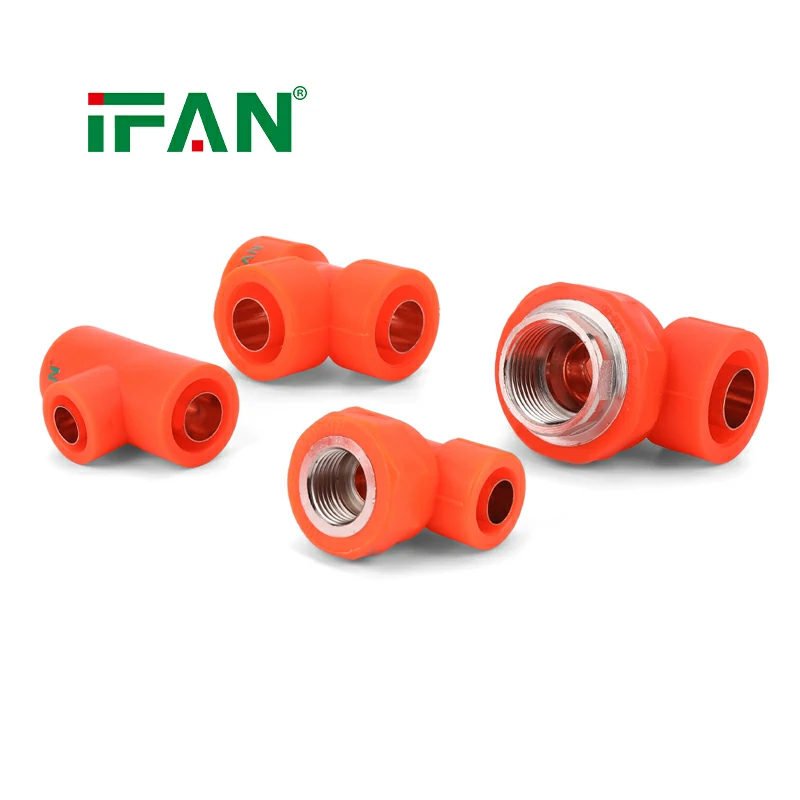
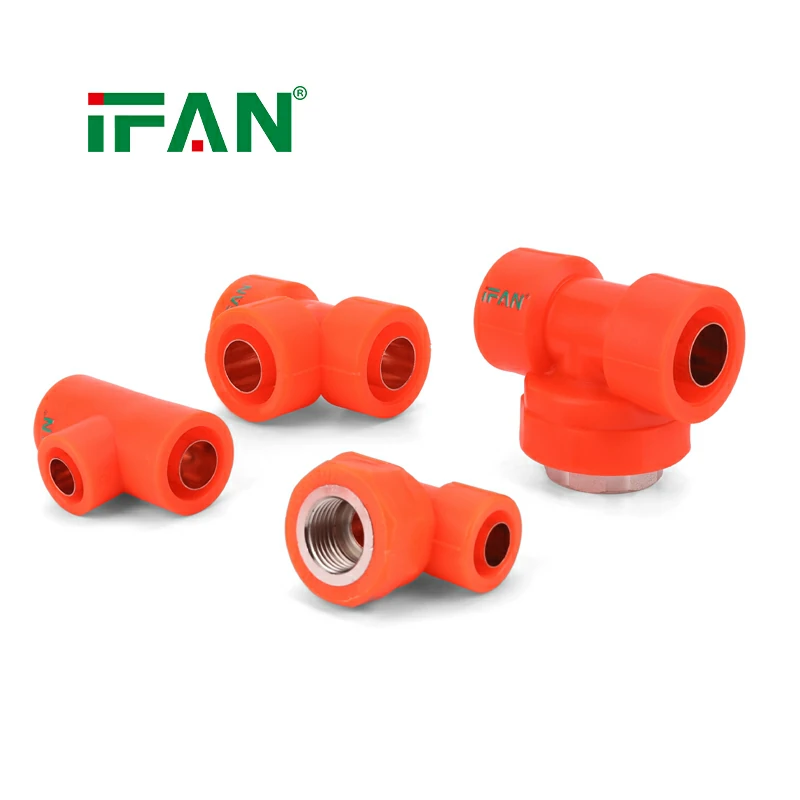
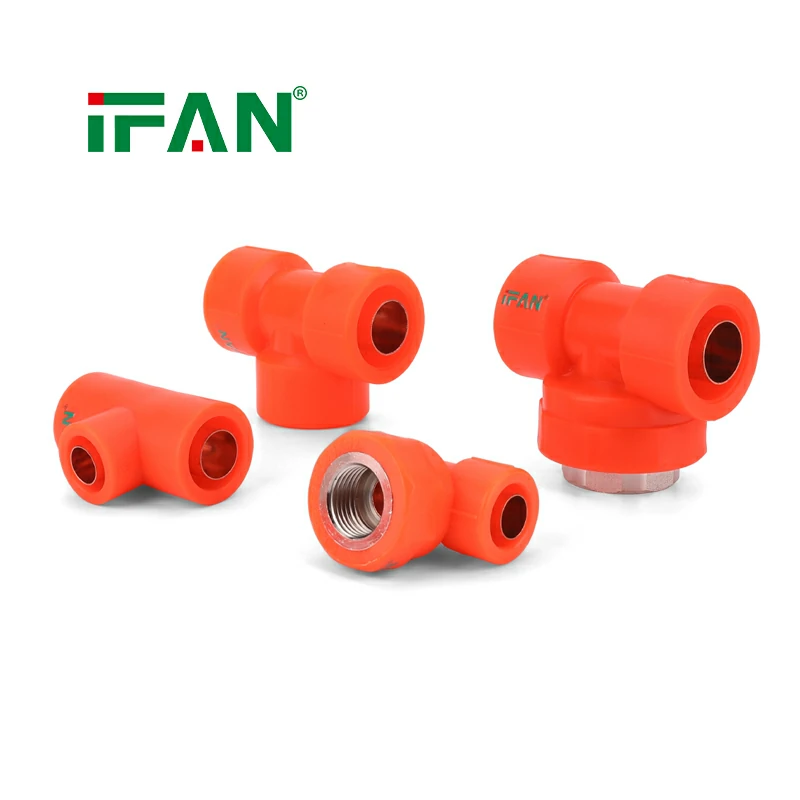
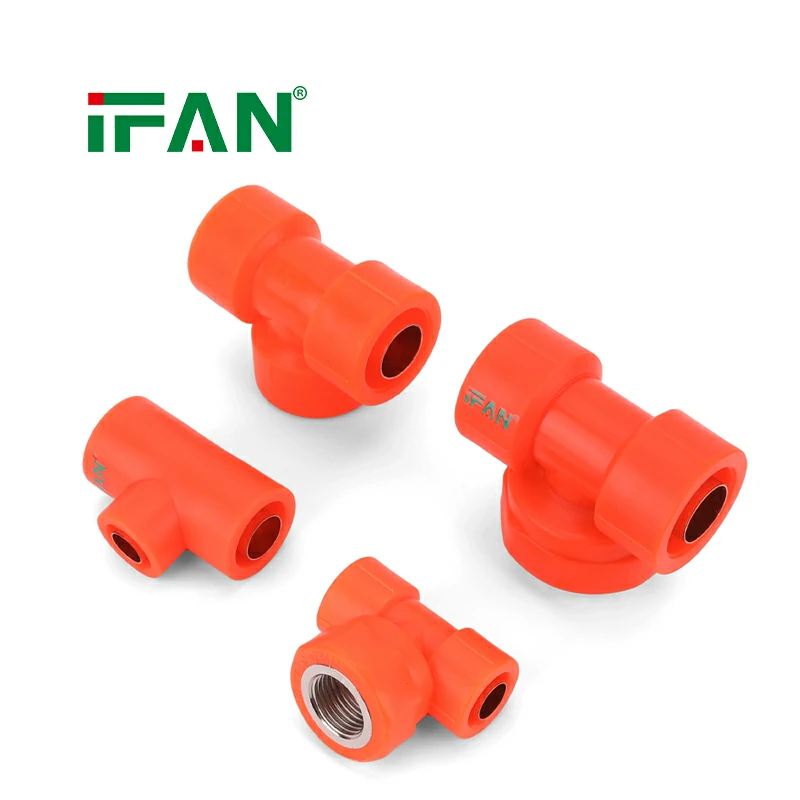
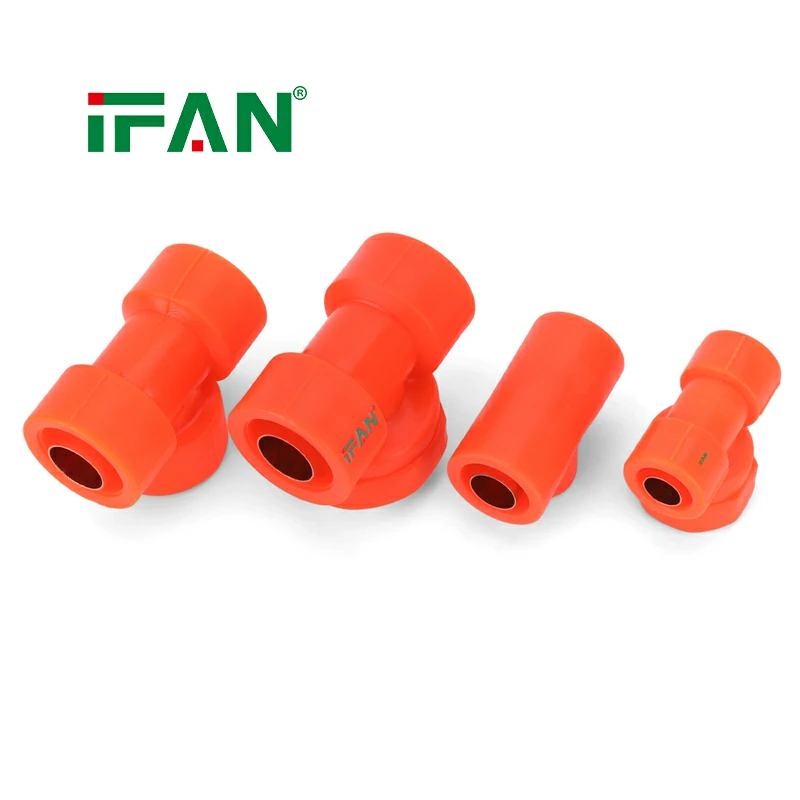
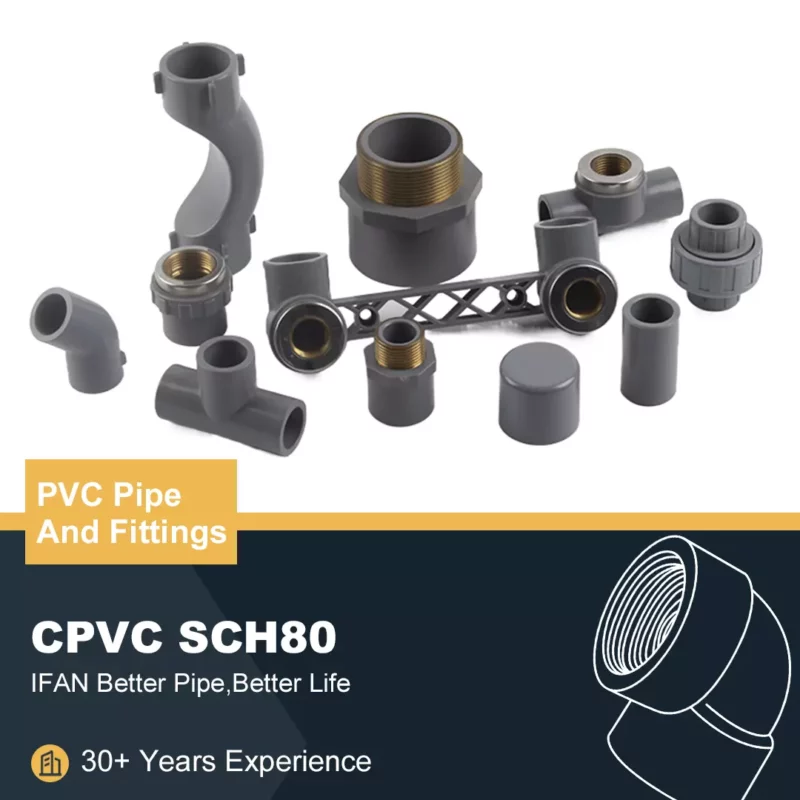
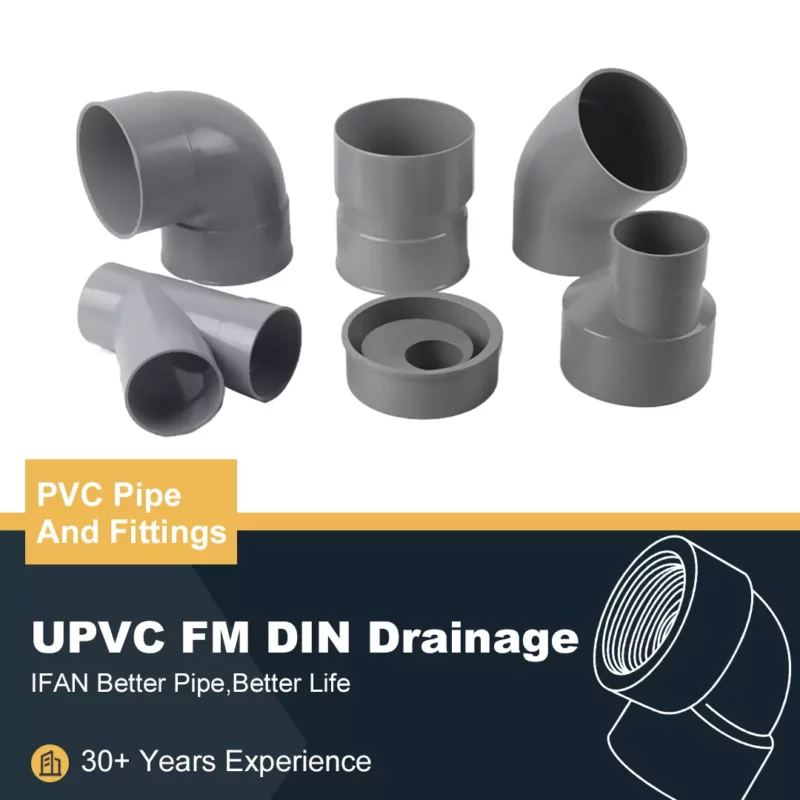
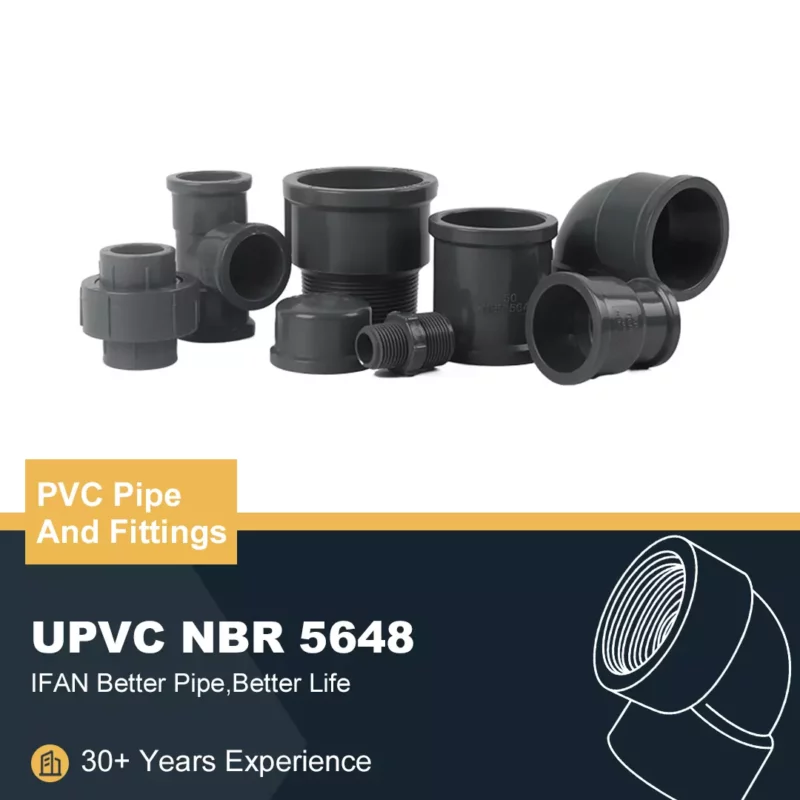
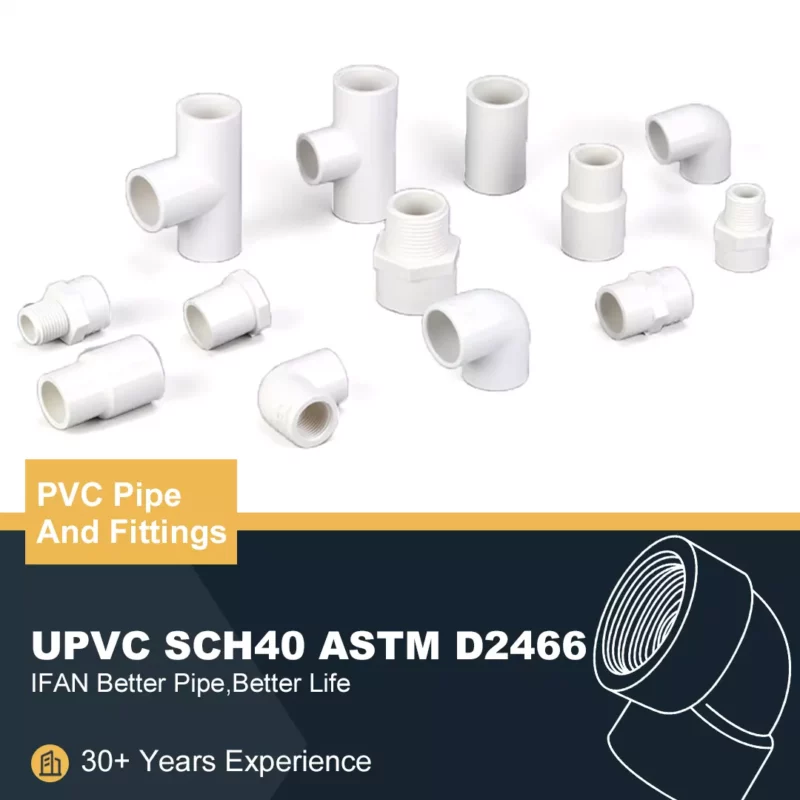
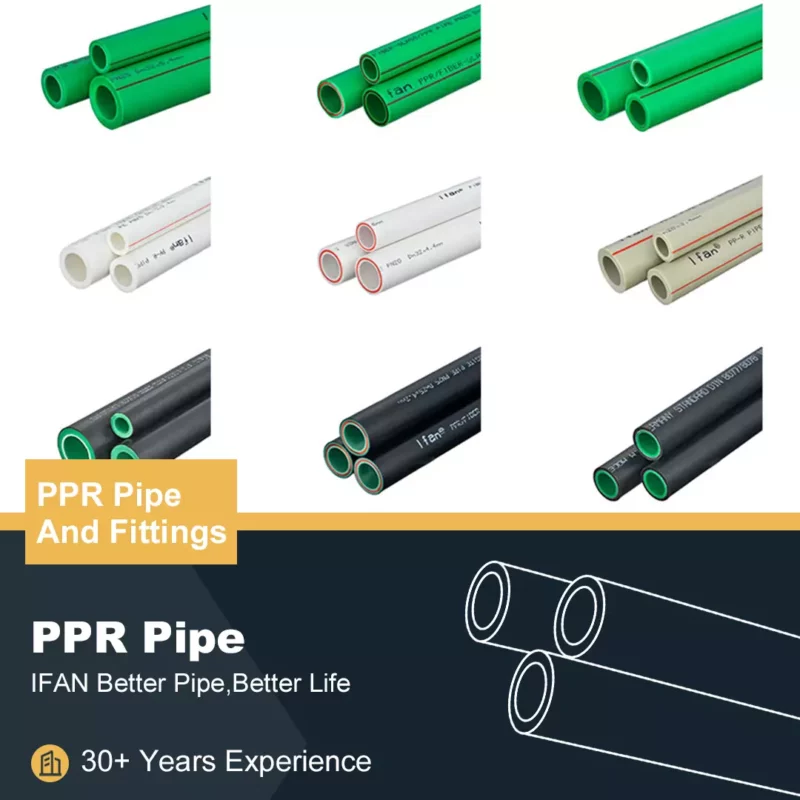
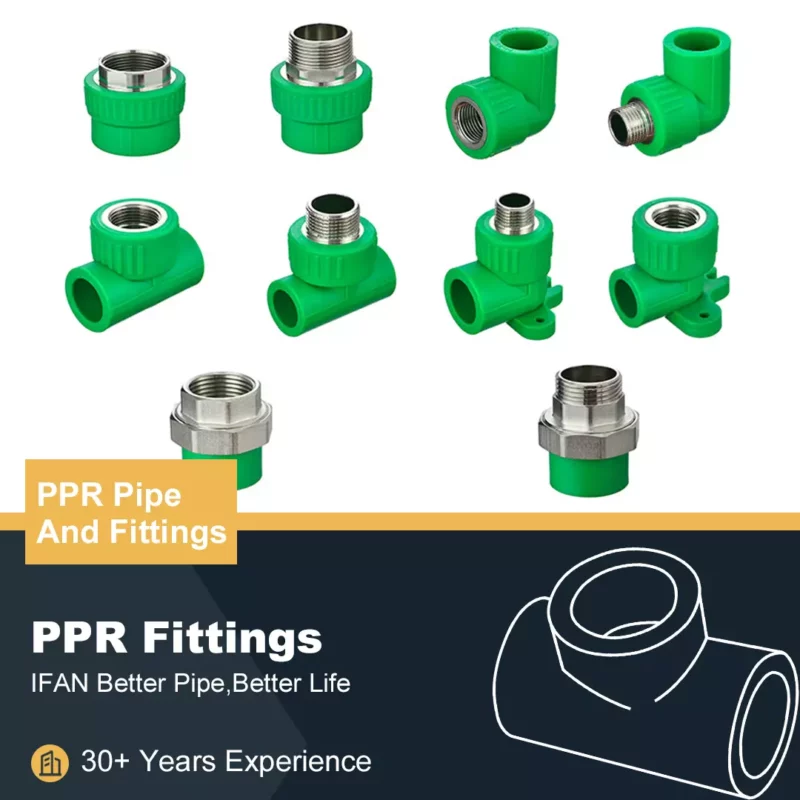
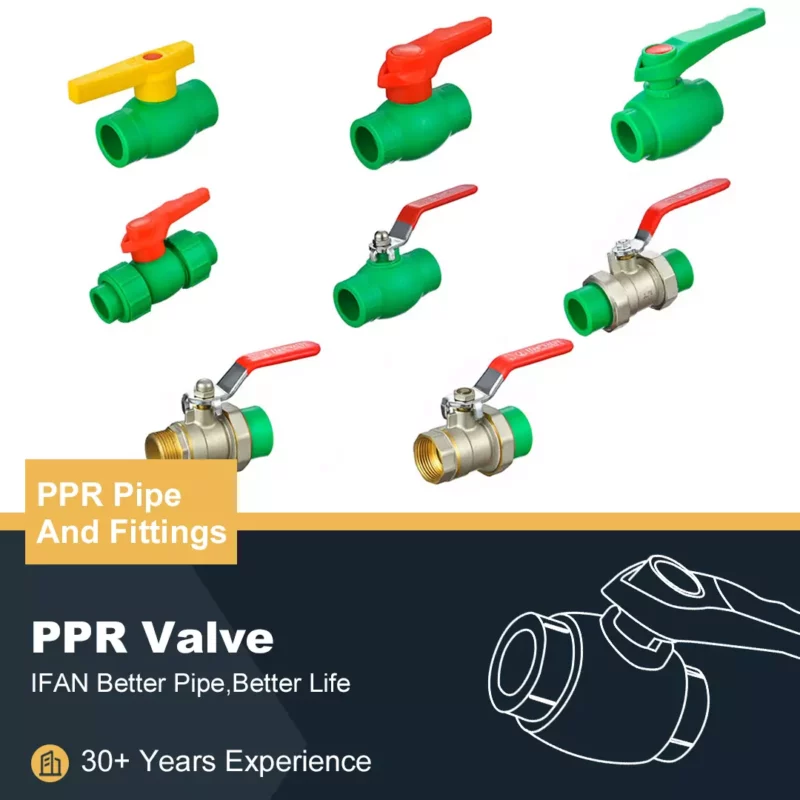
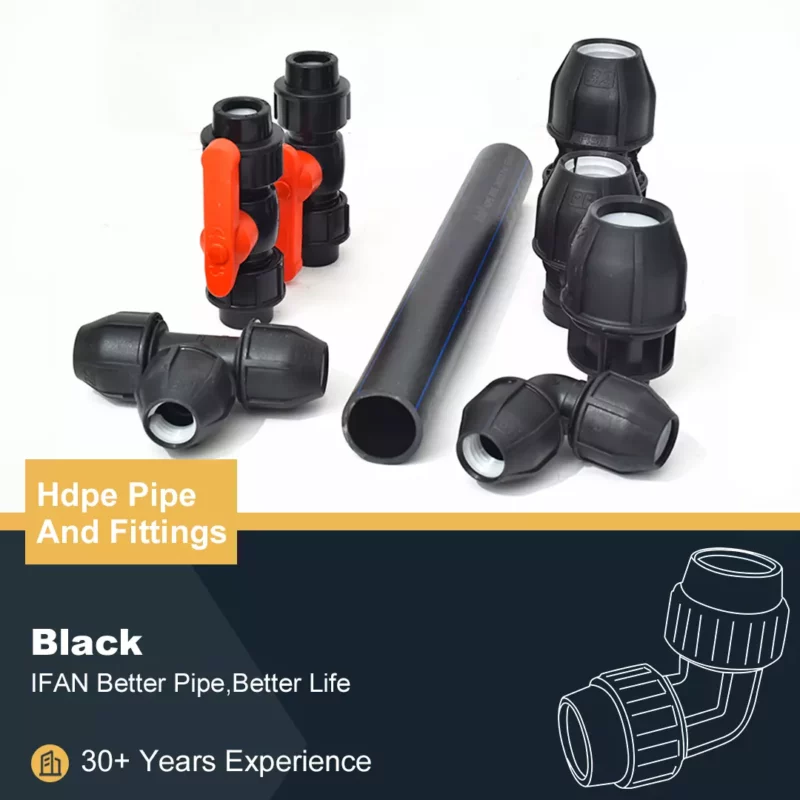
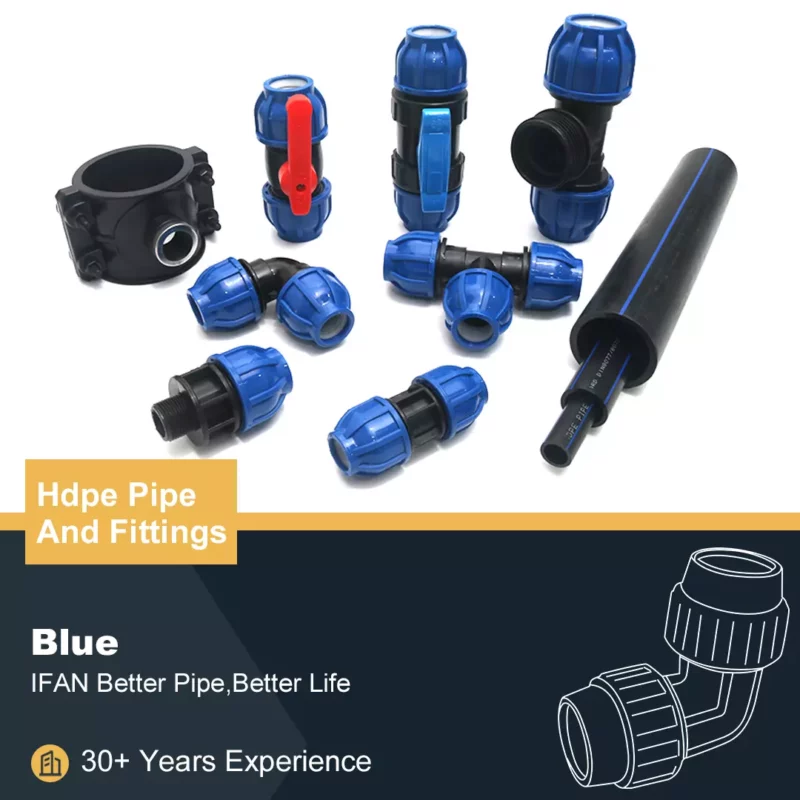
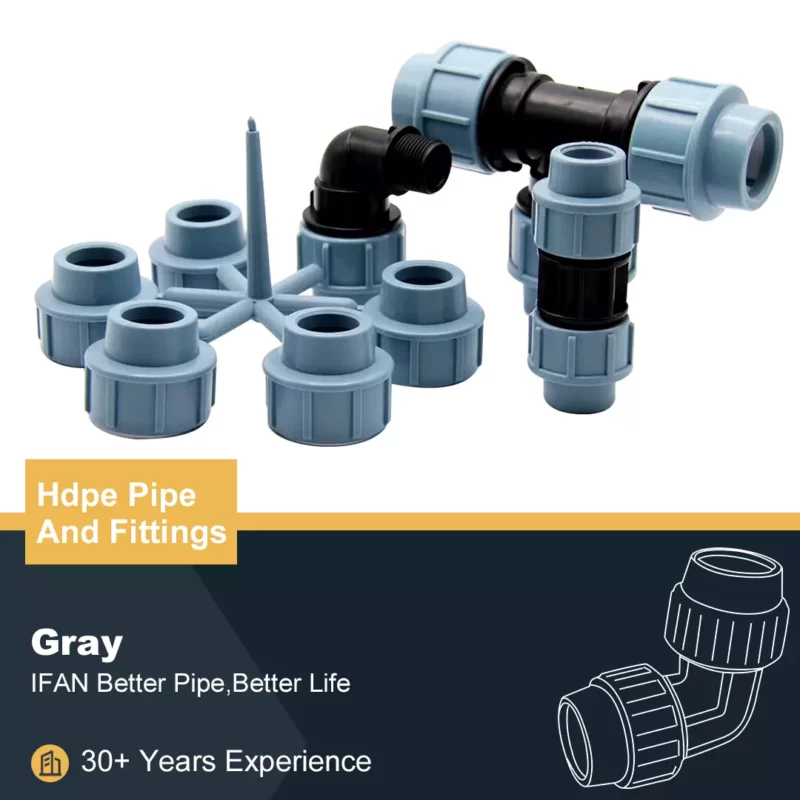
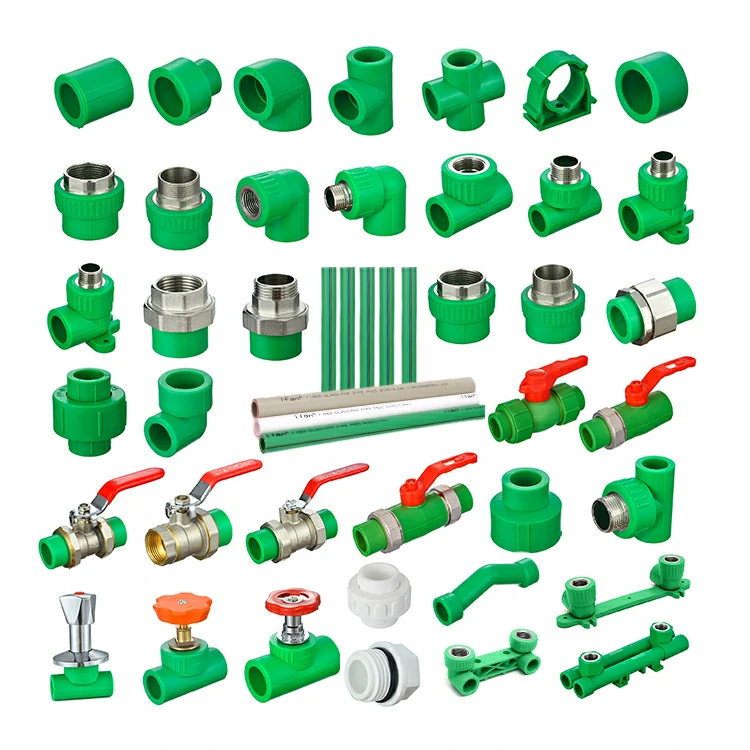
PPR pipe fittings connect PPR pipes in plumbing and water systems. Manufacturers use polypropylene random copolymer to produce them. Installers use them for both hot and cold water transportation. These fittings include elbows, couplings, tees, unions, and reducers. Each type serves a specific connection purpose during installation.
Preparing for the Installation
Installers start by measuring the required pipe length accurately. Next, they mark the cutting point with a pen. They use pipe cutters or plastic saws to cut the pipe straight. Then, they clean the pipe ends using a cloth to remove debris. Clean pipe ends ensure better heat fusion.
Using the Fusion Welding Machine
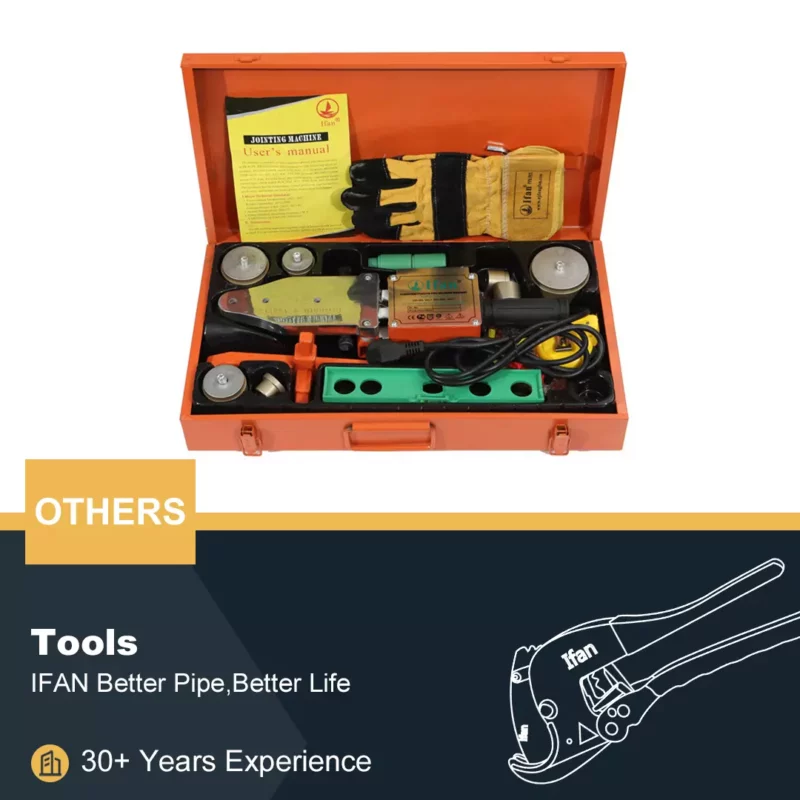
Installers heat the fusion welding machine to around 260°C. They slide the pipe and fitting into the welding heads. Workers wait for a few seconds until both parts soften. After removing them from the heater, they quickly push both parts together. Installers hold them in place for a few seconds to set.
Connecting Multiple PPR Fittings
Installers repeat the heating and joining process for each connection. They ensure each pipe sits straight during fusion. Misaligned pipes may cause leakage or water flow issues. Workers check every joint for proper alignment and a strong seal. They allow the joints to cool naturally before testing the system.
Inspecting the Installed Piping
After cooling, workers visually inspect every connection point. They look for gaps, misalignment, or weak joints. Then, they run water through the system to test flow and leaks. Any leakage suggests improper fusion or damage during joining. Workers must fix problems before finalizing the project.
Repairing Leaks or Faulty Joints
Workers cut out the damaged section using a pipe cutter. They measure and cut a replacement pipe of the same length. Then, they follow the welding steps to connect the new piece. Proper alignment remains crucial during repairs. They test the new joint to ensure it holds pressure.
Important Precautions During Installation
Workers avoid touching the hot welding heads. They also wear gloves to prevent burns or injuries. Installers keep the machine on a stable, flat surface. Overheating the pipe or fitting may deform the plastic. Installers avoid moving joints during cooling to maintain strong bonds.
Storage and Handling Guidelines
Store PPR fittings in a clean, dry environment. Avoid exposing them to direct sunlight or extreme heat. Keep the fittings away from sharp tools or chemicals. Handle them gently to prevent cracks or deformation. Proper storage ensures long-lasting and reliable connections.
Summary of the Process
Installers measure, cut, clean, and heat PPR pipes before joining. They inspect and test the system after installation. Proper technique and safety precautions ensure strong, leak-free connections. Routine inspection and careful repairs maintain system performance.
If you have read this article and have any questions, please feel free to contact IFAN. Below is our contact information:
Whatsapp:+86 13373827623
Email:[email protected]