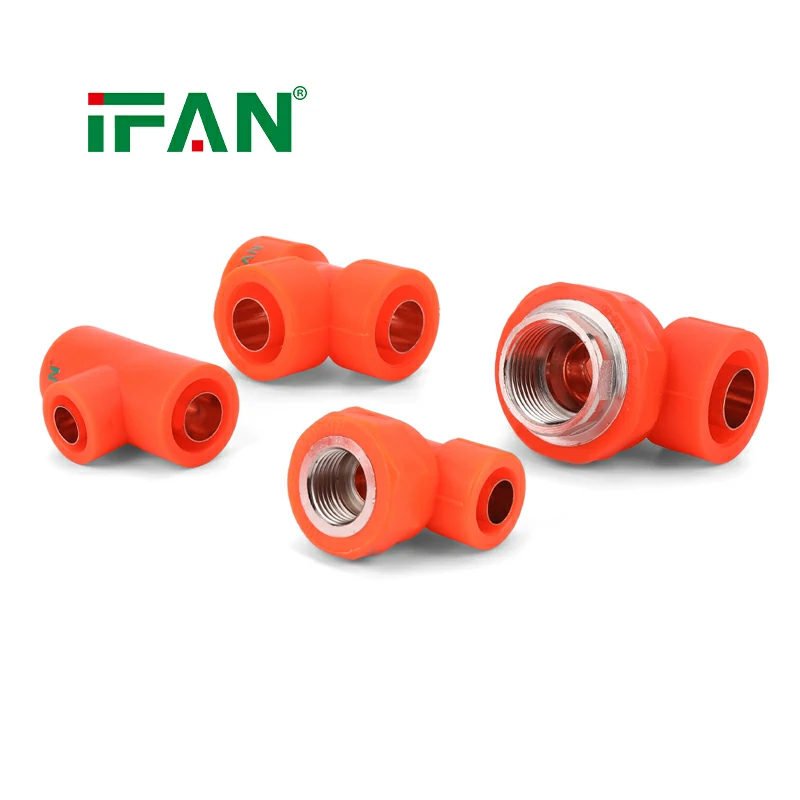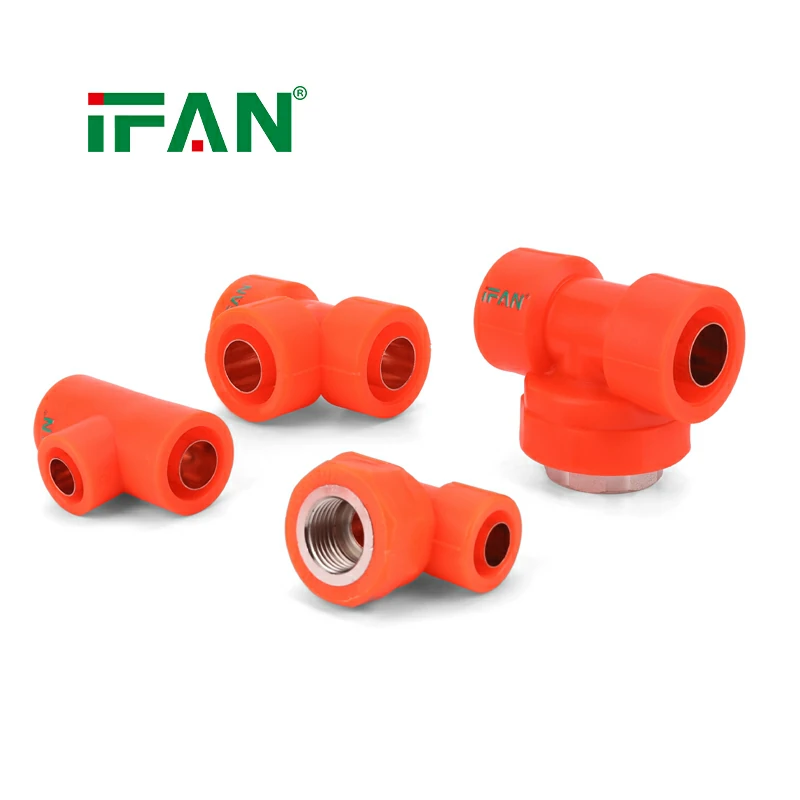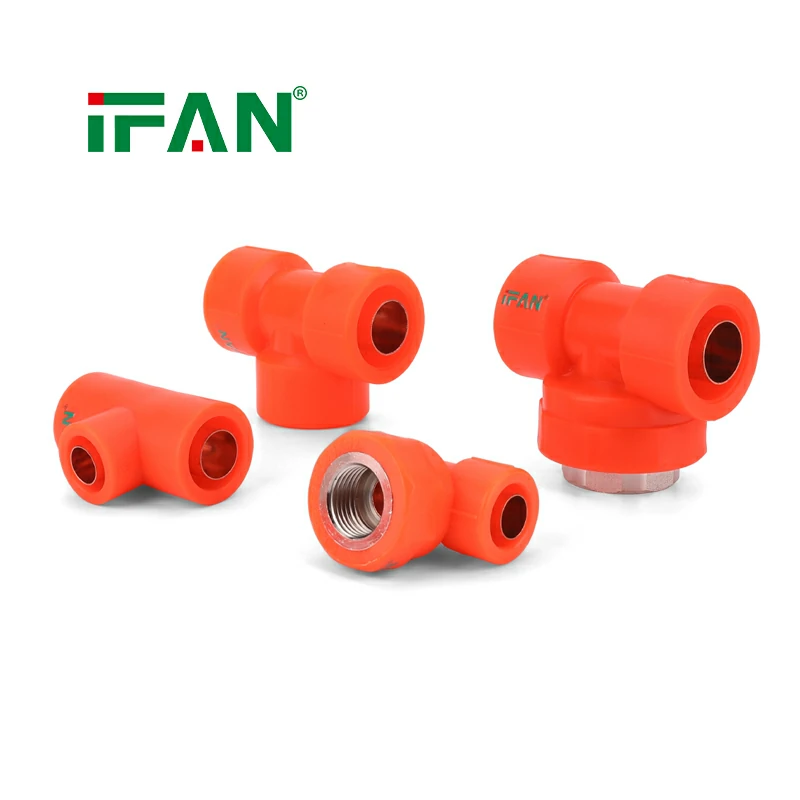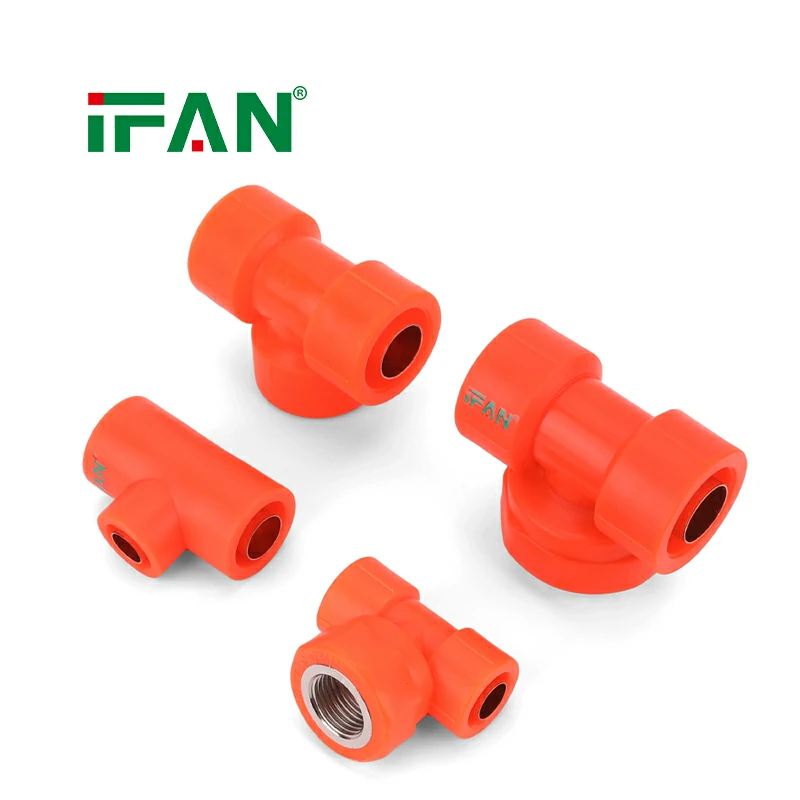



Temperature Ratings Guide Selection
Installers check temperature ratings before choosing CPVC Pipe fitting for hot water systems. CPVC tolerates high heat well.
Sizing Ensures Flow Stability
Proper sizing keeps flow stable and avoids pressure loss. Professionals match pipe size with fitting diameter carefully.
Connection Type Impacts Performance
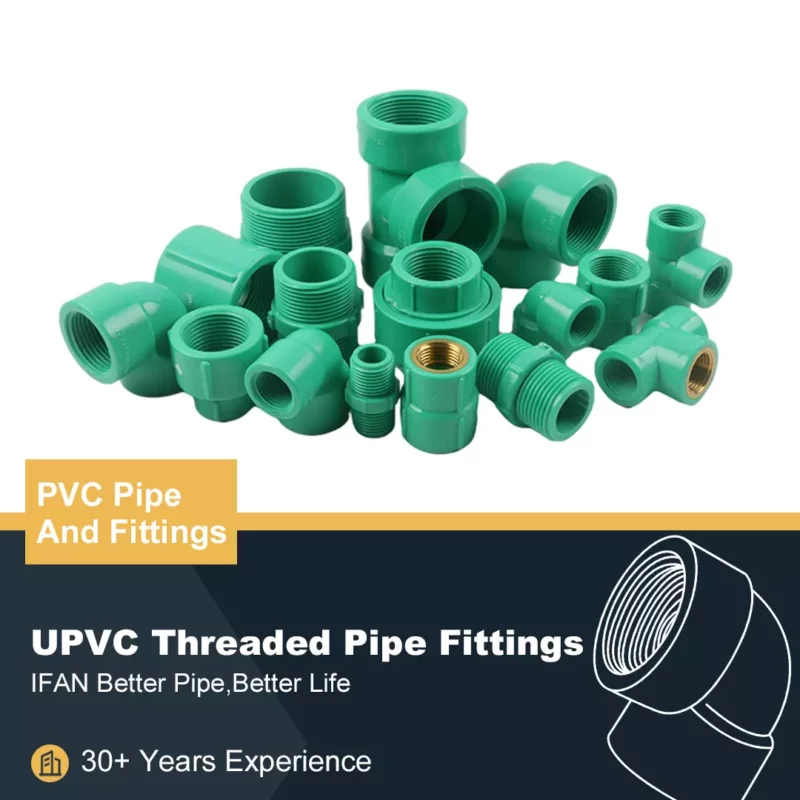
Socket-style fittings suit small diameters. Threaded types work better for areas requiring easy disassembly.
Expansion Requires Spacing
Thermal expansion causes movement in long pipe runs. Installers leave space between fittings to allow movement.
Insulation Prevents Heat Loss
Technicians wrap fittings in insulation for energy efficiency. This practice improves system temperature retention over time.
Fitting Color Helps Identification
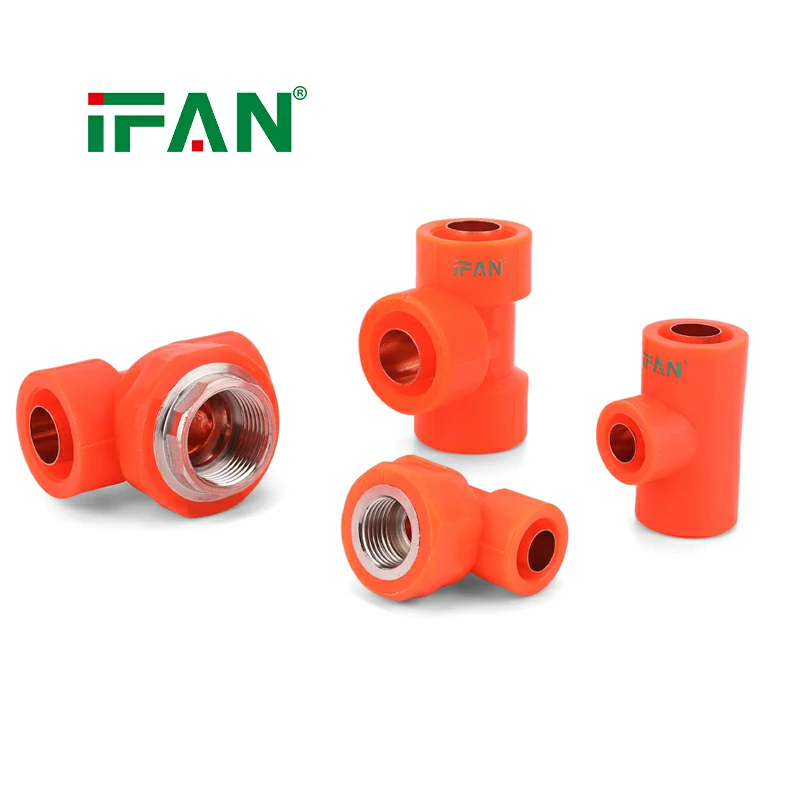
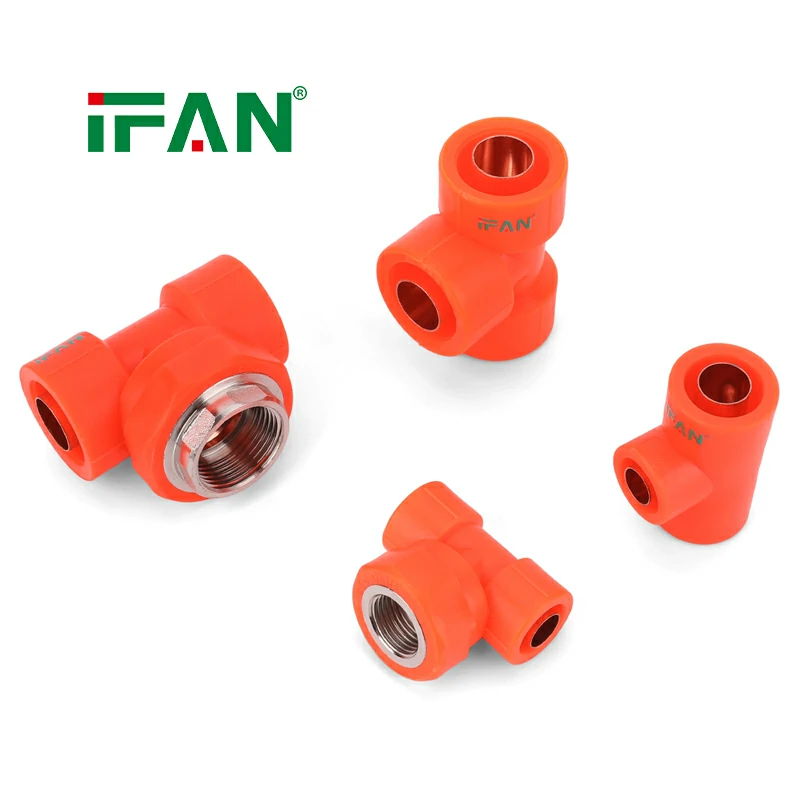
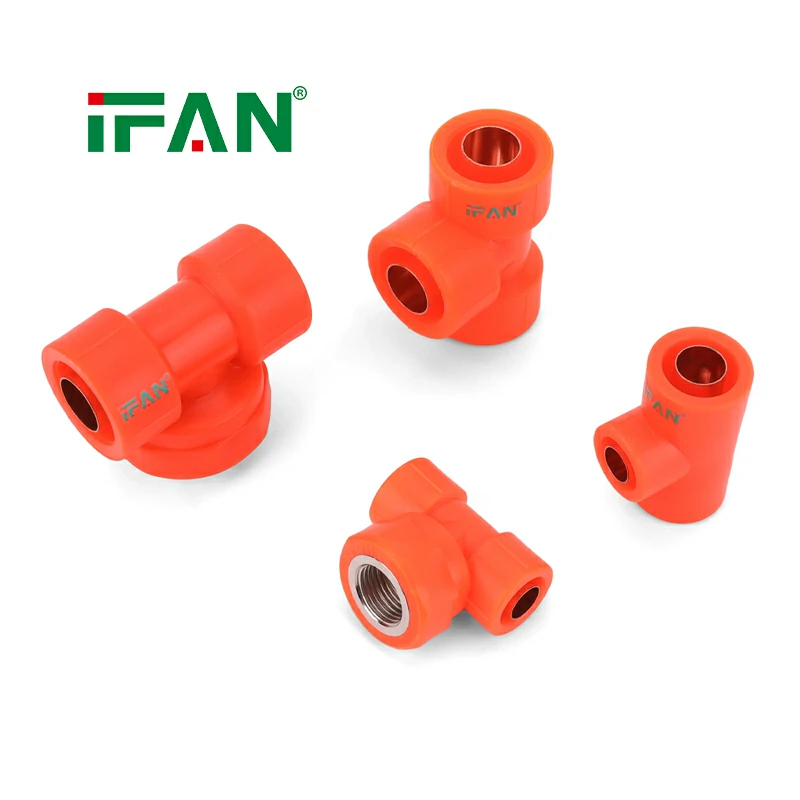
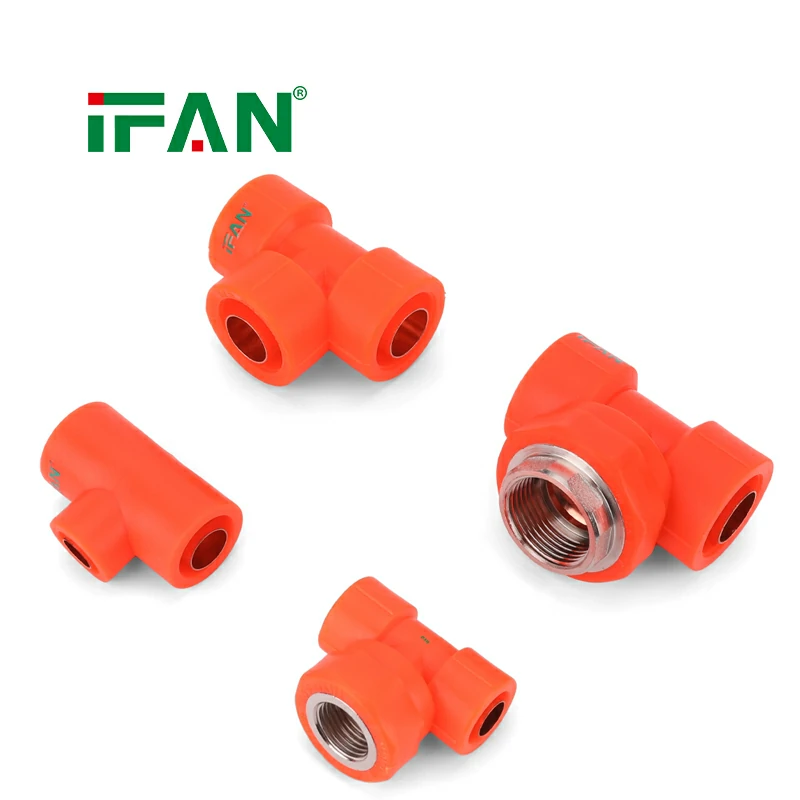
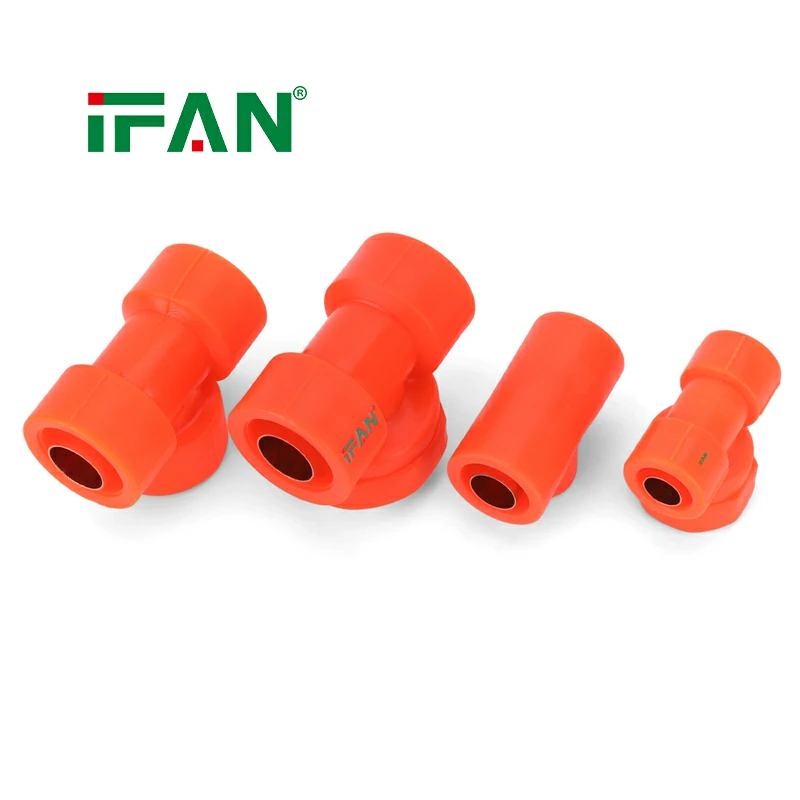
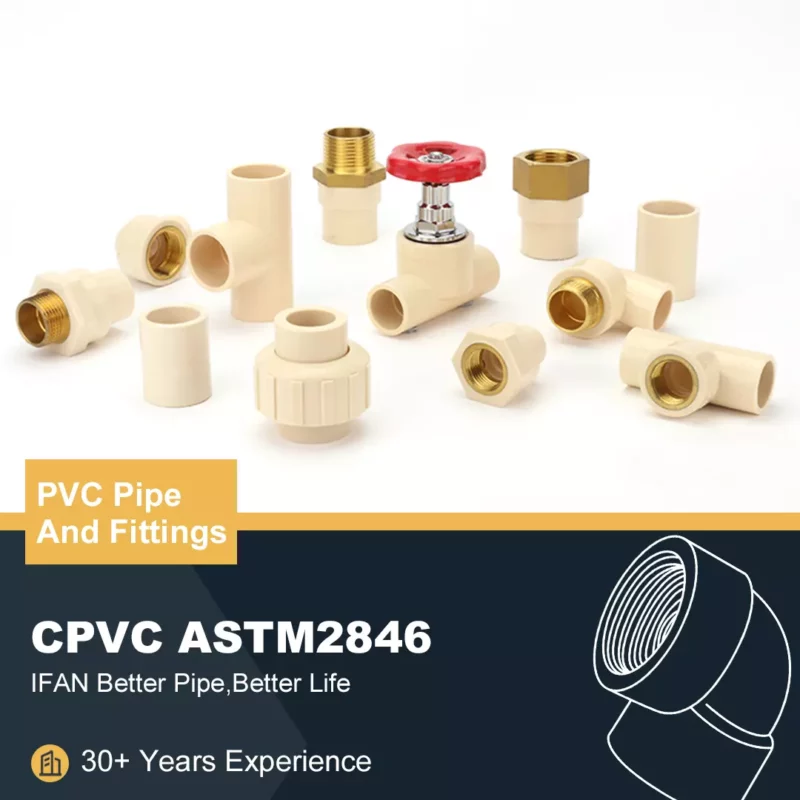
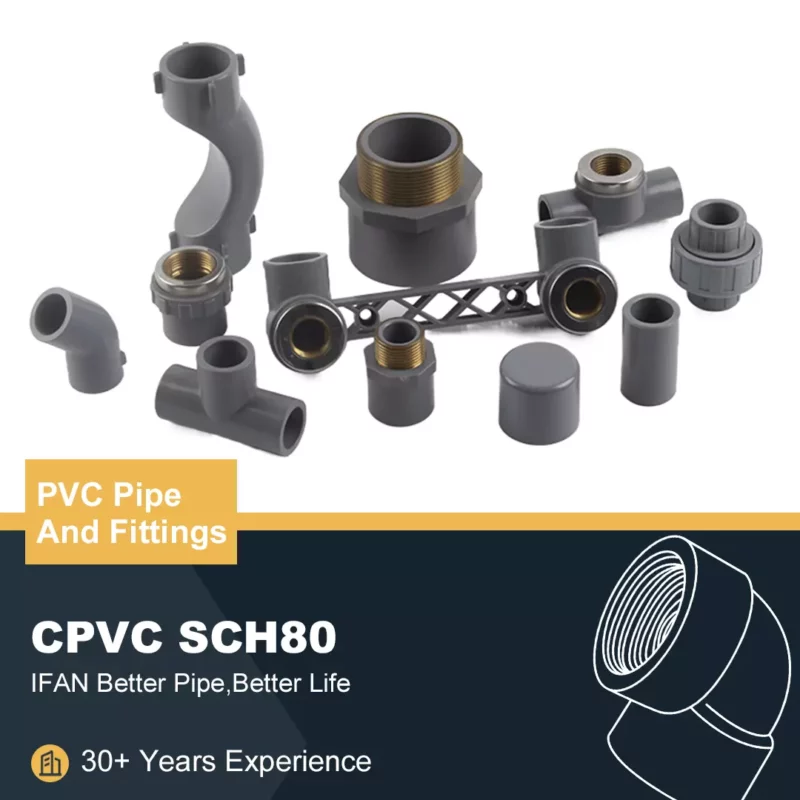
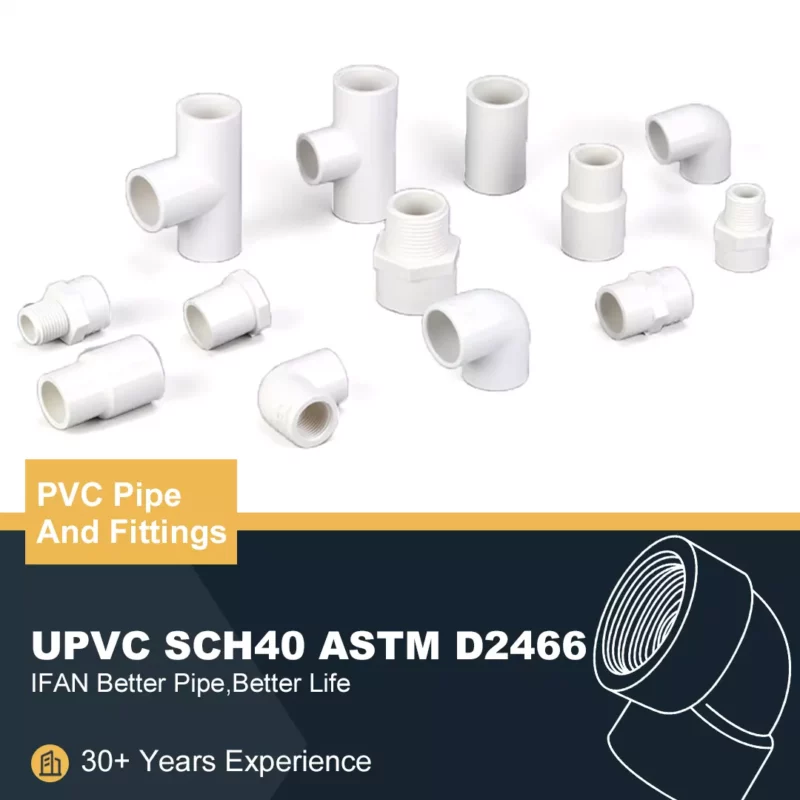
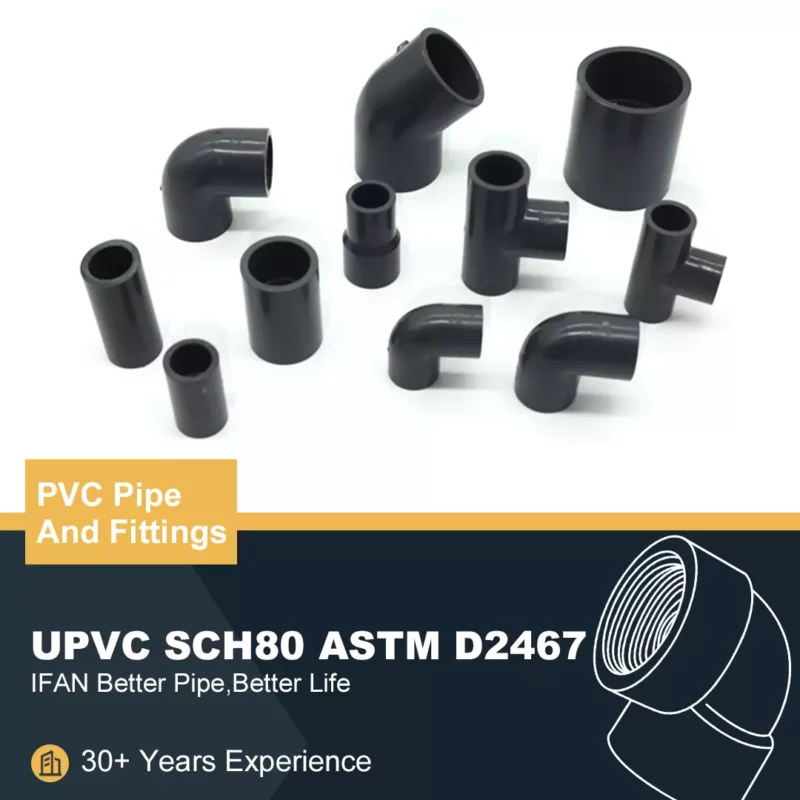
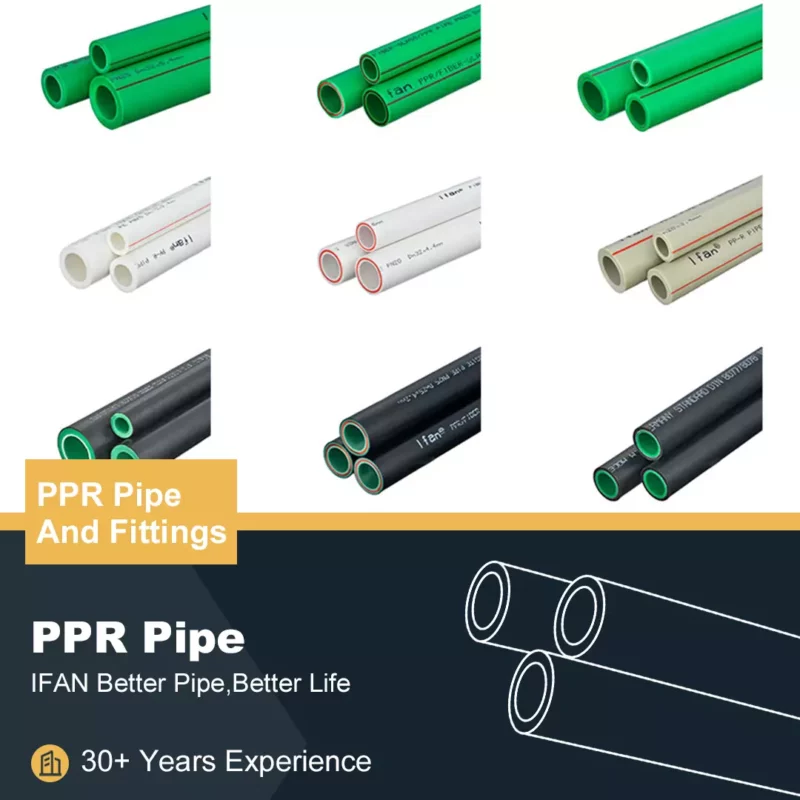
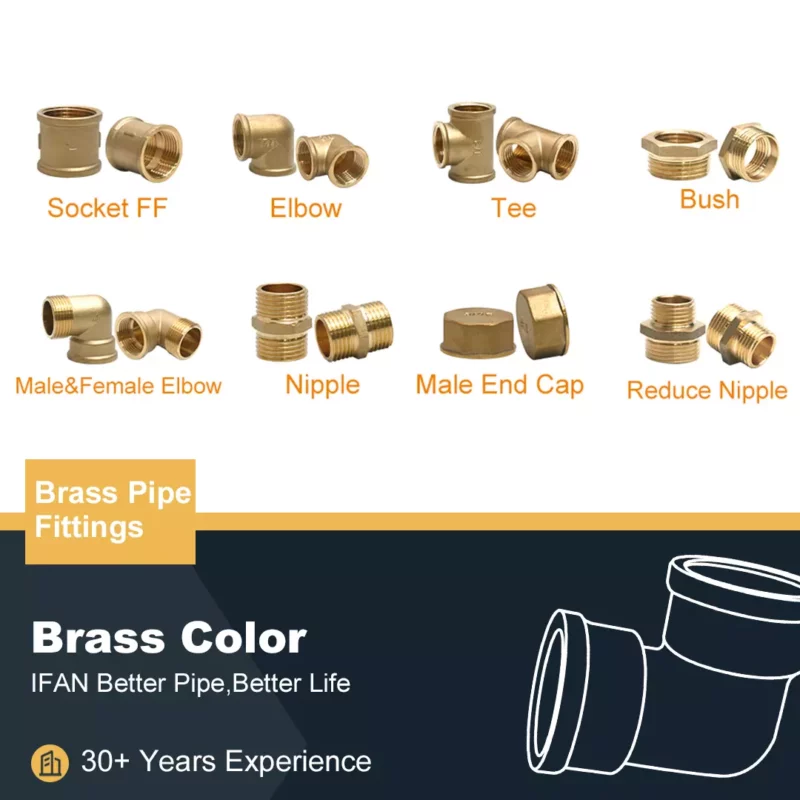
CPVC fittings usually appear in cream or light yellow. Color helps workers distinguish them from PVC or PPR.
Pressure Ratings Limit Use
Every fitting carries a pressure rating. Installers avoid fittings that can’t handle the system’s full operating pressure.
Support Prevents Stress
Workers add supports near heavy fittings. These supports reduce mechanical stress during operation.
Compatibility Avoids Failure
CPVC fittings connect with CPVC pipes only. Technicians avoid mixing materials to prevent leaks and cracks.
Thread Sealants Prevent Leaks
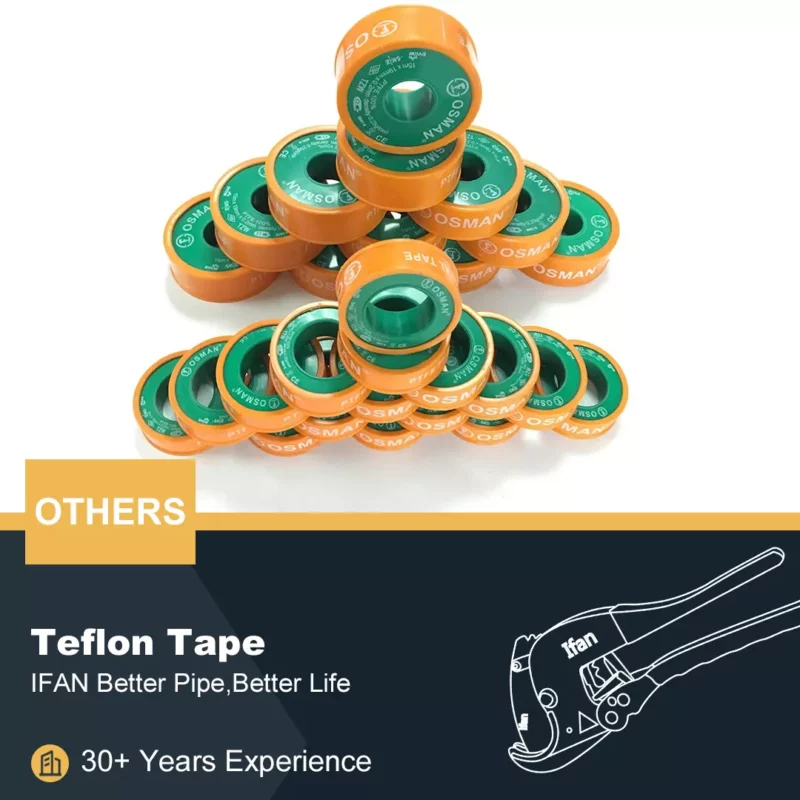
When using threaded CPVC pipe fitting, workers apply thread sealants. Sealants prevent gaps and stop leakage.
If you have read this article and have any questions, please feel free to contact IFAN. Below is our contact information:
Whatsapp:+86 13373827623
Email:[email protected]