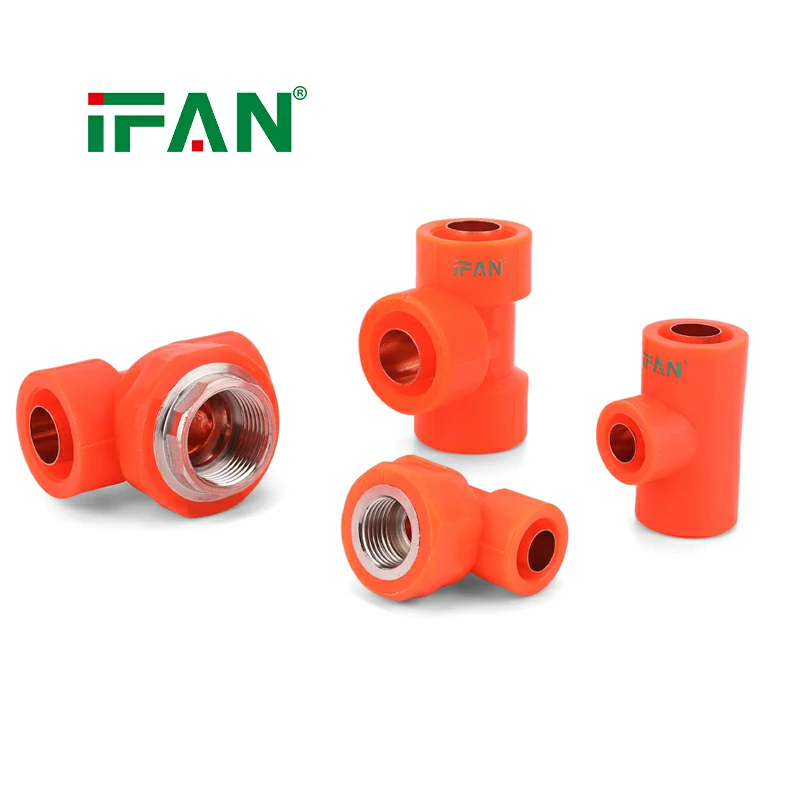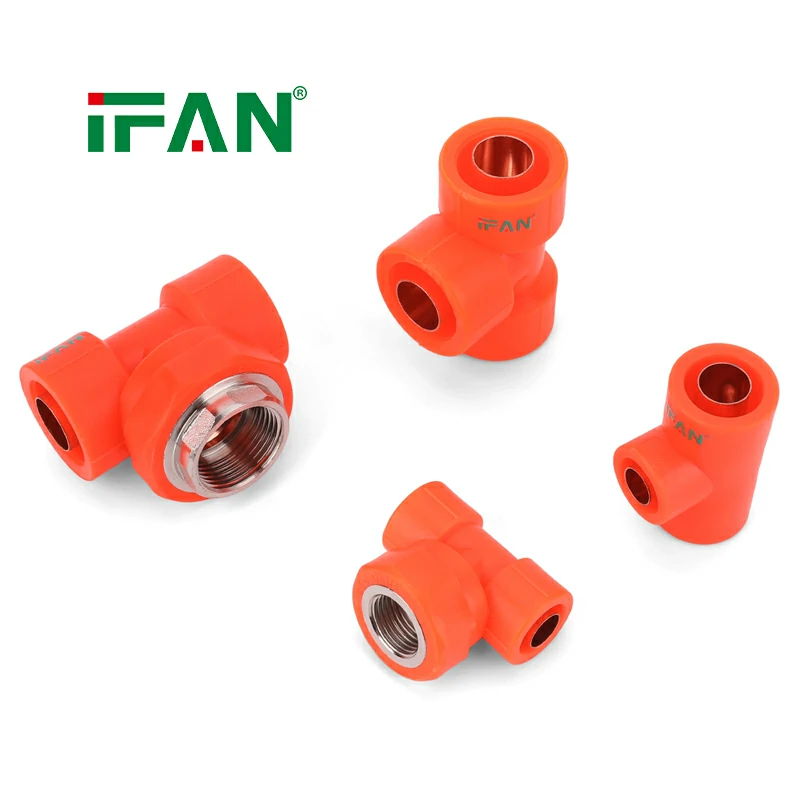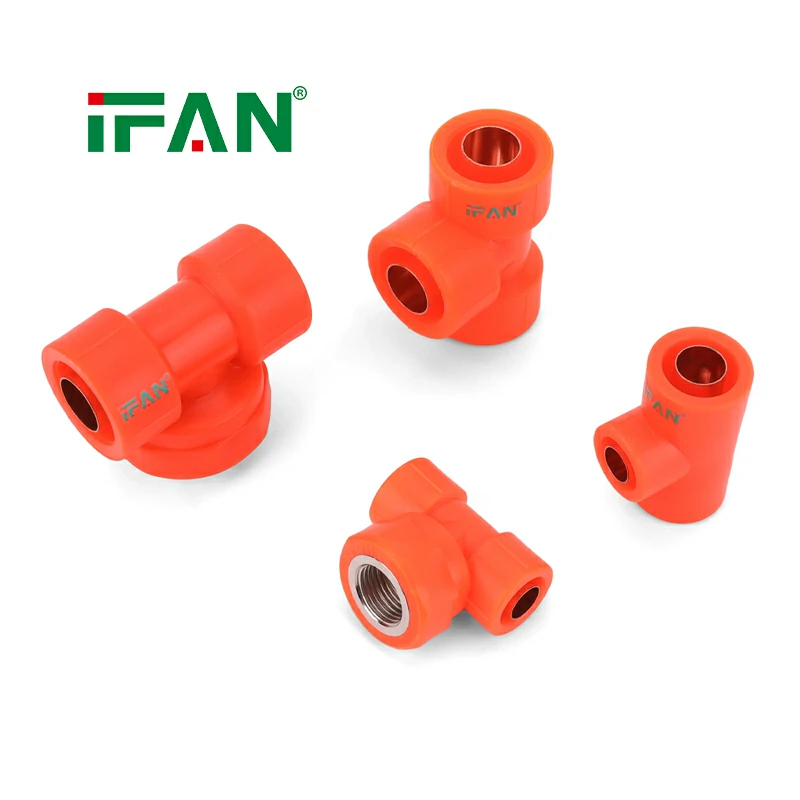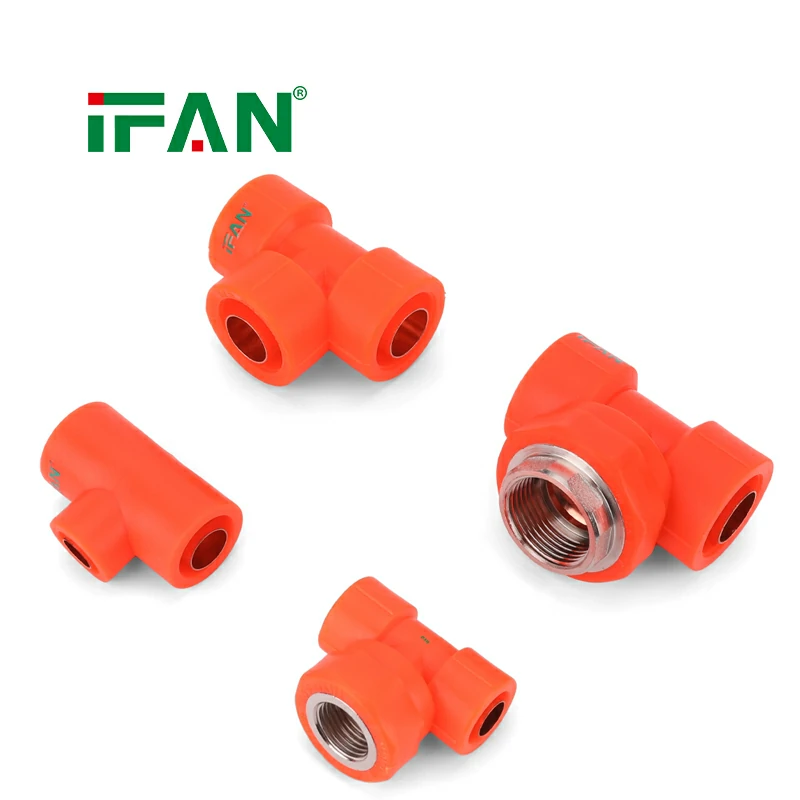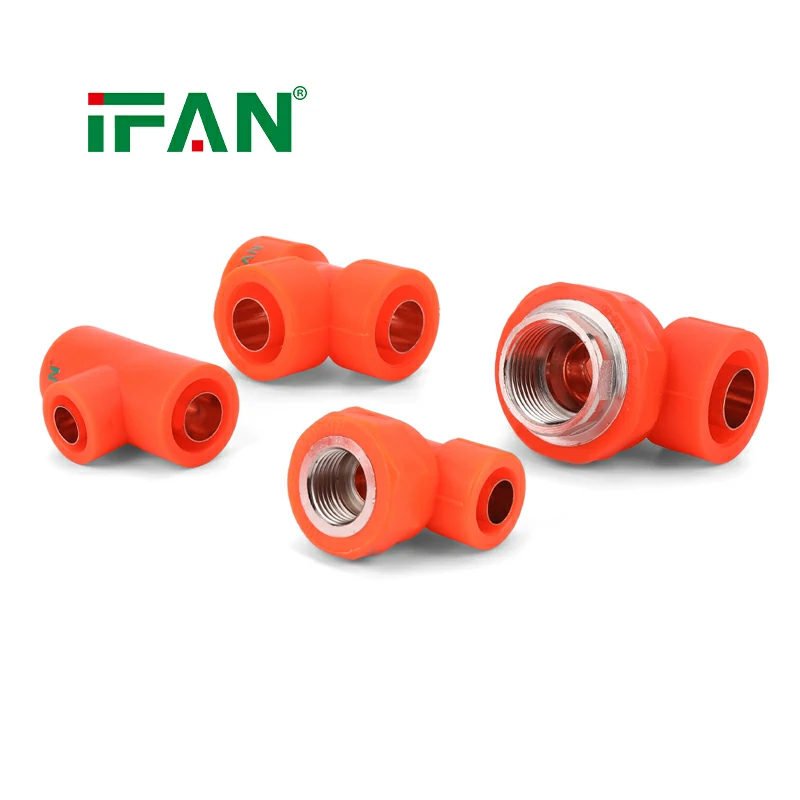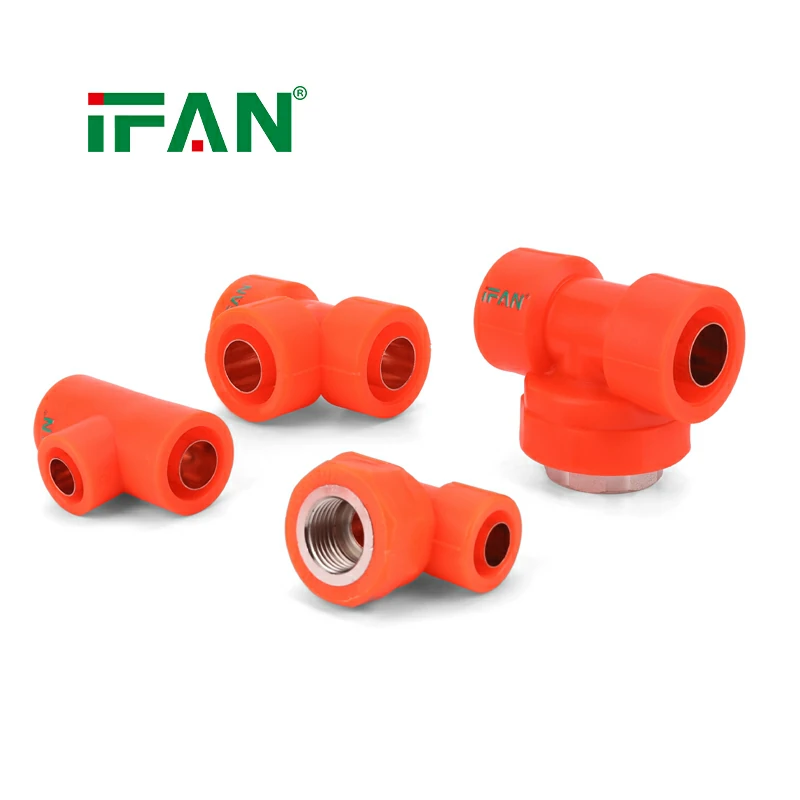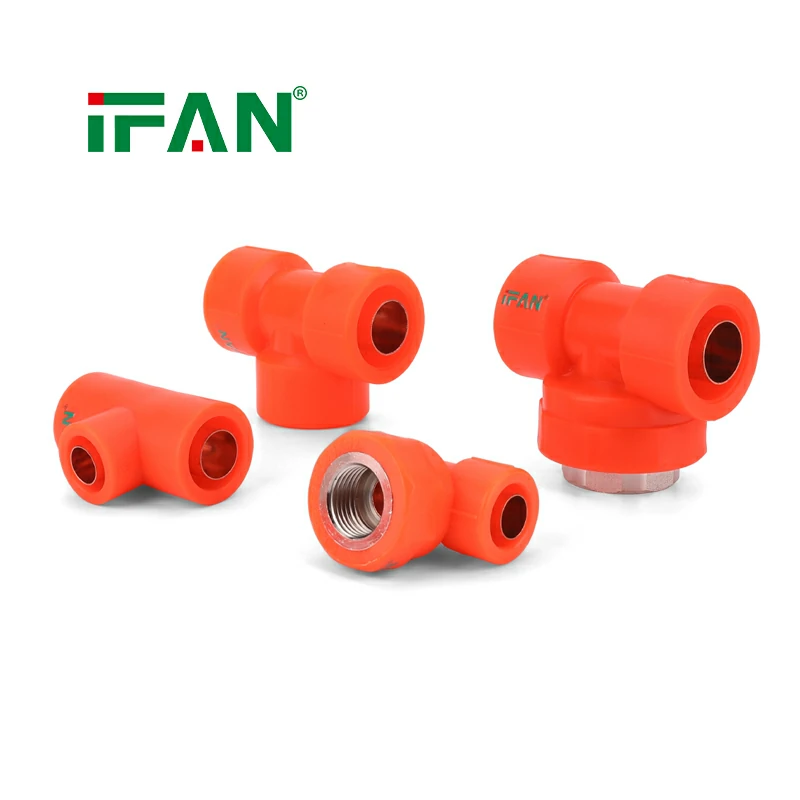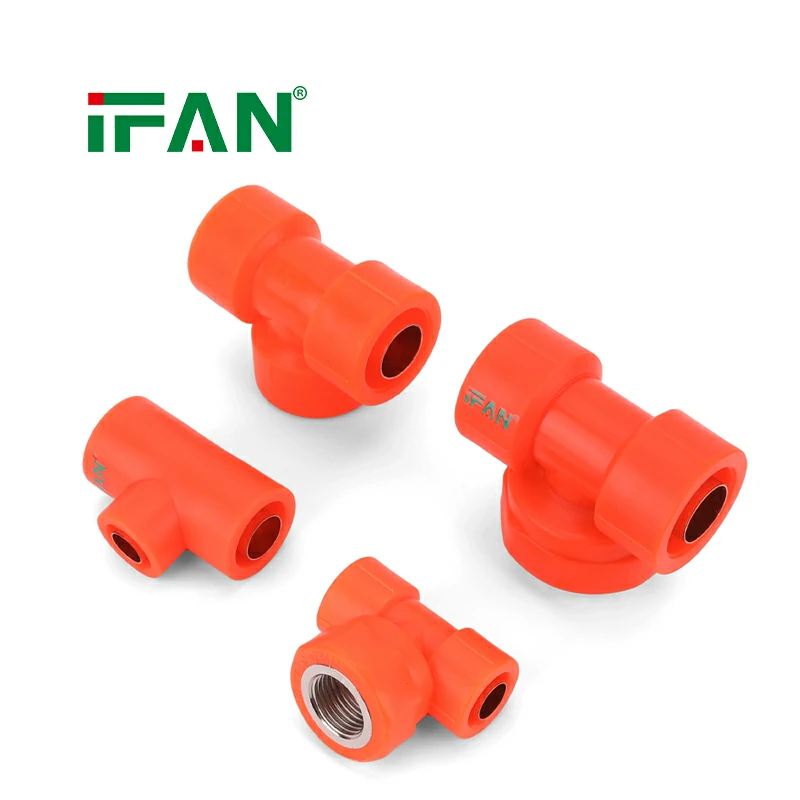
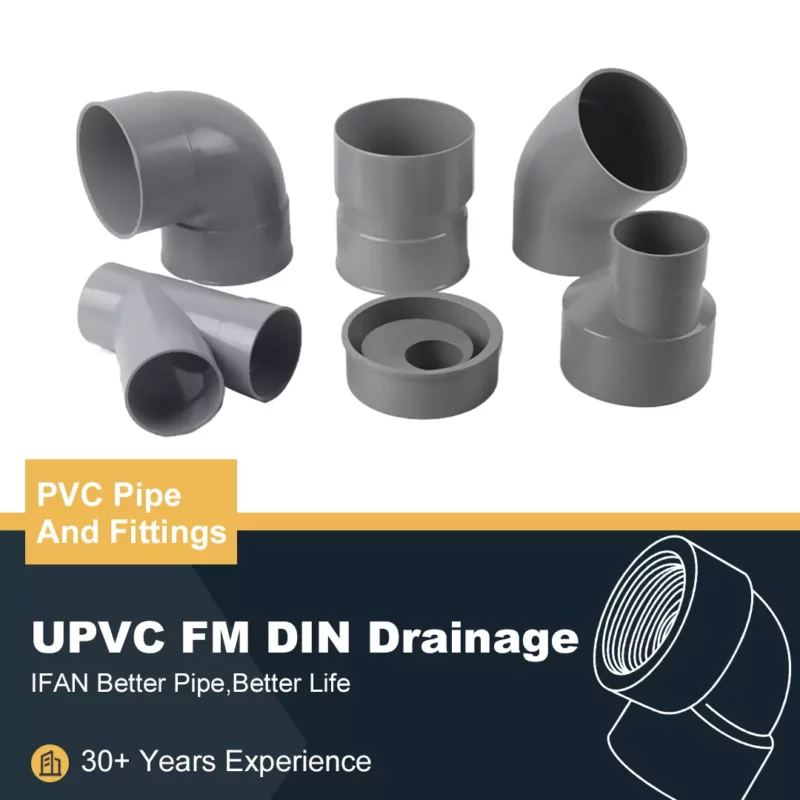
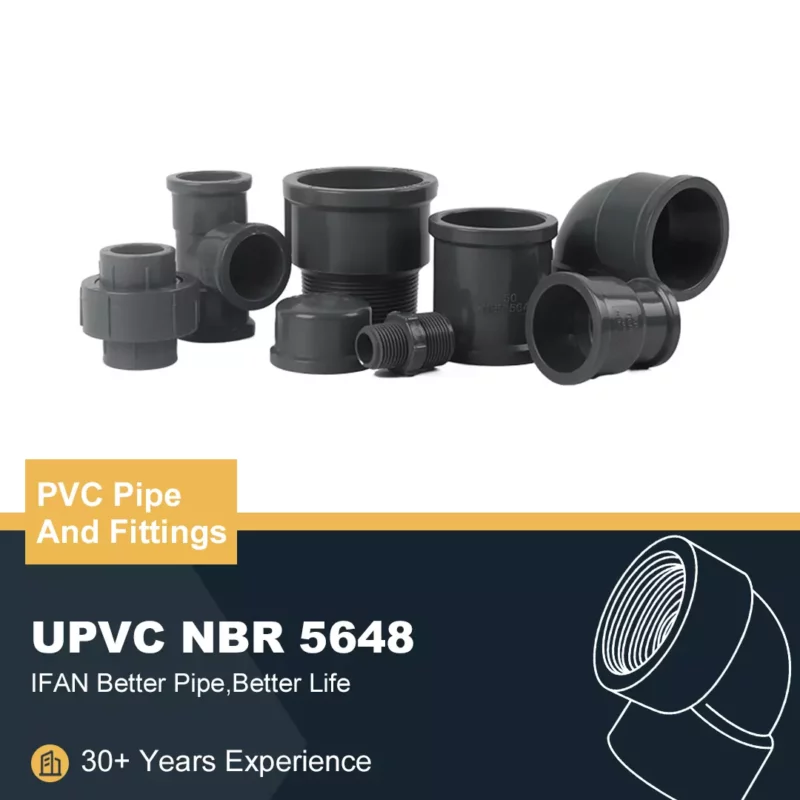
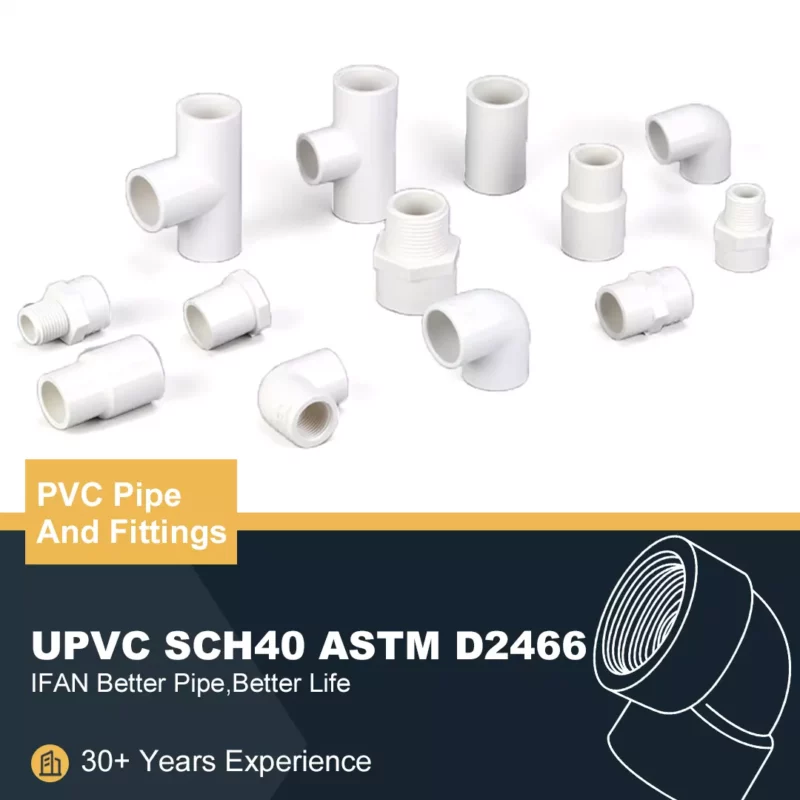
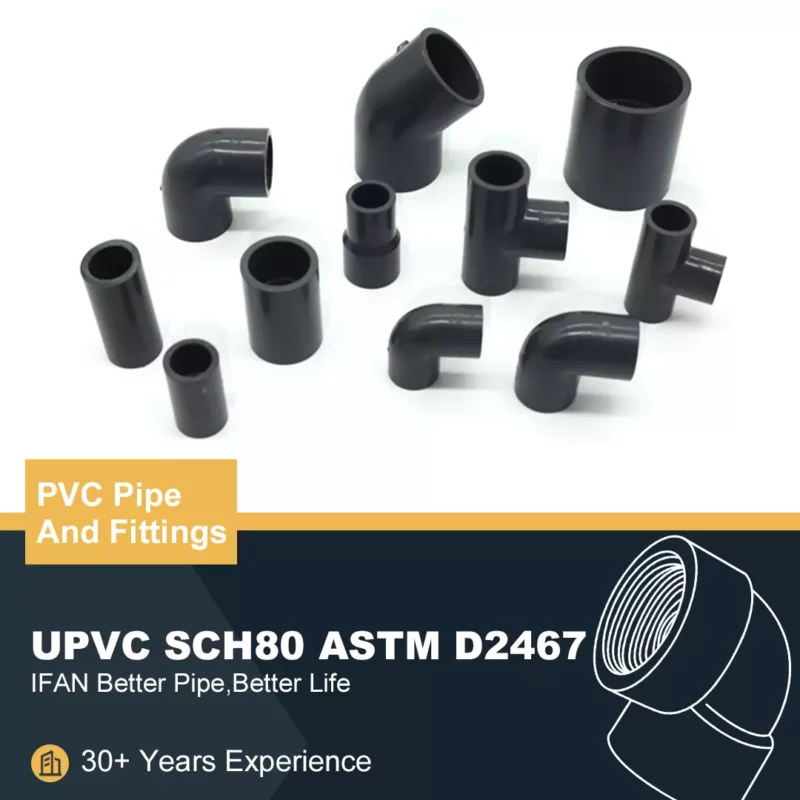
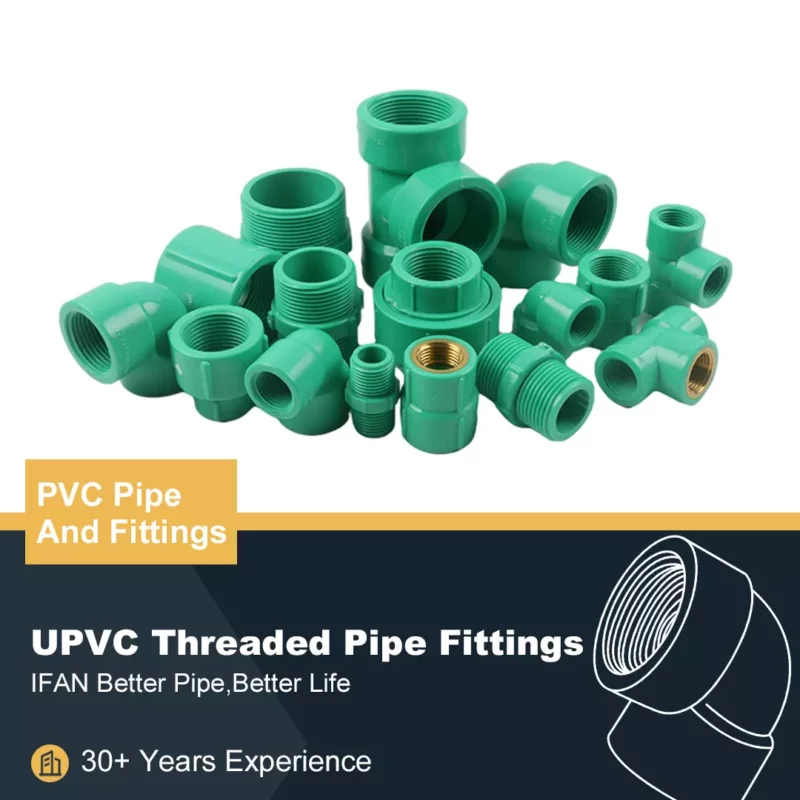
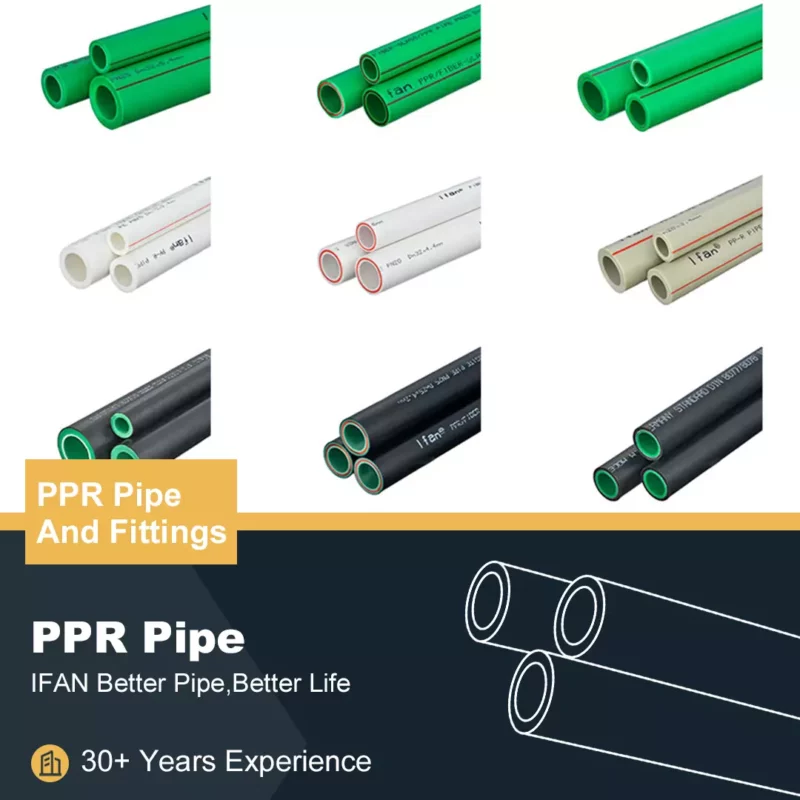
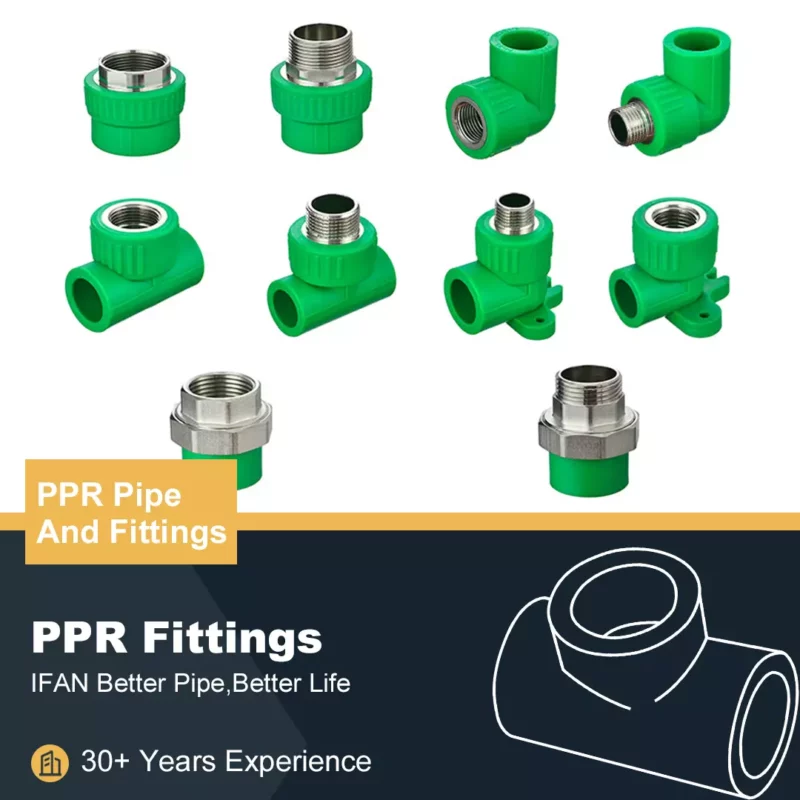
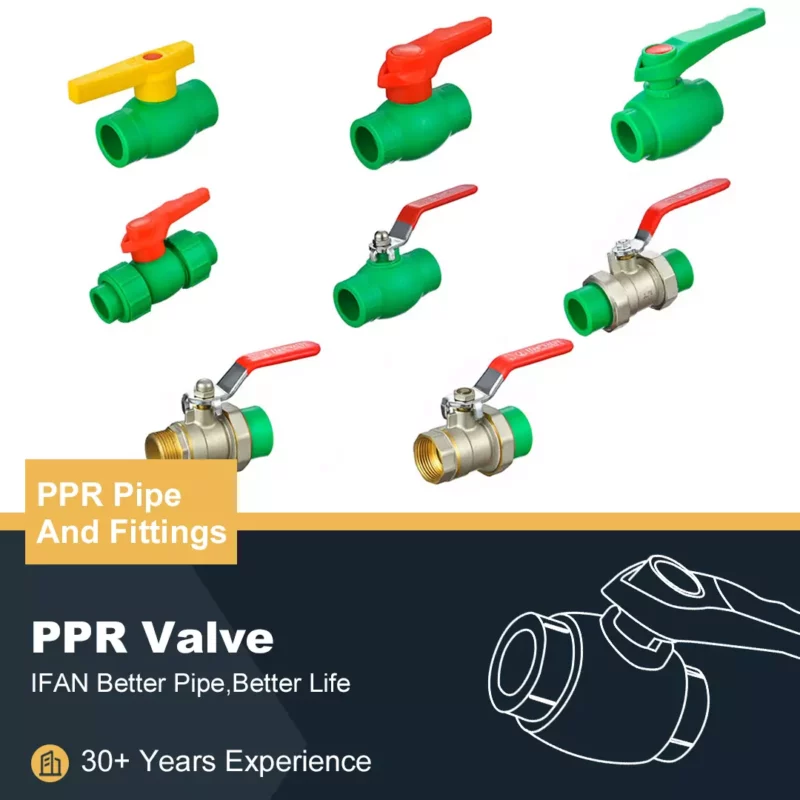
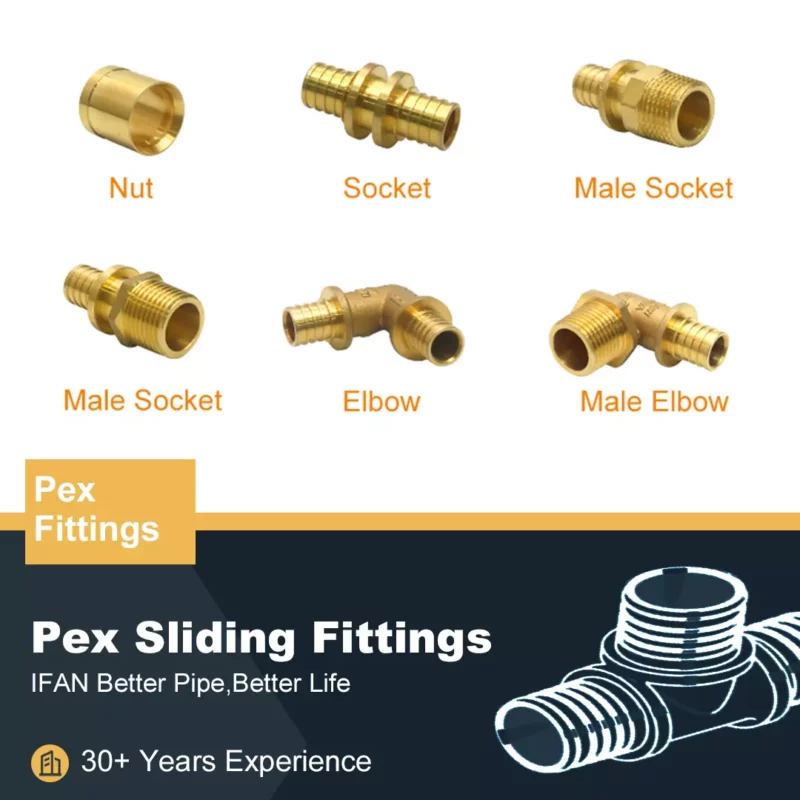
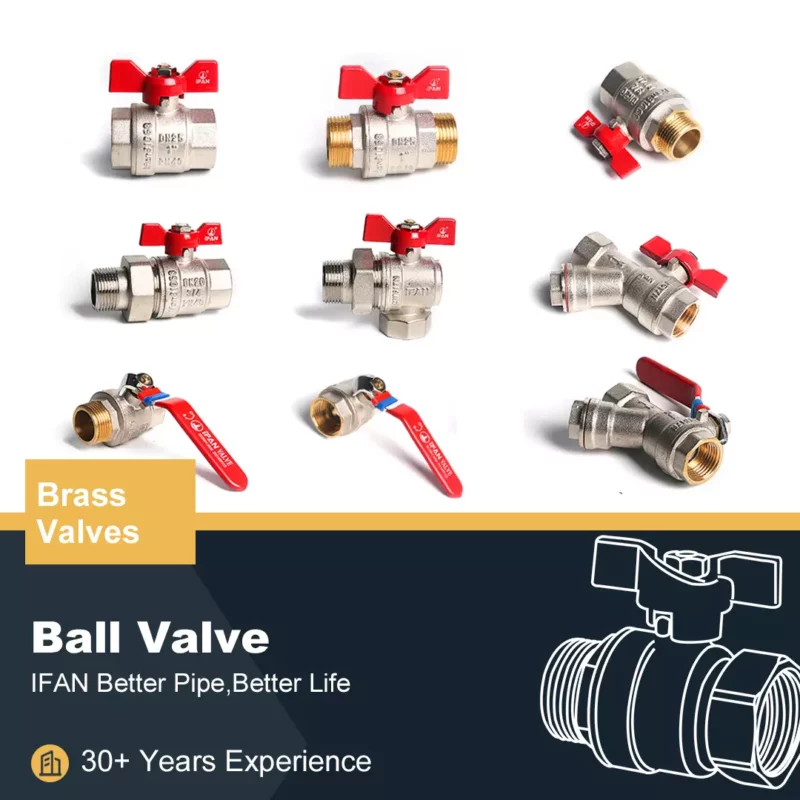
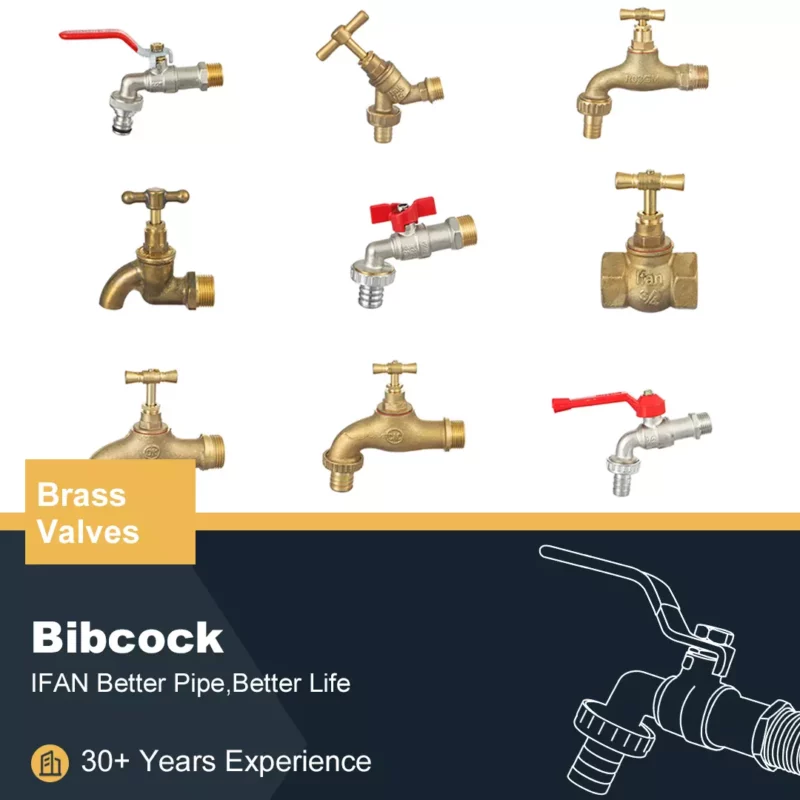
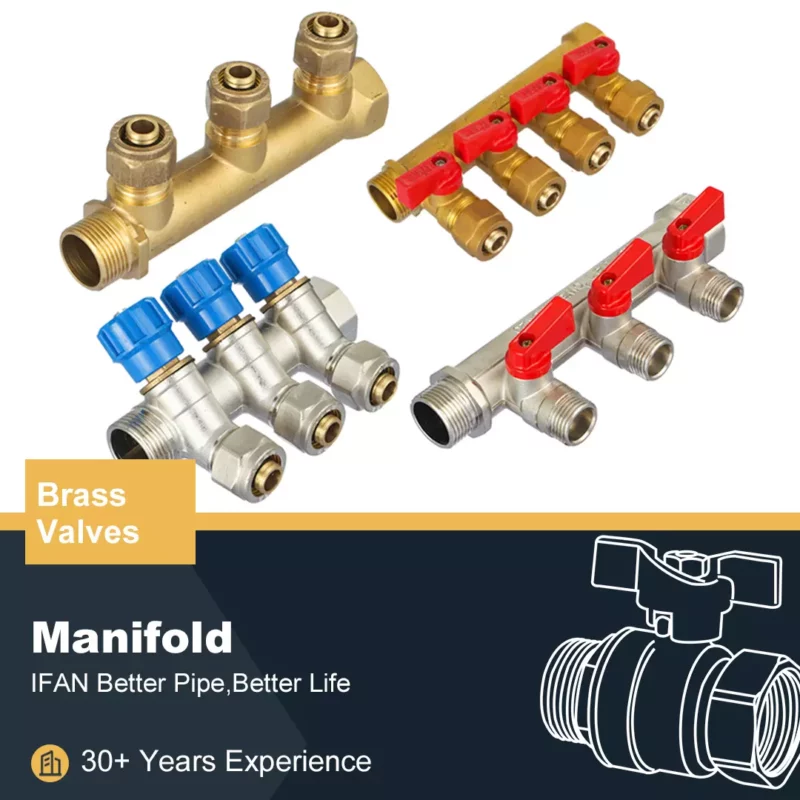
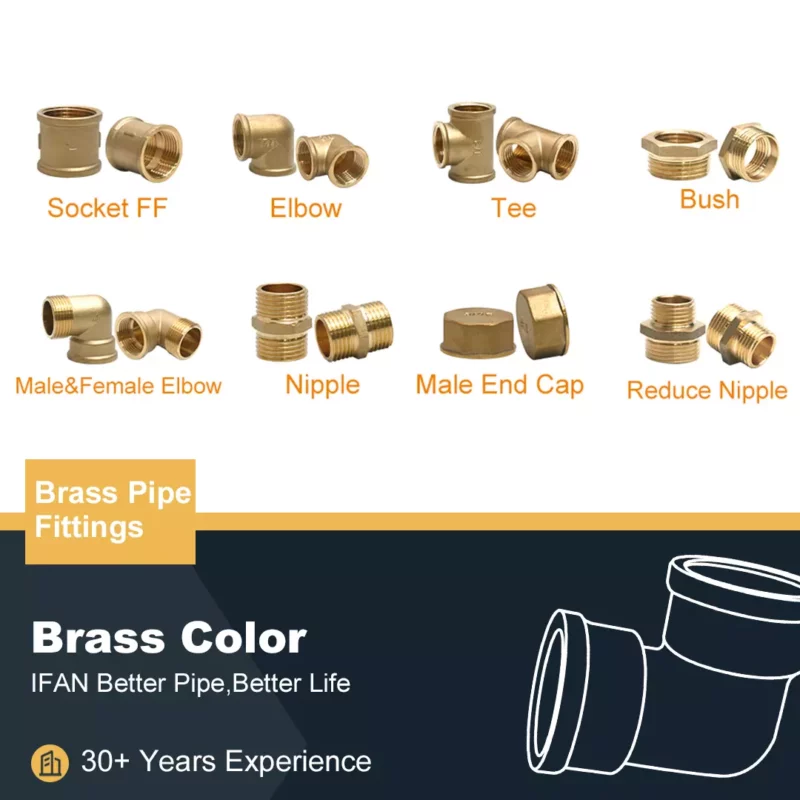
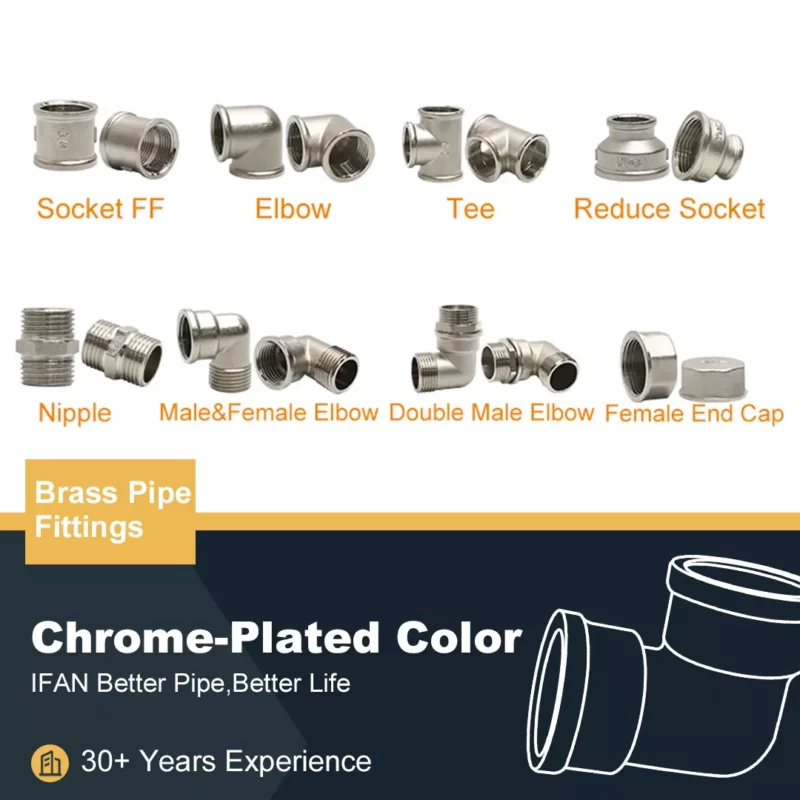
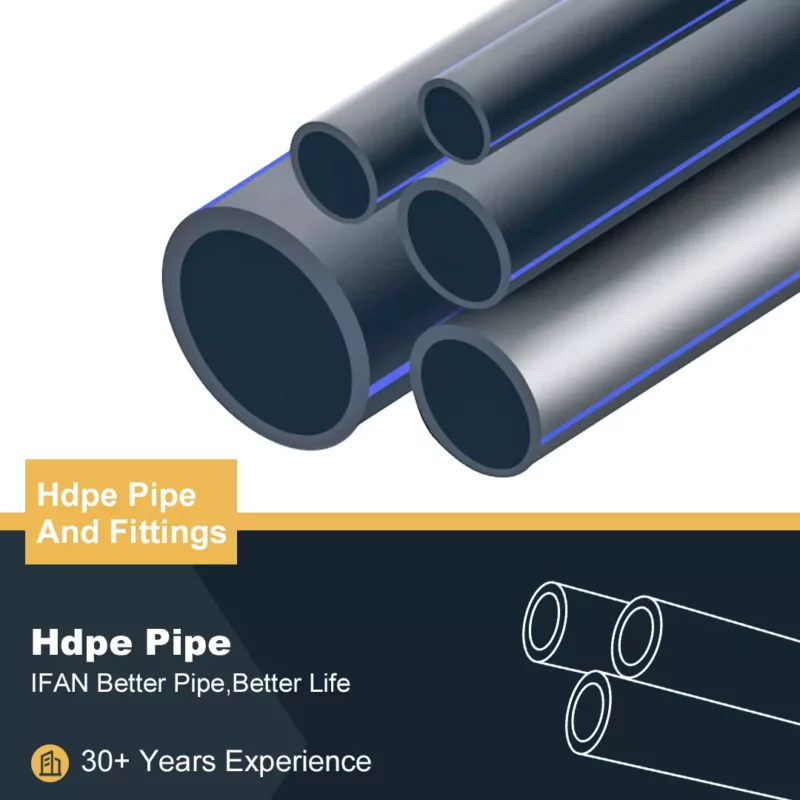
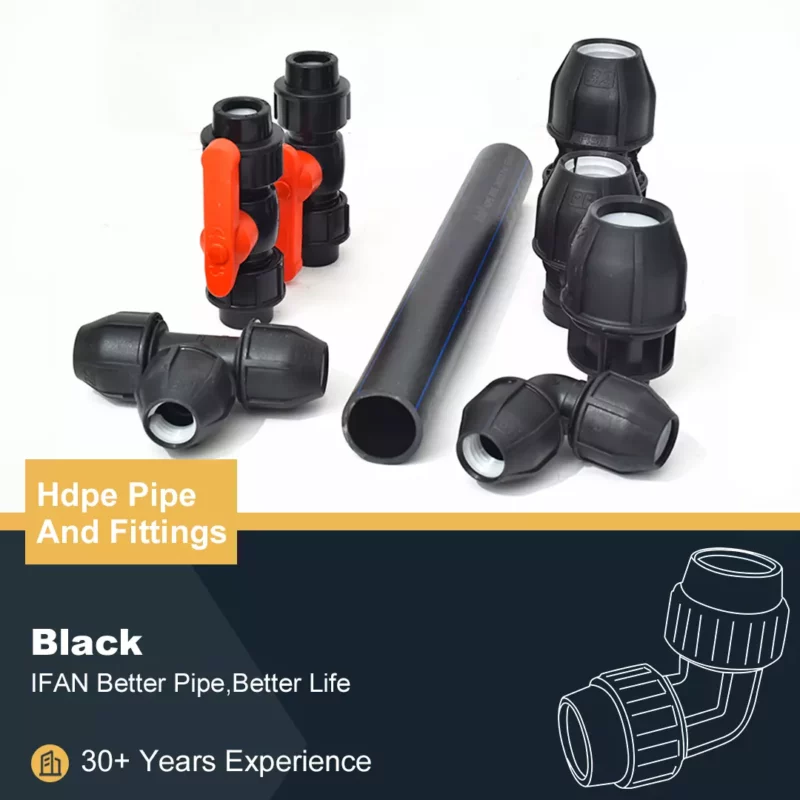
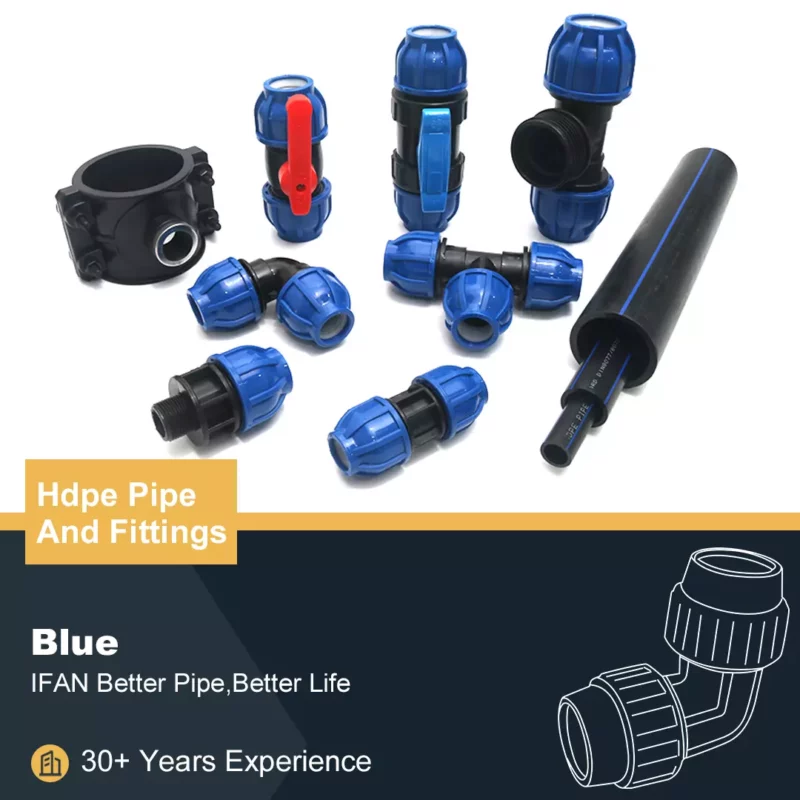
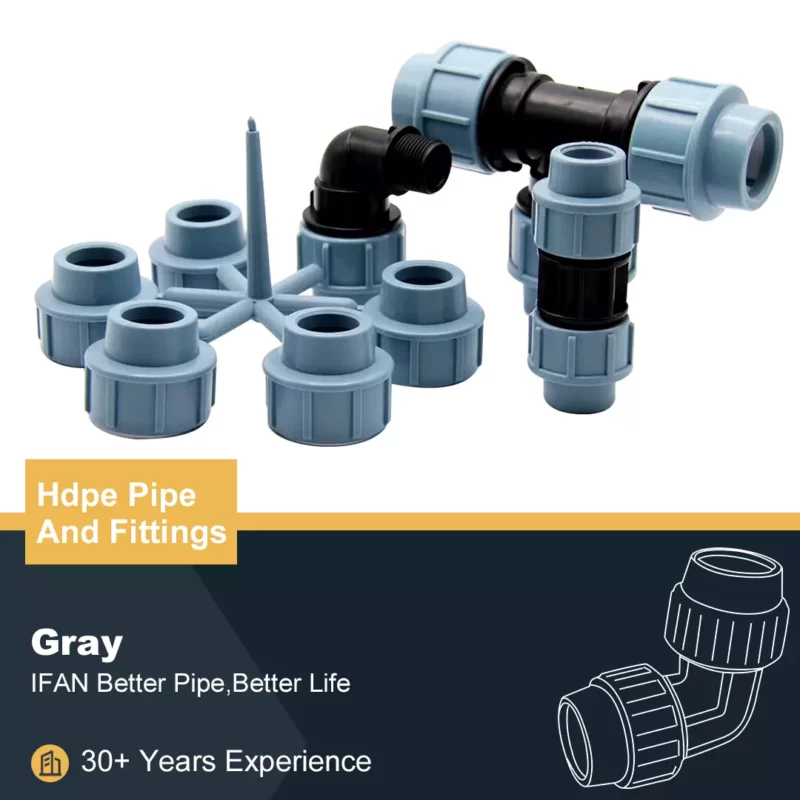
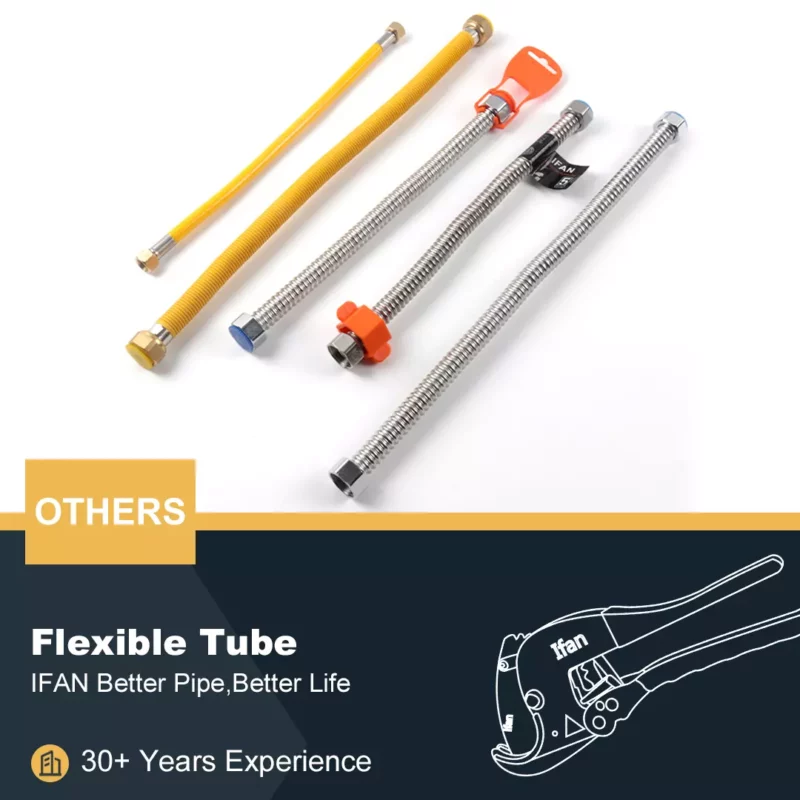


Threaded Fittings Offer Flexibility
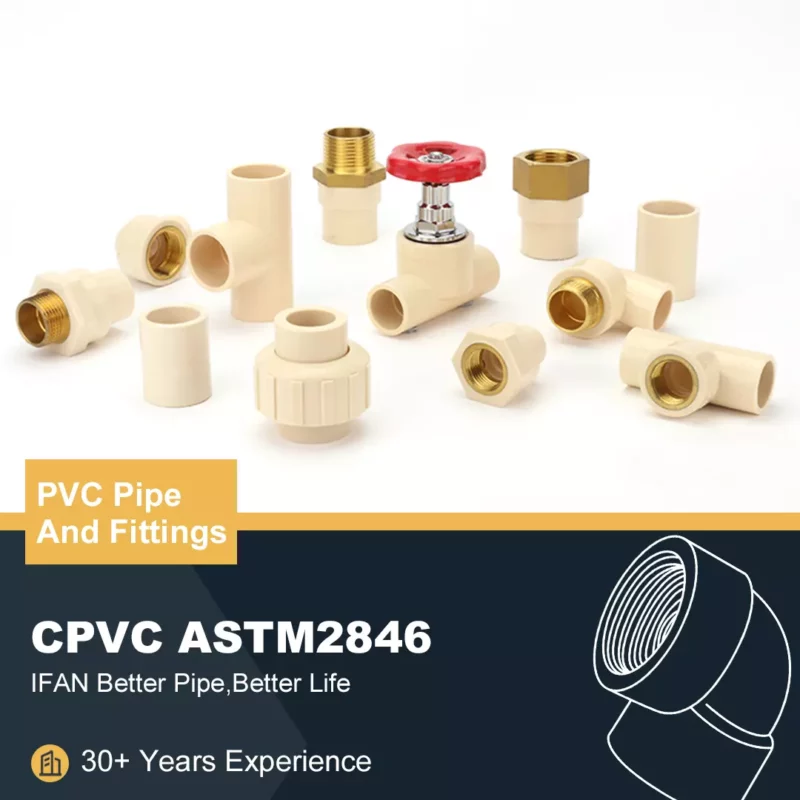
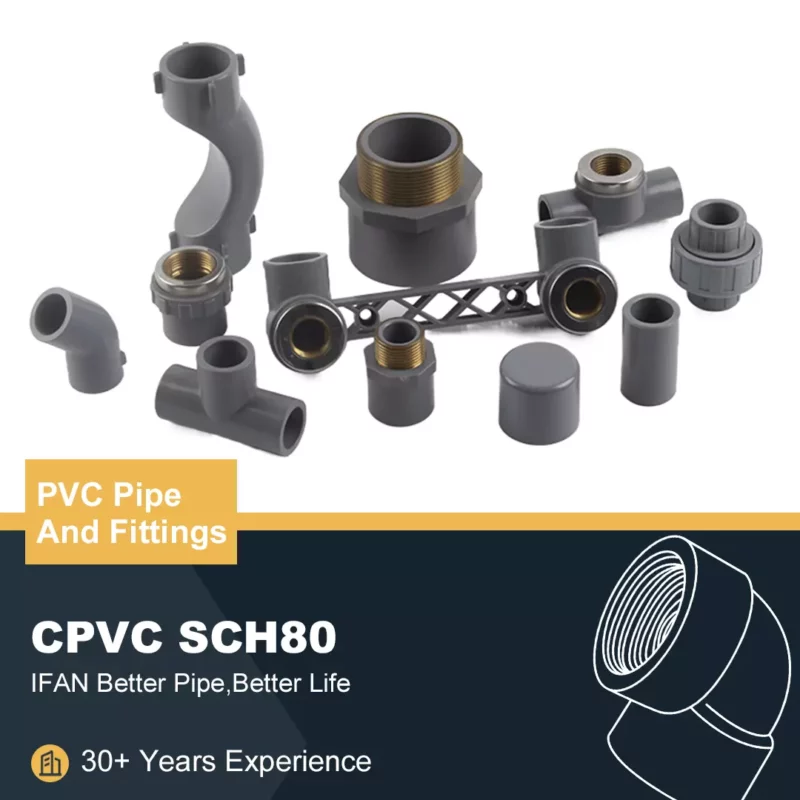
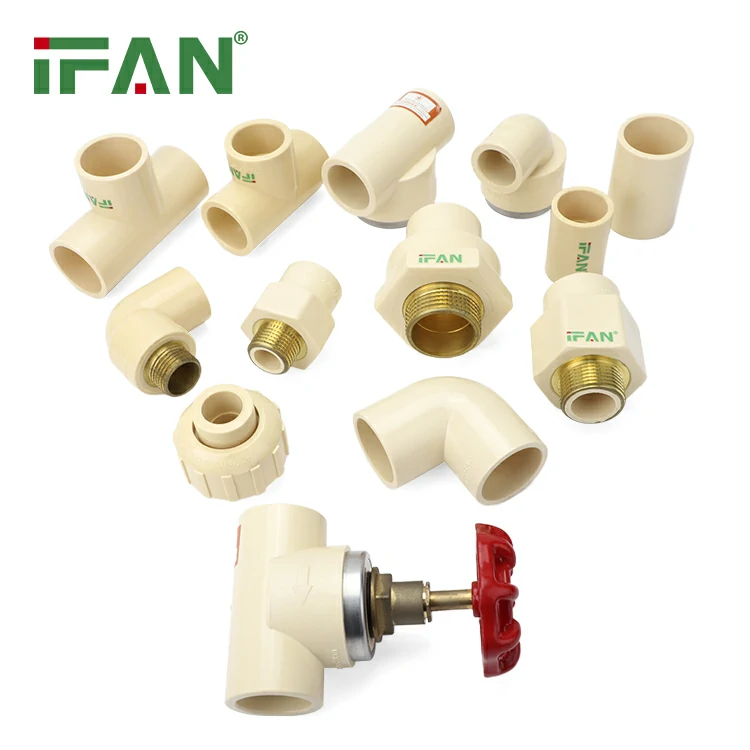
Workers often choose threaded CPVC fitting for small spaces. These fittings allow adjustments without cutting or gluing.
Installers appreciate the ability to change orientation easily. This flexibility simplifies repairs and layout corrections.
Tight Corners Need Adaptors
Installers use elbows and adaptors to navigate tight corners. These pieces maintain flow while changing direction.
Adapters also help align pipes to fixed outlets. Misaligned pipes can stress fittings and cause leaks.
Vibration Requires Locking Methods
In vibrating areas, workers add locking methods. They use tapes or compounds to secure threaded joints tightly.
Shaking from pumps or water hammer loosens fittings. Thread lockers prevent movement over long periods.
Dry-Fitting Helps Alignment
Before sealing, professionals test-fit cpvc fittings. This dry-fitting step confirms correct direction and orientation.
Dry fitting also helps spot alignment problems early. Installers avoid wasting cement or thread sealants.
Retightening Can Cause Damage
Workers avoid overtightening CPVC threads. Too much force causes cracking or warping.
They follow torque guidelines during installation. This approach prevents long-term failure at the joints.
Short Nipples Simplify Layout
Short threaded nipples help reduce overall pipe length. These minimize space and create clean compact layouts.
Installers use close nipples to fit valves tightly. Compact setups reduce vibration and simplify system access.
Union Fittings Allow Disconnection
Union fittings help when maintenance is frequent. They allow sections to disconnect without unscrewing entire lines.
Technicians prefer unions near heaters and filters. Easy access speeds up inspections and part replacement.
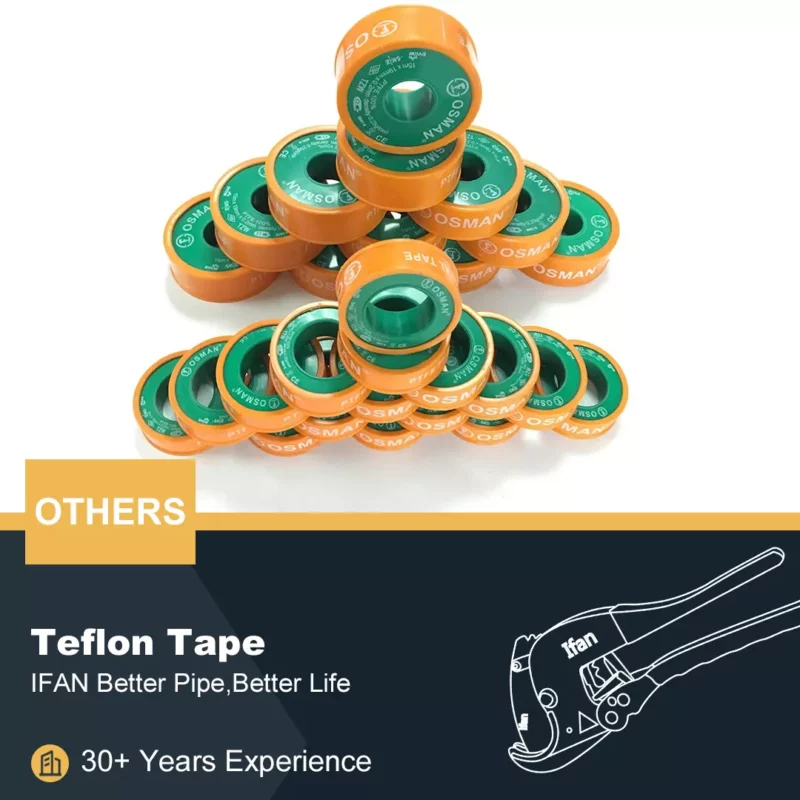
Teflon Tape Enhances Sealing
Installers wrap threads with Teflon tape. This adds grip and prevents water leakage at the joint.
They avoid using excess tape. Too much tape causes jamming and fitting misalignment.
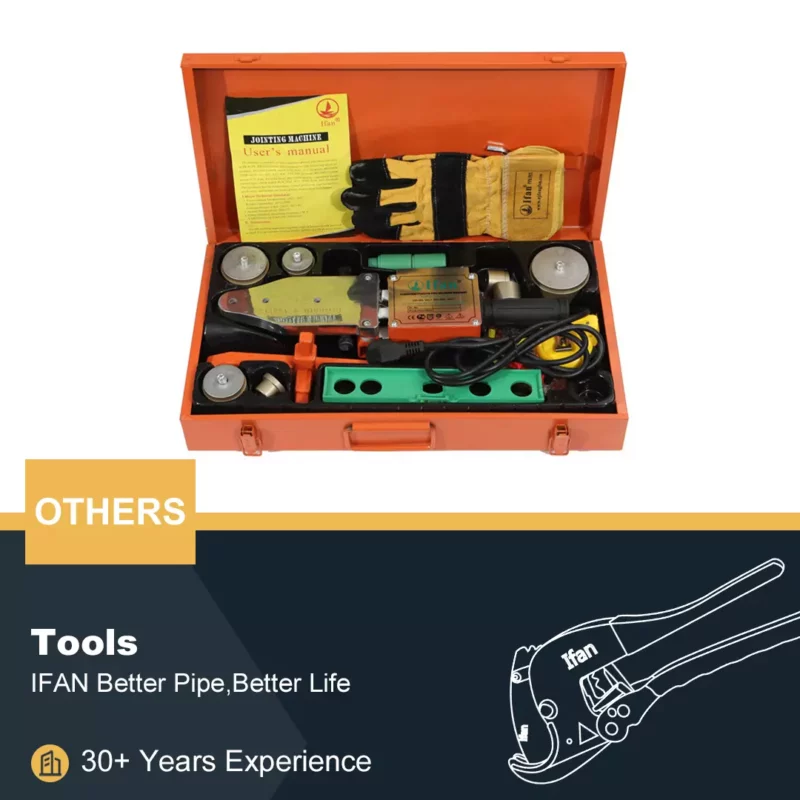
Tools Must Suit CPVC
Only plastic-rated tools cut CPVC threads safely. Wrong tools damage threads and reduce connection strength.
Sharp dies produce clean cuts. Rough threads increase friction and reduce sealing effectiveness.
Distance Between Fittings Matters
Installers leave space between threaded fittings. This practice helps avoid stress from thermal expansion.
Extra space reduces tension during temperature changes. Systems stay more stable in warm environments.
If you have read this article and have any questions, please feel free to contact IFAN. Below is our contact information:
Whatsapp:+86 13373827623
Email:[email protected]