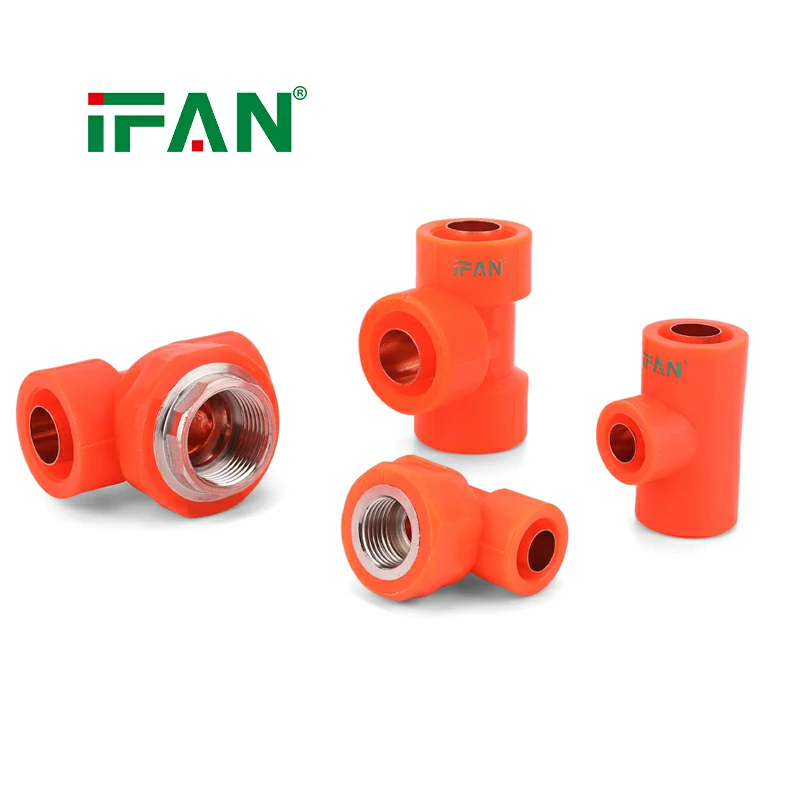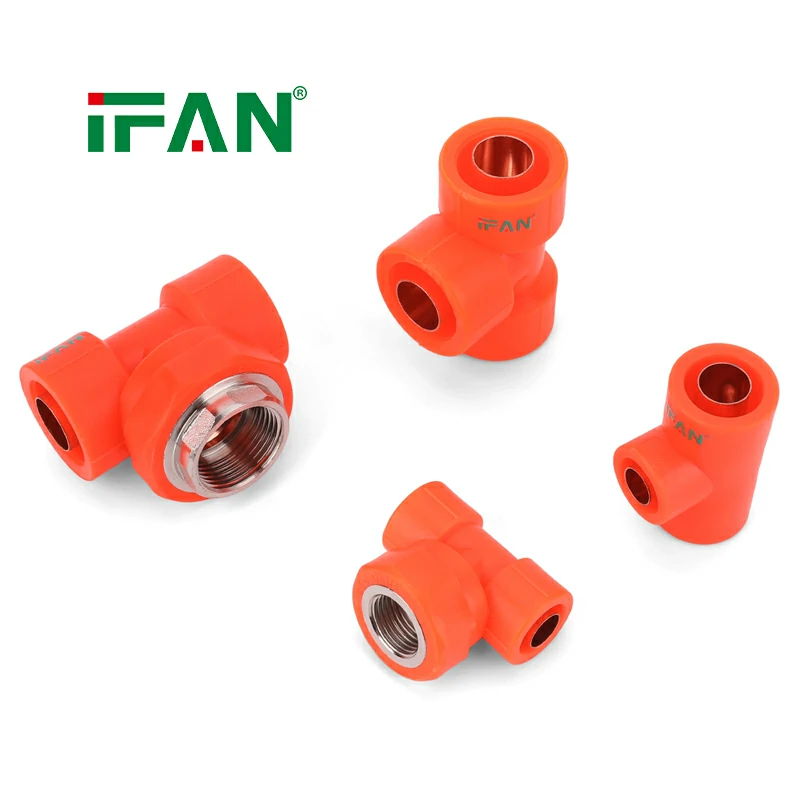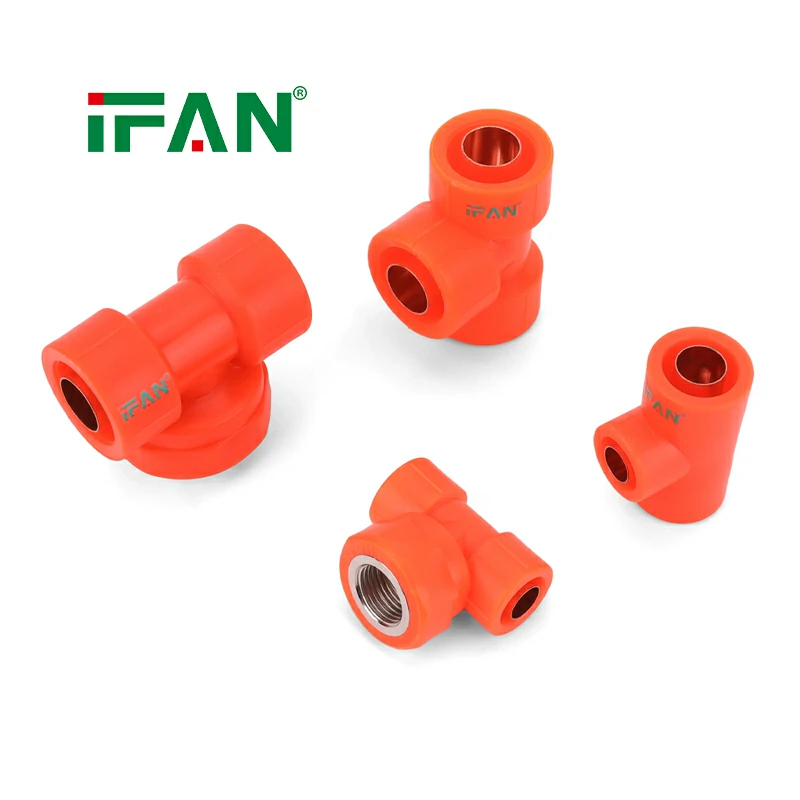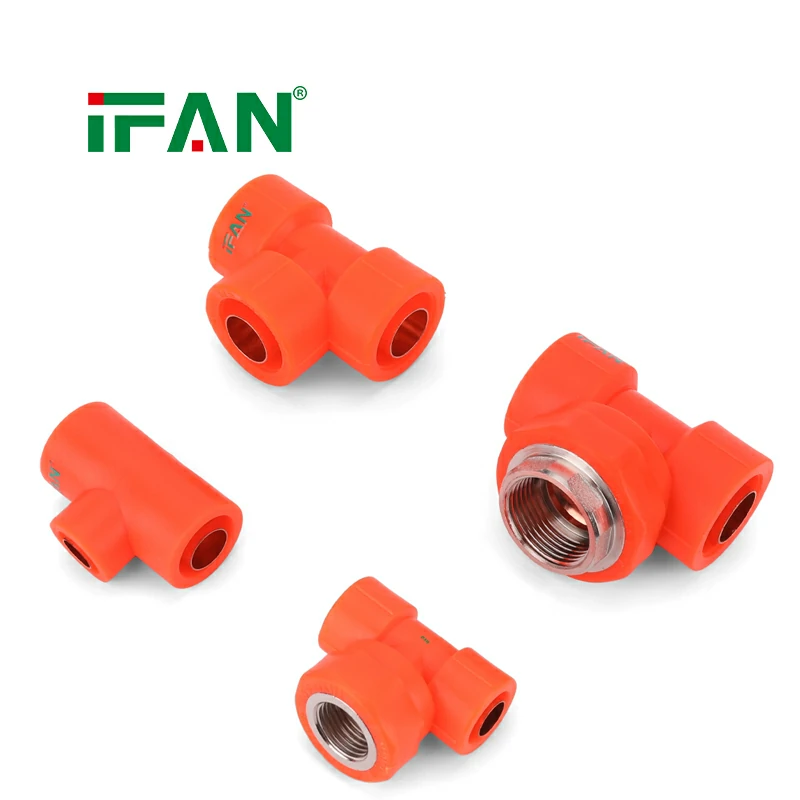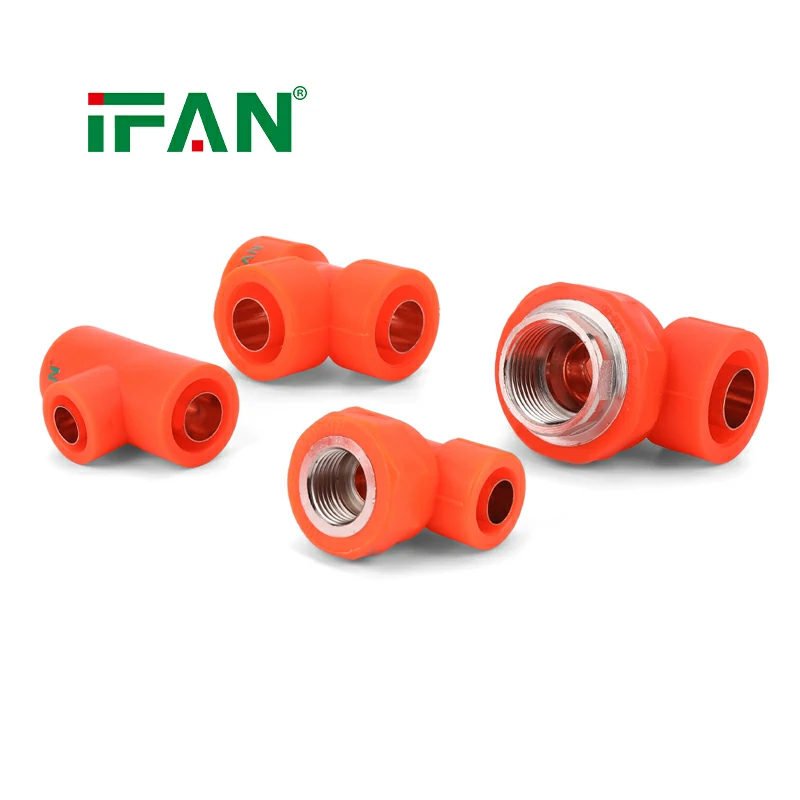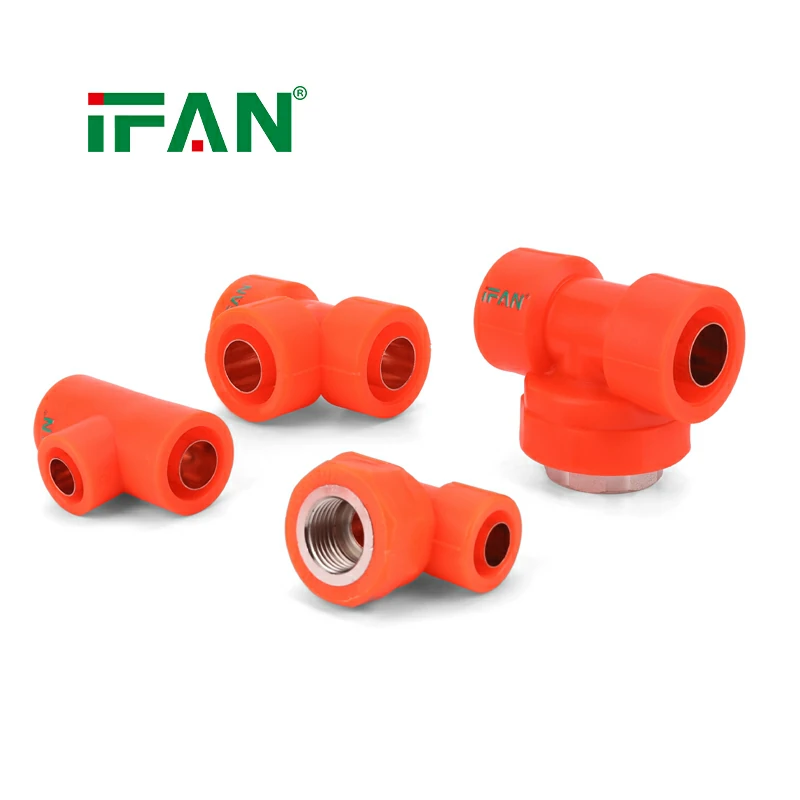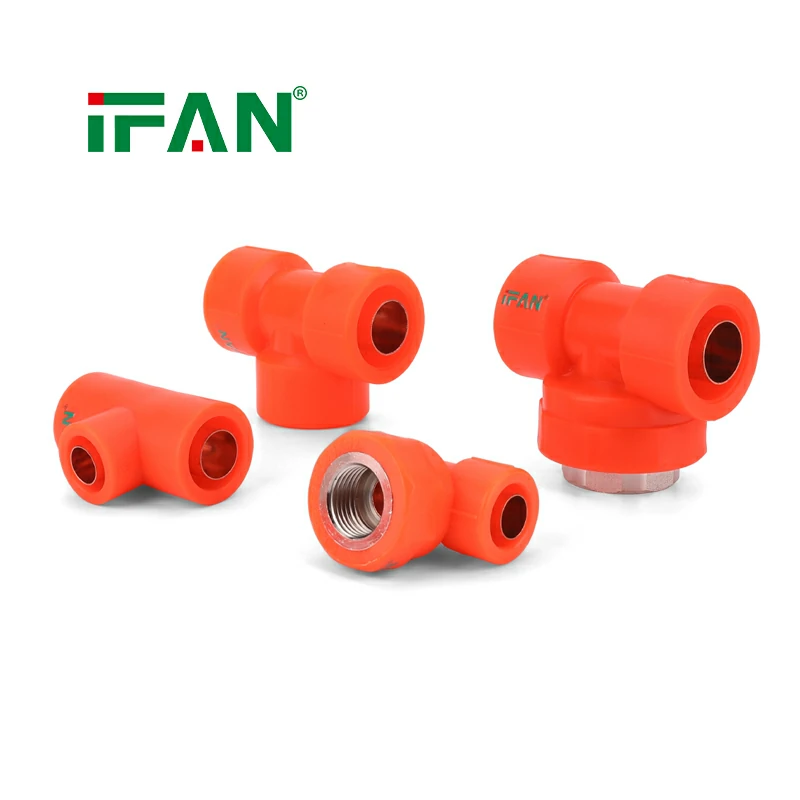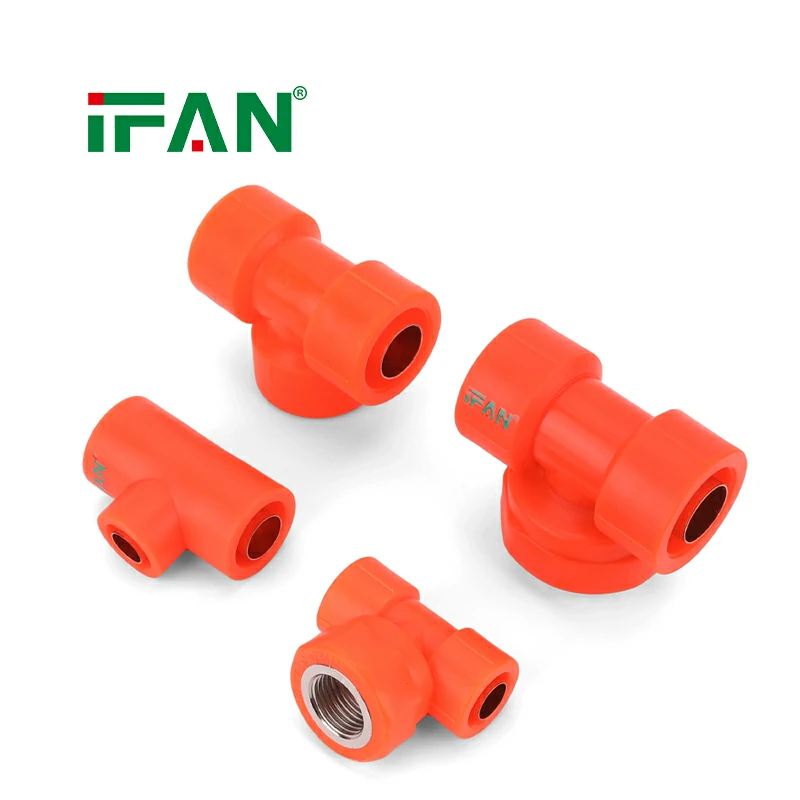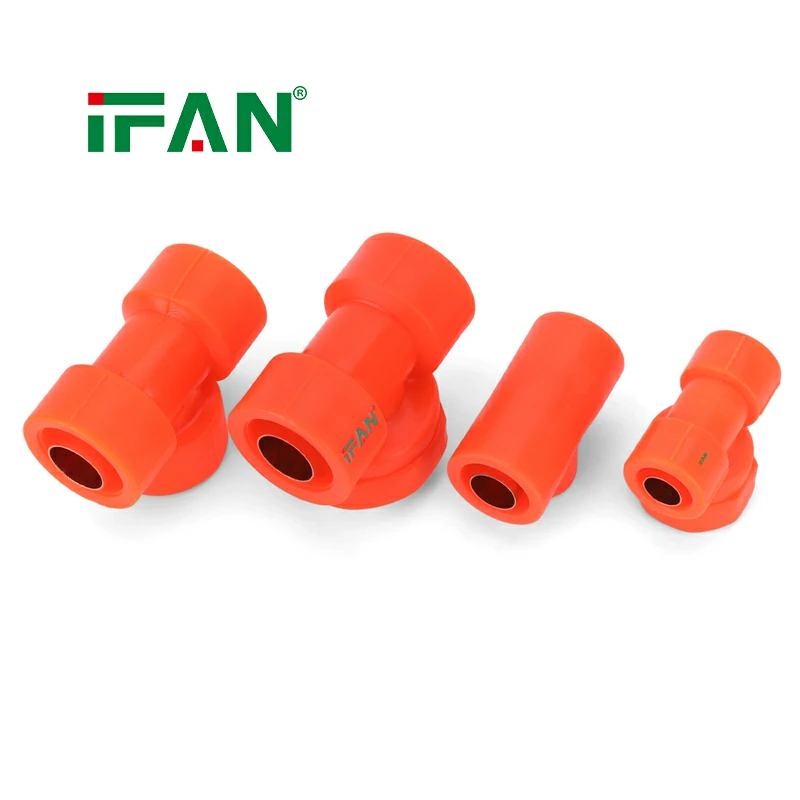
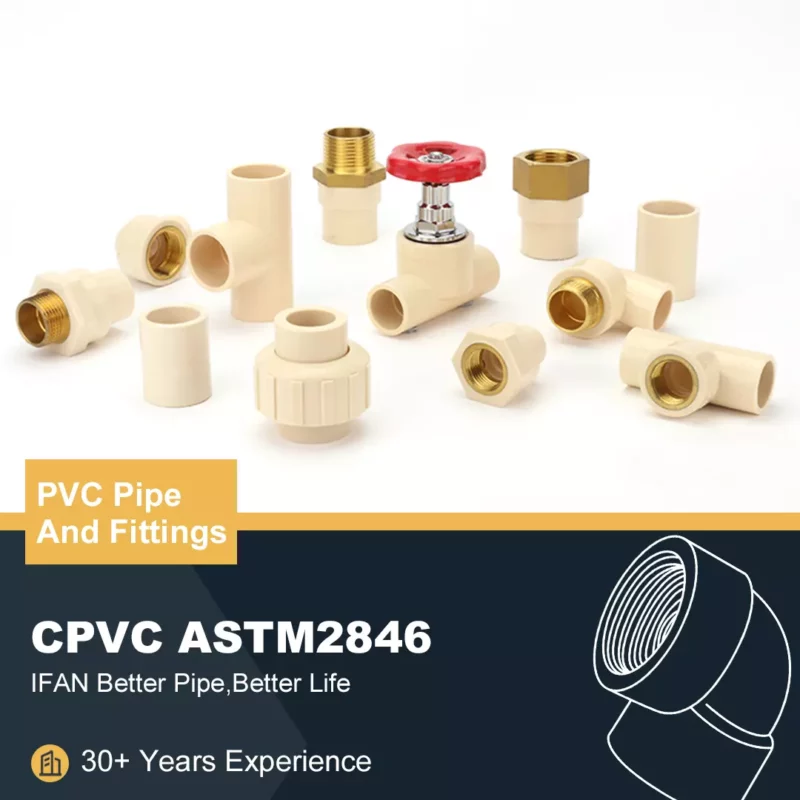
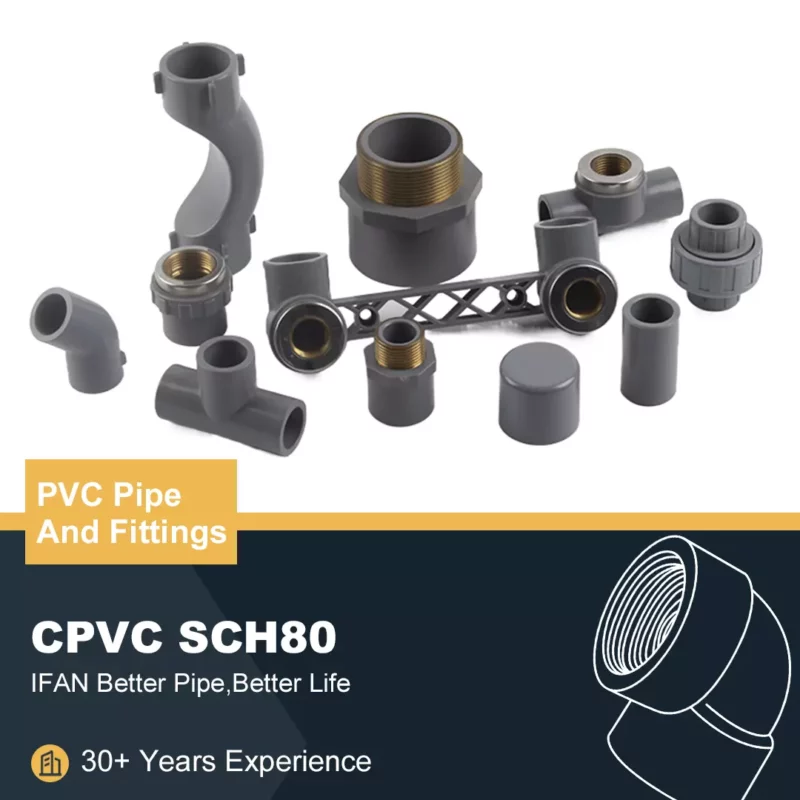
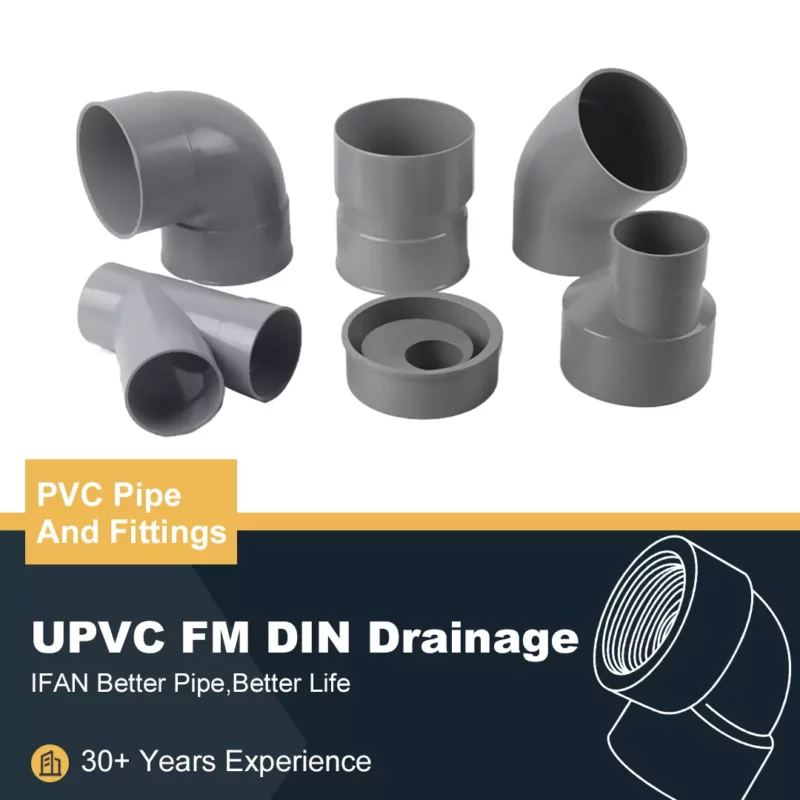
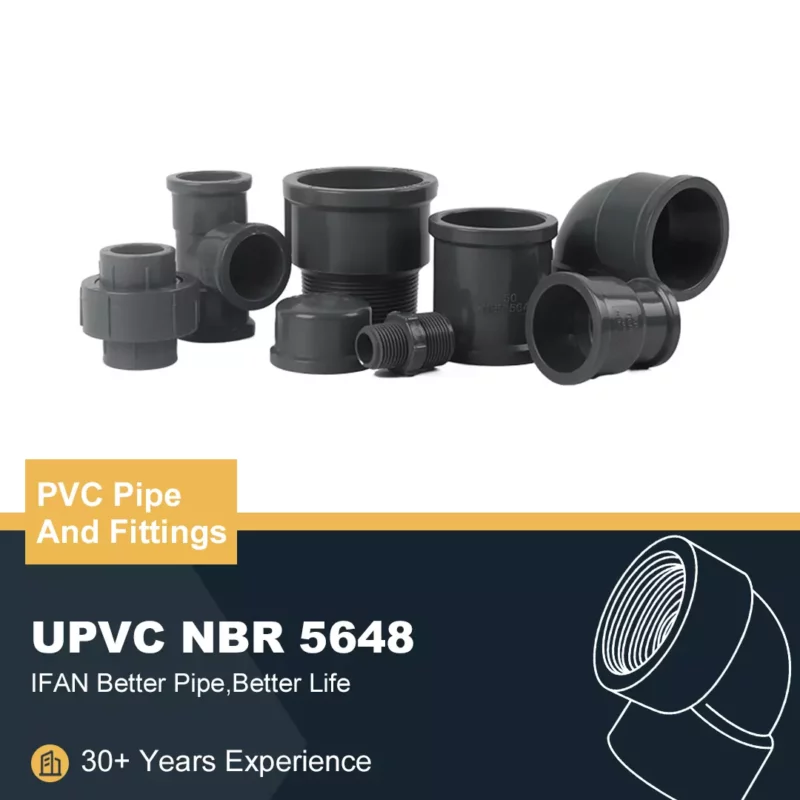
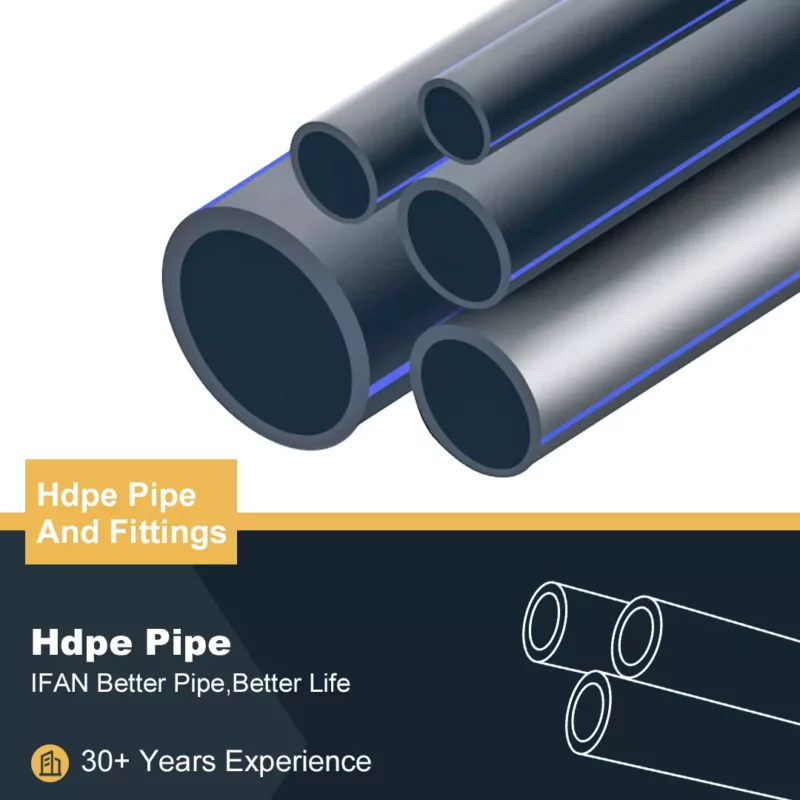
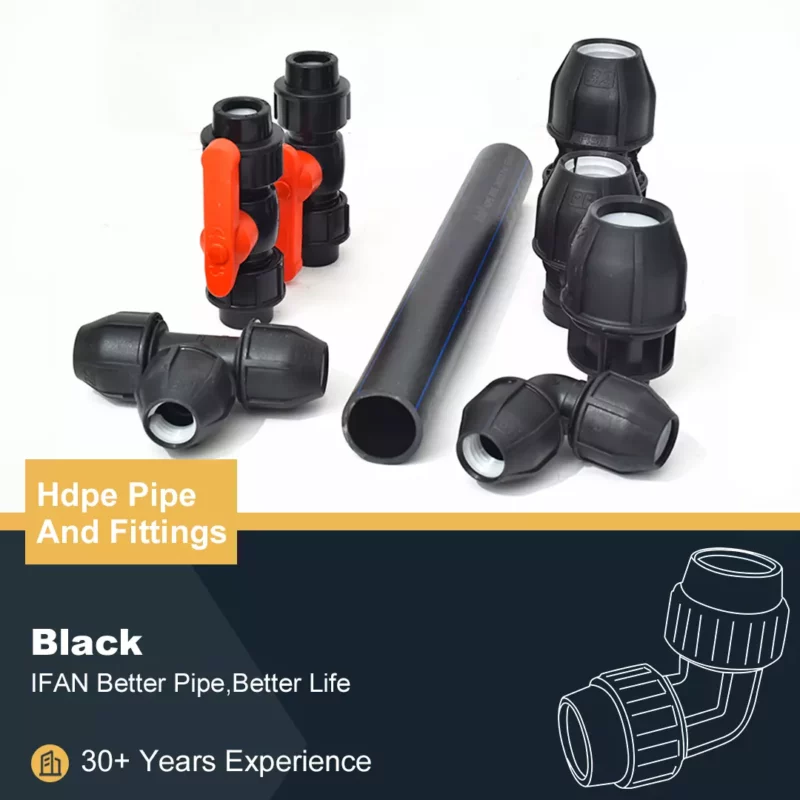
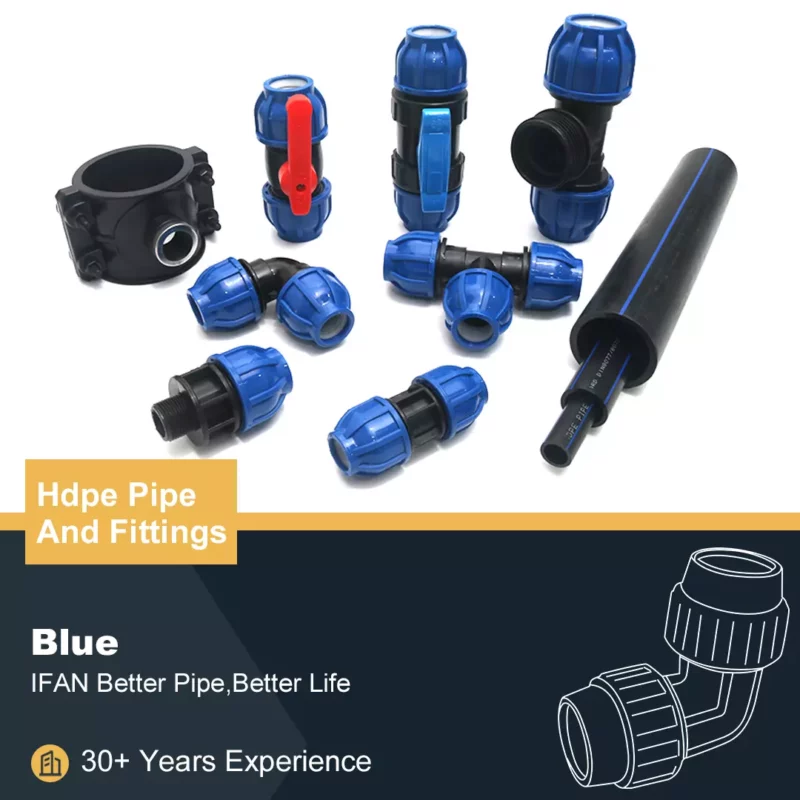
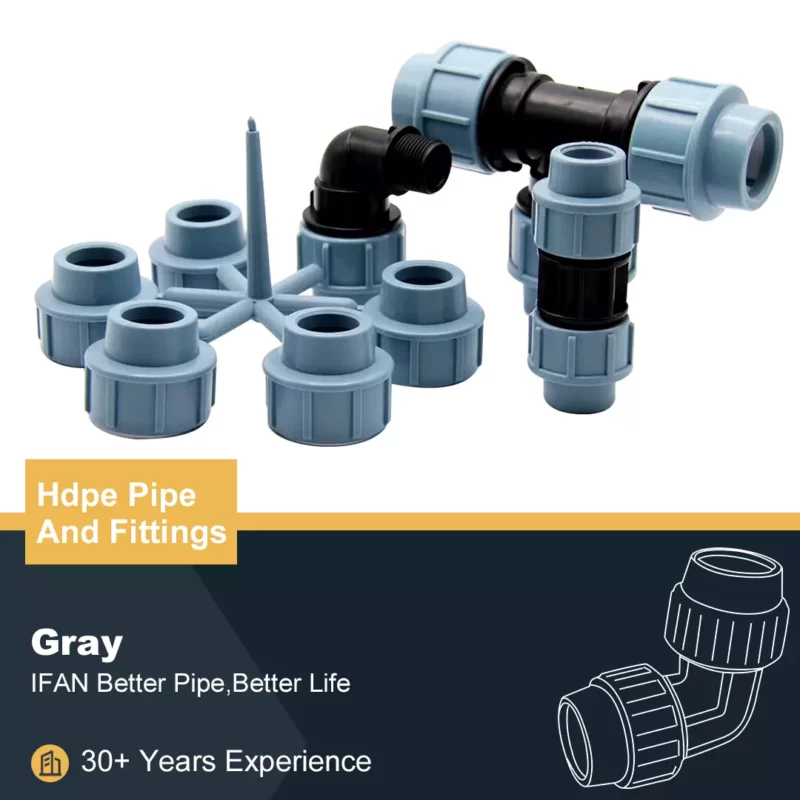




PPH stands for Polypropylene Homopolymer. Manufacturers create it from pure polypropylene. This material ensures excellent strength and chemical resistance. Engineers use PPH in various industrial piping systems. PPH systems handle corrosive chemicals, high temperatures, and pressurized fluids. This system suits industries like chemical processing, electroplating, and wastewater treatment. PPH pipes support both above-ground and underground installations. Installers can weld them easily with heat fusion techniques. PPH remains a reliable solution for demanding piping applications.
Key Features of PPH Pipes
PPH pipes resist corrosion from acids, alkalis, and salts. This resistance extends their lifespan in harsh environments. These pipes withstand temperatures up to 100°C. Their thermal stability supports hot fluid transport. PPH piping systems weigh less than metal alternatives. This feature simplifies transport and installation. PPH does not conduct electricity. This property enhances safety in electrical or chemical environments. The smooth internal surface minimizes friction. Fluids flow freely and efficiently through PPH systems.
Applications in Chemical Industries
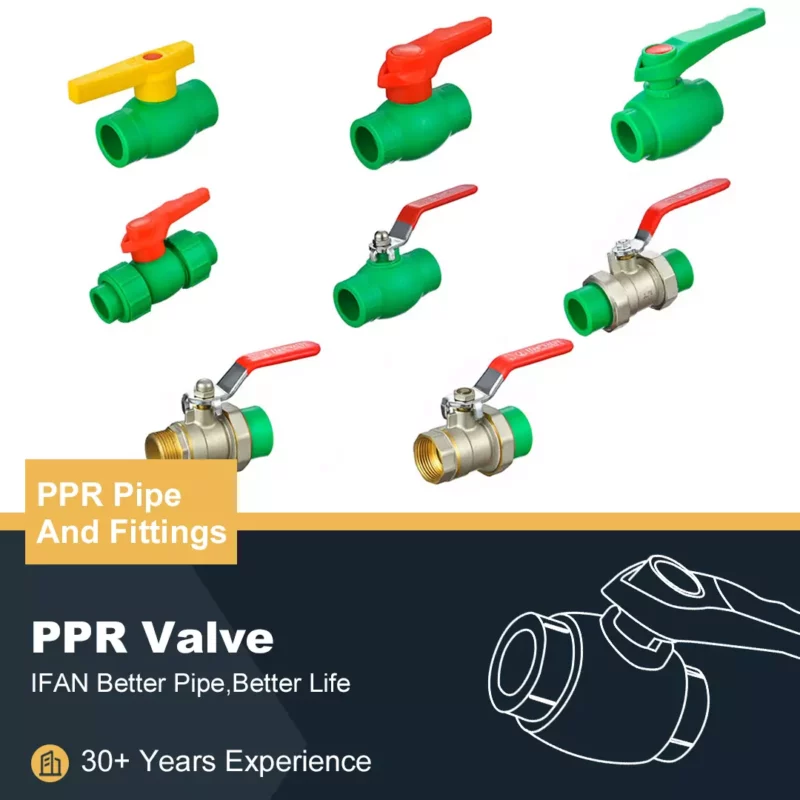
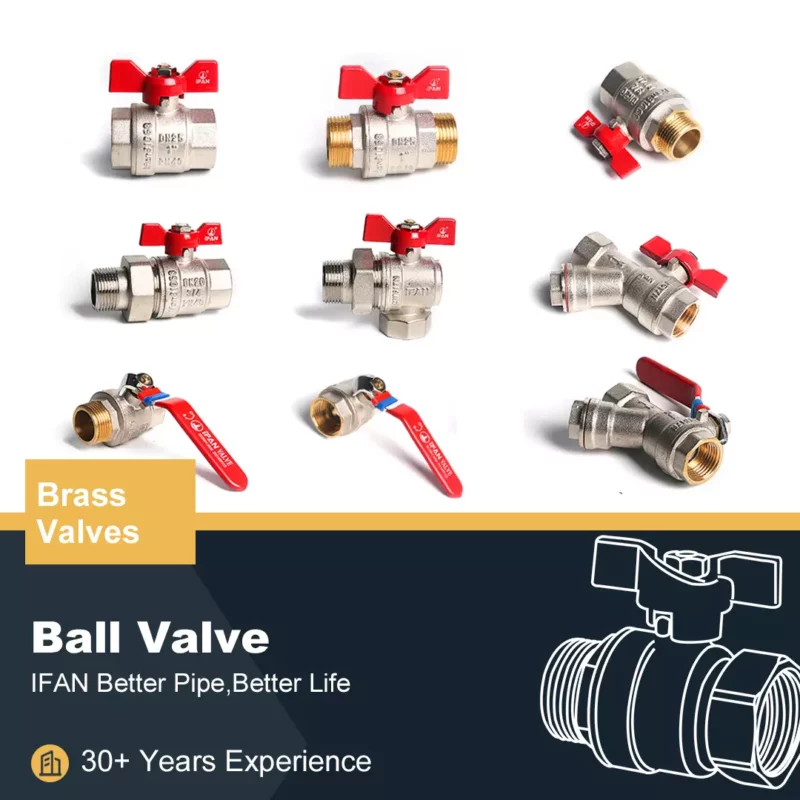
Chemical plants install PPH pipes for transporting corrosive substances. The pipe material handles sulfuric acid and hydrochloric acid. Engineers also use them for caustic soda and sodium hypochlorite. PPH protects equipment from leaks and contamination. This system reduces maintenance costs and improves operational safety. Operators prefer PPH over traditional materials for reliability. PPH fittings and valves allow complete system integration. These components maintain chemical resistance throughout the network.
Usage in Water and Wastewater Systems
PPH works well in water treatment facilities. It handles aggressive cleaning agents and disinfectants. Wastewater plants choose PPH for sludge and chemical waste. This material resists abrasion from solid particles. PPH maintains flow integrity under pressure and temperature changes. Treatment systems benefit from the low maintenance needs. Municipalities use PPH for drainage and chemical dosing lines. Engineers value its durability in challenging installations. PPH supports both gravity flow and pressurized systems.
Advantages in High-Purity Environments
Pharmaceutical and food industries trust PPH for purity. This material does not leach harmful substances. It preserves the integrity of sensitive fluids. PPH meets strict hygiene and safety standards. Cleanrooms and laboratories use it for chemical distribution. PPH remains inert and does not react with most fluids. Installers can weld pipes without adhesives. This process eliminates contamination risks. Systems remain clean and compliant with health regulations.
Thermal and Pressure Performance
PPH performs well in thermal cycling environments. It maintains structural integrity under changing temperatures. The pipe does not crack or deform easily. PPH handles pressures up to 16 bar in standard designs. This capacity suits many industrial requirements. Insulation enhances energy efficiency in hot fluid systems. The pipe retains heat and reduces loss during transport. Engineers design systems using PPH for consistent performance. This reliability supports long-term operations without disruptions.
Installation and Maintenance Benefits
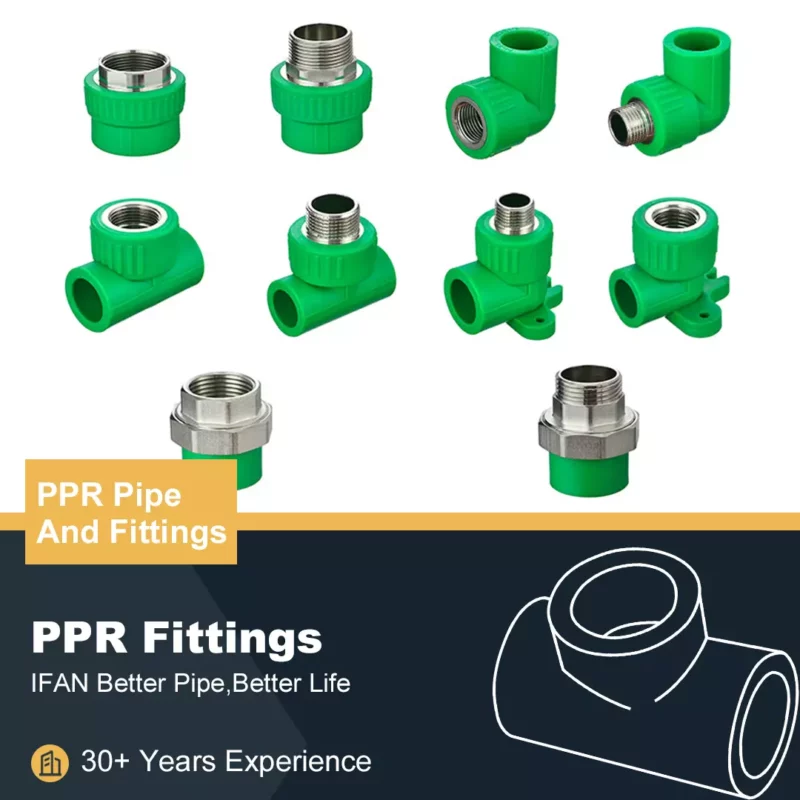
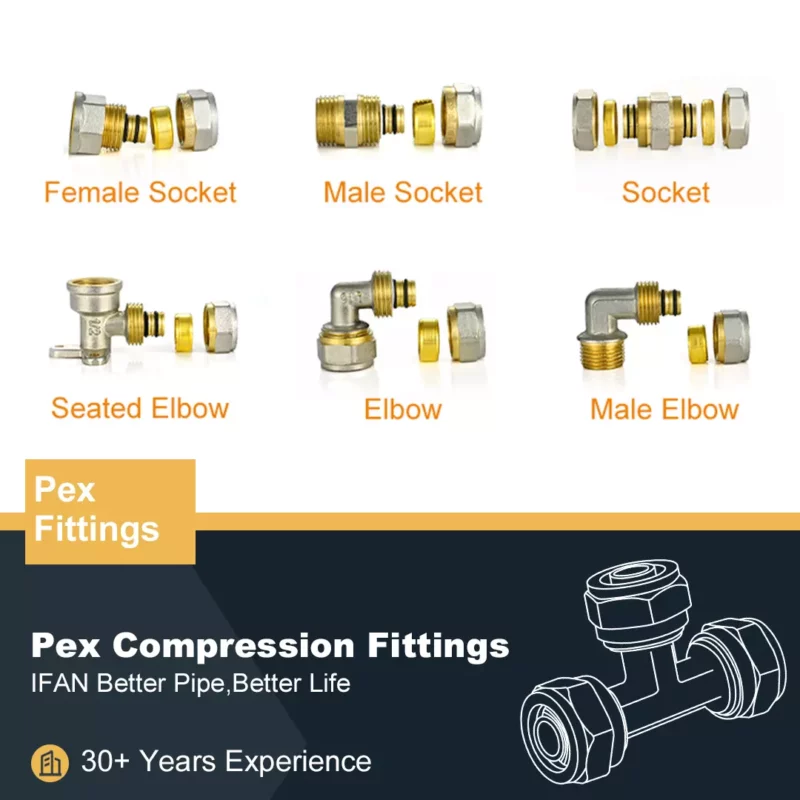
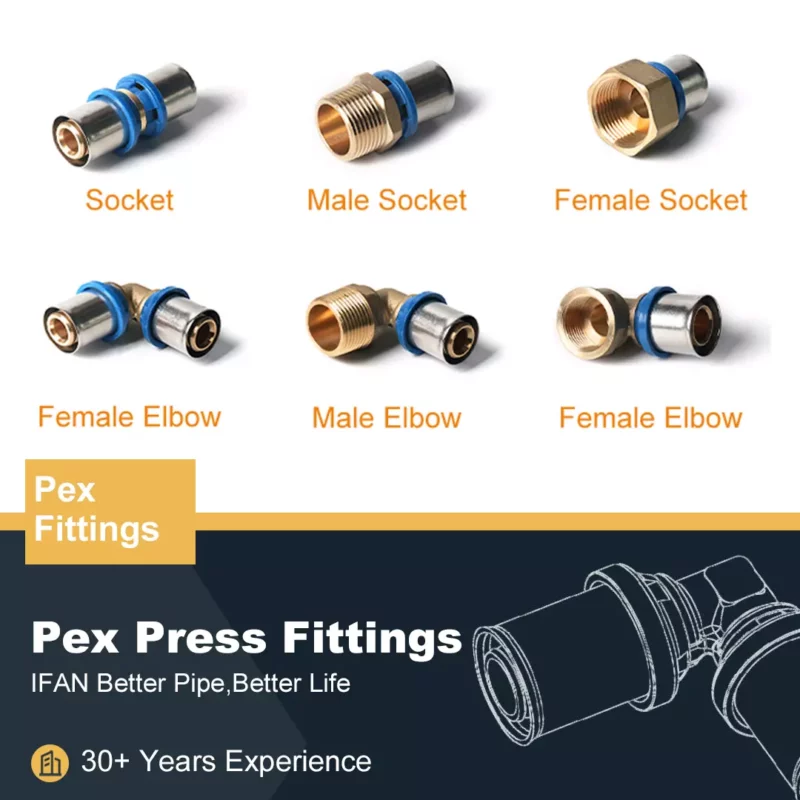
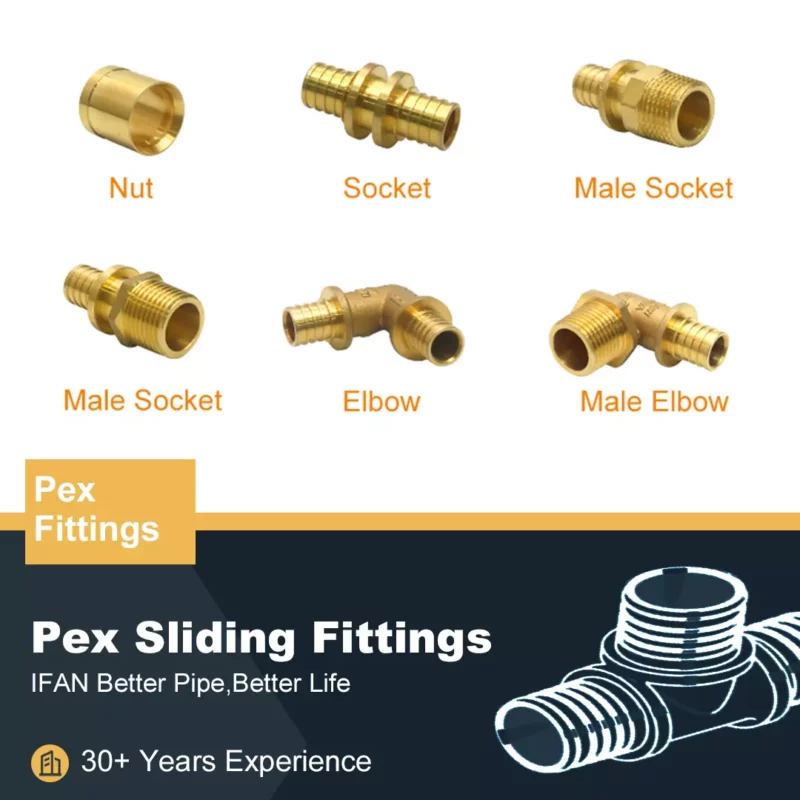
Technicians appreciate the ease of working with PPH. They weld connections using fusion or socket welding. This process creates strong and leak-free joints. Installers require minimal tools or equipment. The system assembles quickly and securely on-site. PPH components include pipes, elbows, tees, and valves. These parts simplify layout design and changes. The system requires little maintenance after installation. This feature saves time and reduces long-term costs. Operators can inspect and replace sections easily.
Comparison to Other Pipe Materials
PPH provides superior chemical resistance to PVC. It handles higher temperatures than standard polypropylene. PPH weighs less than steel and copper. This difference lowers shipping and handling expenses. PPH costs less than exotic metals like titanium. It also avoids corrosion issues faced by metals. Unlike glass or ceramics, PPH does not shatter. It withstands impacts during handling or operation. PPH also resists UV exposure with proper additives. This feature extends service life in outdoor applications.
Environmental and Economic Benefits
PPH production consumes fewer resources than metal pipes. This efficiency supports environmental sustainability. Recyclers can reclaim and reuse PPH materials. This reduces landfill waste from old systems. Energy-efficient production lowers emissions. PPH systems help companies meet green standards. These systems also cut water and chemical losses. Operators reduce energy usage through improved flow. These savings increase return on investment. PPH supports sustainable development goals in multiple industries.
Conclusion: A Reliable and Versatile Choice
PPH piping systems serve many critical functions. They offer durability, safety, and cost-efficiency. These features suit demanding applications across sectors. Engineers trust PPH in both industrial and municipal settings. It meets technical and regulatory requirements. The system provides long-term value and low maintenance. PPH ensures consistent fluid handling without failures. As industries evolve, PPH remains a top piping choice.
If you have read this article and have any questions, please feel free to contact IFAN. Below is our contact information:
Whatsapp:+86 13373827623
Email:[email protected]