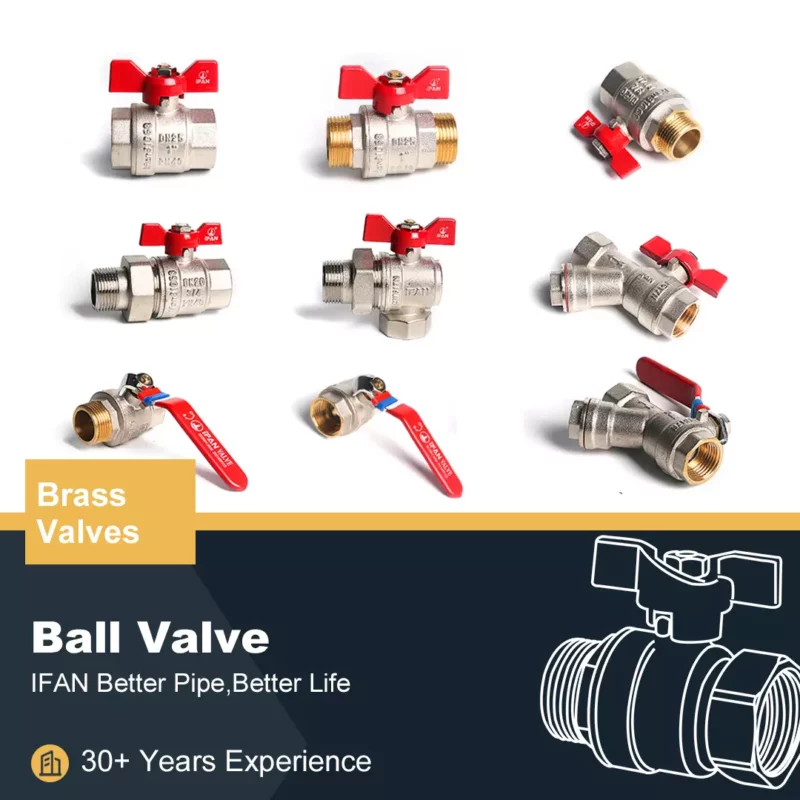
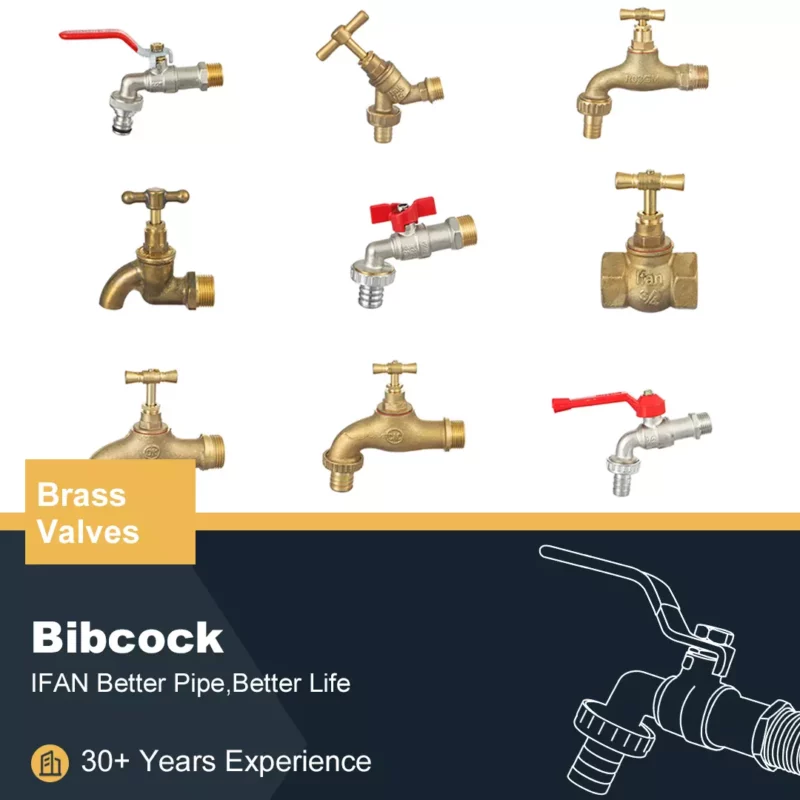
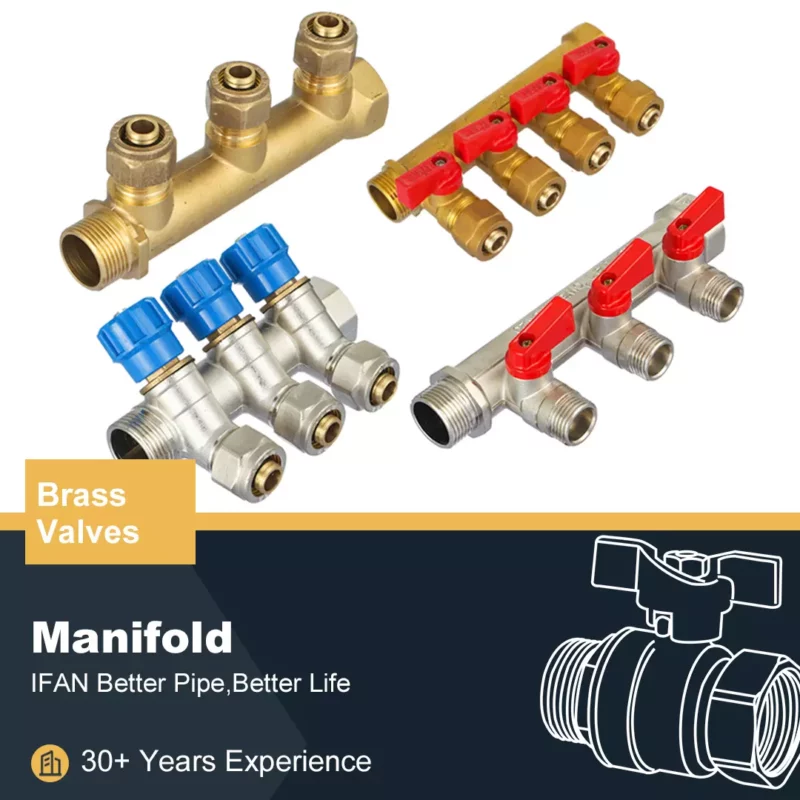

In plumbing and industrial applications, ensuring efficient connections without breaking the bank is essential. Brass fittings have emerged as a reliable and cost-effective solution for many systems. These fittings, made from a durable copper and zinc alloy, are known for their strength, corrosion resistance, and long lifespan. Despite their initial higher cost compared to alternatives, brass fittings often provide long-term savings due to their durability and minimal maintenance requirements. This article explores how brass fittings offer cost-effective solutions in various plumbing and mechanical applications.
What Are Brass Fittings?
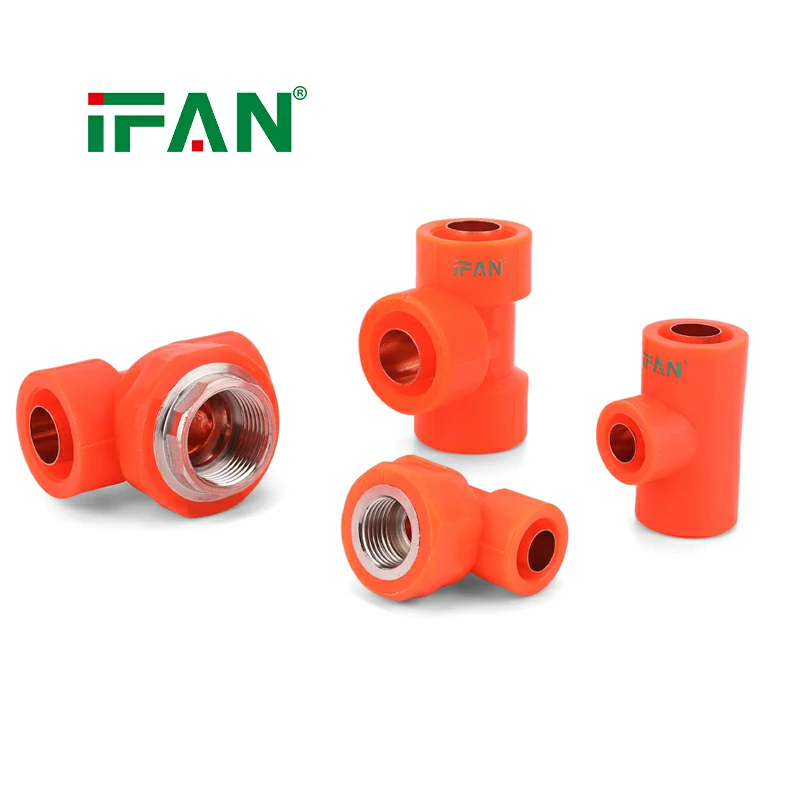
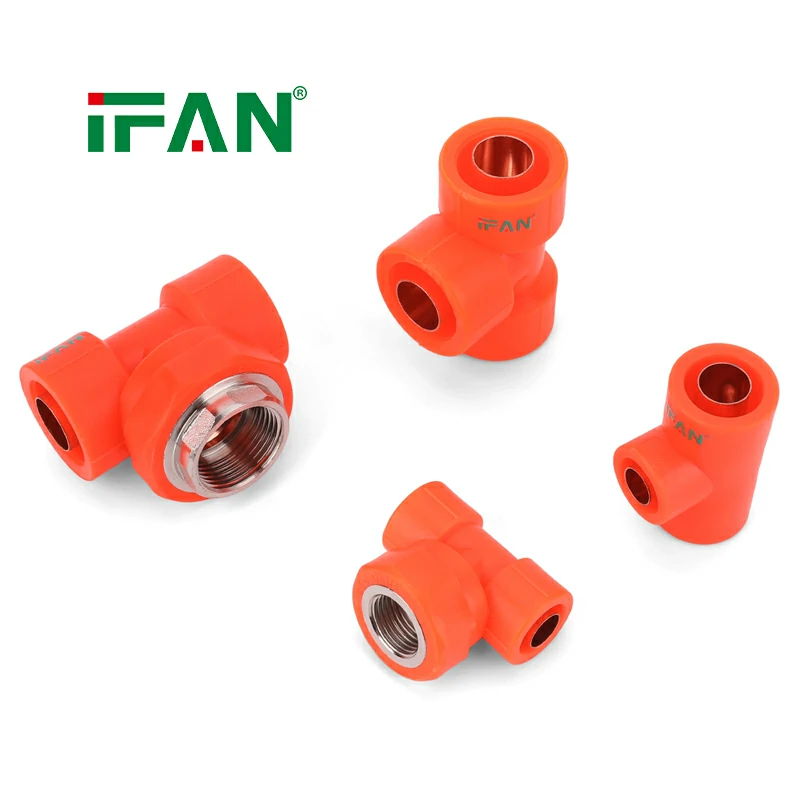
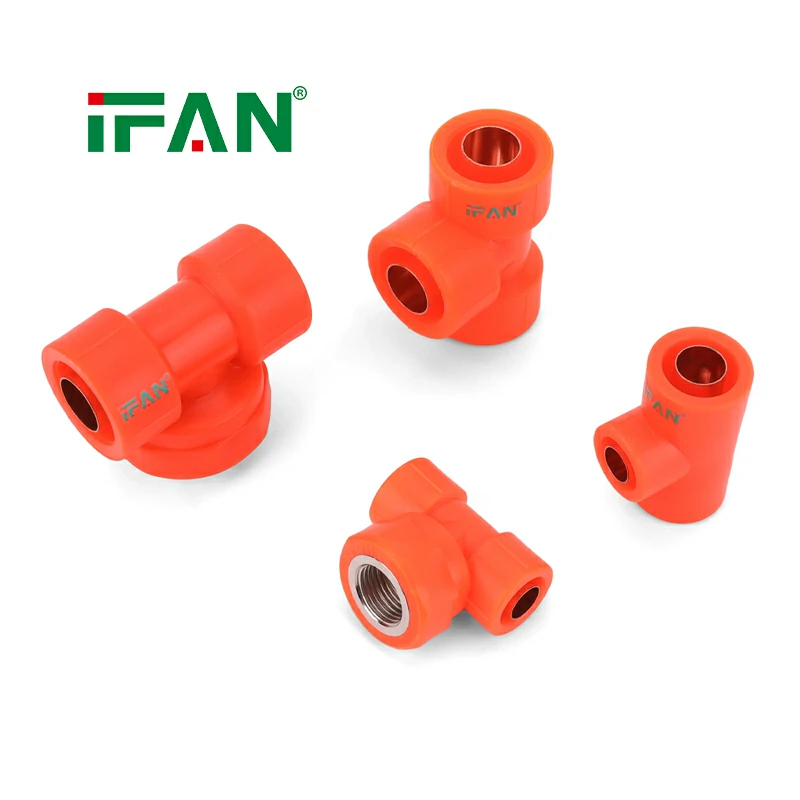
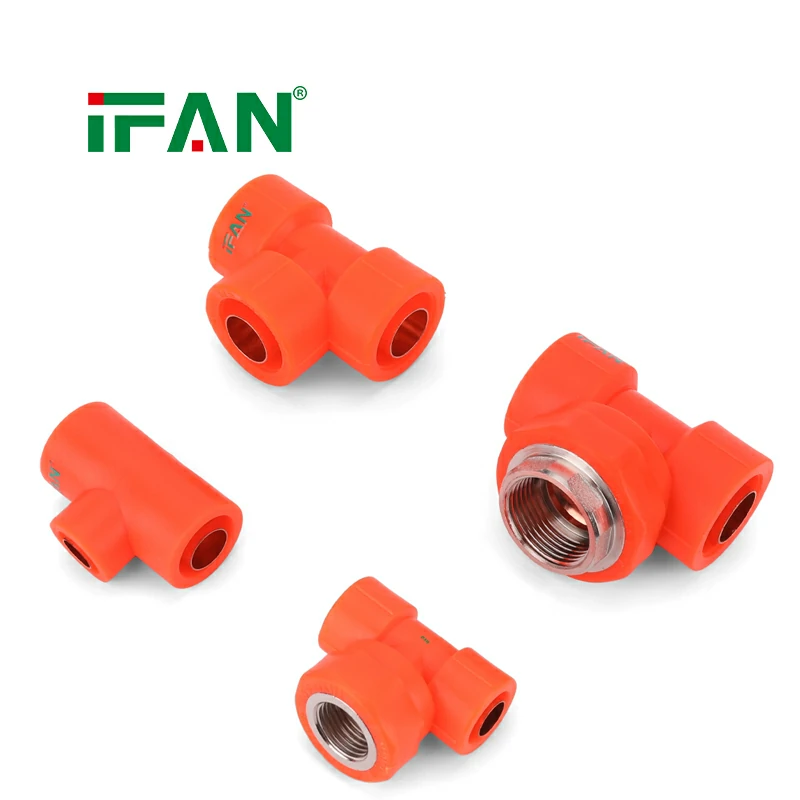
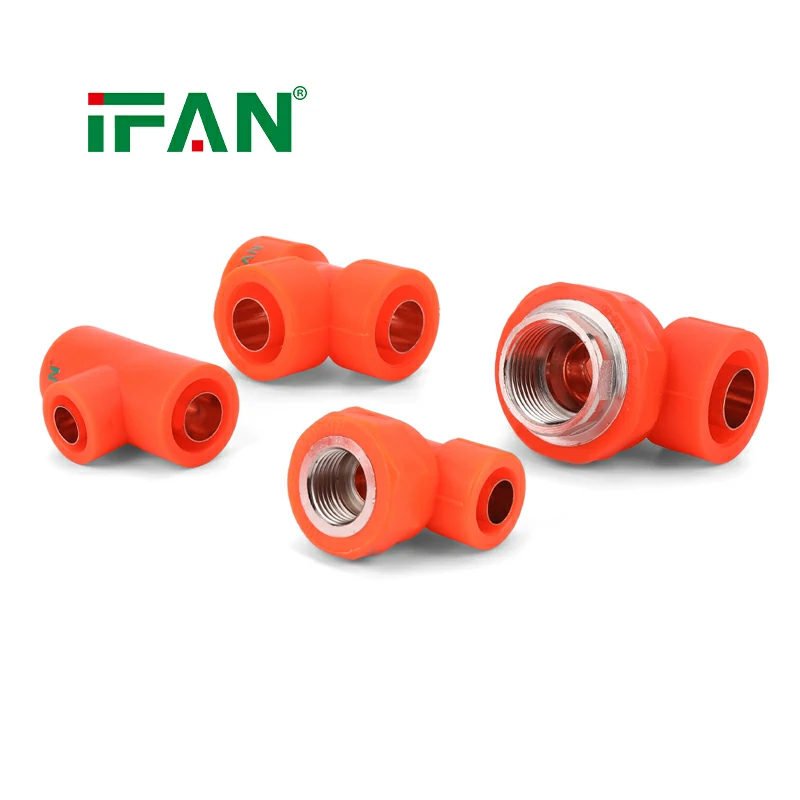
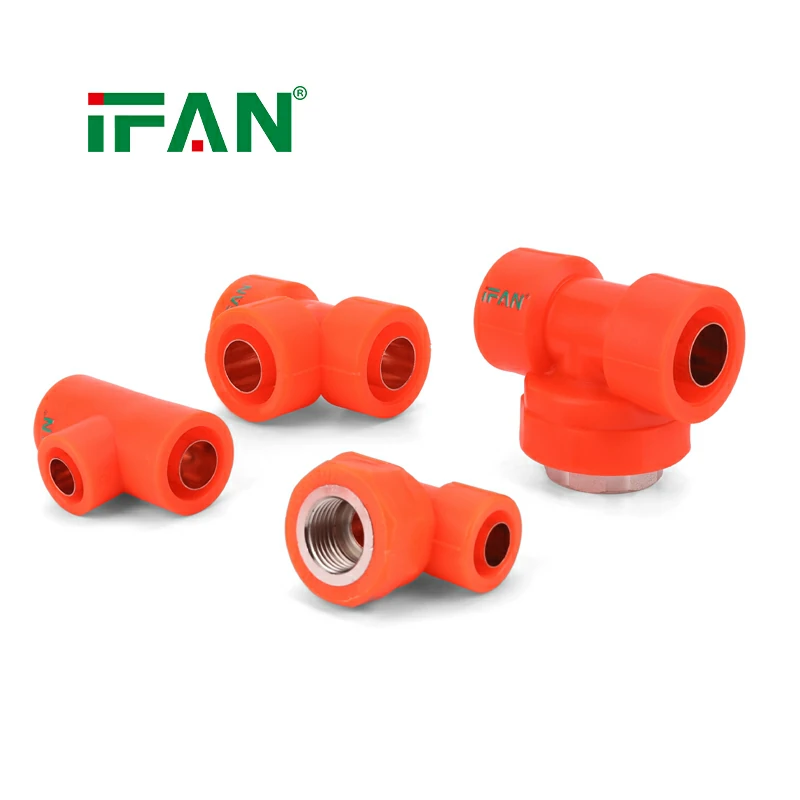
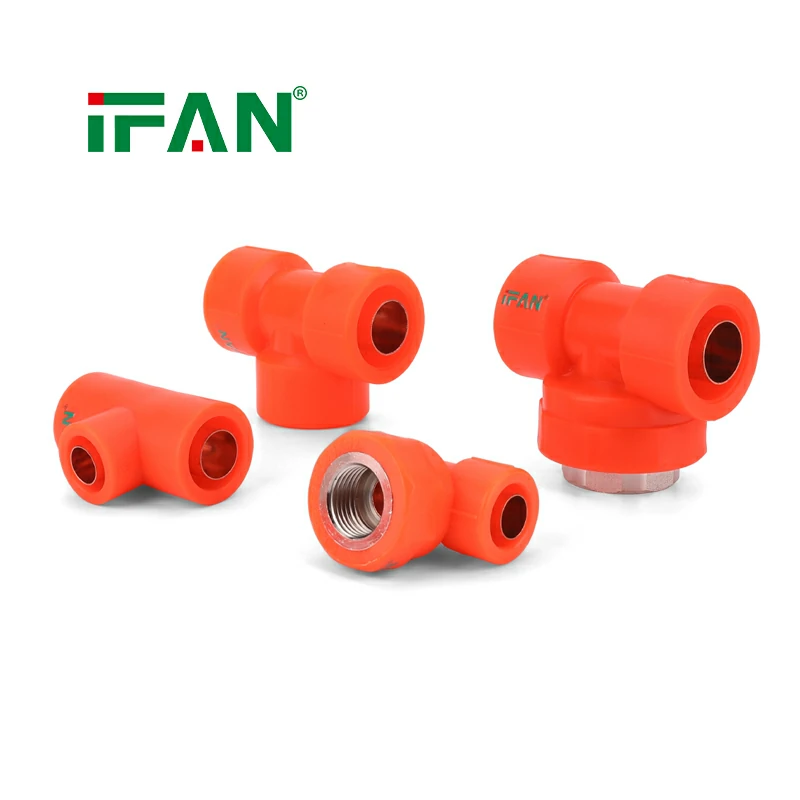
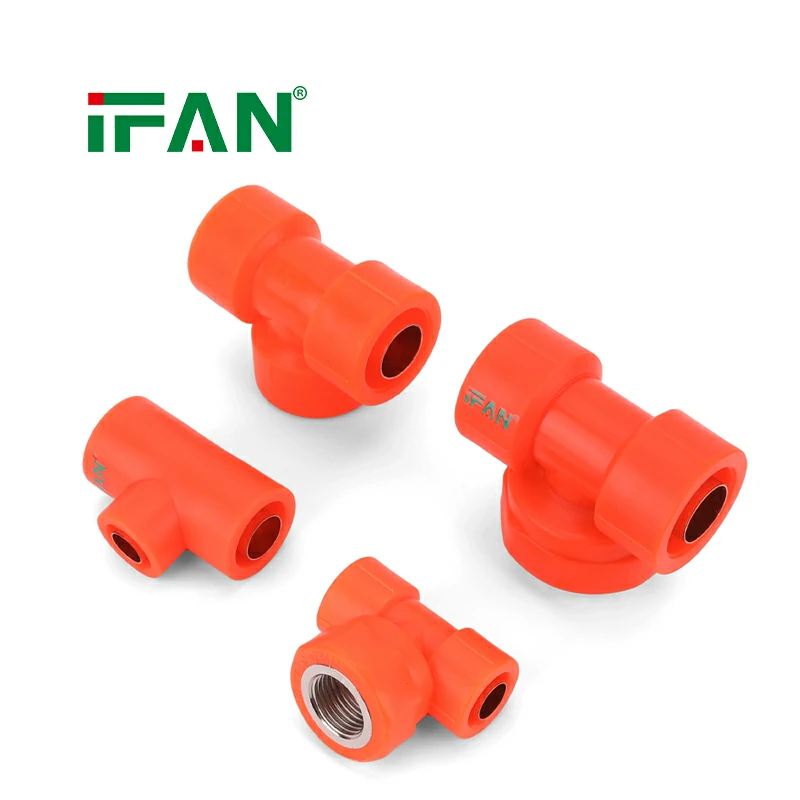
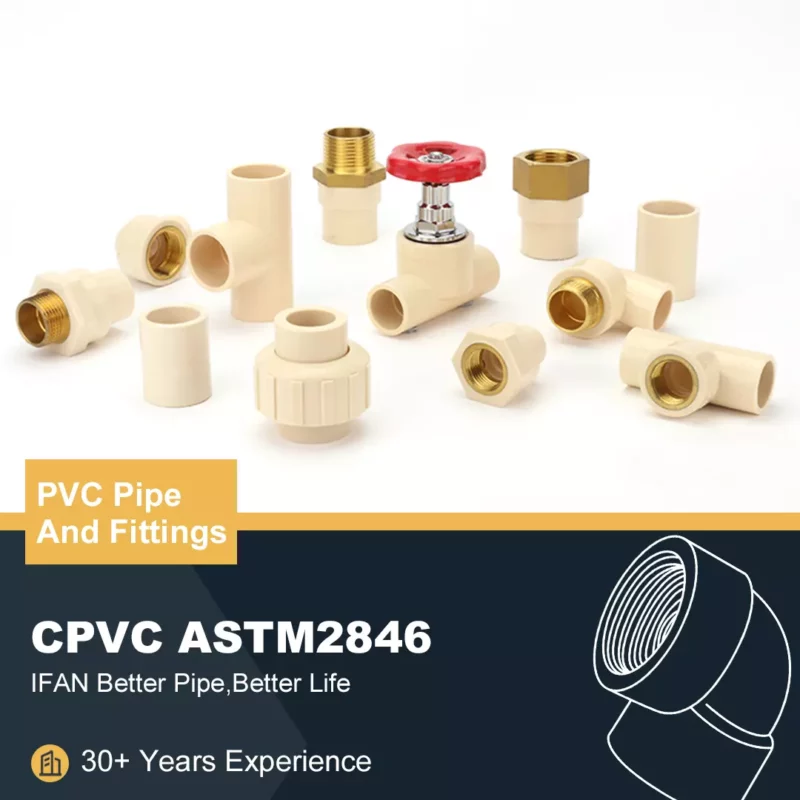
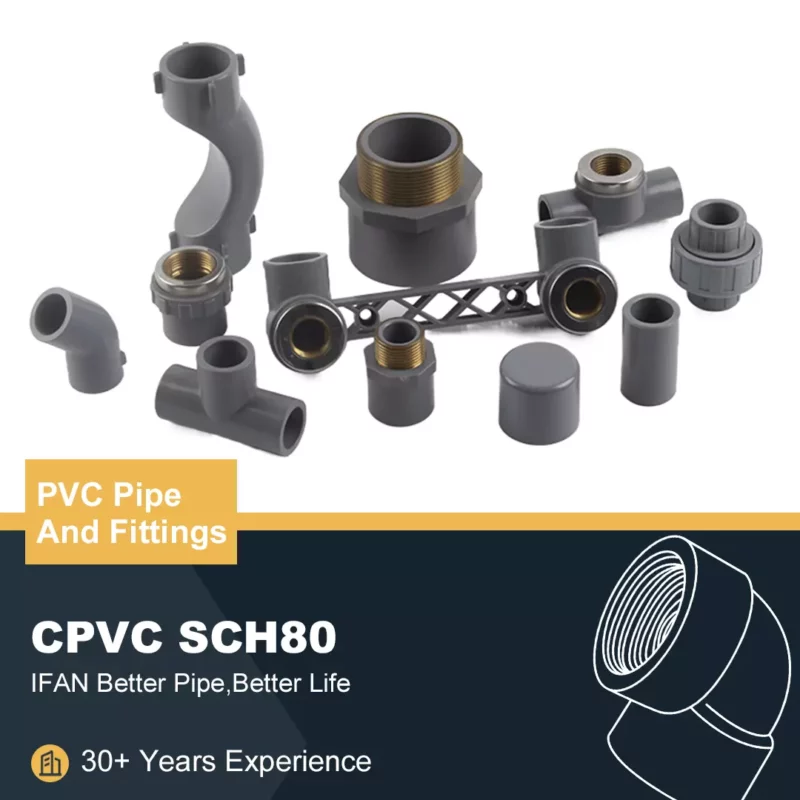
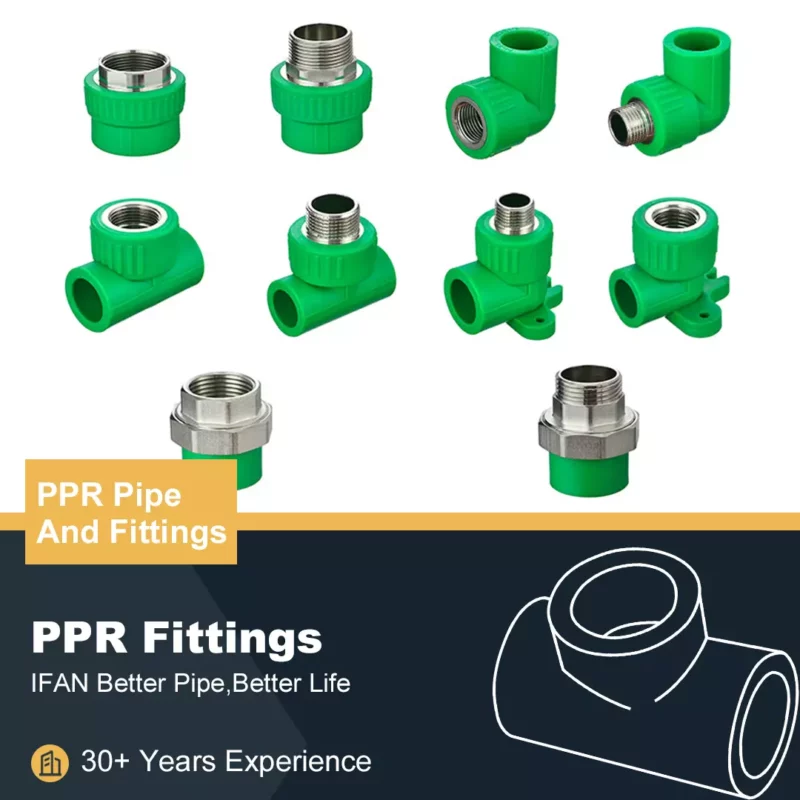
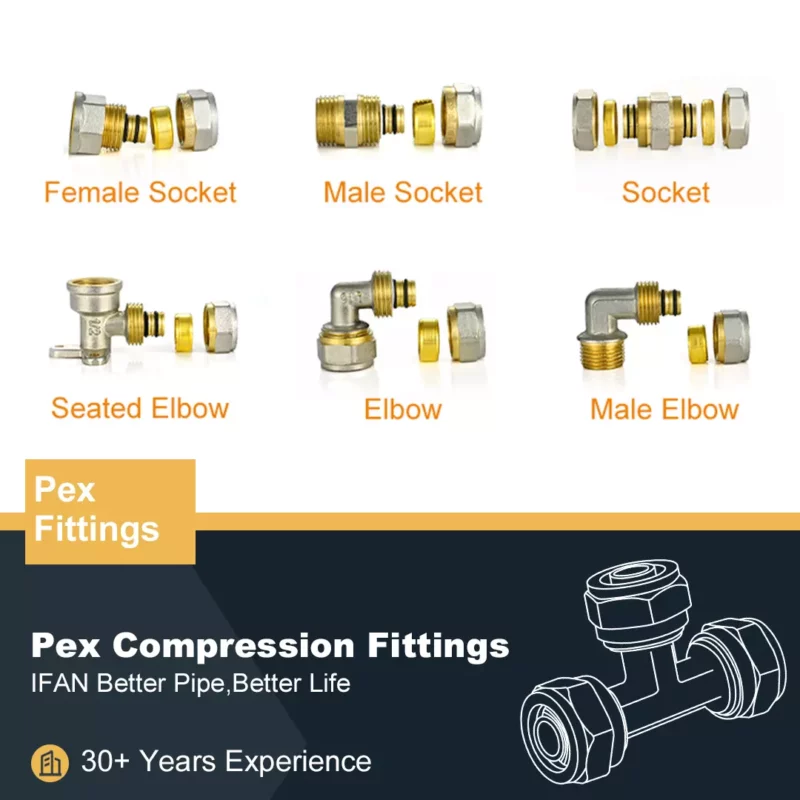
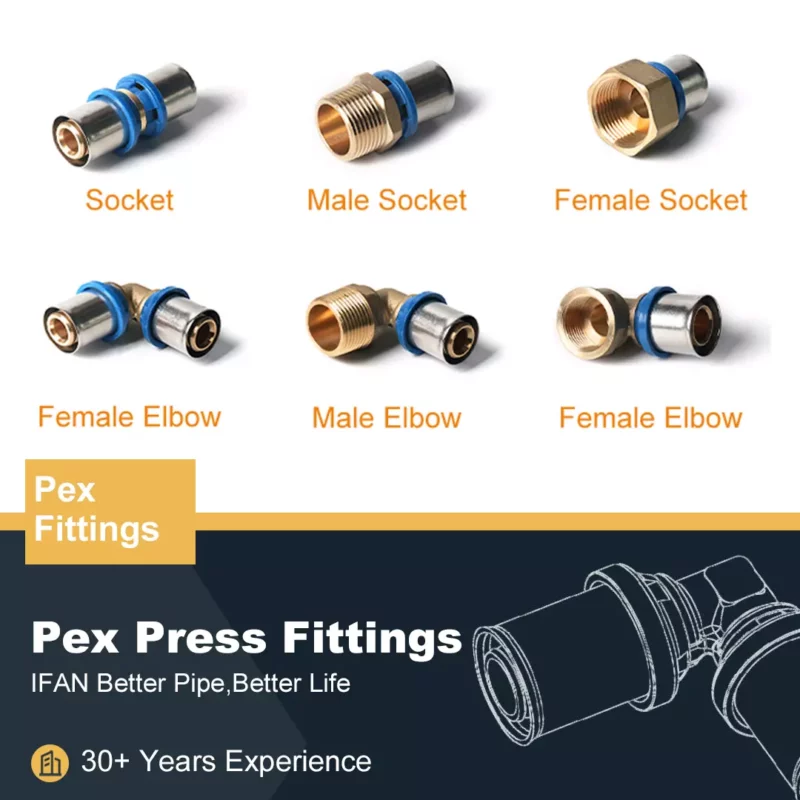
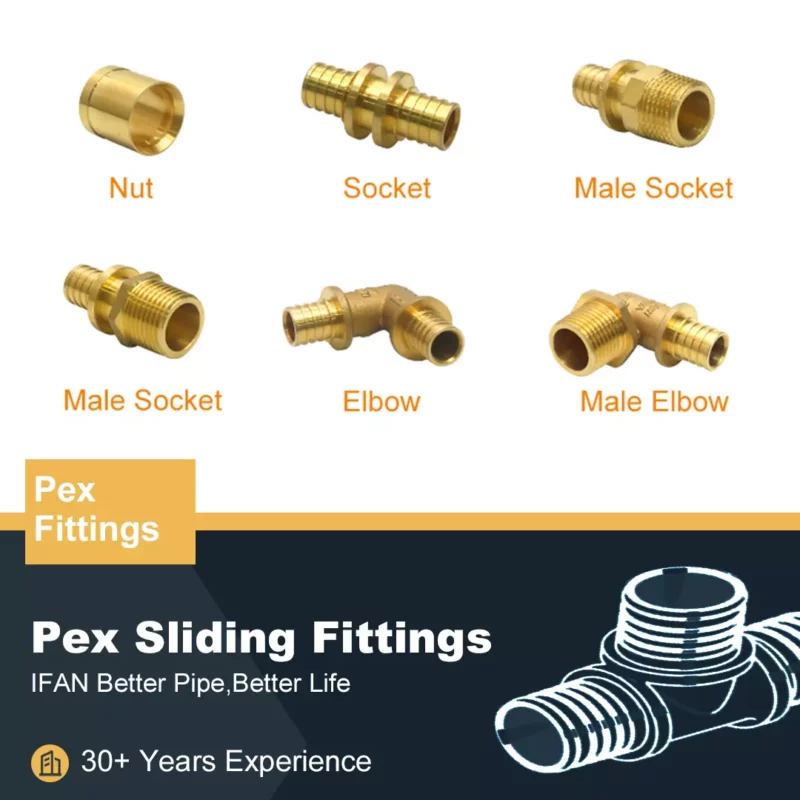
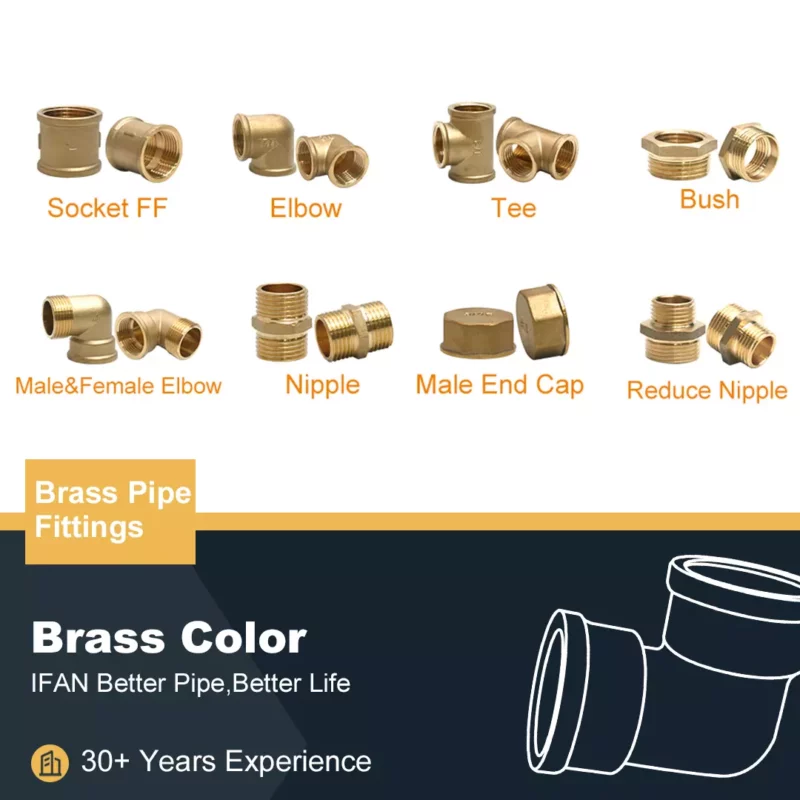
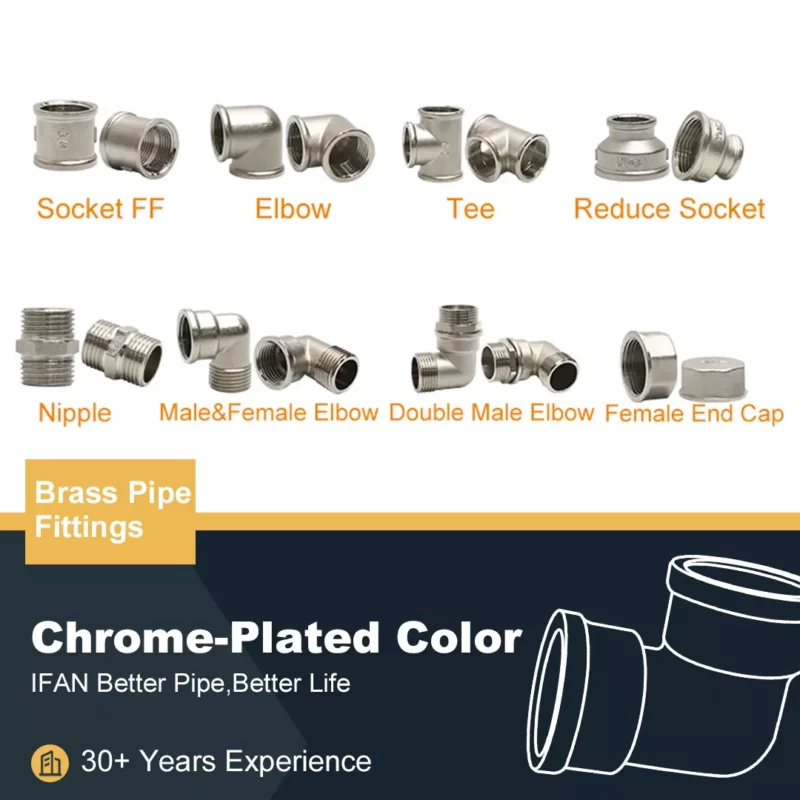
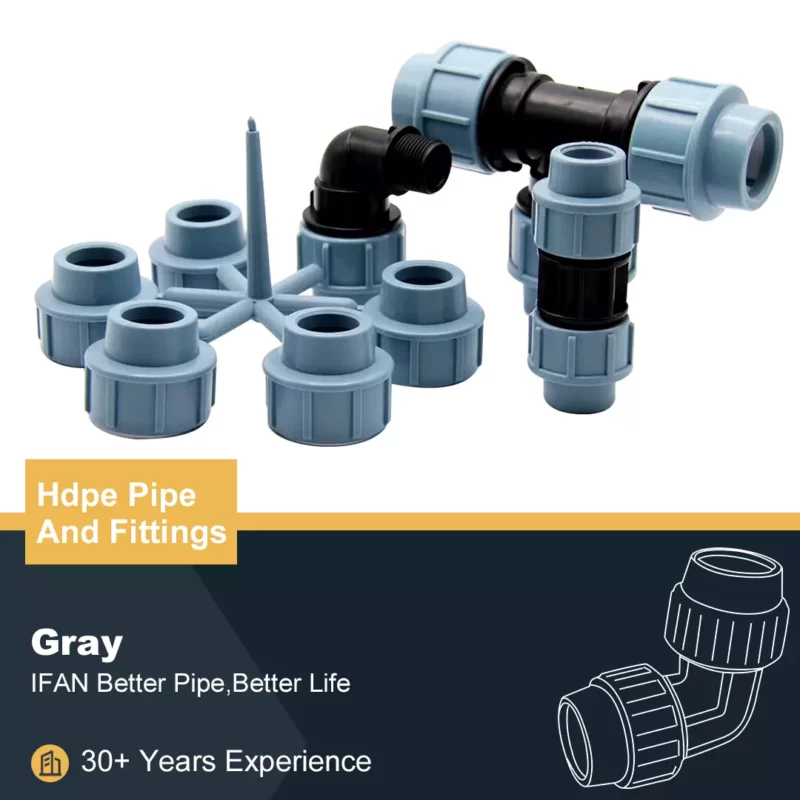
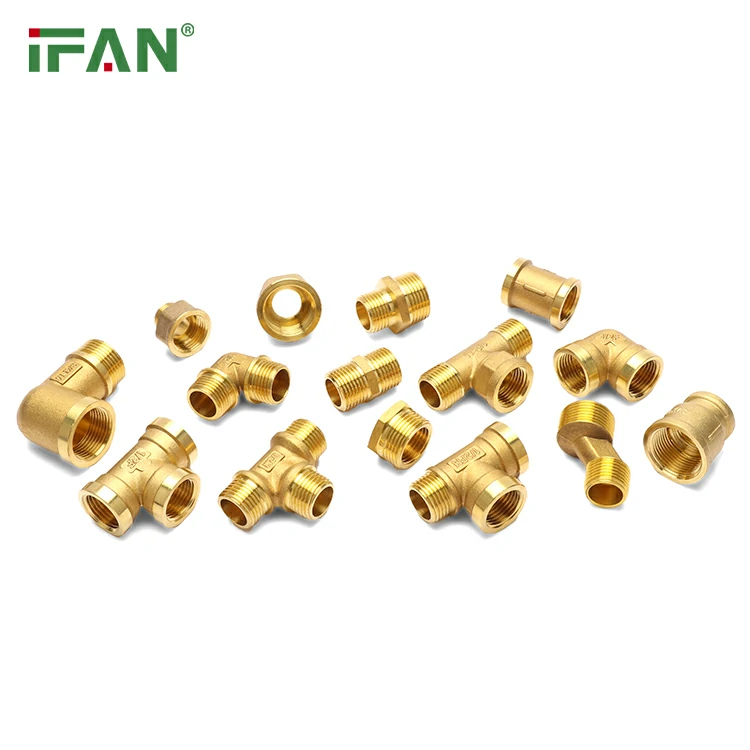
Brass fittings are components used to connect, control, and direct water or gas flow in plumbing systems. Made from a combination of copper and zinc, these fittings offer a perfect balance of strength and resistance to corrosion. Common types of brass fittings include elbows, couplings, tees, and adapters. Each of these parts serves a specific purpose, helping to ensure leak-free and secure connections within pipes.
Although they may have a higher upfront cost than alternatives like plastic or aluminum fittings, brass fittings provide substantial savings over time. Their durability, resistance to corrosion, and ability to withstand harsh conditions make them a smart long-term investment.
Durability Reduces Long-Term Costs
One of the most significant factors contributing to the cost-effectiveness of brass fittings is their durability. Brass fittings can withstand pressure, temperature fluctuations, and harsh environmental conditions without deteriorating. In comparison to plastic or other cheaper metals, brass does not crack, break, or wear down as easily over time.
This durability results in fewer repairs and replacements. For example, fittings in plumbing systems exposed to water or gas will maintain their integrity longer, reducing the need for costly maintenance. As a result, brass fittings ensure that water or gas systems function efficiently for years without the need for frequent fixes, providing excellent long-term value.
Corrosion Resistance Saves Money on Repairs
Another key factor in the cost-effectiveness of brass fittings is their natural resistance to corrosion. In plumbing systems, particularly those dealing with water, corrosion can significantly impact the performance of fittings and pipes. Corrosion leads to leaks, blockages, and system breakdowns, which require expensive repairs or replacements.
Brass fittings, however, are resistant to corrosion, ensuring that they maintain their performance and integrity over time. Even in systems exposed to harsh water conditions, such as hard water or chemicals, brass fittings will not rust, corrode, or degrade. This corrosion resistance minimizes the need for costly repairs or replacements, making brass fittings a more economical choice in the long run.
Fewer Replacements and Reduced Labor Costs
The longevity of brass fittings directly translates into fewer replacements, which reduces both material and labor costs. In industries or homes where plumbing systems are under constant use, brass fitting provide peace of mind by minimizing the frequency of replacement parts. While plastic or steel alternatives may need replacing every few years, brass fitting can last for decades without compromising performance.
This extended lifespan also means fewer labor costs associated with system maintenance. Fewer installations and replacements reduce the time and effort required to maintain the system, making it an efficient choice. In industrial and commercial settings, where maintenance costs can add up quickly, brass fitting provide an excellent solution to keep operational costs low.
Low Maintenance Requirements
Brass fitting require minimal maintenance once installed. Unlike other materials that may need regular cleaning or monitoring, brass maintains its performance with little intervention. Their resistance to wear and corrosion means that brass fitting can continue to function effectively for many years without the need for frequent upkeep.
This low-maintenance characteristic is crucial for both residential and commercial systems. Homeowners and business owners can save significant amounts of time and money by reducing the need for frequent inspections or repairs. Fewer service calls and maintenance work lead to reduced operational costs over the life of the system, making brass fitting an even more cost-effective choice.
Compatibility with Various Systems
Brass fittings are compatible with a wide range of piping materials, including copper, PVC, PEX, and steel. This versatility allows them to be used in various plumbing and industrial systems, enabling flexible and cost-effective designs. Systems that incorporate multiple types of pipes benefit from the adaptability of brass fitting, which can connect different materials securely and efficiently.
For example, in a system that mixes copper and PVC pipes, brass fitting can create strong and leak-proof connections between the two materials. This compatibility ensures that the system runs smoothly without the need for more expensive or complicated components. Additionally, brass fitting are available in different forms such as compression, threaded, and push-fit, making installation even more convenient and cost-efficient.
Increased System Efficiency
By ensuring secure and leak-free connections, brass fitting contribute to the overall efficiency of plumbing and water systems. Leakages in plumbing systems can lead to wasted water, increased energy consumption, and additional costs. Brass fitting help prevent these issues by providing tight, reliable seals that maintain optimal water pressure and flow.
In systems where water or gas must be transported efficiently, any leakage or pressure loss can result in higher operational costs. Brass fittings reduce these risks by ensuring that water flows smoothly through the pipes, improving system efficiency. This increase in efficiency, whether in residential, commercial, or industrial systems, leads to lower overall costs.
Environmentally Friendly and Sustainable
Brass is a highly recyclable material, making it an environmentally responsible choice. At the end of their useful life, brass fittings can be melted down and reused to create new fittings, reducing the demand for raw materials. This sustainable characteristic contributes to a greener, more eco-friendly approach to plumbing and mechanical systems.
By choosing brass fitting, businesses and homeowners can contribute to reducing the environmental impact of their plumbing systems. The longevity and recyclability of brass reduce waste and the need for frequent replacements, offering both ecological and financial benefits.
Energy Savings with Brass Fitting
Brass fitting can also contribute to energy savings. Systems with well-functioning, leak-free connections maintain optimal water pressure, which means that pumps and heating systems do not have to work harder to compensate for leaks or pressure loss. Brass fitting help maintain system efficiency by providing tight, secure connections that prevent energy waste.
In heating systems, for instance, leaks can result in energy loss, increasing heating costs. By preventing such leaks, brass fitting ensure that the system works efficiently and that energy is used more effectively, helping to reduce utility costs over time.
Aesthetic Appeal Adds Value
In some applications, the aesthetic appearance of the plumbing system is important. Brass fitting offer an elegant, polished appearance that is often desirable in visible areas, such as kitchens and bathrooms. The natural golden hue of brass adds a touch of sophistication to any space, while also offering durability and functionality.
Using brass fittings in visible areas can also add value to the property. Potential buyers often appreciate high-quality, attractive plumbing fixtures that contribute to the overall design and functionality of the home. Brass fitting provide both beauty and practicality, making them an appealing choice for those looking to enhance the value of their property.
Reducing Downtime in Commercial Systems
In commercial or industrial systems, minimizing downtime is critical. Brass fitting, due to their durability and low maintenance requirements, help reduce the risk of system failures that can cause operational interruptions. When water or gas systems are in constant use, any leak or failure can lead to expensive downtime.
By using brass fittings, businesses can ensure the continued operation of their systems, reducing downtime and minimizing the associated costs. Their strength and corrosion resistance mean that brass fitting will last longer and perform more reliably than other materials, offering a significant advantage in commercial and industrial applications.
Conclusion
Brass fittings offer a variety of cost-effective benefits for both residential and industrial plumbing systems. Despite their initial cost, the long-term durability, corrosion resistance, low maintenance requirements, and increased efficiency they provide make them an economical choice. With their ability to reduce system failures, maintenance costs, and energy consumption, brass fitting are a sound investment in any plumbing or water system.
Their versatility, compatibility with various materials, and aesthetic appeal add to their cost-effectiveness. Whether used in residential, commercial, or industrial applications, brass fittings provide reliable, long-lasting solutions that ultimately save time and money. When looking for cost-effective solutions for plumbing systems, brass fittings are a smart and reliable choice.
If you have read this article and have any questions, please feel free to contact IFAN. Below is our contact information:
Whatsapp:+86 13373827623
Email:[email protected]