

In plumbing systems, ensuring smooth and efficient water flow is essential. Brass fittings, known for their strength and reliability, play a vital role in achieving this goal. These fittings, made from a durable alloy of copper and zinc, offer multiple advantages that contribute to the performance and longevity of water systems. From residential plumbing to industrial water pipelines, brass fittings provide optimal water flow without the risk of leaks or corrosion. In this article, we will explore how brass fittings ensure efficient water flow and why they are a preferred choice in various applications.
What Are Brass Fittings?
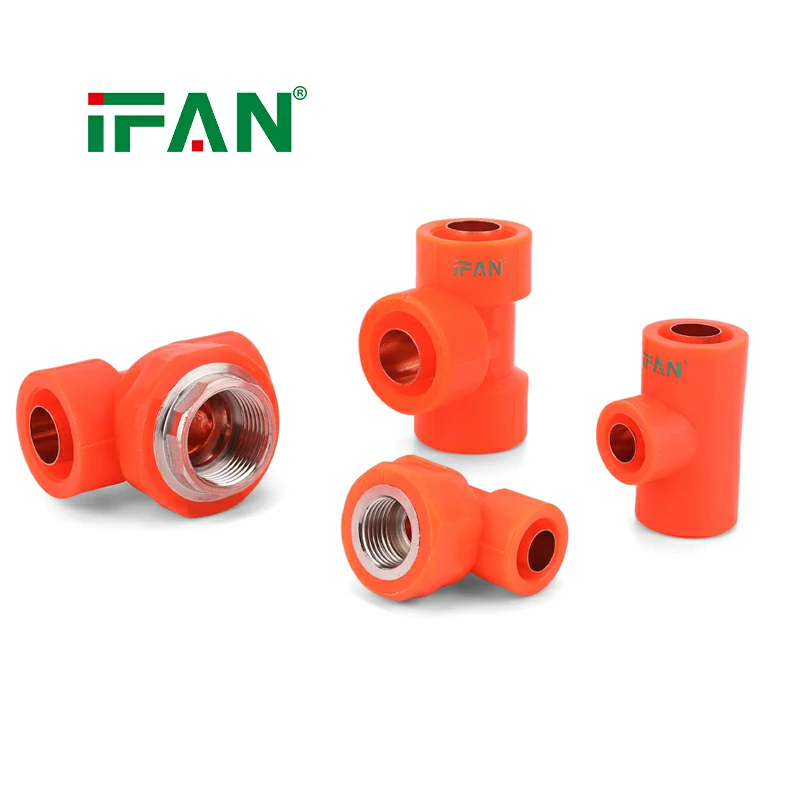
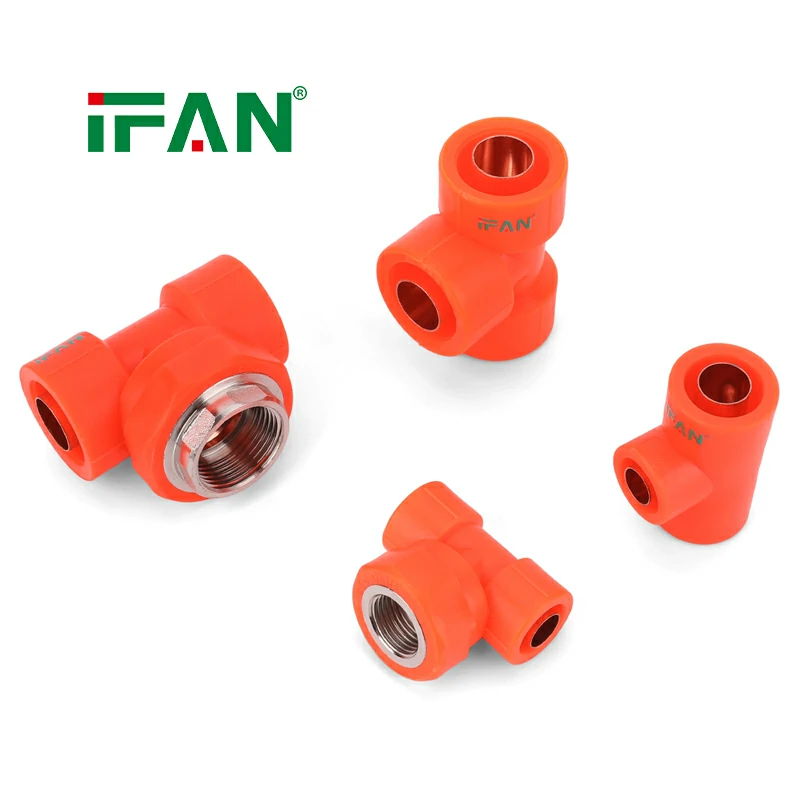
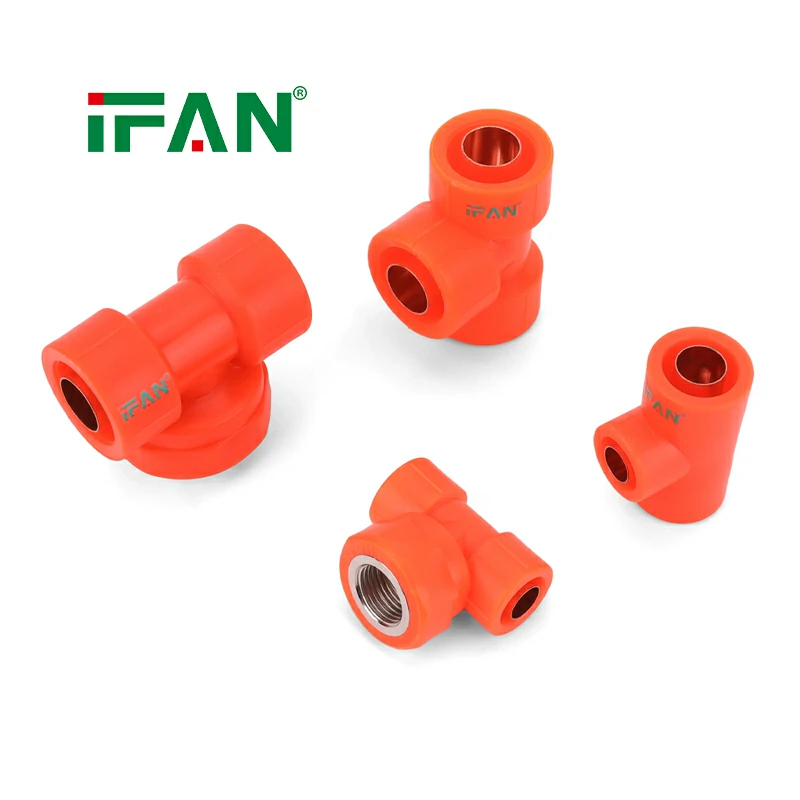
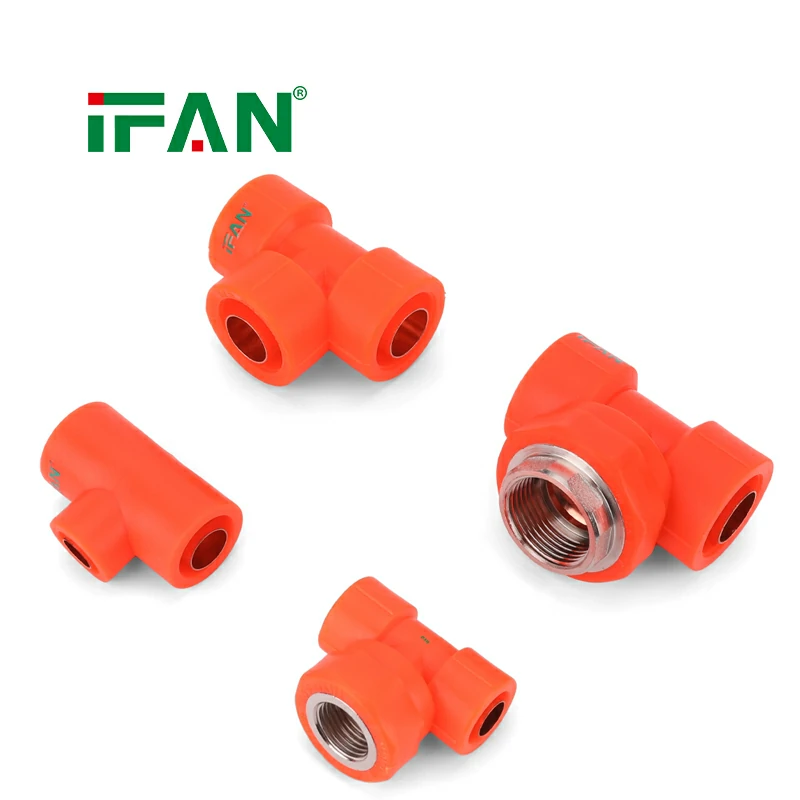
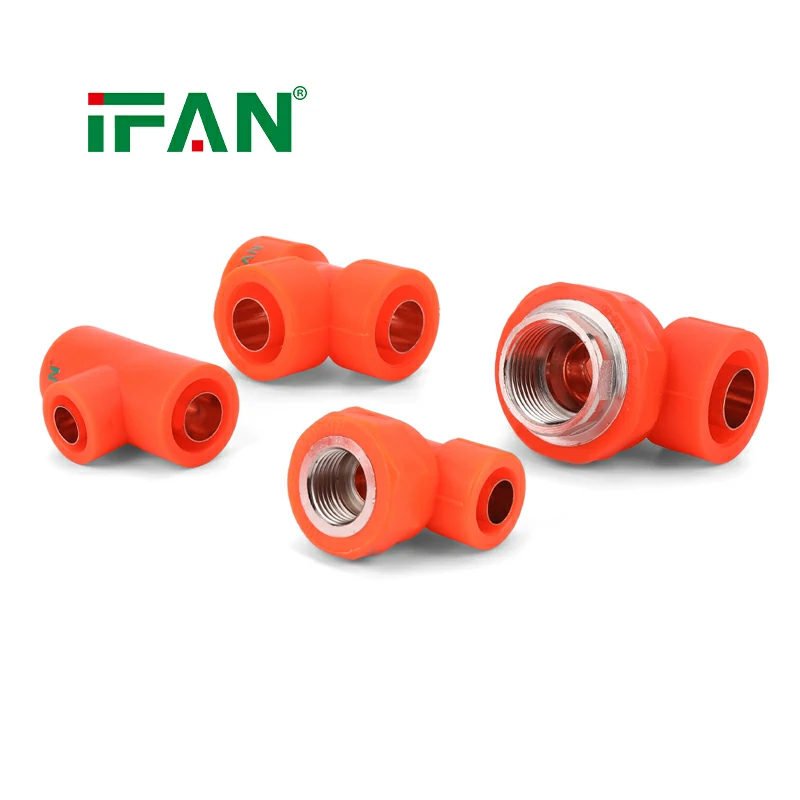
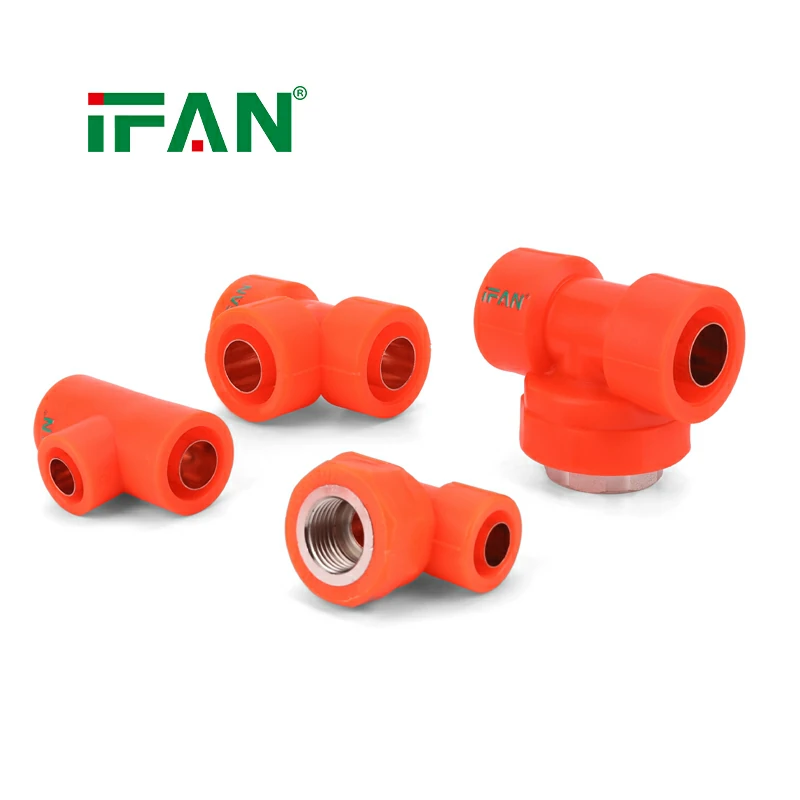
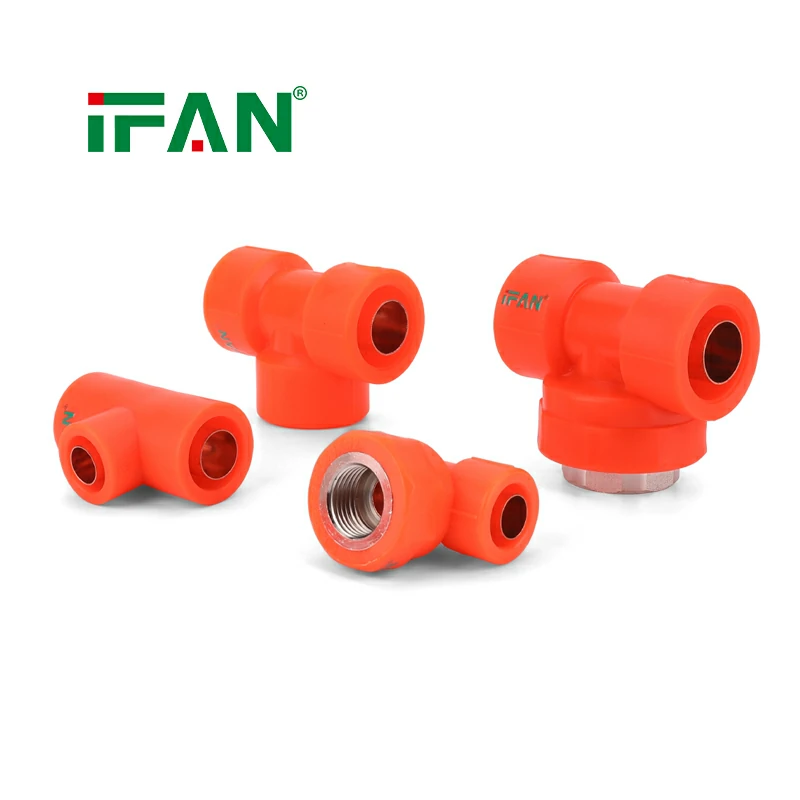
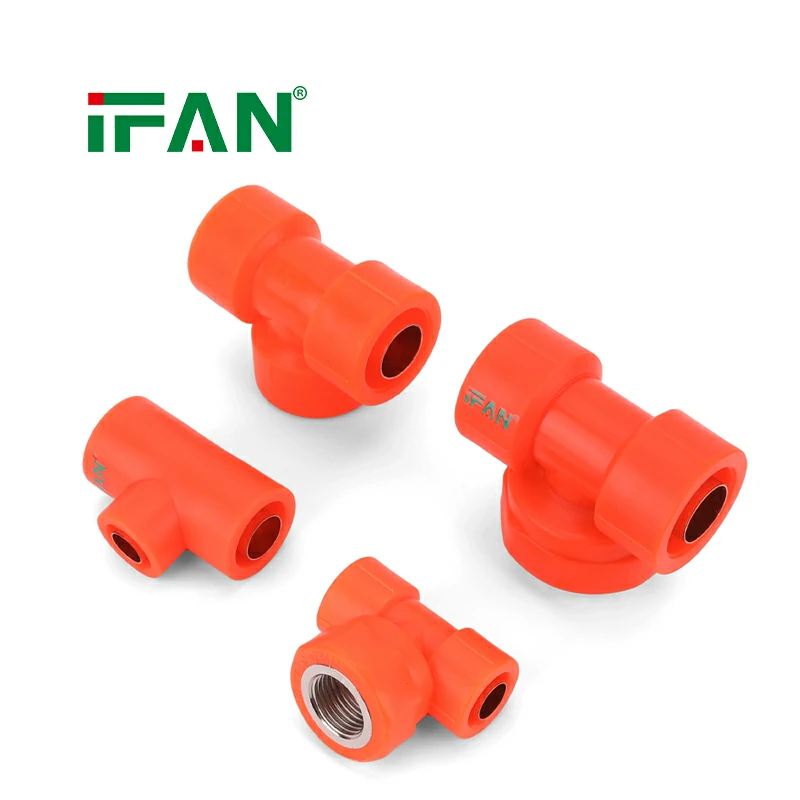
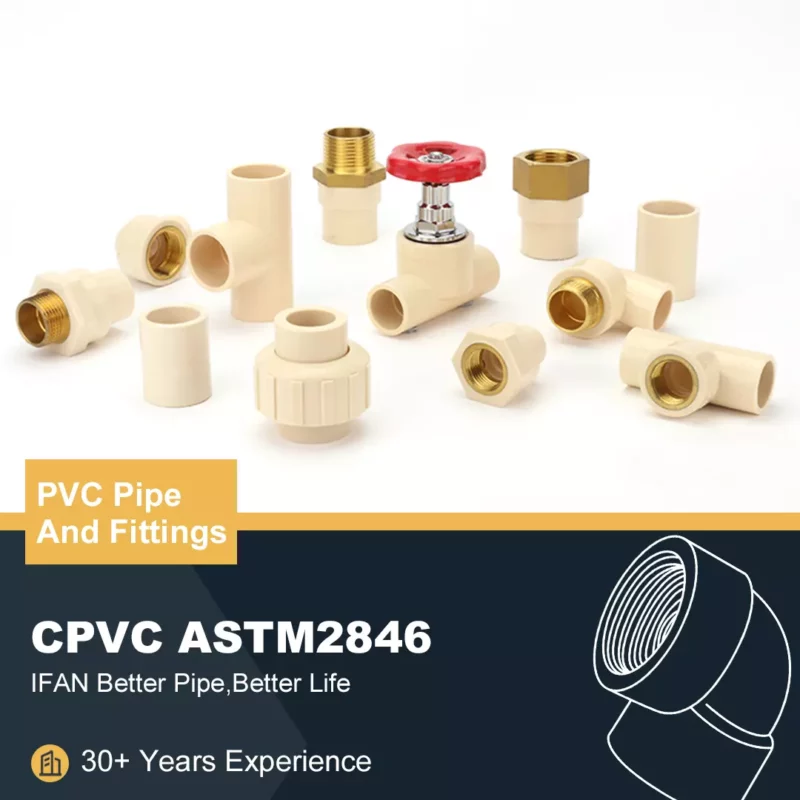
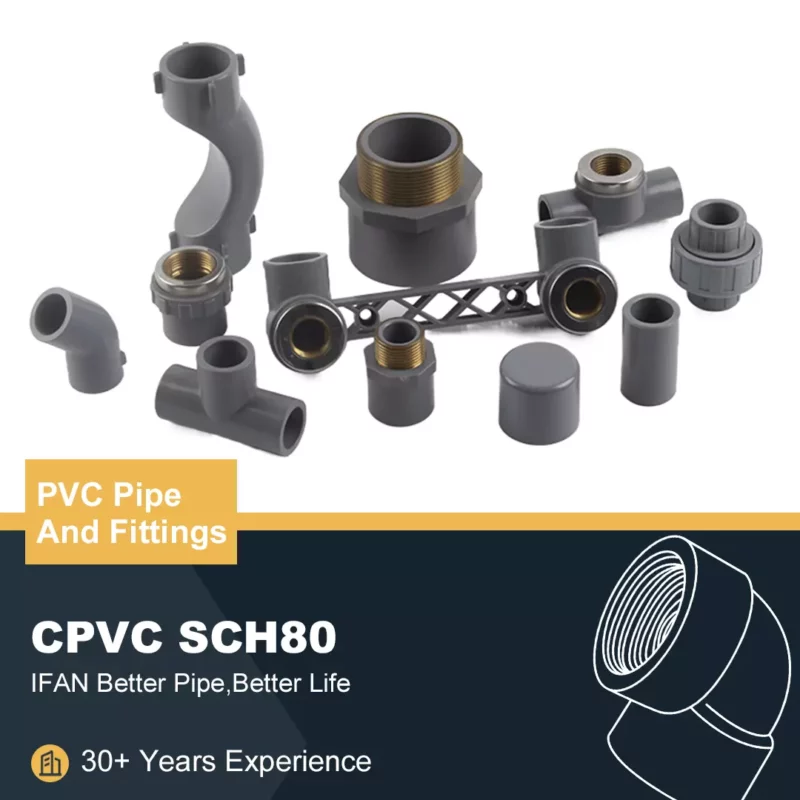
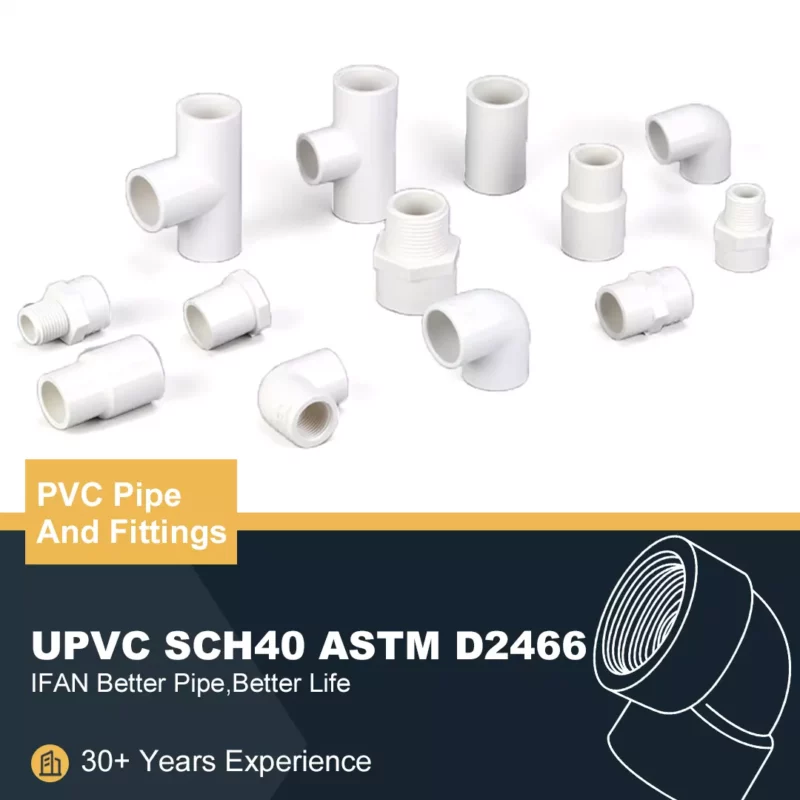
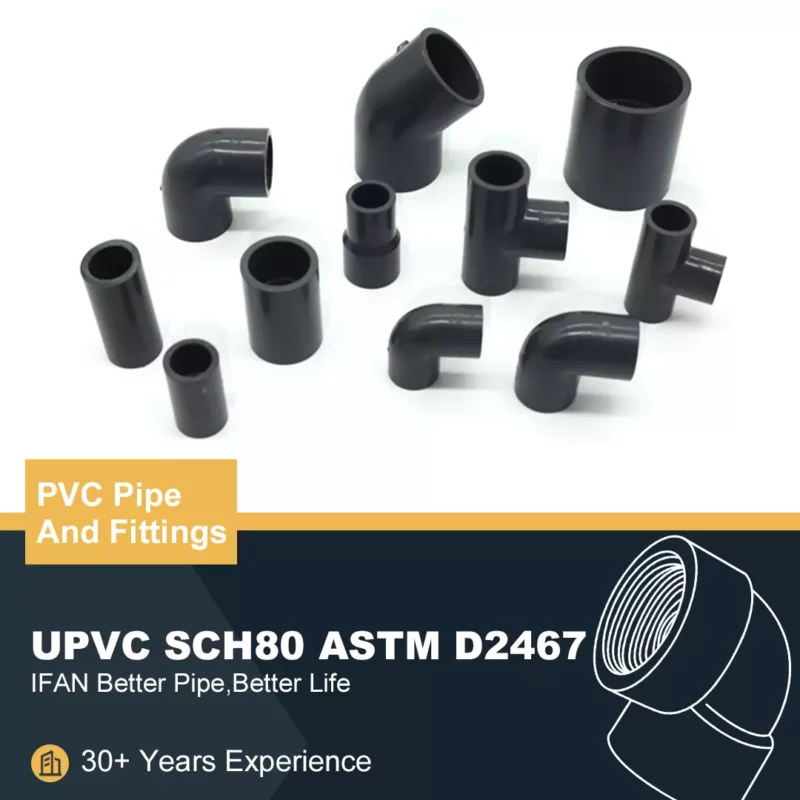
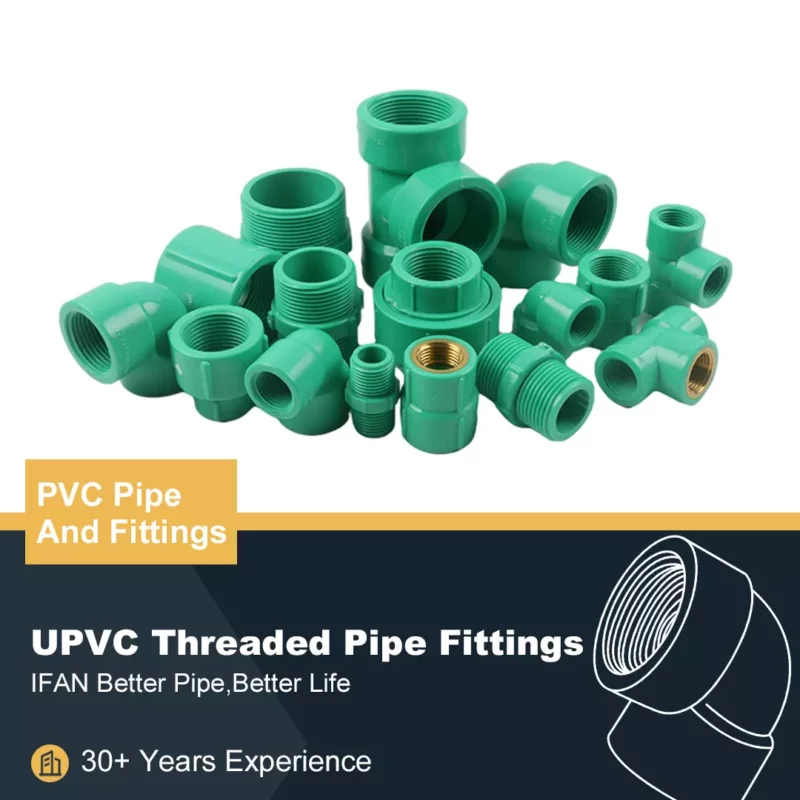
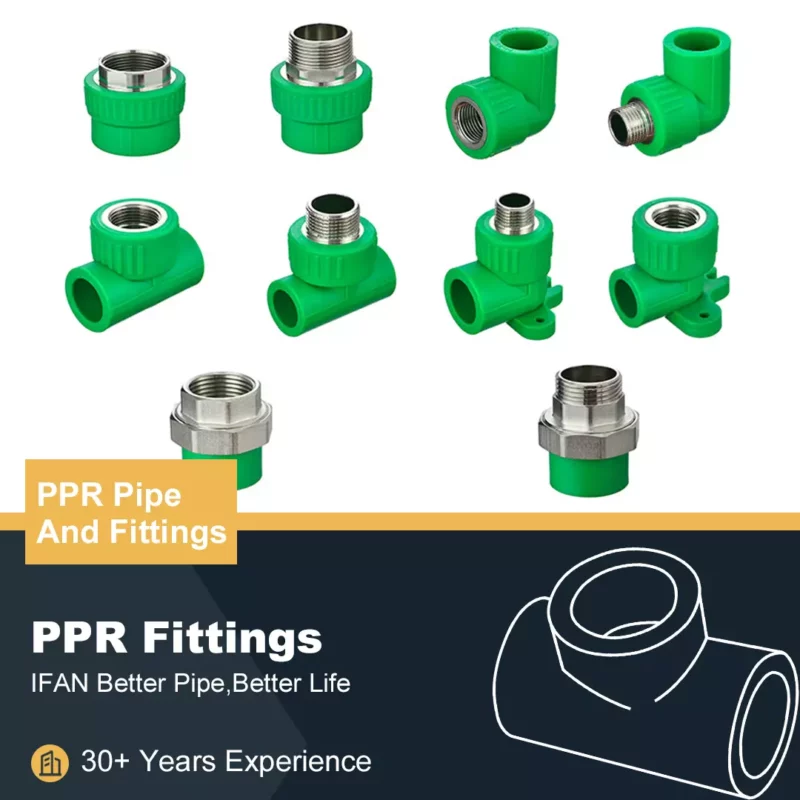
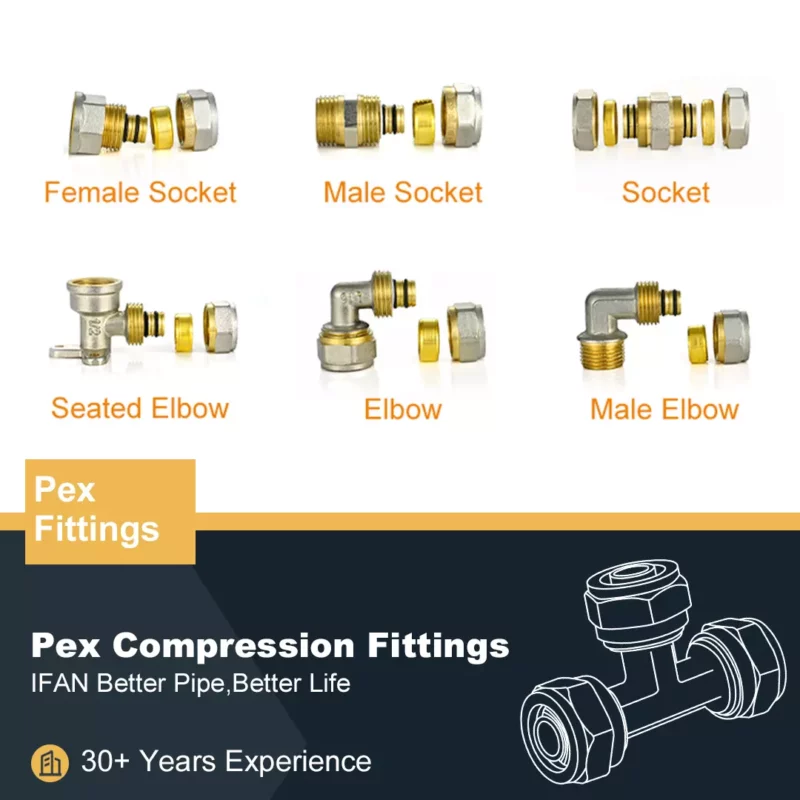
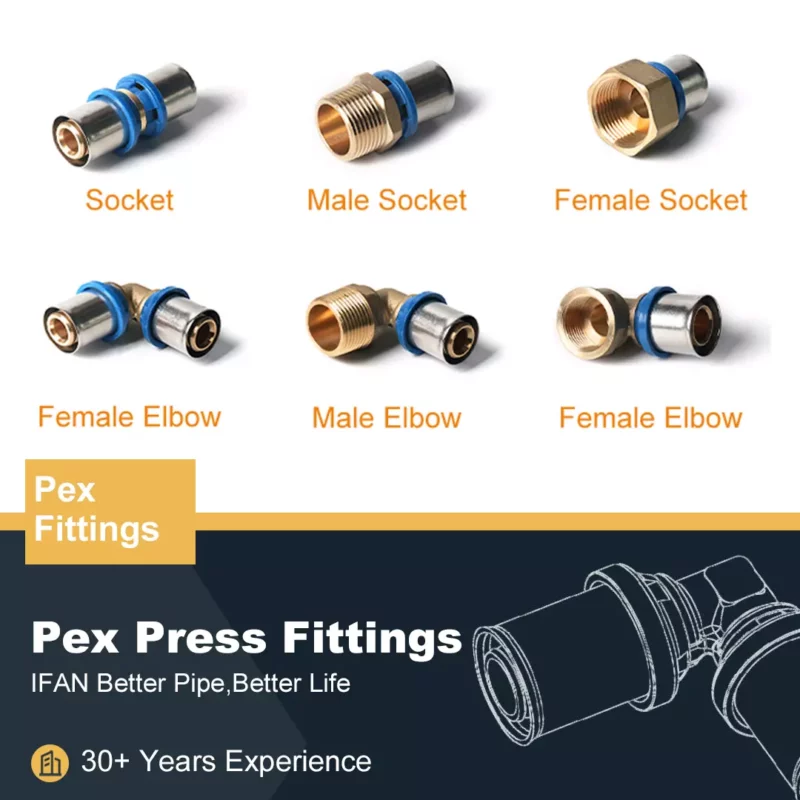
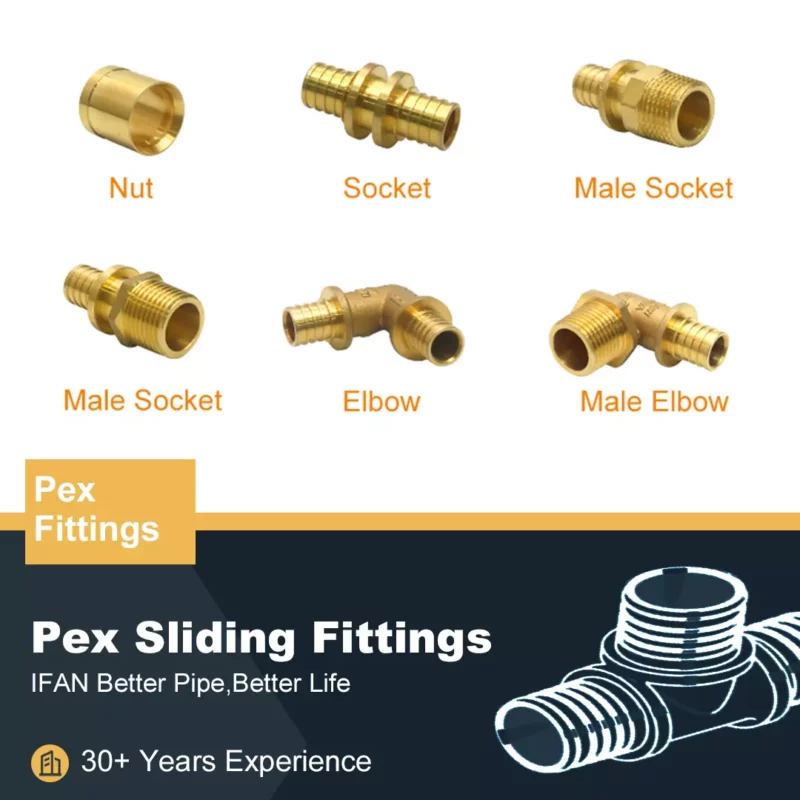
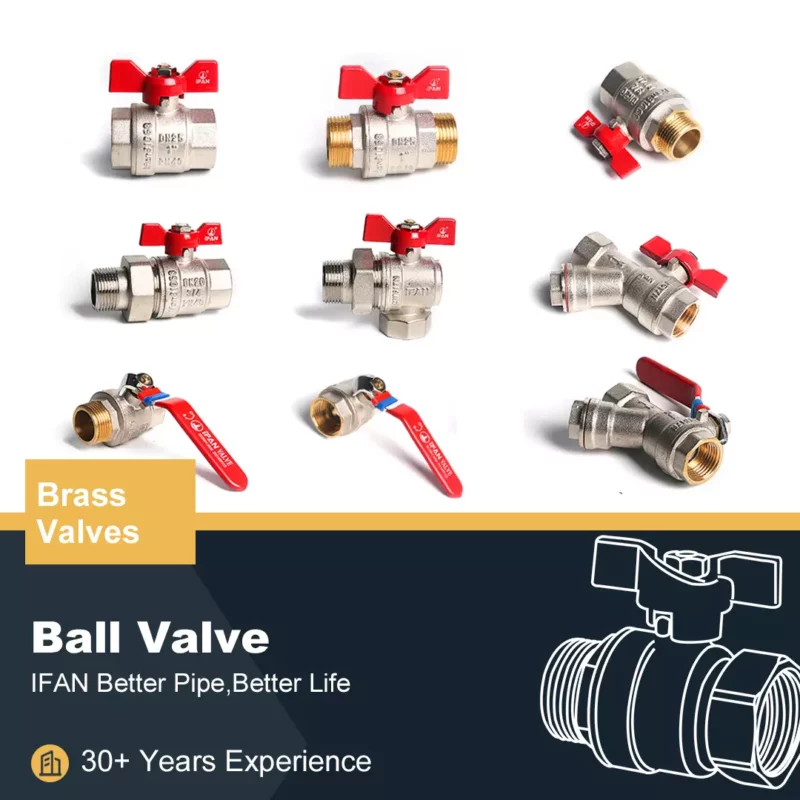
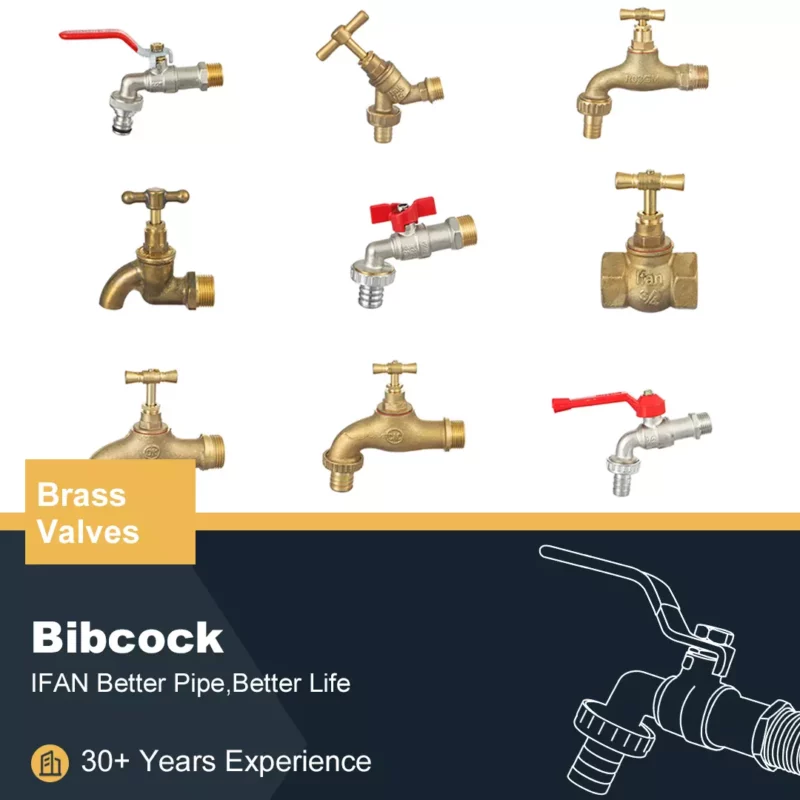
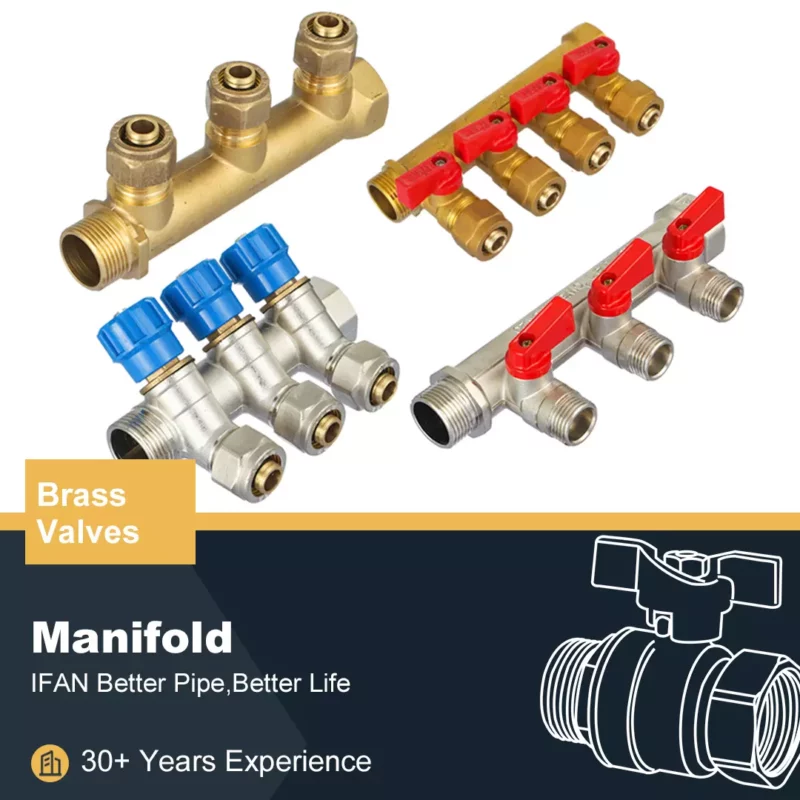
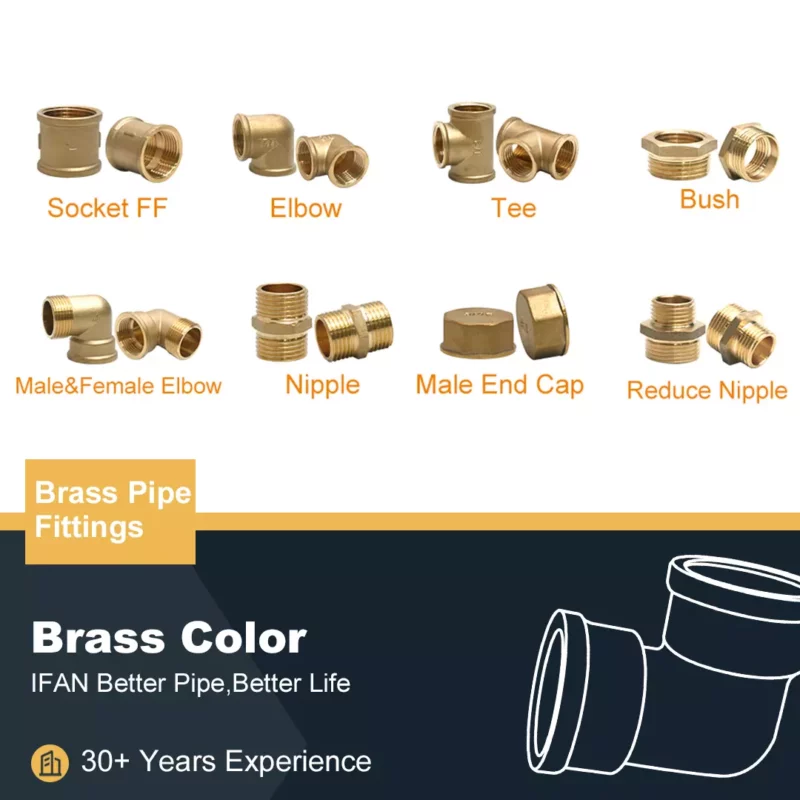
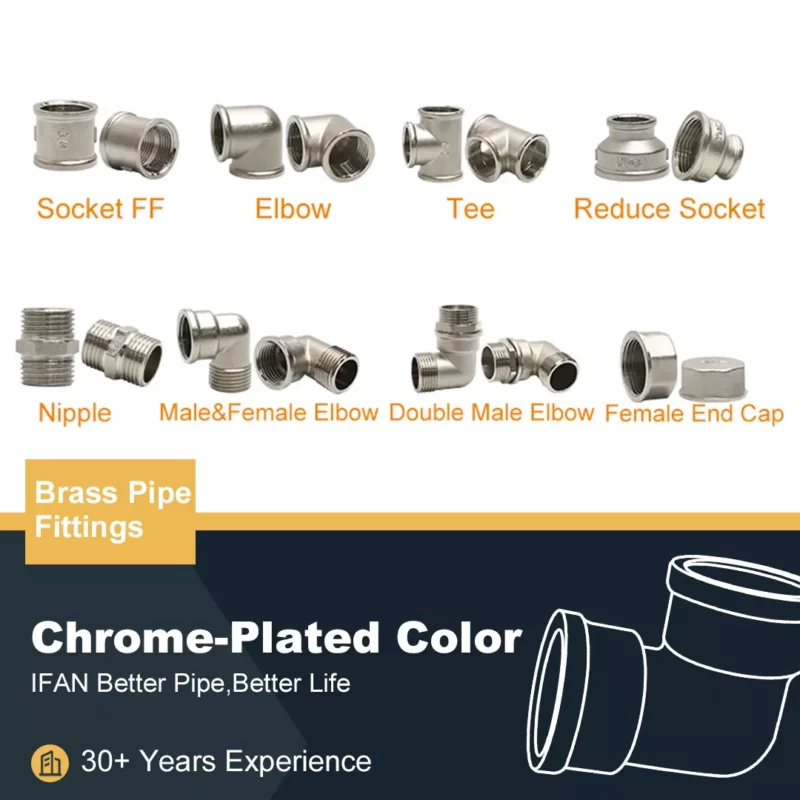
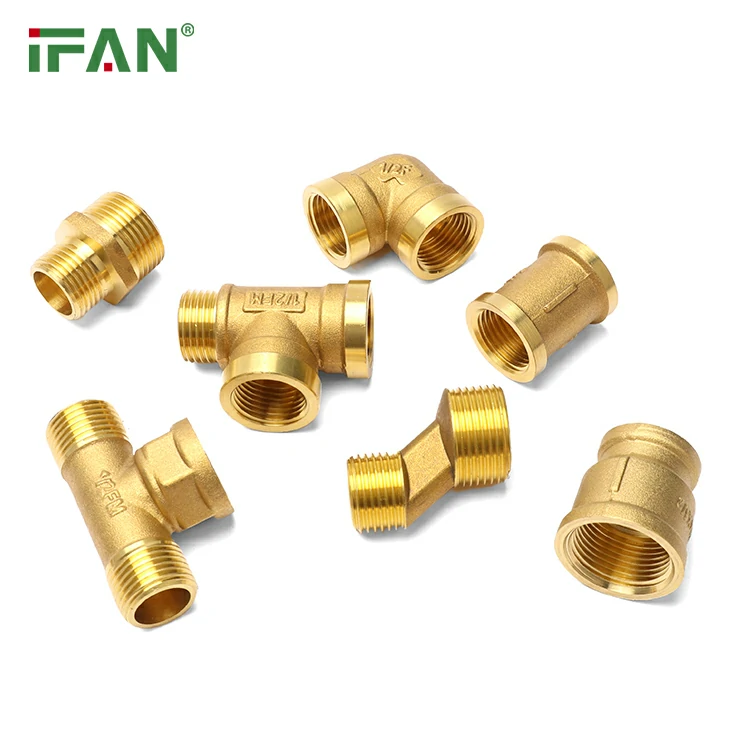
Brass fittings are components used in plumbing and water systems to connect, redirect, or control the flow of water. They are made from an alloy of copper and zinc, giving them exceptional strength and resistance to corrosion. Brass fittings come in various shapes, such as elbows, couplings, tees, and adapters, each serving a unique purpose in the plumbing system.
These fittings are essential for creating secure and leak-free connections between pipes. Their ability to withstand high pressure and resist corrosion ensures that the water flows smoothly and efficiently throughout the system. The use of brass fittings minimizes the chances of system failures, leaks, and interruptions in water flow.
1. Superior Strength for Reliable Connections
The strength of brass makes it ideal for connecting water pipes under pressure. Unlike plastic or weaker metal alternatives, brass fittings can withstand high pressure without failing or deforming. This strength ensures that connections remain secure, preventing leaks and ensuring efficient water flow throughout the system.
In residential plumbing, where water pressure can fluctuate, brass fittings maintain their integrity. In commercial and industrial systems, where higher pressure levels are common, the durability of brass fittings ensures that the system can handle the increased demands. Reliable connections made with brass fittings provide peace of mind, knowing that the water system will continue to operate smoothly for years to come.
2. Corrosion Resistance for Long-Term Performance
Corrosion is one of the primary threats to plumbing systems, as it weakens pipes and fittings, leading to leaks and system failure. Brass fittings offer excellent resistance to corrosion, making them an ideal material for long-term water systems. When exposed to water, chemicals, or minerals, brass fittings do not degrade in the same way as steel or iron.
This resistance to corrosion is particularly important in environments with hard water or chemicals that might cause other materials to rust or degrade. Brass fittings maintain their structural integrity, even after years of exposure to water, ensuring that the system continues to function efficiently without the risk of leaks or blockages. This corrosion resistance allows water to flow freely without interruption.
3. Smooth Internal Surfaces for Unimpeded Water Flow
The internal surface of brass fittings plays a significant role in maintaining efficient water flow. Unlike some materials, which can develop rough or uneven surfaces over time, brass fittings maintain a smooth interior. This smoothness reduces friction, allowing water to flow freely through the pipes without obstruction.
In systems where water flow is critical, such as irrigation systems, commercial water lines, or residential plumbing, the smoothness of brass fittings ensures optimal performance. Without rough edges or deposits, water flows more easily, reducing the risk of pressure loss or flow restrictions. The result is a more efficient system with consistent water pressure and volume.
4. Resistance to Scaling and Mineral Build-Up
In areas with hard water, mineral deposits like calcium and magnesium can accumulate inside pipes and fittings. This scaling can significantly hinder water flow and lead to system blockages. However, brass fittings are highly resistant to the build-up of mineral deposits, ensuring that water flows efficiently without the risk of clogging.
The smooth surface of brass fittings helps prevent the adhesion of minerals, reducing the chances of scaling that can affect the system’s performance. In environments where mineral content is high, brass fittings maintain the integrity of the system, allowing for uninterrupted water flow and reducing the need for frequent cleaning or maintenance.
5. Versatility in System Design
Brass fittings are highly versatile and compatible with a wide range of pipe materials, including copper, PEX, and PVC. This versatility allows for greater flexibility in system design and installation. Whether a plumbing system requires a combination of different materials or needs to be customized for specific applications, brass fittings provide a reliable and efficient solution.
For example, when transitioning from one pipe material to another, brass fittings can create secure and leak-proof connections. This compatibility ensures that the system continues to function optimally, regardless of the types of pipes being used. The ability to work with various materials makes brass fittings an essential component in complex water systems.
6. High Temperature and Pressure Resistance
Water systems, especially those in industrial settings, often deal with high temperatures and fluctuating pressures. Brass fittings are designed to withstand these extreme conditions without compromising their strength or integrity. The high melting point of brass makes it resistant to heat, ensuring that the fittings do not warp, crack, or degrade when exposed to high temperatures.
7. Easy Installation for Quick Setup
Brass fittings are easy to install, reducing the time and effort required to set up water systems. Whether using threaded, compression, or push-fit types, brass fitting can be installed with minimal tools and expertise. This ease of installation ensures that water systems are up and running quickly, reducing labor costs and potential installation errors.
Moreover, brass fitting are designed for long-term performance with minimal maintenance, meaning that once installed, they are less likely to require repairs or replacements. This ease of installation combined with low-maintenance requirements makes brass fitting a cost-effective and efficient solution for both residential and commercial systems.
8. Leak-Proof Connections
One of the most crucial aspects of a well-functioning water system is the prevention of leaks. Brass fitting provide secure, leak-proof connections that ensure water flows seamlessly through the pipes. The strength and precision of brass fitting allow for tight seals, preventing water from escaping and causing damage to the surrounding area.
Whether the system is under high pressure or in a system that experiences constant changes in pressure, brass fitting hold strong and prevent leaks. This leak resistance is essential for maintaining water flow and protecting the system from costly repairs or water damage.
9. Longevity and Durability
Brass fittings are known for their long lifespan. Their resistance to corrosion, scaling, and physical stress ensures that they continue to function properly for many years without needing frequent repairs or replacements. The durability of brass fitting makes them an ideal choice for water systems that require consistent performance over time.
In both residential and industrial settings, where water systems must operate reliably, the longevity of brass fitting ensures that water flows efficiently without interruptions. Their long-lasting performance reduces the need for costly replacements, making brass fittings a sound investment for any water system.
10. Cost-Effectiveness Over Time
In addition, the efficient water flow provided by brass fitting helps maintain optimal pressure and volume in the system, which can reduce energy costs. By ensuring that water flows smoothly, brass fitting contribute to a more efficient system that operates at peak performance, providing value over time.
11. Environmental Benefits
Brass is a recyclable material, which means that at the end of its useful life, it can be melted down and reused to create new products. This reduces the demand for raw materials and helps minimize waste, making brass fitting an environmentally friendly choice for plumbing systems.
Moreover, the long lifespan of brass fitting means that fewer replacements are necessary, which contributes to sustainability by reducing the environmental impact of manufacturing and disposing of fittings. By choosing brass fitting, both homeowners and businesses can contribute to more eco-friendly water systems.
Conclusion
Brass fittings are an excellent choice for ensuring efficient water flow in plumbing and mechanical systems. Their strength, corrosion resistance, and smooth internal surfaces contribute to optimal water flow, preventing leaks and system failures. Whether used in residential, commercial, or industrial settings, brass fitting provide reliable, long-lasting performance that reduces maintenance costs and system downtime.
From their ability to withstand high pressure and temperature to their compatibility with various piping materials, brass fitting offer a versatile and cost-effective solution for water systems. Their durability and longevity ensure that they continue to perform effectively, providing efficient water flow for years to come.
If you have read this article and have any questions, please feel free to contact IFAN. Below is our contact information:
Whatsapp:+86 13373827623
Email:[email protected]