









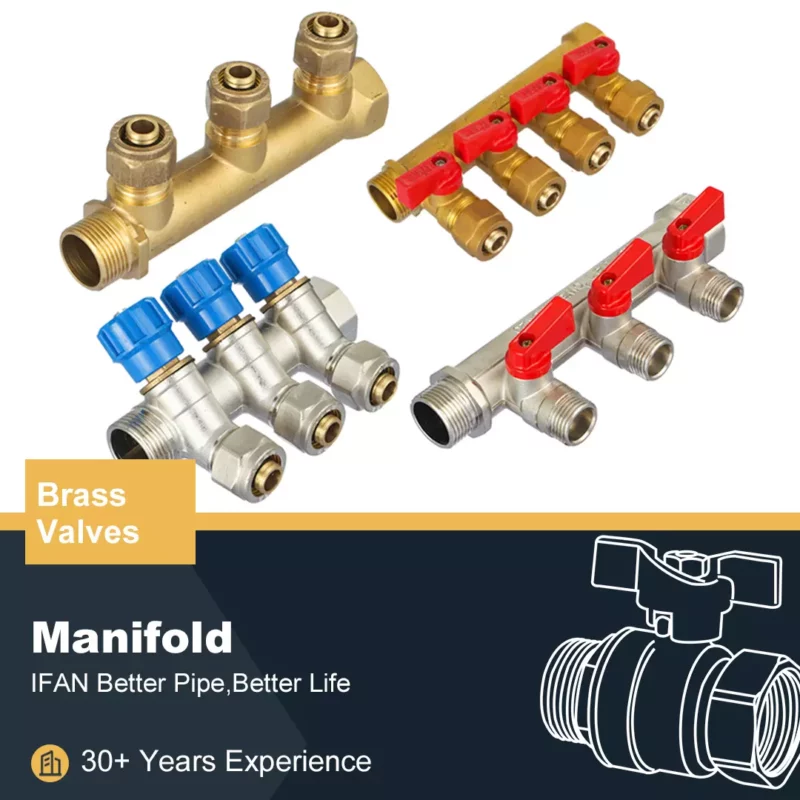







A brass manifold is a key component in modern heating systems, particularly in hydronic (water-based) heating systems. This versatile device distributes heated water throughout the system to ensure consistent and efficient heating in residential and commercial spaces. In this article, we will explore the role of brass manifolds in heating systems, their benefits, installation, and maintenance, as well as how they contribute to energy efficiency and comfort.
What is a Brass Manifold?
A brass manifold is a specialized plumbing device used to distribute hot water evenly throughout a heating system. It typically features a central inlet and several outlets connected to individual pipes. These pipes lead to different heating elements, such as radiators, underfloor heating loops, or towel warmers.
Brass is the preferred material for these manifolds due to its strength, resistance to corrosion, and ability to withstand high temperatures. The manifold ensures that hot water flows efficiently through the system, maintaining even heat distribution and pressure balance. This reduces the likelihood of cold spots and energy wastage.
Key Features of Brass Manifolds in Heating Systems
Brass manifolds are integral to hydronic heating systems. Several features make them ideal for this purpose:
- Durability: Brass is highly resistant to corrosion, ensuring the manifold lasts for many years without degrading. It can withstand high pressures and temperatures.
- Efficient Heat Distribution: The manifold allows hot water to flow evenly through the system, ensuring all heating zones receive the right amount of heat.
- Compact Design: Brass manifolds are compact and can be installed in small spaces, making them suitable for various heating applications.
- Leak Prevention: Brass provides a secure, tight seal at every joint, reducing the chances of leaks over time.
- Pressure Regulation: Brass manifolds are designed to help maintain balanced pressure across the system, preventing uneven heating or pressure drops.
How Brass Manifolds Work in Heating Systems
In a hydronic heating system, a boiler heats water, which is then circulated through the manifold. The manifold divides this water flow and directs it to the various heating circuits or zones in the building. Each zone may consist of a set of pipes that feed hot water to radiators, underfloor heating loops, or other heating devices.
The manifold ensures that each circuit receives an appropriate flow of hot water, maintaining an even temperature in all areas of the building. It typically includes flow meters or balancing valves to help control the amount of water supplied to each zone. By doing this, it prevents overheating or underheating in certain areas, leading to greater comfort and energy efficiency.
Benefits of Using Brass Manifolds for Heating Systems
There are numerous benefits to using brass manifolds in heating systems. Some of the most significant advantages include:
- Consistent Heat Distribution: Brass manifolds ensure that hot water is evenly distributed to all areas of the heating system, preventing cold spots or uneven heating.
- Improved Energy Efficiency: By maintaining balanced water flow and pressure, brass manifolds reduce the risk of energy wastage, helping to lower heating costs.
- Long-Term Durability: Brass is a robust material, and brass manifolds are built to last. They can resist corrosion and wear over time, reducing the need for frequent repairs or replacements.
- Reduced Maintenance: Brass manifolds require minimal maintenance, as they are resistant to scaling and clogging. Regular checks for leaks or signs of wear are usually sufficient to keep them functioning optimally.
- Enhanced Comfort: Even heat distribution leads to a more comfortable living environment, as all areas of the building receive consistent warmth.
Installation of Brass Manifolds in Heating Systems
Installing a brass manifold requires careful planning and proper execution to ensure that the heating system functions efficiently. Below is an overview of the installation process:
- Preparation: Before starting, ensure that the heating system is turned off, and the water supply is drained. The area where the manifold will be installed should be clean and easily accessible.
- Positioning: Choose a location for the manifold that allows easy access for maintenance and ensures that the pipes leading to the heating zones are properly connected.
- Connecting the Inlet: The inlet of the manifold should be connected to the output of the boiler or heating source. This is usually done using appropriate fittings, such as compression fittings or threaded connections.
- Connecting the Outlets: The outlets of the manifold will be connected to the pipes leading to the various heating zones. This can include underfloor heating pipes, radiators, or towel rails.
- Balancing the System: Once the manifold is connected, balancing valves should be adjusted to ensure that the water flow is even across all zones. Flow meters may be used to monitor the flow rate and adjust it accordingly.
- Testing: After installation, the system should be tested for leaks and proper operation. Ensure that hot water is flowing smoothly through all zones, and there are no blockages or issues.
Professional installation is recommended to ensure that the manifold is correctly sized, balanced, and connected to the heating system.
Applications of Brass Manifolds in Heating Systems
Brass manifolds are used in a variety of heating systems. Some of the most common applications include:
- Underfloor Heating Systems: Brass manifolds are widely used in underfloor heating systems, where they direct hot water to the pipes embedded in the floor. These systems provide even, radiant heat, ensuring comfort throughout the room.
- Radiator Systems: In traditional radiator-based heating systems, brass manifolds are used to distribute hot water to multiple radiators, ensuring that each one receives an appropriate flow of water.
- Towel Warmers: Brass manifolds are also used to supply hot water to towel warmers in bathrooms. These small heating devices help maintain warmth in a bathroom while also drying towels.
- Commercial Heating Systems: Large commercial buildings often use brass manifolds to distribute heat to multiple floors or zones. This provides efficient temperature control in large spaces.
Energy Efficiency and Cost Savings
One of the main advantages of using a brass manifold in heating systems is the improvement in energy efficiency. By distributing hot water evenly across multiple zones, the manifold helps prevent energy wastage, which is common in poorly balanced systems.
Brass manifolds enable better control over the water flow, ensuring that only the necessary amount of heat is delivered to each zone. This reduces overheating in certain areas and lowers the overall energy consumption of the system.
Additionally, a well-maintained brass manifold can extend the lifespan of the heating system. By preventing issues like water pressure fluctuations or uneven flow, it reduces the strain on the boiler and other components, ultimately leading to fewer repairs and longer service life.
Maintenance and Care of Brass Manifolds
Brass manifolds are low-maintenance components, but regular care is necessary to ensure their longevity and proper operation. Here are some basic maintenance tips:
- Inspect for Leaks: Regularly check all connections for leaks. Even small leaks can lead to significant energy loss and water damage over time.
- Clean the System: Brass manifolds are resistant to corrosion, but the system as a whole may accumulate debris or sediment. Periodically clean the pipes and manifold to prevent blockages.
- Check the Pressure: Ensure that the water pressure in the system remains within the recommended range. If pressure drops, there may be an issue with the manifold or another part of the heating system.
- Monitor Flow Rates: If the system is not heating evenly, check the flow rates at each outlet. Adjust the balancing valves to ensure that each zone receives the right amount of water.
Conclusion
A brass manifold is an essential component in modern heating systems, providing efficient and reliable heat distribution. Its durability, ease of installation, and energy efficiency make it a popular choice for both residential and commercial applications. By ensuring even heat distribution, maintaining balanced water flow, and reducing energy waste, brass manifolds contribute to enhanced comfort, lower heating costs, and longer-lasting systems. Regular maintenance and proper installation are key to maximizing the benefits of brass manifolds in heating systems.
If you have read this article and have any questions, please feel free to contact IFAN. Below is our contact information:
Whatsapp:+86 13373827623
Email:[email protected]