







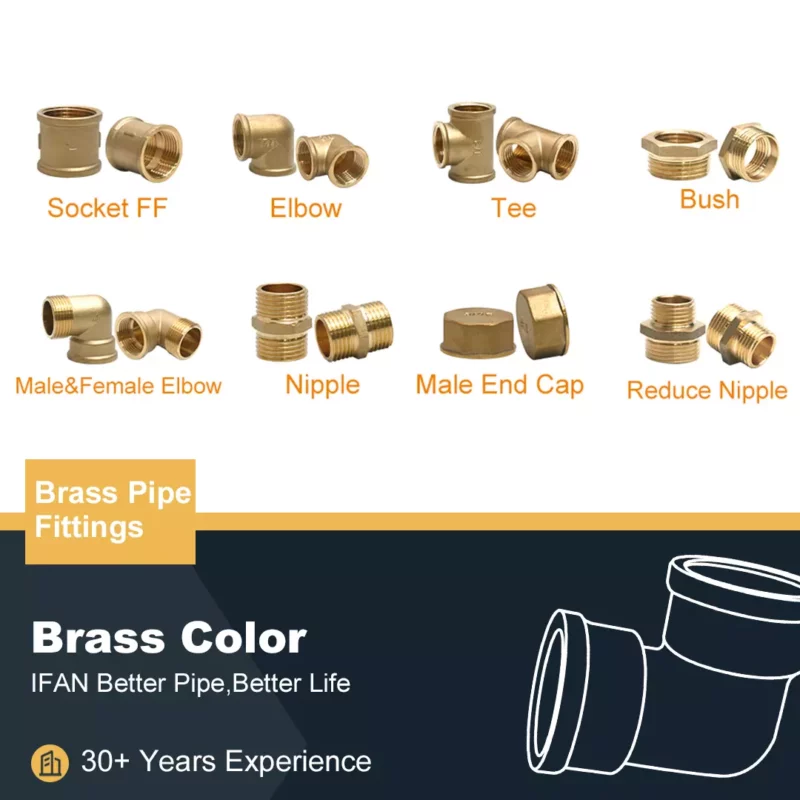
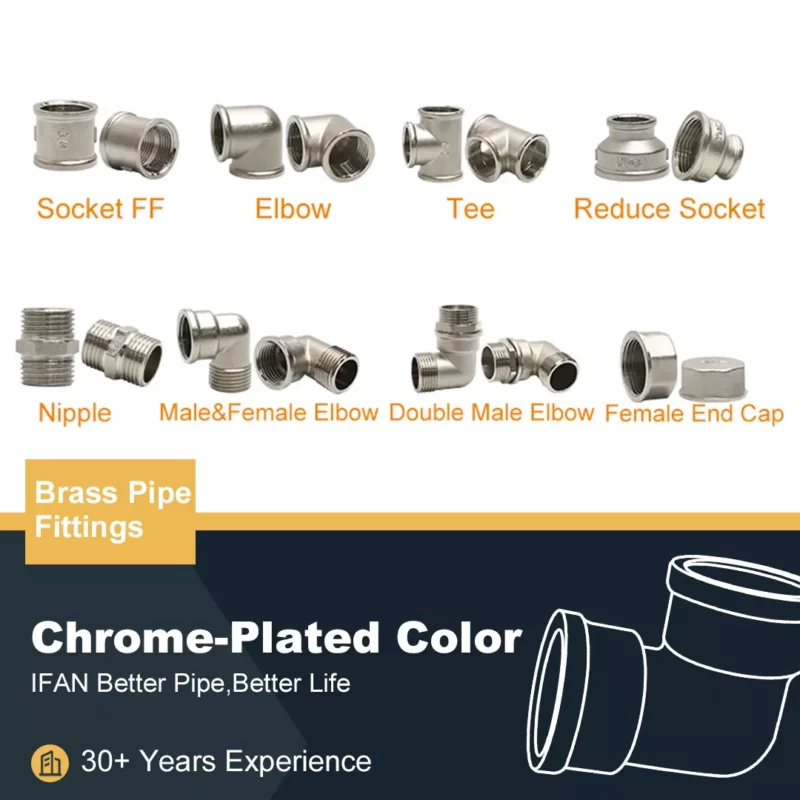







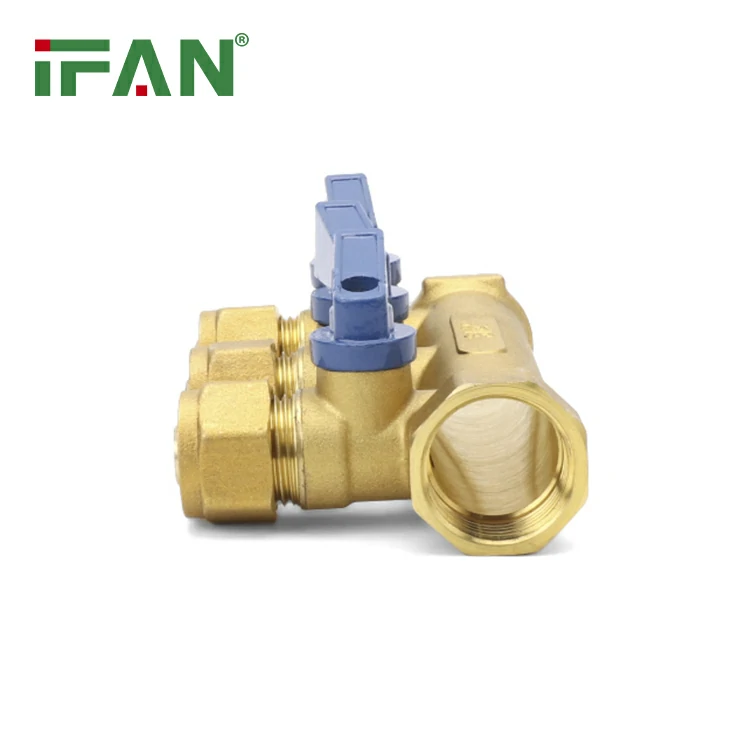
A brass manifold is an essential component in modern plumbing systems. Known for its durability, resistance to corrosion, and reliability, it plays a significant role in managing water distribution within residential, commercial, and industrial buildings. This article will explore the functions, benefits, and installation of brass manifolds, and explain why they are a durable plumbing solution for both simple and complex systems.
What is a Brass Manifold?
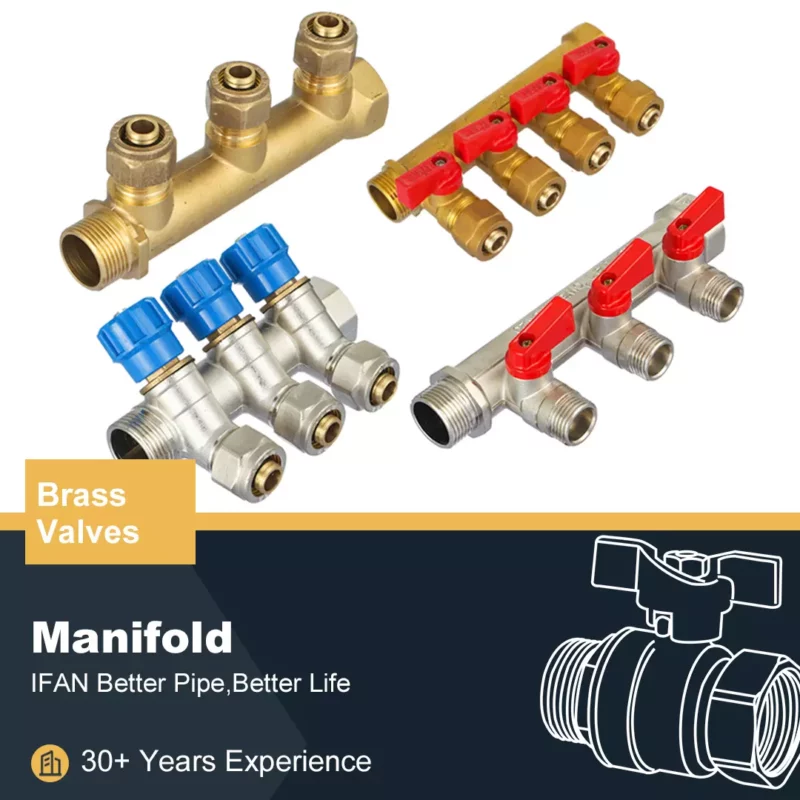
A brass manifold is a device used in plumbing systems to distribute water from a central supply line to multiple outlets. It typically consists of a main inlet and several outlet ports that allow water to flow to different areas or fixtures. The manifold is made from brass, a material known for its strength and resistance to corrosion.
Brass manifolds are often installed in both residential and commercial buildings to streamline water distribution. The device helps reduce the number of joints and connections required in the system, resulting in a more efficient and reliable setup. The manifold can be connected to a variety of water fixtures, including faucets, showers, and even irrigation systems.
Why Choose Brass for Manifolds?
Brass is a highly durable material, making it ideal for use in plumbing systems. The following characteristics make brass manifolds particularly beneficial:
- Corrosion Resistance: Brass resists corrosion better than many other metals. It is ideal for use in environments with high moisture or water exposure.
- Strength: Brass is a strong and robust material that can withstand high water pressures without deforming or breaking.
- Longevity: Due to its durability, a brass manifold can last for decades, even in harsh conditions, making it a cost-effective choice in the long run.
- Heat Resistance: Brass can tolerate high temperatures, which is particularly useful for systems dealing with hot water or steam.
Function of Brass Manifolds in Plumbing Systems
The primary function of a brass manifold is to manage water flow within a plumbing system. It allows water to be distributed efficiently to various outlets, such as sinks, showers, toilets, and even appliances like washing machines or dishwashers.
In a traditional plumbing system, water is delivered through a series of pipes and fittings. However, as the system grows in complexity, the brass manifold simplifies the distribution process. It ensures that each outlet receives an equal amount of water pressure, which helps maintain consistent flow rates throughout the system.
By using a manifold, the number of joints and connections in the plumbing system is minimized, which reduces the risk of leaks and increases system efficiency. It also helps in isolating and controlling the water flow to different sections of the plumbing network, improving the overall performance of the system.
Benefits of Brass Manifolds
The advantages of using brass manifolds in plumbing systems are numerous:
- Improved Efficiency: Brass manifolds reduce the complexity of water distribution, ensuring a more efficient system with fewer potential failure points.
- Cost-Effectiveness: Although brass manifolds may have a higher initial cost compared to plastic or other materials, their durability and longevity lead to long-term savings in repairs and replacements.
- Leak Prevention: With fewer connections and joints, the risk of leaks is reduced. Brass manifolds provide a secure and tight seal at every outlet, ensuring reliable water flow.
- Uniform Water Pressure: Brass manifolds help maintain consistent water pressure throughout the system, ensuring that all fixtures receive adequate water flow without fluctuations.
- Maintenance Ease: Brass manifolds require little maintenance. Periodic inspections for leaks or any signs of wear are typically sufficient to keep the system running smoothly.
Applications of Brass Manifolds
Brass manifolds are versatile and can be used in various plumbing applications. Some of the most common applications include:
- Residential Plumbing: In homes, brass manifolds are used to distribute water to multiple fixtures, such as faucets, showers, and toilets. They are especially useful in larger homes with multiple bathrooms and kitchens, where water distribution can become more complex.
- Commercial Plumbing: Brass manifolds are also widely used in commercial settings, such as office buildings, hotels, and restaurants. They efficiently manage the water supply to various fixtures and appliances, ensuring consistent performance and reducing the risk of water shortages.
- Irrigation Systems: In irrigation systems, brass manifolds distribute water to different zones of a garden, lawn, or agricultural area. They allow for precise control over the water supply, reducing water wastage and ensuring efficient irrigation.
- Industrial Systems: Brass manifolds are commonly used in industrial plumbing applications, such as factories and manufacturing plants, to distribute water or other fluids to various parts of the operation. Their ability to withstand high pressures and temperatures makes them suitable for demanding environments.
Installing a Brass Manifold in a Plumbing System
Proper installation is essential to ensure that a brass manifold functions efficiently. Below is a general overview of the installation process:
- Turn Off the Water Supply: Before beginning any installation, ensure that the water supply is turned off to avoid any leaks or accidents.
- Position the Manifold: Choose an appropriate location for the manifold, preferably close to the main water supply line. The manifold should be easily accessible for maintenance and adjustments.
- Connect the Inlet: The main inlet of the manifold should be connected to the water supply line. This can be done using compatible fittings, such as threaded connectors or compression fittings.
- Connect the Outlets: Each outlet port on the manifold should be connected to the pipes leading to the various fixtures. Ensure that each connection is secure to prevent leaks.
- Test the System: After installation, turn on the water supply and check the system for any leaks or issues with water pressure. Adjust the manifold as necessary to ensure optimal performance.
It is recommended to consult a professional plumber for installation if you are unsure about the process or if the system is particularly complex.
Maintenance of Brass Manifolds
Brass manifolds require minimal maintenance, but regular inspections can help ensure their longevity. Here are some maintenance tips:
- Inspect for Leaks: Regularly check for any signs of leaks around the manifold connections. Even small leaks can waste water and cause damage over time.
- Clean the Manifold: Although brass is resistant to corrosion, debris or mineral deposits may accumulate over time. Periodically clean the manifold to maintain optimal flow.
- Check the Pressure: Ensure that the water pressure in the system remains consistent. If pressure drops, it may indicate a problem with the manifold or another component of the plumbing system.
- Monitor for Wear and Tear: Over time, brass manifolds may experience wear due to constant exposure to water and pressure. Check for any signs of degradation, and replace parts as needed.
The Environmental Impact of Brass Manifolds
In addition to their durability and performance, brass manifolds are an environmentally friendly choice for plumbing systems. The longevity of brass reduces the need for frequent replacements, which helps minimize waste. Additionally, the efficient water distribution provided by brass manifolds can help reduce water consumption by preventing leaks and ensuring that each fixture receives the right amount of water.
Brass is also a recyclable material, which means that when a brass manifold reaches the end of its life, it can be recycled into new products, further reducing its environmental impact.
Conclusion
A brass manifold is a durable and reliable plumbing solution that offers numerous benefits for water distribution in both residential and commercial systems. Its resistance to corrosion, strength, and longevity make it an excellent choice for managing water flow and pressure. By reducing the number of joints and connections in a plumbing system, brass manifolds help improve efficiency, prevent leaks, and ensure consistent water pressure across multiple outlets.
While the initial cost of a brass manifold may be higher than other materials, its durability and minimal maintenance requirements make it a cost-effective long-term investment. Proper installation and regular inspections are essential for maintaining optimal performance. Whether in residential homes, commercial buildings, or industrial systems, brass manifolds are a key component of modern, efficient plumbing systems.
If you have read this article and have any questions, please feel free to contact IFAN. Below is our contact information:
Whatsapp:+86 13373827623
Email:[email protected]