









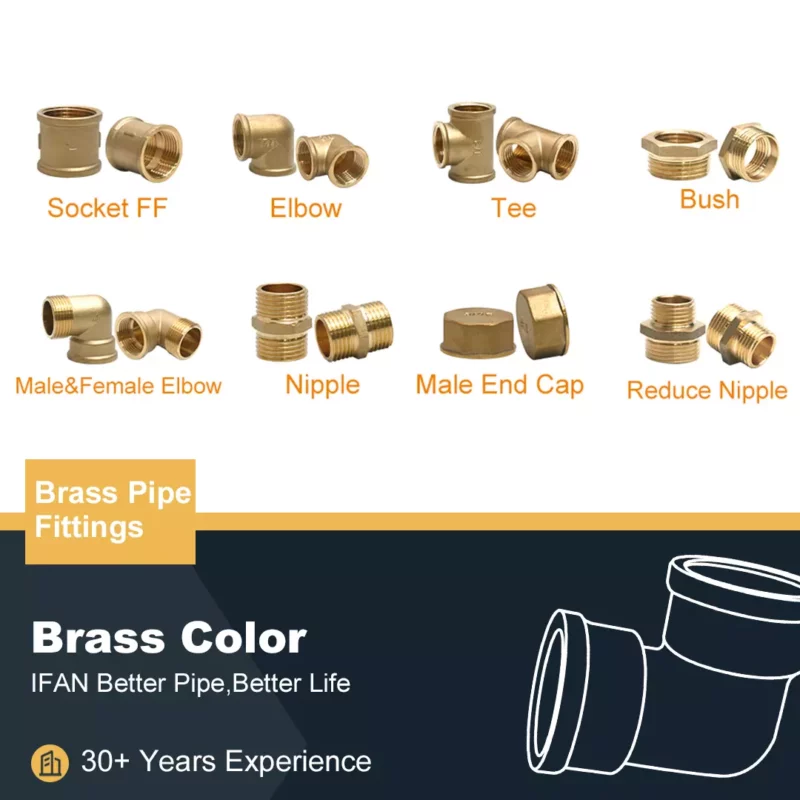
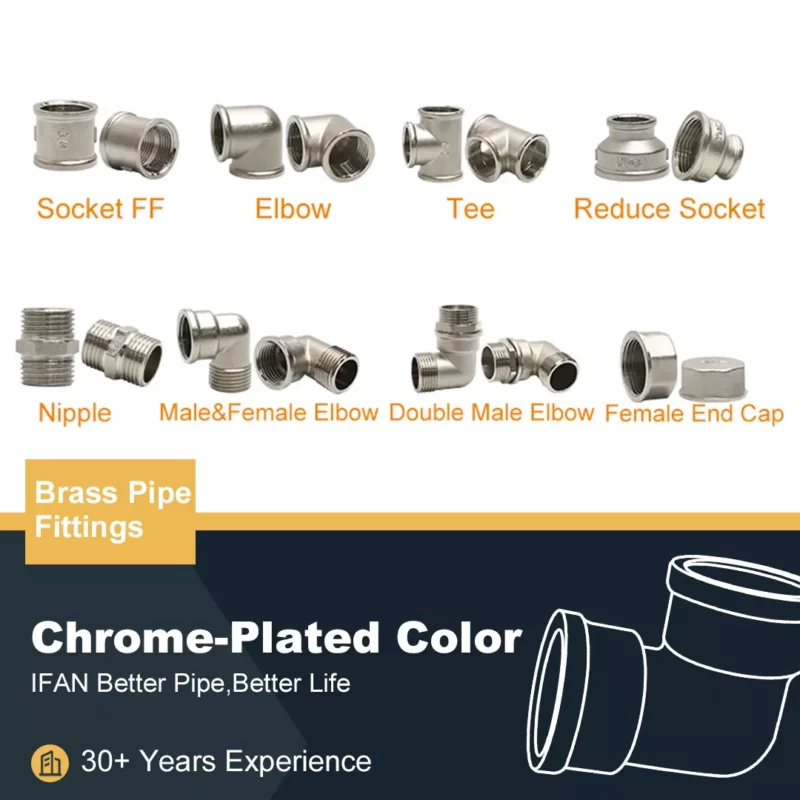

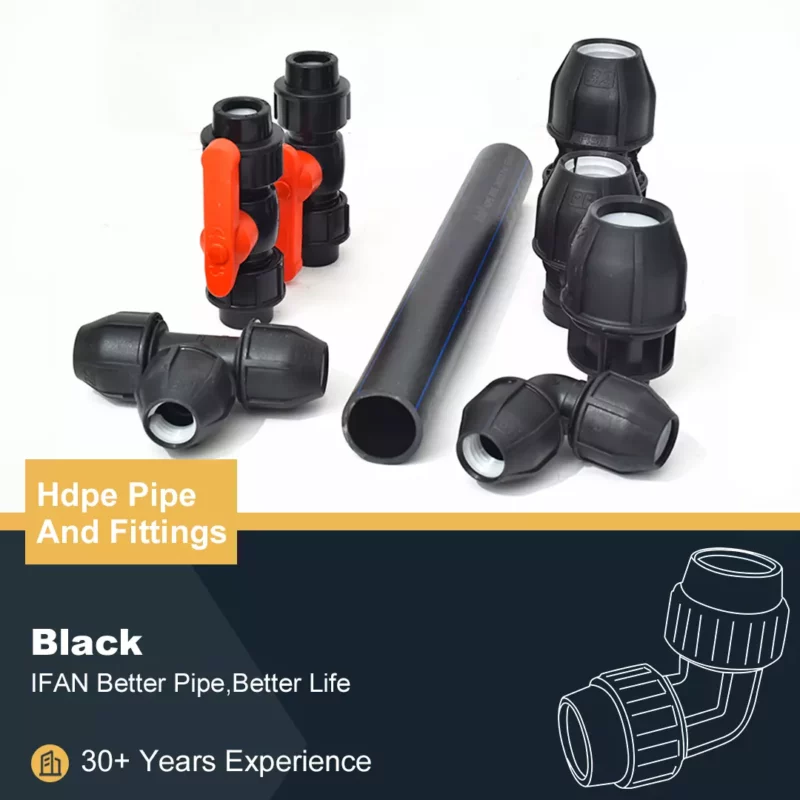

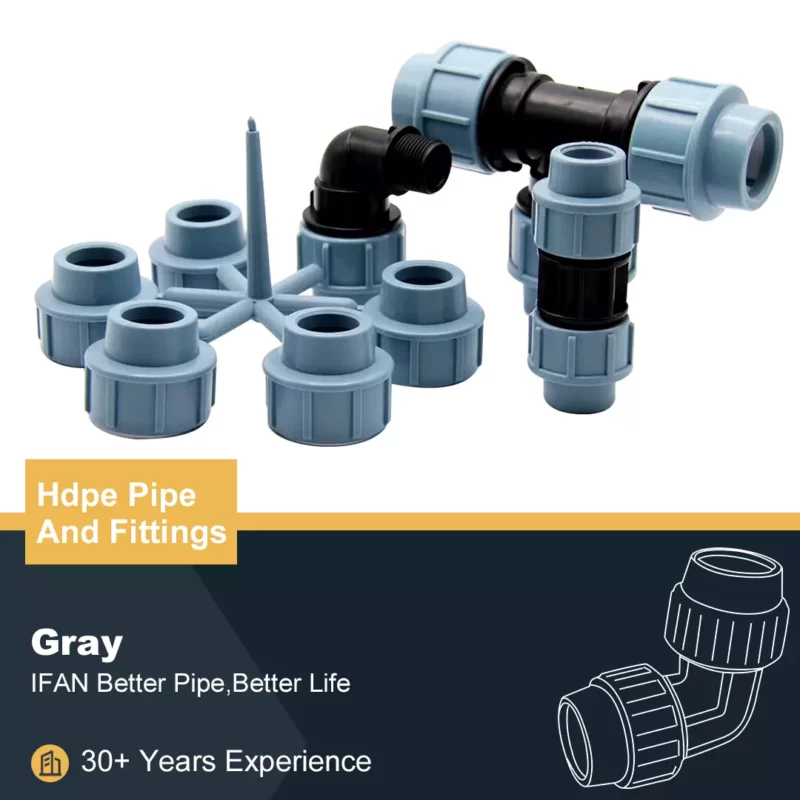





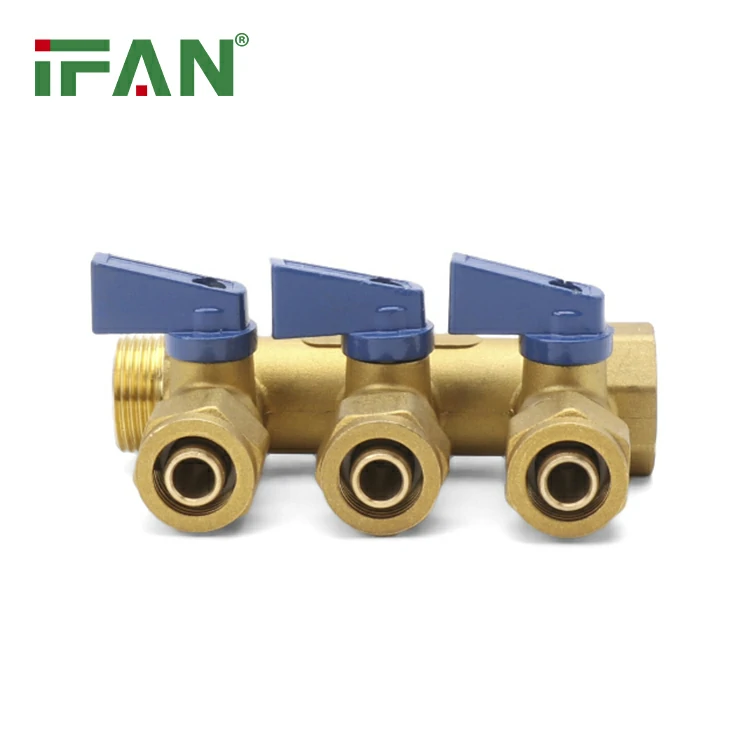
A brass manifold plays a crucial role in modern plumbing systems, offering an efficient way to distribute water throughout a building. Whether it is for residential or commercial purposes, the manifold ensures that water flows smoothly to various fixtures, ensuring convenience and performance. This article will explore the importance, functions, benefits, and installation of brass manifolds in water distribution systems.
What is a Brass Manifold?
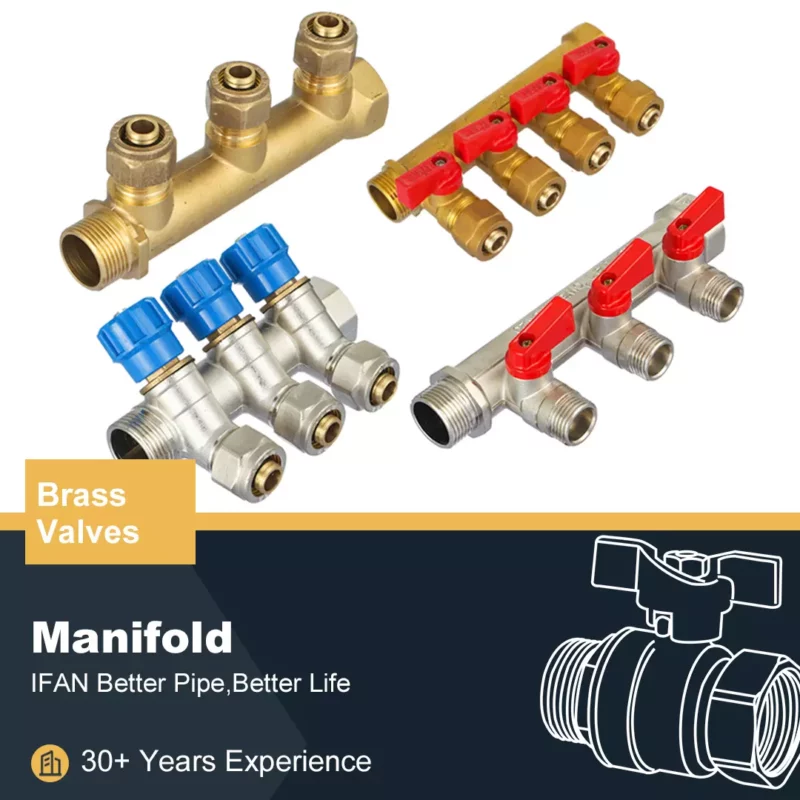
A brass manifold is a plumbing component used to distribute water from a central source to multiple outlets or fixtures. It typically consists of multiple ports or outlets connected to a single inlet. The manifold is made of brass, a durable and corrosion-resistant material, making it ideal for water systems. In residential plumbing, it can be used to manage the water flow to various appliances, faucets, or even irrigation systems.
The manifold’s design allows water to be directed to different parts of the building without requiring extensive piping. This reduces the complexity and the potential for leaks, as fewer joints and connections are involved. A well-installed manifold helps ensure consistent water pressure and optimal distribution throughout the system.
Key Features of Brass Manifolds
Brass manifolds have several key features that make them a preferred choice in plumbing systems:
- Durability: Brass is a strong, corrosion-resistant material that can withstand high water pressures and temperature fluctuations.
- Leak Prevention: With fewer joints and connections, the chances of leaks are reduced, improving the overall efficiency of the system.
- Easy Installation: Brass manifolds are relatively simple to install, even in complex plumbing systems. Their design allows for easy connection to various pipes and fixtures.
- Versatility: These manifolds can be used in both hot and cold water systems, providing flexibility for different types of plumbing applications.
The Function of Brass Manifolds in Water Distribution
The primary function of a brass manifold is to distribute water efficiently and evenly across a plumbing system. It serves as a central hub where water flows from the main supply line to various outlets or appliances. This distribution is crucial for maintaining consistent water pressure and ensuring that each fixture receives an adequate water supply.
In a typical plumbing system, the water supply is distributed through a series of pipes and valves. However, as the system grows in size or complexity, a manifold simplifies the distribution process. By using a manifold, each fixture or appliance can be supplied with water independently, allowing for better control over the water flow.
Benefits of Using a Brass Manifold
Using a brass manifold in a plumbing system offers numerous benefits. Some of the most notable advantages include:
- Improved Water Pressure: A brass manifold helps maintain consistent water pressure across all fixtures. Since water is distributed directly to each outlet, pressure fluctuations are minimized.
- Reduced Water Waste: Brass manifolds allow for more precise control of water flow, reducing wastage. By controlling the flow rate to each fixture, you can avoid excessive water usage, contributing to water conservation.
- Enhanced System Efficiency: With a brass manifold, the plumbing system becomes more streamlined. The number of joints and connections is reduced, making the system more efficient and less prone to leaks.
- Long-Term Cost Savings: Although brass manifolds may have a higher initial cost, their durability and longevity lead to long-term savings. Fewer repairs and replacements are needed, lowering maintenance costs.
Installation of a Brass Manifold
The installation of a brass manifold is relatively straightforward but should be done carefully to ensure optimal performance. Here is a general overview of the installation process:
- Preparation: Before installation, the main water supply should be turned off. The area where the manifold will be installed should be clean and accessible.
- Positioning: The manifold should be positioned in a location that allows for easy access to all the outlets. It is typically installed near the main water supply line.
- Connecting the Inlet: The inlet of the manifold should be connected to the main water supply line using a compatible fitting.
- Connecting the Outlets: The outlets of the manifold are connected to the various pipes leading to the fixtures. Each outlet should be carefully sealed to prevent leaks.
- Testing the System: After installation, the water supply should be turned back on, and the system should be tested for leaks or any pressure issues. If everything is functioning correctly, the installation is complete.
It is important to note that while installation can be done by a skilled DIYer, professional installation is recommended for more complex systems to ensure optimal performance.
Applications of Brass Manifolds
Brass manifolds are versatile and can be used in a wide range of plumbing applications. Some of the most common uses include:
- Residential Plumbing: In homes, brass manifolds are used to supply water to various fixtures such as faucets, showers, toilets, and washing machines. They help manage water distribution efficiently, particularly in larger homes with multiple bathrooms or appliances.
- Commercial Plumbing: In commercial buildings, brass manifolds are used to supply water to numerous outlets, such as sinks, toilets, and fire sprinklers. They are often used in large-scale plumbing systems to maintain water pressure and ensure reliable performance.
- Irrigation Systems: Brass manifolds are commonly used in irrigation systems to distribute water to different zones or areas of a garden or lawn. Their ability to handle different flow rates makes them ideal for this purpose.
- Underfloor Heating Systems: In hydronic underfloor heating systems, brass manifolds distribute hot water to the different loops or circuits. This ensures even heat distribution across the floor, improving comfort and energy efficiency.
Maintenance and Care of Brass Manifolds
Brass manifolds are low-maintenance components, but regular care can help extend their lifespan and ensure optimal performance. Some maintenance tips include:
- Inspecting for Leaks: Periodically check all connections for signs of leaks. If any are found, they should be repaired immediately to prevent water damage.
- Cleaning: While brass is resistant to corrosion, it can accumulate dirt and debris over time. Clean the manifold and surrounding pipes periodically to maintain its efficiency.
- Checking Water Pressure: Regularly monitor the water pressure in the system. If there are noticeable drops in pressure, it may indicate a problem with the manifold or the plumbing system.
Conclusion
A brass manifold is a vital component in modern plumbing systems, providing efficient and reliable water distribution. Its durability, ease of installation, and ability to maintain consistent water pressure make it an essential tool for both residential and commercial applications. By reducing leaks, improving water flow, and offering long-term savings, brass manifolds offer an efficient and cost-effective solution for water distribution. Proper installation and maintenance will ensure that the manifold continues to perform optimally for many years, enhancing the overall efficiency of the plumbing system.
If you have read this article and have any questions, please feel free to contact IFAN. Below is our contact information:
Whatsapp:+86 13373827623
Email:[email protected]