


























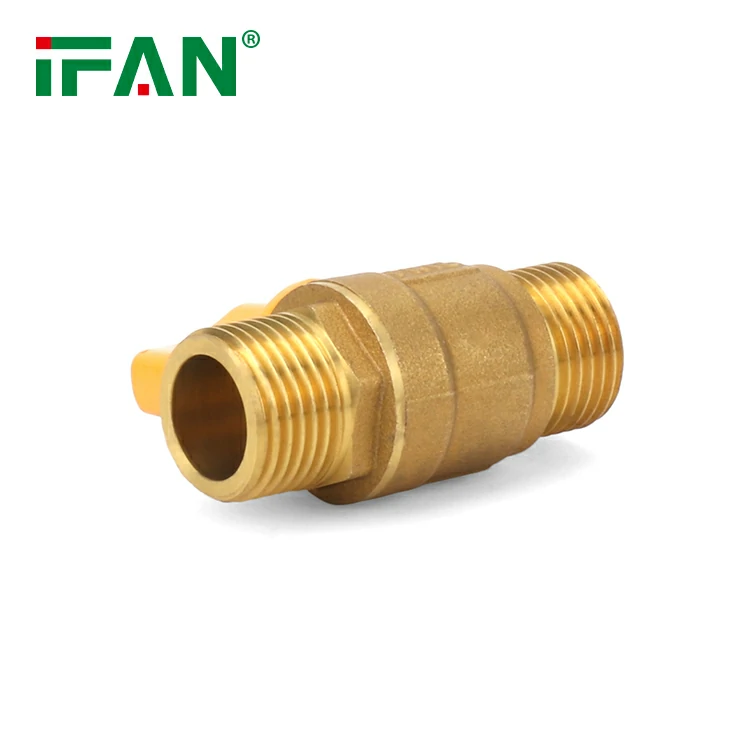
Brass gas valves are integral components in numerous applications, from residential kitchens to large industrial systems. Known for their durability, precision, and resistance to corrosion, these valves are highly versatile and essential for efficient gas flow regulation. This article explores the various uses of brass gas valves across different sectors, emphasizing their adaptability and importance in maintaining safe and reliable gas systems.
Brass Gas Valves in Residential Applications
In residential systems, brass gas valve are commonly found in household appliances such as stoves, ovens, water heaters, and boilers. These valves control the flow of natural gas or propane, ensuring a safe and consistent gas supply to various appliances. Their precise control over gas flow helps optimize energy use, improving the efficiency of home heating and cooking.
In kitchens, brass gas valves are typically installed with gas-powered cooktops and ovens. They allow for easy regulation of gas flow, enabling users to adjust heat levels for cooking. Likewise, in water heaters, brass valves help control the gas flow to maintain the desired water temperature, promoting energy efficiency while reducing gas waste.
Industrial Applications of Brass Gas Valve
Brass gas valve play a vital role in many industrial settings, where they regulate gas flow in complex systems. Industries such as manufacturing, chemicals, and petroleum often rely on brass valves to manage high-pressure gas distribution. These valves ensure that industrial equipment operates safely and efficiently by maintaining consistent gas flow to burners, furnaces, and combustion engines.
In industrial boilers, brass valves control the gas flow to the burner, ensuring optimal combustion efficiency. In large-scale manufacturing processes, they help regulate the fuel supply for kilns, furnaces, and ovens, reducing the chances of energy loss and maintaining process stability. Due to their resistance to corrosion and wear, brass gas valve are especially effective in environments where reliability is crucial for continuous operations.
Brass Gas Valve in HVAC Systems
Heating, ventilation, and air conditioning (HVAC) systems rely on gas to power boilers and furnaces. Brass gas valve are indispensable in these systems, controlling the flow of natural gas to provide consistent heating and cooling. In HVAC systems, valves regulate gas flow to heat exchangers, maintaining temperature control while maximizing energy efficiency.
In residential and commercial heating applications, brass valves allow precise control over gas-powered furnaces. By adjusting the gas flow, users can efficiently manage indoor temperatures while preventing gas wastage. In air conditioning systems that use gas as a refrigerant, brass valves help ensure smooth, efficient operation by regulating gas flow throughout the cooling cycle.
Use in Gas Distribution Networks
Gas distribution networks rely on brass gas valve to manage the flow of natural gas from pipelines to residential and commercial buildings. These valves help control pressure levels, ensuring that gas is delivered safely and reliably. In the event of maintenance or emergencies, brass valves allow for quick shutoff of gas supply to specific areas or the entire network.
Brass valves are commonly installed at critical points in gas distribution systems, including meter stations, pressure regulators, and mainline control points. Their ability to maintain high pressure without leakage is crucial in ensuring the safe and efficient operation of the gas infrastructure. Furthermore, their corrosion resistance allows for long-lasting service in environments exposed to the elements.
Brass Gas Valve in Medical Gas Systems
In medical facilities, precise control over gas flow is critical for patient safety. Brass gas valve are commonly used in medical gas systems, such as those found in hospitals, clinics, and laboratories. These systems supply gases like oxygen, nitrous oxide, and medical air to various equipment, including ventilators, anesthesia machines, and patient breathing circuits.
Brass gas valve in medical systems are designed for accuracy and reliability, ensuring that gases are delivered at the correct pressure and flow rate. Their corrosion resistance ensures that the valves continue to function well in high-demand environments. Additionally, brass valves are preferred for their ease of use, as they allow healthcare professionals to adjust gas flow with precision during procedures or treatments.
Brass Gas Valve in Agricultural Systems
Agricultural systems often rely on gas-powered equipment, such as irrigation pumps, heaters for greenhouses, and drying systems. Brass gas valves help regulate gas flow to these systems, ensuring efficient fuel use while maintaining safe operation. In irrigation systems, brass valves control the flow of gas to power pumps, enabling effective water distribution in large agricultural fields.
In greenhouses, brass valves regulate the flow of gas to heaters, helping maintain optimal growing conditions by controlling the temperature. Similarly, in drying systems for crops, these valves ensure a steady supply of gas for efficient drying processes. By optimizing gas usage, brass valves play a key role in enhancing agricultural productivity while reducing energy waste.
Brass Gas Valve in Laboratory Equipment
Laboratories often use gas-powered equipment for various research applications, including gas chromatography, flame photometry, and other scientific analyses. Brass gas valve are crucial in these settings, as they control the flow of gases such as hydrogen, oxygen, and nitrogen, which are essential for these experiments. The precision and reliability of brass valves ensure that gases are supplied in the correct amounts for accurate results.
In laboratories, maintaining an uninterrupted and stable gas supply is vital for the success of experiments. Brass valves offer the precision needed for controlling gas flow, ensuring that experiments are conducted under optimal conditions. The ability to quickly shut off or adjust the gas flow with brass valves also enhances safety and efficiency in laboratory environments.
Brass Gas Valves for Fireplaces and Outdoor Heating
Brass gas valves are also used in outdoor heating applications, such as gas-powered fireplaces and patio heaters. These systems rely on a steady gas supply to provide warmth and ambiance. Brass valves help control the flow of gas to the burners, ensuring that the heat is distributed evenly and safely.
In outdoor settings, brass valves are preferred for their ability to withstand harsh weather conditions. Their corrosion and rust resistance ensure reliable operation in harsh environments. They perform well even in rain, snow, and extreme temperatures. Easy adjustability allows users to control flame intensity. This provides a comfortable outdoor heating experience.
Brass Gas Valves in Automotive and Transportation Industries
In the automotive and transportation industries, brass gas valves are used in systems that require precise gas flow control, such as in compressed natural gas (CNG) vehicles. Brass valves regulate the flow of CNG to the engine, ensuring efficient combustion and optimizing vehicle performance. These valves are also used in fuel storage tanks to control the release of gas during refueling.
The durability and reliability of brass valves make them well-suited for automotive applications, where they endure high-pressure environments and frequent use. Additionally, brass valves are resistant to corrosion and can withstand the vibrations and extreme conditions typically found in transportation systems, ensuring long-lasting performance and reducing maintenance costs.
Brass Gas Valves in Oil and Gas Industry
The oil and gas industry involves the extraction, transport, and processing of natural gas and petroleum products. Brass gas valves are used in various stages of this process, from controlling gas flow in pipelines to regulating pressure in refineries. Their ability to maintain a tight seal under high pressure is essential in preventing leaks and ensuring the safe handling of potentially hazardous gases.
In refineries, brass gas valves are used in systems that require precise control over gas flow, such as in combustion chambers or catalytic converters. The resilience of brass valves allows them to function effectively in these high-demand environments, improving safety and efficiency in the oil and gas industry.
Conclusion
Brass gas valves are incredibly versatile and essential components in a wide range of applications. Brass gas valves provide precise control over gas flow. They enhance safety, energy efficiency, and overall system performance. Their durability ensures reliability in various applications. They resist corrosion and withstand high pressures effectively. These valves are ideal for HVAC, agriculture, and laboratories. They are also valuable in transportation sectors. In kitchens, they regulate gas flow for cooking. In the oil and gas industry, they manage high-pressure systems efficiently. Brass gas valves play a crucial role in reliable gas control.Their adaptability and long-lasting performance make them a top choice for applications across industries.
If you have read this article and have any questions, please feel free to contact IFAN. Below is our contact information:
Whatsapp:+86 13373827623
Email:[email protected]