






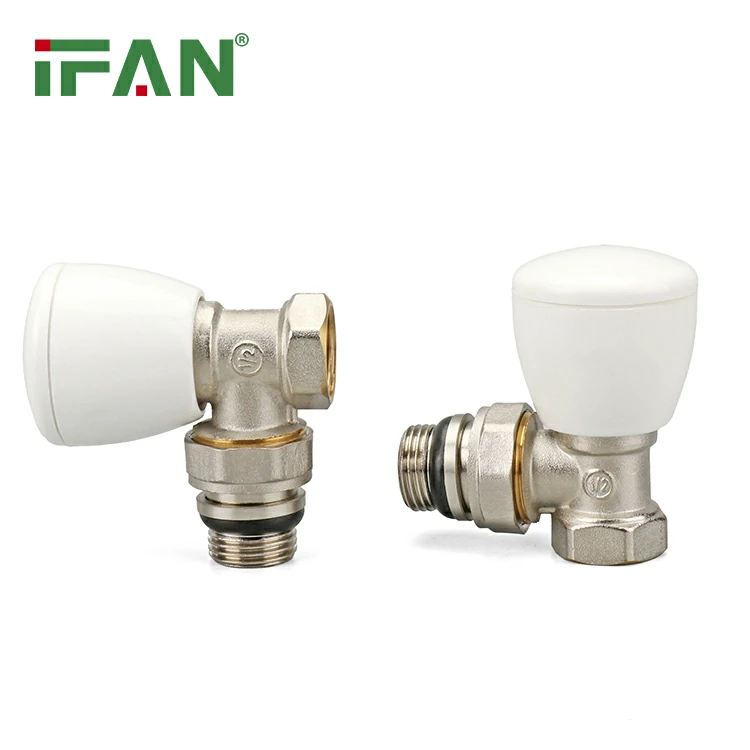
Radiator valves play an essential role in modern heating systems, offering numerous benefits, especially in terms of energy saving. By regulating the flow of hot water or steam to radiators, these valves provide homeowners and businesses with greater control over their heating systems. This control is key in reducing energy consumption, lowering heating costs, and improving overall energy efficiency. In this article, we will explore the various ways in which radiator valves help save energy, making them a valuable investment in both residential and commercial settings.
1. Improved Temperature Control
One of the primary ways radiator valves contribute to energy savings is through better temperature control. Traditional heating systems often heat entire spaces uniformly, regardless of whether every room needs the same level of warmth. Radiator valves, however, allow users to adjust the temperature in individual rooms. By regulating the flow of heat, you can ensure that rooms are not overheated, which prevents wasted energy. For example, in a room that is rarely used, you can set the radiator valve to a lower setting, conserving energy while maintaining comfort in more frequently used spaces.
2. Reduction of Overheating
Overheating is a common problem in homes and offices with traditional heating systems. In the absence of proper regulation, the heating system may continue to push warm air or water into radiators, even when the room has reached a comfortable temperature. Radiator valves help prevent this by allowing users to stop the flow of hot water or steam once the desired temperature is reached. This reduces the amount of energy needed to maintain a comfortable environment, preventing unnecessary heat from being generated and reducing energy wastage.
3. Thermostatic Control with TRVs
Thermostatic Radiator Valves (TRVs) are a more advanced version of the standard radiator valve, providing even greater control over temperature regulation. These valves are equipped with sensors that automatically adjust the flow of water based on the room’s temperature. When the room reaches the set temperature, the TRV reduces the flow of hot water or steam, effectively preventing overheating. This automatic adjustment ensures that energy is only used when necessary, significantly enhancing energy efficiency and reducing wasted heating. TRVs are particularly helpful in managing temperature fluctuations, making them an excellent choice for homes and businesses.
4. Zoning for Efficiency
Radiator valves enable zoning, which is the practice of dividing a space into different temperature-controlled areas. By creating zones with independent temperature control, radiator valves help you use energy more efficiently. For instance, you can set the temperature in bedrooms lower than the living areas. This is especially useful in large homes or commercial buildings, where some rooms may be used more frequently than others. Zoning ensures that energy is not wasted on heating rooms that are rarely used or require minimal heat, leading to significant energy savings.
5. Enhanced Control Over Heating Timetables
With radiator valves, users gain more control over when and how much heat is needed in each room. In many heating systems, the heat is left running continuously throughout the house, regardless of time of day or room occupancy. Radiator valves allow users to schedule heating based on when specific rooms are in use. For example, you can program the valves to increase the temperature in the morning when the family wakes up, and lower it when everyone leaves for work or school. This tailored approach to heating ensures that energy is only used when needed, avoiding waste during off-peak times.
6. Reduced Heat Loss
In homes with poorly insulated walls or windows, much of the heat generated by a radiator can escape, leading to wasted energy. Radiator valves help mitigate this by ensuring that only the necessary amount of heat is used in each room. By adjusting the flow of hot water or steam based on room needs, radiator valves reduce the amount of excess heat that would otherwise be wasted. When combined with proper insulation, radiator valves can significantly reduce overall energy consumption and make heating systems more efficient.
7. Cost Savings on Energy Bills
By providing better control over heating and reducing unnecessary energy usage, radiator valves directly contribute to lower energy bills. When less heat is wasted and rooms are heated only as needed, homeowners and businesses will see a decrease in their heating costs. Although radiator valves may require an initial investment, the long-term savings on energy bills often outweigh the upfront cost. Over time, the cost-effectiveness of radiator valves becomes clear, making them a wise choice for anyone looking to reduce their energy expenses.
8. Long-Term Energy Conservation
Energy conservation is not just about reducing heating costs in the short term—it is also about contributing to long-term sustainability. By using radiator valves to manage energy use more effectively, you are helping to reduce the overall demand for energy, which can lower the strain on power plants and reduce the need for fossil fuels. Lower energy consumption means fewer carbon emissions and a smaller environmental footprint. This makes radiator valves not only a smart financial choice but also an eco-friendly option for homeowners and businesses looking to adopt greener practices.
9. Preventing Unnecessary Heating in Vacant Rooms
Radiator valves allow users to completely shut off the heat in rooms that are not in use, further conserving energy. Whether it’s a guest room, basement, or a rarely used office, the heat can be turned off without affecting the rest of the house. This targeted approach helps prevent unnecessary energy expenditure, especially in larger homes or buildings. By shutting off heat in unused spaces, radiator valve ensure that energy is only being used in rooms that require warmth, leading to efficient use of resources.
10. Smart Heating Integration
With the rise of smart home technology, many modern radiator valve can be integrated with home automation systems. Smart radiator valves can be controlled remotely via smartphone apps. They can also integrate with thermostats and lighting systems. This helps homeowners manage heating systems more effectively. Energy waste can be minimized when the house is empty. Remote control of heating offers greater energy usage control. It provides added convenience and enhances energy savings.
Conclusion
Radiator valves offer a wide range of energy-saving benefits, from improving temperature control to reducing overheating and enabling zoning. Thermostatic Radiator Valves (TRVs) take this further by automatically adjusting the temperature based on the room’s needs. By providing better control over heating schedules, reducing heat loss, and preventing unnecessary heating in vacant rooms, radiator valves help ensure that energy is used efficiently. This leads to significant cost savings on energy bills while also contributing to long-term energy conservation. Whether integrated into a smart home system or used in more traditional setups, radiator valves are a practical and effective solution for anyone seeking to improve energy efficiency and reduce heating costs.
If you have read this article and have any questions, please feel free to contact IFAN. Below is our contact information:
Whatsapp:+86 13373827623
Email:[email protected]