









Temperature control is one of the key factors in ensuring comfort and energy efficiency in a home or building. A properly regulated heating system can maintain a consistent temperature in each room, creating a comfortable environment without wasting energy. Radiator valves, which control the flow of water or steam into radiators, play a vital role in improving temperature control. These valves allow precise adjustments to heating levels, providing users with better control over their indoor climate. In this article, we will explore how radiator valves contribute to improved temperature control and the various benefits they offer.
1. How Radiator Valves Work
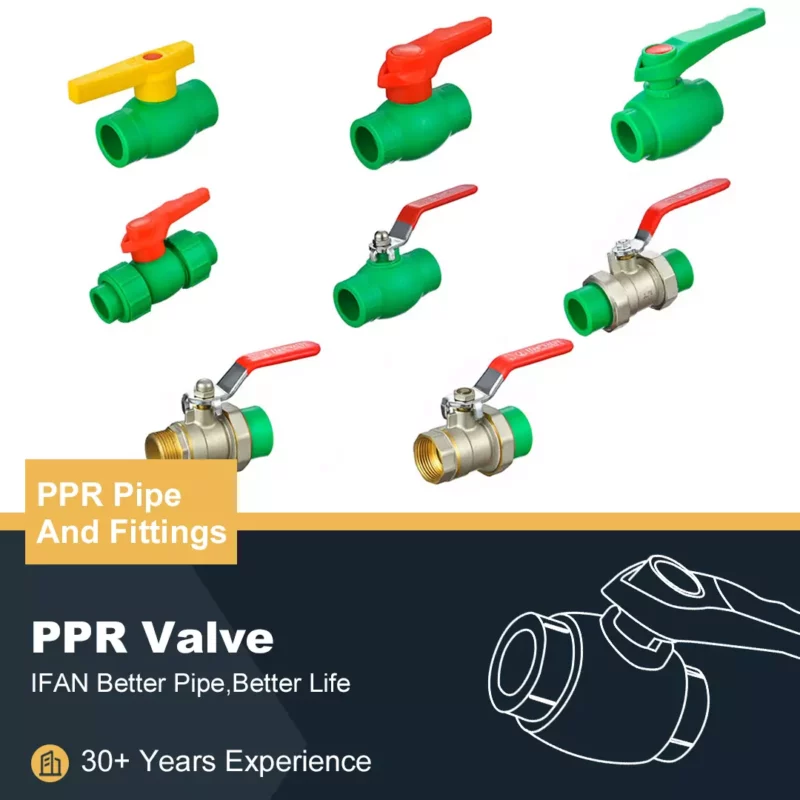
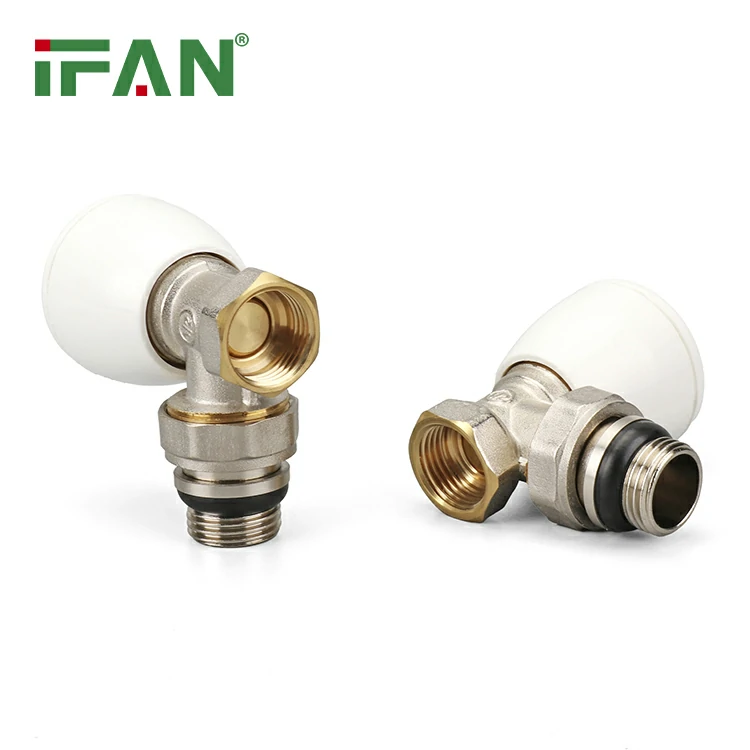
Radiator valves function by regulating the amount of hot water or steam flowing into a radiator. The valve is typically installed on the pipe leading to the radiator, controlling the flow based on user settings. Manual radiator valves allow users to adjust the flow manually, while thermostatic radiator valves (TRVs) automatically adjust the flow based on the room’s temperature. By increasing or decreasing the flow, radiator valves help maintain a consistent temperature, preventing overheating or underheating in individual rooms. This control is essential for achieving optimal comfort and energy efficiency.
2. Benefits of Radiator Valves for Temperature Control
The primary benefit of radiator valves is the ability to maintain a comfortable and consistent temperature in each room. In a traditional heating system, heat is often distributed uniformly throughout a building, which may not be ideal for every room. Radiator valves allow users to set different temperatures for each room, tailoring the heating to specific needs. For example, bedrooms can be set to a cooler temperature for sleeping, while living areas can be kept warmer for comfort. This flexibility improves overall comfort and ensures that energy is not wasted heating unused spaces.
3. Thermostatic Radiator Valves (TRVs) for Automatic Temperature Adjustment
Thermostatic Radiator Valve (TRVs) are a more advanced form of radiator valve that automatically regulate the flow of hot water based on the room temperature. A TRV consists of a temperature sensor that detects the room’s current temperature and adjusts the valve accordingly. When the room reaches the desired temperature, the TRV reduces the flow of hot water. If the room cools down, the valve opens to allow more hot water to flow into the radiator. This automatic adjustment ensures that rooms are always kept at a comfortable temperature without the need for manual intervention.
4. Precise Control Over Heating
Radiator valve, especially TRVs, offer precise control over heating. Unlike traditional systems that may overheat or underheat spaces, radiator valve allow users to fine-tune the temperature in each room. For instance, in a room with direct sunlight, the radiator valve can be adjusted to allow less heat, as the sun naturally warms the space. In a room that tends to get colder, the radiator valve can be adjusted to provide more warmth. This level of control ensures that each room is heated according to its specific needs, improving overall comfort.
5. Zoning for Efficient Temperature Management
Zoning is a powerful feature enabled by radiator valve, particularly in larger homes or buildings. Zoning divides the space into different temperature-controlled areas, allowing for better temperature regulation throughout the building. For example, you can set different temperatures in bedrooms, living rooms, and hallways. In larger buildings, zoning helps ensure that rooms with different levels of usage receive the appropriate amount of heat. This method of temperature management improves comfort and prevents energy wastage by ensuring that heating is directed only where it’s needed.
6. Reducing Energy Waste
One of the most significant advantages of using radiator valve for temperature control is the reduction of energy waste. Traditional heating systems often heat entire buildings uniformly, even in rooms that are not being used. With radiator valves, it is possible to reduce the heating in rooms that are not occupied, which prevents unnecessary energy consumption. Additionally, by allowing each room to be heated to its ideal temperature, radiator valve help prevent overheating and energy waste. This leads to lower energy bills and a more environmentally friendly heating system.
7. Improved Comfort for All Occupants
Temperature preferences can vary from person to person. While some people prefer cooler rooms, others may prefer more warmth. Radiator valves provide a solution to this issue by allowing for individual temperature control in each room. For example, family members with different temperature preferences can each adjust the radiator valve in their rooms to achieve their desired comfort level. This level of customization ensures that everyone in the home or building can enjoy a comfortable environment tailored to their needs.
8. Preventing Hot Spots and Cold Spots
In many traditional heating systems, certain areas of a room or building may become too hot while others remain too cold. This imbalance can lead to discomfort and the need to constantly adjust the thermostat. Radiator valve help eliminate hot spots and cold spots by providing more even heat distribution. By adjusting the flow of hot water into each radiator, these valves ensure that heat is distributed more evenly throughout the room. This balanced heating leads to a more consistent and comfortable environment.
9. Smart Radiator Valve for Enhanced Control
With advancements in smart home technology, modern radiator valves can now be controlled remotely through smartphone apps or integrated with smart thermostats. Smart radiator valve offer even greater control over temperature regulation, allowing users to adjust heating settings from anywhere. For example, if you are away from home and want the house to be warm when you return, you can remotely adjust the radiator valve to heat the rooms. This flexibility and convenience make smart radiator valves an ideal option for tech-savvy homeowners who want the ultimate control over their indoor climate.
10. Cost-Effective Solution for Better Temperature Control
While the initial cost of installing radiator valve may seem like an investment, the long-term savings on energy bills make them a cost-effective solution. By improving temperature control and reducing energy waste, radiator valve help lower heating costs over time. In addition, the precise control they provide helps maintain optimal comfort without excessive energy consumption. Over the course of a year, the savings on energy bills can significantly offset the cost of installing radiator valve, making them a smart and cost-effective choice for homeowners and businesses.
Conclusion
Radiator valves are essential tools for improving temperature control in heating systems. They offer precise regulation of heat flow, providing customized comfort in individual rooms. With thermostatic radiator valve (TRVs), users can enjoy automatic adjustments based on room temperature, eliminating the need for constant manual intervention. The ability to create zones, reduce energy waste, and prevent hot or cold spots enhances both comfort and energy efficiency. Smart radiator valves further improve control by integrating with home automation systems, offering convenience and flexibility. By investing in radiator valves, homeowners and businesses can enjoy better temperature control, improved comfort, and long-term energy savings.
If you have read this article and have any questions, please feel free to contact IFAN. Below is our contact information:
Whatsapp:+86 13373827623
Email:[email protected]