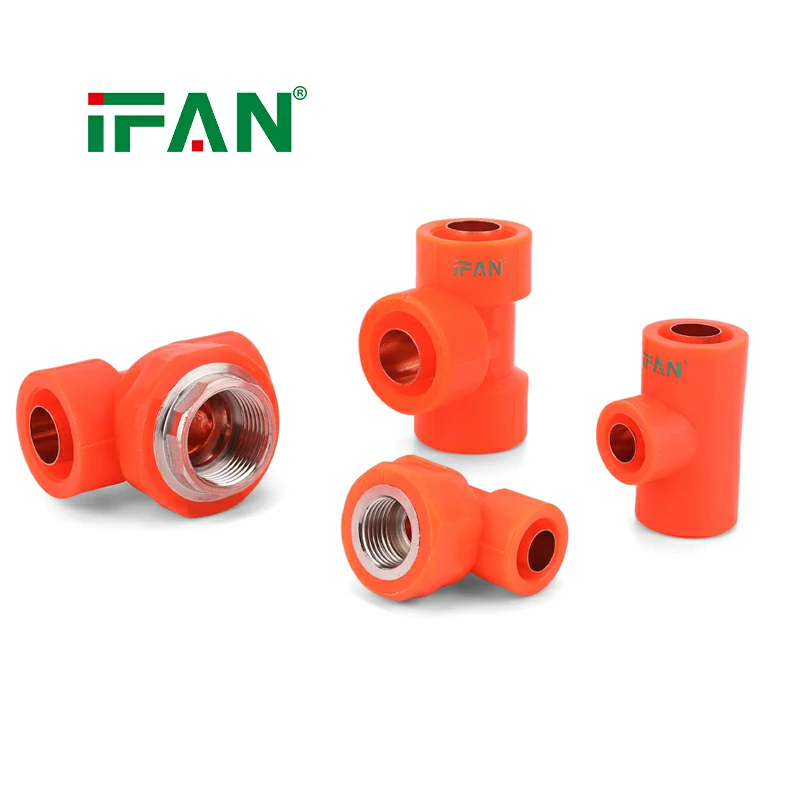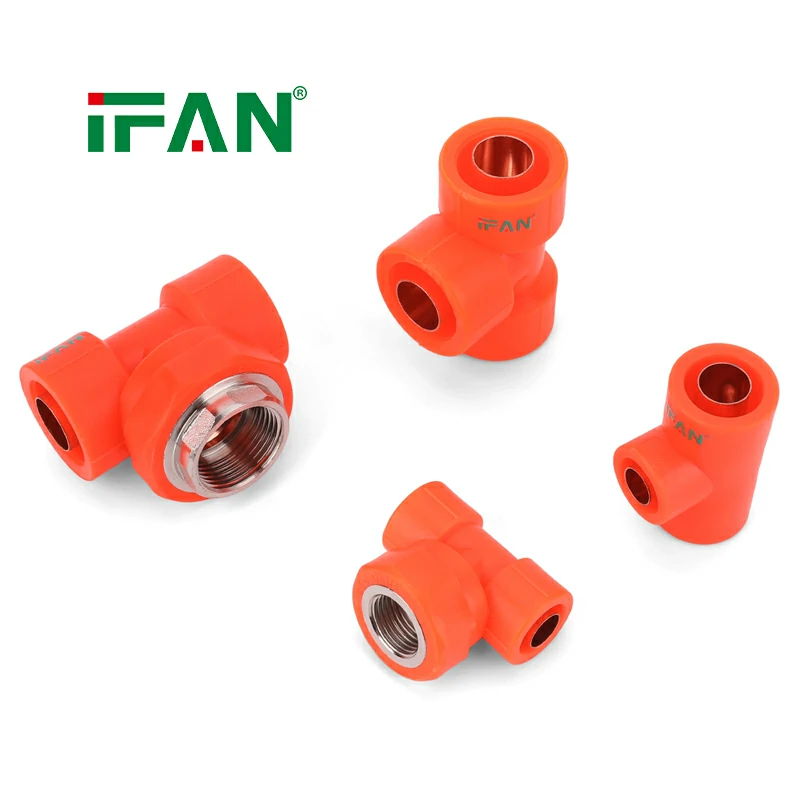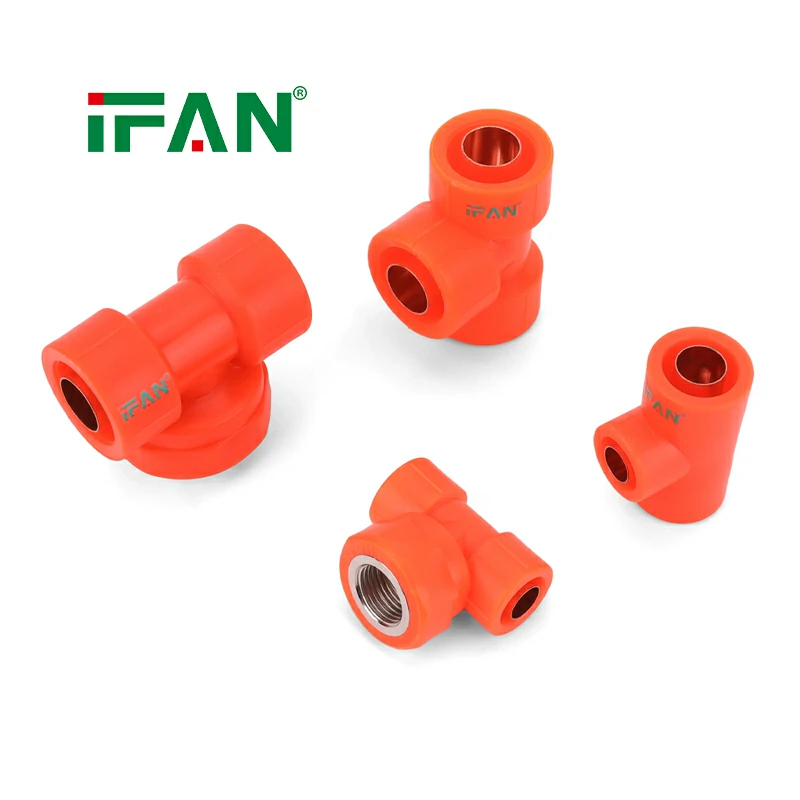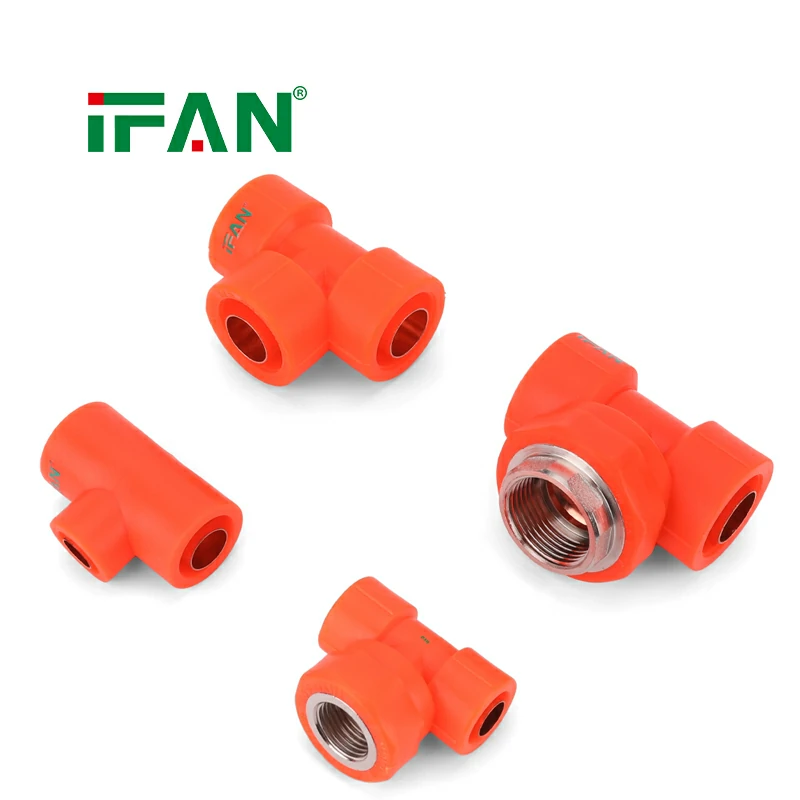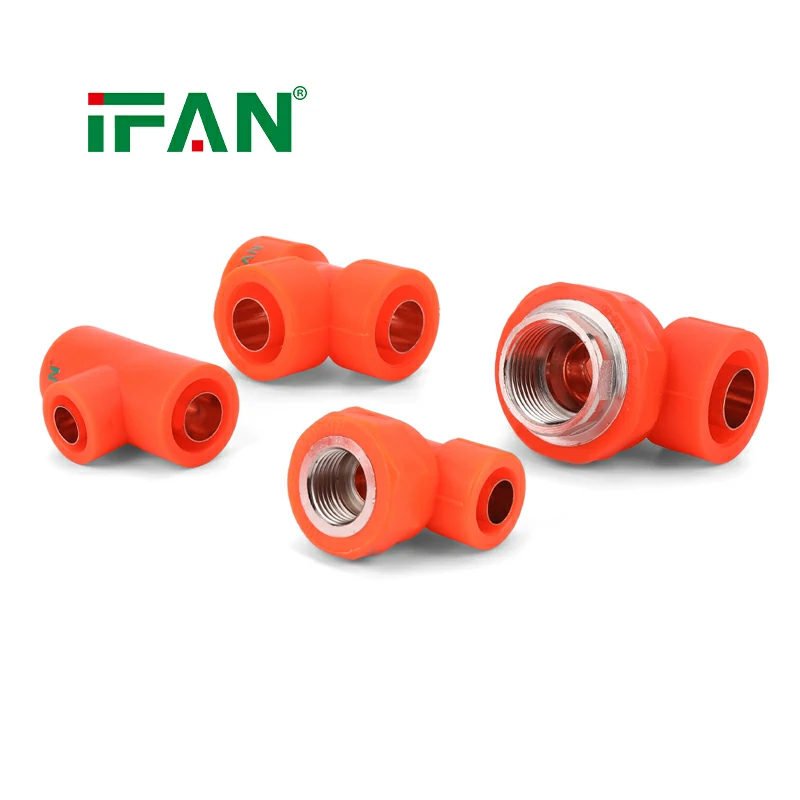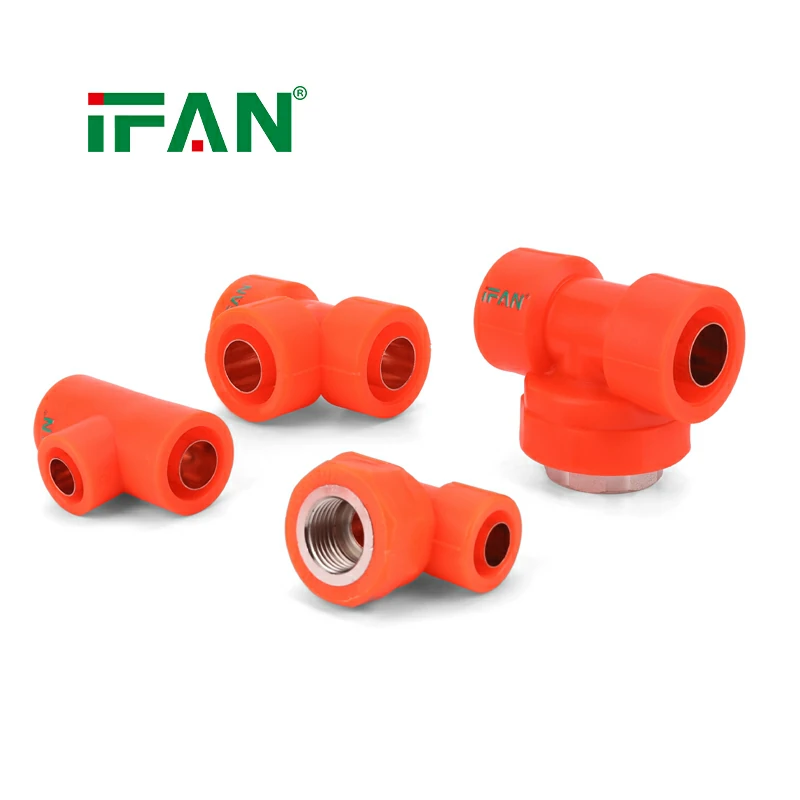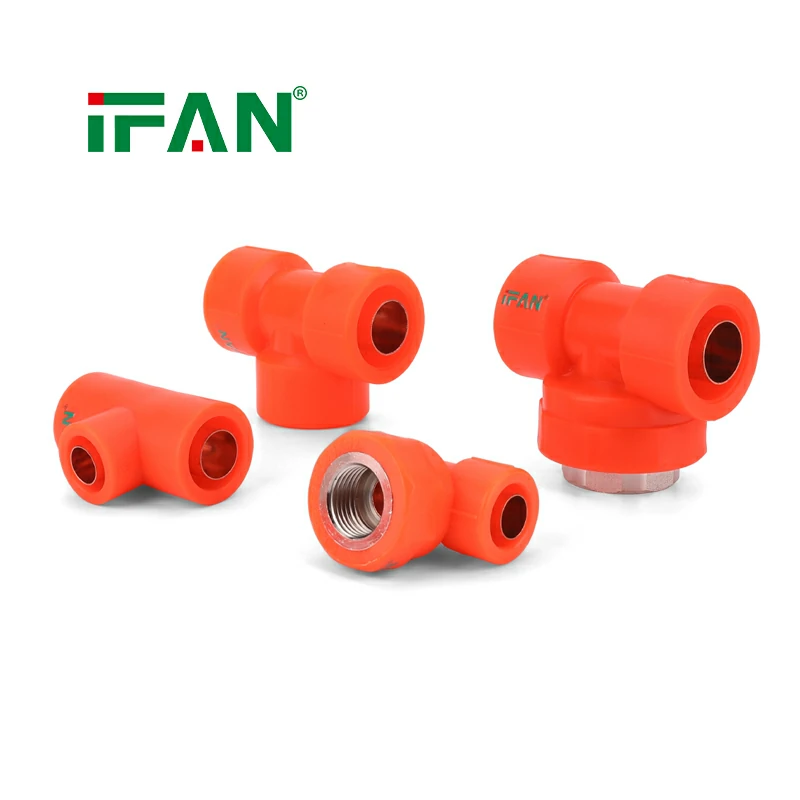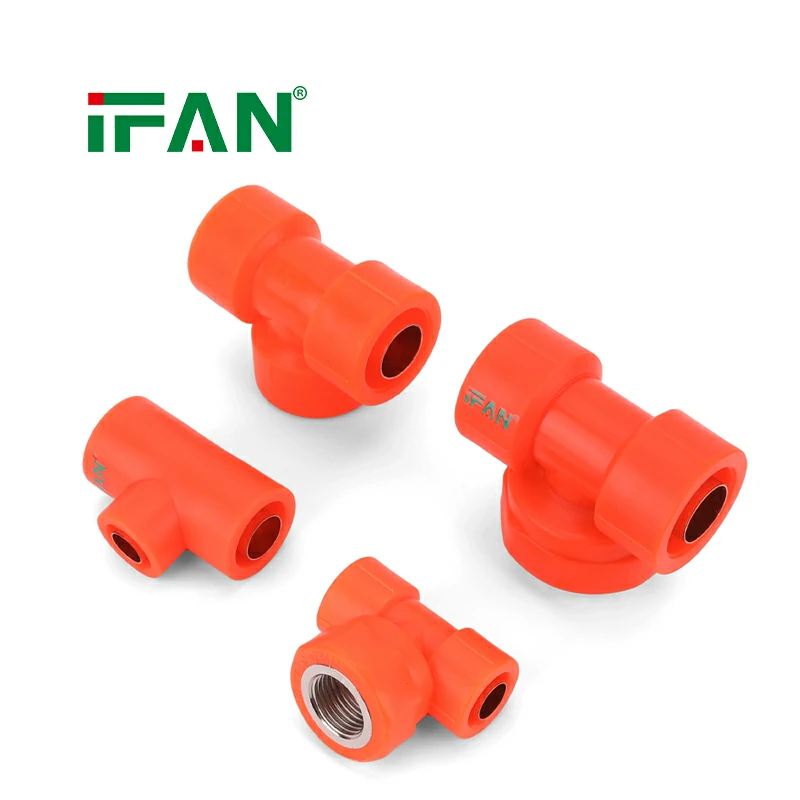
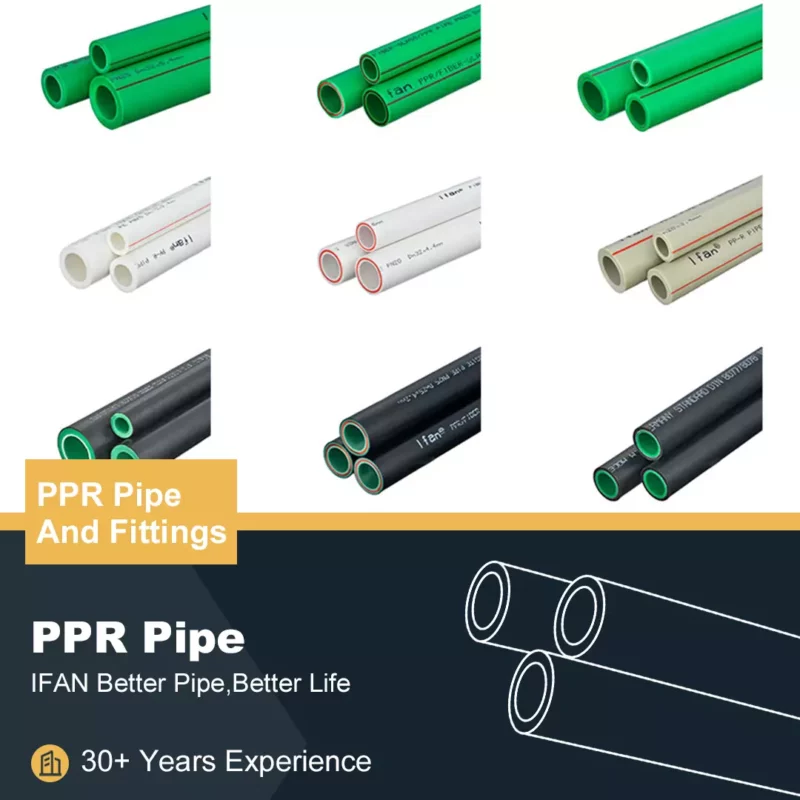
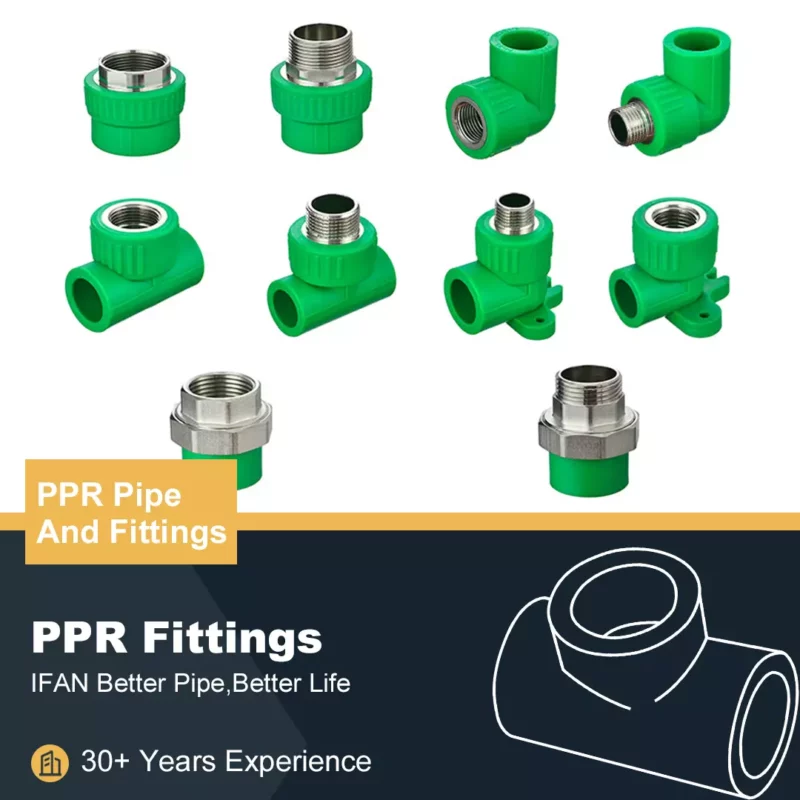
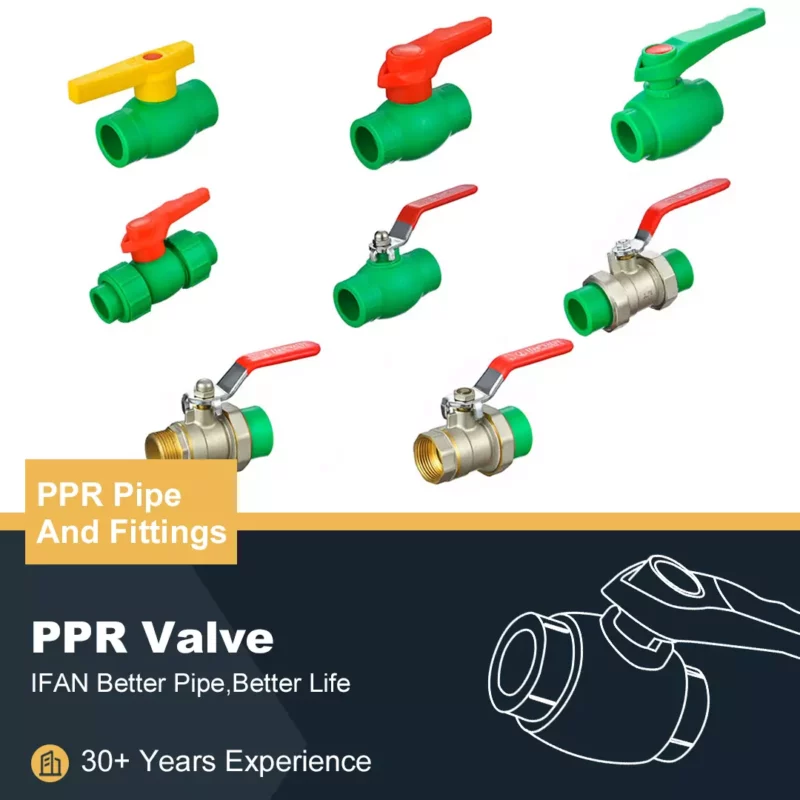
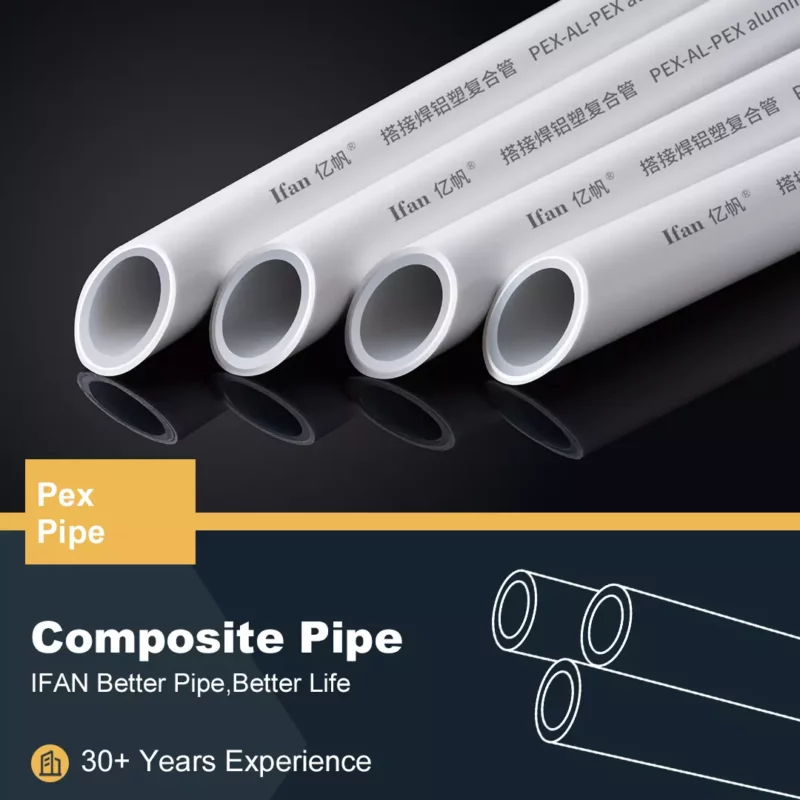
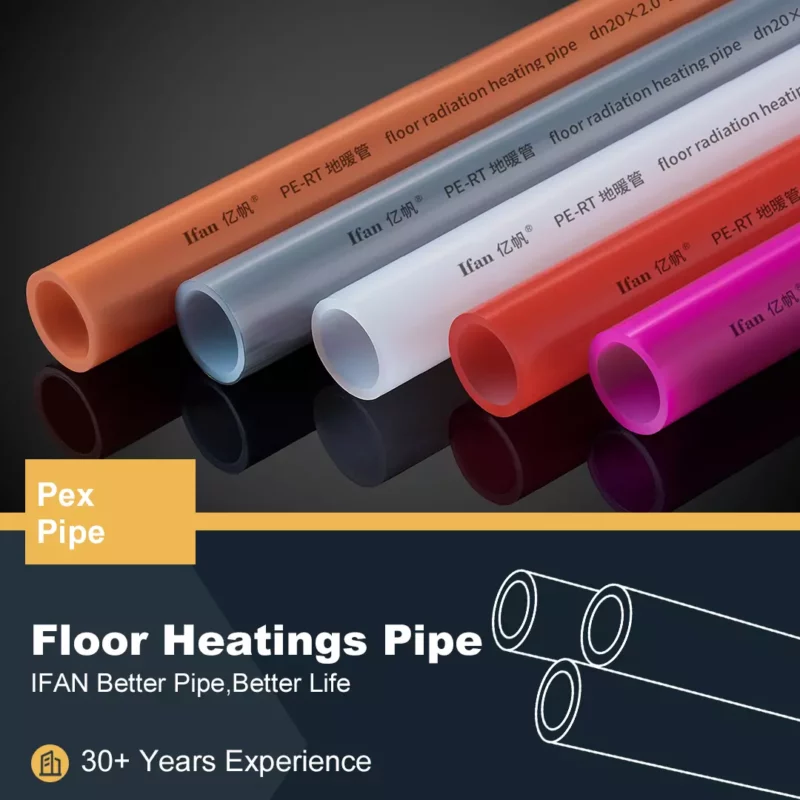
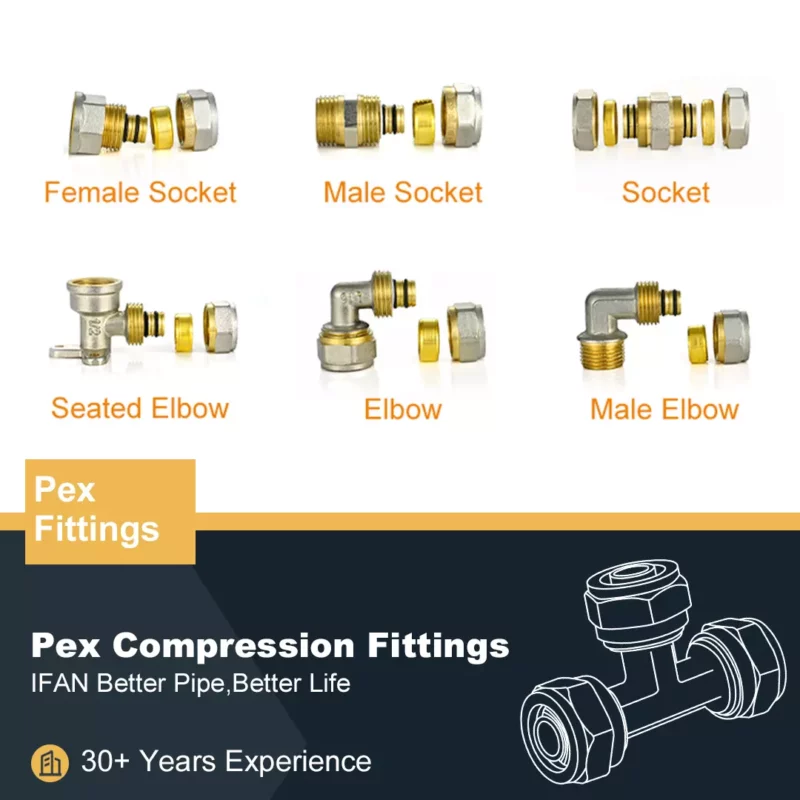
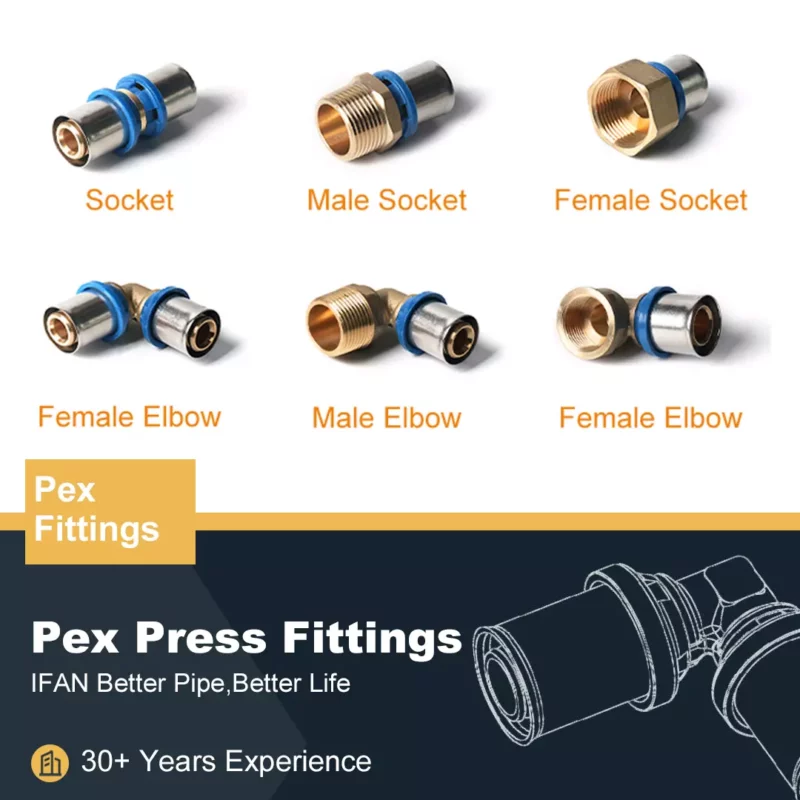
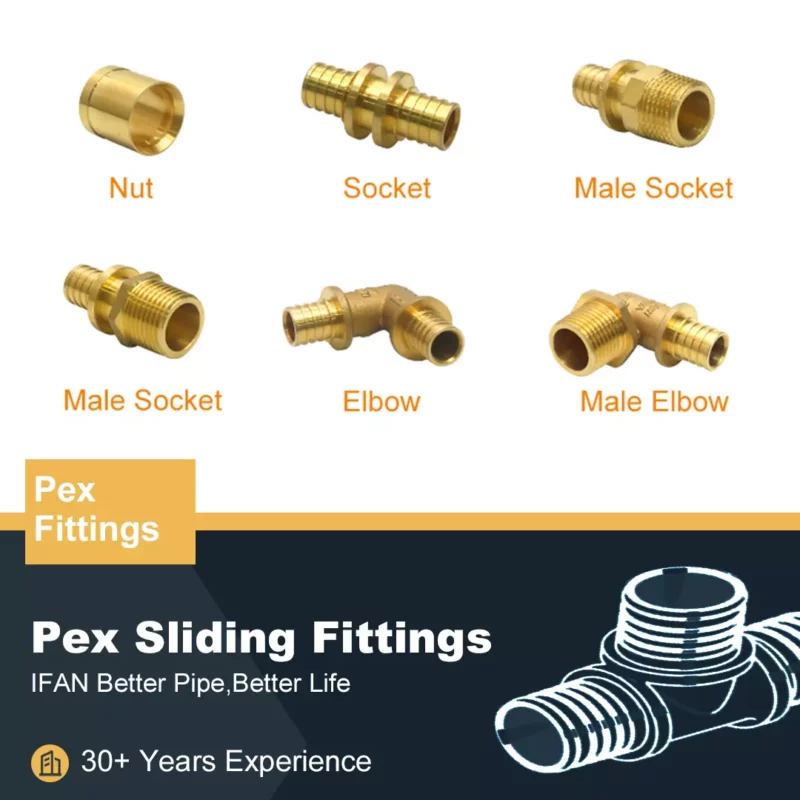

PPR (Polypropylene Random Copolymer) pipe fittings are widely recognized for their reliability, durability, and ease of installation. Compared to traditional metal plumbing systems, PPR fittings offer several advantages, particularly in terms of installation efficiency and cost-effectiveness. These benefits make PPR fittings an increasingly popular choice for both residential and industrial plumbing systems.
Understanding PPR Pipe Fittings
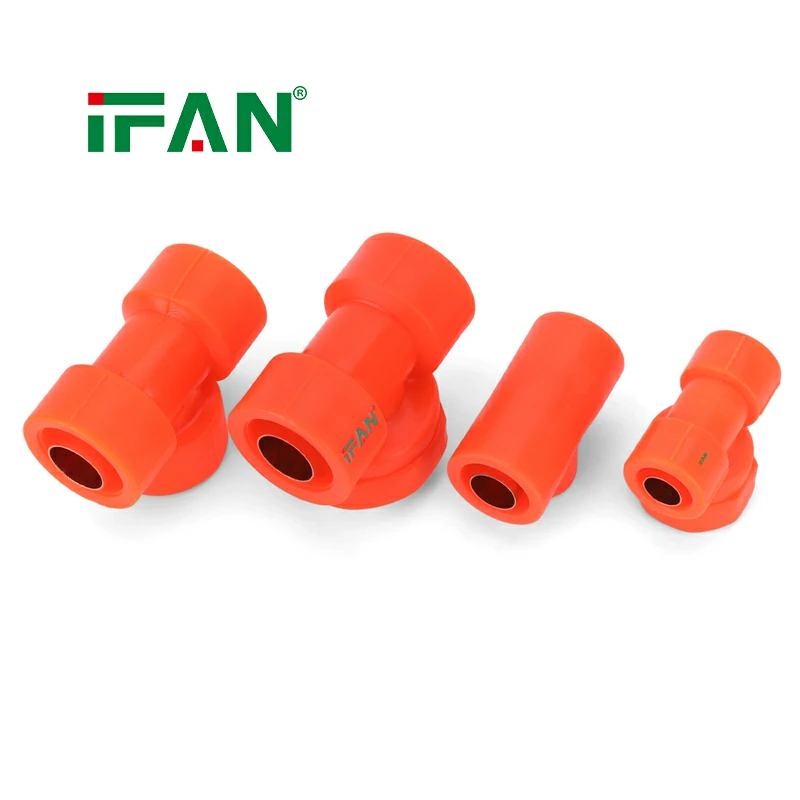
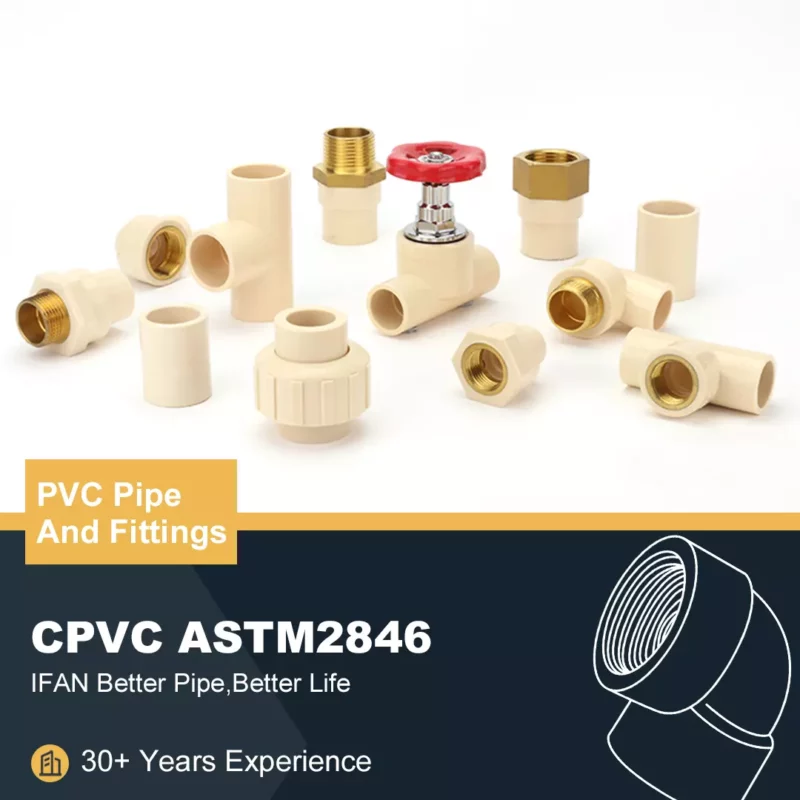
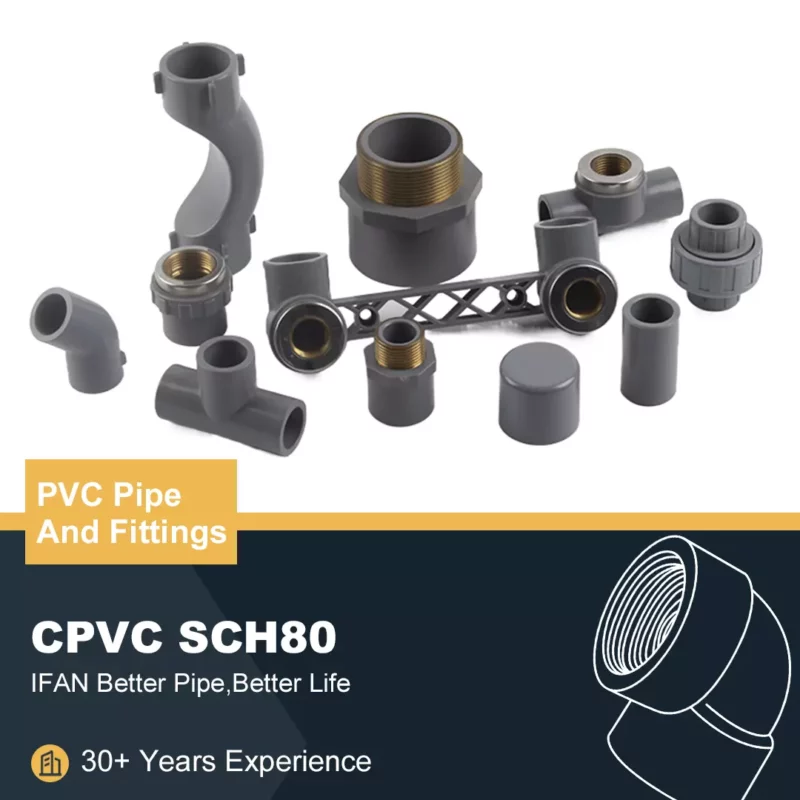
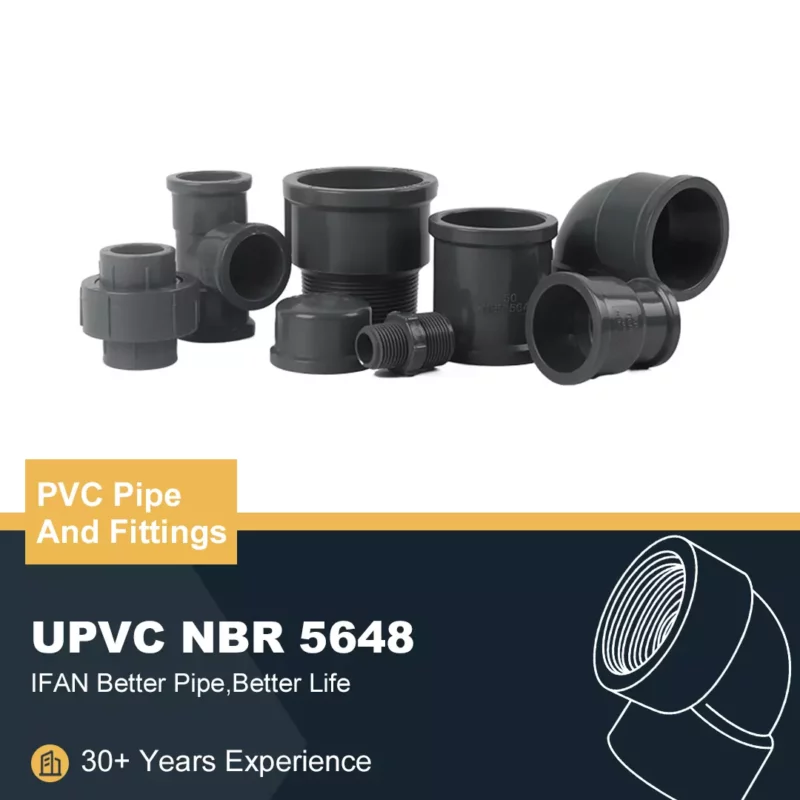
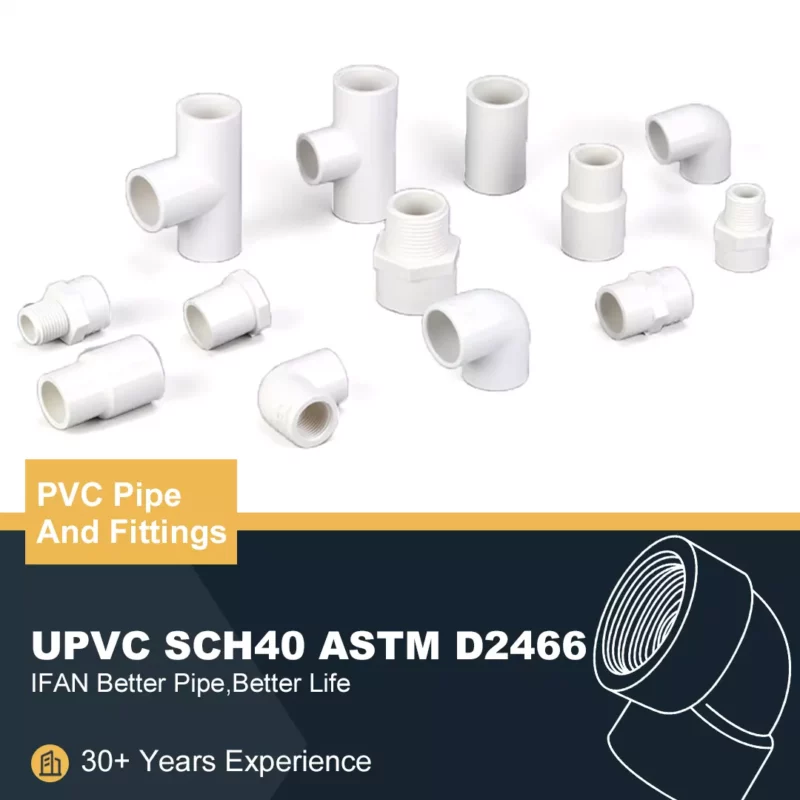
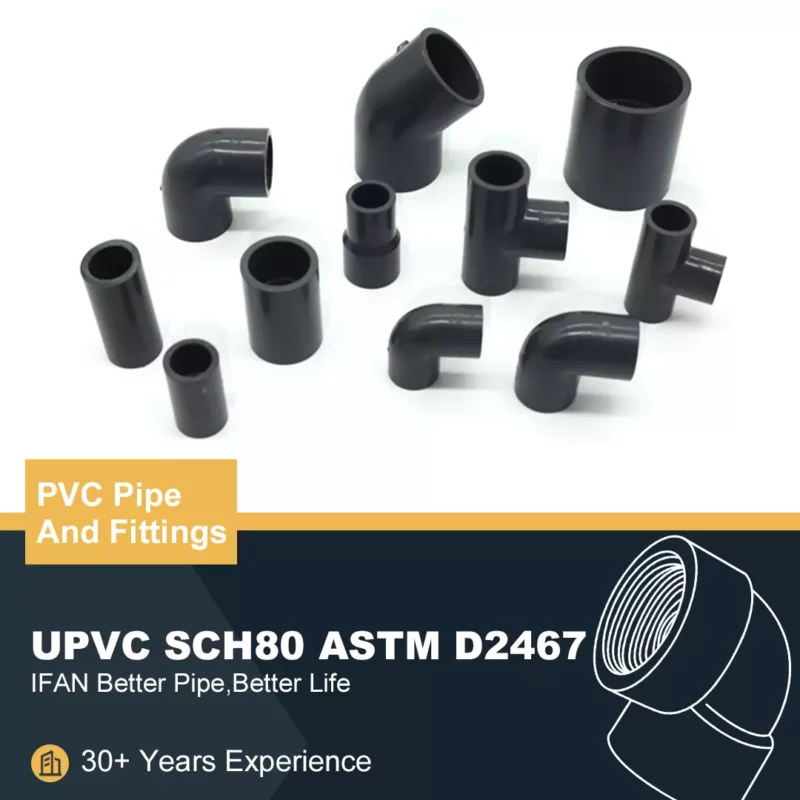
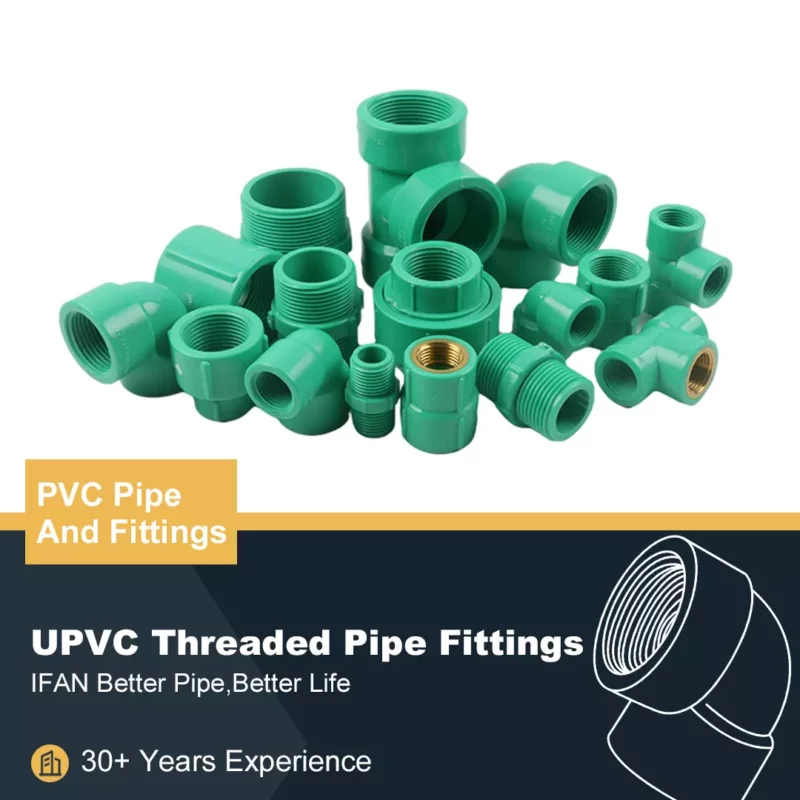
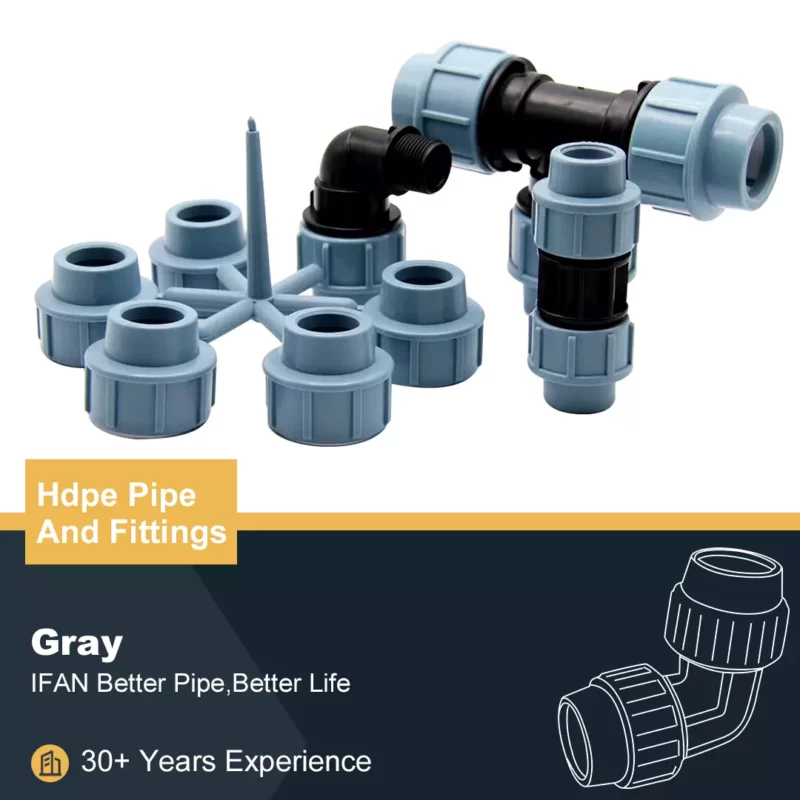
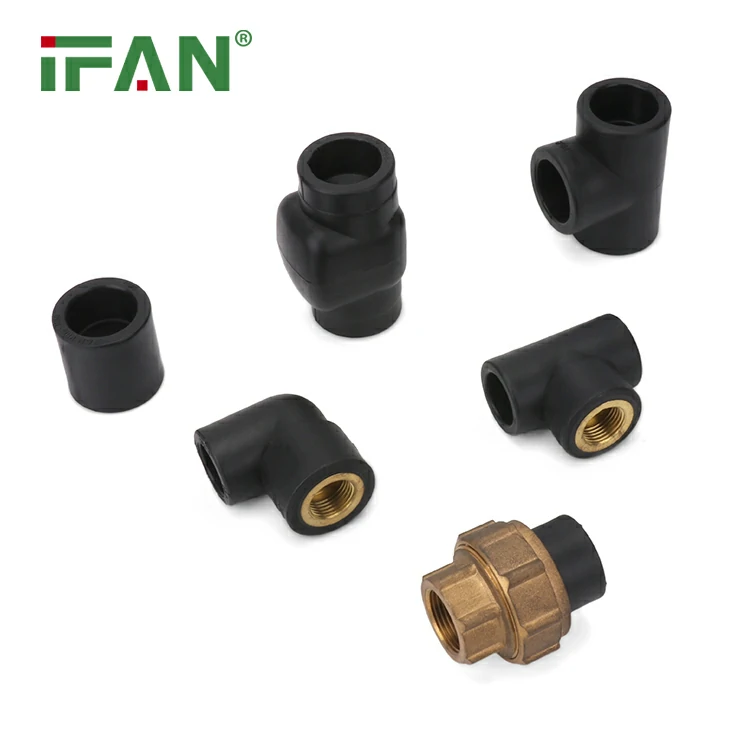
PPR pipe fittings are made from a high-quality thermoplastic material, polypropylene, which offers excellent resistance to corrosion, scaling, and chemicals. The fittings are designed to connect PPR pipes and ensure a secure, long-lasting connection. PPR pipe fittings come in various shapes, including elbows, tees, couplings, reducers, and valves. These fittings are available in different sizes to meet various plumbing system requirements.
The unique properties of PPR, such as its resistance to high temperatures and pressure, make it suitable for a wide range of applications. PPR fittings are widely used in both residential and commercial systems, including hot and cold water lines, heating systems, and even industrial applications. The ease of installation is a key reason for their growing popularity.
The Installation Process: Heat Fusion
The installation process of PPR pipe fittings is remarkably simple and efficient. Unlike traditional metal pipes that require welding or threading, PPR fittings are joined using a method called heat fusion. This process involves heating both the pipe and the fitting ends to a specific temperature and then joining them together.
Once heated, the ends of the pipe and fitting are pressed together, forming a secure, leak-free bond. The heat fusion process eliminates the need for adhesives, solvents, or mechanical fasteners, which can complicate and lengthen the installation process. The result is a strong, seamless connection that is resistant to leaks and failures over time.
Advantages of Heat Fusion Welding
Heat fusion welding is one of the primary reasons why PPR pipe fittings are so easy to install. This method requires minimal training and special tools, making it a cost-effective and straightforward solution for plumbers and contractors. The simplicity of the installation process reduces the need for skilled labor, making it easier to complete plumbing projects in less time.
Another advantage of heat fusion welding is the strength of the joint. When properly fused, the pipe and fitting form a homogeneous connection, making it as strong as the pipe itself. This eliminates the risk of weak points that could lead to leaks, a common issue in traditional plumbing systems that use threaded or welded joints.
Quick and Efficient Installation
PPR pipe fittings are much easier and faster to install compared to metal systems. The fusion process takes only a few seconds to complete, and once the joint is formed, it is strong and secure. This leads to shorter installation times, which can significantly reduce overall labor costs.
Since PPR pipe fittings do not require the same level of preparation and skill as metal pipe installations, contractors and plumbers can save valuable time. Additionally, the lightweight nature of PPR pipes and fittings makes them easier to handle, further speeding up the installation process.
No Need for Special Tools or Materials
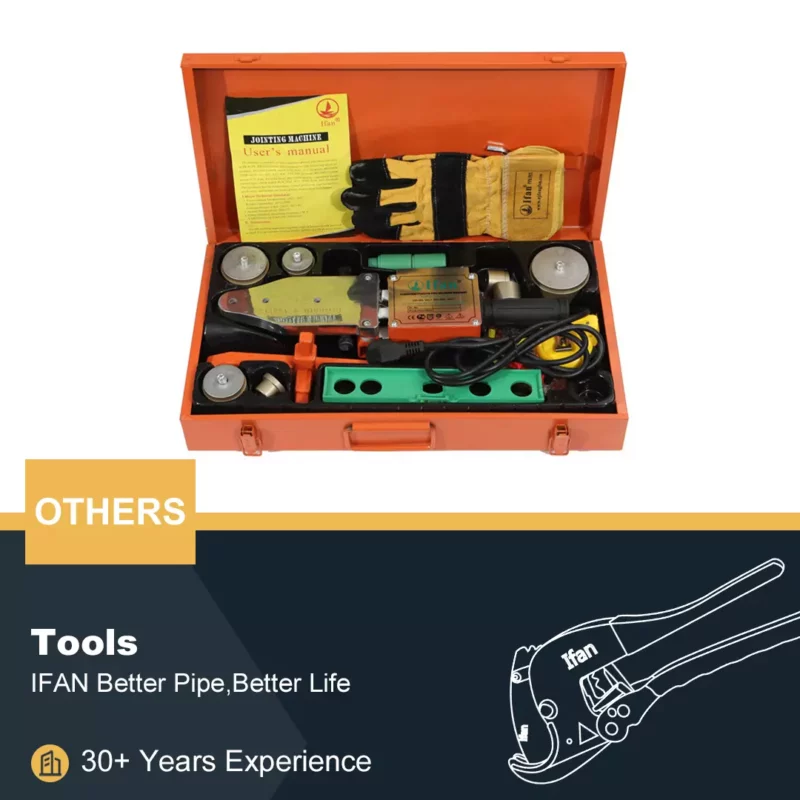
One of the significant advantages of installing PPR pipe fittings is the lack of need for special tools or materials. Unlike welded metal pipes, which require a welding machine and skilled labor, PPR fittings only need a fusion tool to heat the pipe and fitting ends. The fusion tool is relatively simple to operate and does not require specialized training, making it a more accessible option for installers.
In addition to the fusion tool, no adhesives or sealants are necessary for the installation. This eliminates the risk of mistakes related to improper application of adhesives and reduces material costs. The lack of additional materials also simplifies the logistics of an installation project, making it easier to source and transport the necessary tools.
No Threading or Welding Required
Traditional plumbing systems often require complicated threading or welding processes, both of which can be time-consuming and require skilled professionals. Threading metal pipes involves cutting threads onto the pipe ends, which can take time and create potential weak points. Welding metal pipes requires special equipment, training, and safety precautions.
PPR fittings eliminate the need for these complicated processes. Instead of threading or welding, installers can rely on the simple heat fusion method. This method creates a secure, long-lasting connection without the need for additional steps. The ease of installation and the reduced risk of human error make PPR fittings a superior choice for many plumbing systems.
No Risk of Corrosion or Scaling
Another key advantage of PPR fittings is their resistance to corrosion and scaling. Traditional metal pipes, such as copper and steel, can suffer from rust and scaling over time, leading to leaks, blockages, and reduced efficiency. This issue can complicate the installation process and lead to the need for frequent maintenance.
PPR pipe fittings, however, do not corrode or scale. The smooth interior surface of PPR fittings prevents the build-up of mineral deposits and ensures the efficient flow of water throughout the system. This feature not only improves the longevity of the plumbing system but also reduces the need for frequent repairs, making PPR fittings an attractive choice for both new installations and system upgrades.
Ideal for Residential Plumbing Systems
PPR pipe fittings are widely used in residential plumbing systems. Their ease of installation makes them ideal for homeowners or contractors working on residential projects. Whether it’s for hot and cold water supply lines, underfloor heating systems, or irrigation, PPR fittings provide a simple and reliable solution.
For residential applications, the speed of installation and the elimination of welding or threading processes make PPR fittings particularly appealing. Homeowners can enjoy the benefits of a secure, leak-free plumbing system in a fraction of the time it would take to install a traditional metal system.
IFAN International Standard for PPR
IFAN’s PPR series meets multiple international standards, ensuring high quality and reliability for various applications. The products comply with ISO 15874 and EN 15874, guaranteeing excellent performance in hot and cold water systems. They also adhere to ASTM F2389, meeting North American requirements, and DIN 8077/8078, ensuring precision and durability in German standards. Additionally, IFAN’s PPR fittings conform to GB/T 18742, the Chinese national standard, and NBR 15884, the Brazilian standard, making them suitable for global markets. These certifications demonstrate IFAN’s commitment to producing safe, durable, and high-performance PPR pipe fittings.
Industrial and Commercial Applications
In addition to residential applications, PPR pipe fittings are also used in commercial and industrial settings. These environments often require more complex plumbing systems that can handle high pressure, chemicals, or extreme temperatures. PPR fittings are up to the task, with the added benefit of easy installation.
Commercial buildings, hotels, hospitals, and factories rely on PPR fittings for their plumbing systems. The ability to install PPR fittings quickly without the need for welding or threading reduces downtime and helps businesses maintain productivity. Additionally, PPR’s resistance to chemicals and high temperatures makes it a reliable choice for industrial applications that involve aggressive substances.
Sustainability and Long-Term Benefits
PPR fittings are an eco-friendly choice for plumbing systems. The materials used in PPR fittings are recyclable, making them a more sustainable option compared to other plastic or metal fittings. Their durability means that plumbing systems made with PPR fittings require fewer replacements over time, reducing waste and environmental impact.
Furthermore, the ease of installation and long-lasting nature of PPR fittings reduce the need for ongoing maintenance, leading to fewer repairs and replacements. This results in long-term cost savings for homeowners, contractors, and businesses.
Conclusion
PPR pipe fittings are a highly efficient and cost-effective solution for modern plumbing systems. Their easy installation process, which relies on heat fusion, makes them faster and simpler to install than traditional metal plumbing systems. With no need for welding, threading, or adhesives, PPR fittings reduce installation time, labor costs, and the potential for errors.
PPR fittings offer a range of additional benefits, including resistance to corrosion, scaling, and chemicals. These advantages make PPR pipe fittings suitable for residential, commercial, and industrial applications. The long-lasting nature of PPR fittings ensures fewer repairs and lower maintenance costs over time. For anyone seeking a reliable, durable, and easy-to-install plumbing system, PPR fittings provide an excellent solution.
If you have read this article and have any questions, please feel free to contact IFAN. Below is our contact information:
Whatsapp:+86 13373827623
Email:[email protected]