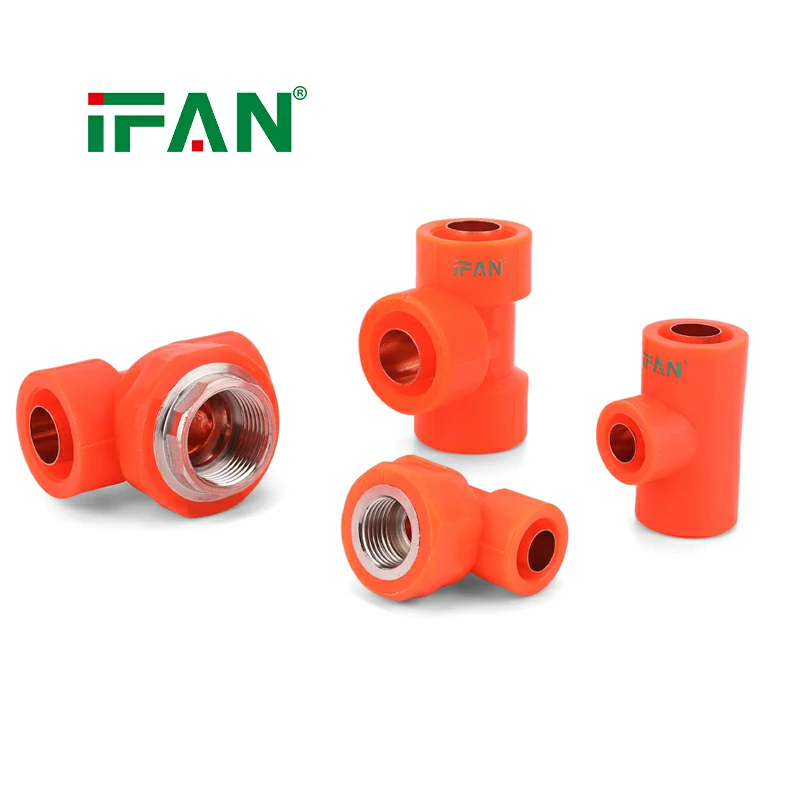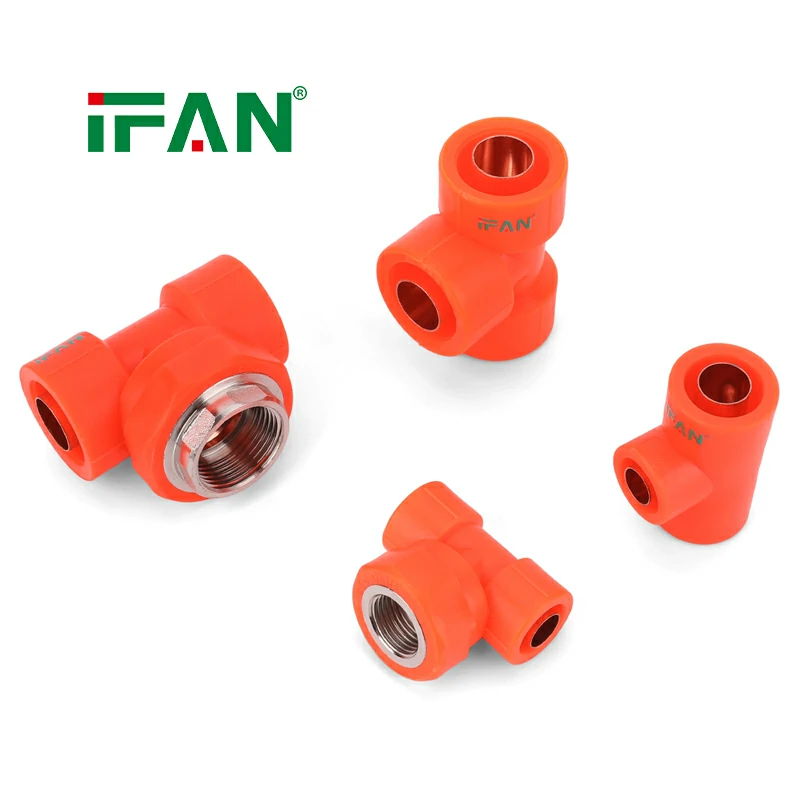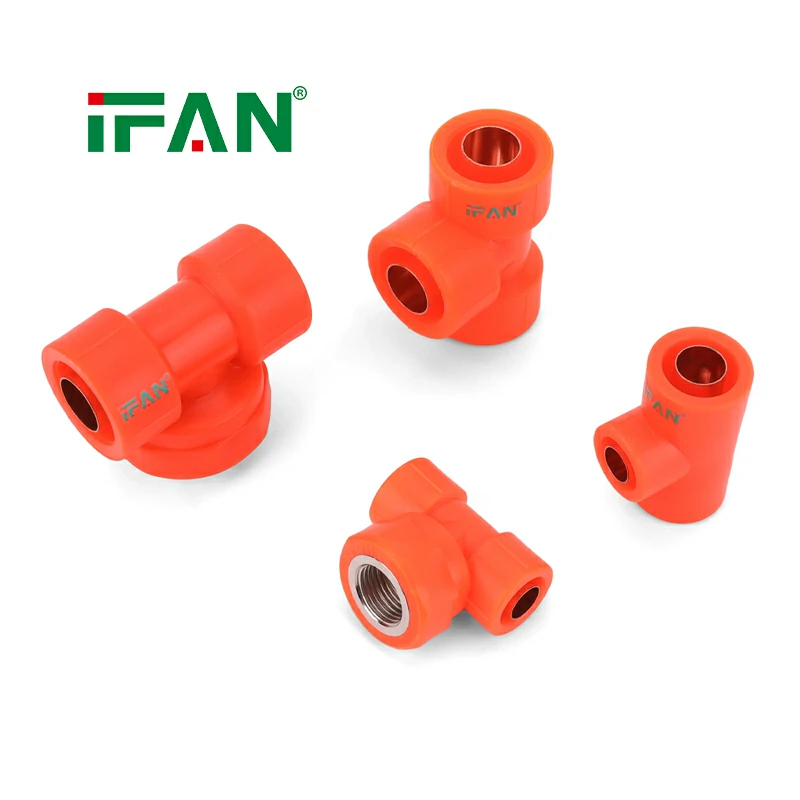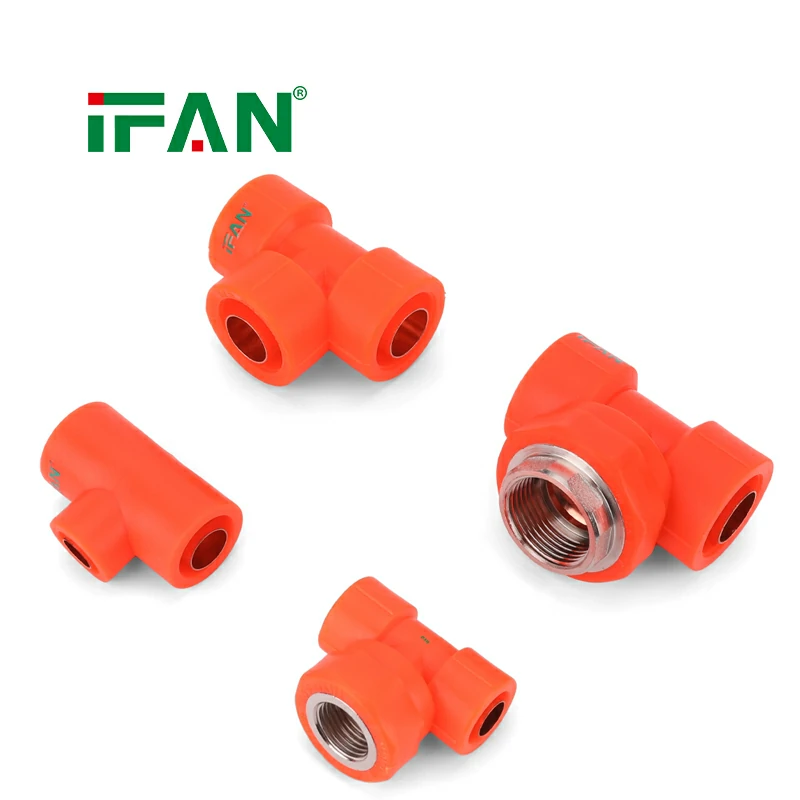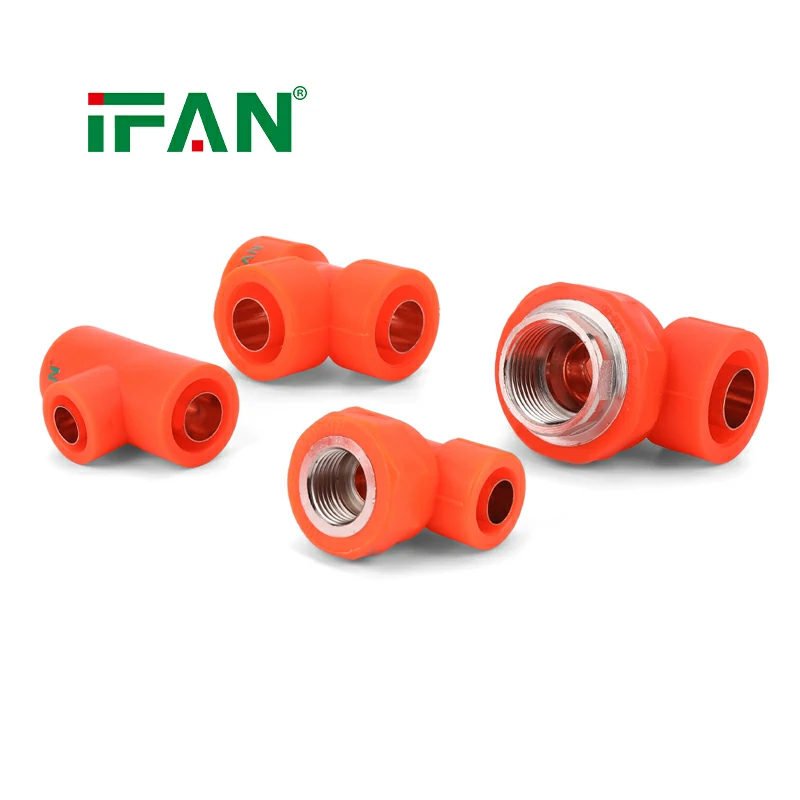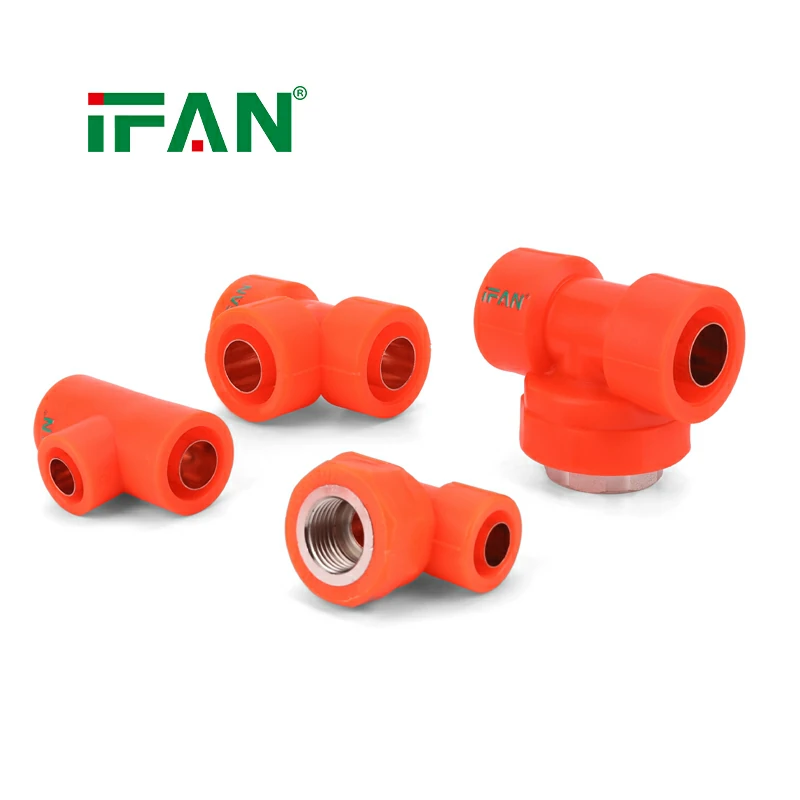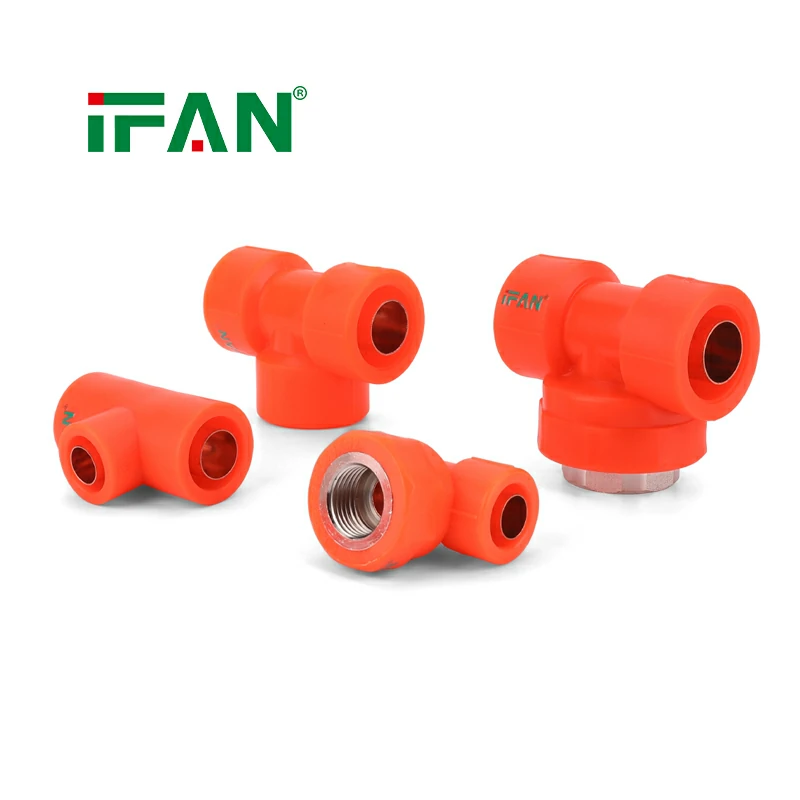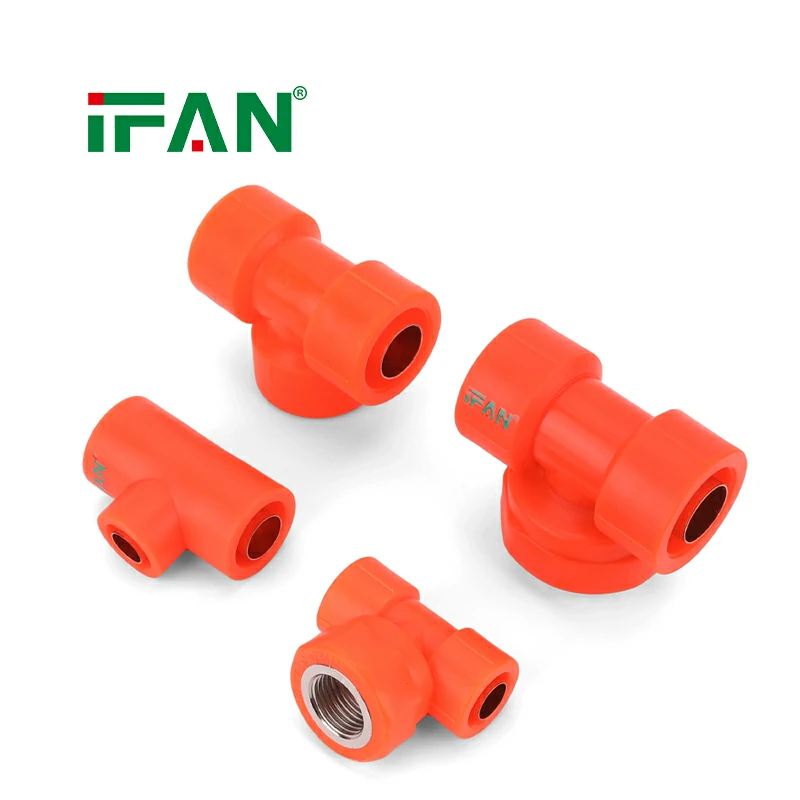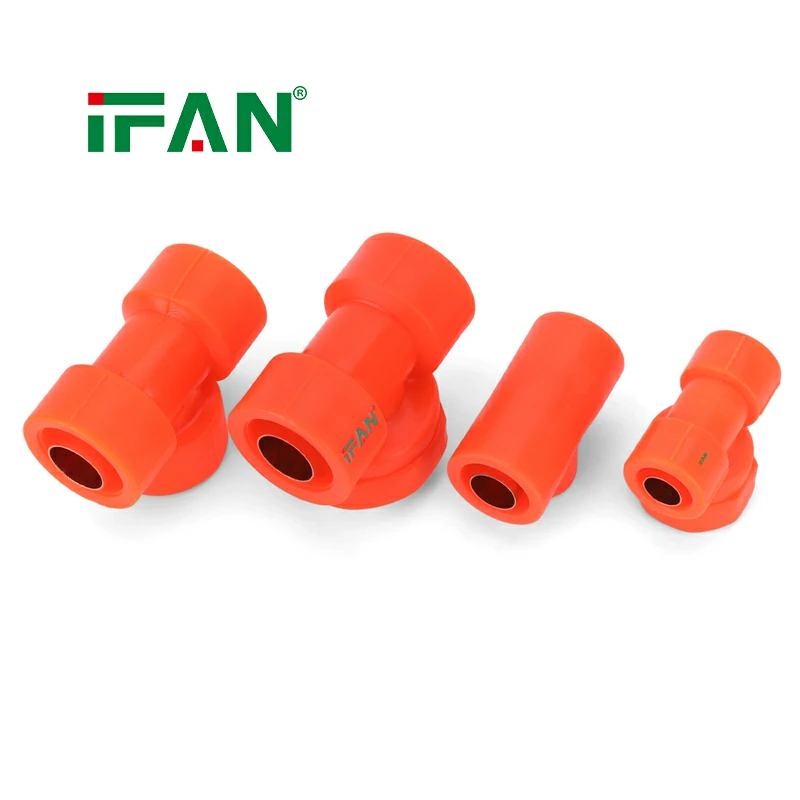
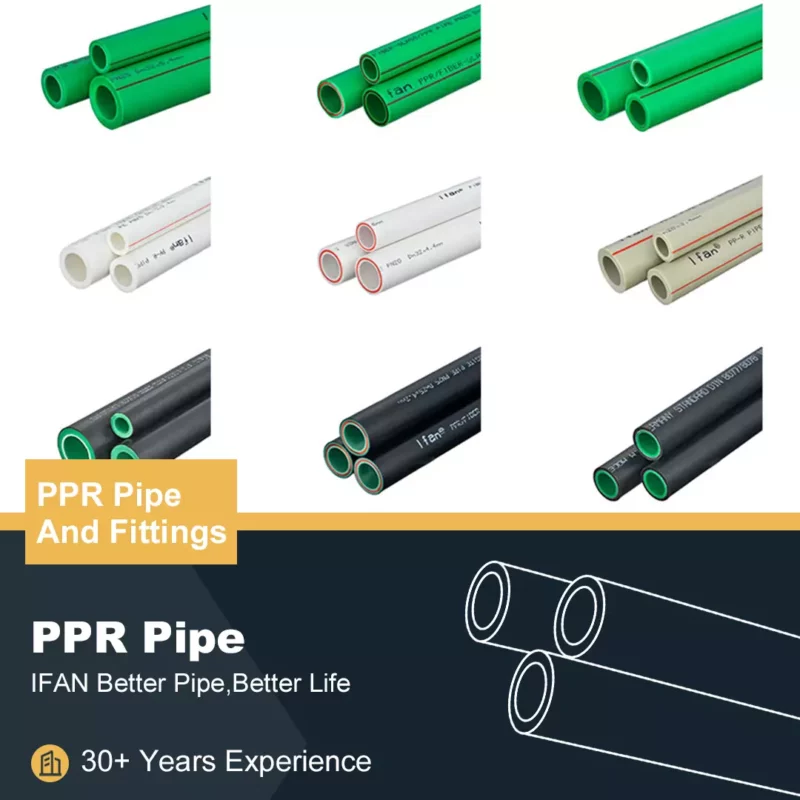
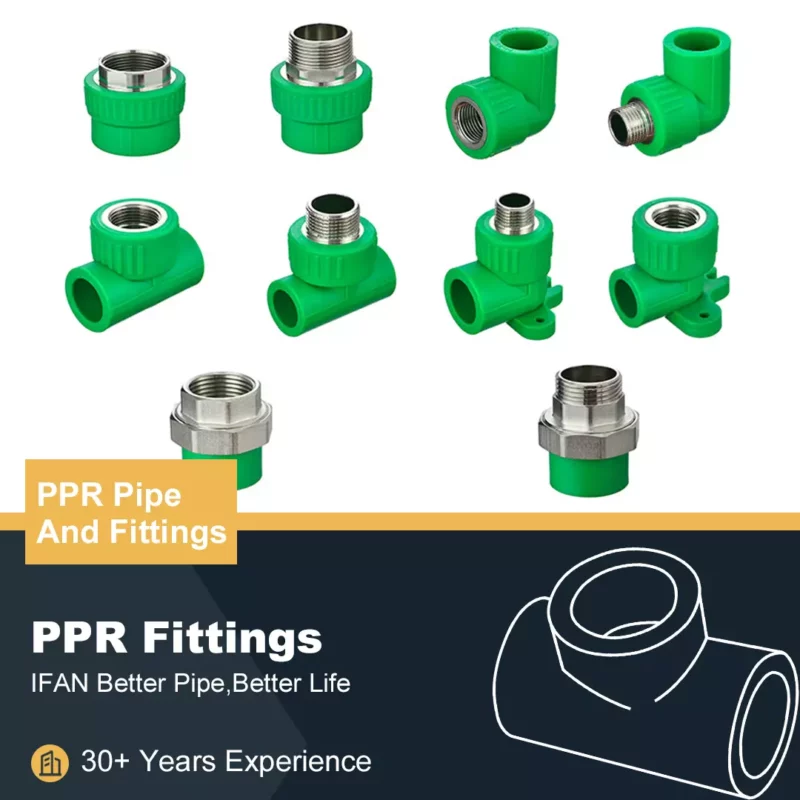
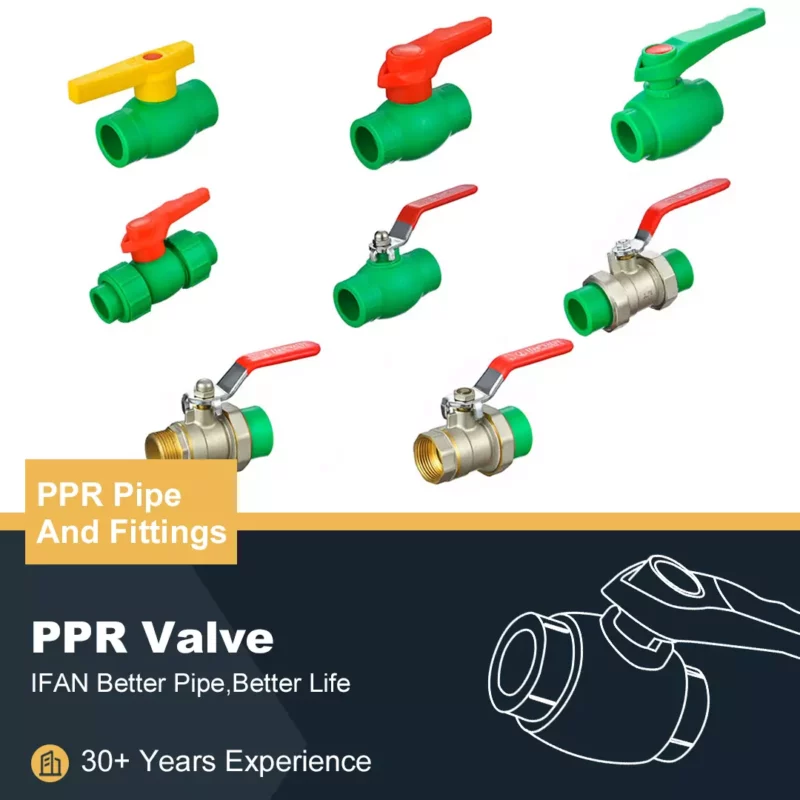
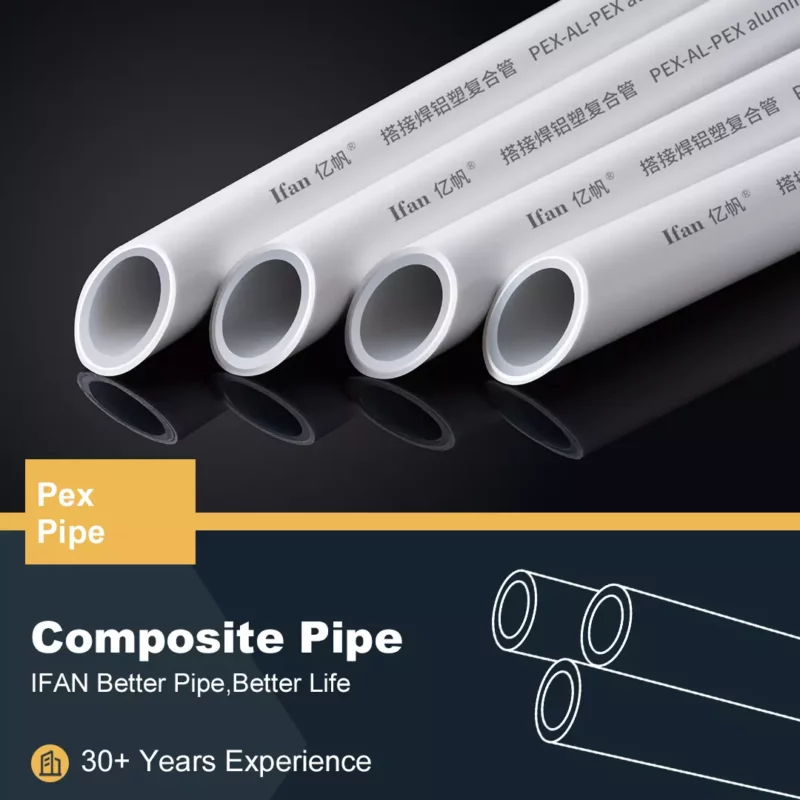
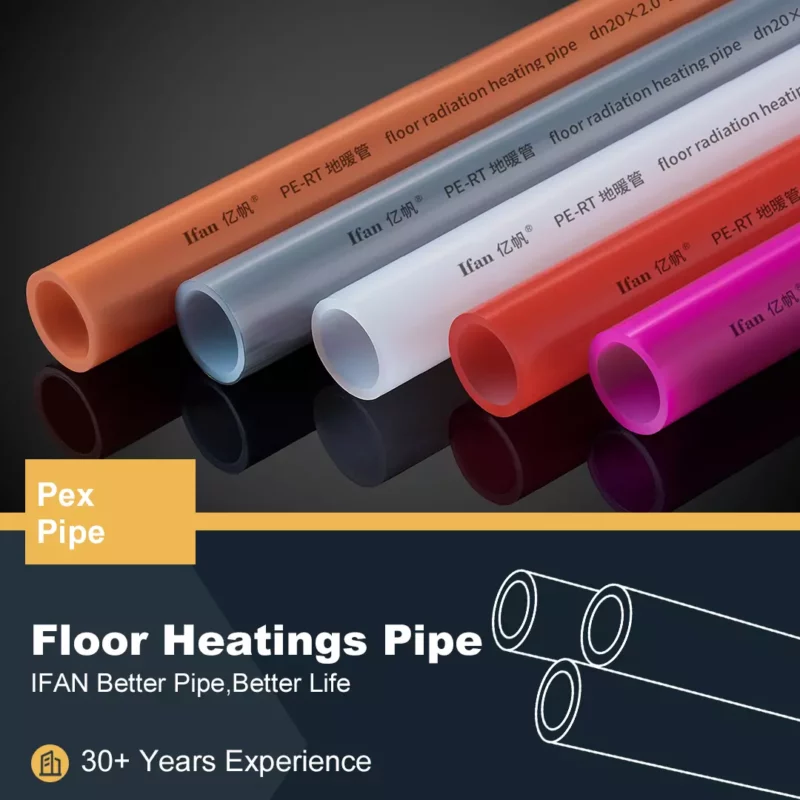
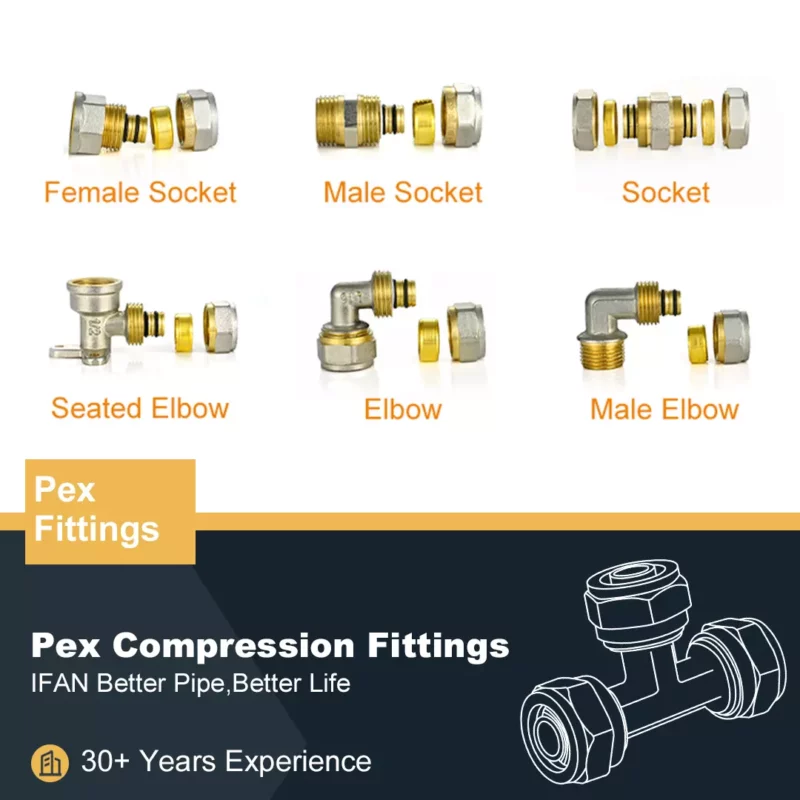
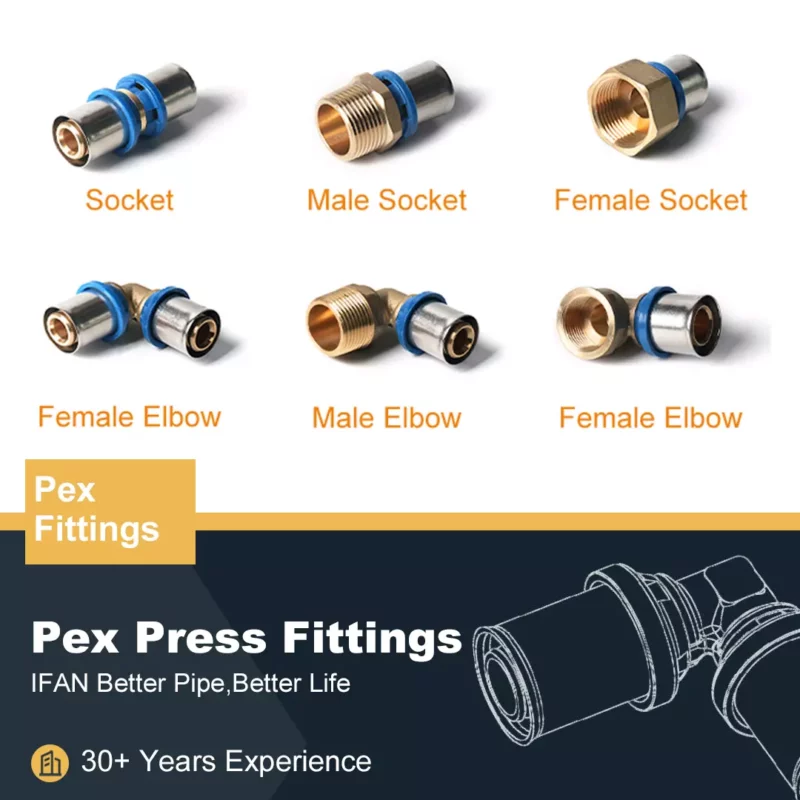
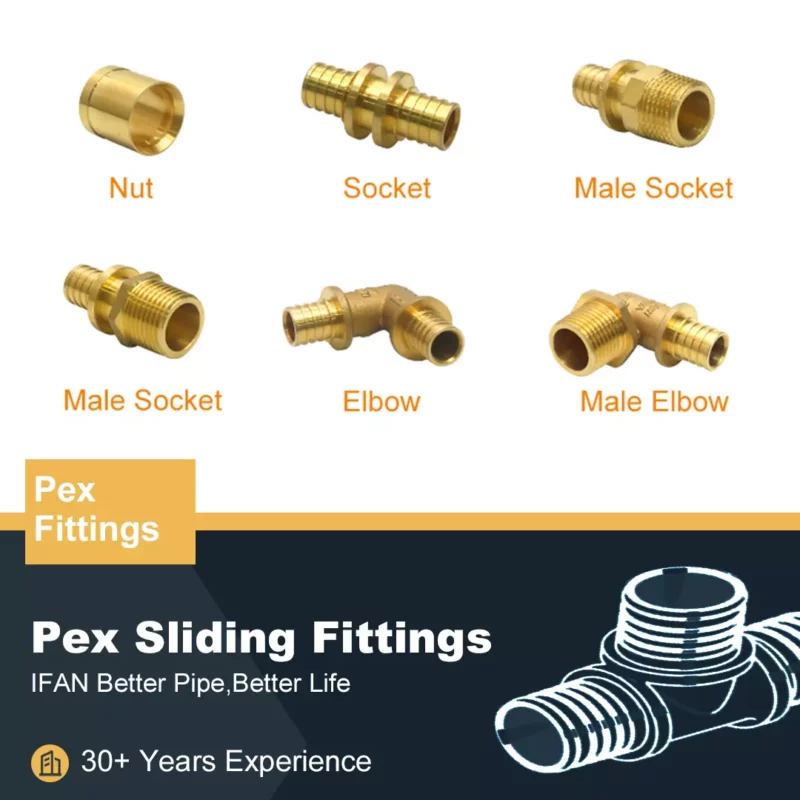


PPR (Polypropylene Random Copolymer) pipe fittings are becoming increasingly popular in heating systems due to their durability, ease of installation, and resistance to heat. As heating systems become more complex and energy-efficient, the need for reliable and cost-effective plumbing solutions grows. PPR fittings are a perfect match for heating systems, offering several advantages over traditional metal fittings, such as better thermal performance and longer service life.
Benefits of PPR Fittings in Heating Systems
PPR pipe fittings are made from a high-quality thermoplastic material known for its exceptional resistance to heat and pressure. These characteristics make them ideal for use in heating systems, where hot water or steam is transported through pipes to heat various parts of a building. PPR fittings are designed to handle temperatures of up to 90°C (194°F) and can resist the fluctuations that occur in many heating systems.
Moreover, PPR fittings are highly resistant to corrosion and scale buildup, two common issues with metal pipes in heating systems. The smooth internal surface of PPR pipes and fittings ensures an efficient flow of water without blockages, minimizing the need for frequent maintenance.
Efficient Thermal Insulation
PPR fittings provide excellent thermal insulation properties, which helps to minimize heat loss in heating systems. When hot water or steam flows through the pipes, PPR fittings reduce the amount of heat that escapes, ensuring that energy is used efficiently. This makes PPR pipe fittings an excellent choice for underfloor heating systems, radiators, and other heating applications.
By maintaining the temperature of the fluid being transported, PPR fittings contribute to the overall energy efficiency of the heating system. This results in lower energy consumption and reduced operating costs, making PPR fittings an eco-friendly and cost-effective solution for heating applications.
Resistance to Thermal Expansion
One of the key challenges in heating systems is managing thermal expansion. When water or steam heats up, it expands, which can put a strain on the pipes and fittings. PPR fittings have excellent resistance to thermal expansion. They are designed to handle the pressure that comes from temperature changes, ensuring that the system remains intact even as the pipes and fittings expand and contract.
This resistance to thermal expansion helps to prevent leaks, fractures, or failures that could otherwise compromise the heating system. It also reduces the need for frequent adjustments and repairs, leading to longer-lasting systems.
Longevity and Durability
PPR pipe fittings are known for their durability and long lifespan, making them a valuable choice for heating systems. The material is resistant to both physical wear and the chemical reactions that often occur in plumbing systems, especially in systems where water is heated to high temperatures. Unlike metal fittings that can corrode over time, PPR fittings maintain their integrity for decades.
With their high resistance to wear and tear, PPR fittings do not degrade over time due to exposure to hot water or steam. This long lifespan makes PPR fittings ideal for heating systems, where the components need to function efficiently over an extended period without frequent replacements.
Easy Installation for Heating Systems
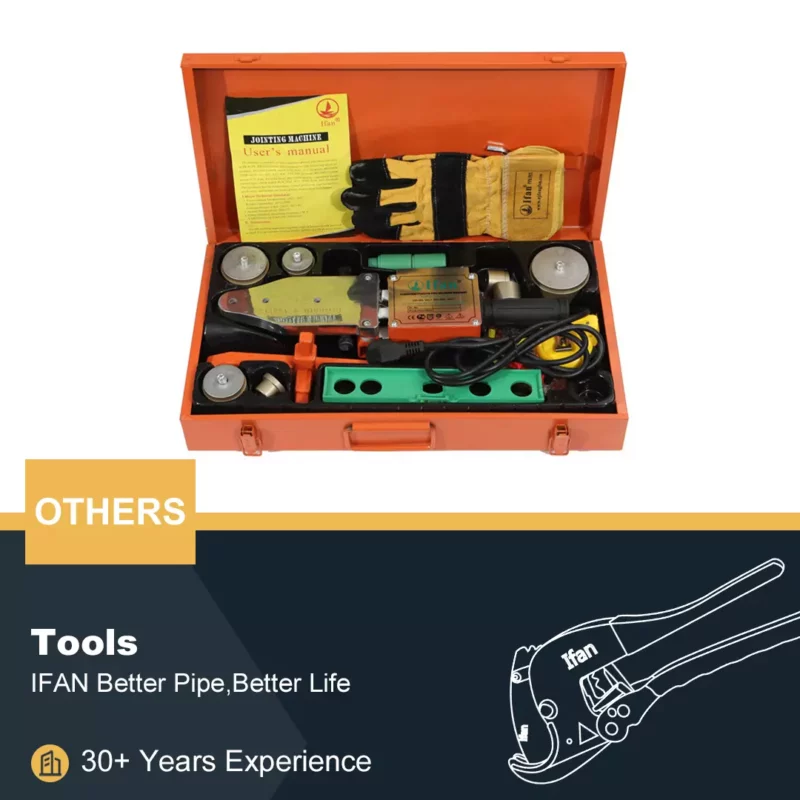
PPR fittings offer significant advantages in terms of ease of installation. Unlike metal piping systems, which require welding, threading, or special tools, PPR fittings are installed using a simple heat fusion method. This process involves heating the ends of both the pipe and the fitting and then joining them together to form a secure, leak-free bond.
Heat fusion creates a connection that is as strong as the pipe itself, ensuring the integrity of the system over time. The fusion process is quick and easy, requiring only basic training and minimal tools. This makes installation faster and less expensive compared to traditional heating system installations that rely on more complex methods.
Cost-Effectiveness of PPR Fittings
The cost-effectiveness of PPR pipe fittings is another reason they are an excellent choice for heating systems. Although the upfront cost of PPR fittings may be slightly higher than traditional metal fittings, their long lifespan and low maintenance requirements result in significant long-term savings. PPR fittings do not require frequent repairs or replacements, reducing the overall lifetime cost of the system.
Additionally, the energy efficiency benefits of PPR fittings, including improved thermal insulation and reduced heat loss, can help to lower heating costs. The reduced need for maintenance and repairs further enhances the cost-effectiveness of using PPR fittings in heating systems.
Versatility in Heating System Applications
PPR pipe fittings are highly versatile and can be used in various heating applications, including underfloor heating, radiator systems, and central heating installations. In underfloor heating systems, PPR fittings connect the pipes that carry hot water beneath the floor to provide even heating throughout the space.
For radiator systems, PPR fittings are used to connect pipes that carry hot water to the radiators, ensuring a consistent flow of heat to each room. PPR fittings are also used in central heating systems, where they connect the pipes that distribute hot water or steam to various parts of the building.
Their versatility makes PPR fittings an ideal choice for both residential and commercial heating systems.
Low Maintenance Requirements
PPR fittings require very little maintenance once they are installed. Unlike metal fittings that are prone to corrosion, PPR fittings do not rust or corrode when exposed to hot water or steam. This resistance to corrosion ensures that the system remains free from leaks and blockages, reducing the need for costly repairs.
The smooth interior surface of PPR pipes and fittings also minimizes the buildup of mineral deposits, which is a common issue in heating systems. The result is a system that operates efficiently for longer periods without requiring extensive cleaning or maintenance.
Reduced Noise in Heating Systems
PPR fittings contribute to quieter heating systems, a benefit that is often overlooked in plumbing installations. Metal pipes, especially when water or steam flows through them at high velocities, can produce a lot of noise due to vibrations and friction.
PPR pipe fittings, on the other hand, absorb vibrations and reduce noise levels. This makes PPR fittings a good choice for heating systems in residential or commercial buildings where noise reduction is important for comfort and peace of mind.
IFAN International Standard for PPR
IFAN’s PPR series meets multiple international standards, ensuring high quality and reliability for various applications. The products comply with ISO 15874 and EN 15874, guaranteeing excellent performance in hot and cold water systems. They also adhere to ASTM F2389, meeting North American requirements, and DIN 8077/8078, ensuring precision and durability in German standards. Additionally, IFAN’s PPR fittings conform to GB/T 18742, the Chinese national standard, and NBR 15884, the Brazilian standard, making them suitable for global markets. These certifications demonstrate IFAN’s commitment to producing safe, durable, and high-performance PPR pipe fittings.
Resistance to Freezing
In regions with cold climates, heating systems are often exposed to freezing temperatures. PPR pipe fittings are resistant to freezing and can handle low temperatures better than many other materials. When water inside the pipes freezes, PPR fittings are less likely to crack or break due to their flexibility and resistance to cold.
This resistance to freezing is particularly beneficial in outdoor heating systems, such as those used in snow melting or heating external spaces. It also makes PPR fittings a reliable option for plumbing systems that may be exposed to extreme weather conditions.
Safe and Non-Toxic Material
PPR is a non-toxic, food-grade material that is safe for use in plumbing systems. In heating systems, especially in residential buildings, it is crucial to ensure that the materials used do not release harmful substances into the air or water. PPR pipe fittings do not contain harmful chemicals like lead or cadmium, making them a safe option for heating systems.
In systems that transport water or other fluids used for heating, the use of non-toxic materials ensures that there is no risk of contamination. This is particularly important in systems where water may be used for drinking or food preparation in the future.
Environmental Benefits of PPR Fittings
PPR fittings are an environmentally friendly option for heating systems. The material is fully recyclable, which reduces waste and environmental impact. Additionally, PPR fittings contribute to energy savings by maintaining the temperature of the water or steam being transported through the system, reducing the overall energy consumption of the heating system.
By choosing PPR pipe fittings for heating systems, homeowners and businesses can contribute to sustainability efforts while still benefiting from reliable, efficient plumbing solutions.
Conclusion
PPR pipe fittings offer numerous advantages for heating systems, including superior thermal performance, ease of installation, cost-effectiveness, and longevity. Their resistance to high temperatures, corrosion, and thermal expansion makes them ideal for use in a wide range of heating applications, from underfloor heating to radiator and central heating systems.
With their low maintenance requirements, versatility, and environmental benefits, PPR fittings provide a reliable and efficient solution for modern heating systems. Whether for residential or commercial heating systems, PPR pipe fittings are a smart investment that ensures long-lasting performance and energy savings.
If you have read this article and have any questions, please feel free to contact IFAN. Below is our contact information:
Whatsapp:+86 13373827623
Email:[email protected]