


Introduction
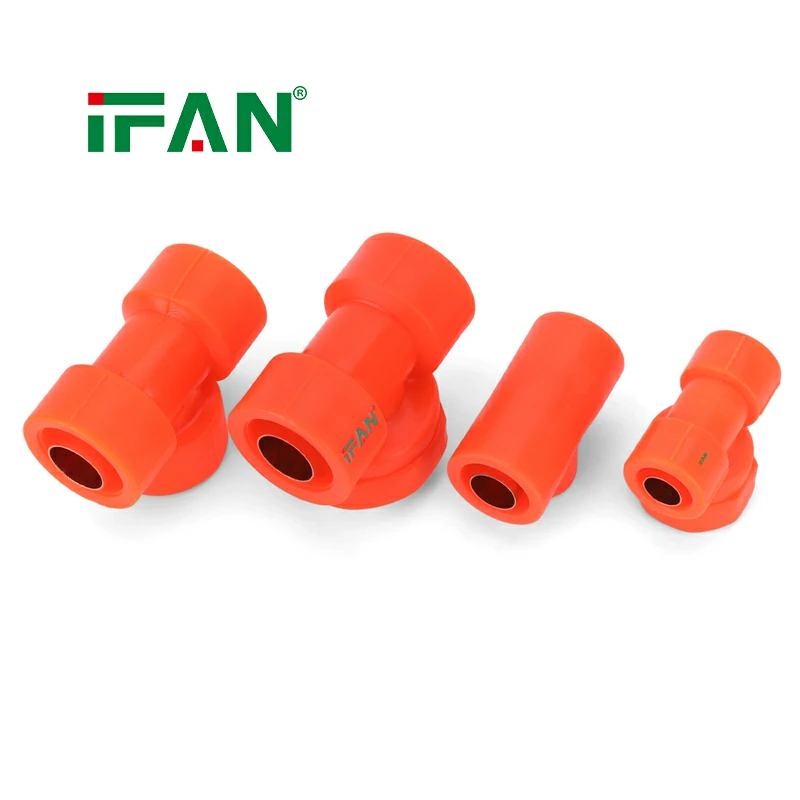
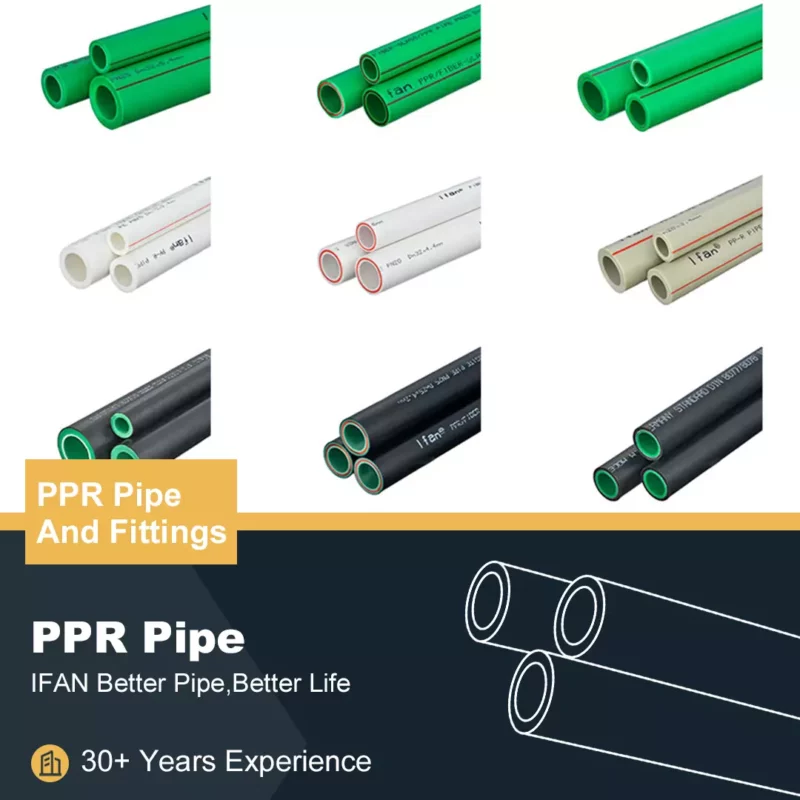
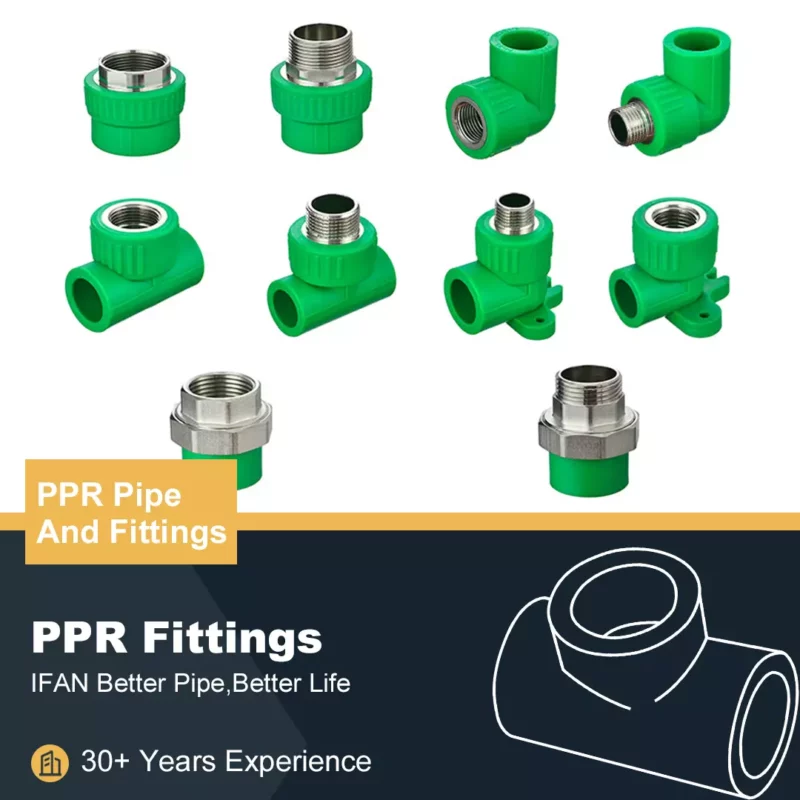
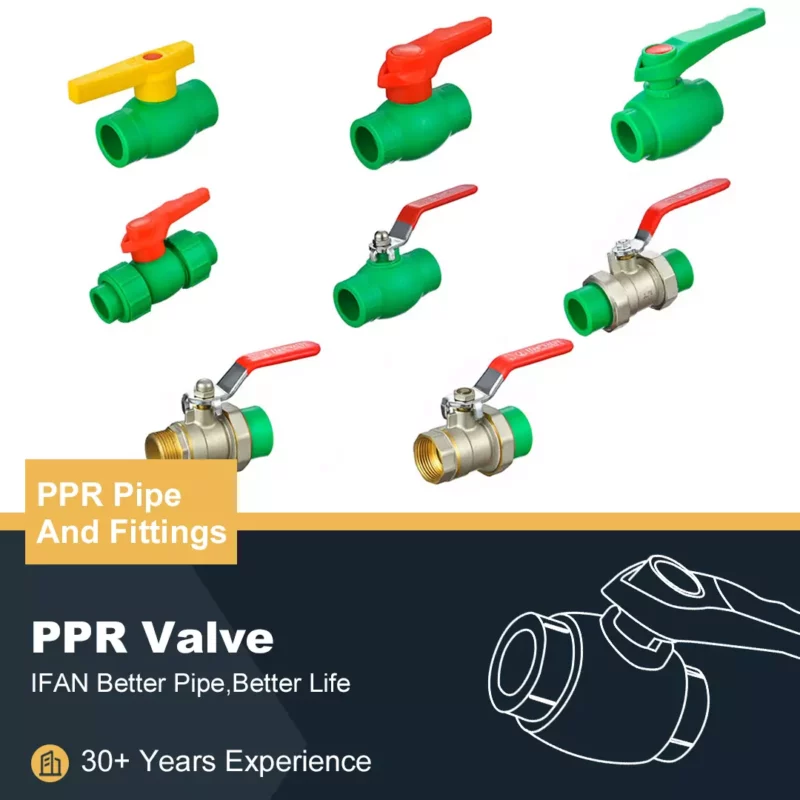
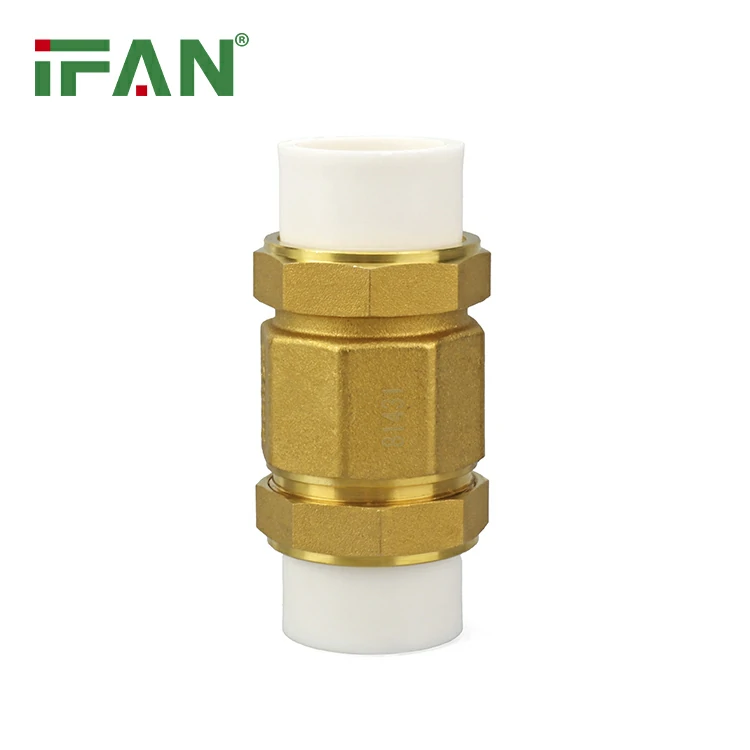
A PPR check valve plays a crucial role in ensuring smooth and controlled fluid flow in plumbing and industrial systems. It is designed to allow fluid to flow in one direction while preventing backflow, which helps maintain system efficiency. Made from polypropylene random copolymer (PPR), it is durable, corrosion-resistant, and lightweight. These features contribute to its ability to provide efficient flow regulation in various applications. This article explores the working mechanism, advantages, and applications of PPR check valves in fluid control systems.
How a PPR Check Valve Regulates Flow
A PPR check valve operates automatically without the need for manual control. It uses system pressure to open and close, ensuring fluid moves in one direction. When fluid flows in the correct direction, the valve opens, allowing passage. If the flow reverses, the valve closes to prevent backflow.
Key Components of a PPR Check Valve
- Valve Body – The durable outer casing made of PPR.
- Internal Seal – Prevents leaks and ensures a tight closure.
- Spring or Hinged Mechanism – Controls the opening and closing of the valve.
Preventing Backflow for System Efficiency
One of the primary functions of a PPR check valves is to prevent backflow, which can disrupt system performance. Backflow occurs when pressure changes cause water or other fluids to flow in the wrong direction. This can lead to contamination, equipment damage, and pressure loss. By using a PPR check valves, systems remain safe, efficient, and reliable.
Optimizing Water Pressure
A PPR check valves helps maintain stable water pressure in plumbing systems. By preventing reverse flow, it ensures that water moves consistently and evenly. This is especially important in multi-story buildings, irrigation systems, and industrial facilities where pressure regulation is critical.
Smooth Flow with Minimal Resistance
Unlike traditional metal check valves, a PPR check valves has a smooth interior surface that reduces friction. This allows fluids to flow with minimal resistance, improving overall system efficiency. The lightweight nature of PPR material also ensures quick and responsive valve operation.
Applications of PPR Check Valves in Flow Regulation
1. Residential Plumbing Systems
A PPR check valves is commonly used in household water supply lines to prevent contamination and pressure fluctuations. It ensures smooth water flow to faucets, showers, and appliances.
2. Industrial Fluid Systems
In industrial settings, maintaining controlled fluid movement is essential. A PPR check valves regulates flow in cooling systems, chemical processing, and manufacturing operations.
3. HVAC and Heating Systems
Heating and ventilation systems require consistent water circulation. A PPR check valves ensures efficient flow regulation in hot water and central heating pipelines.
4. Agricultural Irrigation
A PPR check valve prevents water from flowing back into irrigation lines, protecting pumps and filters. This helps maintain steady water distribution in drip and sprinkler systems.
5. Fire Protection Systems
In fire sprinkler networks, a PPR check valves ensures water flows correctly when activated, preventing leaks and maintaining system readiness.
Advantages of PPR Check Valves for Flow Regulation
1. Durable and Corrosion-Resistant
Unlike metal valves that corrode over time, PPR check valves resist rust and chemical damage, ensuring long-lasting performance.
2. Lightweight and Easy to Install
PPR material is lightweight, making installation quick and easy. This reduces labor costs and simplifies plumbing system setup.
3. Low Maintenance
Due to their smooth internal design and resistance to scaling, PPR check valves require minimal upkeep. This reduces long-term maintenance costs.
4. High-Temperature Resistance
A PPR check valves can withstand high temperatures, making it ideal for hot water systems and industrial processes.
5. Energy Efficient
Since PPR check valves reduce flow resistance, they help lower energy consumption in pumping systems, making them cost-effective.
Comparing PPR Check Valves to Metal Check Valves
| Feature | PPR Check Valve | Metal Check Valve |
|---|---|---|
| Corrosion Resistance | Excellent | Prone to rust |
| Weight | Lightweight | Heavy |
| Maintenance | Low | High |
| Installation | Easy | Complex |
| Flow Efficiency | High | Moderate |
How to Ensure Optimal Flow Regulation with a PPR Check Valve
1. Proper Installation
Ensure the PPR check valves is installed in the correct flow direction. Incorrect installation can reduce efficiency.
2. Periodic Inspections
Check for any blockages or external damage to maintain consistent performance.
3. Regular Cleaning
Although PPR check valves resist scaling, occasional cleaning can help prevent buildup in high-mineral-content water systems.
Conclusion
A PPR check valves is a highly efficient solution for fluid flow regulation in plumbing, industrial, and irrigation systems. Its ability to prevent backflow, optimize water pressure, and reduce flow resistance ensures smooth and reliable operation. With advantages like corrosion resistance, durability, and energy efficiency, a PPR check valve is a cost-effective choice for modern fluid control applications.
If you have read this article and have any questions, please feel free to contact IFAN. Below is our contact information:
Whatsapp:+86 13373827623
Email:[email protected]