
Introduction
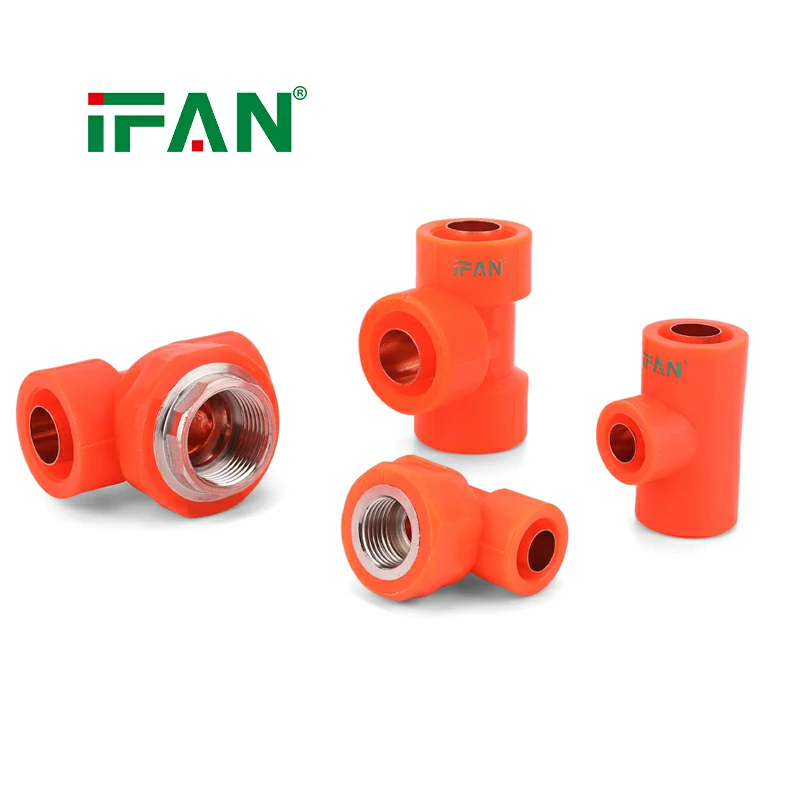
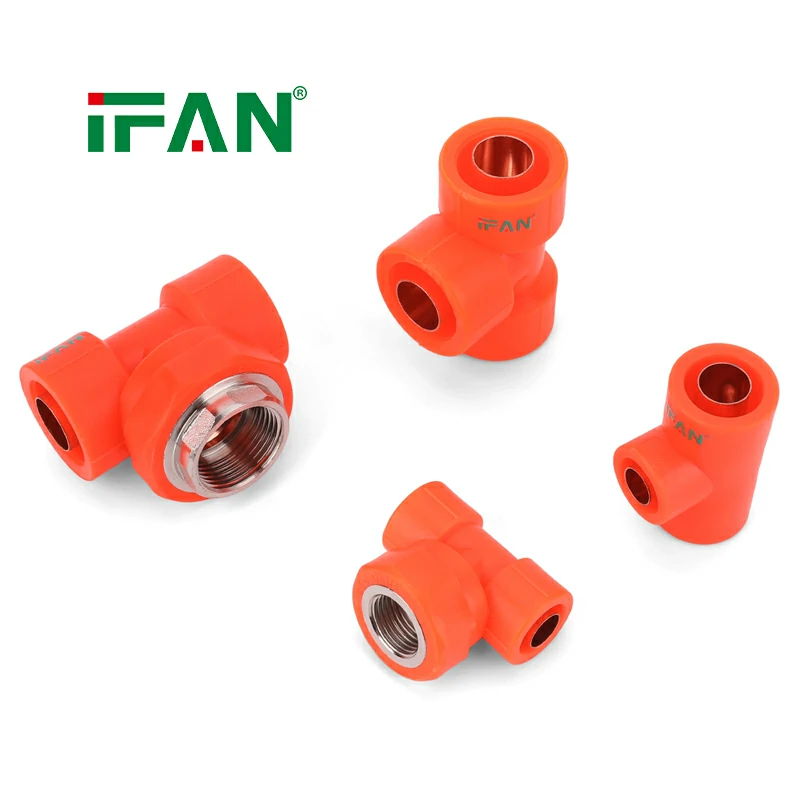
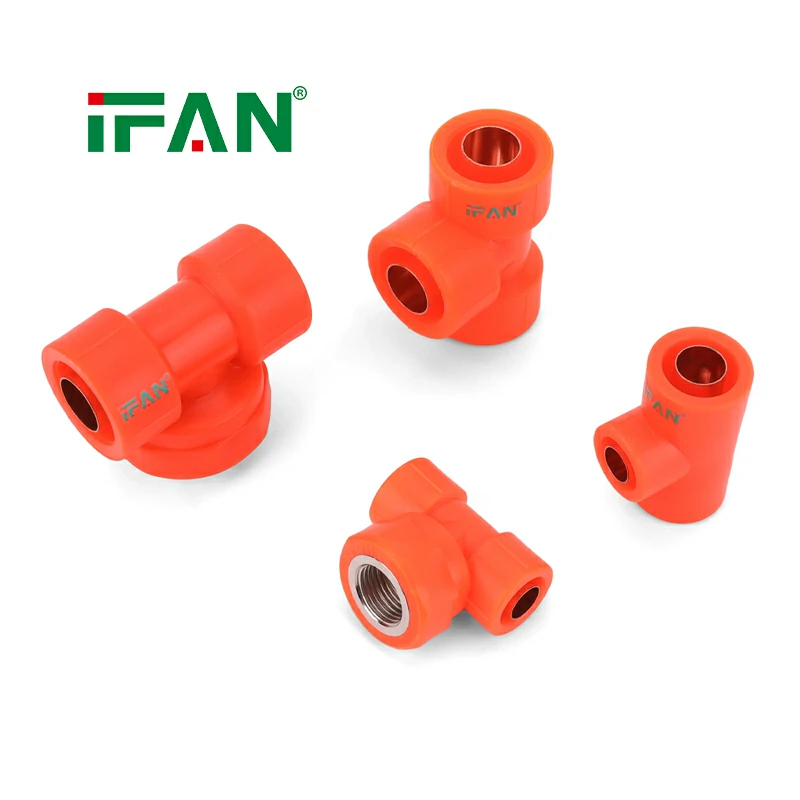
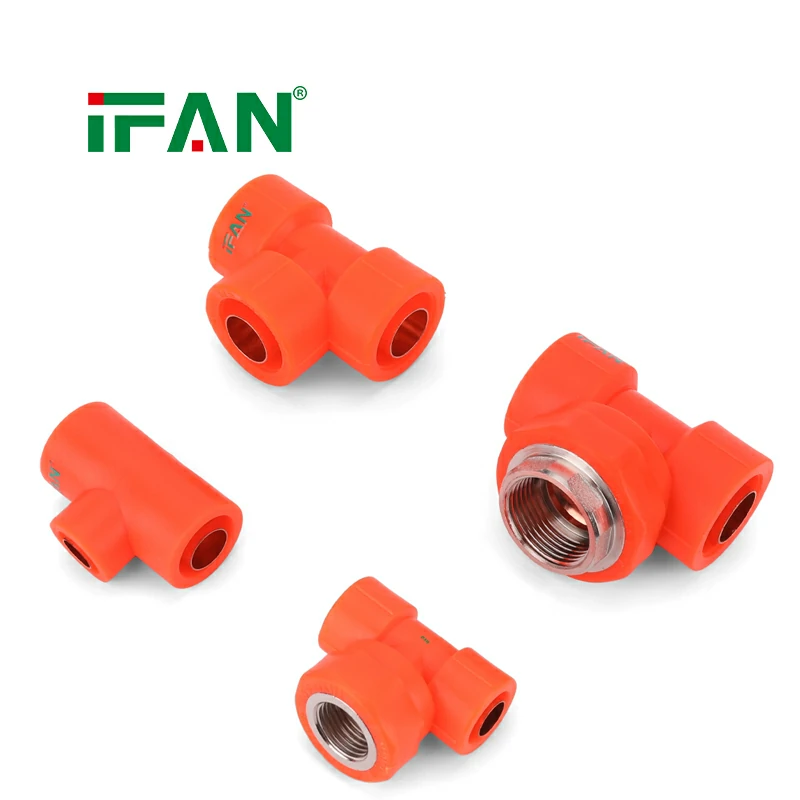
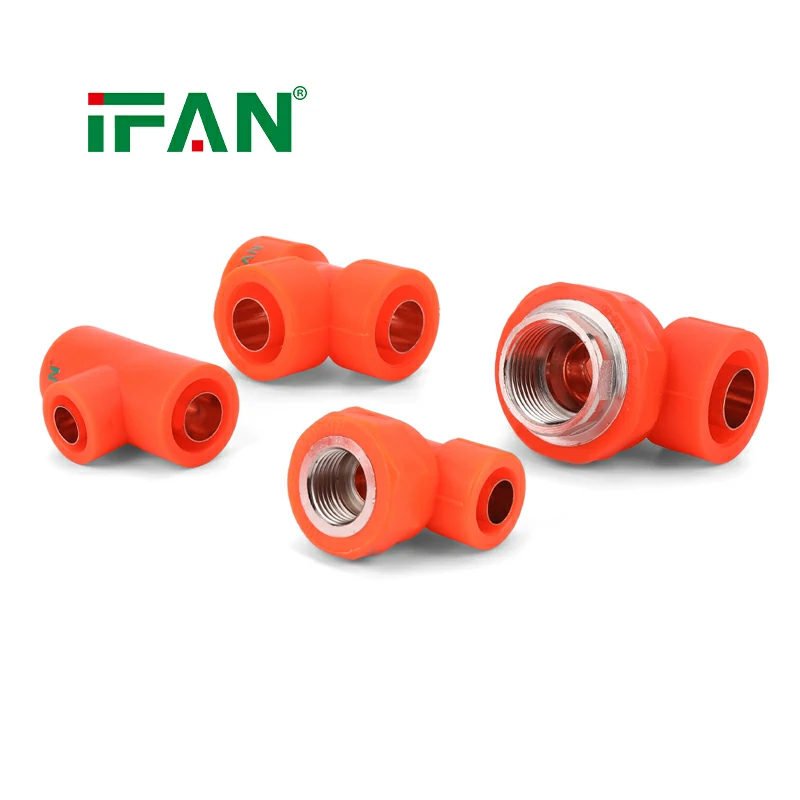
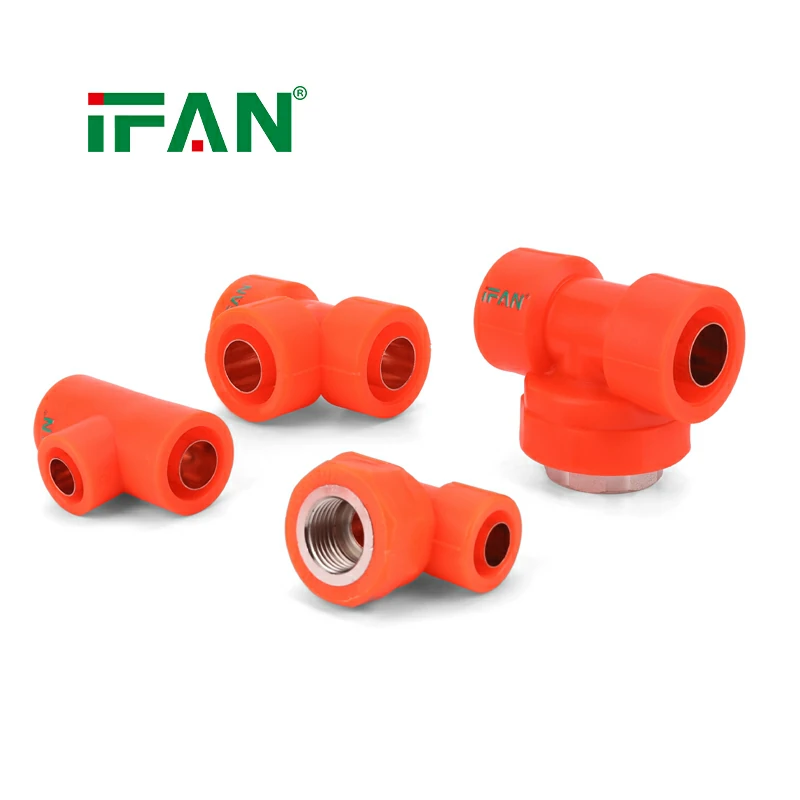
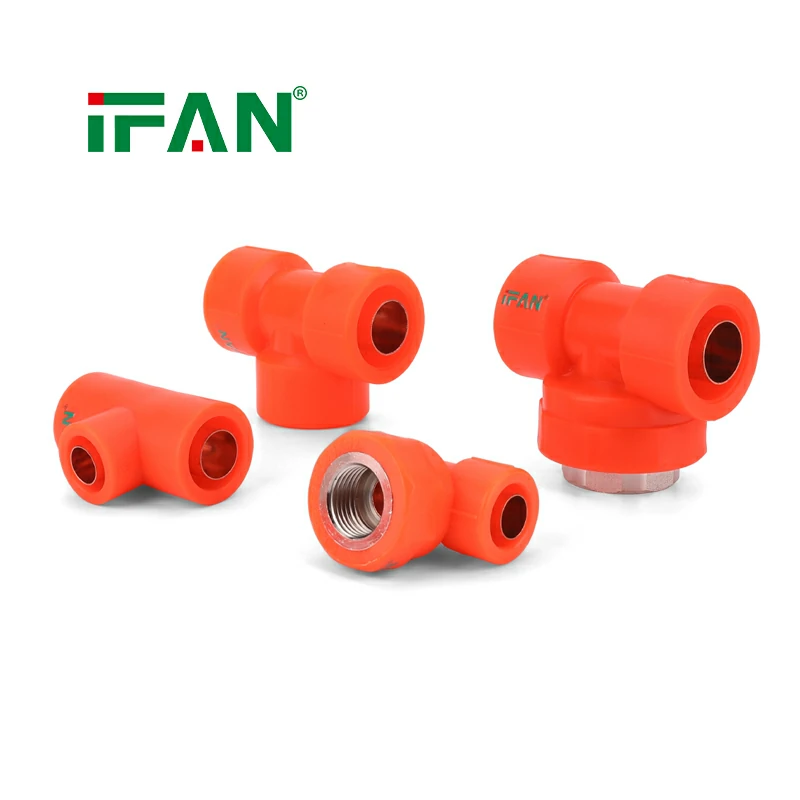
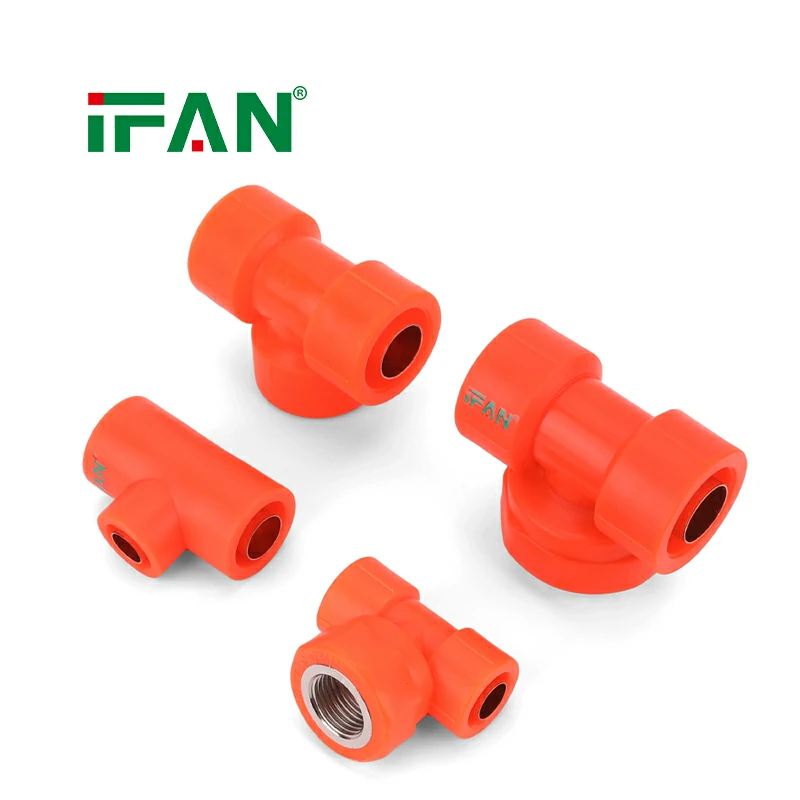
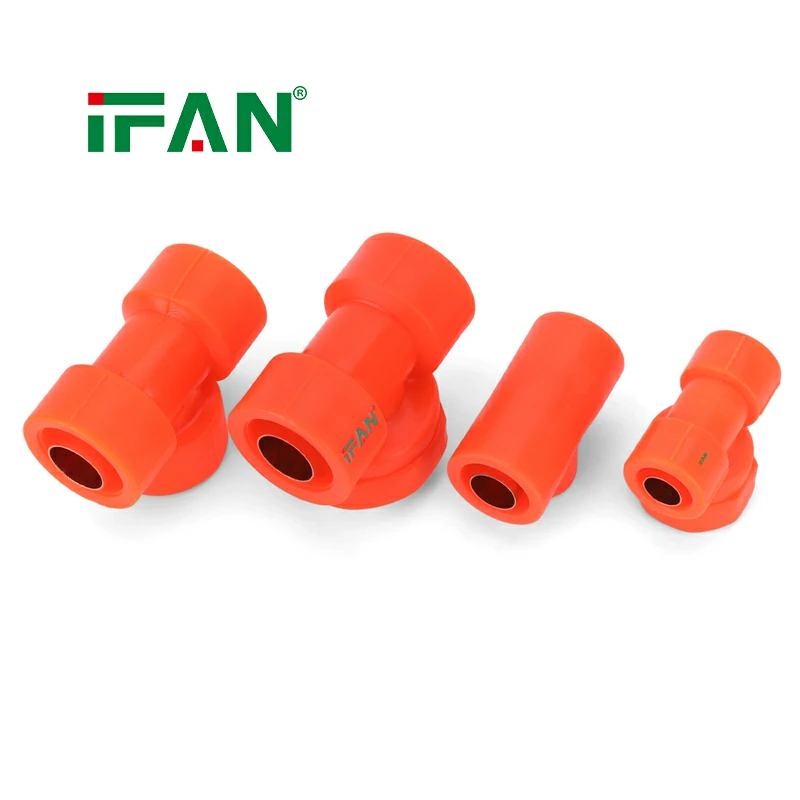
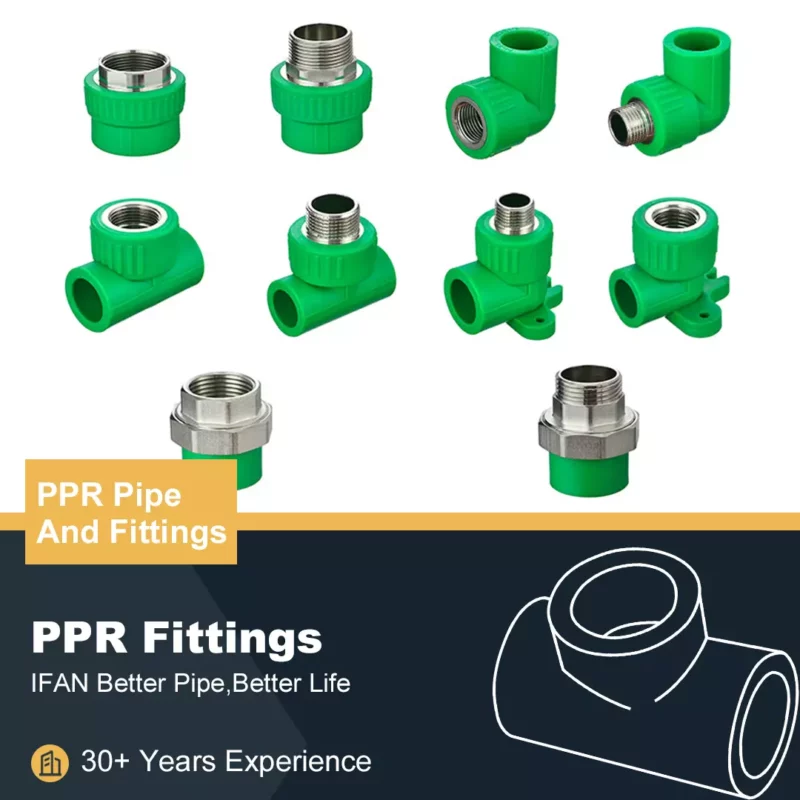
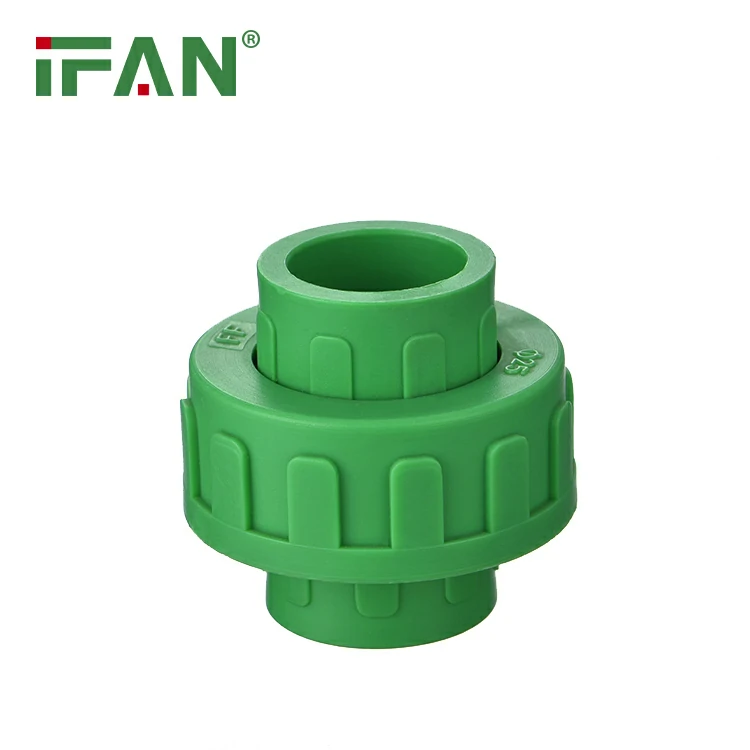
PPR (Polypropylene Random Copolymer) pipe fittings are widely used due to their lightweight design. Compared to metal fittings, they are easier to handle, transport, and install. Their reduced weight does not compromise durability or performance. The lightweight nature of PPR fittings makes them ideal for residential, commercial, and industrial plumbing systems. This article explores the benefits of their lightweight design and how it improves efficiency in various applications.
Easy Handling and Transportation
One major advantage of PPR pipe fittings is their ease of handling. Their lightweight design reduces physical strain on workers. Installers can easily carry, position, and connect them without heavy lifting equipment. This leads to faster installation and less labor fatigue. Since they weigh significantly less than metal alternatives, transporting them requires less effort and fuel consumption. This reduces overall costs, making them a cost-effective choice for large projects.
Faster and More Efficient Installation
The reduced weight of PPR fittings speeds up the installation process. Unlike metal fittings, which require extensive preparation, PPR fittings are easy to position and connect. Their lightweight nature simplifies alignment and reduces installation time. This efficiency is especially beneficial for large-scale plumbing projects. Contractors can complete installations faster, reducing labor costs. The lightweight design also minimizes the risk of injury during handling and setup.
Lower Structural Load on Buildings
PPR pipe fittings place less stress on building structures. Metal pipes and fittings add significant weight, requiring reinforced supports. In contrast, PPR systems reduce the load on ceilings, walls, and floors. This makes them ideal for multi-story buildings, where excessive weight can be a concern. The reduced structural impact also helps in earthquake-prone areas, where heavy plumbing systems may pose risks.
Cost Savings in Construction
The lightweight nature of PPR fittings leads to cost savings in various ways. Lower transportation costs, reduced labor expenses, and faster installation all contribute to overall efficiency. Additionally, PPR systems require fewer support structures due to their reduced weight. This lowers material costs and simplifies project planning. Over time, the savings from reduced maintenance and replacement further enhance cost-effectiveness.
Improved Safety During Installation
Heavy materials can pose safety risks during installation. PPR fittings reduce these risks by being easier to carry and install. Workers do not need heavy lifting equipment, reducing the chances of workplace injuries. The reduced weight also makes it easier to install fittings in difficult or elevated locations. Safety improvements lead to a better working environment and fewer accidents on construction sites.
Flexibility in Design and Application
The lightweight design of PPR fittings allows for greater flexibility in plumbing layouts. Installers can easily modify or extend piping systems without adding excessive weight. This flexibility is beneficial for both new construction and renovation projects. PPR fittings can be used in a variety of applications, including residential, commercial, and industrial systems. Their adaptability makes them a preferred choice for modern plumbing solutions.
Reduced Environmental Impact
Lightweight materials contribute to sustainability by reducing energy consumption during transportation and installation. PPR fittings require less fuel for shipping, lowering carbon emissions. Additionally, their durability minimizes waste from frequent replacements. Since they are recyclable, they support environmentally friendly construction practices. Choosing lightweight PPR fittings helps promote sustainable building methods.
Compatibility with Various Plumbing Systems
PPR fittings are compatible with different plumbing systems. Their lightweight nature allows for easy integration into existing setups. Whether used for hot or cold water systems, heating networks, or industrial fluid transport, they provide reliable performance. Their ease of installation and durability make them a versatile choice for diverse applications.
Resilience Without Extra Weight
Despite being lightweight, PPR fittings offer excellent strength and durability. They can withstand high pressure and temperature variations without compromising performance. Their resistance to corrosion and chemical exposure enhances their reliability. Unlike metal alternatives, which can degrade over time, PPR fittings maintain their integrity for years. This balance of strength and reduced weight makes them a superior choice for plumbing systems.
Ideal for Large-Scale Infrastructure Projects
Large-scale projects benefit significantly from the lightweight design of PPR fittings. In extensive piping networks, reducing overall weight can simplify installation and maintenance. Infrastructure projects such as water supply networks, commercial buildings, and industrial plants can achieve greater efficiency with PPR systems. The ease of handling and long-term durability ensure reliable performance in demanding environments.
Resistance to External Damage
Lighter materials can sometimes be perceived as weaker, but PPR fittings are designed for durability. They resist impact, bending, and external stress without breaking. This makes them ideal for underground and concealed installations. Their flexibility and resilience help them withstand external pressure without failure. This ensures that plumbing systems remain intact and functional for long periods.
Minimal Need for Additional Support Structures
Metal plumbing systems often require additional support structures due to their weight. PPR fittings, however, can be installed with minimal additional reinforcement. This simplifies the installation process and reduces costs. The ability to install fittings with fewer supports also speeds up construction, making projects more efficient.
Contribution to Modern Construction Trends
As construction trends shift towards energy-efficient and sustainable materials, lightweight PPR fittings align with these goals. Modern buildings prioritize materials that reduce waste, lower transportation costs, and enhance efficiency. The reduced weight of PPR fittings makes them an attractive option for innovative construction projects. They help builders meet energy and environmental standards without sacrificing performance.
Durability in Harsh Environments
Lightweight does not mean fragile. PPR fittings perform well in harsh environments, including extreme temperatures and chemical exposure. Their resistance to scaling, rust, and corrosion ensures long-term reliability. Whether in industrial plants, commercial facilities, or residential plumbing, PPR fittings deliver consistent performance. Their ability to withstand harsh conditions without adding excessive weight makes them a practical choice.
Conclusion
The lightweight design of PPR pipe fittings offers numerous benefits for plumbing and construction applications. Their easy handling, faster installation, and reduced structural load make them an efficient choice. They contribute to cost savings, improved safety, and environmental sustainability. Despite being lightweight, they provide strength, durability, and flexibility. As modern construction continues to prioritize efficiency, PPR fittings remain a top choice for reliable plumbing systems.
If you have read this article and have any questions, please feel free to contact IFAN. Below is our contact information:
Whatsapp:+86 13373827623
Email:[email protected]