



Introduction
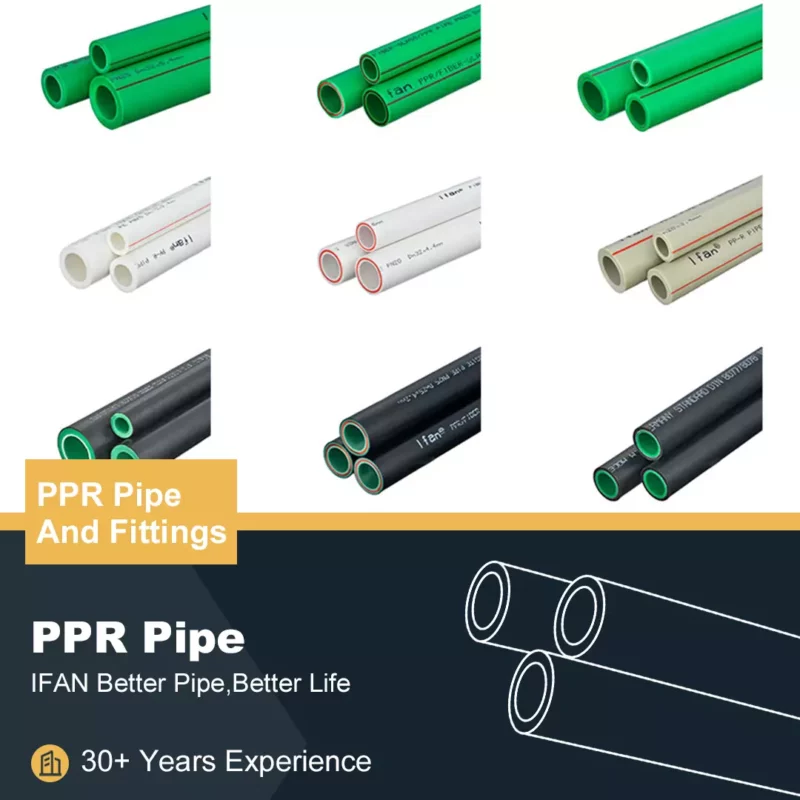
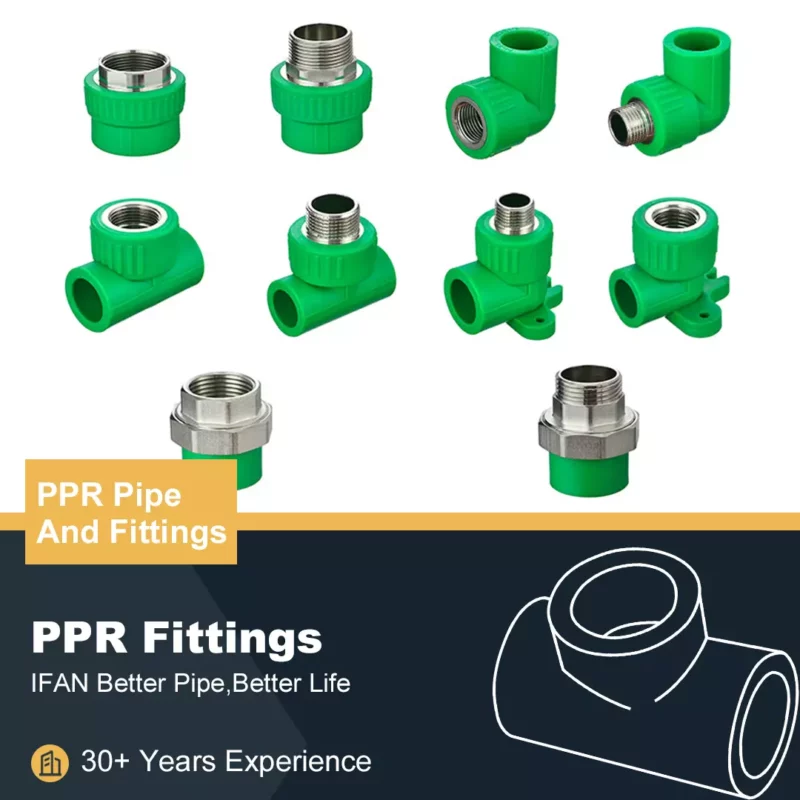
PPR (Polypropylene Random Copolymer) pipes are renowned for their durability and versatility in various plumbing and heating applications. One of the standout features of PPR pipes is their excellent high-temperature resistance. Unlike metal or PVC pipes, PPR pipes maintain structural integrity even under extreme heat. This article explores the high-temperature resistance of PPR pipes and the advantages this feature offers in different applications.
Thermal Stability and Performance
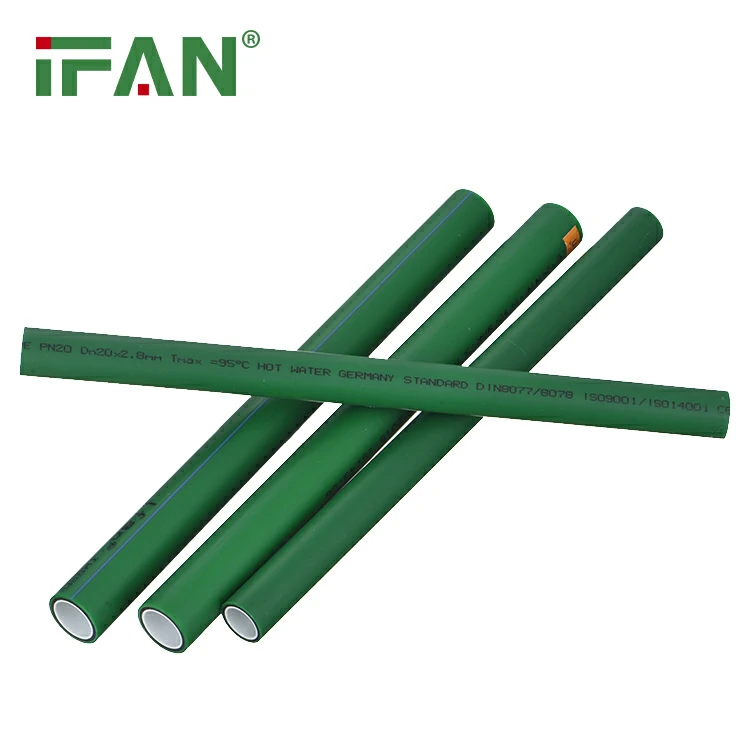
PPR pipe are specifically designed to withstand high temperatures, making them ideal for both hot and cold water systems. The material can endure temperatures up to 95°C (203°F) without degrading or losing strength. This thermal stability ensures that PPR pipe maintain their shape and functionality in demanding applications like heating systems and industrial processes.
Resistance to Thermal Expansion
Metal pipes often expand and contract with temperature fluctuations, which can lead to leaks and system failure. PPR pipe, on the other hand, have a much lower coefficient of thermal expansion. This means they expand and contract less under temperature changes. As a result, PPR pipes are less prone to developing cracks or leaks, even in high-temperature environments.
Safe for Hot Water Systems
PPR pipe are frequently used in domestic hot water systems due to their ability to resist high temperatures. They can transport hot water from boilers, water heaters, and solar heating systems without warping or weakening. Their resistance to thermal degradation ensures long-term, trouble-free service. PPR pipes maintain consistent flow and water pressure, even when carrying water at elevated temperatures.
Efficient for Central Heating Systems
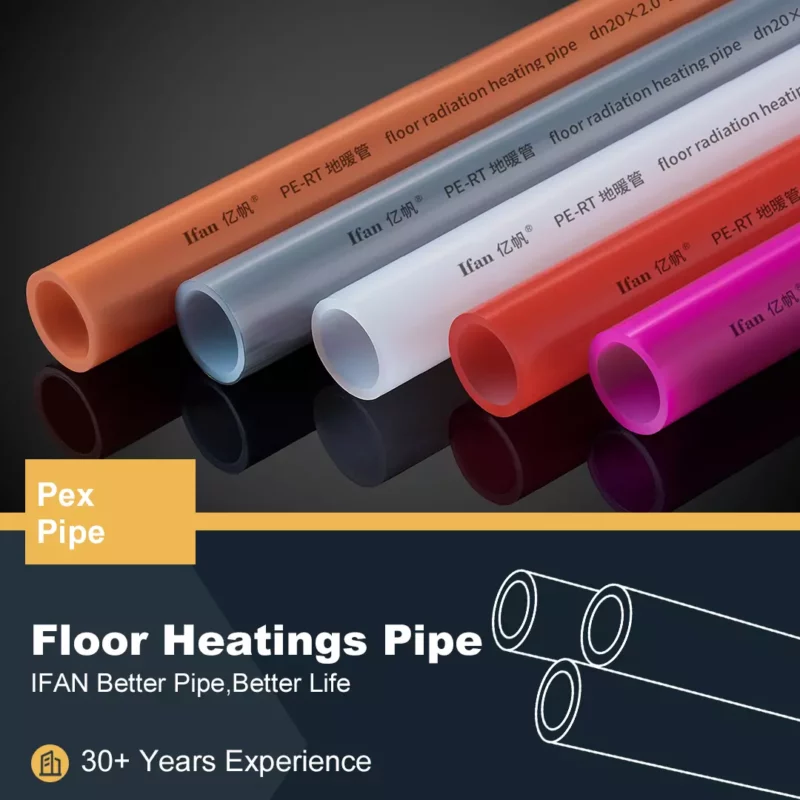
In addition to domestic plumbing, PPR pipe are widely used in central heating systems. Whether in underfloor heating, radiator connections, or other applications, PPR pipes remain stable under heat stress. Their ability to resist high temperatures ensures that heating systems operate efficiently without the risk of leaks or material degradation. The pipes can handle both the circulating hot water and the fluctuating temperature levels often present in such systems.
Resistance to Thermal Shock
Thermal shock occurs when a pipe suddenly experiences a rapid temperature change, such as when cold water enters a hot pipe. PPR pipes are resistant to thermal shock, a critical feature for systems where temperatures can fluctuate. Unlike metal pipes, which are more vulnerable to cracking under sudden temperature changes, PPR pipes remain intact and reliable. This feature enhances the safety and longevity of the system.
Durability in Steam Systems
PPR pipes are also suitable for steam applications, where high temperatures are consistently present. Steam systems, such as those used in industrial processes or heating plants, operate at much higher temperatures than regular hot water systems. PPR pipe can safely transport steam without deteriorating or losing their integrity. Their resistance to high temperatures makes them a safer, more reliable choice for steam lines.
High-Temperature Resistance in Industrial Applications
PPR pipe are commonly used in industrial settings where high temperatures are a concern. Chemical plants, food processing, and pharmaceutical industries often require pipes that can withstand extreme heat. PPR pipes, due to their thermal resistance, are used in such environments for the safe transportation of hot liquids, chemicals, and gases. Their performance under high-temperature conditions ensures continuous operation without compromising safety or efficiency.
Long-Term Performance at Elevated Temperatures
The high-temperature resistance of PPR pipe ensures they maintain optimal performance over the long term. Metal pipes can corrode or weaken when exposed to heat for extended periods. PPR pipes, however, retain their mechanical properties, even under continuous exposure to elevated temperatures. This makes PPR pipes a cost-effective solution for systems that require reliable, long-term performance in hot environments.
Energy Efficiency Benefits
The high-temperature resistance of PPR pipe contributes to the overall energy efficiency of a heating or plumbing system. As these pipes can endure hot water at high temperatures without losing their structural integrity, they help maintain heat throughout the system. This results in less energy consumption and reduced heat loss. PPR pipe, therefore, contribute to both energy savings and environmental sustainability by enhancing the efficiency of heating and water supply systems.
Preventing System Failures
In plumbing and heating systems, pipe failure due to high temperatures can be catastrophic. Leaks, cracks, or bursts can result in extensive damage and expensive repairs. The ability of PPR pipe to resist high temperatures minimizes the risk of system failures. Their thermal resistance ensures a safer, more reliable system that requires less maintenance, reducing the likelihood of unexpected disruptions.
Compatibility with Other Systems
PPR pipe are often used in combination with other materials in heating and cooling systems. The ability of PPR pipes to withstand high temperatures without weakening ensures compatibility with other systems that rely on thermal energy. This makes PPR pipes a versatile choice for complex plumbing, heating, and cooling systems in residential, commercial, and industrial applications.
Conclusion
The high-temperature resistance of PPR pipe makes them a superior choice for a variety of applications. Their ability to maintain structural integrity in hot water systems, central heating, steam systems, and industrial processes ensures reliability and safety. With resistance to thermal shock, durability, and long-term performance, PPR pipes are a cost-effective and efficient solution for high-temperature environments.
If you have read this article and have any questions, please feel free to contact IFAN. Below is our contact information:
Whatsapp:+86 13373827623
Email:[email protected]