
Introduction
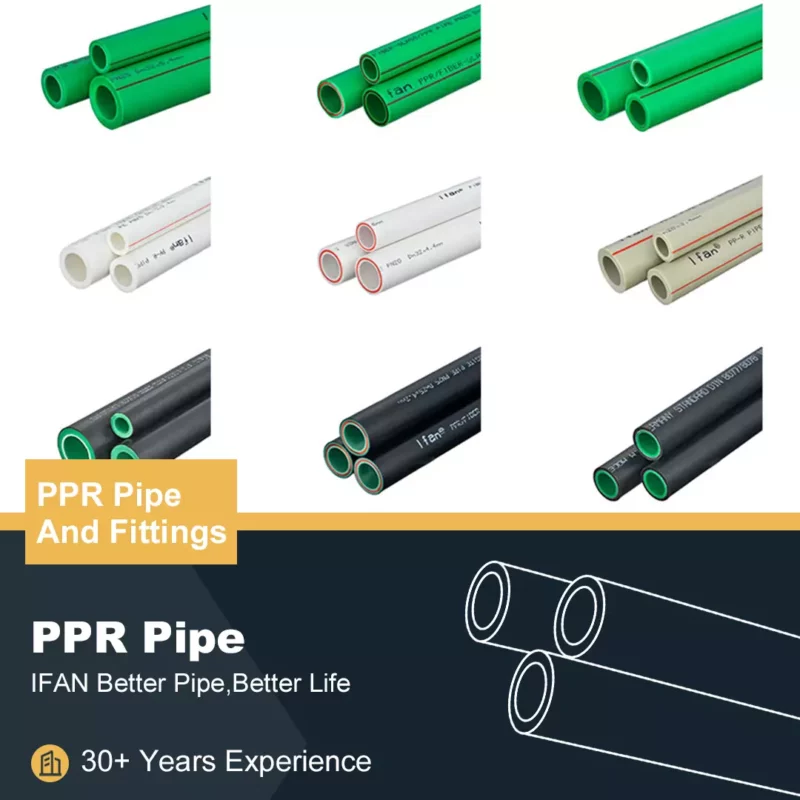
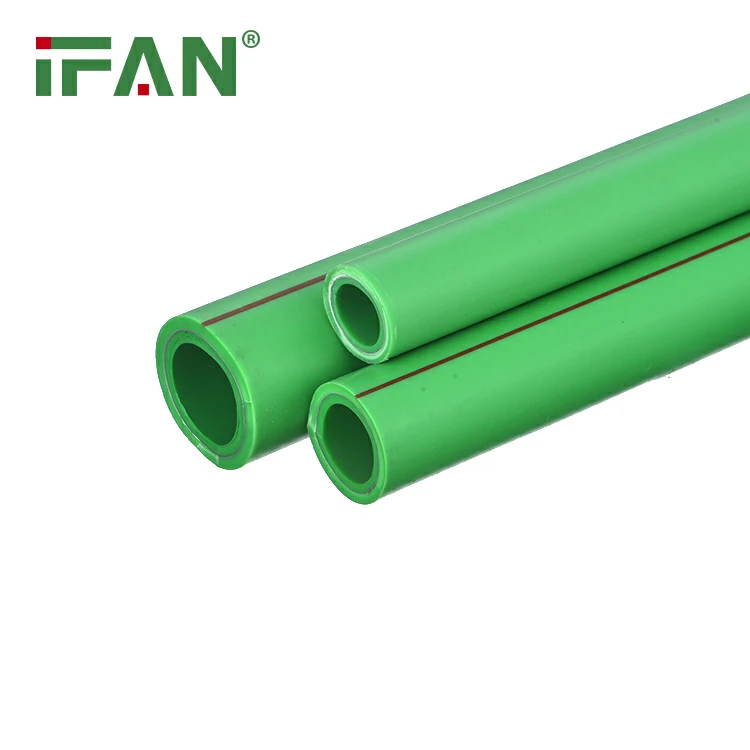
PPR (Polypropylene Random Copolymer) pipes are widely used in plumbing and heating systems due to their durability and efficiency. One of their most significant advantages is the ease of installation. Compared to traditional metal or PVC pipes, PPR pipes require less labor, time, and specialized tools. This article explores the factors that make PPR pipe easy to install and their benefits for residential, commercial, and industrial applications.
Lightweight and Easy to Handle
PPR pipes are much lighter than metal pipes, making them easier to transport and handle. Heavy pipes require more effort, increasing labor costs and installation time. The lightweight nature of PPR pipes allows for faster and safer installation. Workers can carry and position the pipes with minimal effort, reducing fatigue and improving efficiency.
Simple Cutting and Shaping
Unlike metal pipes, which require specialized tools for cutting, PPR pipes can be easily cut with a standard pipe cutter. The process is quick, precise, and does not produce sparks or sharp edges. This feature simplifies installation and reduces the risk of injury. PPR pipes can also be shaped easily, allowing for seamless connections in complex plumbing layouts.
Heat Fusion Connection Technology
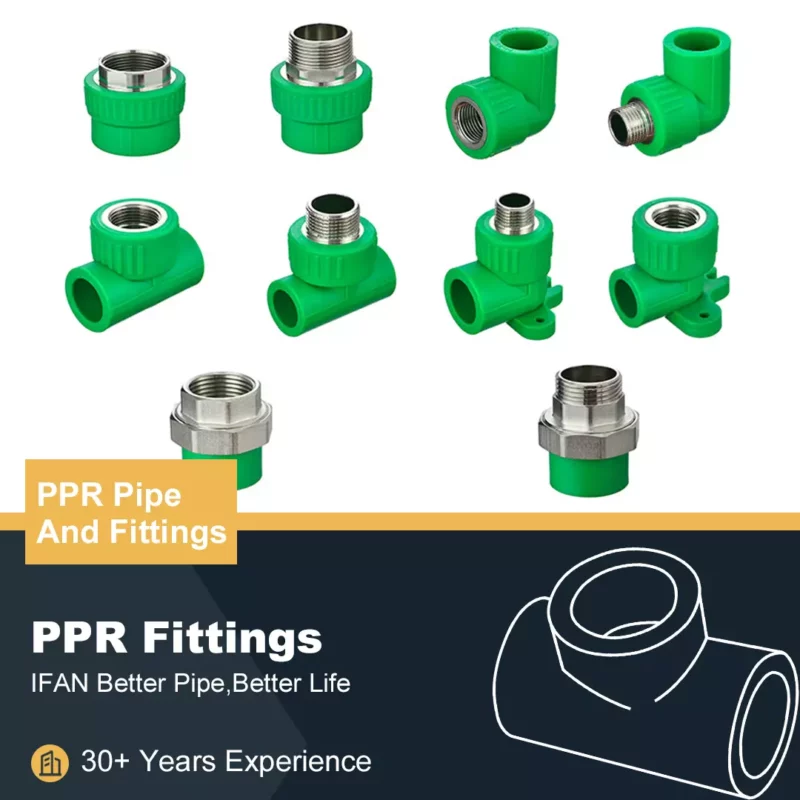
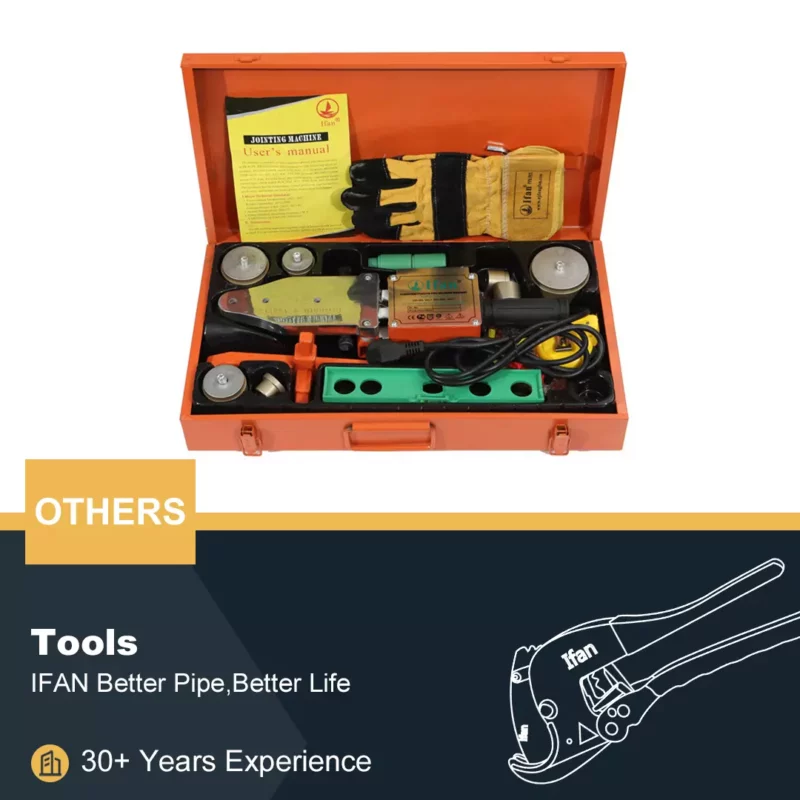
PPR pipes use a heat fusion method for joining, creating strong and leak-proof connections. This process involves heating the pipe and fitting, then pressing them together to form a permanent bond. Unlike metal pipes that require welding, soldering, or threading, PPR pipes eliminate the need for additional materials like adhesives or sealants. Heat fusion ensures long-lasting, durable joints with minimal maintenance.
Reduced Installation Time
The combination of lightweight materials, simple cutting, and heat fusion technology significantly reduces installation time. Traditional metal pipe installation involves threading, welding, or gluing, which can be time-consuming. With PPR pipes, installers can complete projects faster, reducing labor costs and downtime in construction projects.
No Need for Corrosion Protection
Metal pipes require protective coatings or treatments to prevent rust and corrosion. These additional steps increase installation complexity and costs. PPR pipes are naturally resistant to corrosion, eliminating the need for extra protective measures. This simplifies the installation process and ensures long-term durability without additional maintenance.
Flexible and Adaptable
PPR pipes offer flexibility, allowing them to be installed in tight spaces or around obstacles. Unlike rigid metal pipes, which require multiple fittings to change direction, PPR pipes can be adjusted with fewer joints. This flexibility reduces material waste and speeds up installation. PPR pipes are also available in various sizes and pressure ratings, making them suitable for diverse applications.
Leak-Proof Connections
The heat fusion method used in PPR pipe installation creates seamless, leak-proof joints. Metal pipes often develop leaks at threaded or welded joints over time. PPR pipes eliminate this risk by forming a single continuous structure. Leak-proof connections enhance system reliability, reducing maintenance costs and water waste.
Suitable for DIY and Professional Installation
PPR pipes are easy to install, making them suitable for both professional plumbers and DIY enthusiasts. The heat fusion process is simple to learn, and the tools required are affordable. Homeowners can complete small plumbing projects without extensive training. For larger installations, professionals benefit from the speed and reliability of PPR pipe systems.
Compatibility with Existing Systems
PPR pipes can be integrated with existing plumbing systems using transition fittings. This allows for easy upgrades from older metal or PVC pipes. The adaptability of PPR pipes simplifies renovation projects and minimizes disruptions in buildings that require plumbing system improvements.
Safe and Clean Installation Process
Installing PPR pipes does not produce harmful fumes, sparks, or toxic chemicals. Metal welding and PVC gluing release hazardous substances, requiring additional safety precautions. PPR pipe installation is clean, safe, and environmentally friendly. The absence of hazardous materials makes it a preferred choice for residential, commercial, and healthcare applications.
Cost-Effective Installation
The ease of installation with PPR pipes leads to cost savings in multiple ways. Faster installation reduces labor costs. The lightweight nature lowers transportation expenses. The durability and leak-proof connections minimize long-term maintenance costs. Overall, PPR pipes offer an economical solution for plumbing and heating systems.
Wide Range of Applications
PPR pipes are used in residential, commercial, and industrial settings due to their easy installation. They are suitable for hot and cold water supply, heating systems, irrigation, and industrial fluid transport. Their versatility makes them a preferred choice for various construction projects.
Conclusion
PPR pipes offer a simple, efficient, and cost-effective installation process. Their lightweight nature, easy cutting, and heat fusion technology make them superior to traditional pipe materials. With leak-proof connections, flexibility, and minimal maintenance needs, PPR pipes provide long-term benefits for homeowners, businesses, and industries. Choosing PPR pipes ensures a hassle-free installation and reliable plumbing system.
If you have read this article and have any questions, please feel free to contact IFAN. Below is our contact information:
Whatsapp:+86 13373827623
Email:[email protected]