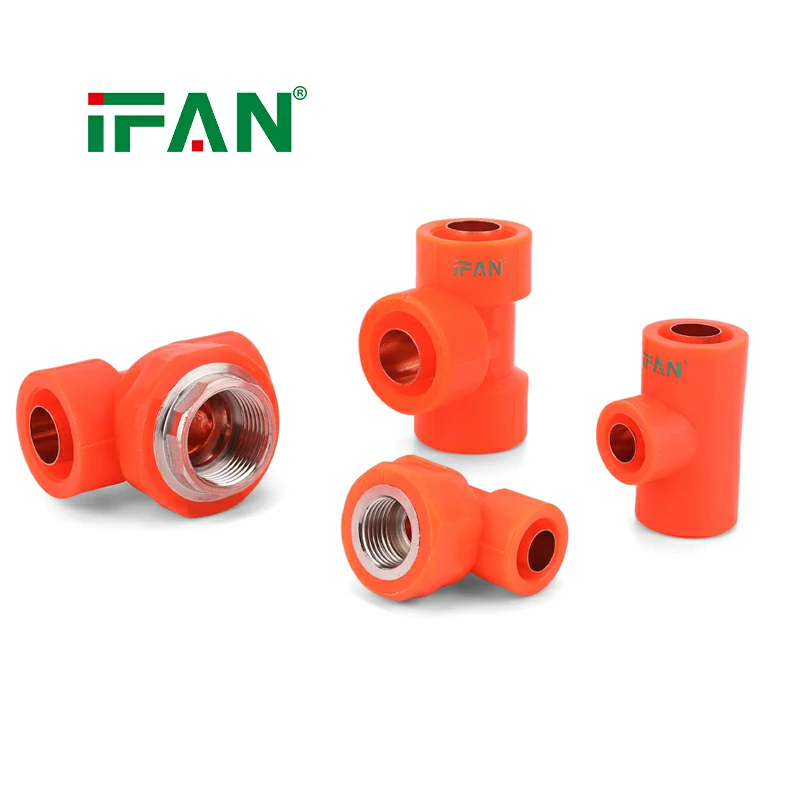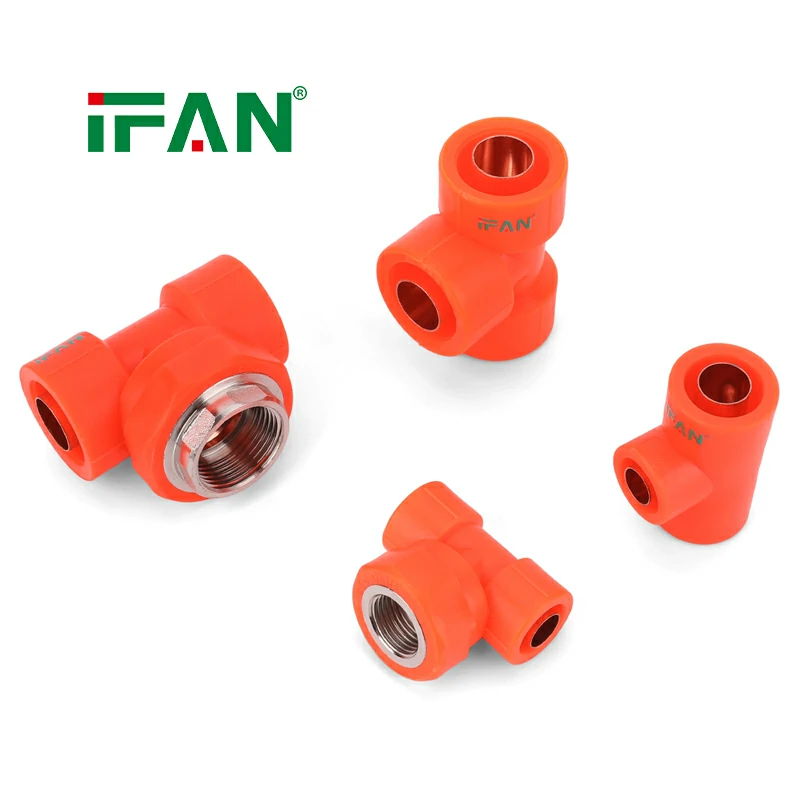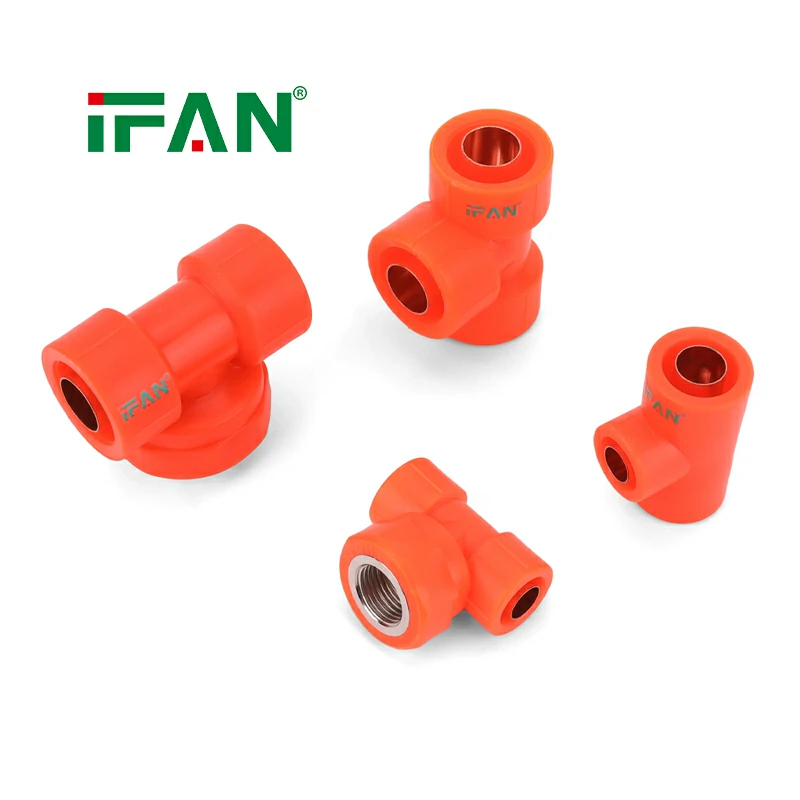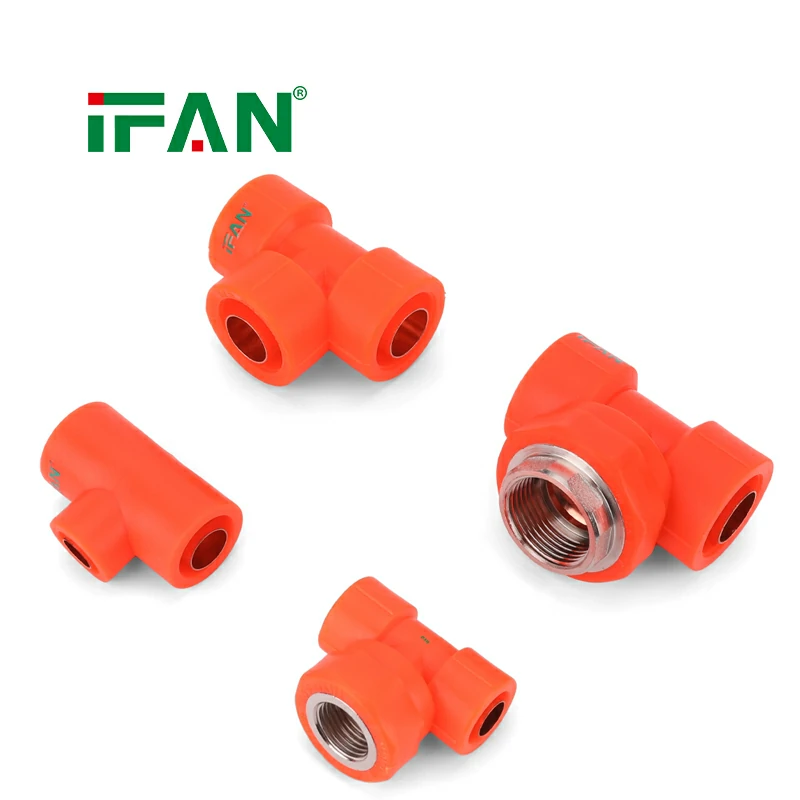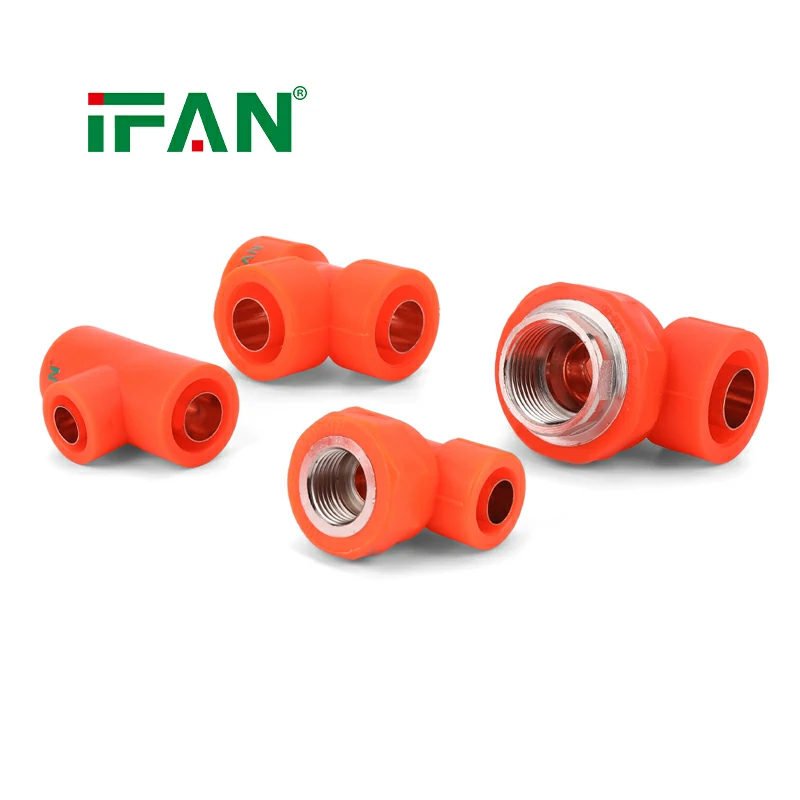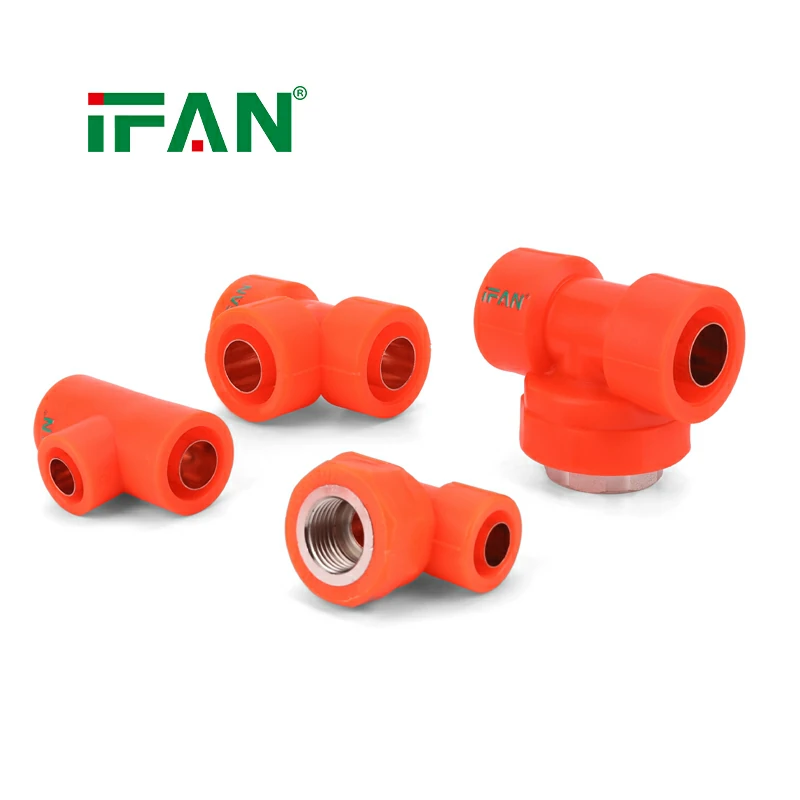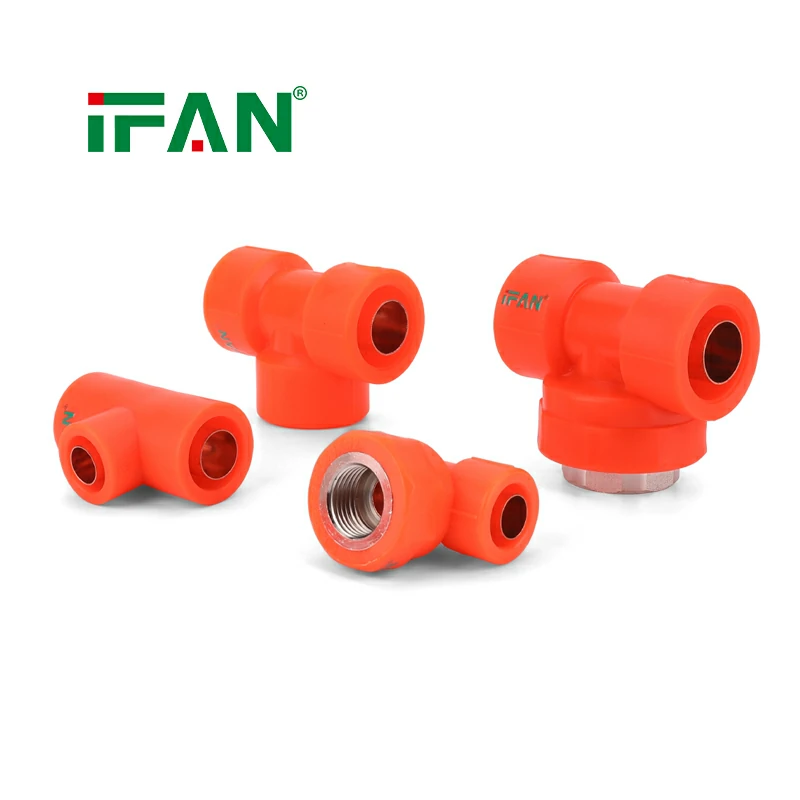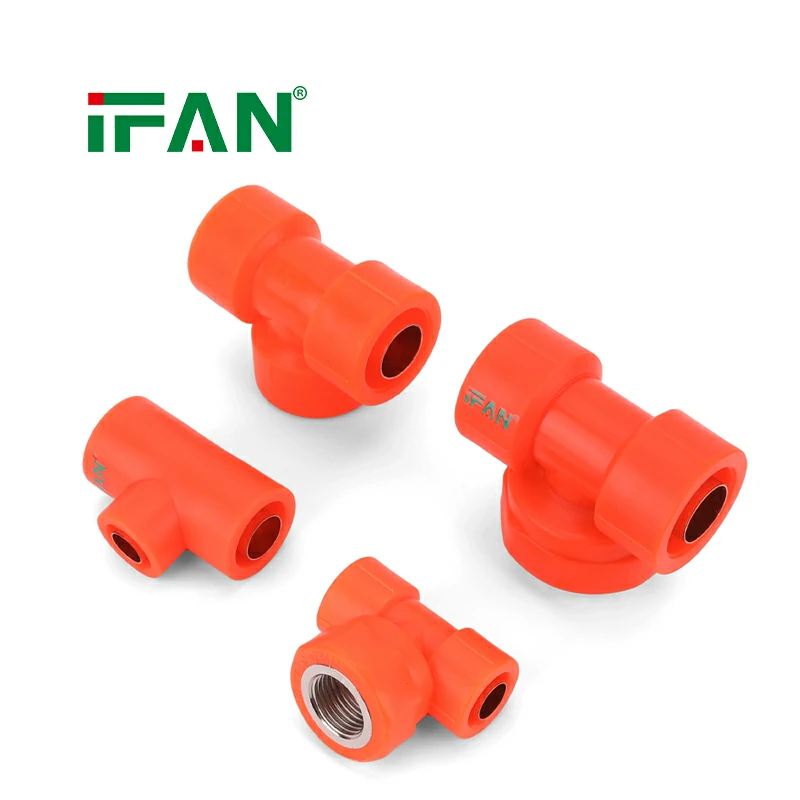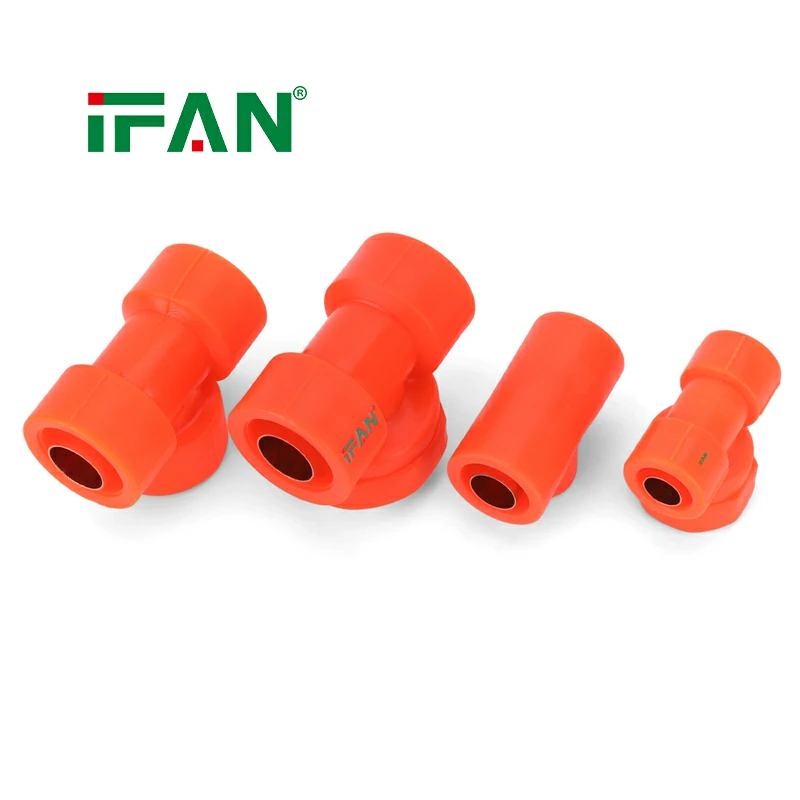
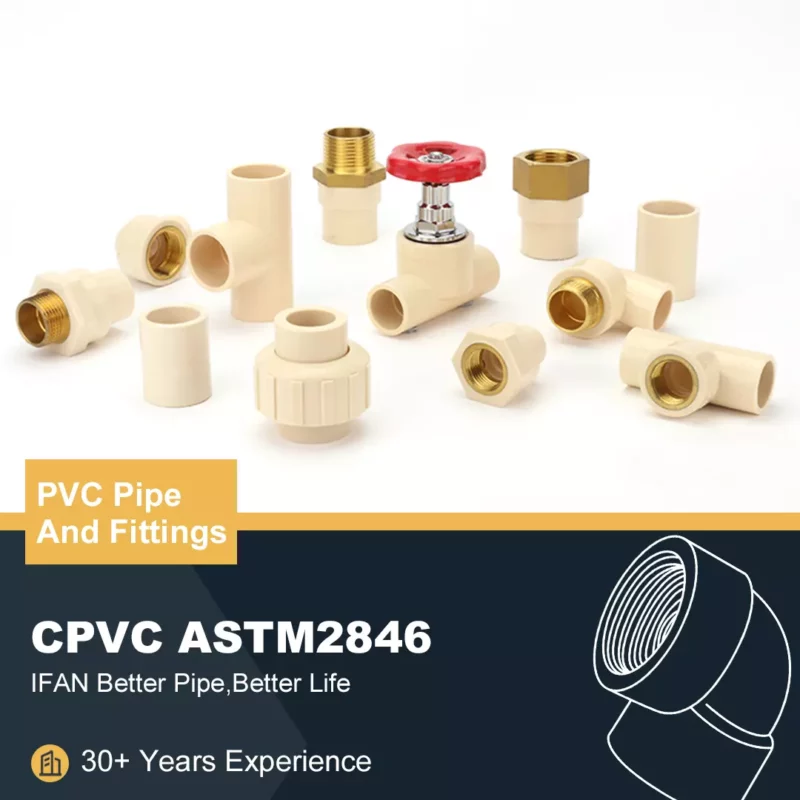
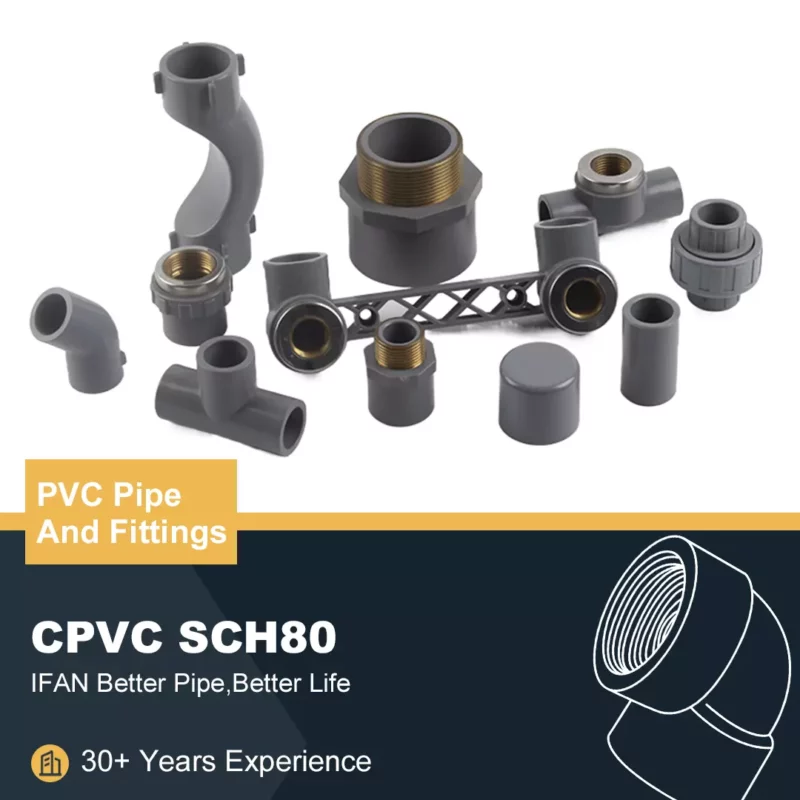






Polypropylene Homopolymer (PPH) pipes are an essential component in industries where high temperature resistance is a critical factor. Known for their strength and durability, PPH pipe offer excellent performance in both high and low temperature environments. This article discusses the properties, benefits, and applications of PPH pipe, focusing particularly on their high-temperature resistance.
1. What is PPH Pipe?
PPH pipes are made from Polypropylene Homopolymer, a type of thermoplastic polymer that provides a combination of high strength, excellent chemical resistance, and resistance to high temperatures. These pipes are used in various applications, including water treatment systems, chemical transportation, and industrial processes.
PPH pipes are distinct from other polypropylene pipes due to their higher crystalline structure. This gives them enhanced rigidity and makes them particularly suited for high-temperature environments. Unlike other thermoplastics, PPH pipe maintain their integrity even under extreme heat, ensuring long-term reliability and performance.
2. High Temperature Resistance of PPH Pipes
One of the standout features of PPH pipe is their ability to withstand high temperatures. These pipes are known to perform well in temperatures up to 95°C (203°F), with some specially designed variants capable of handling even higher temperatures for short durations. The high melting point of PPH material allows the pipes to endure heat without deforming or losing structural integrity.
The molecular structure of PPH enhances its resistance to thermal degradation. As a result, PPH pipe can be used in systems that handle hot water, steam, and various industrial fluids. This makes them ideal for applications where heat-resistant pipes are a necessity.
3. Advantages of High Temperature Resistance
The high temperature resistance of PPH pipe provides several key advantages for industries and plumbing systems:
- Enhanced Durability: PPH pipe can withstand the high temperatures commonly encountered in industrial processes without deteriorating. This durability ensures fewer repairs and replacements, extending the lifespan of the system.
- Energy Efficiency: By maintaining their structural integrity at elevated temperatures, PPH pipe reduce the risk of heat loss, making systems more energy-efficient. This is particularly important in heating and cooling systems, where energy savings can be substantial.
- Safety: In industries like chemical processing or food production, maintaining the temperature of materials is crucial. PPH pipe provide a safe and reliable solution for transporting hot fluids without the risk of pipe failure due to heat exposure.
- Cost-Effectiveness: Due to their high temperature resistance, PPH pipe can replace other more expensive materials like metal pipes. They offer a more cost-effective solution while maintaining performance at high temperatures.
4. Chemical Resistance and Heat Stability
In addition to their high temperature resistance, PPH pipe offer excellent resistance to a wide range of chemicals. This makes them particularly useful in industries such as chemical processing, water treatment, and pharmaceuticals. PPH pipes are resistant to acids, alkalis, and organic solvents, which is crucial when transporting hot, corrosive fluids.
The combination of heat stability and chemical resistance ensures that PPH pipe maintain their performance under both thermal and chemical stresses. This dual resistance makes PPH pipe a preferred choice for applications where both high temperatures and chemical exposure are common.
5. Applications of PPH Pipes with High Temperature Resistance
PPH pipes are widely used across a range of industries where high temperature resistance is required. Some of the most common applications include:
- Hot Water Systems: PPH pipes are commonly used in hot water plumbing systems for residential, commercial, and industrial applications. Their ability to maintain structural integrity at high temperatures ensures reliable water supply without the risk of pipe failure.
- Chemical Transport: In industries such as petrochemicals and pharmaceuticals, PPH pipes are used to transport hot chemicals and solvents. Their resistance to both heat and chemicals ensures the safety and reliability of these systems.
- Steam Distribution: PPH pipes are ideal for steam systems due to their high-temperature tolerance. These pipes are used in industrial applications where steam must be transported over long distances, maintaining heat without significant energy loss.
- Food Processing: In the food industry, PPH pipes are used for transporting hot liquids and steam. Their non-toxic and heat-resistant properties make them suitable for food-grade applications where hygiene and safety are paramount.
- Water Treatment: PPH pipes are used in water treatment plants to handle hot water and chemical solutions. Their ability to withstand both heat and corrosion ensures reliable and long-lasting performance in these systems.
6. Advantages Over Other High-Temperature Pipe Materials
When compared to other high-temperature pipe materials, such as PVC, CPVC, and metal pipes, PPH pipe offer several advantages:
- Better Heat Resistance: While PVC and CPVC can withstand moderate temperatures, they tend to soften or degrade at higher temperatures. PPH pipe, on the other hand, are designed to endure much higher temperatures without losing their structural integrity.
- Corrosion Resistance: Unlike metal pipes, which can corrode over time, PPH pipe do not rust or corrode, even in high-temperature environments. This gives PPH pipes a significant advantage in systems where corrosion is a concern.
- Lightweight: PPH pipes are significantly lighter than metal pipes, making them easier to transport and install. This reduces labor costs and installation time, making PPH pipe a more efficient and cost-effective option.
- Cost-Effective: PPH pipes generally have a lower upfront cost than metal pipes and other heat-resistant materials like PTFE (Teflon). Additionally, their long lifespan and low maintenance requirements make them a cost-effective solution over time.
7. Installation of PPH Pipes
The installation of PPH pipe is relatively straightforward, thanks to their lightweight nature and ease of handling. Installation typically involves the use of fusion welding, a process where the ends of the pipes and fittings are heated to a specific temperature and then fused together to form a strong bond. This welding process ensures leak-free connections and provides a seamless pipeline.
In addition to welding, PPH pipe can also be joined using mechanical fittings, which offer a flexible installation option for systems that may need to be disassembled or modified in the future.
Proper installation is critical for ensuring the long-term performance of PPH pipe in high-temperature environments. It is essential to ensure that the pipe fittings are correctly fused and that the system is tested for leaks before being put into operation.
8. Maintenance of PPH Pipes
PPH pipe require minimal maintenance due to their durability and resistance to corrosion. However, periodic inspection and maintenance are recommended to ensure the continued performance of the system. Common maintenance tasks include:
- Visual Inspection: Check for signs of wear, cracks, or deformation. Since PPH pipes are resistant to most chemicals, damage is usually caused by physical stress rather than corrosion.
- Leak Checks: Regularly check for leaks in the pipe system, particularly in joints or fused connections. Leak detection can prevent potential failures in high-temperature systems.
- Cleaning: PPH pipes are resistant to scaling and build-up, but cleaning the interior may be necessary in systems that transport particulates or thick fluids.
9. Environmental Benefits of PPH Pipes
In addition to their functional advantages, PPH pipe also offer environmental benefits. Since PPH pipes are made from recyclable materials, they contribute to reducing waste and supporting sustainable practices in construction and industrial applications. The longevity of PPH pipes means fewer replacements are required, reducing the need for new raw materials and lowering the environmental impact over time.
Additionally, the high temperature resistance of PPH pipe reduces the need for energy-intensive materials like metal pipes, which can result in a more sustainable, energy-efficient system.
10. Conclusion
PPH pipe provide excellent high-temperature resistance, making them a reliable choice for a variety of industries. Their ability to withstand high temperatures, combined with chemical resistance, durability, and cost-effectiveness, makes them an ideal solution for applications involving hot liquids, chemicals, and steam.
From residential plumbing to industrial chemical transport, PPH pipe offer the performance and reliability needed to ensure smooth operation. Their lightweight nature, easy installation, and long lifespan make them an economically viable option for systems that require both heat resistance and chemical compatibility.
For any project requiring high-temperature piping, PPH pipes are a trusted choice that balances performance, cost, and sustainability.
If you have read this article and have any questions, please feel free to contact IFAN. Below is our contact information:
Whatsapp:+86 13373827623
Email:[email protected]