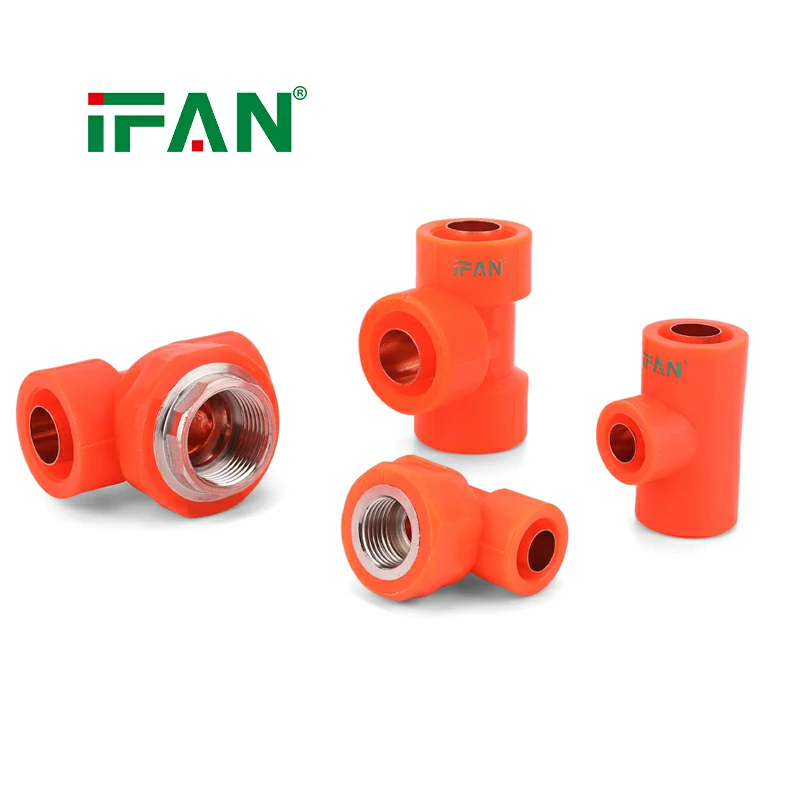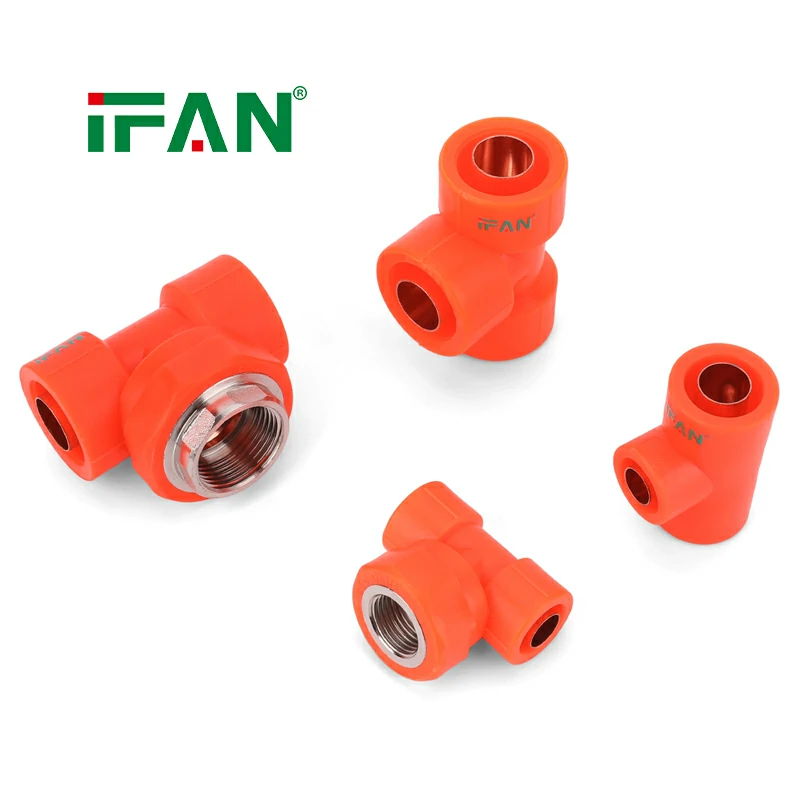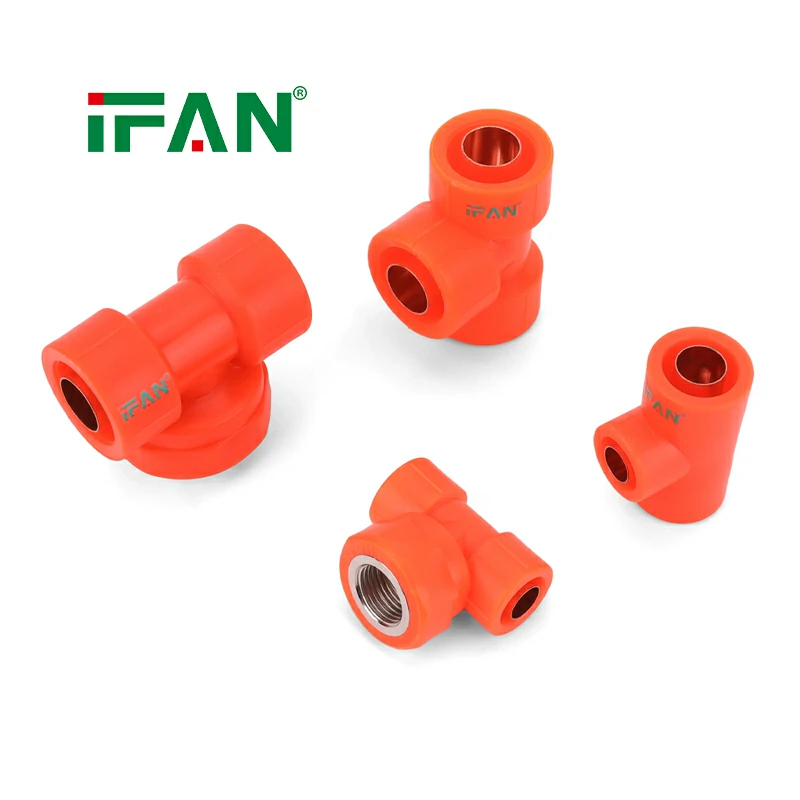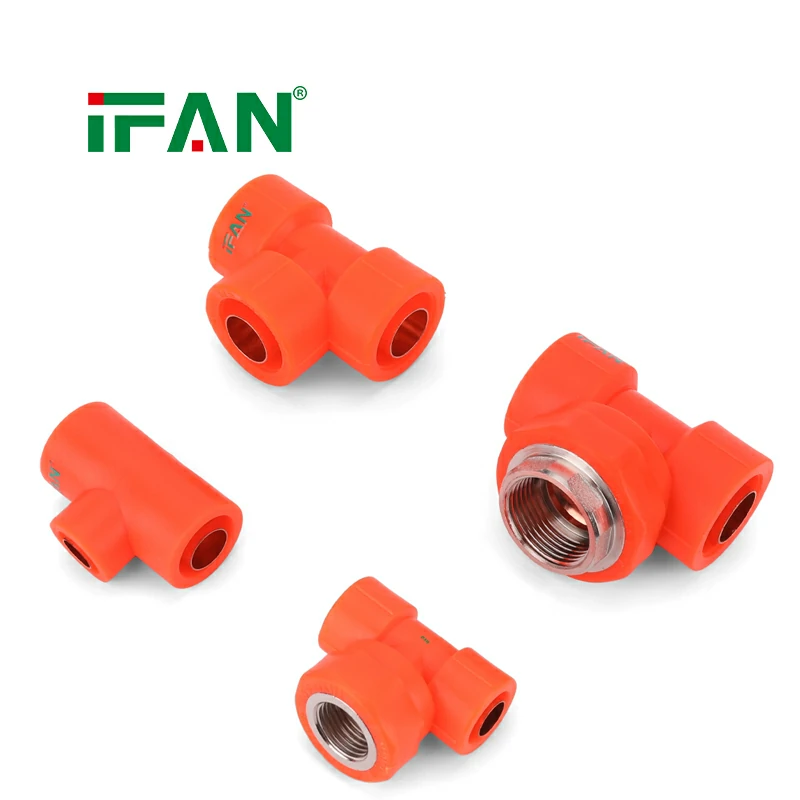
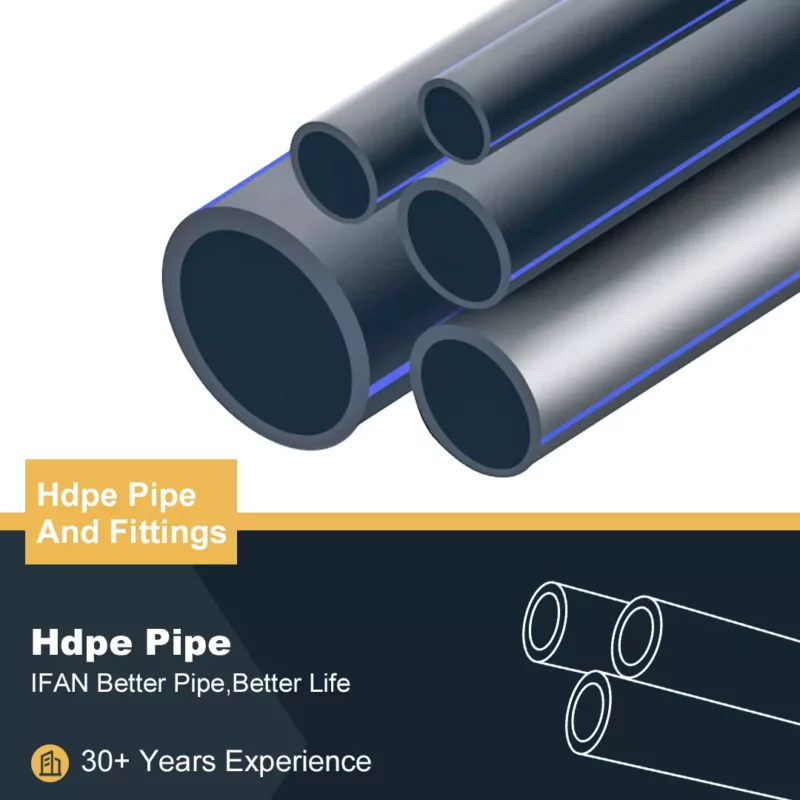
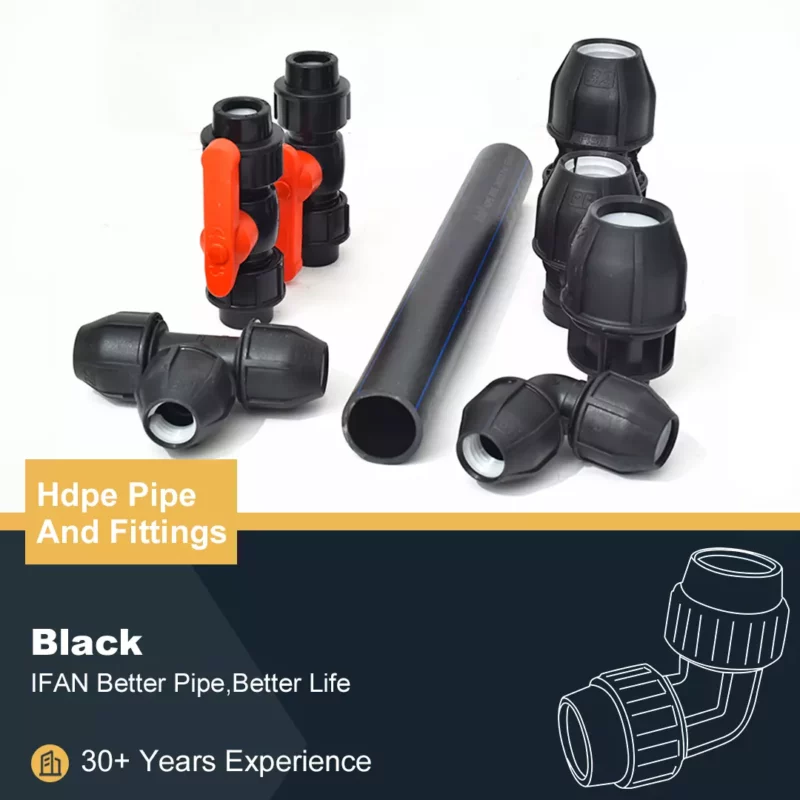
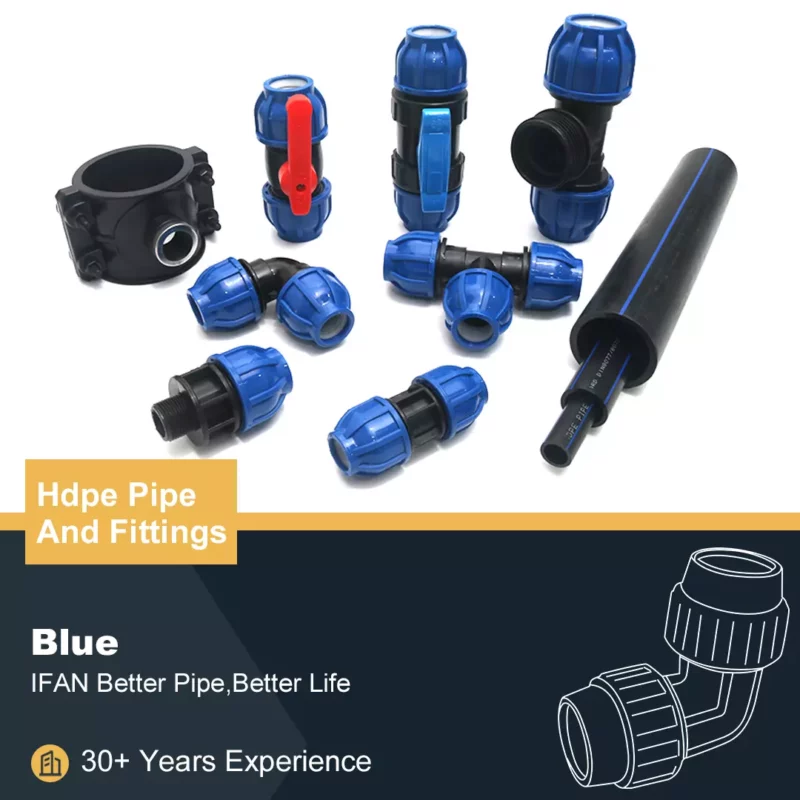
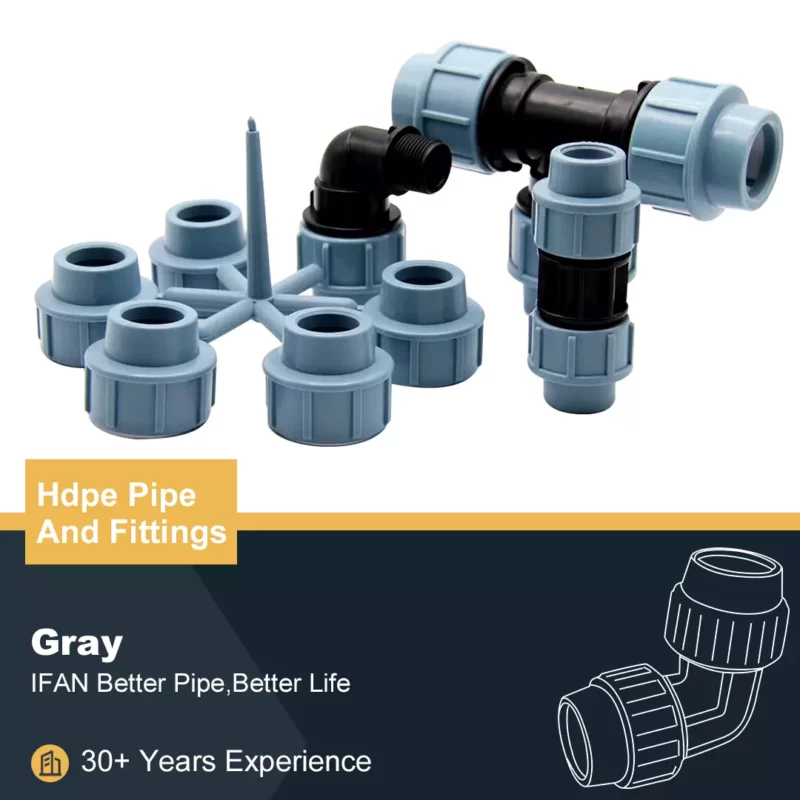


High-Density Polyethylene (HDPE) pipes and fittings have become a cornerstone in modern plumbing and industrial systems due to their strength, durability, and resistance to harsh environmental factors. HDPE pipe fitting play a crucial role in connecting and maintaining the integrity of piping systems. This article explores the key features, advantages, and applications of HDPE pipe fitting, and how they contribute to the overall efficiency and longevity of piping systems.
1. What Are HDPE Pipe Fittings?
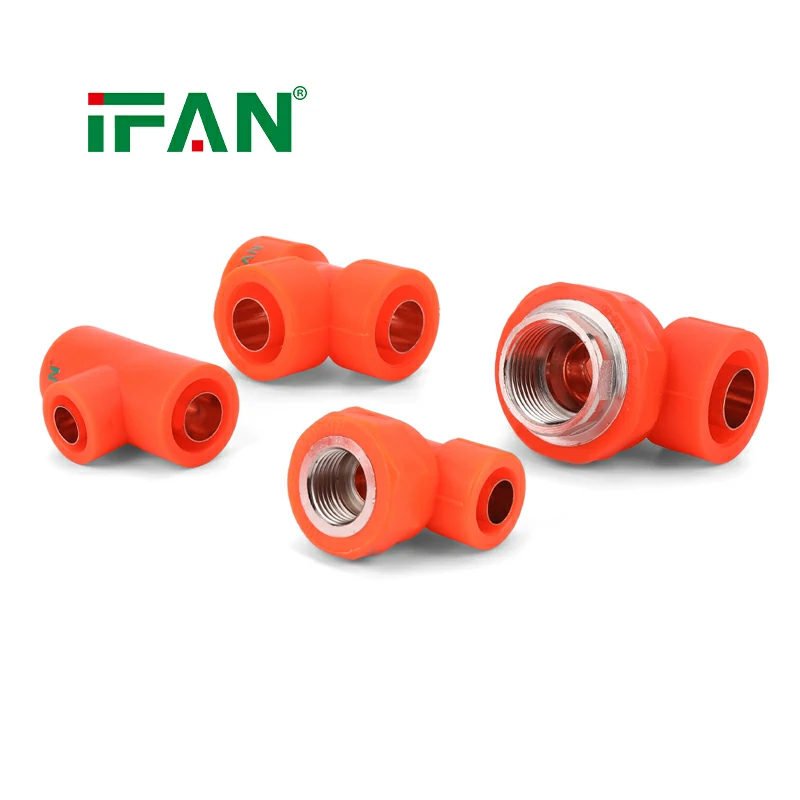
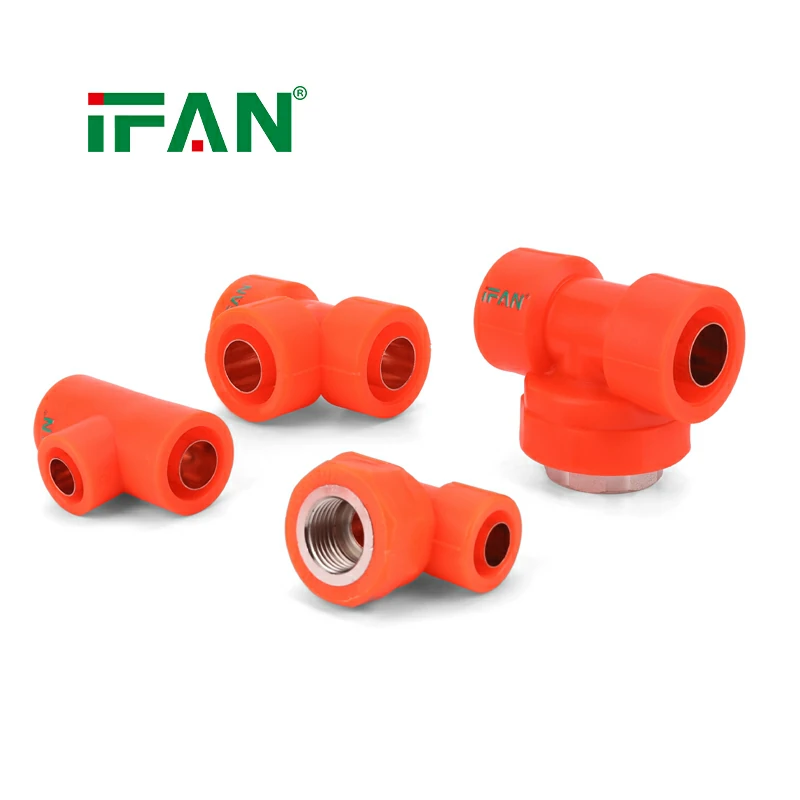
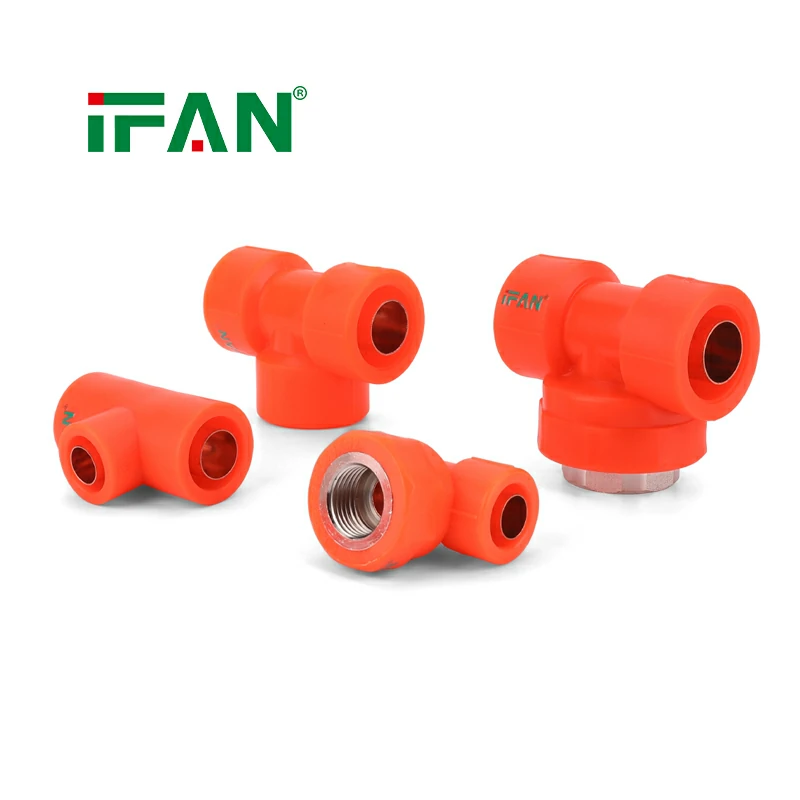
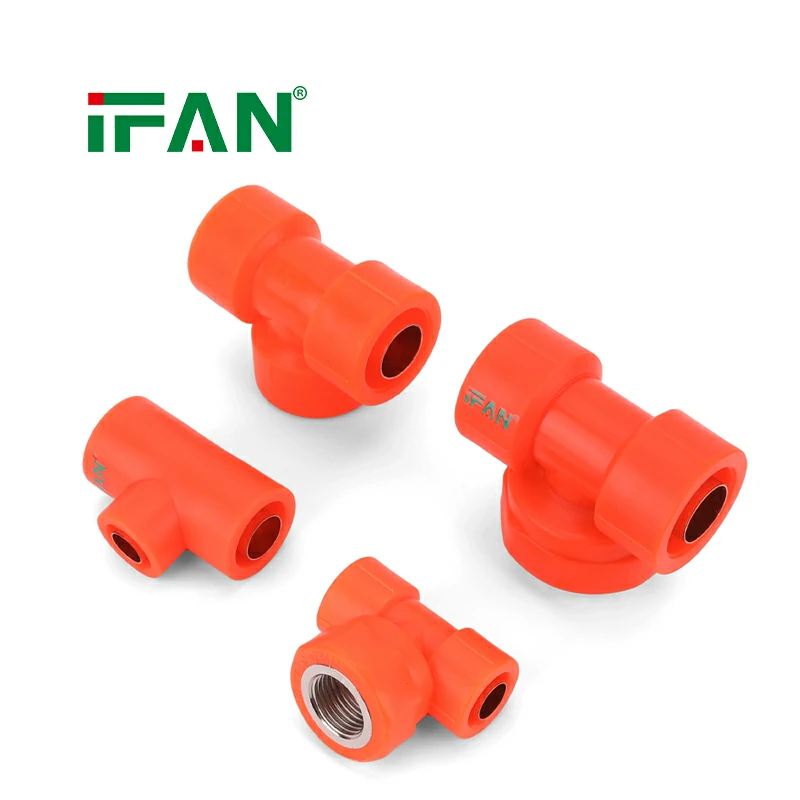
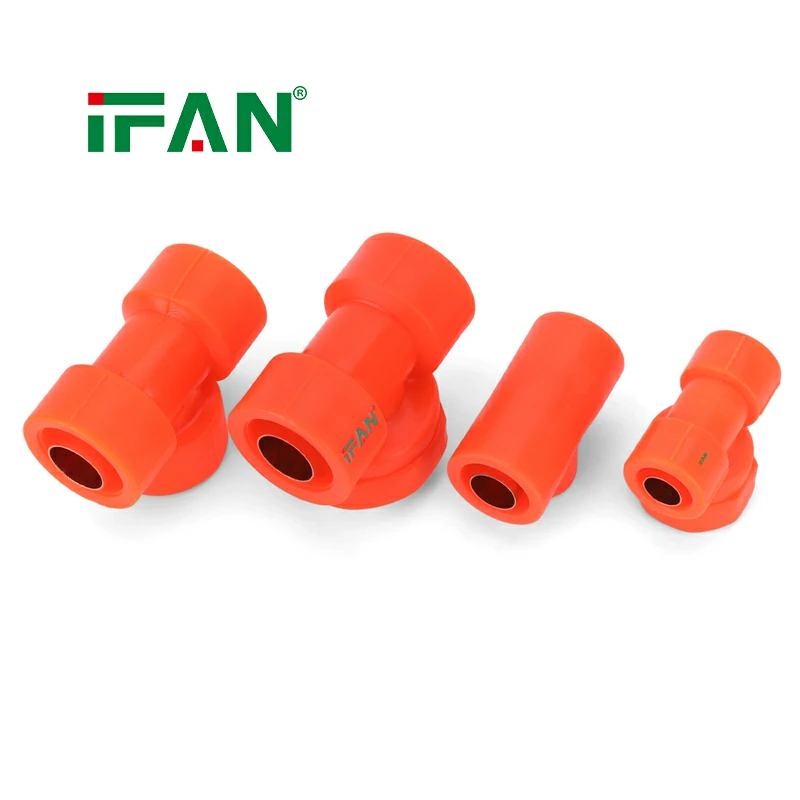
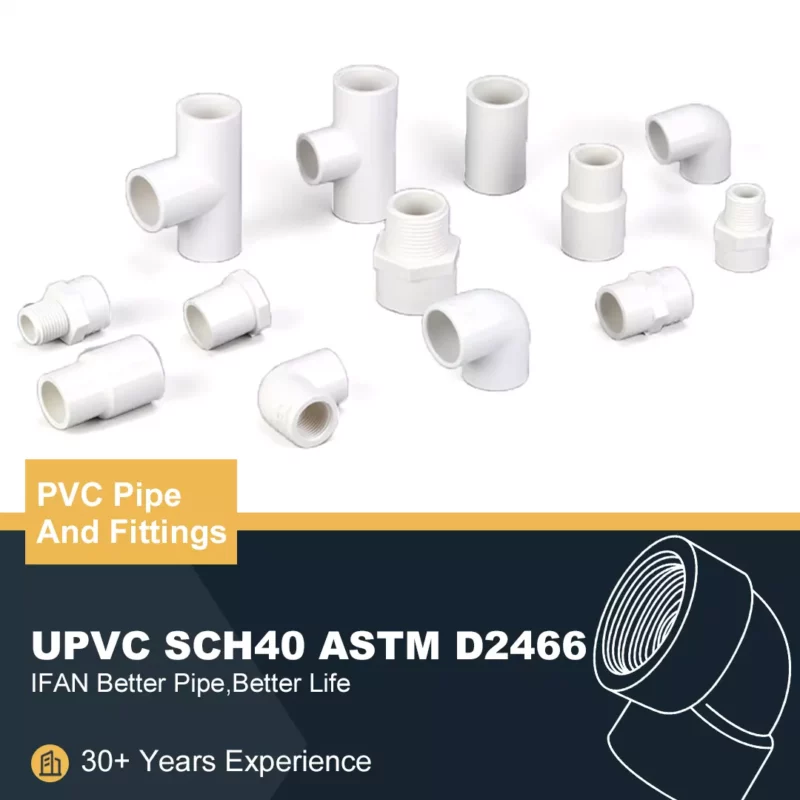
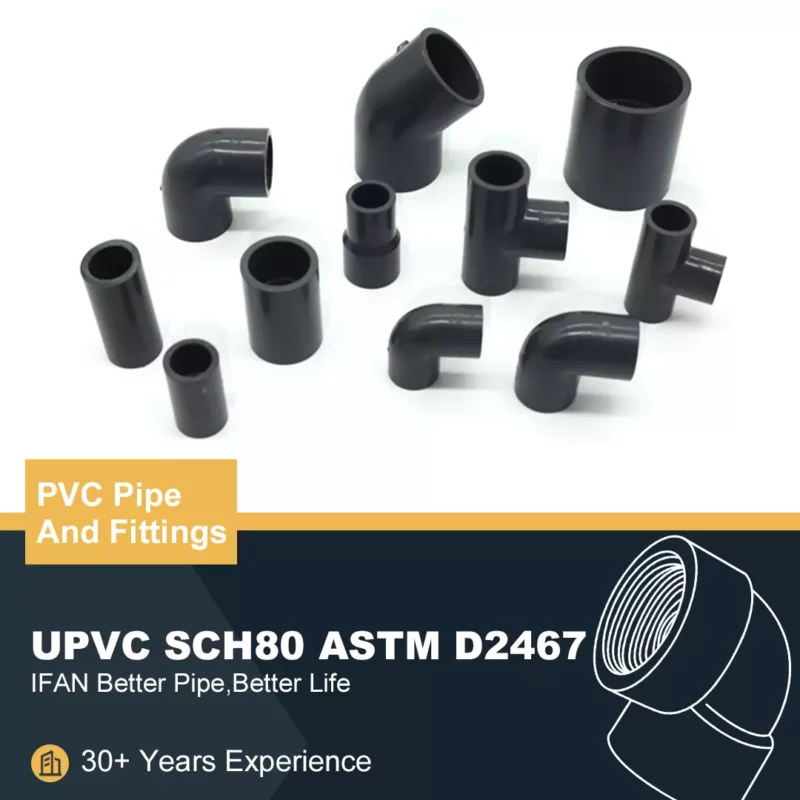
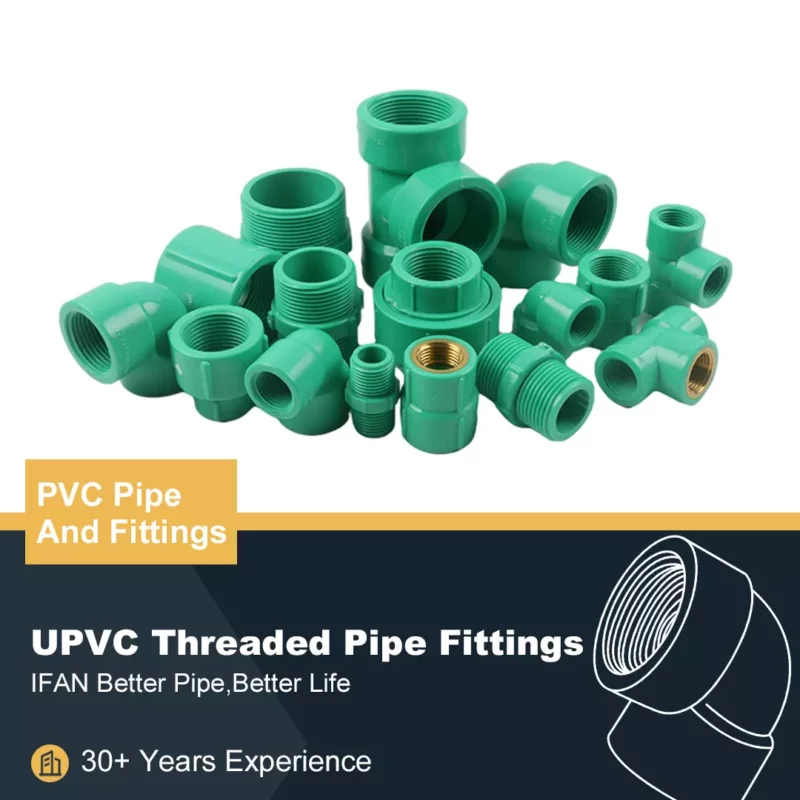
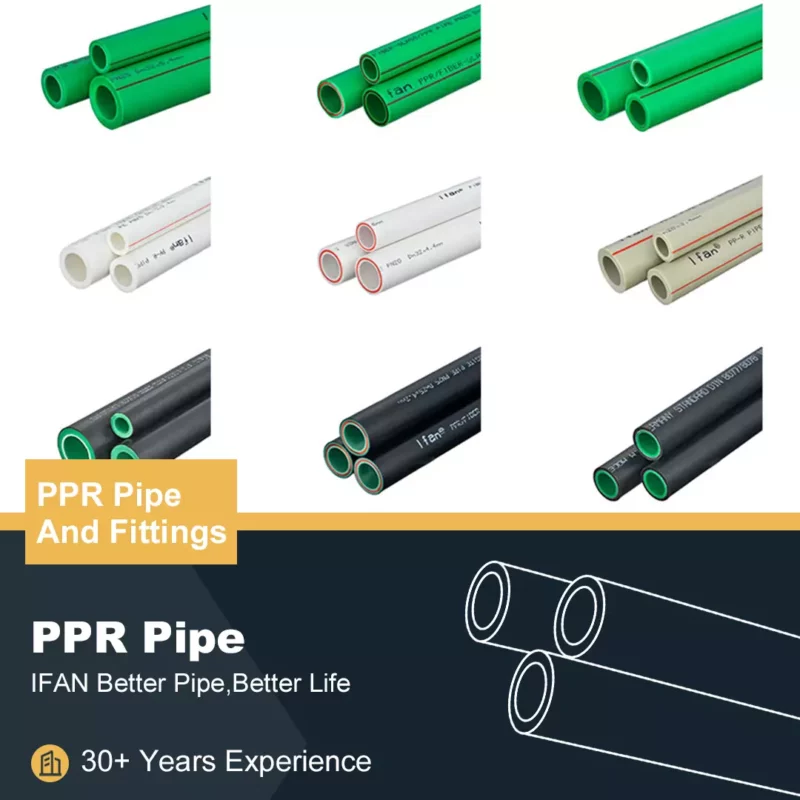
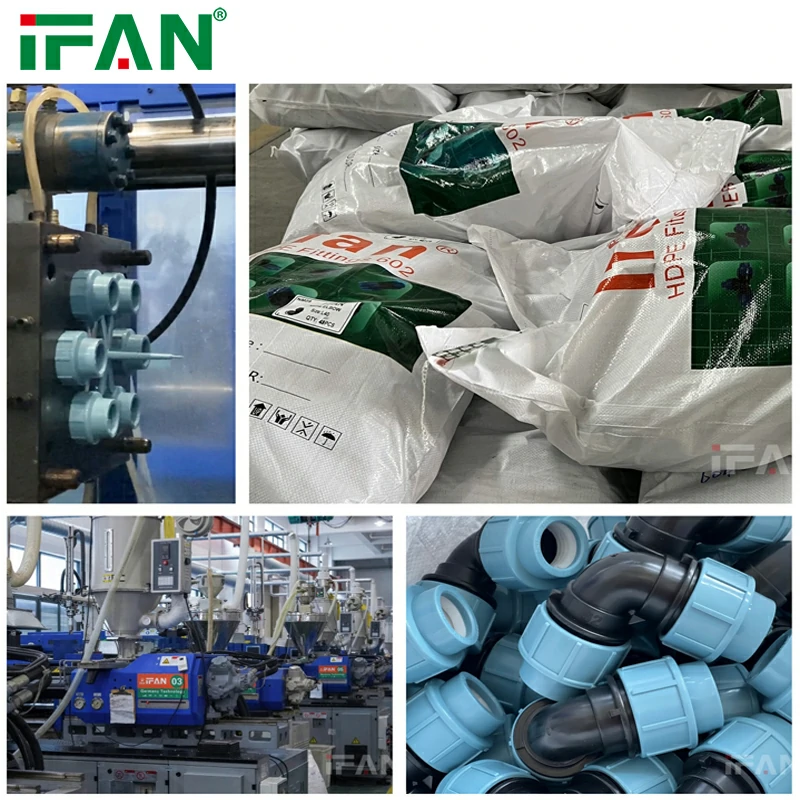
HDPE pipe fittings are connectors made from high-density polyethylene, a robust thermoplastic polymer. These fittings are used to join HDPE pipes together, ensuring secure and leak-proof connections. The fittings are available in various shapes and sizes, including elbows, tees, couplings, and flanges, and are designed to meet the specific needs of different piping systems. HDPE pipe fittings are widely used in industries such as water supply, irrigation, gas distribution, and wastewater management.
The unique properties of HDPE, such as its high strength-to-density ratio and resistance to corrosion, make it the ideal material for pipe fittings in both residential and industrial settings. HDPE fittings ensure a reliable and durable connection that can withstand various environmental stresses.
2. Key Benefits of HDPE Pipe Fitting
HDPE pipe fittings offer several key advantages that make them the preferred choice for a wide range of applications. These benefits include:
- Corrosion Resistance: Unlike metal pipes, HDPE pipe fittings are resistant to rust and corrosion. This makes them an excellent choice for applications in water and wastewater systems, where exposure to moisture is common.
- Durability: HDPE is known for its exceptional strength and longevity. Pipe fittings made from HDPE can last for decades, even under extreme conditions. They are highly resistant to abrasion and wear, which further extends their lifespan.
- Leak-Proof Connections: HDPE fittings provide reliable and leak-free connections when installed correctly. The material’s flexibility allows it to form tight seals, preventing any water or gas leaks that could lead to system failures.
- Lightweight: HDPE pipe fitting are lightweight, making them easier to handle and install compared to metal alternatives. This reduces labor costs and installation time, which is particularly beneficial in large-scale projects.
- Chemical Resistance: HDPE fittings are resistant to a wide range of chemicals, making them suitable for industrial applications where exposure to harsh substances is common. This makes them ideal for use in chemical plants, mining operations, and other environments where chemical compatibility is crucial.
3. Types of HDPE Pipe Fittings
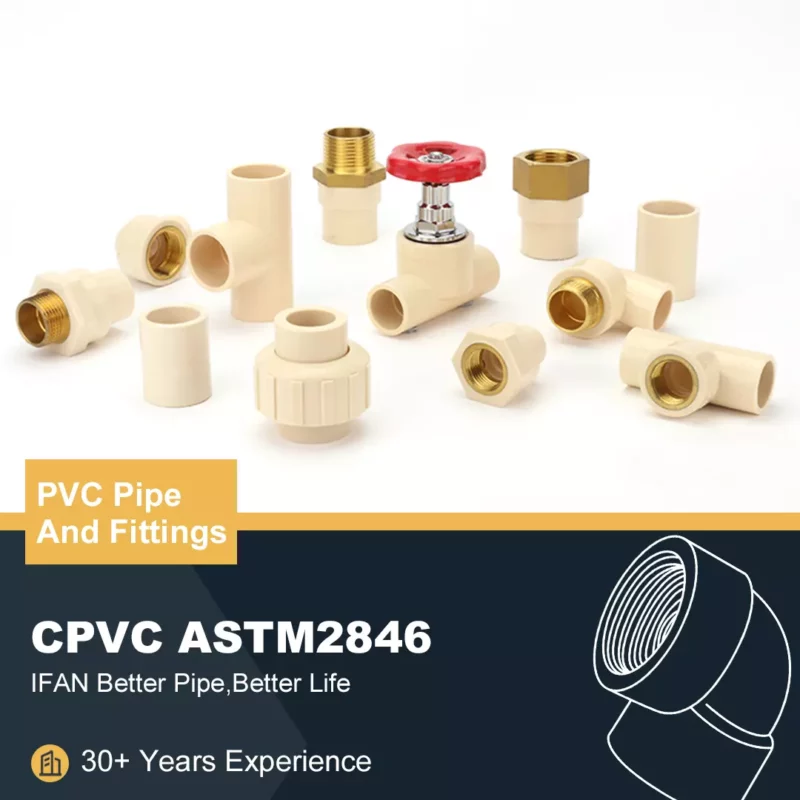
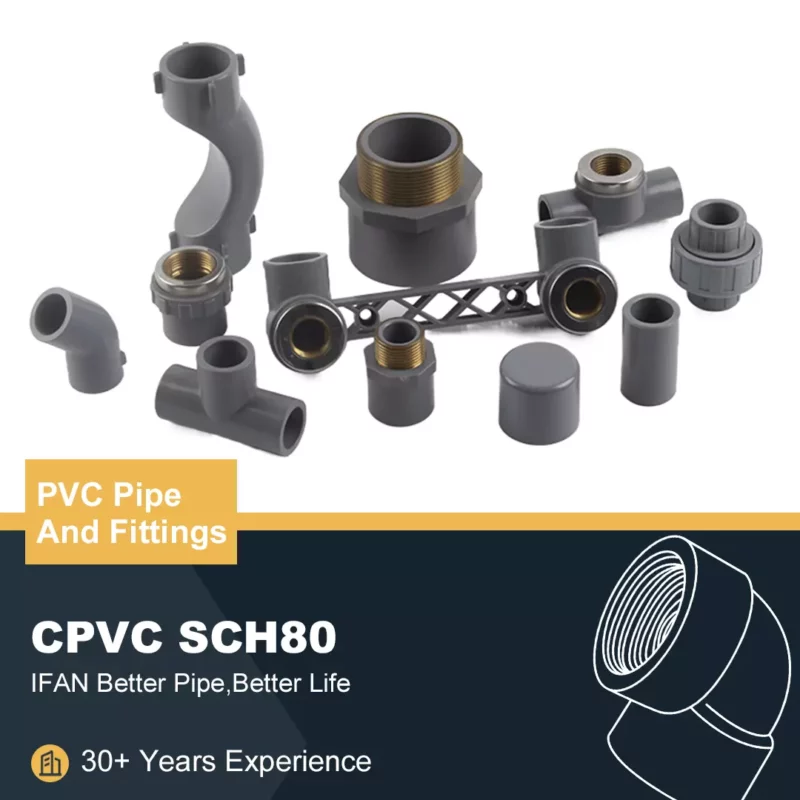
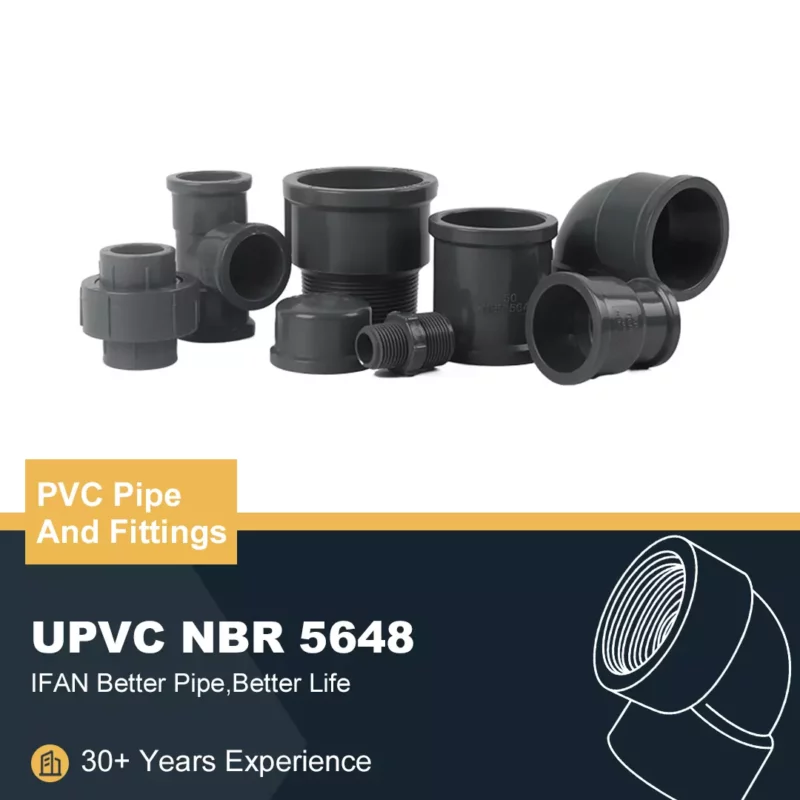
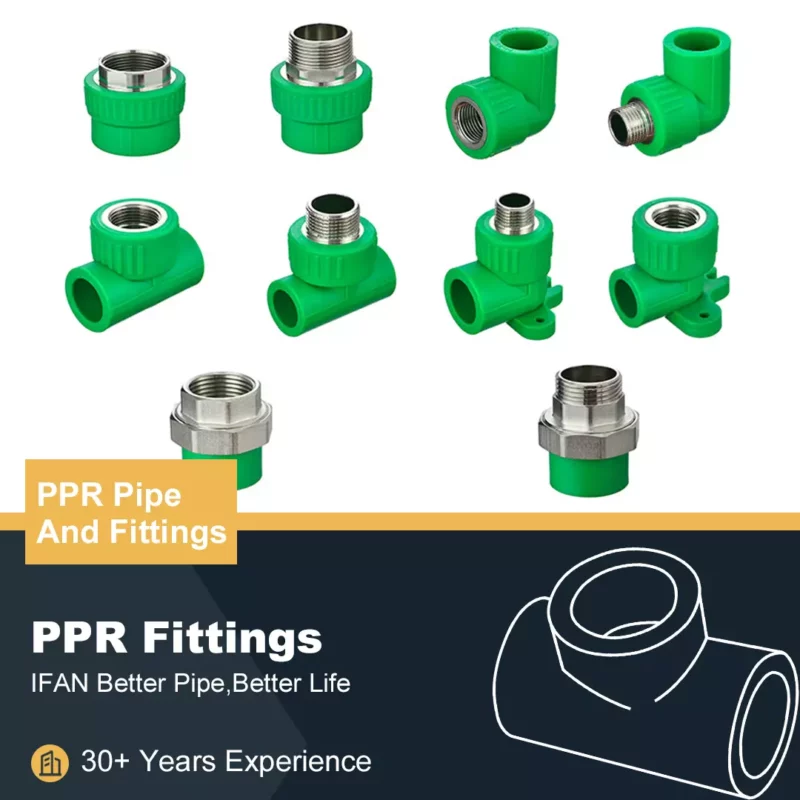
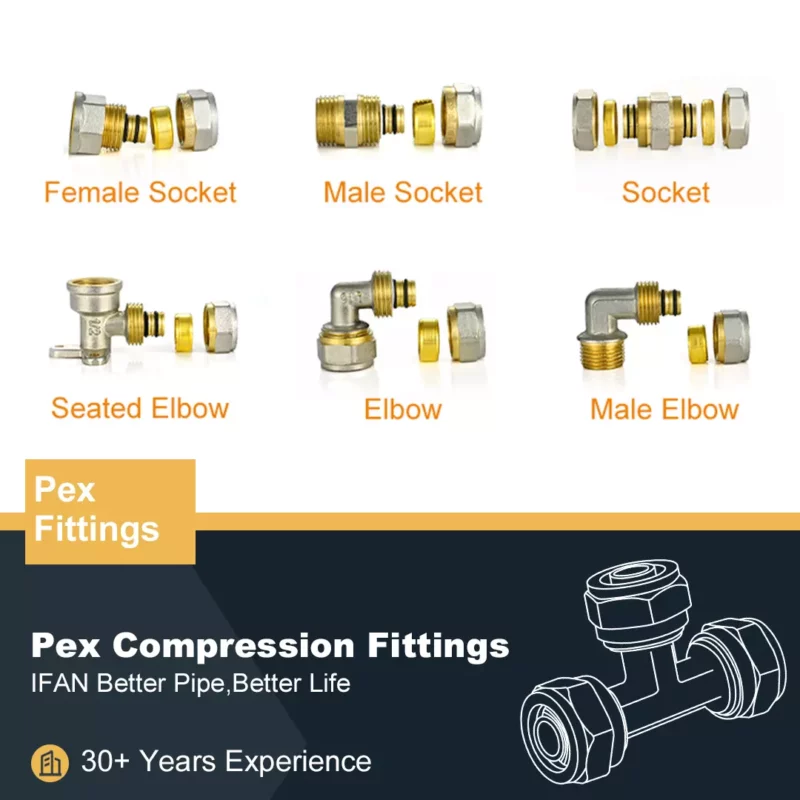
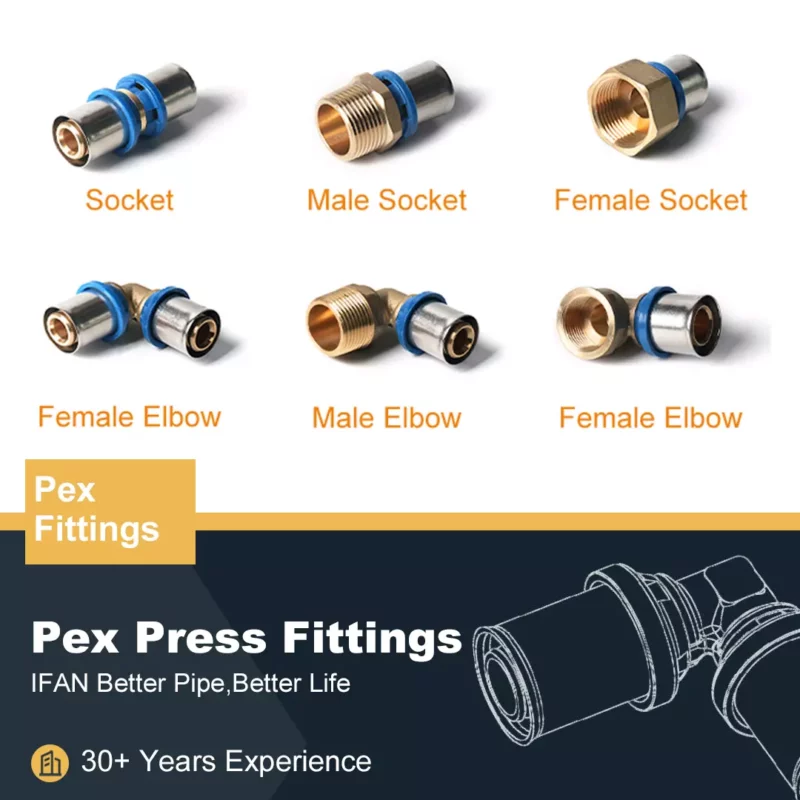
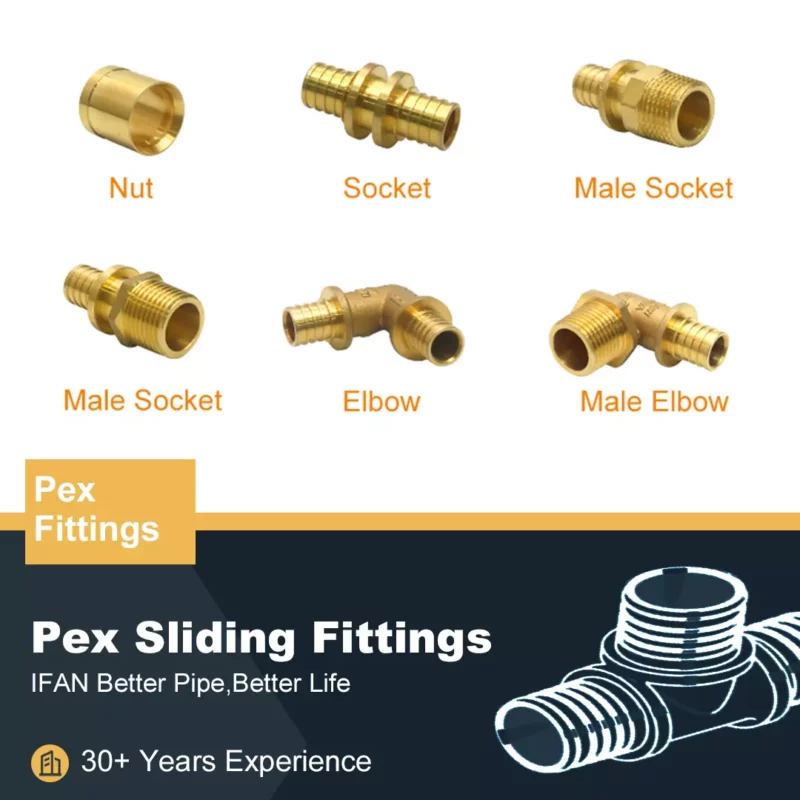
HDPE pipe fitting come in a variety of types, each designed for specific uses in different plumbing and piping systems. Some of the most common types of HDPE pipe fitting include:
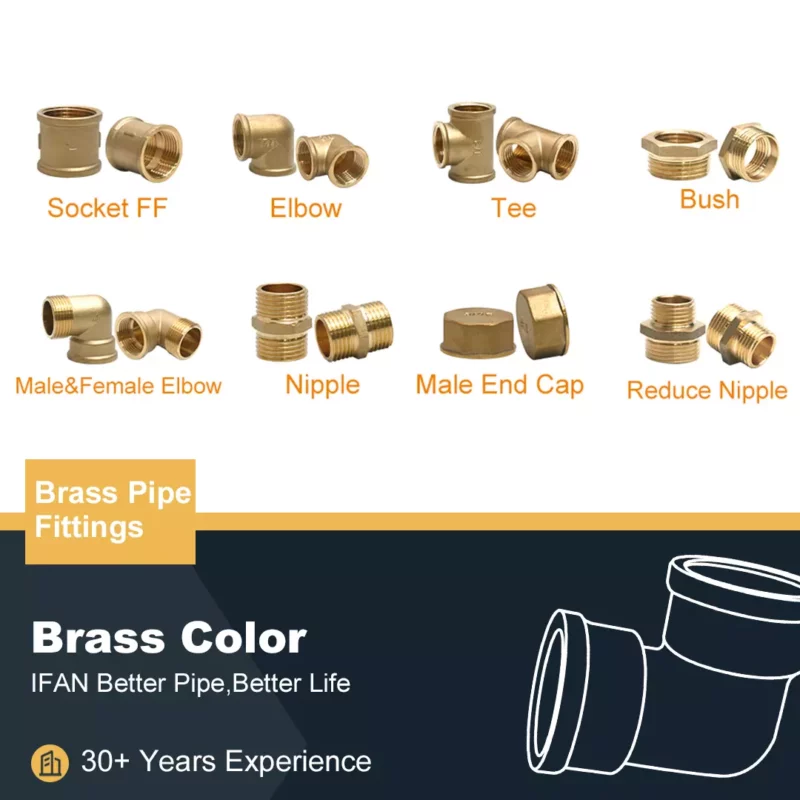
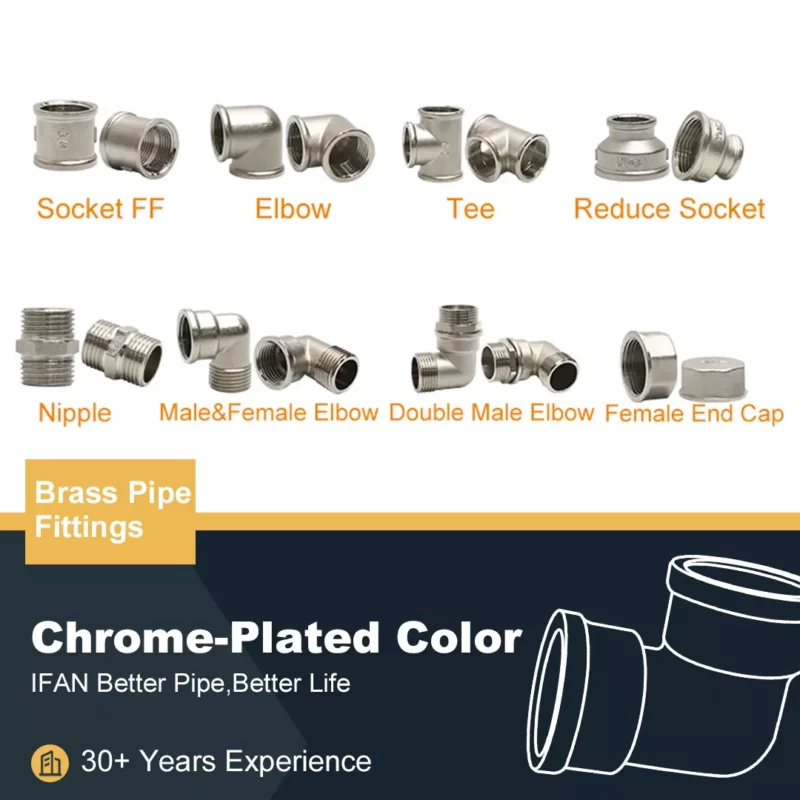
- Elbow Fittings: These fittings allow for a change in direction of the pipe. Elbow fittings are available in 45°, 90°, and 180° angles, and they help in redirecting the flow of fluid or gas within a system.
- Couplings: Couplings are used to connect two sections of HDPE pipes, ensuring a secure and leak-free joint. These fittings are available in various sizes and configurations, including straight and reducing couplings.
- Tees: Tee fittings are used to branch off from a main pipeline. They allow for the connection of multiple pipes, forming a T-shape. Tees are commonly used in water distribution systems, irrigation networks, and plumbing systems.
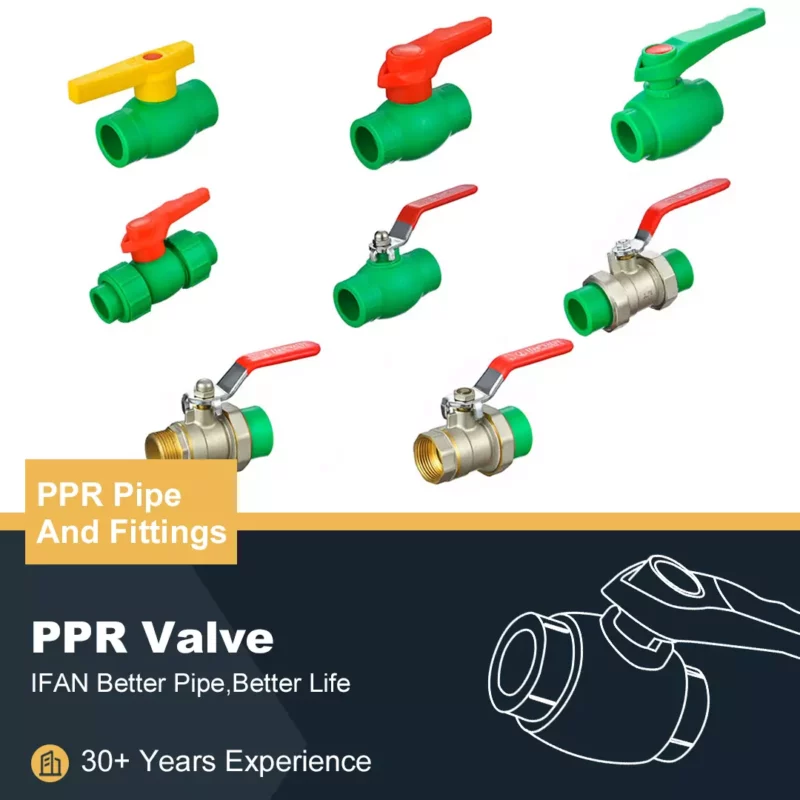
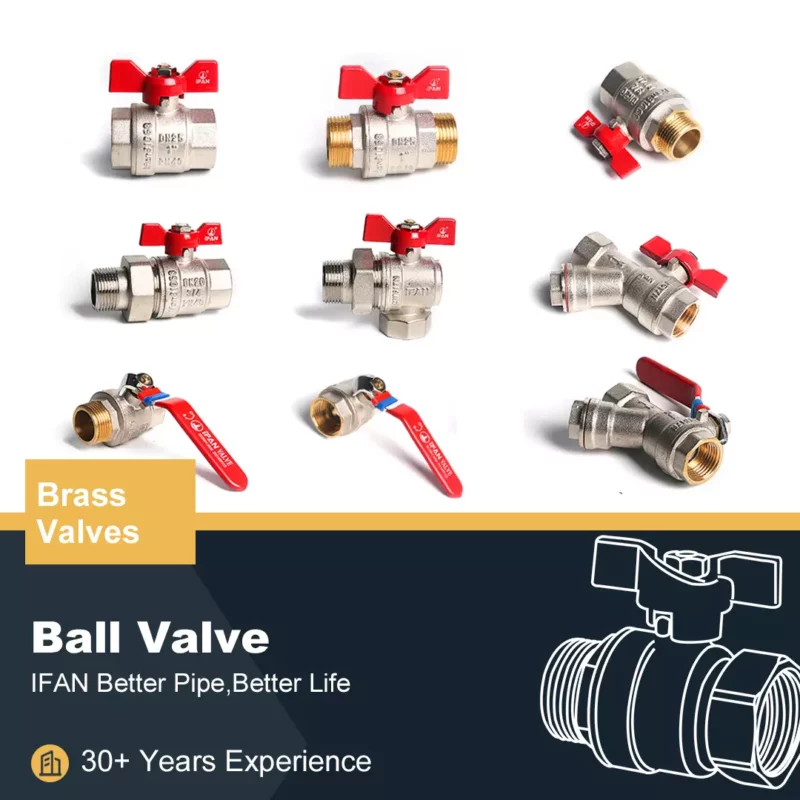
- Flanges: Flange fittings are used to connect HDPE pipes to other materials, such as metal or PVC pipes, or to connect the pipes to valves or pumps. Flanges provide a strong and secure connection that can be easily disassembled for maintenance.
- Reducers: Reducer fittings are used to connect pipes of different diameters. They are often used in systems where there is a need to reduce the flow of fluid or gas through the pipeline, ensuring optimal flow rates.
4. Applications of HDPE Pipe Fitting
HDPE pipe fittings are used in a variety of industries and applications due to their versatility and durability. Some of the most common applications include:
- Water Supply Systems: HDPE pipe fittings are widely used in municipal water distribution networks. Their resistance to corrosion and durability ensures a long-lasting and reliable water supply system. The fittings are designed to handle high-pressure systems, ensuring the steady flow of water to homes, businesses, and other facilities.
- Irrigation Systems: HDPE pipe fittings are commonly used in agricultural irrigation systems. These fittings allow for the efficient distribution of water to crops, helping to conserve water and improve irrigation efficiency. HDPE fittings are resistant to chemicals and fertilizers, making them ideal for use in agricultural environments.
- Gas Distribution: HDPE pipe fittings are used in the transportation and distribution of natural gas and other gaseous substances. The fittings are highly resistant to the effects of gas corrosion and can withstand high pressure, ensuring the safe and efficient delivery of gas to homes and industries.
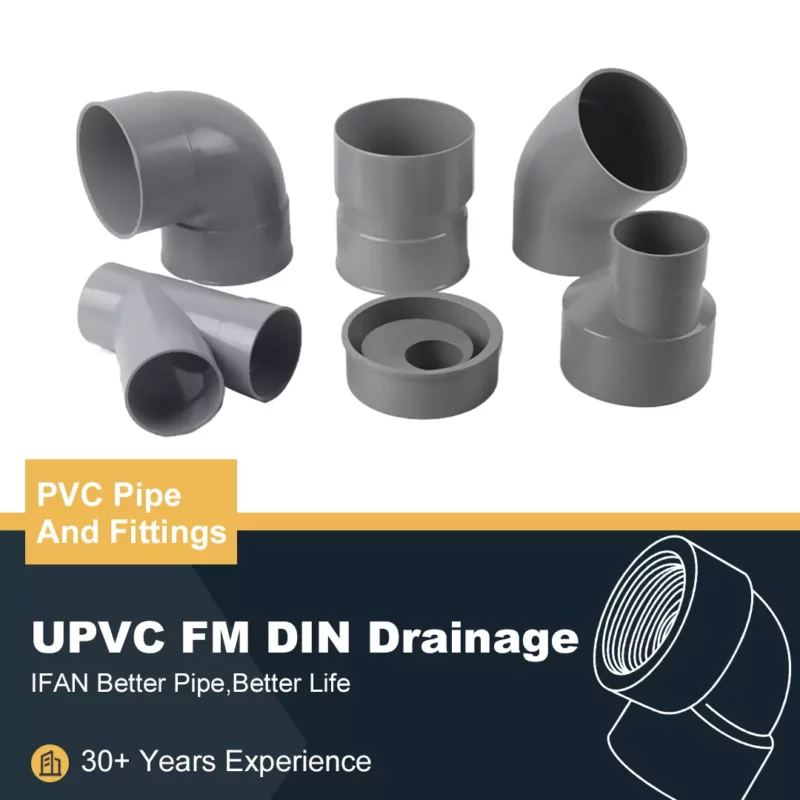
- Sewage and Wastewater Systems: In wastewater treatment and sewage systems, HDPE pipe fitting provide a reliable solution for handling corrosive substances. They are resistant to chemicals, ensuring the integrity of the system even when exposed to harmful waste products.
- Industrial Applications: HDPE pipe fittings are also used in various industrial applications, such as chemical processing plants, mining, and manufacturing. Their ability to withstand high temperatures, pressure, and chemicals makes them ideal for these demanding environments.
5. Installation and Maintenance of HDPE Pipe Fitting
The installation and maintenance of HDPE pipe fitting require careful attention to ensure long-term reliability and performance. Here are the key steps involved in the installation and maintenance process:
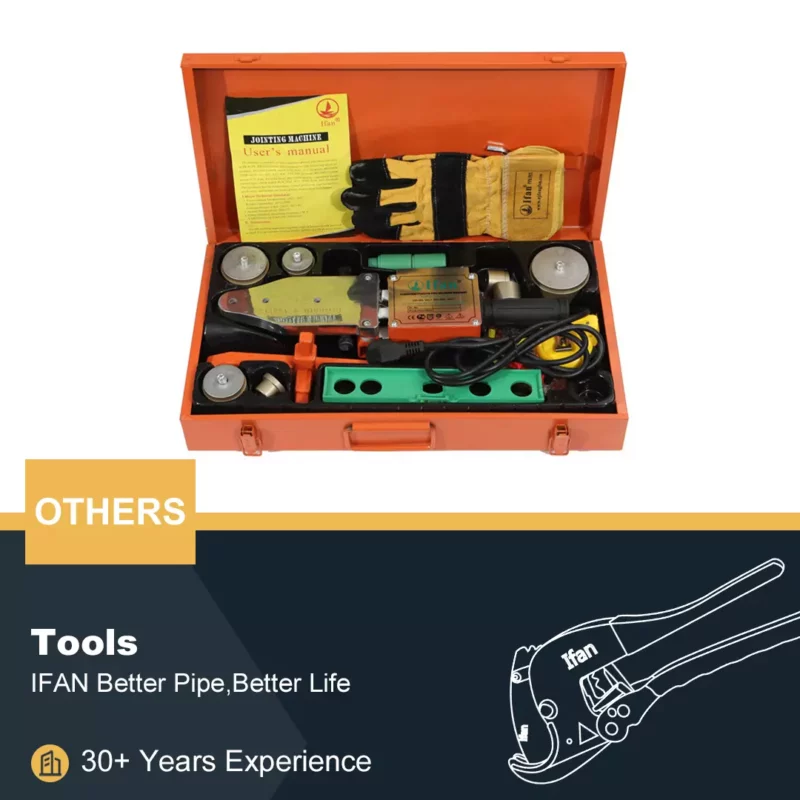
- Installation: HDPE pipe fittings are typically installed using a fusion welding technique. This involves heating the ends of the pipes and fittings to a specified temperature and then joining them together to form a permanent, leak-free connection. The process ensures that the fittings are securely attached and that no gaps or leaks are present.
- Inspection: After installation, it is essential to inspect the fittings for any visible defects, such as cracks, warping, or improper alignment. This ensures that the system will function properly and reduces the risk of future failures.
- Maintenance: HDPE pipe fitting require minimal maintenance, as they are resistant to corrosion and wear. However, periodic checks for leaks, blockages, or damage should be conducted to ensure the continued efficiency of the system. Cleaning the fittings may also be necessary to prevent the buildup of debris or sediment that could obstruct the flow of water or gas.
6. Cost-Effectiveness of HDPE Pipe Fittings
One of the major advantages of HDPE pipe fittings is their cost-effectiveness. Although HDPE fittings may have a higher upfront cost compared to traditional metal fittings, the long-term savings make them a more economical option:
- Lower Maintenance Costs: Due to their durability and resistance to corrosion, HDPE fittings require less frequent repairs and replacements. This reduces long-term maintenance costs and minimizes downtime.
- Energy Efficiency: HDPE fittings’ resistance to heat loss and thermal expansion helps maintain the efficiency of the overall system. This can lead to reduced energy consumption in systems that rely on temperature control, such as heating and cooling networks.
- Longevity: HDPE pipe fitting have a long lifespan, often exceeding Long-term durability according to standards with proper installation and maintenance. This makes them a wise investment, as their longevity reduces the need for frequent replacements.
7. Environmental Benefits of HDPE Pipe Fitting
HDPE pipe fittings are an environmentally friendly choice for plumbing and piping systems. Some of the key environmental benefits include:
- Recyclability: HDPE is fully recyclable, which helps reduce waste and the environmental impact associated with the production and disposal of pipe fittings. This makes HDPE fittings a more sustainable option compared to non-recyclable materials like PVC.
- Reduced Carbon Footprint: The manufacturing process for HDPE pipe fitting generates less carbon emissions compared to metal fittings. Additionally, the long lifespan of HDPE fittings reduces the frequency of replacements, further reducing environmental impact.
- Energy Efficiency: By minimizing heat loss and ensuring optimal flow, HDPE pipe fitting help improve the energy efficiency of systems. This leads to lower energy consumption and a reduction in greenhouse gas emissions.
8. Conclusion
HDPE pipe fittings offer strong, durable, and reliable connections for a wide range of plumbing, heating, and industrial systems. Their resistance to corrosion, durability, and flexibility make them the preferred choice for many applications, from water supply systems to industrial processes. With proper installation and minimal maintenance, HDPE pipe fitting provide long-lasting performance that can withstand the toughest environmental conditions.
In addition to their functional benefits, HDPE pipe fittings are cost-effective and environmentally friendly, offering both economic and ecological advantages. Their ability to deliver secure, leak-free connections ensures the integrity of piping systems, making them an indispensable component in modern infrastructure.
Whether you’re installing a new system or upgrading an existing one, HDPE pipe fittings are a reliable and sustainable solution that will serve you well for many years to come.
If you have read this article and have any questions, please feel free to contact IFAN. Below is our contact information:
Whatsapp:+86 13373827623
Email:[email protected]