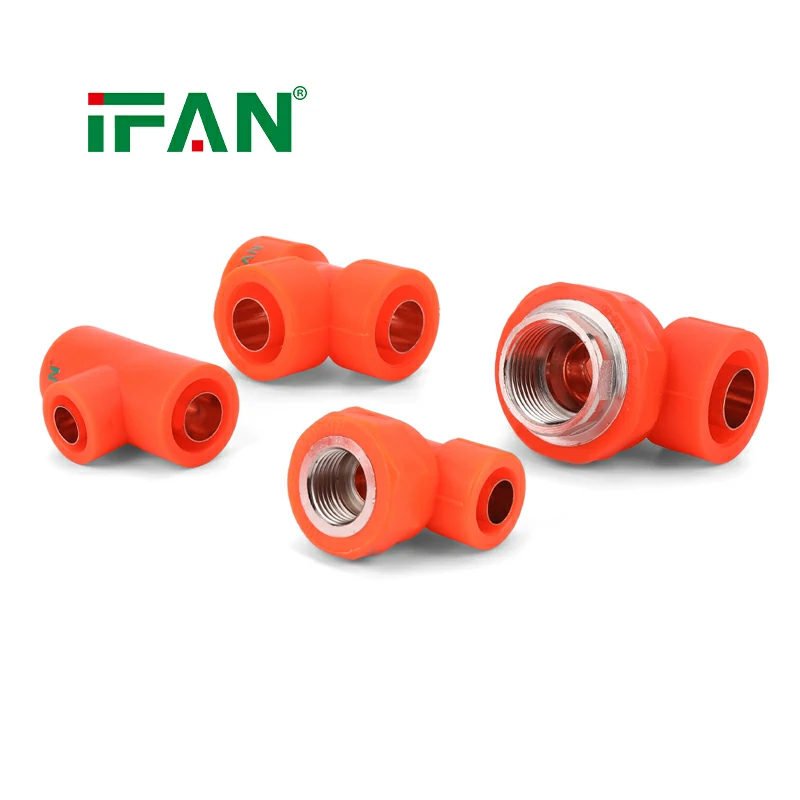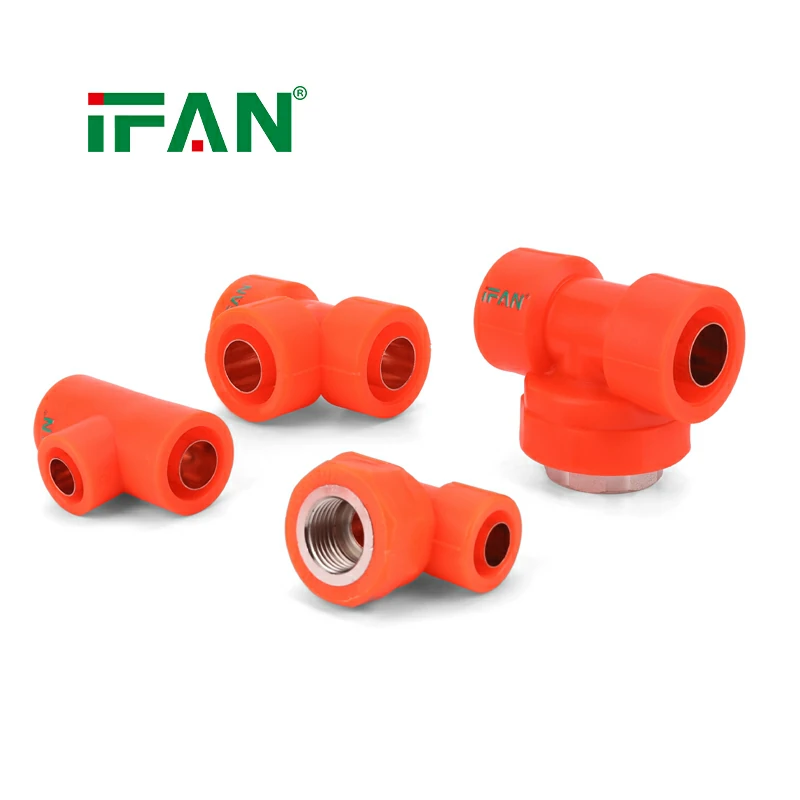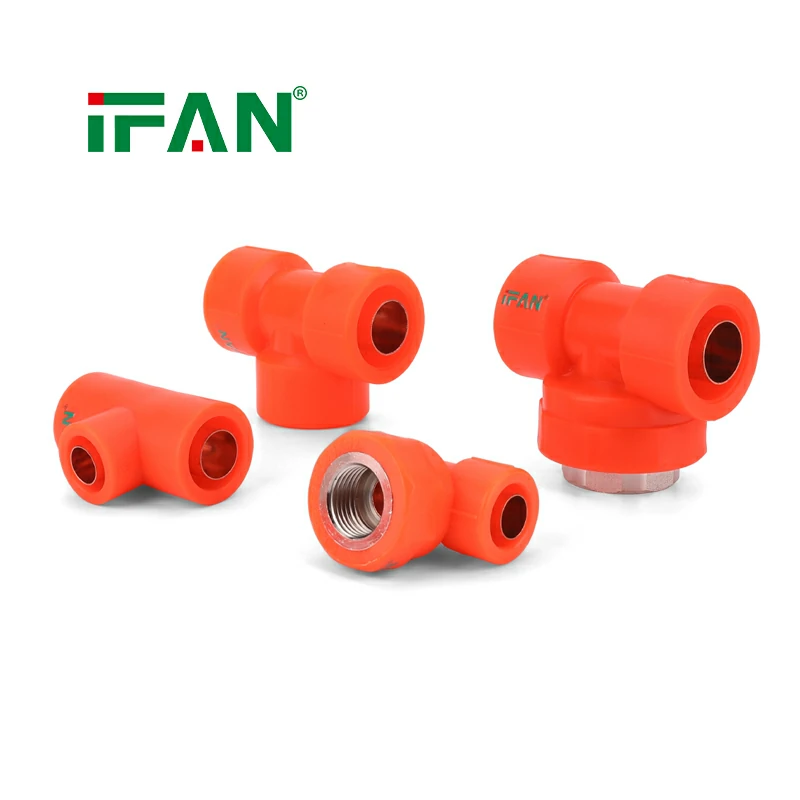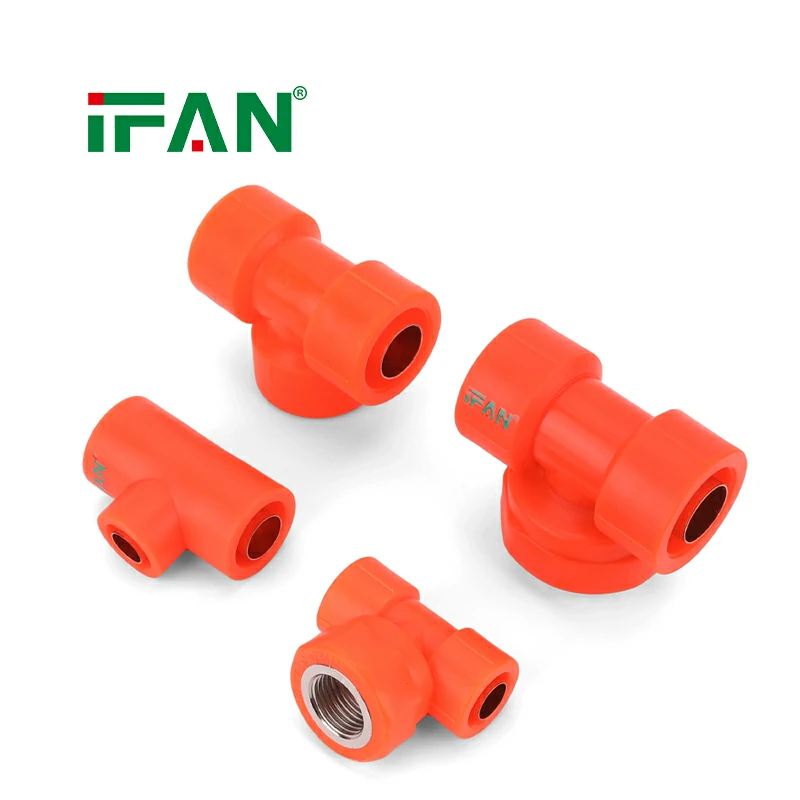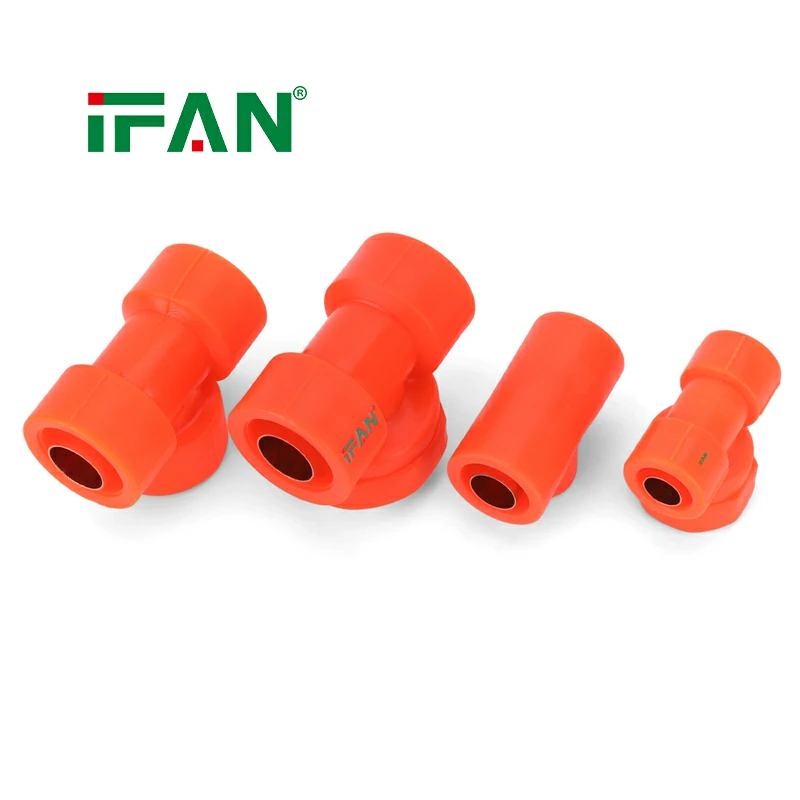
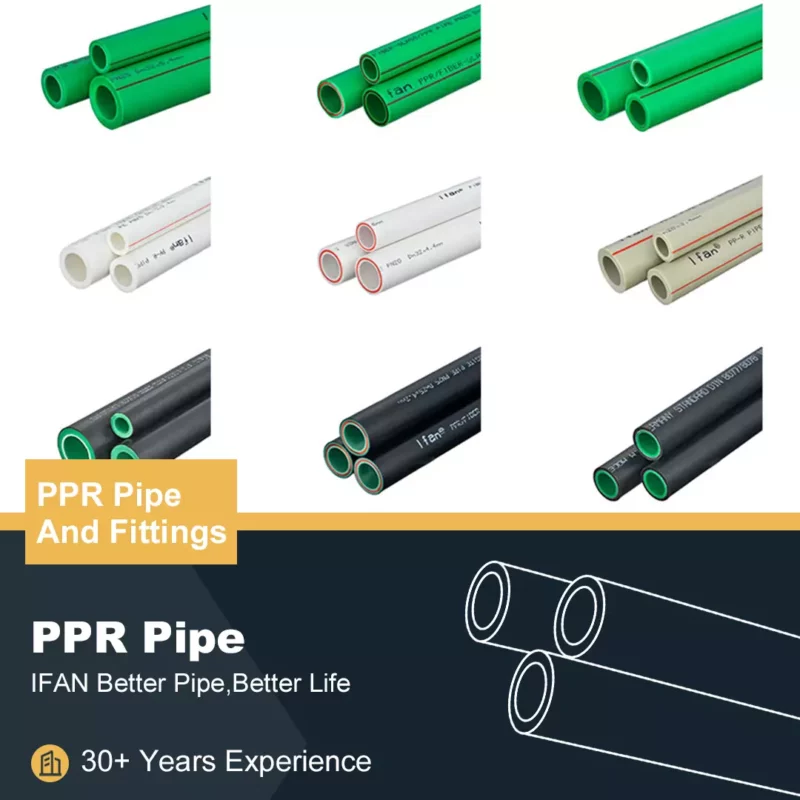
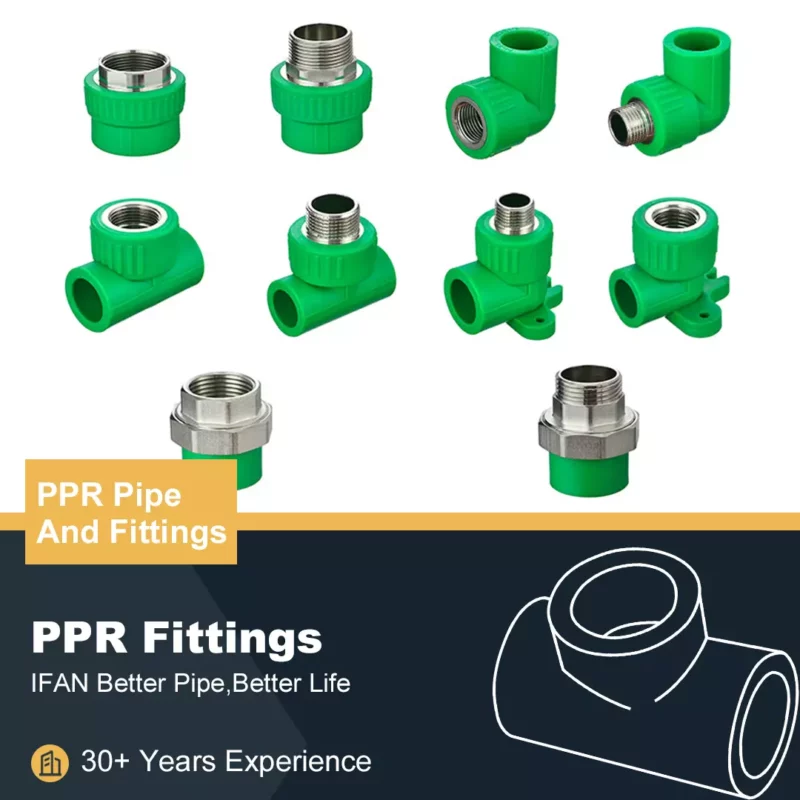
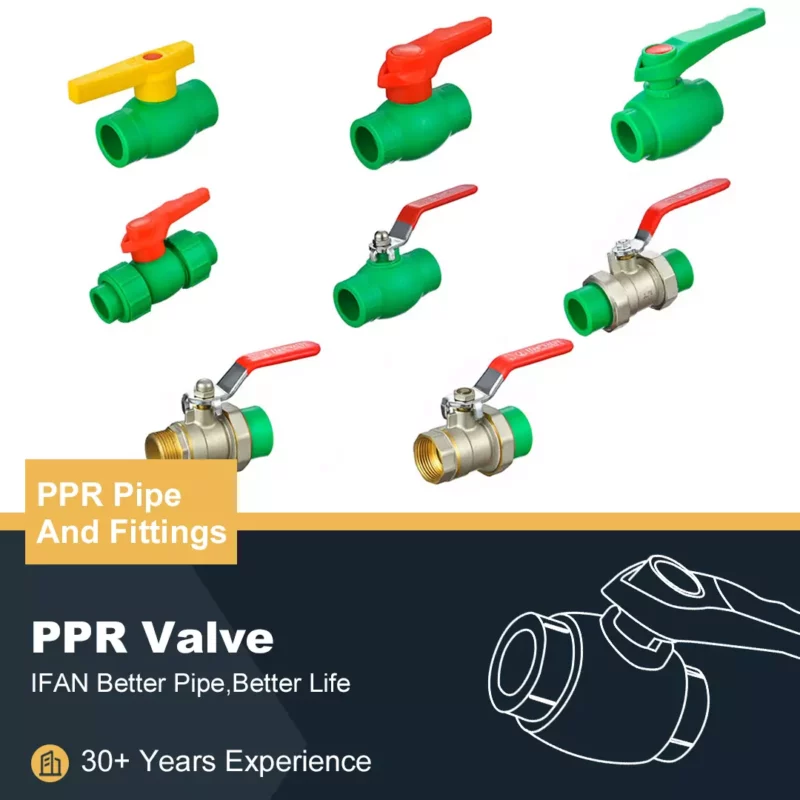
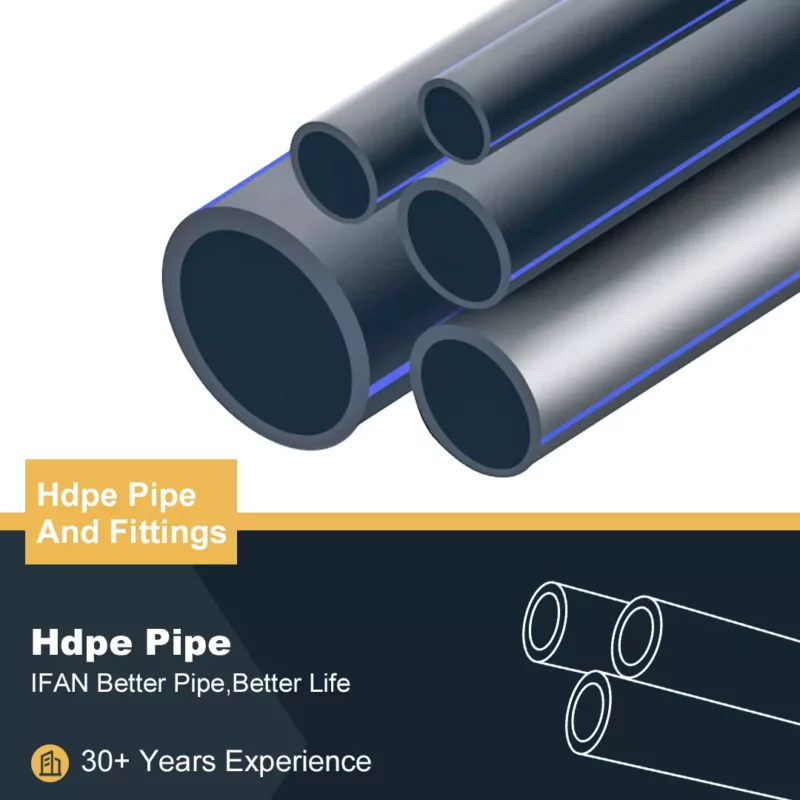
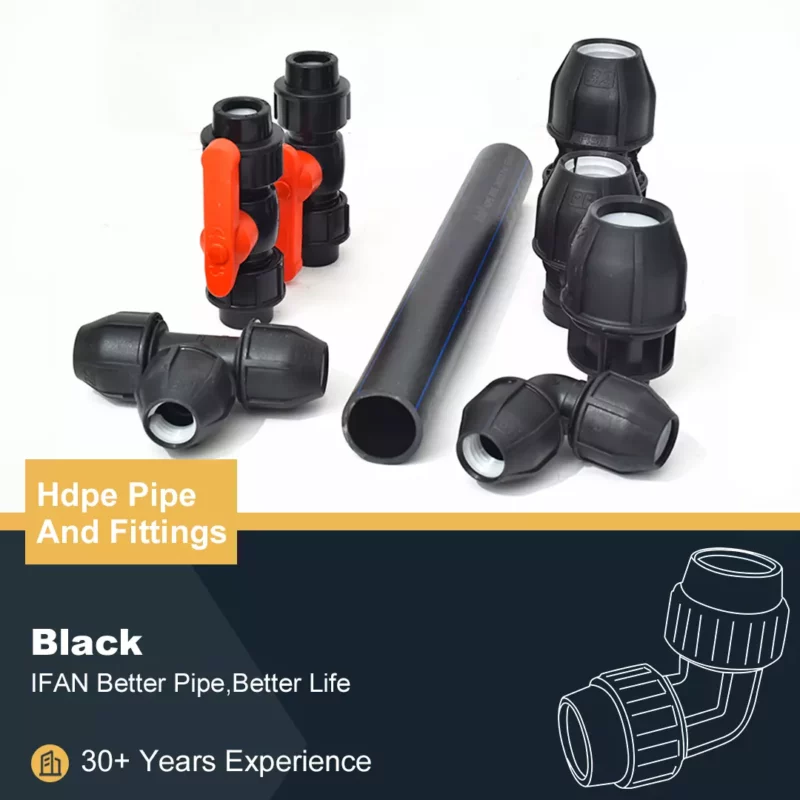
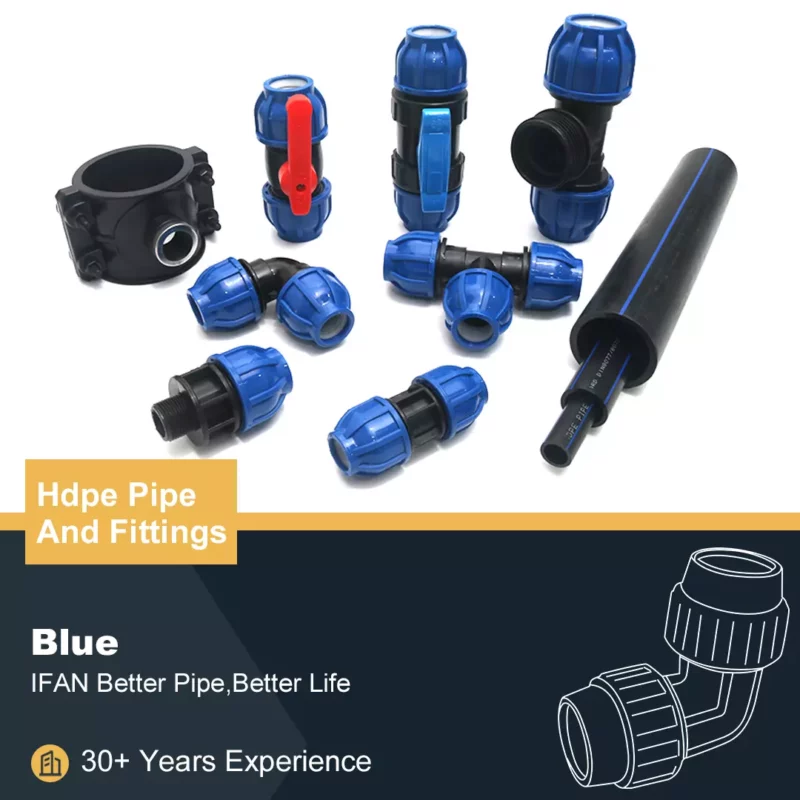
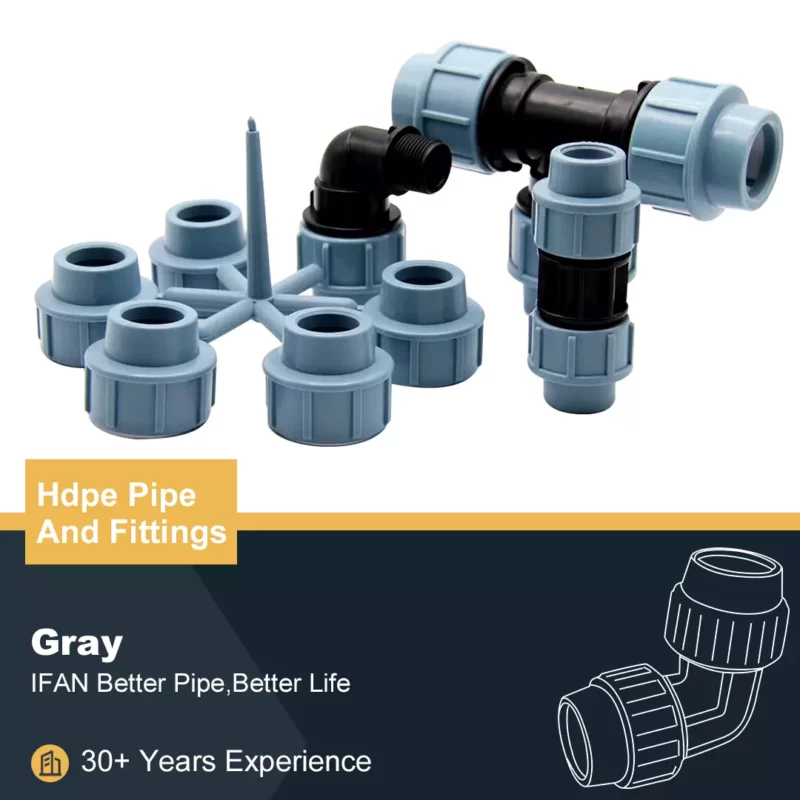

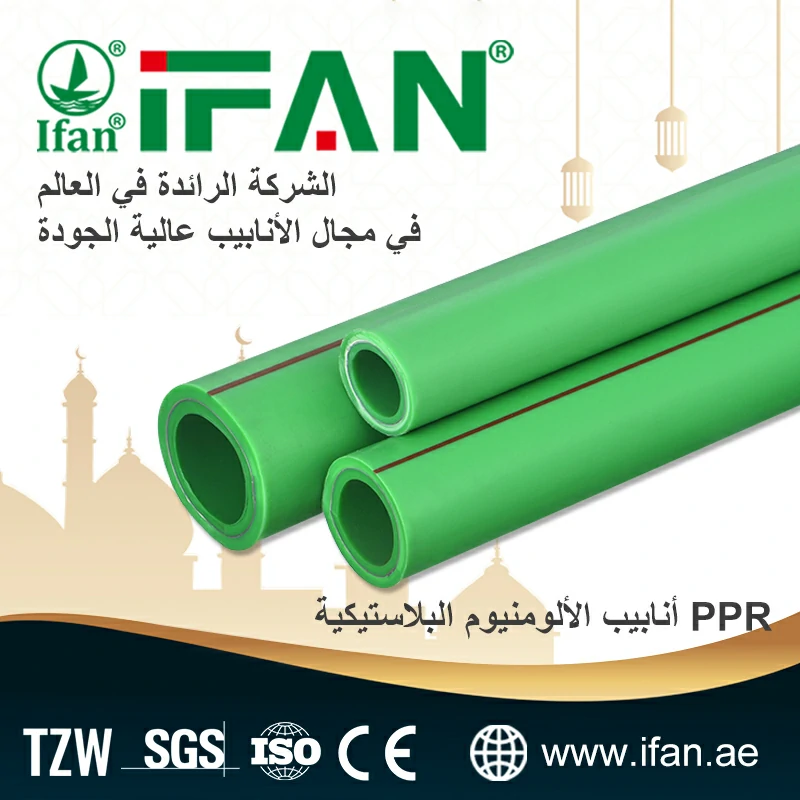
PPR pipes (Polypropylene Random Copolymer) are widely used in modern plumbing and heating systems. Known for their excellent thermal insulation properties, PPR pipes provide efficient heat retention, making them a popular choice in both residential and industrial applications. This article explores the thermal insulation properties of PPR pipes, their advantages, and the reasons they are increasingly favored in hot water distribution systems.
1. What are PPR Pipes?
PPR pipes are a type of plastic pipe made from polypropylene random copolymer. These pipes are commonly used for transporting hot and cold water in residential, commercial, and industrial settings. PPR pipes are durable, lightweight, and resistant to corrosion. They are often used in heating systems, hot water plumbing, and cooling systems.
One of the standout features of PPR pipes is their ability to resist temperature variations. They maintain the internal temperature of the water or fluid inside, making them ideal for hot water distribution systems. The superior thermal insulation properties of PPR pipes are a key factor in their growing popularity.
2. Thermal Insulation Characteristics of PPR Pipes
PPR pipes are known for their excellent thermal insulation capabilities. The key reasons for their superior insulation properties include:
- Low Thermal Conductivity: PPR pipes have low thermal conductivity, meaning they are poor conductors of heat. This prevents heat from escaping or entering the pipe, ensuring that the water inside remains at the desired temperature for longer periods.
- Minimal Heat Loss: The structure of PPR pipes is such that they reduce the heat loss that typically occurs in conventional metal pipes. As a result, PPR pipes help in maintaining a consistent water temperature, which is crucial for energy efficiency.
- Resistance to Heat Transfer: PPR pipes are designed to resist the transfer of heat. They have a high insulating effect that helps to minimize energy loss in hot water systems. This feature is particularly important in applications where temperature control is critical, such as in radiant heating systems and domestic hot water systems.
3. Benefits of Superior Thermal Insulation
The thermal insulation properties of PPR pipes offer numerous benefits for plumbing and heating systems. These include:
- Energy Efficiency: By reducing heat loss, PPR pipes help improve the energy efficiency of heating systems. This is particularly important in applications like underfloor heating, where maintaining a consistent temperature is key to reducing energy consumption. Lower heat loss translates into lower energy costs, making PPR pipes a cost-effective option.
- Reduced Condensation: Since PPR pipes prevent heat from escaping or entering the system, they also reduce the risk of condensation on the exterior of the pipes. This is particularly beneficial in environments with high humidity levels or where there are significant temperature fluctuations.
- Stable Temperature Control: PPR pipes are ideal for systems that require consistent temperature control, such as in hot water distribution or industrial processes. The ability of PPR pipes to retain heat ensures that the water or fluid inside remains at the desired temperature for an extended period.
- Comfortable Living Conditions: In residential applications, PPR pipes ensure that hot water remains at an optimal temperature, providing comfort and convenience for the users. The insulating properties of PPR pipes allow for a steady supply of hot water without significant fluctuations in temperature.
4. Applications of PPR Pipes with Thermal Insulation Benefits
The thermal insulation properties of PPR pipes make them suitable for a wide range of applications. Below are some common areas where PPR pipes are used:
- Hot Water Plumbing: PPR pipes are extensively used for hot water systems in residential buildings, hotels, and industrial settings. Their ability to retain heat makes them ideal for distributing hot water without losing energy. This results in faster hot water delivery and reduced energy consumption.
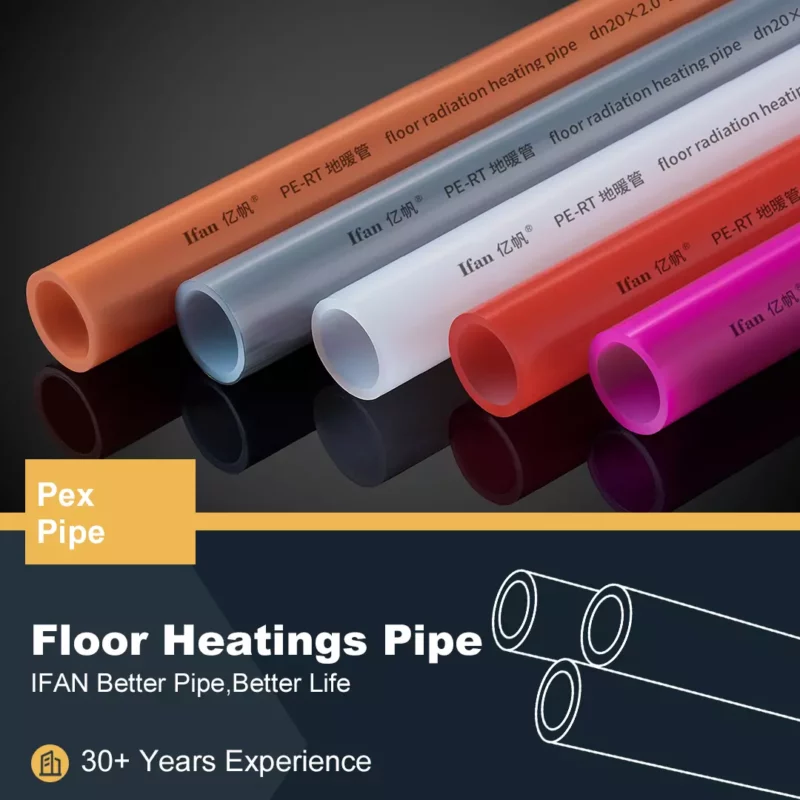
- Underfloor Heating Systems: PPR pipes are a popular choice for underfloor heating systems due to their excellent thermal insulation. These pipes effectively retain the heat generated by the system, ensuring that the floor maintains a consistent temperature for long periods, improving overall comfort.
- District Heating Systems: In larger buildings or neighborhoods, PPR pipes are used in district heating systems to distribute hot water or steam. The thermal insulation properties of these pipes ensure minimal energy loss over long distances, making them a cost-effective solution for centralized heating.
- Industrial Applications: In industries that require precise temperature control, such as food processing or chemical manufacturing, PPR pipes are used to transport hot or cold fluids. The pipes help maintain the desired temperature of the fluids, ensuring that the processes run efficiently and effectively.
5. Comparison with Other Pipe Materials
When it comes to thermal insulation, PPR pipes are often compared to other pipe materials like copper, PVC, and PEX. Here’s how PPR stands out:
- Copper Pipes: While copper pipes are durable and highly resistant to corrosion, they have a high thermal conductivity, meaning they lose heat more quickly than PPR pipes. This makes copper pipes less efficient for hot water distribution systems compared to PPR pipes, which are designed to retain heat.
- PVC Pipes: PVC pipes are commonly used for cold water applications, but they do not offer the same thermal insulation properties as PPR pipes. PVC pipes have higher thermal conductivity, which results in more heat loss and less effective temperature control.
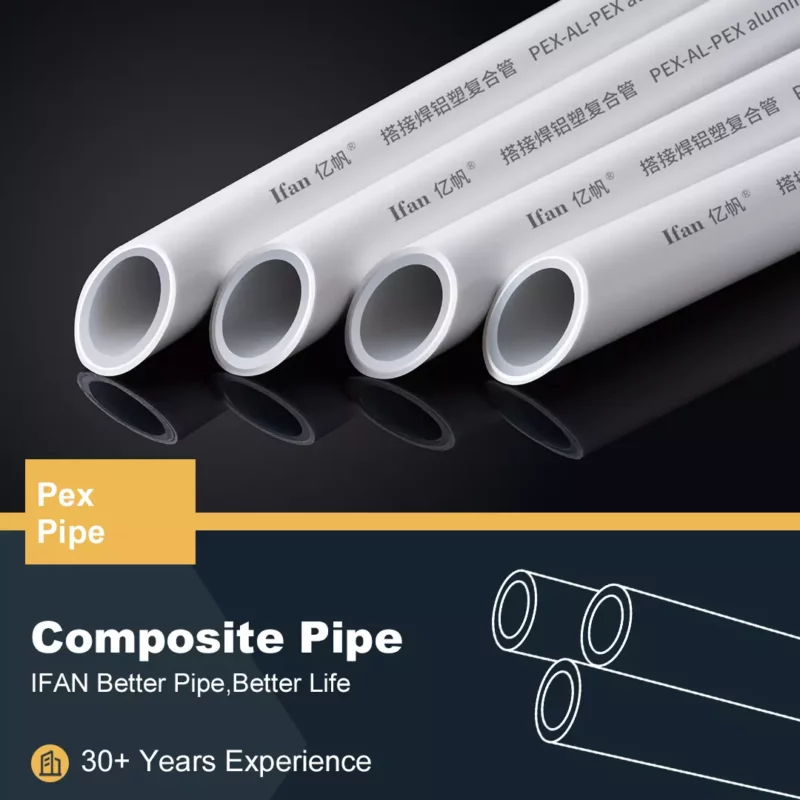
- PEX Pipes: PEX pipes are also used for hot water distribution and heating systems, and they provide some thermal insulation. However, PPR pipes generally offer superior thermal retention due to their lower thermal conductivity. Additionally, PPR pipes have higher resistance to heat and UV rays, making them more durable in various environmental conditions.
Overall, PPR pipes outperform many other materials in terms of thermal insulation, offering better energy efficiency and temperature control.
6. Installation and Maintenance of PPR Pipes
PPR pipes are easy to install and maintain, further enhancing their appeal for various plumbing and heating applications. The installation process typically involves the following steps:
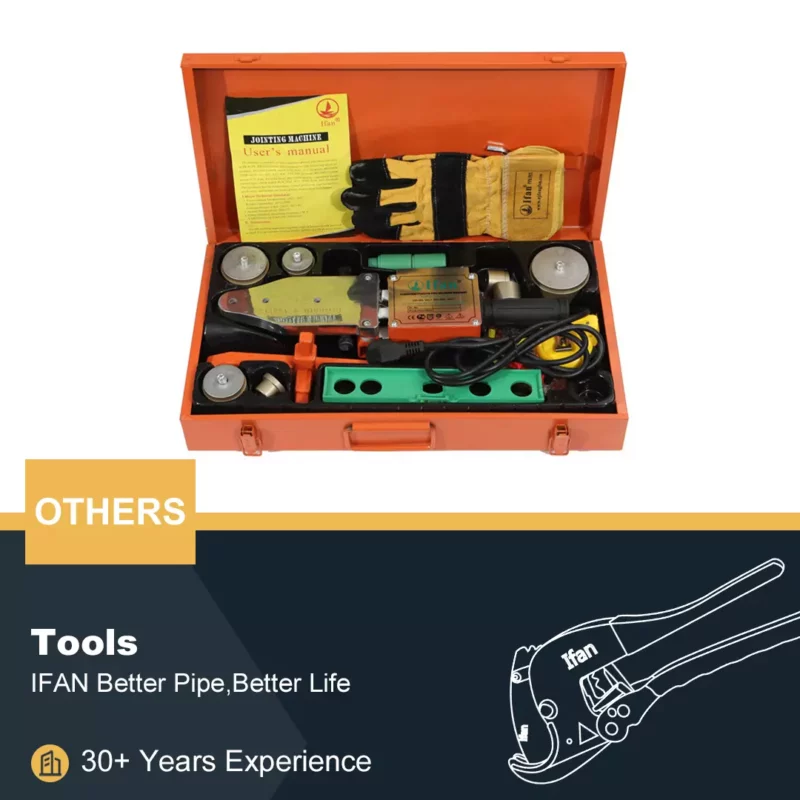
- Cutting the Pipe: PPR pipes are easily cut to the desired length using a pipe cutter. This ensures clean, precise cuts for a secure fit.
- Welding the Pipes: PPR pipes are joined using a fusion welding technique. The ends of the pipes are heated and fused together to create a strong, leak-proof connection. This welding method ensures that the joints are seamless and highly durable.
- Insulation: In some applications, additional insulation may be added to the exterior of PPR pipes to further enhance their thermal insulation. This is particularly useful in systems where energy conservation is a priority.
- Maintenance: PPR pipes require minimal maintenance. They are resistant to scaling, corrosion, and clogging, ensuring long-term performance without the need for frequent repairs. Regular inspections to check for any wear or damage are sufficient to maintain the system.
7. Cost-Effectiveness of PPR Pipes
The cost-effectiveness of PPR pipes is another key factor contributing to their popularity. Although the initial installation cost of PPR pipes may be higher than other materials like PVC, their long-term benefits outweigh the upfront cost. Here’s why:
- Energy Savings: The superior thermal insulation properties of PPR pipes reduce energy consumption in hot water systems. This translates into lower utility bills over time, making PPR pipes a cost-effective choice for homeowners and businesses alike.
- Durability and Longevity: PPR pipes are highly durable, with a lifespan of up to Long-term durability according to standards or more. Their resistance to corrosion, UV rays, and chemicals ensures that they will perform efficiently for many years without the need for frequent replacements.
- Minimal Maintenance Costs: Since PPR pipes are resistant to clogs, corrosion, and damage, they require less maintenance compared to other materials. This further reduces long-term costs, making PPR pipes a cost-effective option for both new installations and system upgrades.
8. Environmental Benefits of PPR Pipes
In addition to their cost-effectiveness, PPR pipes also offer environmental benefits. The low thermal conductivity of PPR pipes not only conserves energy but also reduces the carbon footprint of heating systems. By minimizing energy loss, PPR pipes contribute to a more sustainable and eco-friendly plumbing solution.
Furthermore, PPR pipes are fully recyclable, which helps reduce the environmental impact associated with their disposal. Their long lifespan means fewer replacements are needed, resulting in less waste over time.
9. Conclusion
PPR pipes are an excellent choice for modern plumbing and heating systems due to their superior thermal insulation properties. These pipes provide exceptional heat retention, which improves energy efficiency, reduces condensation, and maintains consistent water temperatures. The benefits of PPR pipes extend to a wide range of applications, from residential plumbing to industrial heating systems.
Compared to other pipe materials, PPR pipes offer better thermal insulation, energy savings, and cost-effectiveness. Their easy installation, low maintenance, and long lifespan make them a reliable and sustainable choice for a variety of applications.
For anyone looking to improve the energy efficiency and performance of their plumbing or heating system, PPR pipes provide an ideal solution that combines durability, reliability, and environmental friendliness.
If you have read this article and have any questions, please feel free to contact IFAN. Below is our contact information:
Whatsapp:+86 13373827623
Email:[email protected]