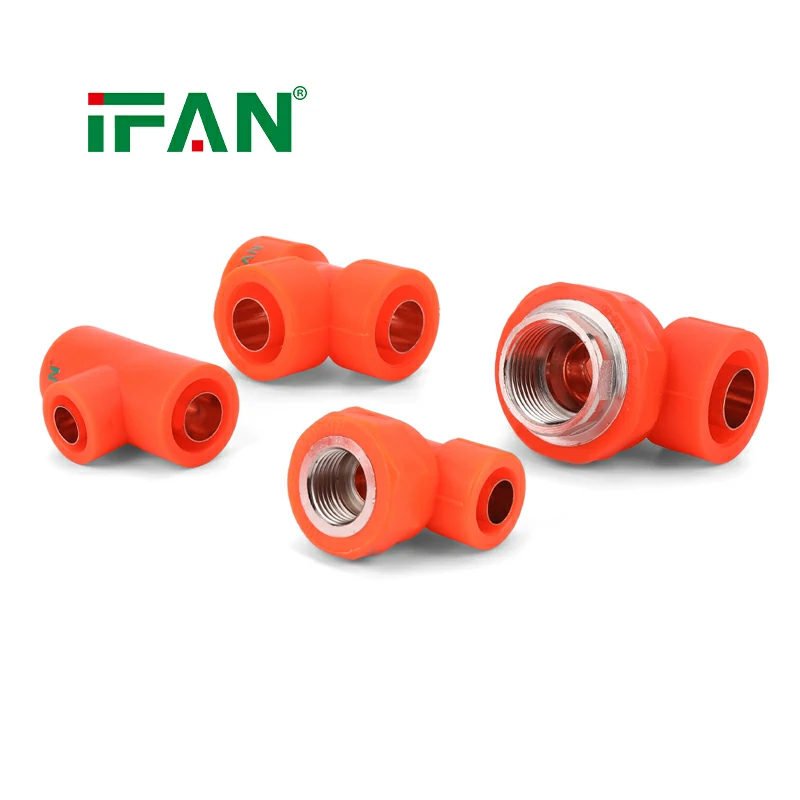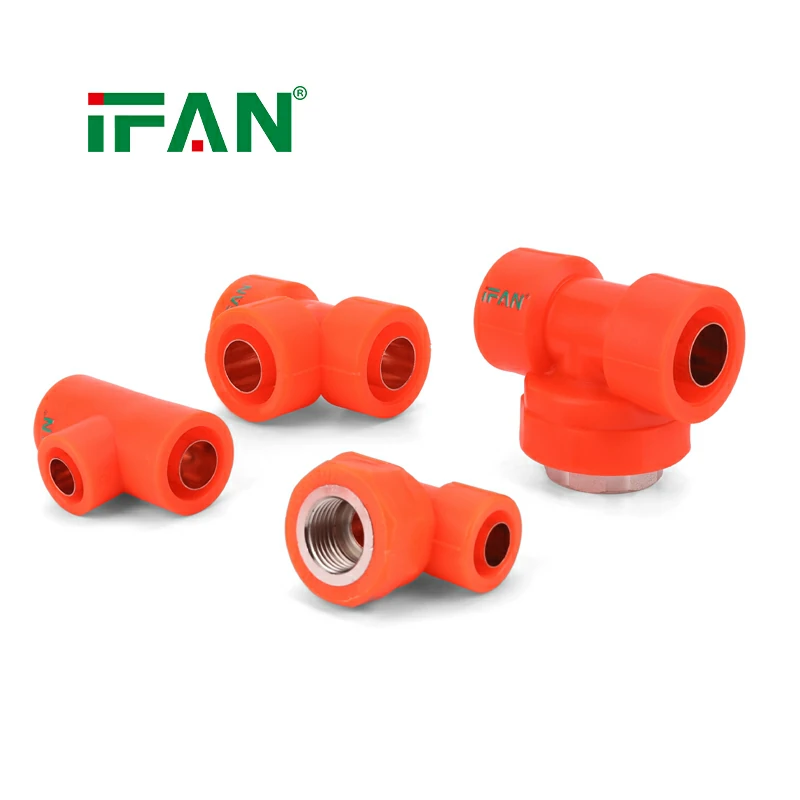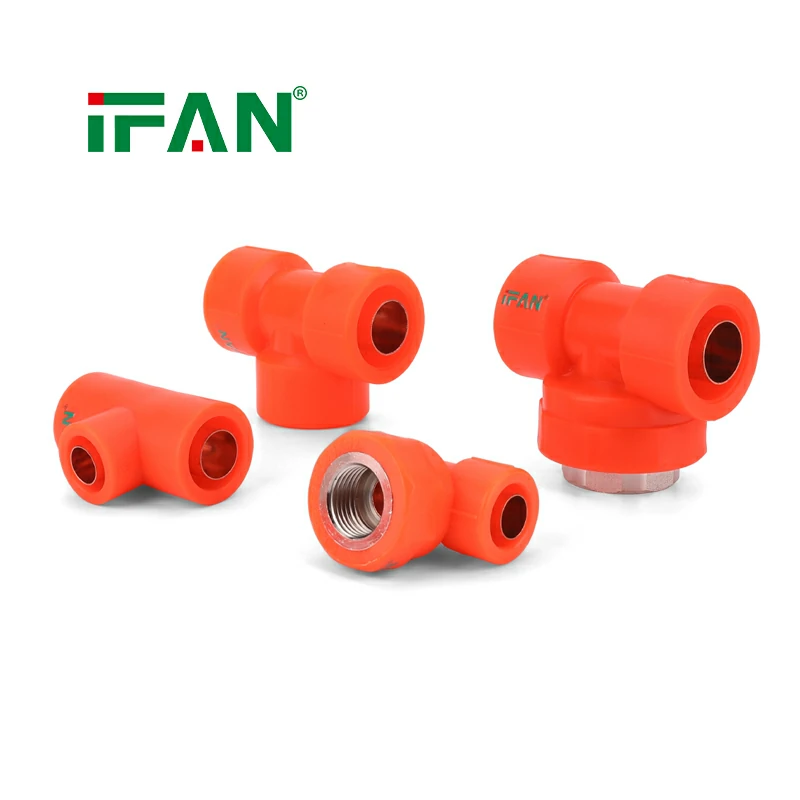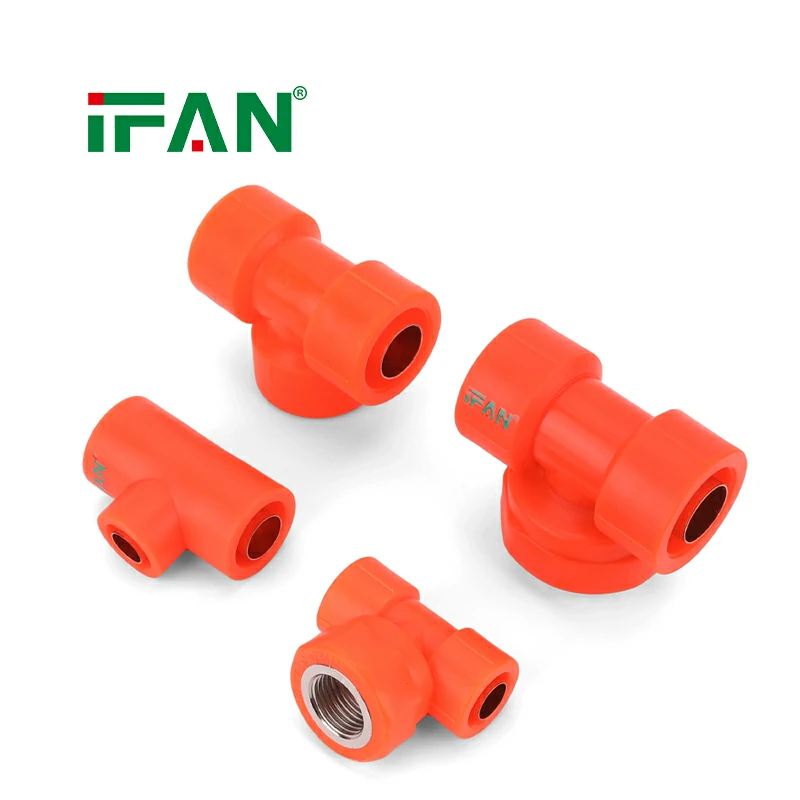
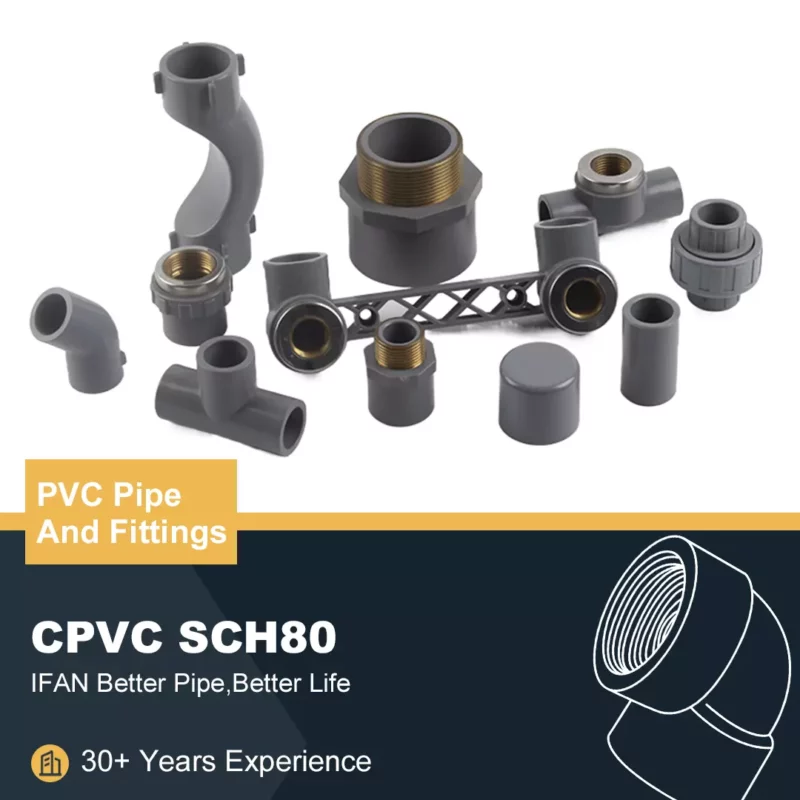
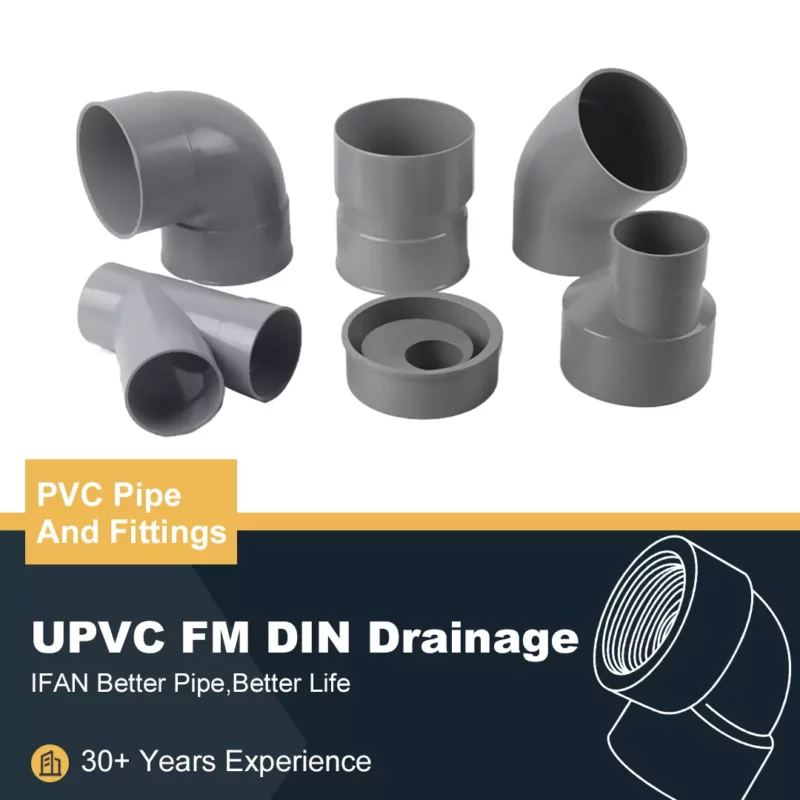
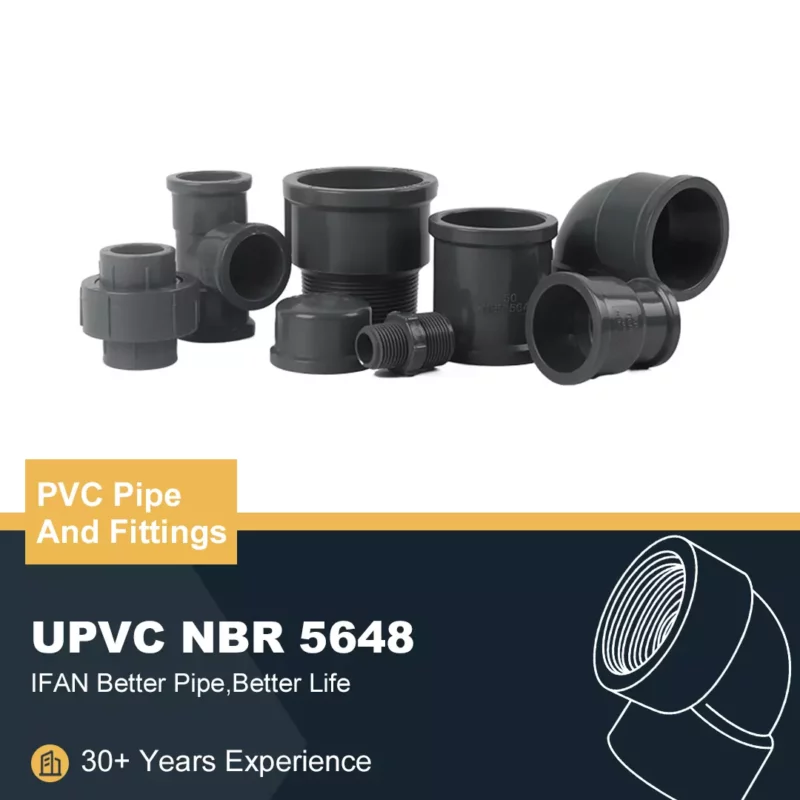
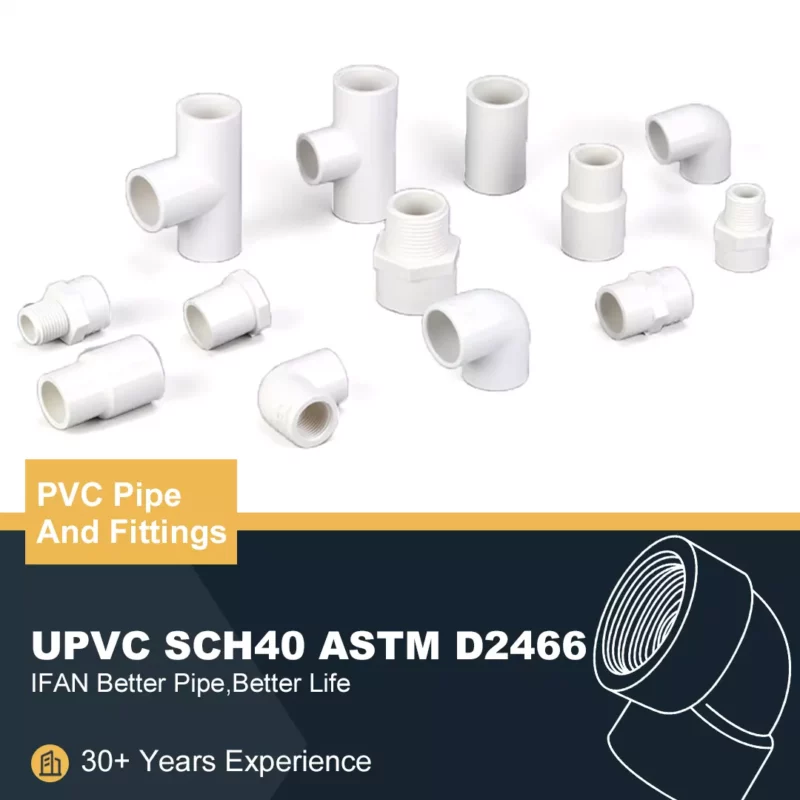
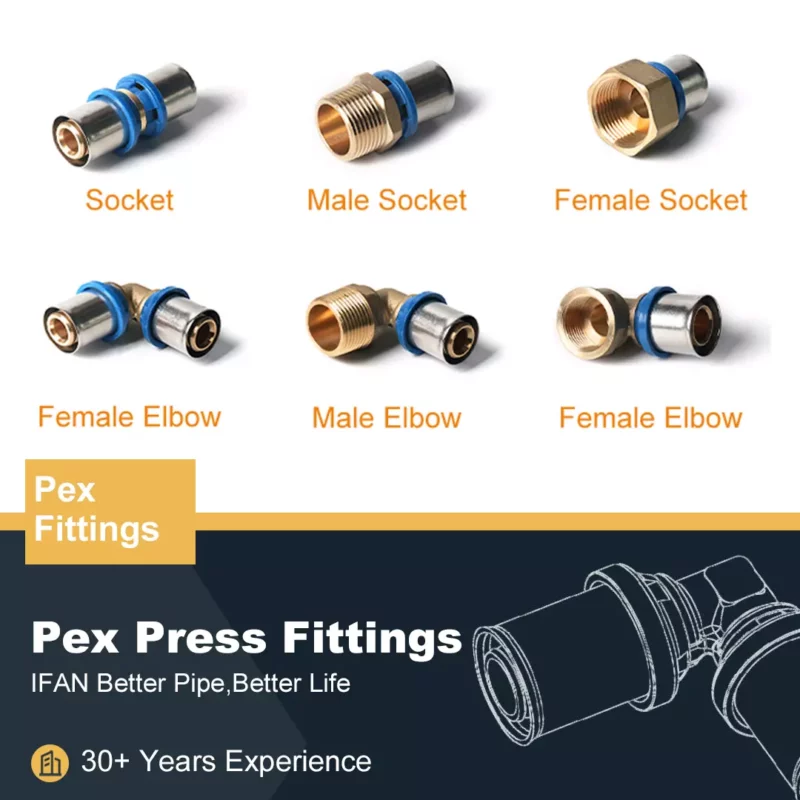
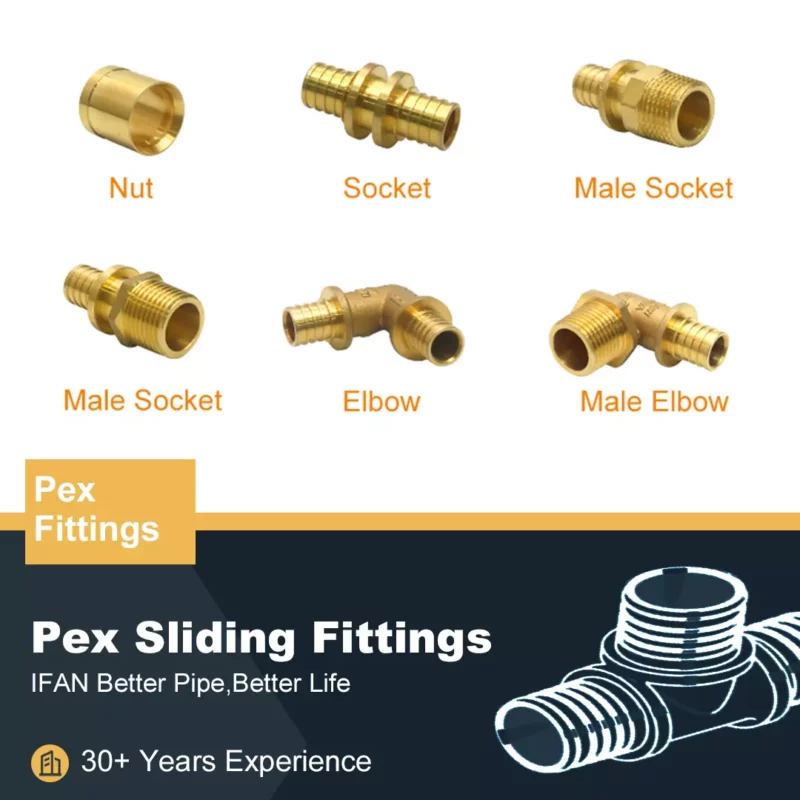
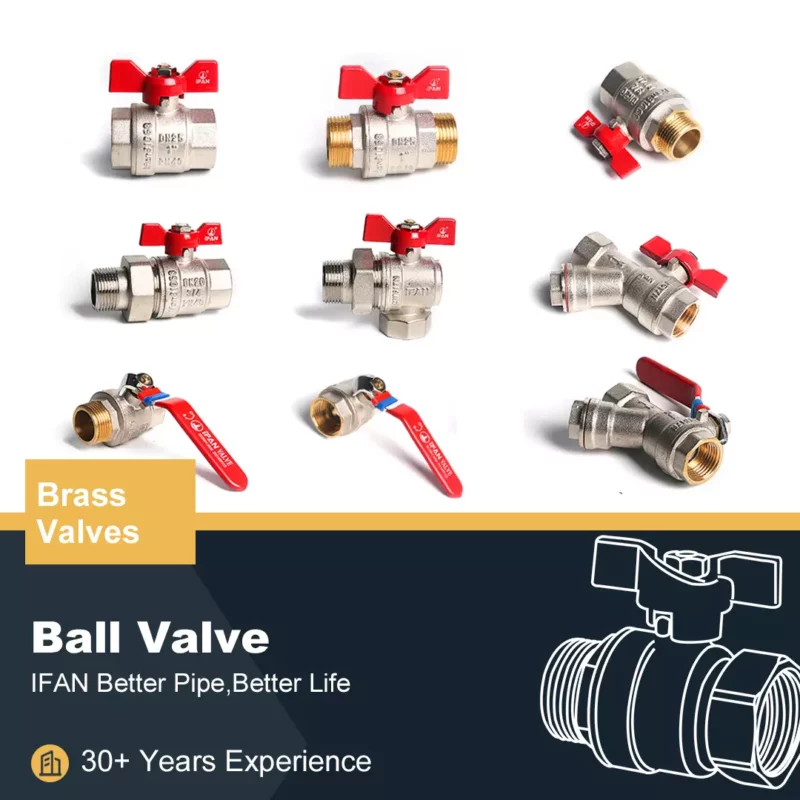
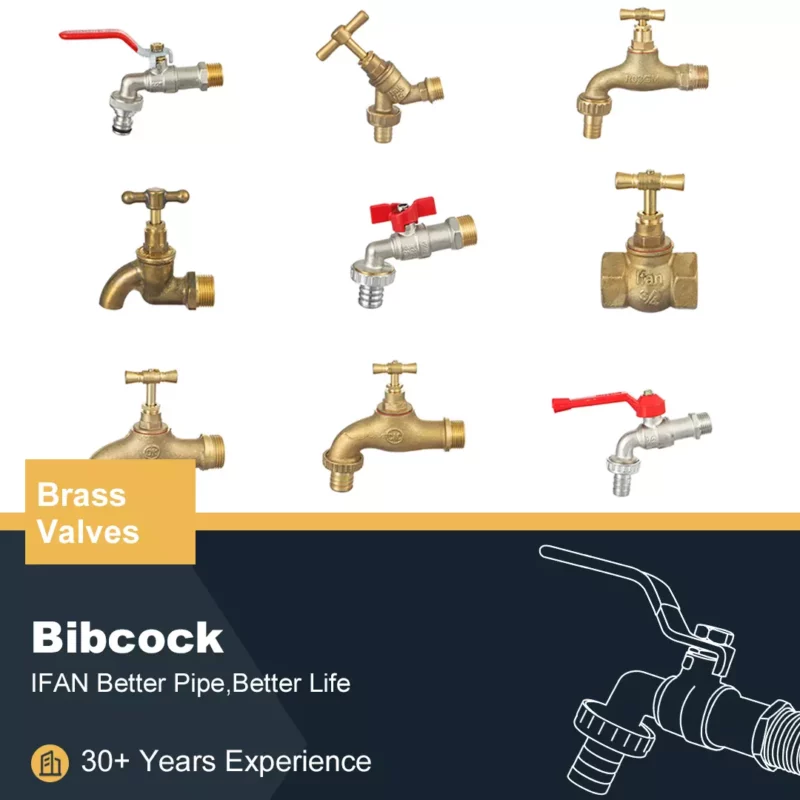

UPVC (Unplasticized Polyvinyl Chloride) fittings are widely used in modern plumbing systems to ensure secure, efficient pipe connections. Known for their strength, durability, and resistance to corrosion, UPVC fittings are an excellent choice for various applications, including water supply, drainage, and irrigation systems. This article will explore the benefits, types, installation, and advantages of using UPVC fittings for efficient pipe connections.
What are UPVC Fittings?
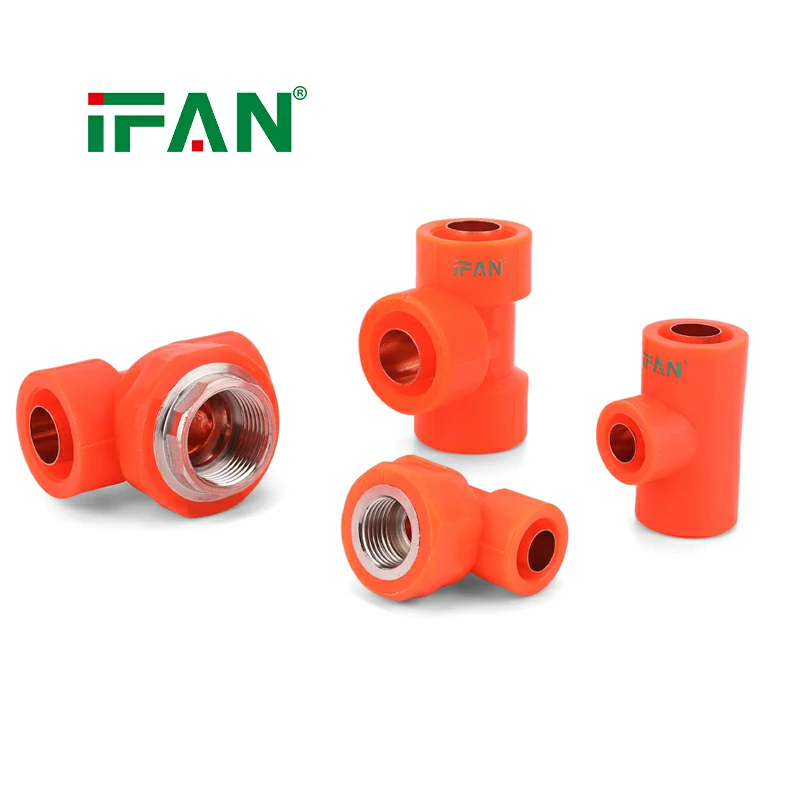
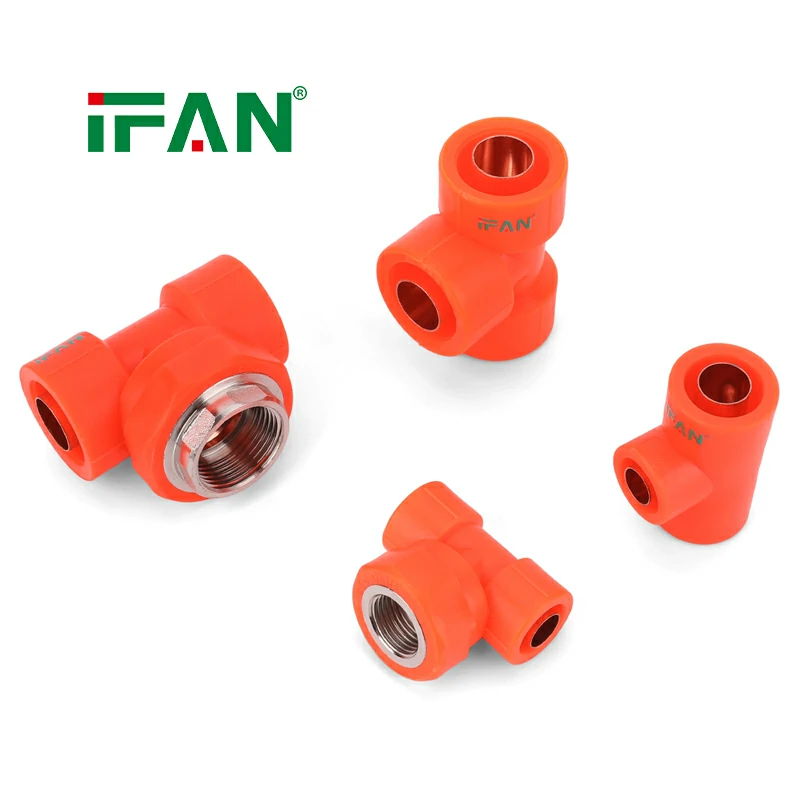
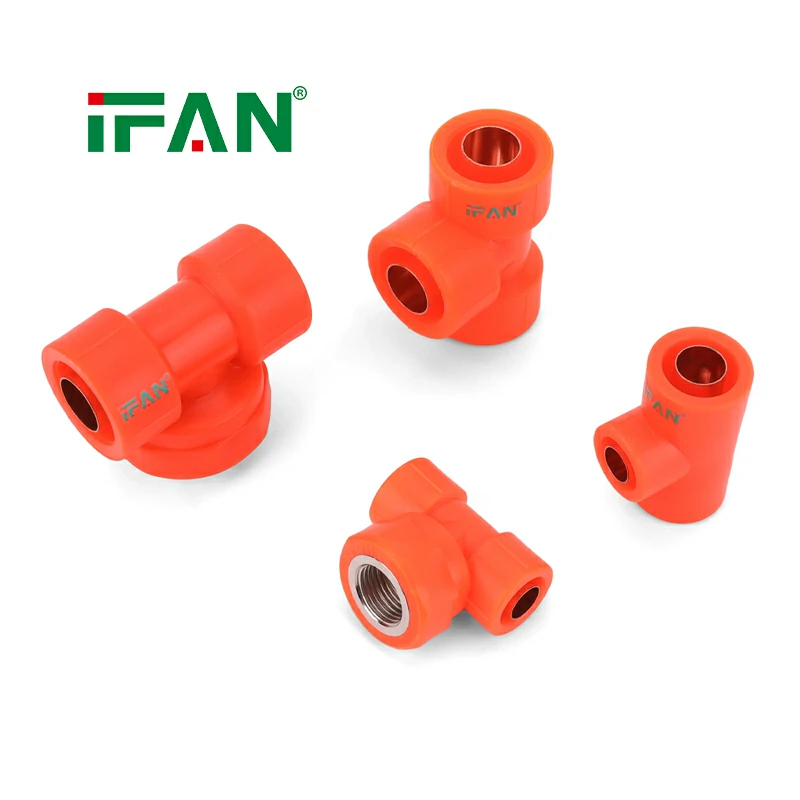
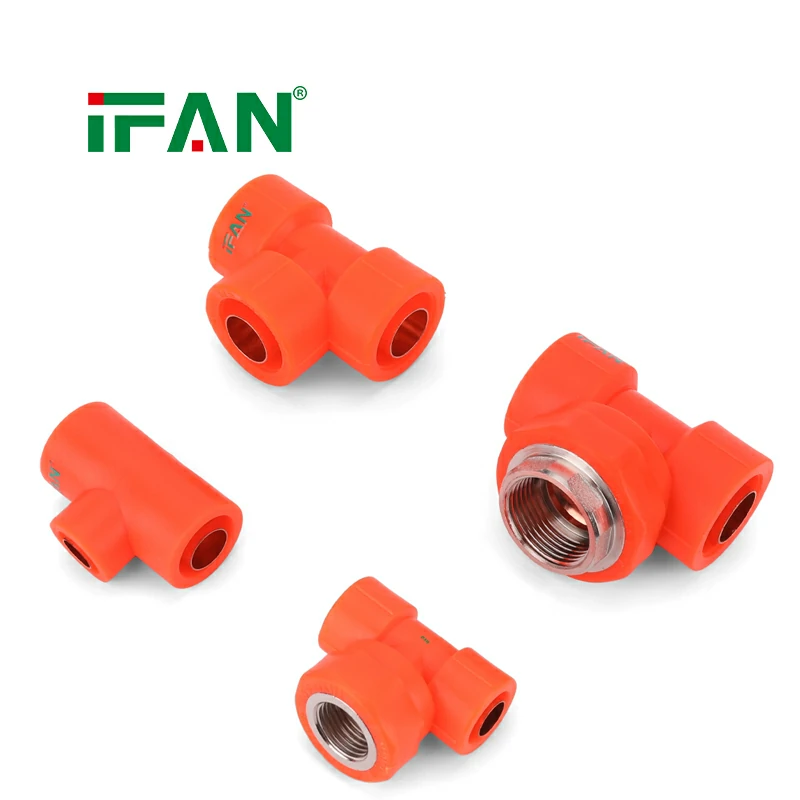
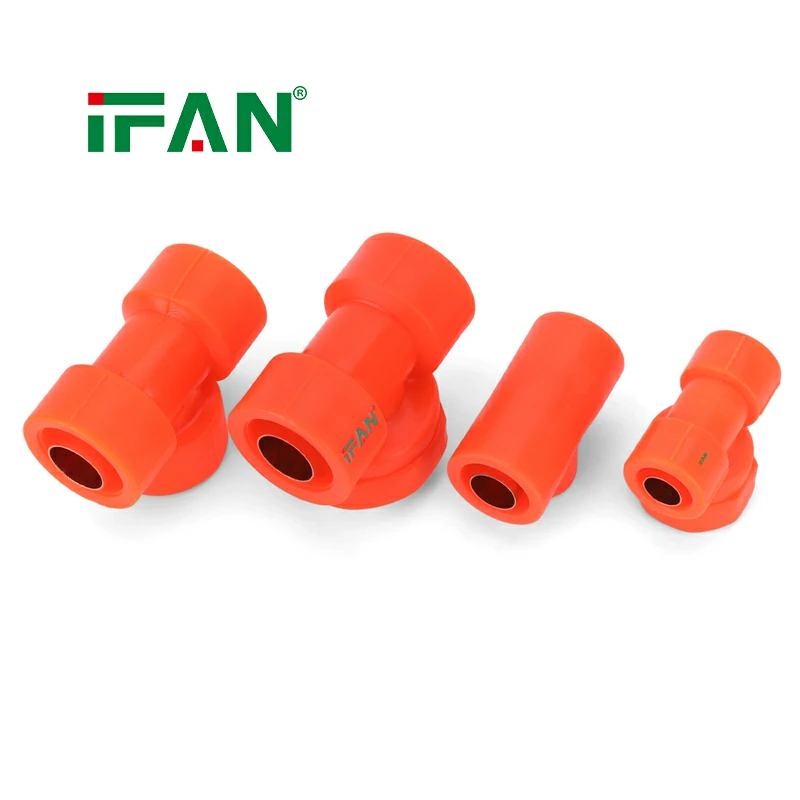
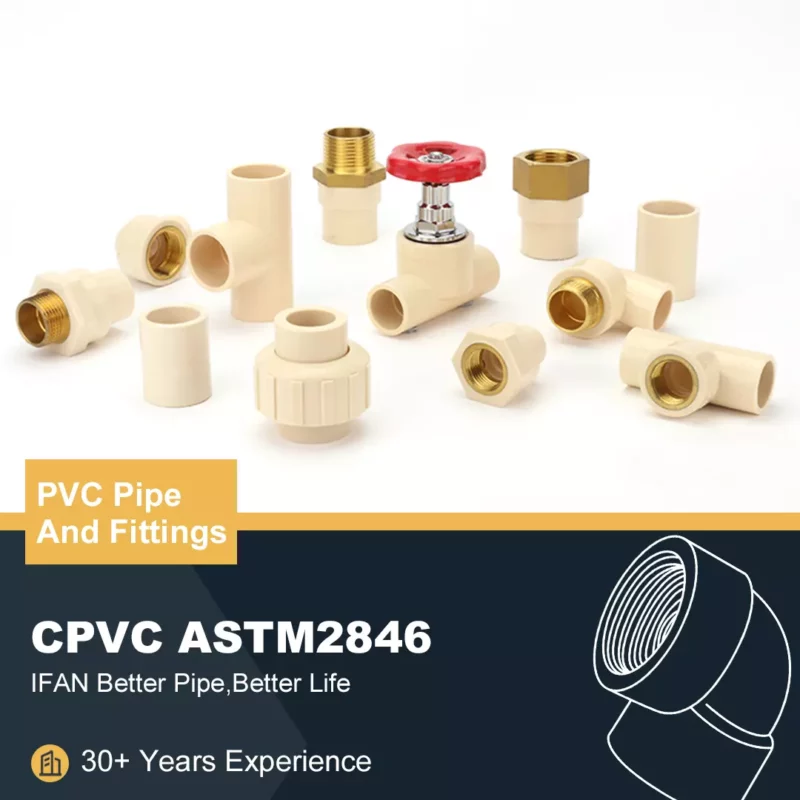
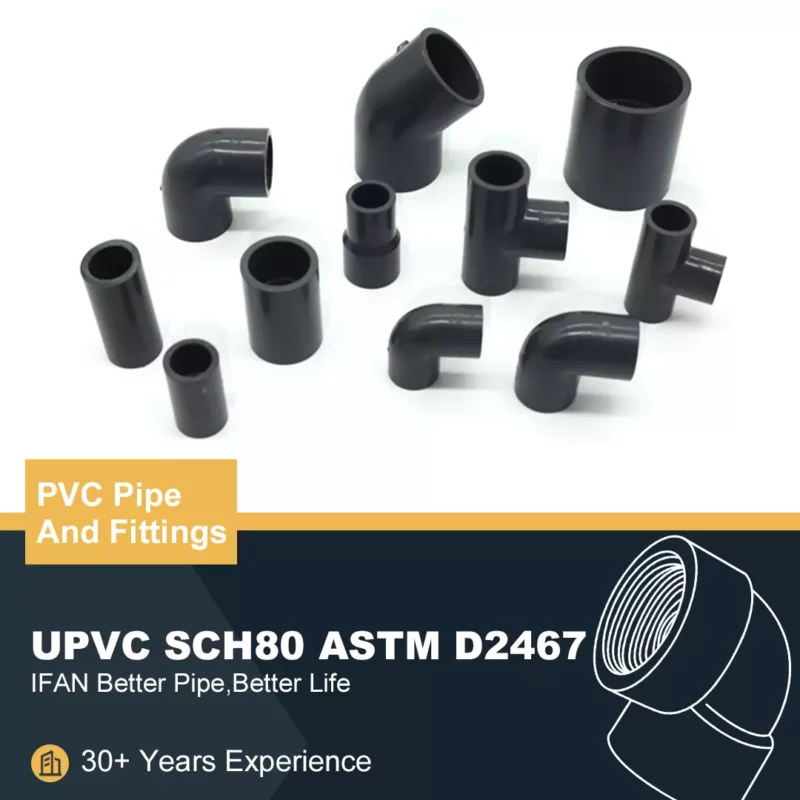
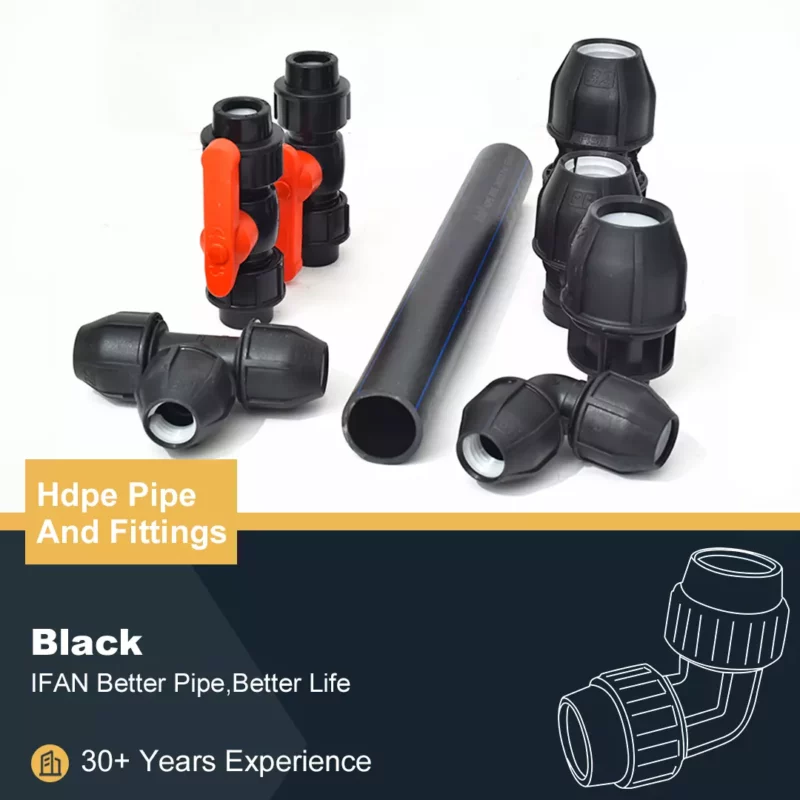
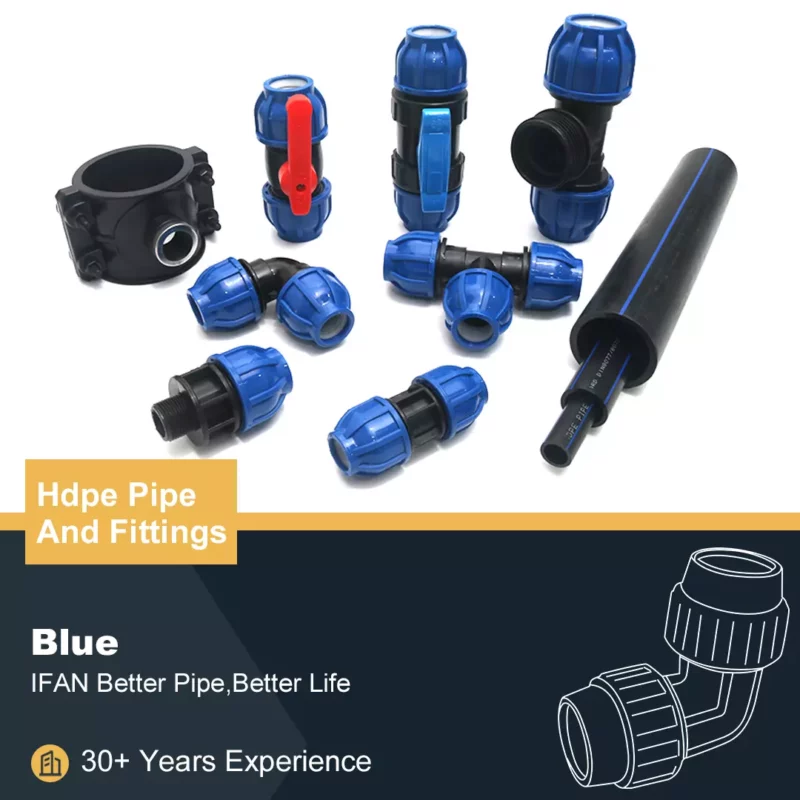
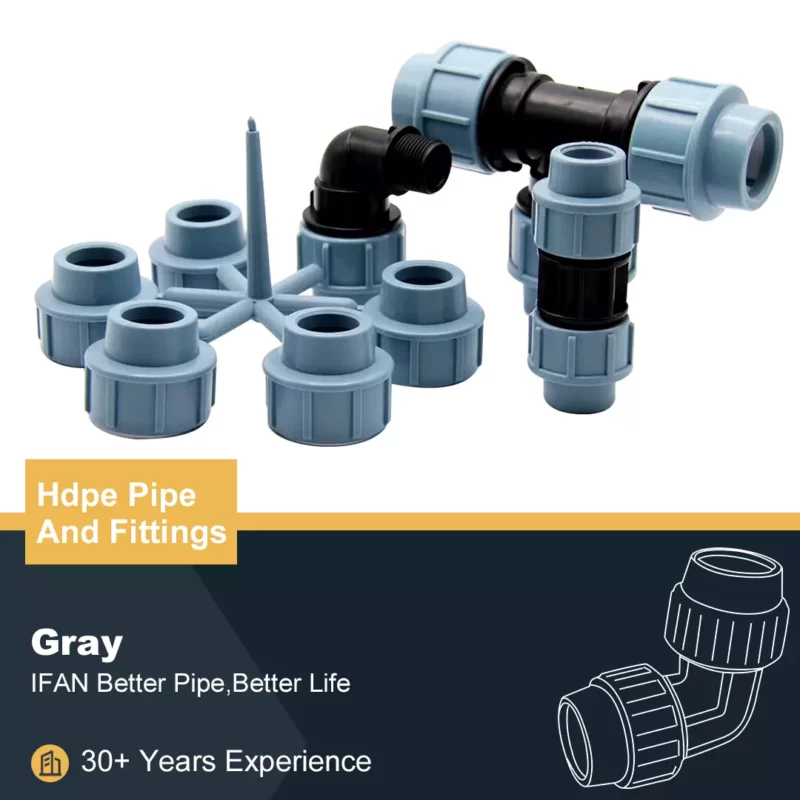
UPVC fittings are components used to connect pipes in plumbing systems. Unlike regular PVC, UPVC is a rigid, non-flexible material, which makes it stronger and more resistant to physical damage. These fittings come in various shapes, such as elbows, tees, couplings, reducers, and adapters, each designed for specific pipe connections.
UPVC is highly resistant to chemicals, corrosion, and UV degradation, making it ideal for outdoor and industrial plumbing systems. These fittings can handle both cold and hot water systems, making them versatile and reliable. They are commonly used in potable water systems, sewage pipes, and even agricultural irrigation systems.
Benefits of UPVC Fittings
One of the primary advantages of UPVC fitting is their strength and durability. UPVC pipes and fittings are resistant to physical damage and will not rust or corrode like metal fittings. This makes them ideal for systems exposed to moisture, chemicals, or outdoor conditions.
UPVC fittings are also lightweight, which makes them easy to transport and handle during installation. Unlike heavier materials like copper or steel, UPVC’s low weight reduces transportation costs and labor time. Their ease of handling allows for faster and more efficient installation.
Additionally, UPVC fitting have a smooth interior surface, which helps to minimize friction within the pipes. This smooth surface results in improved water flow and reduced energy consumption, as less pressure is required to move water through the system. The reduction in friction also helps to prevent blockages or clogging.
Types of UPVC Fittings
There are several types of UPVC fitting designed to suit various pipe connection needs. The most common types include:
- Elbows: Used to change the direction of the pipe, typically in 45-degree or 90-degree angles. These are essential for creating corners or rerouting pipes.
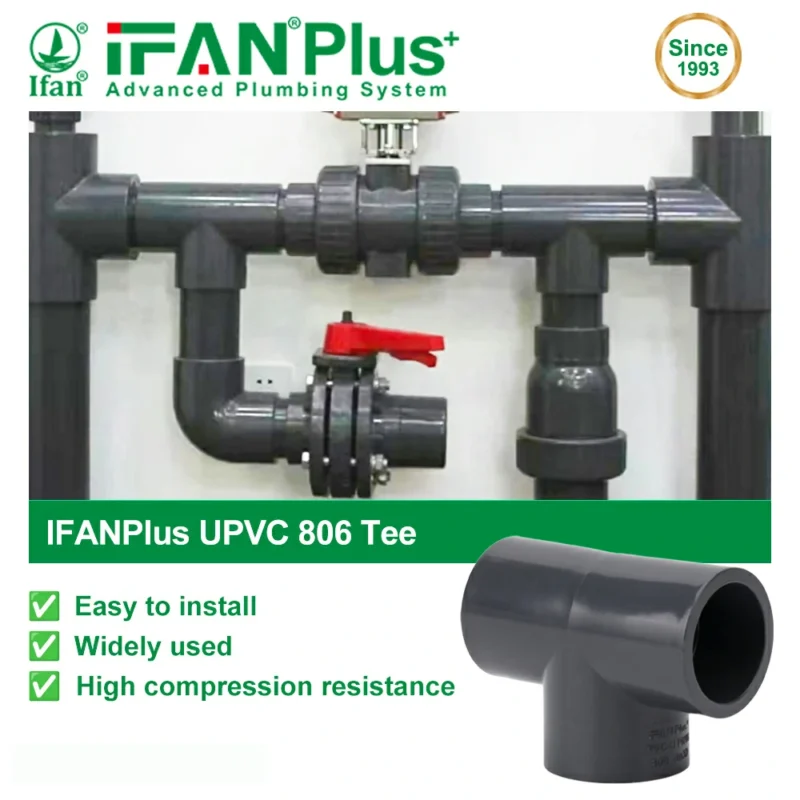
- Tees: These fittings allow for the branching of the pipe into multiple directions. A tee fitting is used to create a T-shaped connection between three pipes.
- Couplings: Used to join two pipes of the same diameter, ensuring a continuous water flow.
- Reducers: These fittings connect pipes of different diameters, providing a smooth transition between sizes. They are commonly used in systems where flow rates differ.
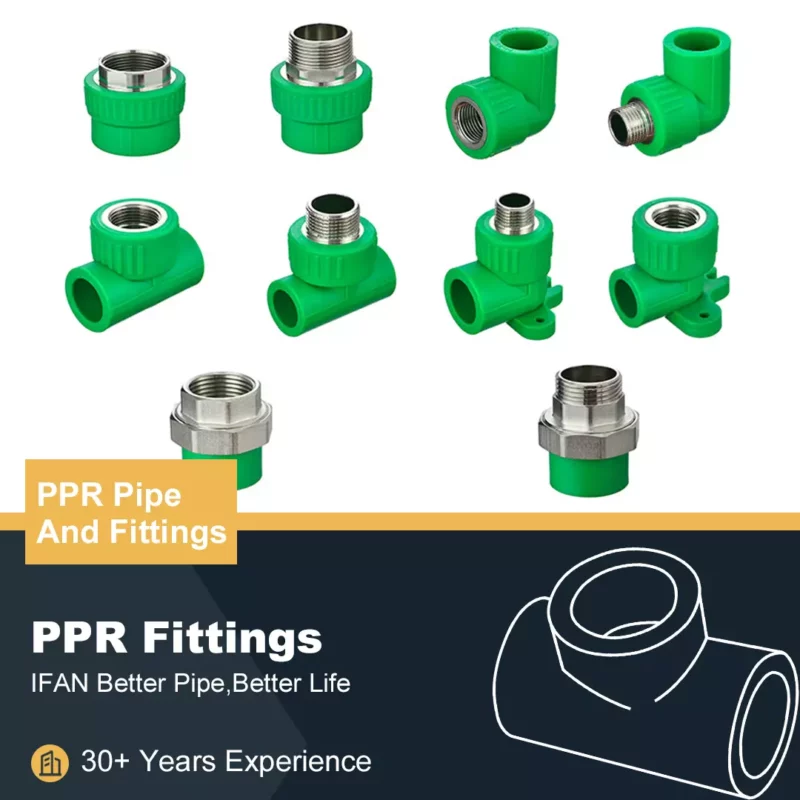
- Adapters: Used to connect UPVC pipes with pipes made from other materials, such as metal or copper, allowing for a versatile plumbing system.
Each of these fittings is available in different sizes, ensuring compatibility with various pipe diameters. These fittings are designed to be leak-proof and durable, providing a secure connection that will last for years.
Applications of UPVC Fittings
UPVC fittings are used in a wide range of applications. In residential plumbing, UPVC pipes and fittings are commonly found in water supply systems, drainage systems, and irrigation systems. They are used to transport both cold and warm water to faucets, showers, and other fixtures.
In commercial and industrial settings, UPVC fittings are used for larger-scale applications. For example, in sewage systems, UPVC pipes and fittings are used to carry wastewater. Their resistance to corrosion and chemicals ensures the longevity of the system, even in harsh environments. Similarly, in agricultural applications, UPVC fittings are used in irrigation systems to distribute water efficiently across large areas.
UPVC fittings are also used in chemical processing plants, where their resistance to various chemicals makes them a reliable option for transporting fluids.
Installation of UPVC Fitting
Installing UPVC fitting is relatively easy compared to other materials like metal. The installation process generally involves cutting the pipes to the desired length, preparing the pipe ends, and connecting them with the appropriate fittings. Since UPVC fittings are lightweight, the process does not require heavy equipment or tools.
The most common method for joining UPVC pipes and fitting is solvent welding. In this process, a solvent cement is applied to the ends of the pipe and fitting. Once the cement is applied, the pipe and fitting are pushed together, and the bond is allowed to set. This creates a permanent and secure connection.
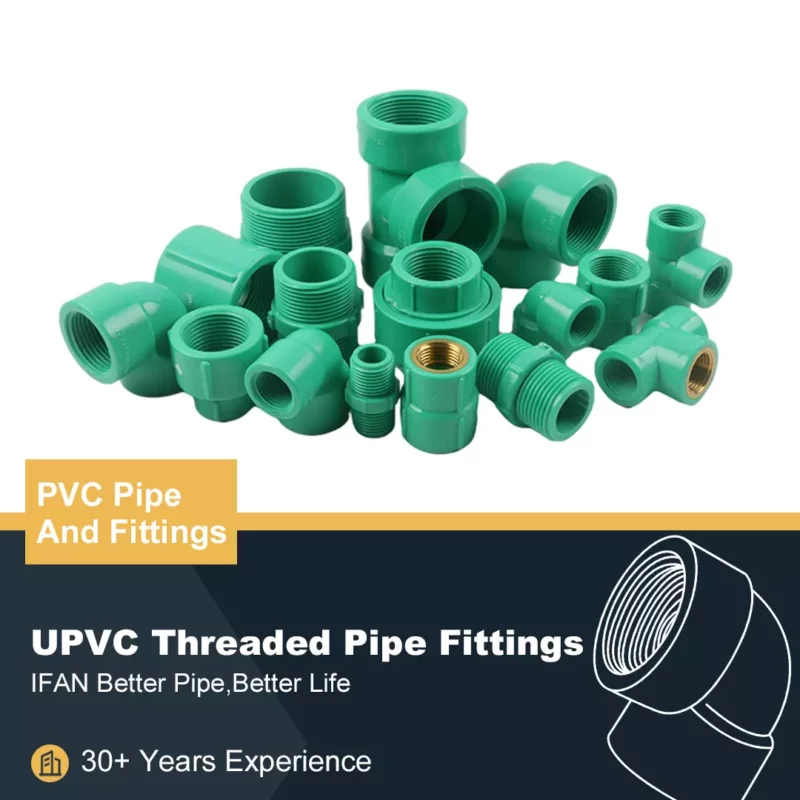
In addition to solvent welding, some UPVC fitting can be joined using mechanical joints or threaded connections, depending on the application. However, solvent welding remains the most common and reliable method for creating leak-proof seals.
Advantages of UPVC Fittings in Pipe Connections
UPVC fitting offer several advantages over traditional materials like copper, steel, and cast iron. The most significant advantage is their resistance to corrosion. Unlike metal fittings, UPVC does not rust or degrade over time, even when exposed to moisture, chemicals, or high humidity. This ensures that the pipes remain functional for a long time, reducing the need for frequent replacements or repairs.
Another advantage is their low maintenance requirements. UPVC fitting do not require regular cleaning or lubrication, unlike metal pipes, which can accumulate rust or mineral deposits. This makes UPVC a more cost-effective solution in the long run, as it reduces the need for ongoing maintenance.
UPVC fittings are also more environmentally friendly than their metal counterparts. The material is fully recyclable, reducing the environmental impact of the plumbing system. Additionally, the long lifespan of UPVC fitting means less waste is generated over time.
IFAN’s PVC products adhere to a wide range of international standards, ensuring they meet the highest quality and performance criteria.
IFAN International Standard for PVC Tubing
These standards include BS 3505, BS 4346, ASTM D1785 SCH40, ASTM D1785 SCH80, DIN, GB, DWV, ASTM D2665, ASTM D2241, ASTM D2665, ASTM D2729, ASTM F441/F441M, ISO 1452 series, EN ISO 1452, DIN 8061/8062, GB/T 10002 series, AS/NZS 1477, JIS K6741, CSA B137.3, NSF/ANSI 14, and TIS 17-2532/1131-2535. Compliance with these standards ensures that IFAN’s PVC pipes and fittings deliver consistent performance, safety, and reliability in a variety of applications globally.
Cost-Effectiveness of UPVC Fittings
UPVC fittings are a cost-effective option for plumbing systems. The material itself is affordable, and the lightweight nature of the fittings reduces transportation and installation costs. The ease of installation also reduces labor costs, as fewer tools and specialized skills are required.
The durability of UPVC fitting means they require less maintenance and fewer repairs over time. This reduces long-term costs, as homeowners and businesses do not need to spend money on frequent replacements or fixes. Additionally, the smooth interior surface of UPVC pipes helps to prevent blockages, which can result in costly repairs if left unchecked.
Conclusion
UPVC fittings offer a reliable and efficient solution for pipe connections in plumbing systems. Their strength, durability, and resistance to corrosion make them ideal for use in residential, commercial, and industrial applications. Whether used in water supply systems, drainage systems, or irrigation systems, UPVC fitting ensure efficient water flow and long-lasting performance. The ease of installation and low maintenance requirements make them a cost-effective choice, while their environmental benefits make them an eco-friendly option for modern plumbing systems.
If you have read this article and have any questions, please feel free to contact IFAN. Below is our contact information:
Whatsapp:+86 13373827623
Email:[email protected]