










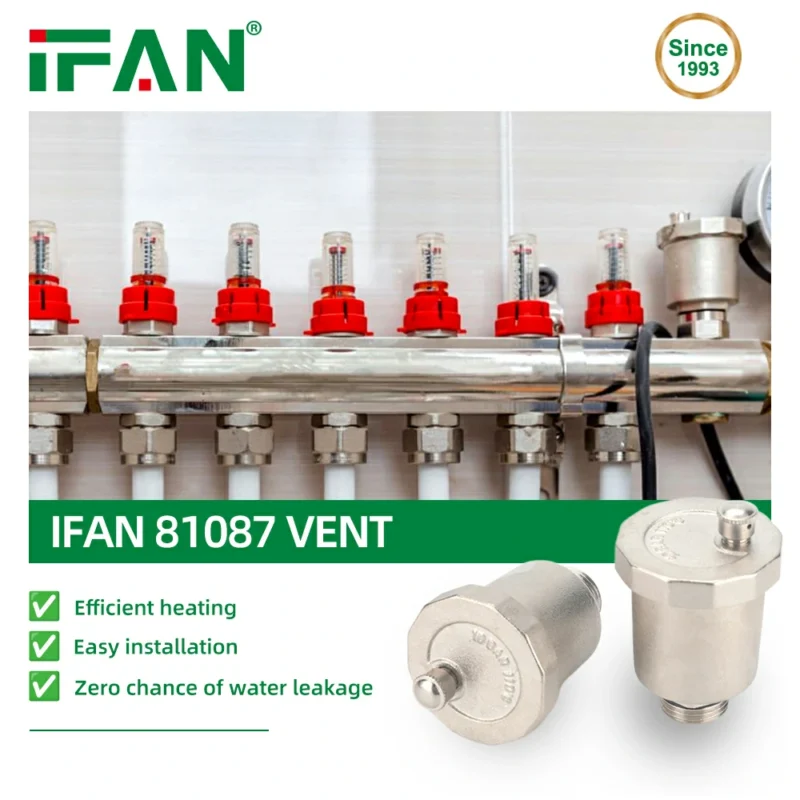
An air vent valve plays a crucial role in maintaining efficient water flow within a plumbing or heating system. Its primary function is to release trapped air from pipes, ensuring smooth, uninterrupted water flow. Air can cause several problems, such as reducing system efficiency, causing noise, or even damaging the pipes. This article explores the importance of air vent valves, their function, types, installation, and benefits in promoting efficient water flow.
What is an Air Vent Valve?
An air vent valve is a small device installed in plumbing or heating systems to release trapped air from the pipes. Air gets trapped due to water’s movement, temperature changes, or installation issues, leading to inefficiency. The valve automatically releases the air without allowing water to escape. This ensures that the system operates at optimal performance. The absence of trapped air in the pipes prevents issues like water hammer, low pressure, and inconsistent flow.
Air vent valves are typically used in water supply systems, heating systems, and even cooling systems. They are commonly found in radiators, water heaters, and other closed-loop systems where air can accumulate. Their automatic operation ensures consistent, uninterrupted water flow.
The Importance of Air Vent Valves
Air trapped in pipes can cause several issues. One of the most common problems is reduced water flow. When air enters a pipe, it creates blockages that restrict the flow of water. This leads to low pressure and can prevent water from reaching the intended destination, such as faucets or appliances.
Another problem is water hammer. Water hammer occurs when the flow of water is suddenly interrupted, causing the pipes to bang. Trapped air can exacerbate this issue, leading to noisy plumbing systems and even pipe damage over time. An air vent valve ensures that air is released before it causes such disruptions.
Furthermore, trapped air can reduce the efficiency of heating systems, especially in radiators or boilers. Air pockets inside the system prevent water from circulating properly, which can lead to uneven heating and increased energy consumption. An air vent valve helps to eliminate this problem by ensuring that the system is free of air pockets.
Types of Air Vent Valves
There are various types of air vent valves, each designed for specific systems and applications. The most common types include automatic air vent valves, manual air vent valves, and float-type air vent valves.
- Automatic Air Vent Valve: This type of valve automatically releases trapped air when it detects the presence of air in the system. It is commonly used in heating systems and is ideal for systems that require constant air removal. The valve opens and closes automatically without any manual intervention, ensuring efficient operation.
- Manual Air Vent Valve: As the name suggests, manual air vent valves require manual operation to release trapped air. These valves are typically used in smaller systems or for specific maintenance tasks. While they are easy to use, they require intervention when air removal is needed.
- Float-Type Air Vent Valve: This valve uses a float mechanism to detect air within the system. When air is present, the float drops, opening the valve to release the air. Once the air is released, the float rises and closes the valve. This type of valve is often used in larger, pressurized systems.
Each of these valves plays a vital role in ensuring efficient water flow and preventing air-related issues in the plumbing or heating system.
Benefits of Air Vent Valves for Efficient Water Flow
Air vent valves provide several benefits that contribute to the efficient operation of plumbing and heating systems. The most important advantage is the prevention of air pockets, which can reduce water flow and pressure. By automatically removing trapped air, these valves ensure that water can flow freely and consistently throughout the system.
In heating systems, air vent valves promote even heat distribution by eliminating air pockets that can prevent water from circulating properly. This leads to more efficient heating, reducing energy consumption and improving comfort levels. For example, in a hot water radiator system, air vent valves ensure that all sections of the radiator receive hot water, promoting uniform heating.
Additionally, air vent valves help prevent damage to pipes. Trapped air can create pressure imbalances, leading to stress on the pipes and fittings. Over time, this can cause leaks or even bursts. By maintaining a constant flow of water and preventing air buildup, air vent valves protect the integrity of the plumbing system.
Installation of Air Vent Valves
Installing an air vent valve is typically a straightforward process, but it requires some careful consideration of system requirements. For an automatic air vent valve, the installation location should be at the highest point in the system. This ensures that air naturally rises and is captured by the valve.
In heating systems, such as radiators or boilers, air vent valves are often installed directly on the radiator or near the highest point of the system. In water supply systems, the valve is usually placed at points where air is most likely to accumulate, such as at the end of long pipes or in elevated tanks.
Manual air vent valves are often used during system maintenance. When air is suspected to be trapped in a section of the pipe, a plumber can manually release it by opening the valve. In contrast, automatic air vent valves are more convenient for long-term operation, as they require no intervention once installed.
Maintenance and Care for Air Vent Valves
While air vent valves require minimal maintenance, it is essential to check them regularly to ensure they are functioning correctly. Over time, dirt, debris, or mineral buildup can clog the valve, preventing it from releasing air. In such cases, cleaning the valve is necessary to restore its functionality.
For manual air vent valves, it is important to ensure that the valve opens and closes smoothly. If it becomes stiff or difficult to operate, lubrication or cleaning may be needed. In some cases, the valve may need to be replaced if it is no longer working correctly.
Automatic air vent valves typically require less maintenance, but they should still be checked periodically to ensure they are removing air as expected. A malfunctioning automatic air vent valve can lead to air buildup in the system, causing disruptions in water flow or pressure.
Conclusion
Air vent valves are essential components in plumbing and heating systems that ensure efficient water flow. By automatically or manually removing trapped air, these valves prevent issues like water hammer, low pressure, and uneven heating. The installation of air vent valves improves system performance, reduces energy consumption, and protects the integrity of pipes. Whether used in residential or commercial applications, air vent valves are an effective solution for maintaining smooth, efficient water flow in any plumbing or heating system. Proper maintenance ensures their continued performance, making them a valuable addition to any system.
If you have read this article and have any questions, please feel free to contact IFAN. Below is our contact information:
Whatsapp:+86 13373827623
Email:[email protected]