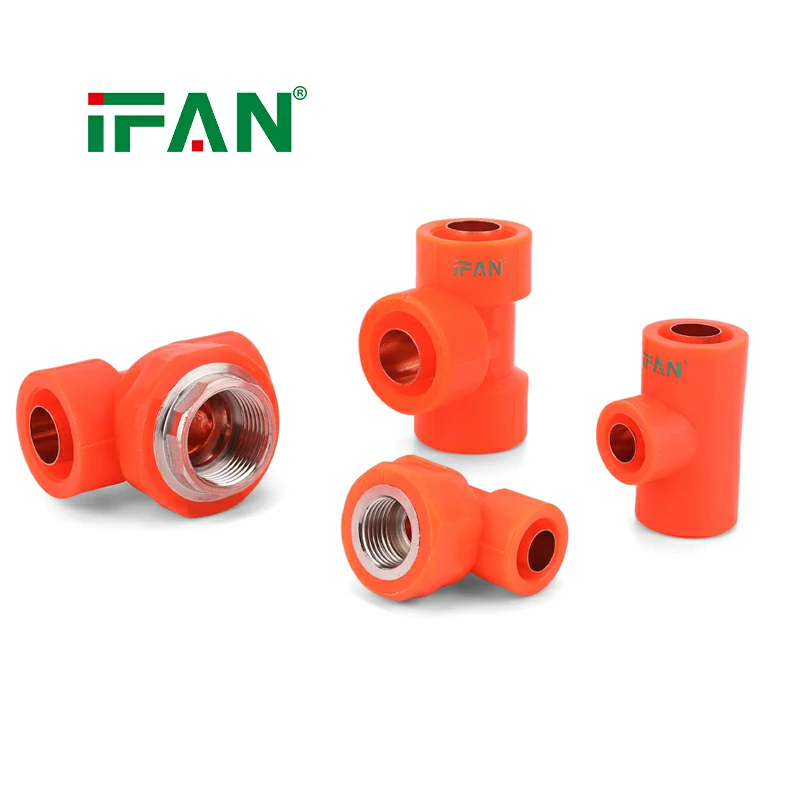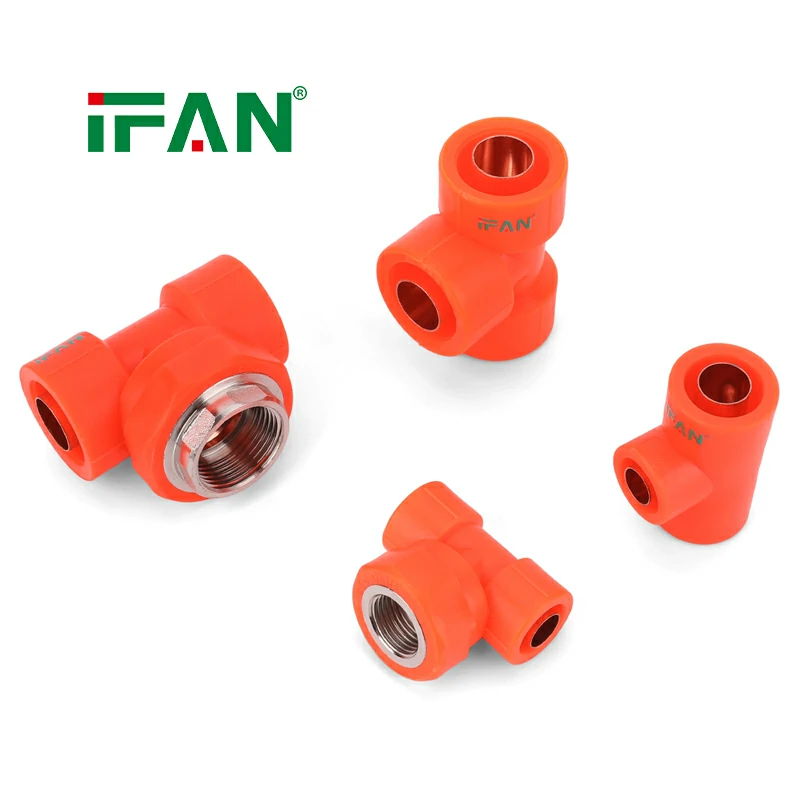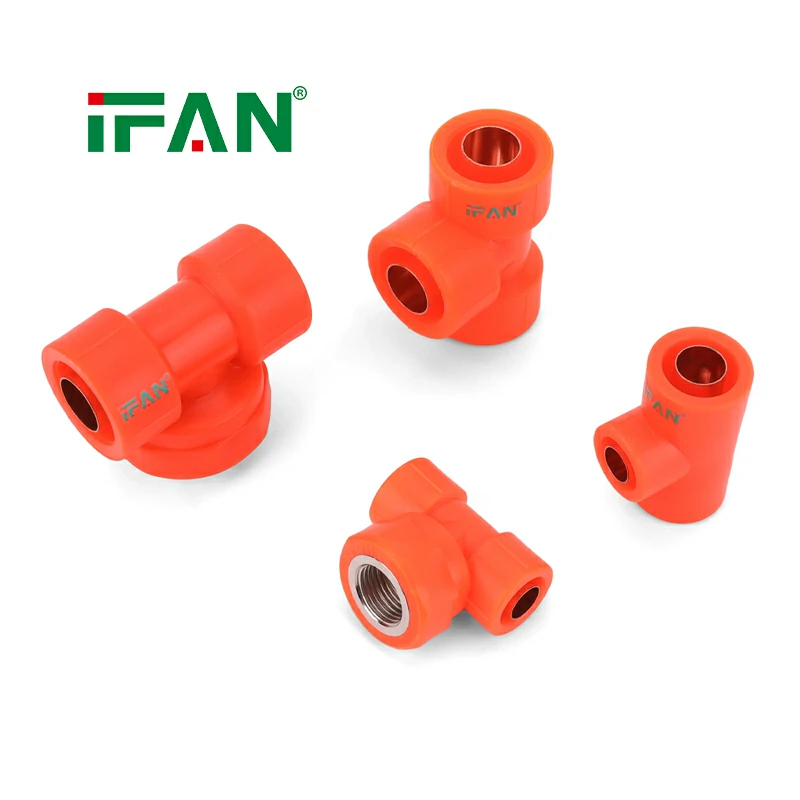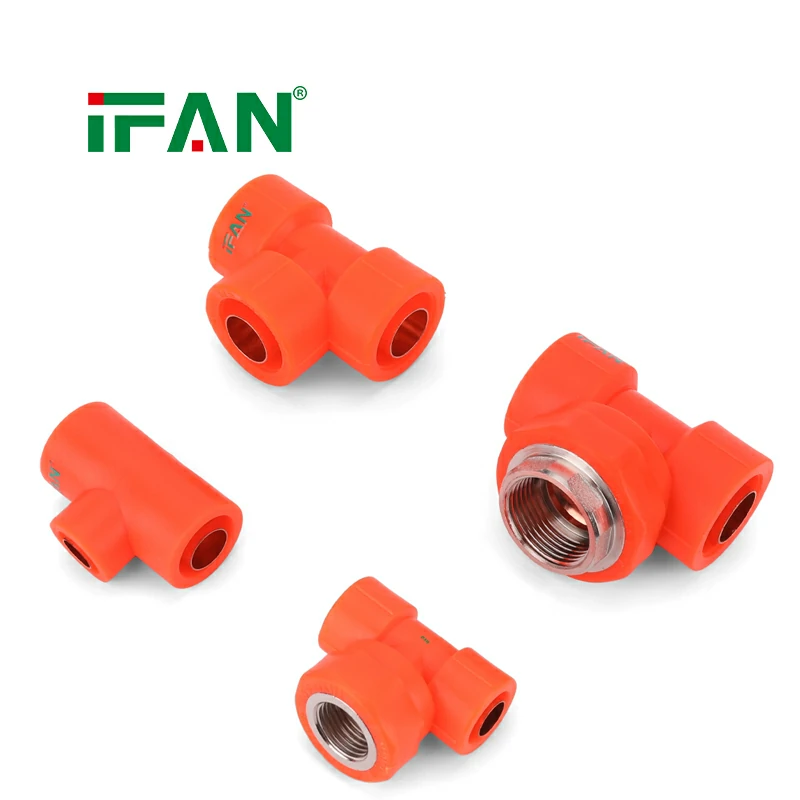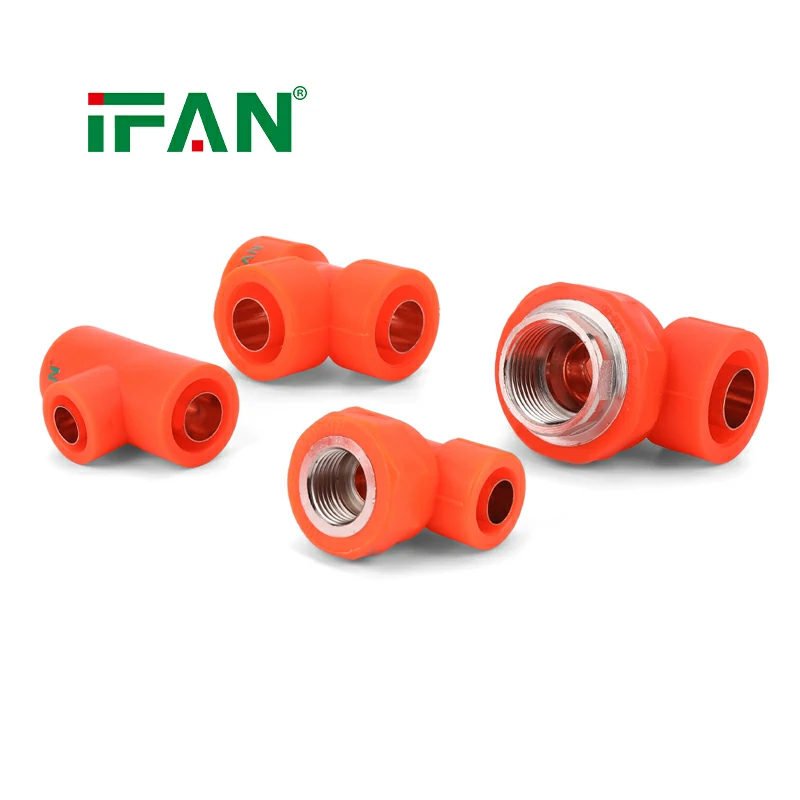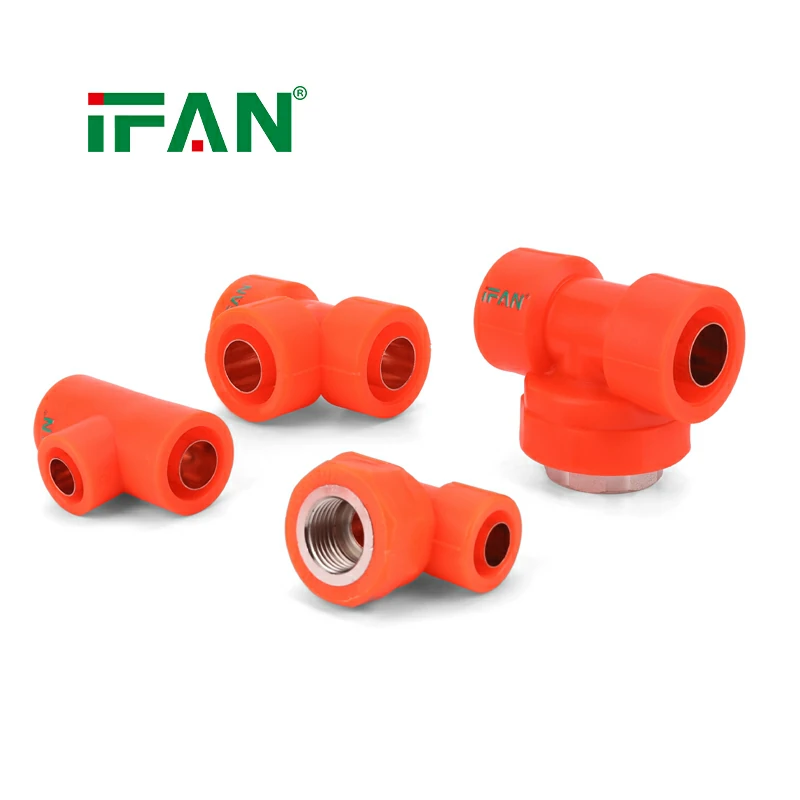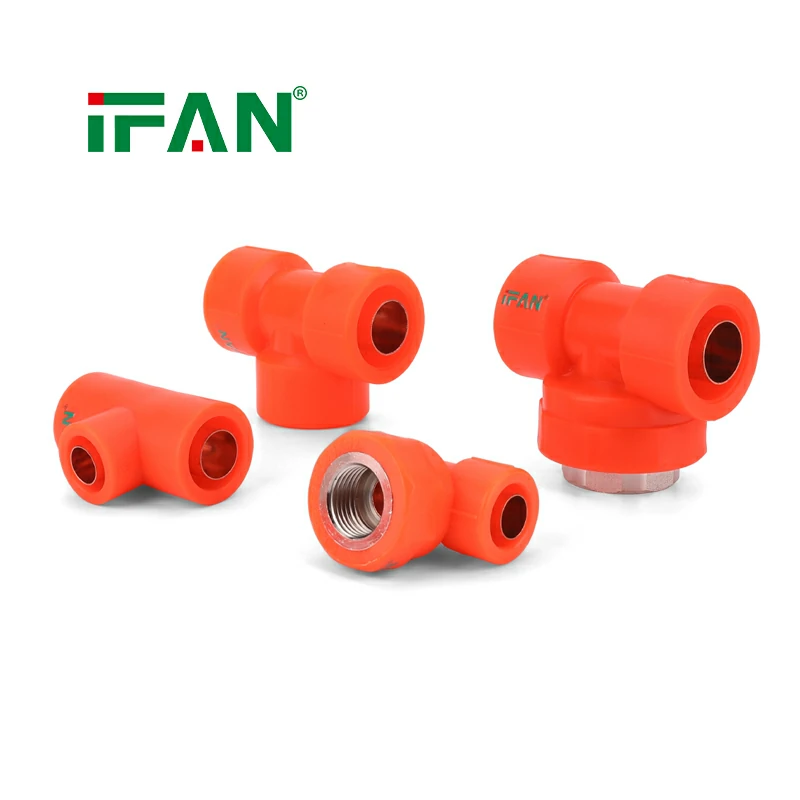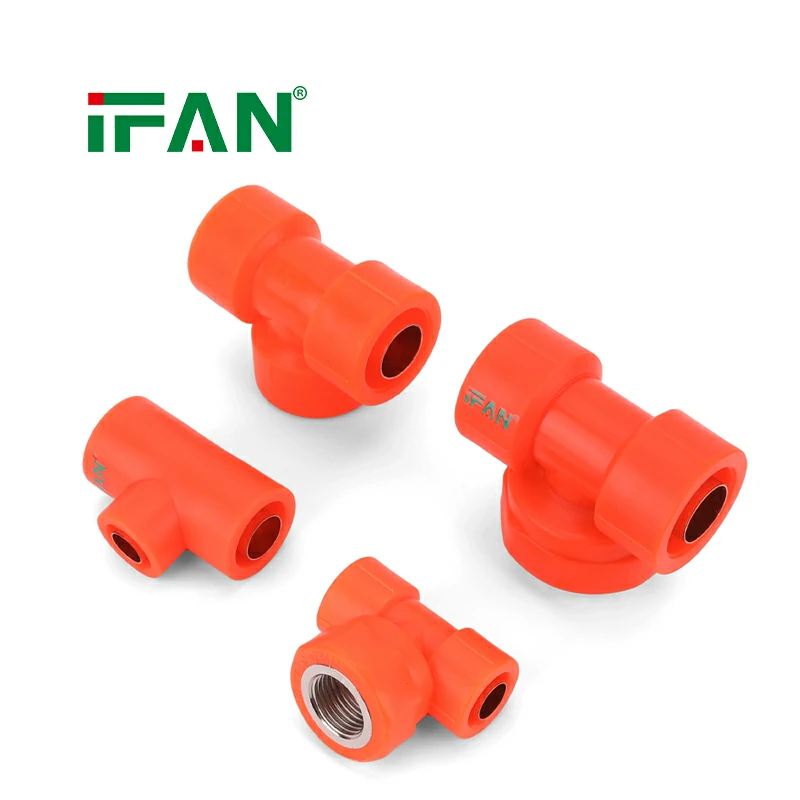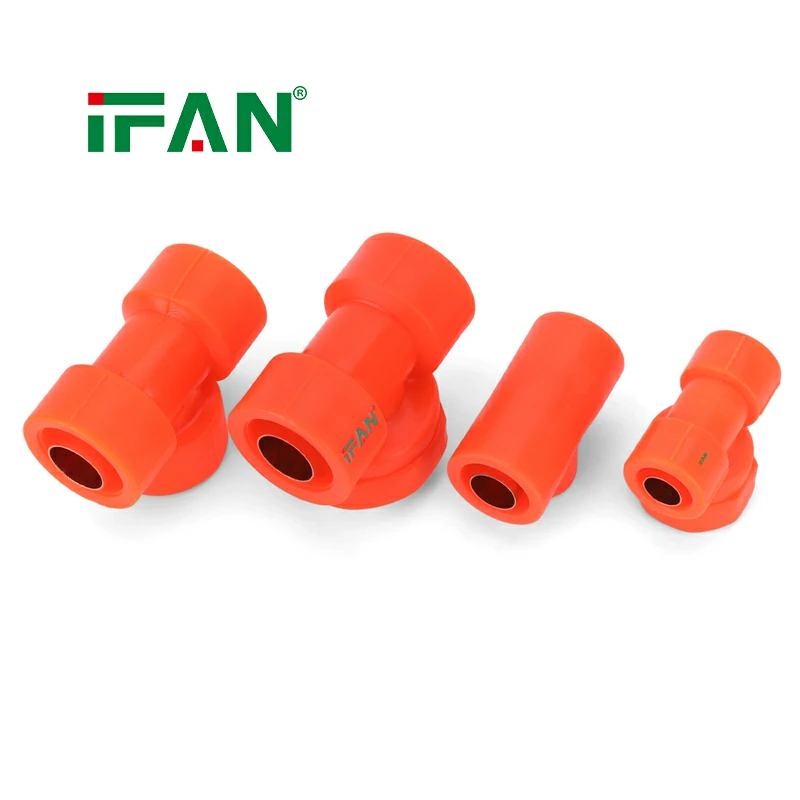
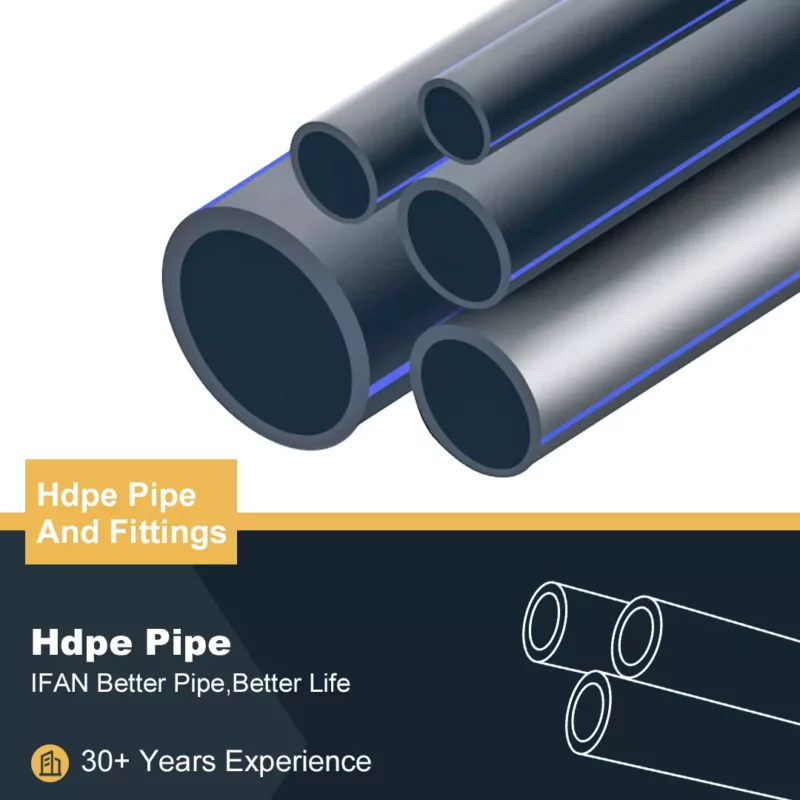
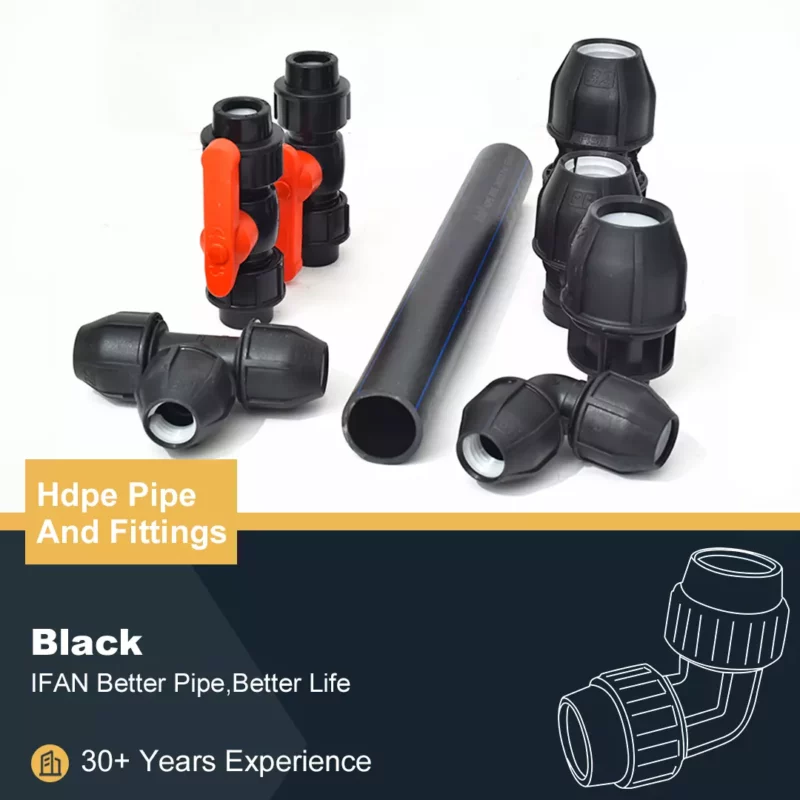
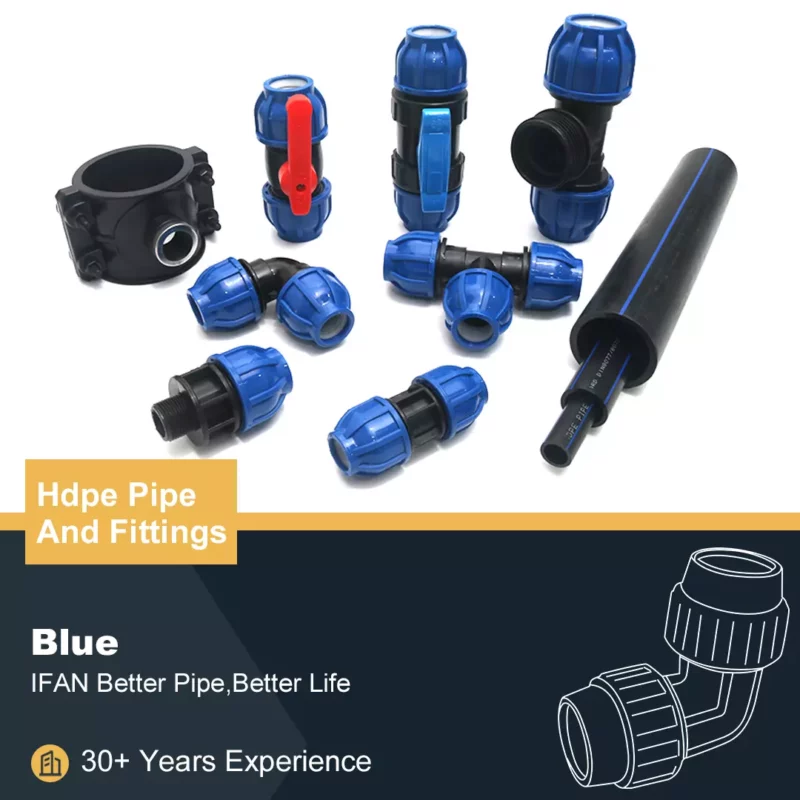
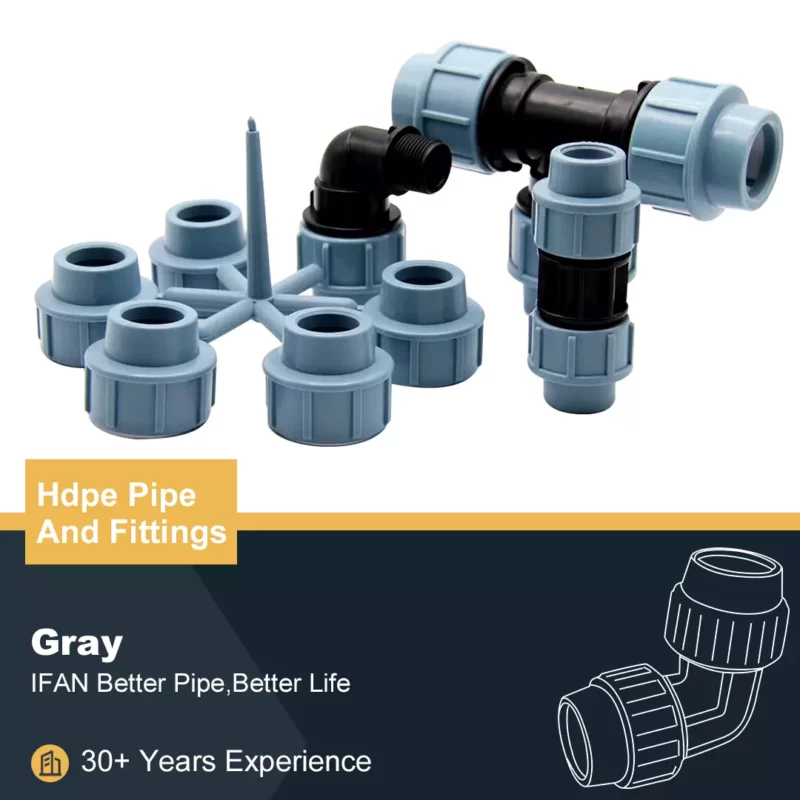


PPR fittings are widely used in plumbing systems, particularly for hot water installations. PPR stands for Polypropylene Random Copolymer, a type of plastic known for its excellent resistance to heat, chemicals, and high pressure. These fittings are designed to provide reliable, long-lasting connections in hot water systems, making them a popular choice for residential, commercial, and industrial plumbing projects. This article explores the benefits of PPR fittings, their types, installation process, and common applications in hot water systems.
Benefits of PPR Fittings
One of the most significant advantages of PPR fittings is their high resistance to heat. PPR pipes and fittings can handle water temperatures up to 95°C (203°F), making them ideal for hot water installations. Unlike metal pipes, which can corrode over time, PPR fittings do not rust or degrade when exposed to high temperatures or moisture. This feature ensures a longer lifespan and reduces maintenance costs.
Additionally, PPR fittings are lightweight and easy to install. They are less prone to physical damage compared to metal fittings, making them a safer choice in high-pressure and high-temperature environments. Their smooth internal surfaces also reduce friction, ensuring efficient water flow and reducing energy consumption.
Types of PPR Fittings
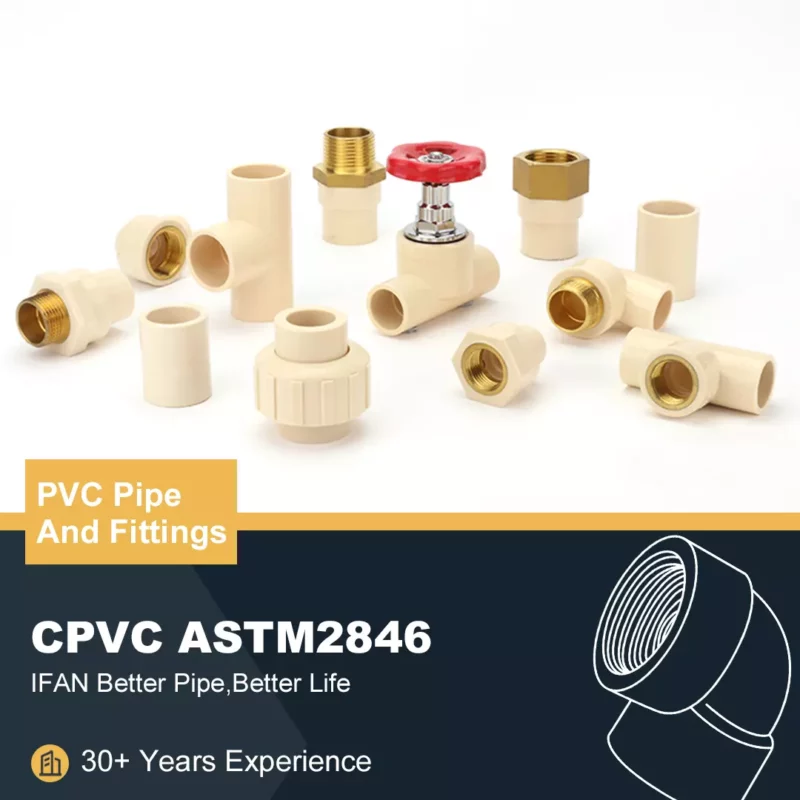
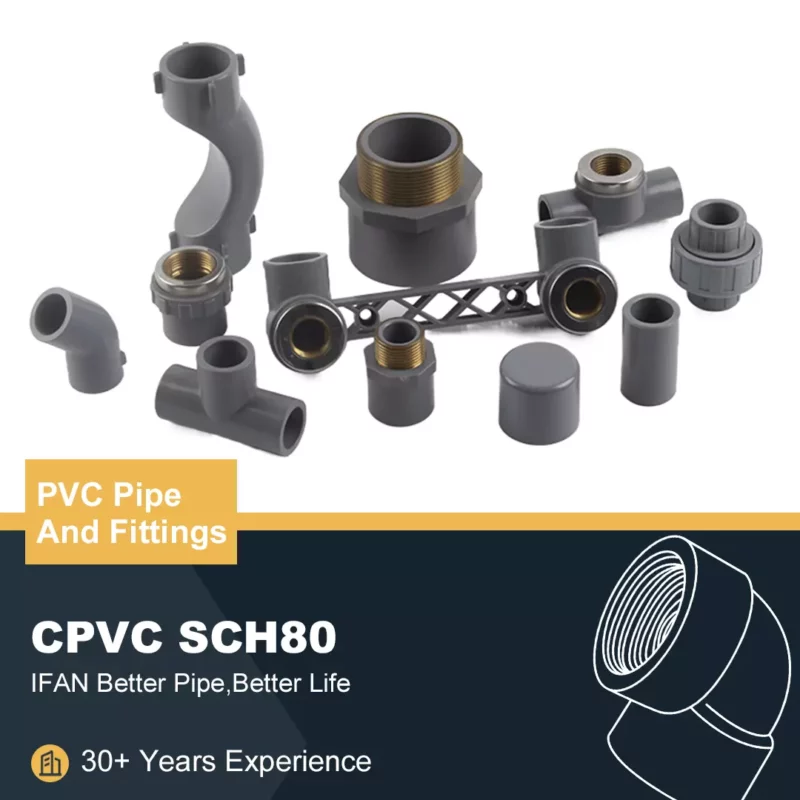
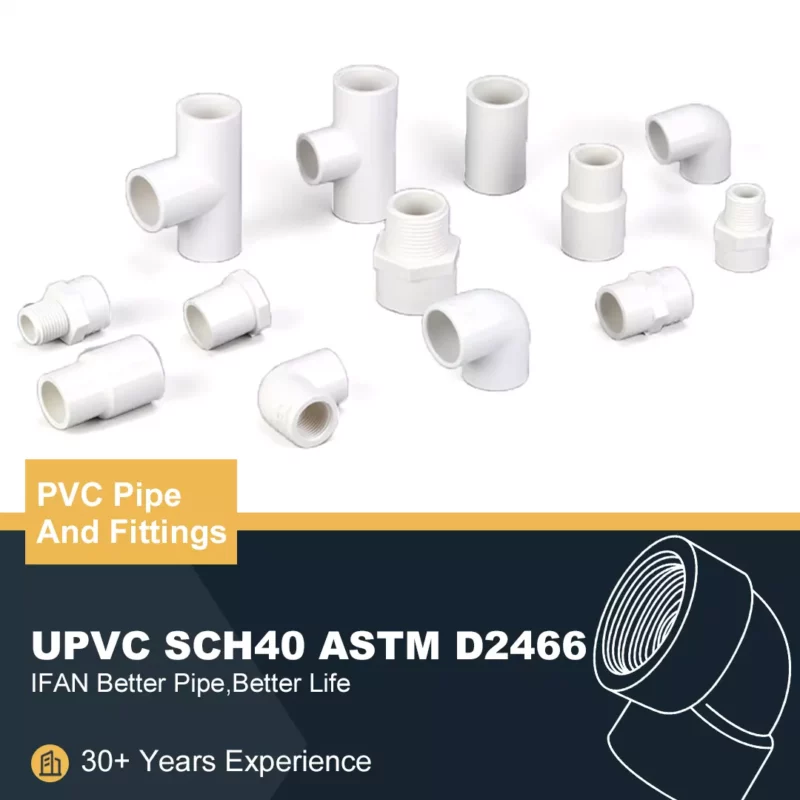
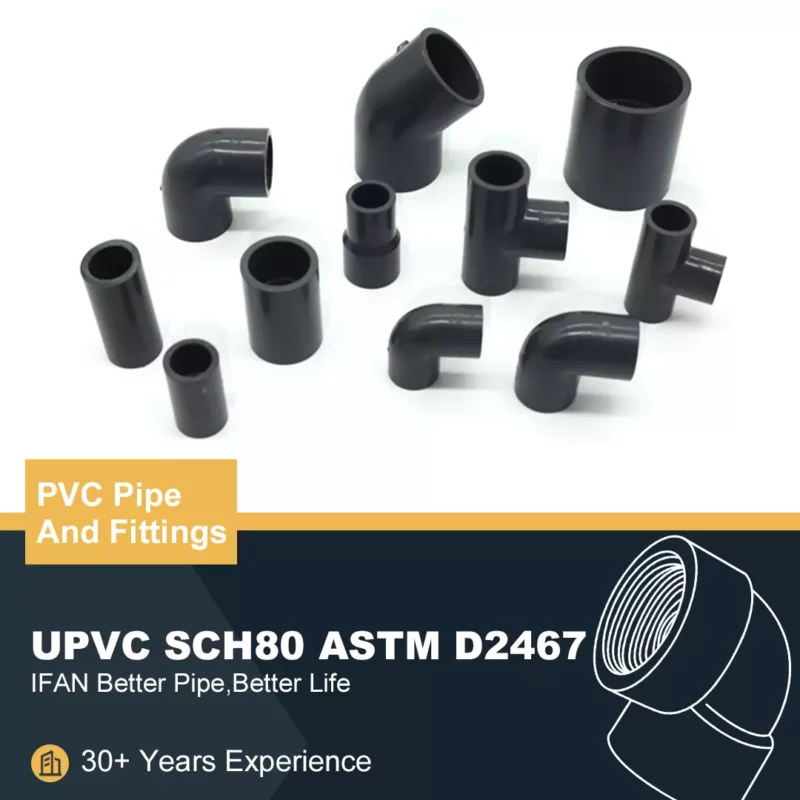
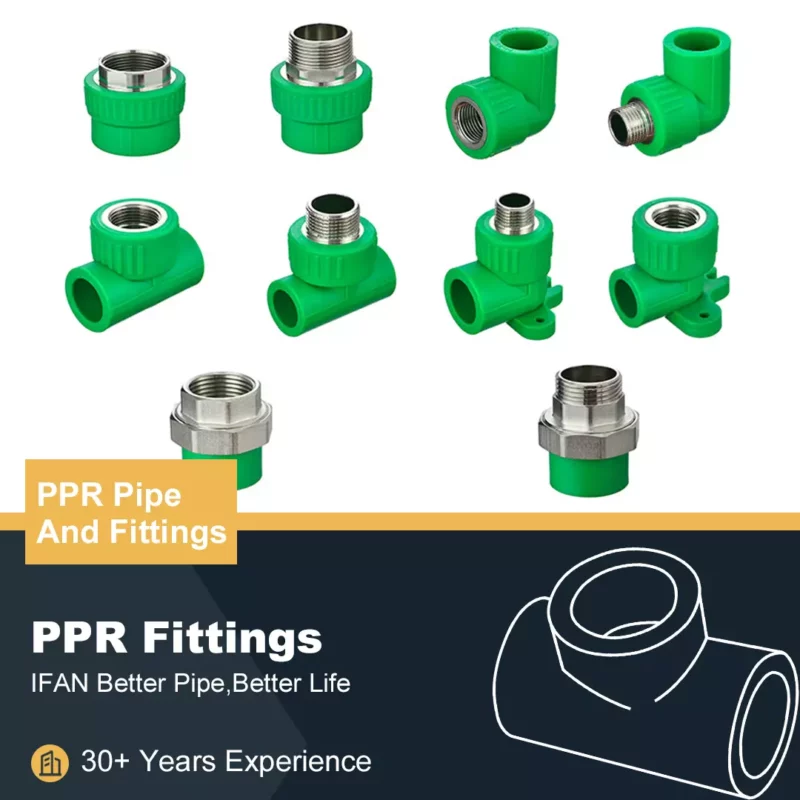
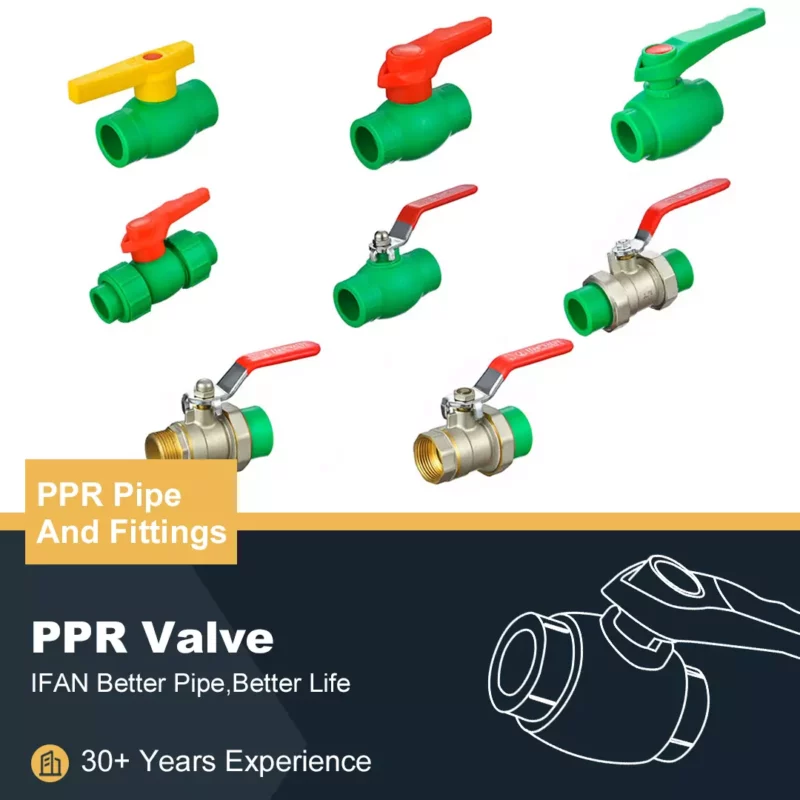
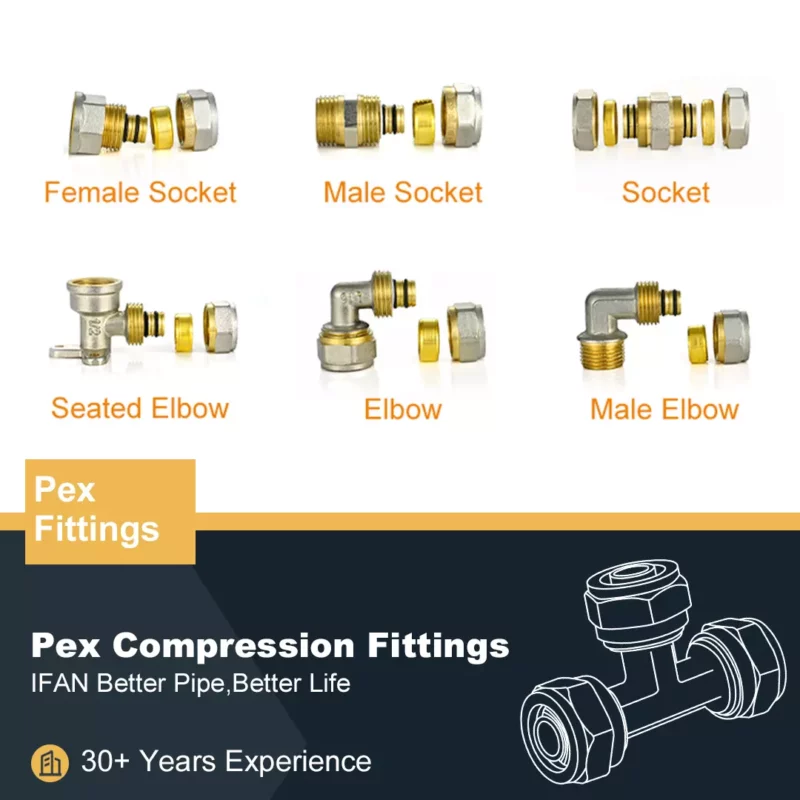
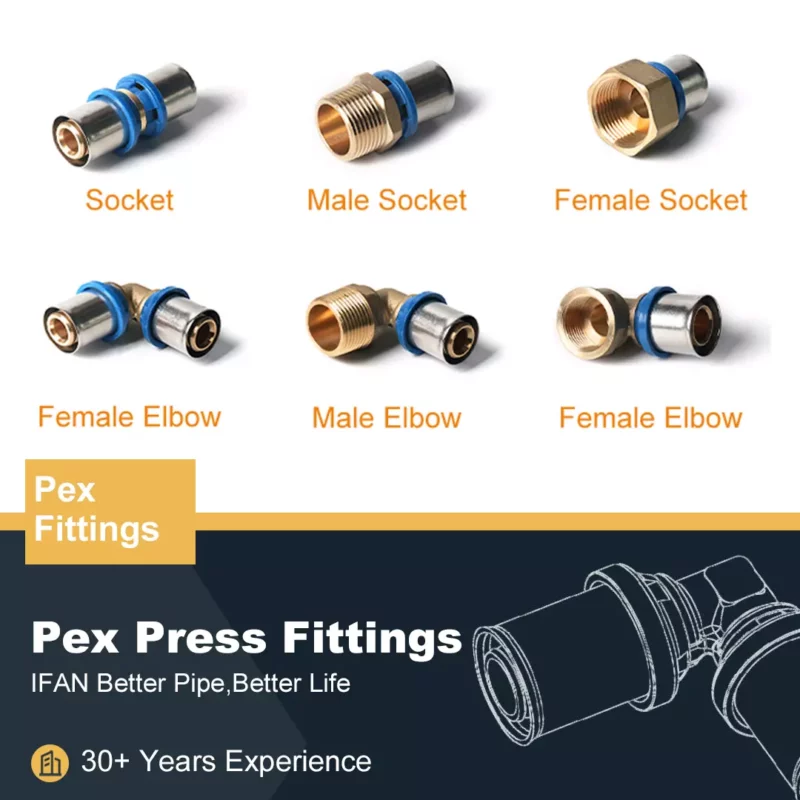
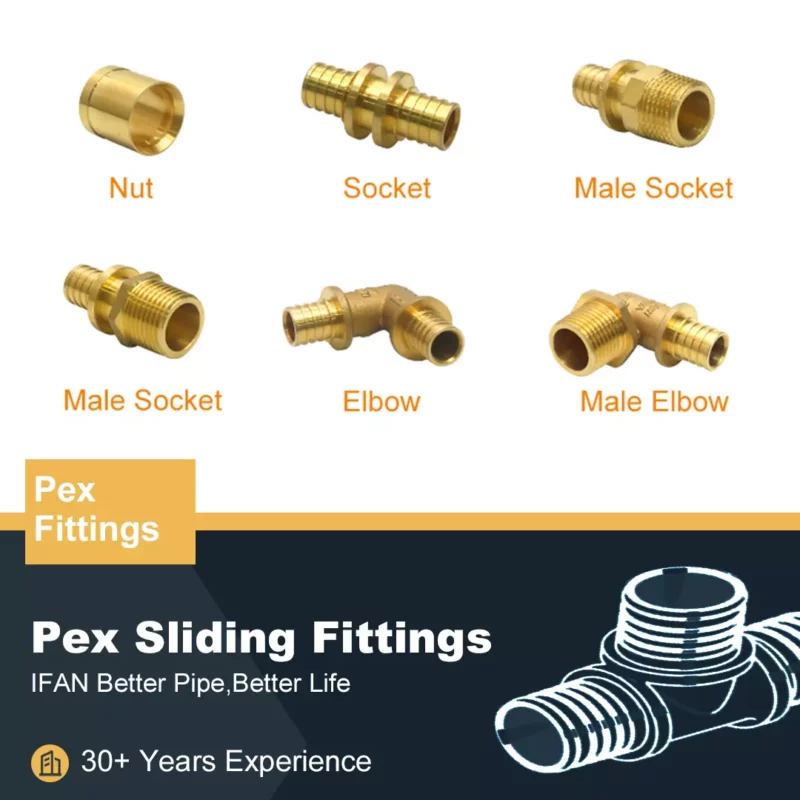
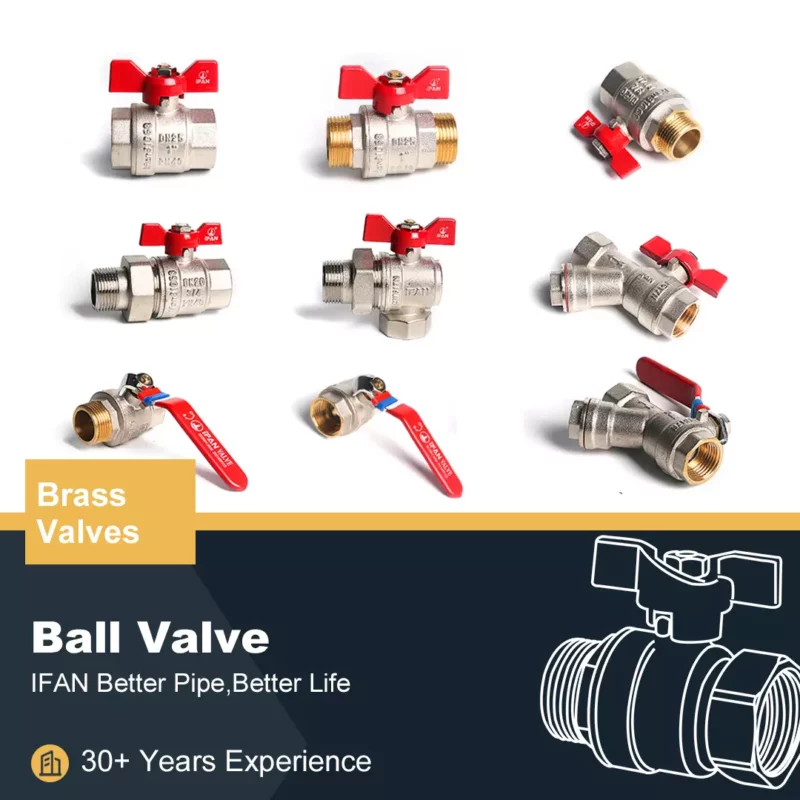
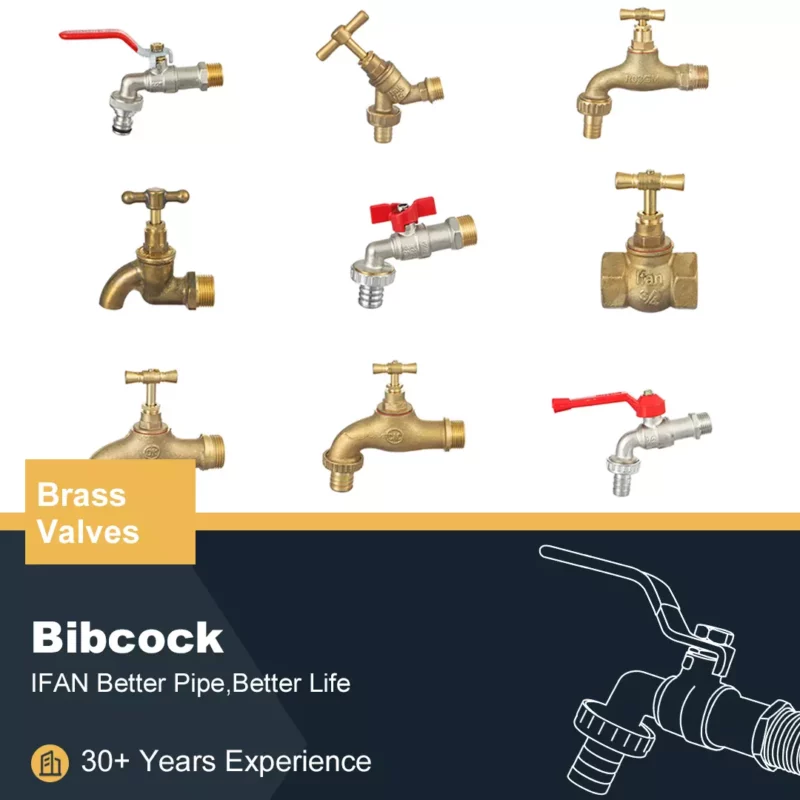
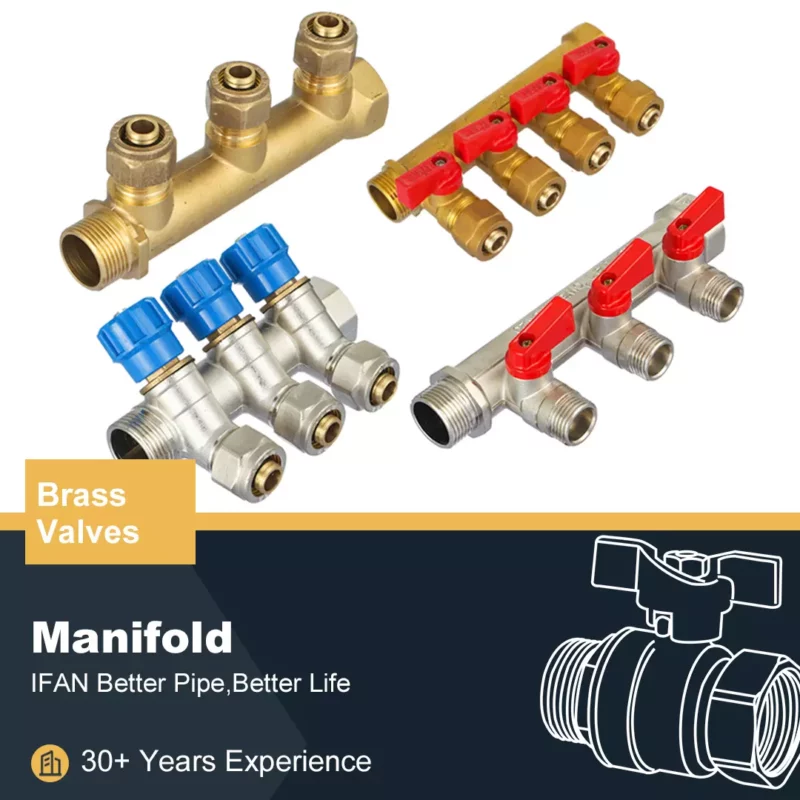
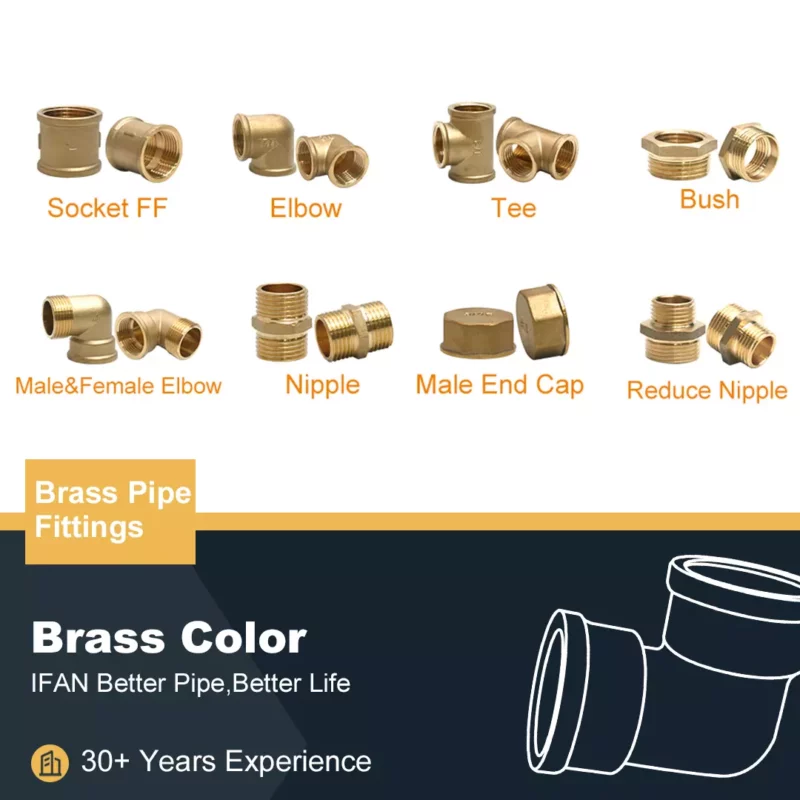
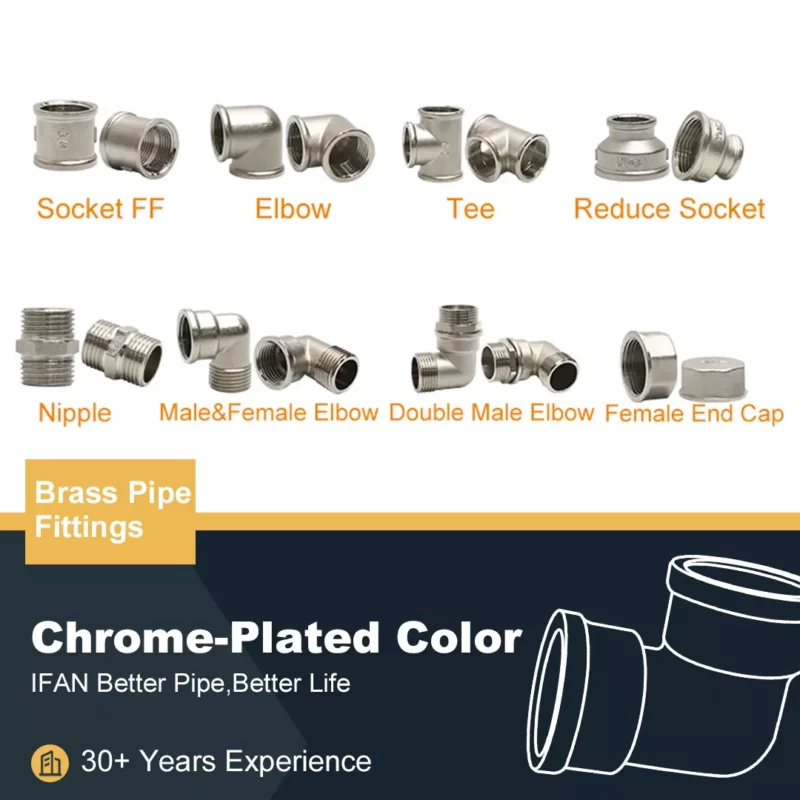
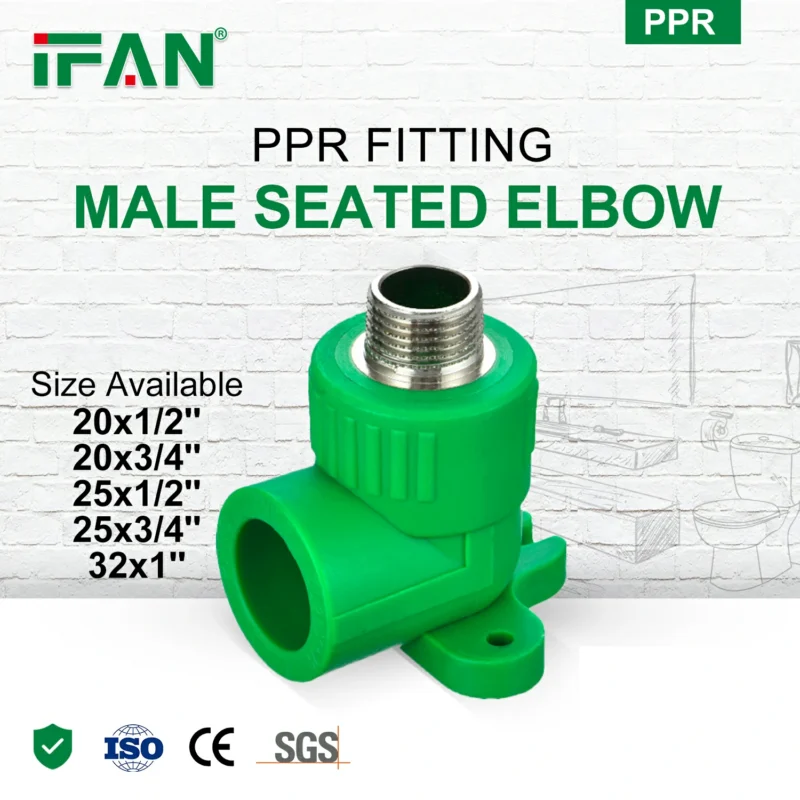
PPR fittings come in a variety of shapes and sizes, each designed for specific plumbing needs. Common types of PPR fittings used in hot water installations include elbows, tees, couplings, reducers, and valves. Elbows are used to change the direction of the pipes, while tees allow for the branching of the pipes in a T-shape. Couplings join two pipes of the same size, while reducers connect pipes of different diameters. Valves control the flow of water within the system.
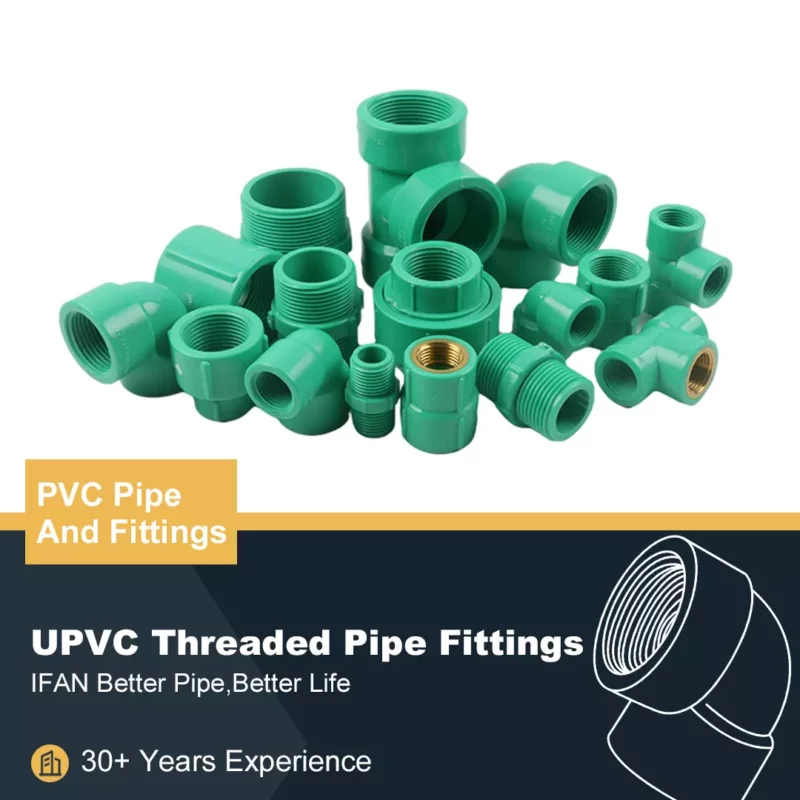
These fittings are available in both threaded and welded forms. Threaded fittings have threads on the inside or outside, which allow them to be screwed onto corresponding pipe threads. Welded fittings, on the other hand, are fused directly to the pipes using heat, creating a strong, leak-proof bond. The choice of fitting depends on the specific requirements of the hot water system and the type of pipes used.
Advantages of PPR in Hot Water Systems
PPR fittings offer several advantages over other materials, such as metal or PVC, in hot water applications. One key benefit is their ability to withstand high temperatures without deforming or losing strength. This makes them ideal for systems that carry hot water from boilers or water heaters. The heat resistance of PPR prevents leaks and system failures that might occur with other materials that are more vulnerable to temperature changes.
Another advantage is PPR’s resistance to chemical corrosion. Many hot water systems transport water with varying mineral contents, which can cause corrosion in metal pipes. PPR fittings, however, are chemically inert, meaning they will not degrade or rust in these conditions. This feature helps maintain the integrity of the system and ensures the water stays clean and free of contaminants.
Installation Process of PPR Fittings
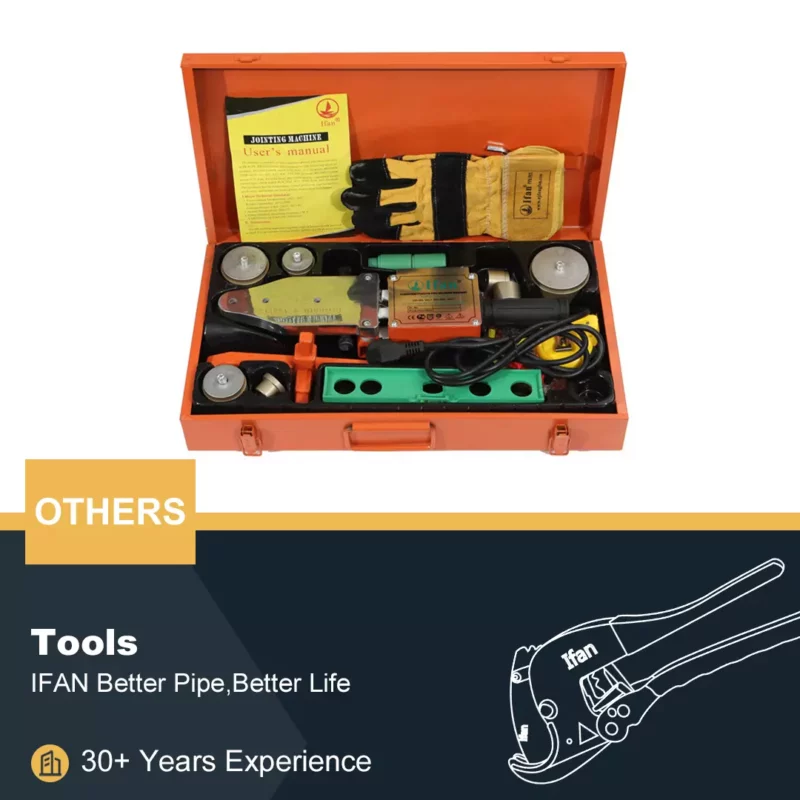
Installing PPR fitting requires some basic tools and skills, but the process is straightforward. First, the pipes are measured and cut to the required lengths. PPR fittings are then attached to the pipes using either a welding or fusion process. For fusion welding, the pipe ends and the fitting are heated using a specialized tool until they reach the correct temperature, after which they are pressed together to create a permanent bond.
One of the advantages of PPR systems is that they do not require special joints or glues. The fusion process ensures a strong, durable connection without the need for additional adhesives, making the installation cleaner and faster. It also eliminates the risk of leaks that may occur if adhesive-based systems are improperly applied.
Common Applications of PPR Fitting
PPR fittings are primarily used in hot water installations, but they also serve various other purposes in plumbing systems. In residential plumbing, they are often used to connect water heaters to shower systems, faucets, and radiators. PPR is also widely used in commercial buildings, where it is essential to have reliable hot water supply systems in bathrooms, kitchens, and heating systems.
In industrial settings, PPR fittings are used in systems that require high temperature and pressure resistance, such as in factories, chemical plants, and HVAC systems. The strength and chemical resistance of PPR ensure that these systems run smoothly and safely over long periods.
IFAN International Standard for PPR Tubing
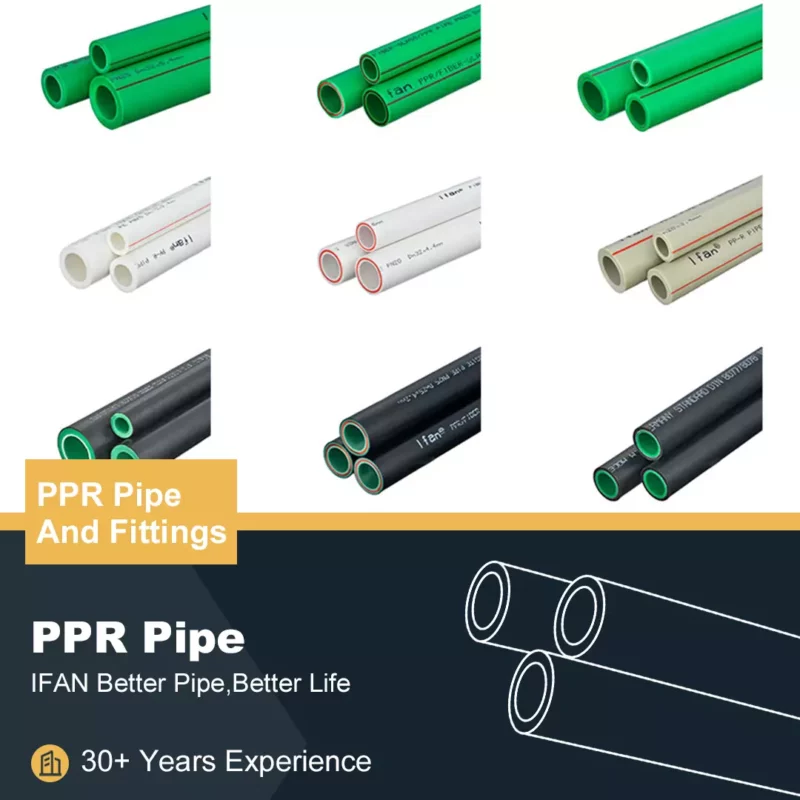
IFAN PPR series products are manufactured in compliance with several internationally recognized standards to ensure superior quality and performance. These standards include ISO 15874 series, EN 15874 series, ASTM F2389, DIN 8077/8078, GB/T 18742 series, and NBR 15884. By adhering to these stringent guidelines, IFAN guarantees that its PPR products meet high requirements for reliability, safety, and efficiency, making them ideal for use in plumbing, heating, and water distribution systems worldwide.
Maintenance and Durability of PPR Fitting
PPR fittings are known for their durability and low maintenance needs. Unlike metal systems, PPR does not corrode, scale, or develop leaks due to chemical reactions with water. This reduces the frequency of repairs and the need for system replacements. Furthermore, PPR systems are less prone to developing blockages from lime scale buildup, which is common in metal systems subjected to hard water.
Regular inspections of the system, including checking for leaks or cracks, are recommended, but generally, PPR systems require minimal upkeep. It is also important to ensure that the system is not subjected to excessive temperatures or pressures beyond the specified limits to avoid damage.
Environmental and Economic Benefits
PPR fittings are environmentally friendly due to their recyclable nature. Polypropylene can be recycled and reused, reducing the environmental impact compared to non-recyclable materials. In addition, the longevity of PPR fittings contributes to sustainability, as they need to be replaced less frequently than metal or PVC fittings.
From an economic perspective, PPR systems are cost-effective in the long run. Although the initial installation cost may be higher than PVC or basic metal fittings, the durability and energy efficiency of PPR systems lead to lower maintenance and operational costs. PPR’s efficiency in reducing energy consumption also makes it a smart choice for reducing utility bills in hot water systems.
Conclusion
PPR fittings are an excellent choice for hot water installations due to their heat resistance, durability, and cost-effectiveness. These fittings are reliable in both residential and industrial applications, offering efficient water flow and a long lifespan. With easy installation and minimal maintenance, PPR systems provide a low-maintenance, eco-friendly solution for hot water plumbing. Whether for residential water heaters or complex industrial systems, PPR fittings ensure the safe, efficient, and sustainable transport of hot water.
If you have read this article and have any questions, please feel free to contact IFAN. Below is our contact information:
Whatsapp:+86 13373827623
Email:[email protected]