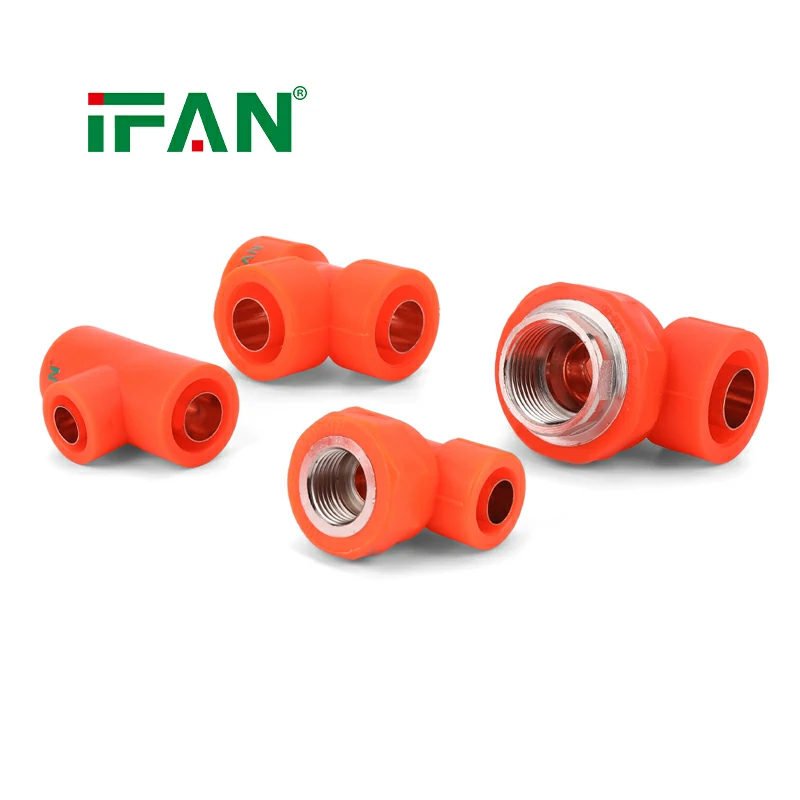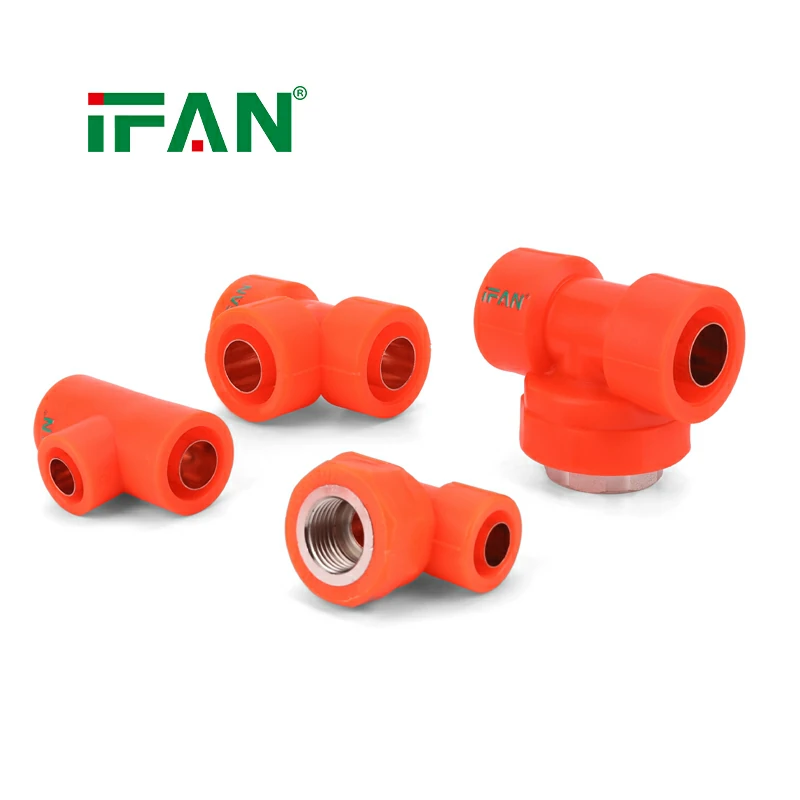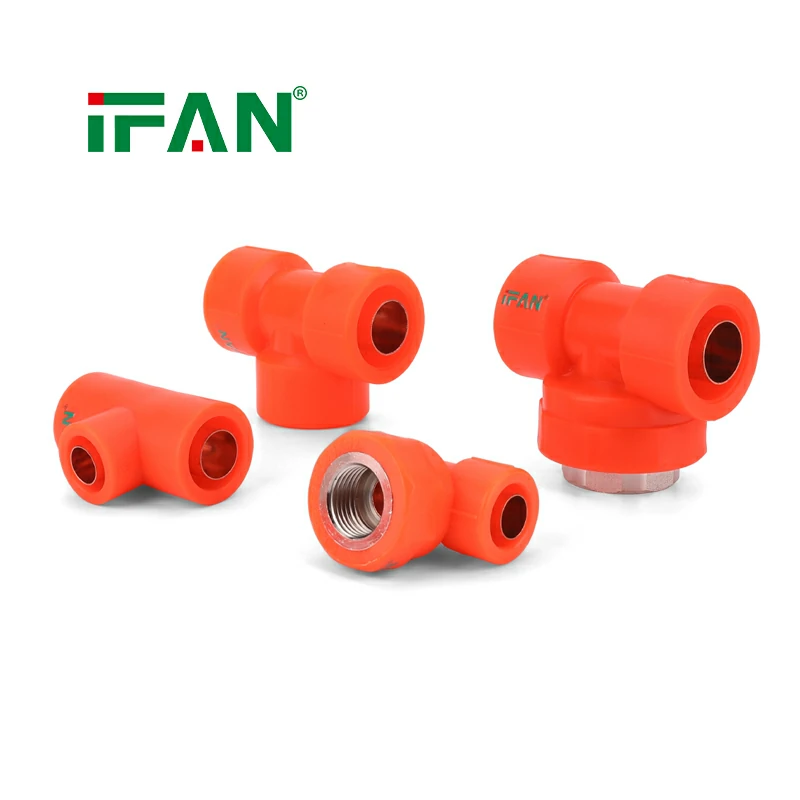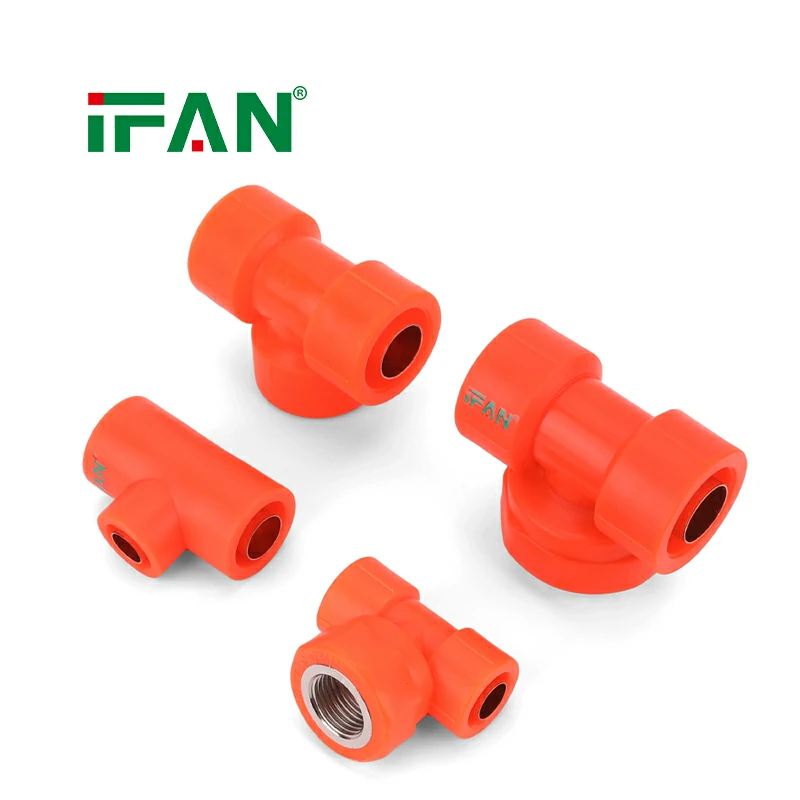
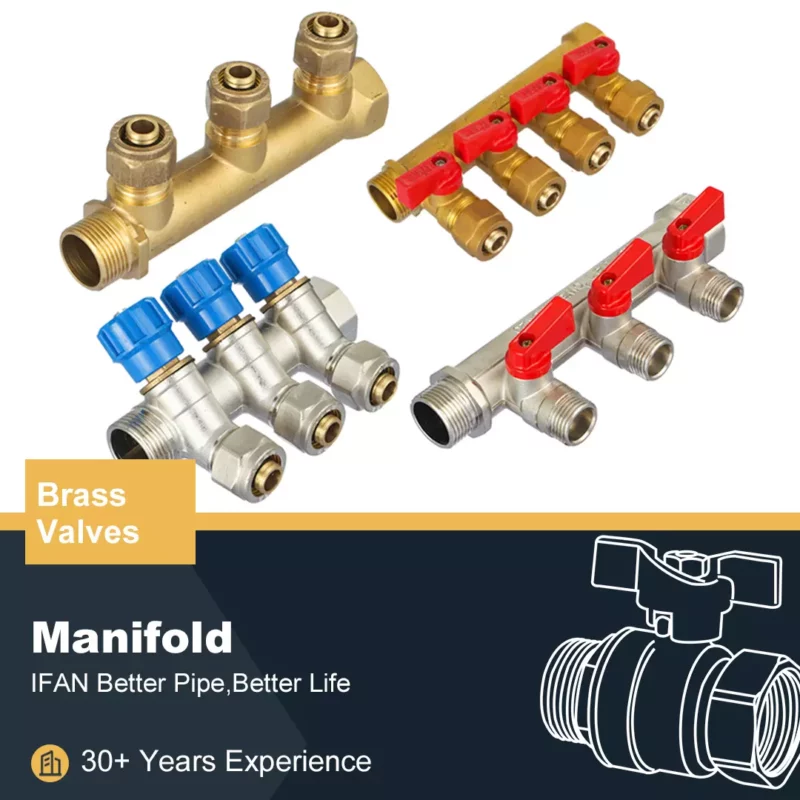


Brass fittings are an essential component in plumbing systems, ensuring durability and reliability. These fittings are made of an alloy of copper and zinc, often with small amounts of other metals like lead or tin. The combination of these metals provides brass with strength, corrosion resistance, and excellent performance in high-pressure applications. Brass is particularly useful in plumbing because it can withstand water pressure, resist rust, and maintain integrity over time. This article will explore the benefits of using brass fitting in plumbing connections, types of brass fittings available, and some common applications.
Benefits of Brass Fittings
One of the key advantages of brass fitting is their corrosion resistance. Water, especially when it contains minerals, can often cause corrosion in pipes and fittings. Brass, however, does not easily corrode or rust when exposed to moisture, ensuring the longevity of plumbing systems. This feature makes it ideal for both residential and commercial plumbing applications.
Moreover, brass fittings are highly durable. They are resistant to wear and tear, which makes them a reliable option for long-term use. When properly installed, brass fittings can last for decades without needing replacement. This quality is especially important in plumbing systems, where failures can lead to leaks or costly repairs.
Variety of Brass Fittings
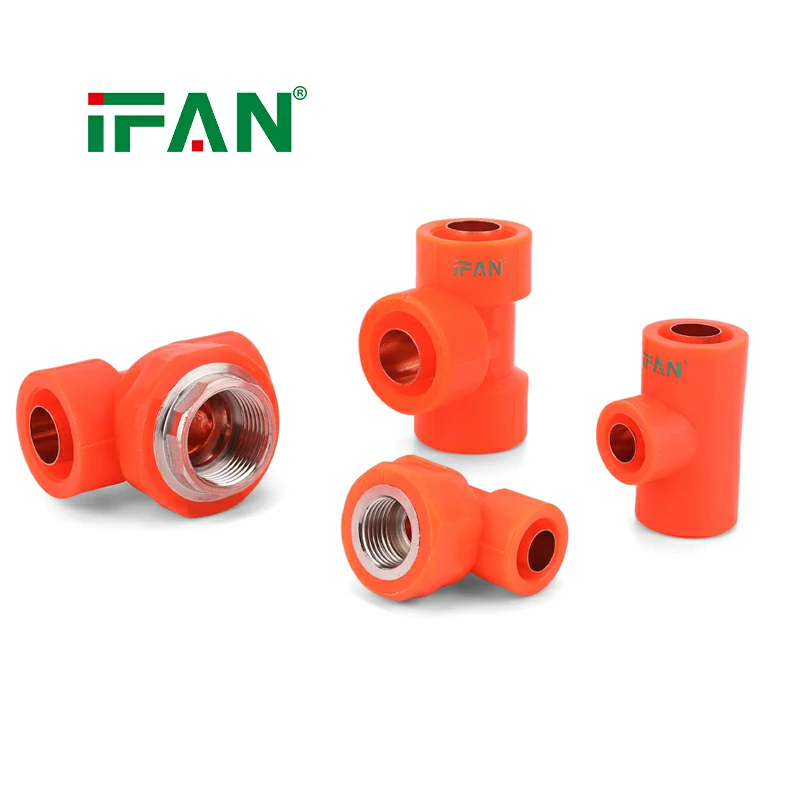
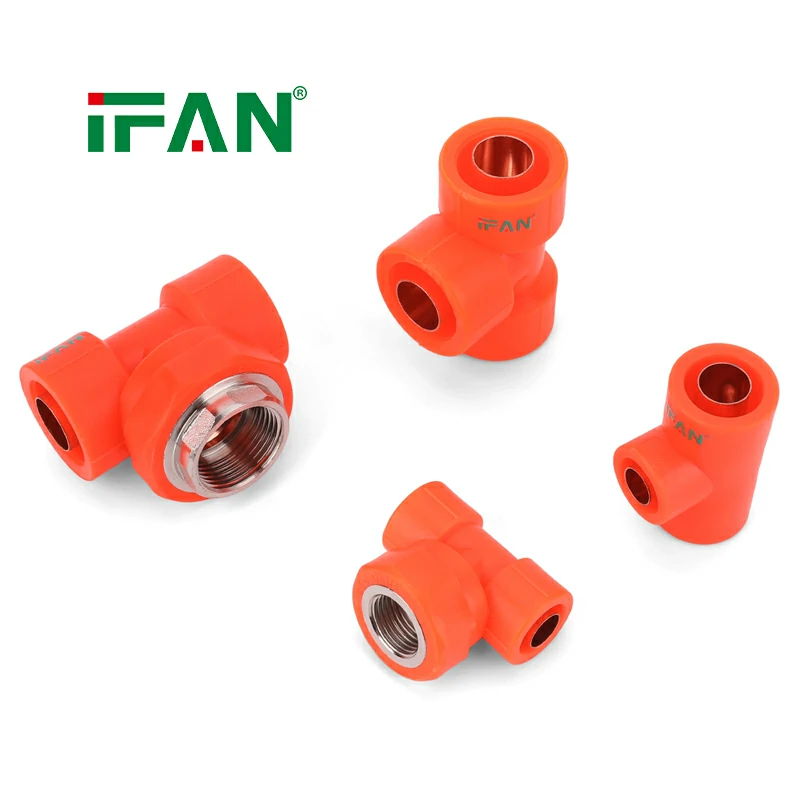
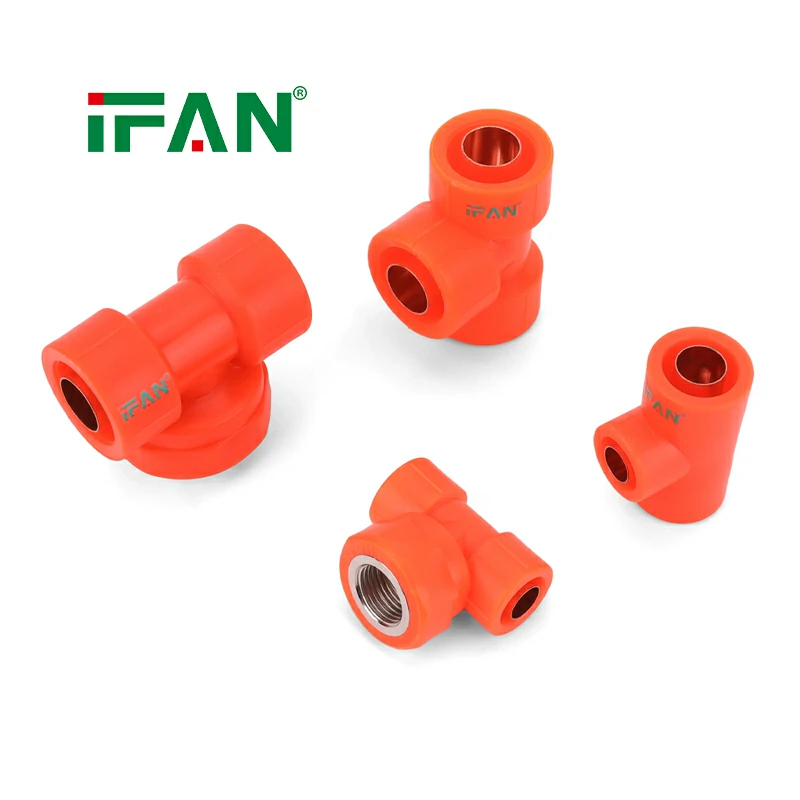
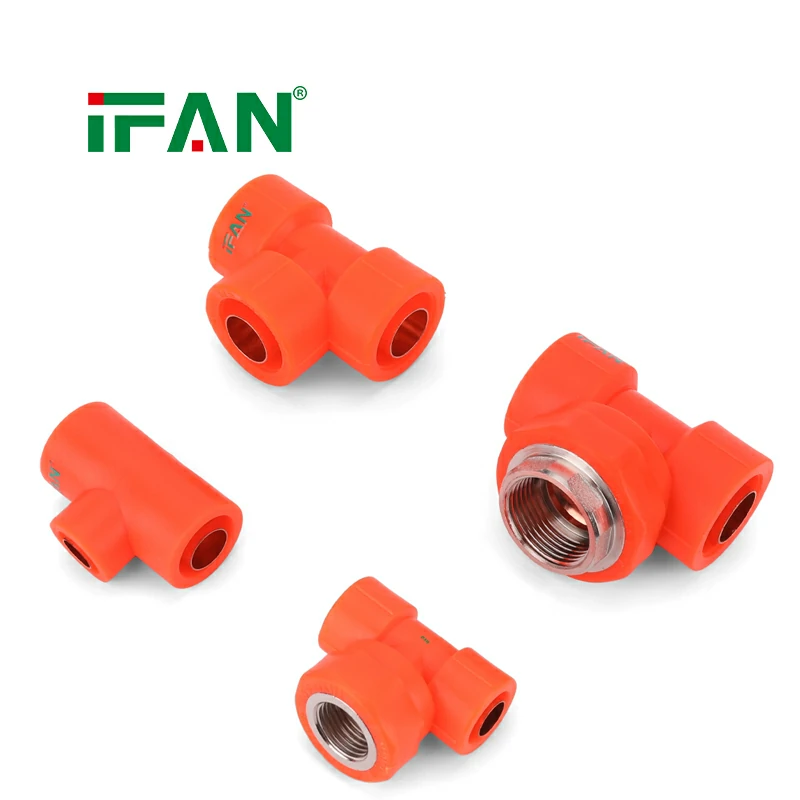
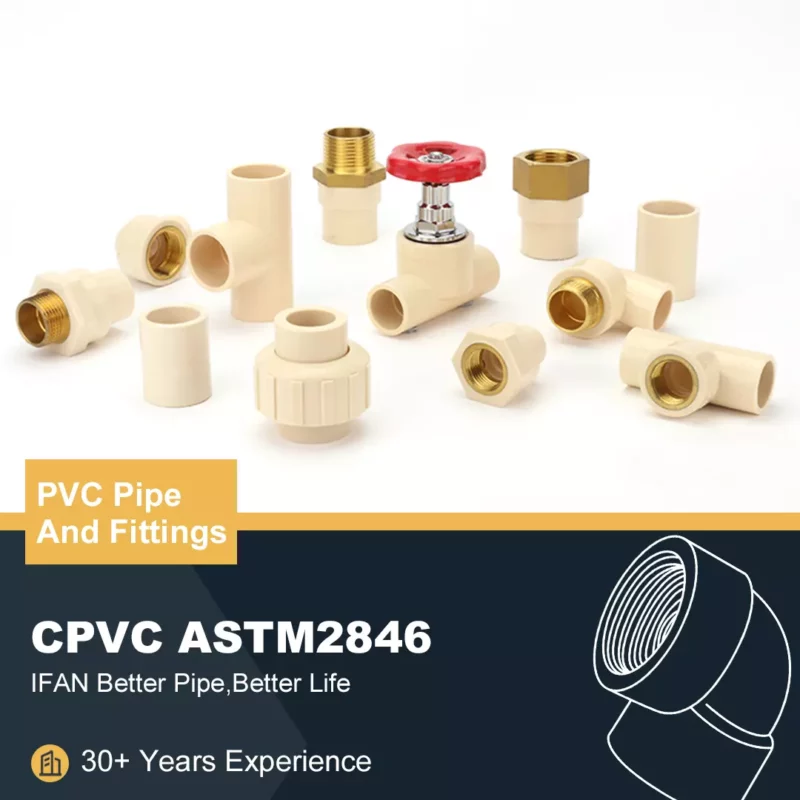
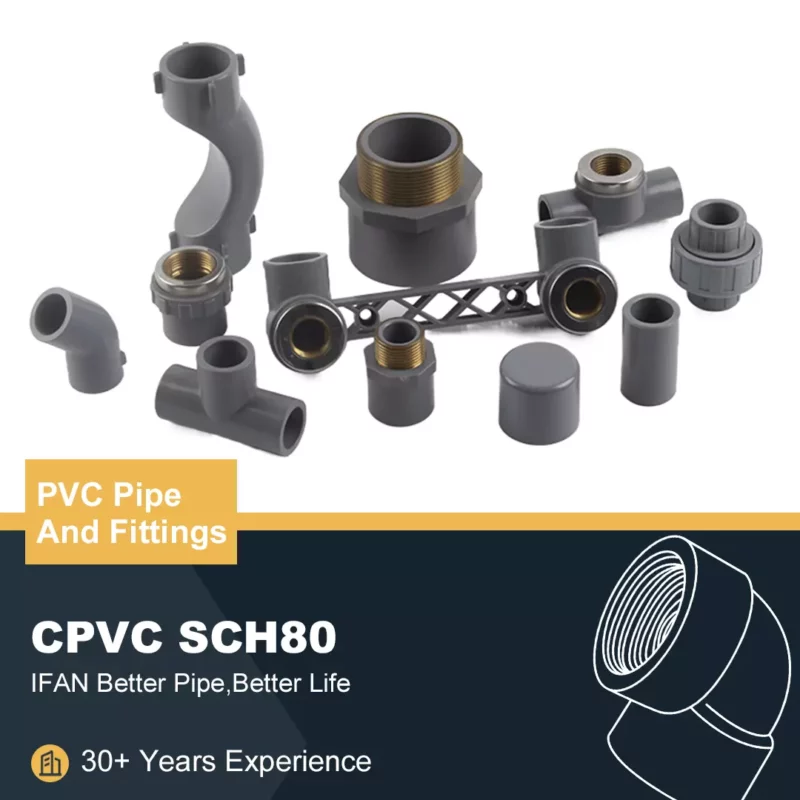
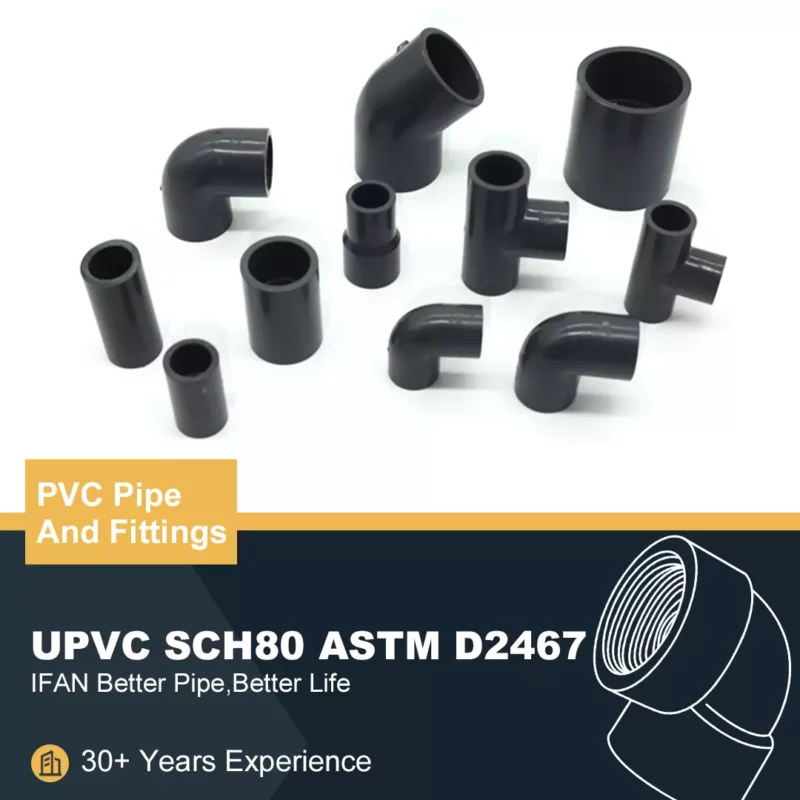
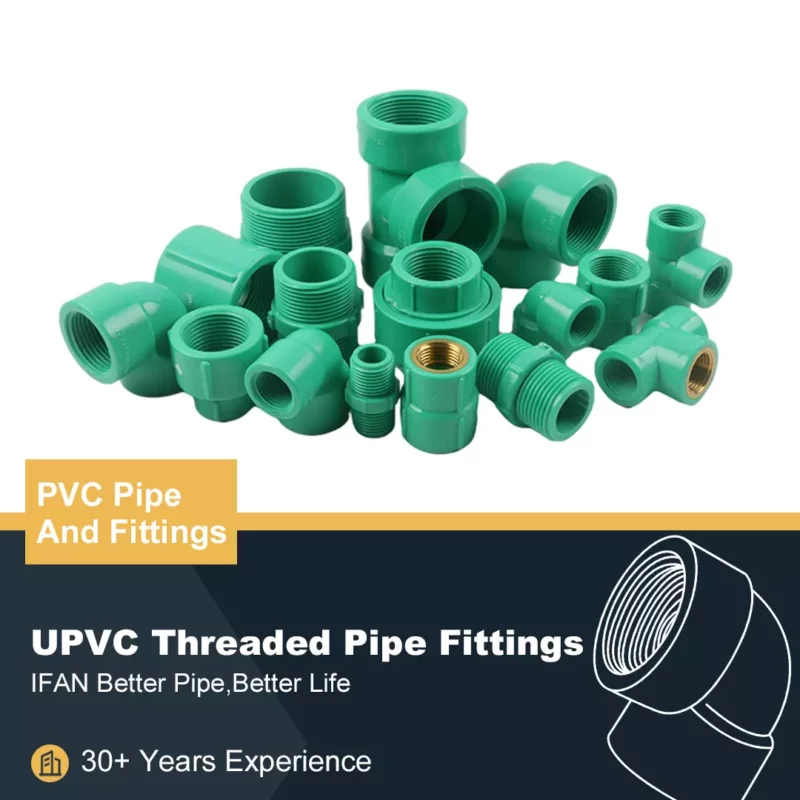
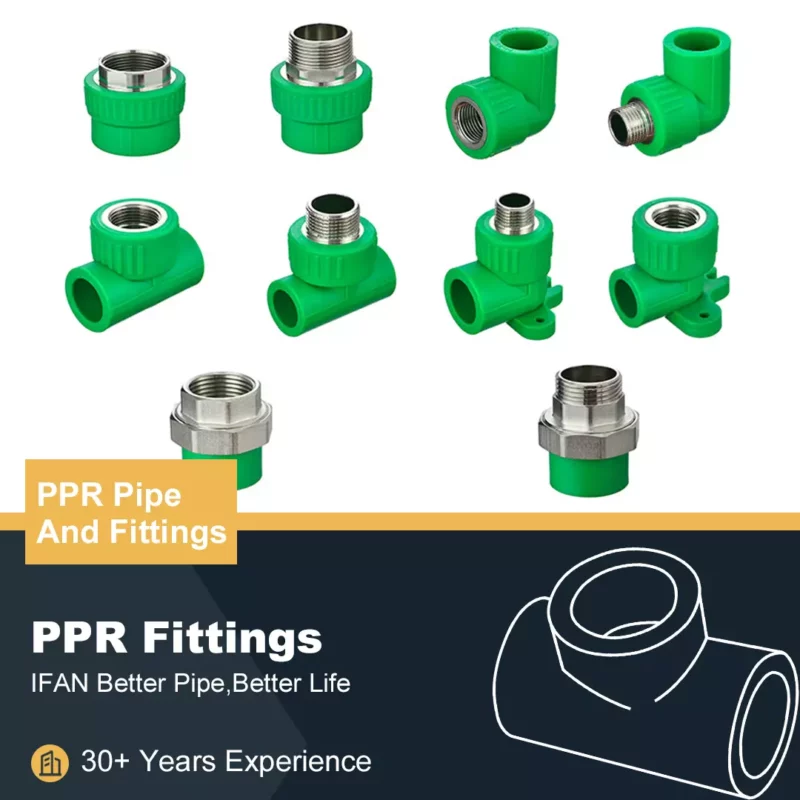
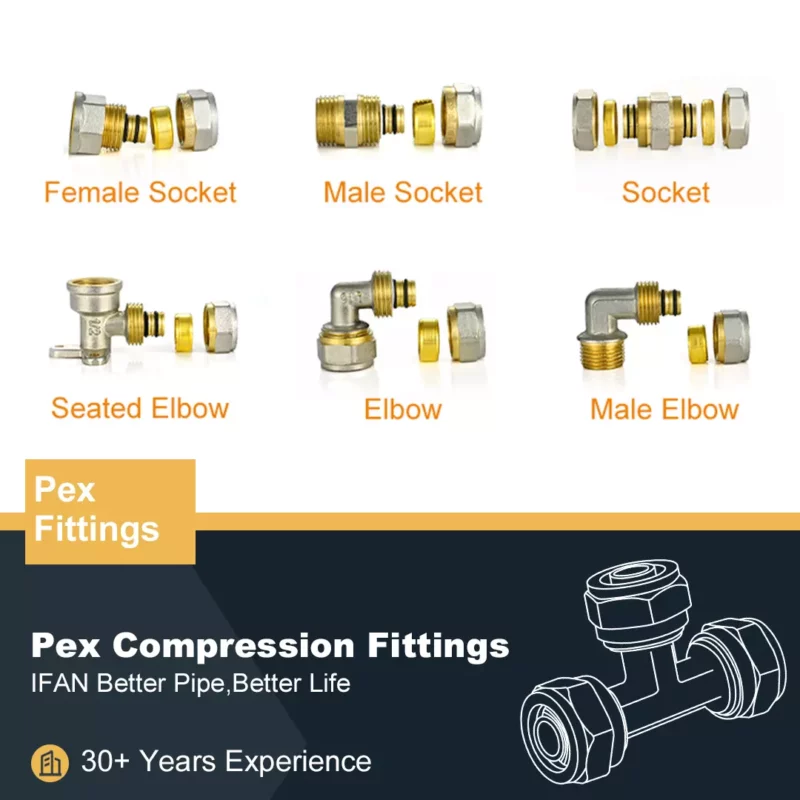
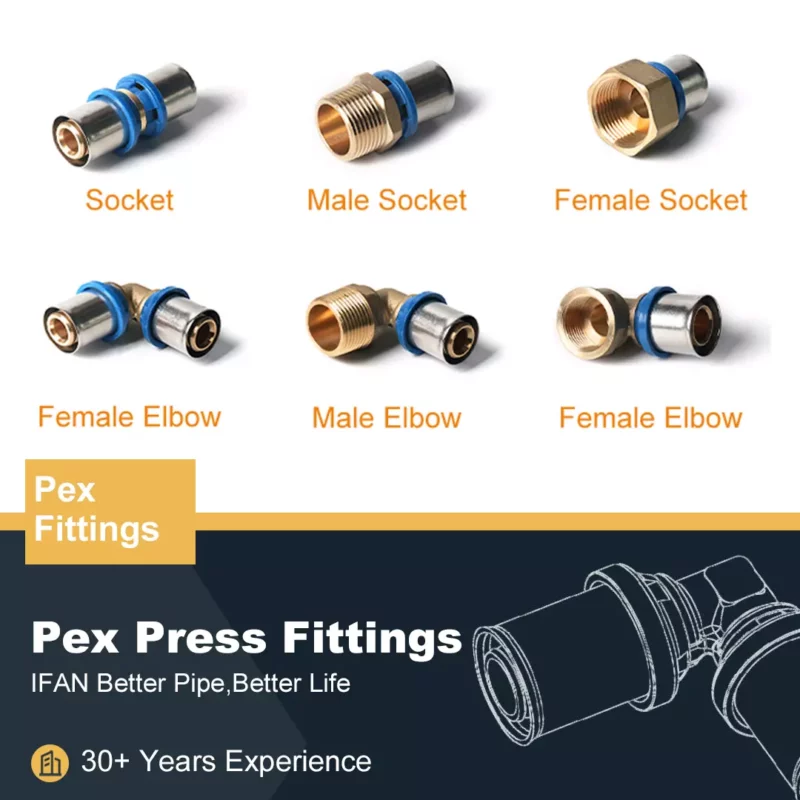
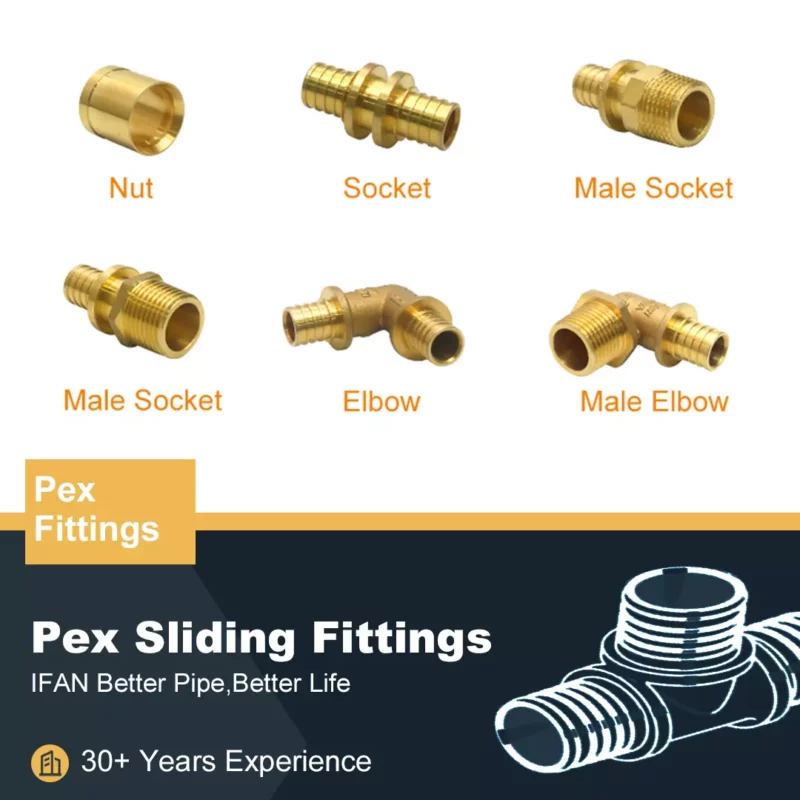
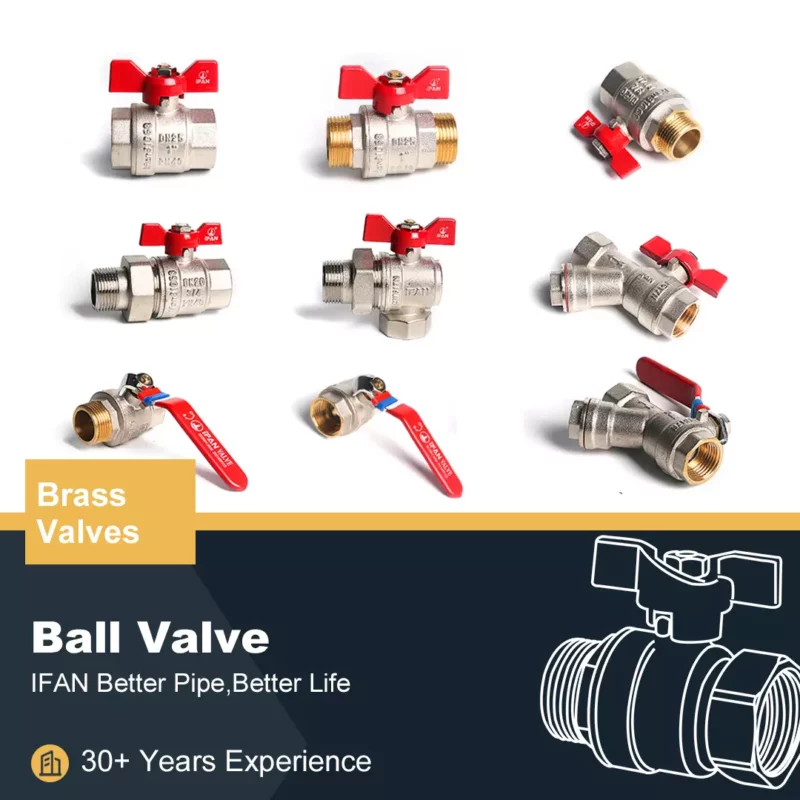
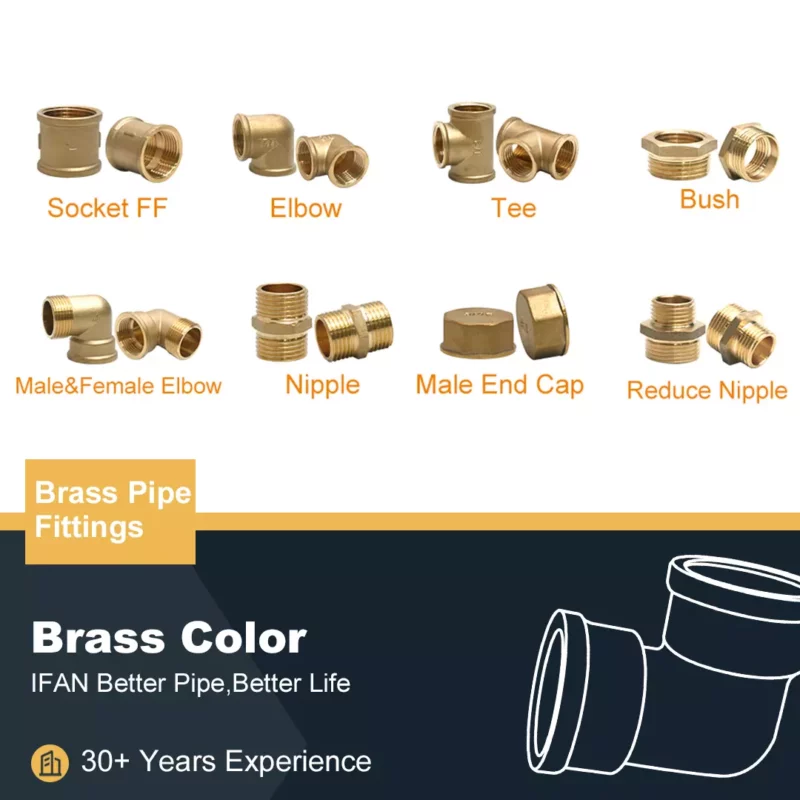
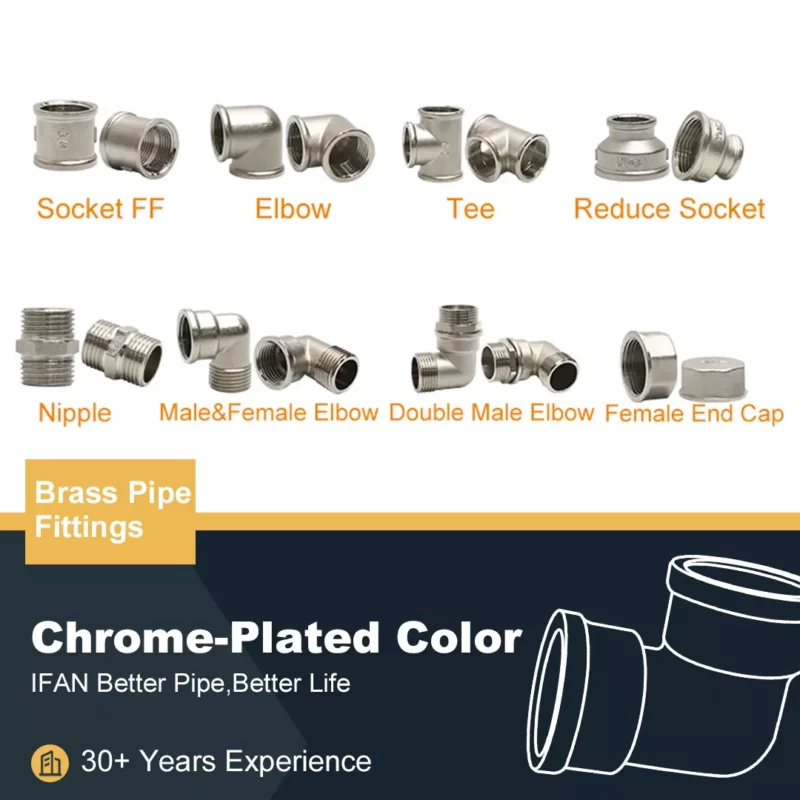
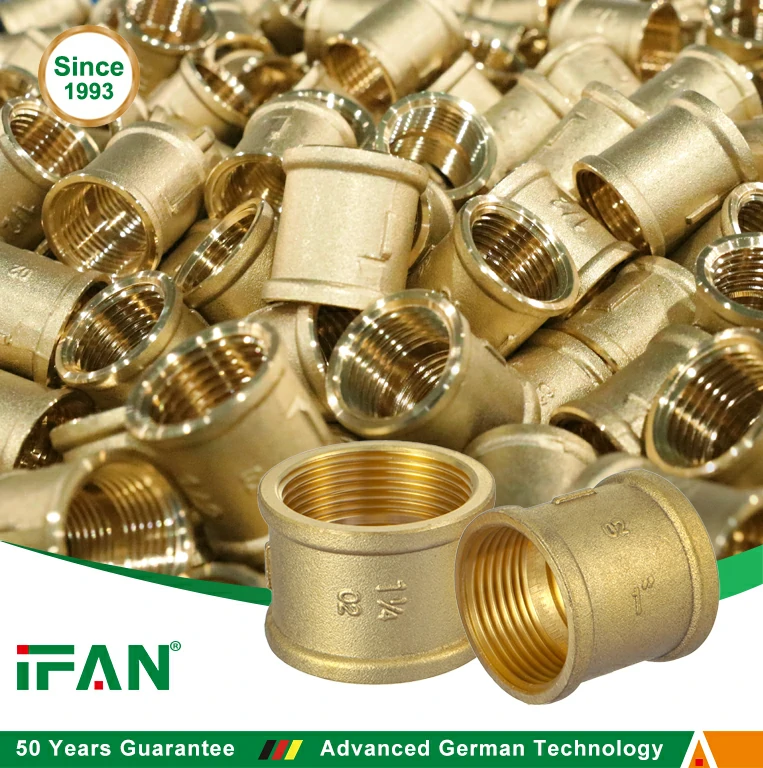
Brass fittings come in many different shapes and sizes, catering to various plumbing needs. Common types of brass fitting include elbows, tees, couplings, adapters, and caps. Elbows are used to change the direction of pipes, while tees are employed to connect three pipes together at a right angle. Couplings are used to join two pipes of the same size, and adapters allow pipes of different sizes to connect seamlessly. Caps are used to seal the ends of pipes.
These fittings come with different thread types, such as NPT (National Pipe Thread) or BSP (British Standard Pipe), which ensure a tight, leak-free connection. The type of fitting chosen depends on the specific requirements of the plumbing system, such as the material of the pipes and the pressure of the water flow.
Applications of Brass Fittings
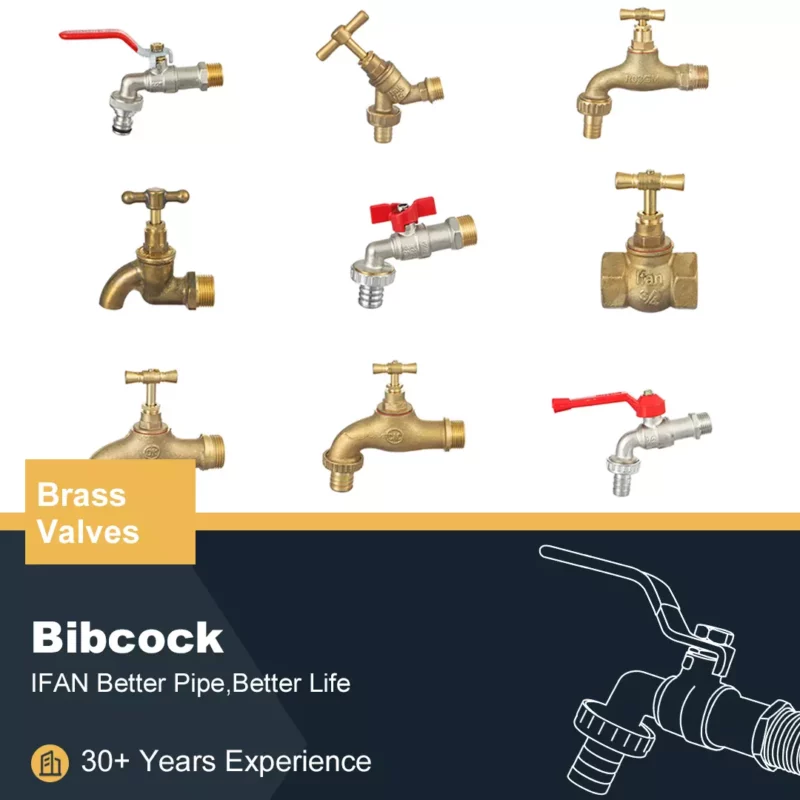
Brass fittings are widely used in both residential and industrial plumbing systems. In residential plumbing, they are commonly found in systems that supply water to faucets, showers, and toilets. Their ability to resist corrosion from hard water makes them a reliable choice for household plumbing.
In commercial and industrial settings, brass fittings are often used in systems involving high-pressure water or gas, such as in heating and cooling systems, and in the transportation of liquids in factories. Brass’s strength and resistance to high temperatures and pressures make it ideal for these demanding environments.
Installation and Maintenance
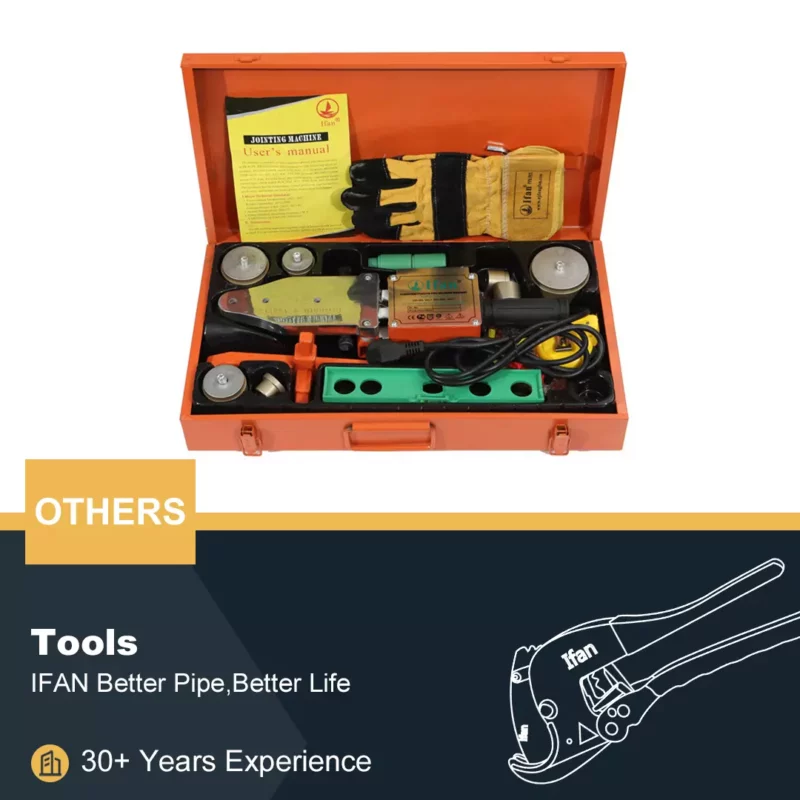
Proper installation of brass fitting is essential for ensuring the reliability of plumbing systems. Fittings should be tightly connected to prevent leaks, but over-tightening can damage the threads or cause stress fractures. It is important to use appropriate tools and follow the manufacturer’s instructions to achieve the best results.
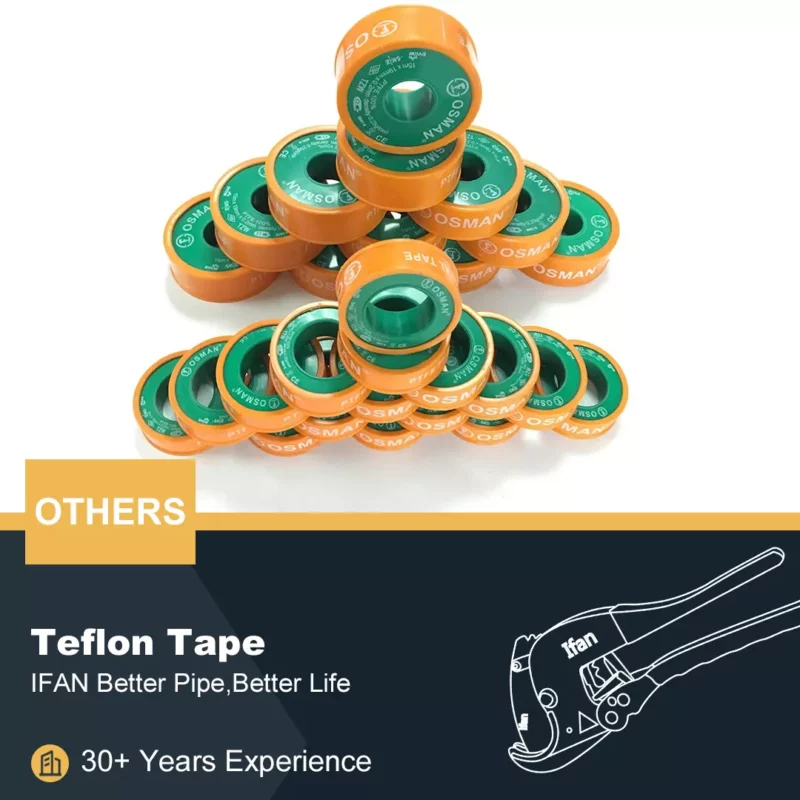
Maintenance of brass fittings is minimal, but it is important to inspect them regularly for any signs of wear or damage. If leaks are detected, the fitting should be replaced immediately to prevent water damage. In some cases, it may be necessary to use thread sealants or Teflon tape to ensure a leak-free connection.
Environmental and Cost Considerations
While brass fittings are durable and reliable, they can be more expensive than other types of fittings, such as plastic or steel. However, the long lifespan and reduced need for replacements make them a cost-effective choice in the long run. Additionally, brass is a recyclable material, which makes it a more environmentally friendly option compared to some alternatives.
Although brass fittings have an initial higher cost, they can save money on repairs and replacements in the future. The durability and strength of brass fittings also reduce the likelihood of plumbing failures, which could lead to costly damage to property.
Conclusion
Brass fittings are an excellent choice for reliable plumbing connections. Their durability, corrosion resistance, and ability to withstand high pressures make them a superior option for both residential and commercial plumbing systems. With a variety of fittings available, brass can cater to different plumbing needs. Proper installation and maintenance ensure long-term performance, making brass fitting a cost-effective solution for many plumbing applications. By choosing brass fitting, homeowners and businesses can enjoy reliable, efficient, and long-lasting plumbing systems.
If you have read this article and have any questions, please feel free to contact IFAN. Below is our contact information:
Whatsapp:+86 13373827623
Email:[email protected]