

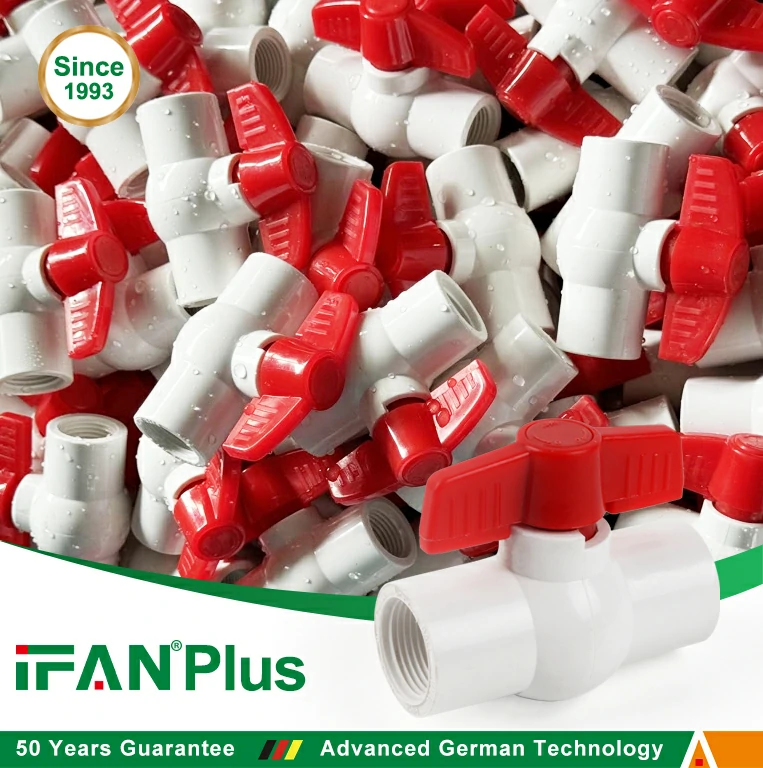
PVC (Polyvinyl Chloride) ball valves are a popular choice for regulating the flow of liquids and gases in various piping systems. They are especially known for their simple yet effective operation. PVC ball valves offer a smooth, reliable performance that is both easy to operate and maintain. This guide explores the features, benefits, and application of PVC ball valve, highlighting why they are favored for residential, commercial, and industrial use.
1. What is a PVC Ball Valve?
A PVC ball valve is a type of valve that controls the flow of fluids using a ball with a hole (bore) through the middle. When the ball is rotated, the bore aligns with the pipe, allowing fluid to flow. Conversely, when the valve is closed, the ball rotates to block the flow. This design allows for quick and easy operation, providing an efficient means of controlling fluid flow in a pipeline.
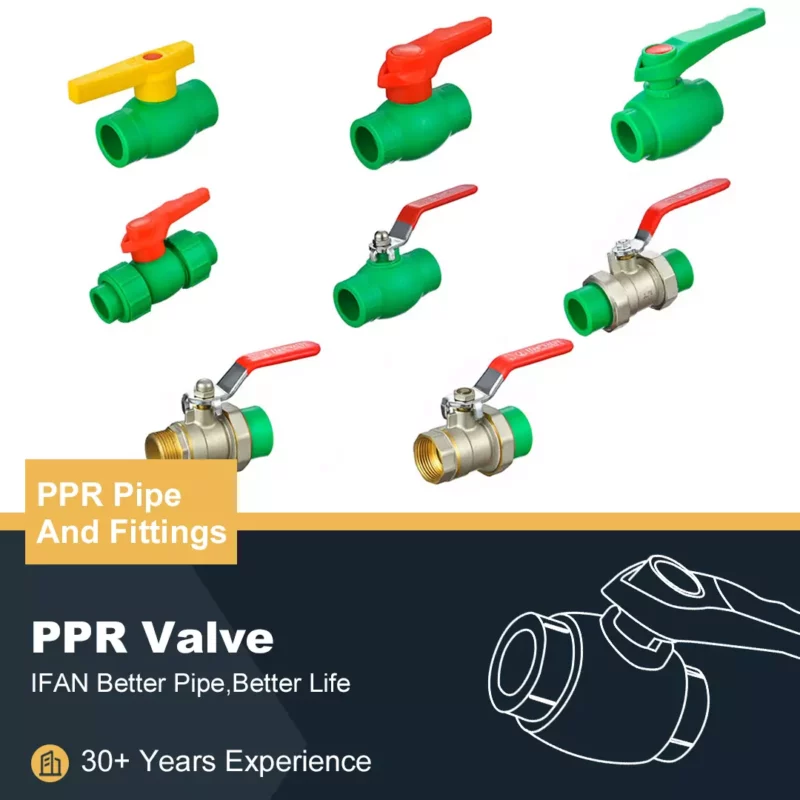
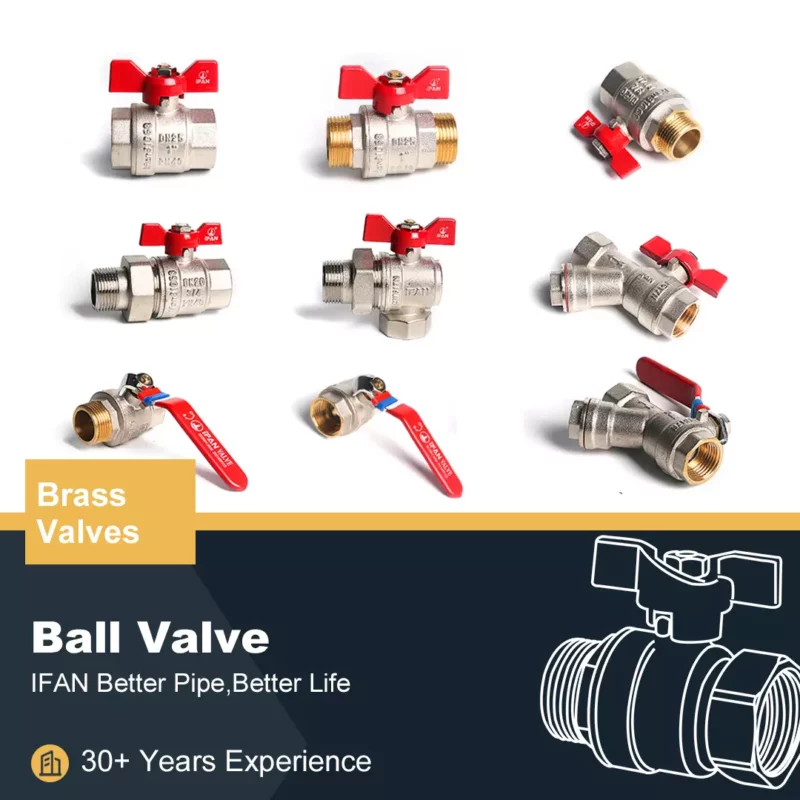
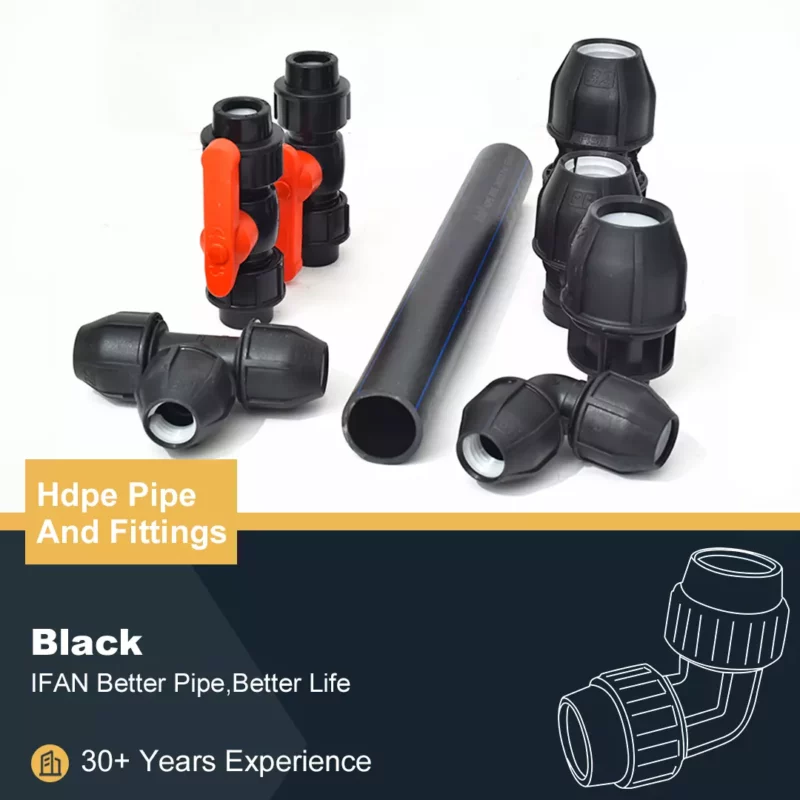
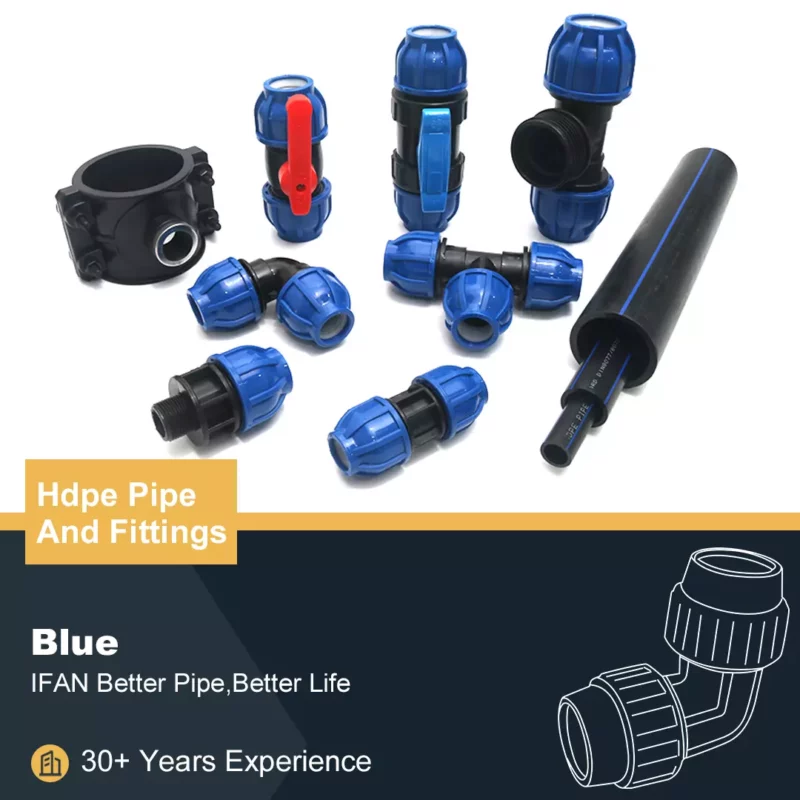
The main components of a PVC ball valve include the valve body, a ball with a through-hole, a stem, a handle, and seals. PVC ball valve are typically used in systems that handle water, chemicals, or gases and are often installed in places where ease of operation and reliable flow control are critical.
For example, in irrigation systems, PVC ball valves are used to regulate the water supply, ensuring a consistent and easy-to-control flow.
2. Advantages of PVC Ball Valve
PVC ball valves offer several advantages over other types of valves, especially when it comes to ease of operation. These benefits include:
- Simple Operation: PVC ball valves are easy to open and close. The handle is typically turned 90 degrees, making it simple for anyone to operate.
- Leak-Proof: Due to their tight sealing design, PVC ball valve are highly resistant to leakage when properly installed.
- Durability: PVC is a corrosion-resistant material, making these valves suitable for various applications, including in corrosive environments.
- Lightweight: PVC ball valve are lightweight, which makes them easy to handle and install. This is particularly beneficial in larger systems where reducing weight is important.
- Cost-Effective: Compared to metal valves, PVC ball valves are usually more affordable, making them a cost-effective option for both residential and commercial applications.
In residential water systems, these valves provide an easy-to-operate and leak-proof solution for controlling water flow to various parts of the home.
3. How Do PVC Ball Valve Work?
The operation of a PVC ball valve is straightforward and involves rotating the valve handle to either open or close the flow path. The ball inside the valve has a hole, also known as the bore, which aligns with the pipe when the valve is open, allowing fluid to flow through. When the valve is closed, the ball rotates so that the bore is perpendicular to the flow, blocking the pipe.
Opening the valve requires a 90-degree turn of the handle, which can be done with minimal effort. The smooth movement of the handle is one of the reasons why PVC ball valves are so easy to operate. Unlike gate or globe valves, which require several turns to open or close, ball valves operate with just a quarter-turn, making them faster and easier to use.
For example, in industrial water systems, where multiple valves are used to regulate flow, PVC ball valve provide a more efficient and quicker method of control.
4. Types of PVC Ball Valves
There are different types of PVC ball valve, and each type is suited to specific applications. Some of the most common types include:
- Full Port Ball Valves: These have a larger bore that matches the size of the pipe. This design allows for maximum flow when the valve is open.
- Reduced Port Ball Valves: These have a smaller bore, which restricts the flow. They are more compact and are often used when full flow is not necessary.
- Three-Way Ball Valves: These valves have three ports and allow for the diversion or mixing of flow between different lines. They are commonly used in complex systems requiring flow direction control.
- Two-Way Ball Valves: These valves have two ports—one for incoming fluid and one for outgoing fluid. They are the most basic form and are widely used in most applications.
For instance, a full port ball valve may be ideal in a commercial irrigation system where maximum water flow is required, while a reduced port valve may be sufficient for controlling water flow to a smaller garden faucet.
5. Key Benefits of Easy Operation
The ease of operation of PVC ball valve provides numerous advantages, especially in high-traffic or high-pressure environments. Some of the key benefits include:
- Quick Flow Control: With a simple quarter-turn, the valve opens or closes, offering immediate control over fluid flow. This quick action is especially beneficial in emergencies, such as when there is a need to shut off water or gas flow quickly.
- User-Friendly: PVC ball valves are intuitive and easy to operate, making them suitable for a wide range of users, from homeowners to industrial workers. Even people with no technical experience can easily manage the operation of these valves.
- Minimal Maintenance: Since PVC ball valves are easy to operate and have fewer moving parts compared to other valve types, they require less maintenance. There’s no need to worry about complex mechanisms or frequent adjustments.
- Clear Positioning: The handle of a PVC ball valve clearly indicates whether the valve is open or closed. The position of the handle provides immediate visual feedback, reducing the likelihood of human error.
For example, in home plumbing systems, a PVC ball valve allows homeowners to quickly stop water flow in case of a pipe burst, without the need for extensive training or specialized tools.
6. Applications of PVC Ball Valves
PVC ball valves are used in a wide range of industries and applications due to their ease of operation and durability. Some common uses include:
- Residential Plumbing: In homes, PVC ball valves are often installed in water supply lines, where they are used to control the flow of water to different parts of the home. Their ease of operation makes them ideal for homeowners who need to quickly shut off water during a plumbing emergency.
- Irrigation Systems: PVC ball valves are used to control water flow in irrigation systems. These systems often involve numerous valves, and the ability to quickly adjust the flow makes PVC ball valve a perfect solution.
- Chemical and Industrial Processes: PVC ball valves are widely used in industrial applications that involve chemicals, wastewater, and other fluids. They provide a leak-proof seal and resist corrosion from aggressive chemicals.
- Aquariums and Fish Tanks: For water filtration systems, PVC ball valve help regulate water flow, ensuring optimal circulation in large aquarium setups.
In a greenhouse irrigation system, PVC ball valves make it easy to adjust water flow to various sections, ensuring optimal watering conditions for different plant types.
7. Advantages Over Other Valve Types
Compared to other valve types, such as gate or globe valves, PVC ball valve have several operational benefits:
- Faster Operation: PVC ball valves only require a quarter-turn to open or close, whereas gate valves typically require multiple turns. This makes ball valves quicker and more convenient, especially in situations where rapid adjustments are necessary.
- Durability: PVC is resistant to corrosion, chemicals, and UV degradation, ensuring that PVC ball valves maintain their functionality in harsh environments. Metal valves, on the other hand, may corrode over time and require frequent maintenance.
- Less Wear and Tear: The simple mechanism of a ball valve means there are fewer moving parts that can wear out. This makes them more reliable in the long term.
- Tight Sealing: PVC ball valves offer excellent sealing capabilities, preventing leaks and ensuring that the system remains pressurized and leak-free.
For example, in a large-scale industrial water treatment plant, PVC ball valves ensure that water flow is accurately controlled, preventing any accidental water loss due to leaking valves.
8. Installing PVC Ball Valves
Installing PVC ball valves is a relatively simple process, further adding to their appeal in various applications. The installation generally involves the following steps:
- Cut the Pipe: Measure and cut the pipe to the required length, ensuring a clean, straight cut.
- Prepare the Valve: Apply PVC primer and solvent cement to both the valve and pipe ends.
- Join the Valve and Pipe: Insert the pipe into the valve socket, twisting it slightly to distribute the cement. Hold the pipe in place for a few seconds to ensure a secure bond.
- Allow to Cure: After installation, allow the solvent cement to cure for the recommended time before using the valve.
The installation process is typically quicker and simpler than that of other valve types, reducing labor costs and installation time.
9. Maintenance of PVC Ball Valves
Although PVC ball valves are relatively low maintenance, there are a few steps you can take to ensure their long-term operation:
- Check for Leaks: Regularly inspect the valve for leaks. If leaks are found, they can usually be fixed by replacing the seals or tightening the valve connections.
- Clean the Valve: Periodic cleaning of the valve and its components can help maintain smooth operation. Over time, debris or sediment can accumulate inside the valve.
- Test the Valve: Occasionally test the valve by turning the handle to ensure it operates smoothly and completely opens and closes the valve.
In a residential water supply system, maintaining the ball valve ensures smooth operation of the entire plumbing network, reducing the risk of clogs or water damage.
10. Conclusion
PVC ball valves offer an easy-to-operate, reliable, and cost-effective solution for controlling fluid flow in various systems. Their simple, quarter-turn operation makes them ideal for applications requiring quick and efficient flow control. Whether used in residential plumbing,irrigation, or industrial systems, PVC ball valves provide a durable, leak-proof solution. With minimal maintenance requirements and easy installation, they are a go-to choice for homeowners, contractors, and industries alike.
If you have read this article and have any questions, please feel free to contact IFAN. Below is our contact information:
Whatsapp:+86 13373827623
Email:[email protected]