
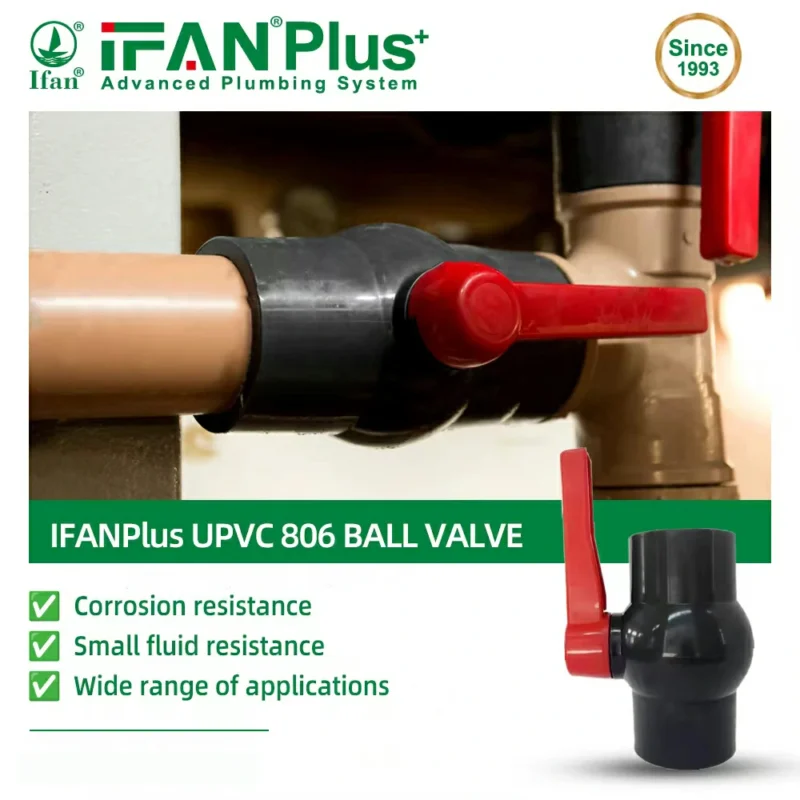
UPVC Ball Valve Chemical Resistance: An In-Depth Analysis
UPVC (Unplasticized Polyvinyl Chloride) ball valves are widely used in plumbing, irrigation, and industrial applications due to their excellent resistance to chemicals, durability, and ease of maintenance. Chemical resistance is one of the primary reasons why UPVC ball valves are preferred in systems that transport aggressive or corrosive substances. This article explores the chemical resistance of UPVC ball valves, the factors affecting their performance, and their advantages in various applications.
1. What is UPVC and Why is it Chemical-Resistant?
UPVC is a rigid, unplasticized version of PVC (Polyvinyl Chloride) that is stronger and more durable than regular PVC. Unlike PVC, UPVC is not softened with plasticizers, which makes it stiffer and more resistant to chemical exposure. UPVC has a dense molecular structure that provides excellent resistance to corrosion, abrasion, and chemical attacks, making it ideal for applications involving aggressive fluids.
In industrial plants, UPVC ball valves control acids and alkalis. UPVC does not degrade when exposed to chemicals. The lack of plasticizers keeps the valve rigid. It remains unaffected by aggressive chemicals. This gives UPVC a distinct advantage.
2. Chemical Resistance of UPVC Ball Valves
UPVC ball valves are known for their strong chemical resistance. The material resists a wide range of chemicals, including acids, bases, and salts. This resistance is crucial in industries such as chemical processing, water treatment, and agriculture, where valves must withstand exposure to harsh substances.
UPVC valves are commonly used in water treatment plants. They are exposed to chlorine, sulfuric acid, and other chemicals. UPVC has excellent chemical resistance. The valves do not corrode or degrade. They maintain functionality over long periods.
3. Types of Chemicals UPVC Ball Valves Can Withstand
UPVC ball valves offer resistance to a broad range of chemicals, making them suitable for various applications. Some of the chemicals they can resist include:
- Acids: UPVC ball valves are resistant to many acids, including hydrochloric acid, sulfuric acid, and nitric acid. These acids are commonly found in industrial settings such as chemical plants or laboratories. For example, in a laboratory setting, UPVC ball valves are used to control the flow of hydrochloric acid or sulfuric acid, ensuring safe and reliable operation without the valve deteriorating.
- Alkalis: Alkaline substances, such as sodium hydroxide and potassium hydroxide, can cause damage to many materials. However, UPVC ball valves remain resistant to these chemicals, making them ideal for applications in industries that handle caustic solutions.
- Salts: Salts, especially in high concentrations, can be highly corrosive. UPVC valves show good resistance to salt solutions, which makes them suitable for use in saline water systems or salt processing plants.
- Oils and Greases: UPVC ball valves can handle many oils and greases, making them a good choice in automotive, food processing, and chemical industries where such substances are common.
4. Limitations in Chemical Resistance
Although UPVC ball valves exhibit impressive chemical resistance, they are not invulnerable. There are certain chemicals and conditions under which UPVC may degrade. For example, UPVC may not be suitable for use with strong oxidizing agents like concentrated hydrogen peroxide or certain solvents such as ketones and esters.
In some cases, prolonged exposure to UV light can also degrade UPVC, making it more brittle over time. However, many UPVC valves are designed with UV-resistant coatings or are used in environments where UV exposure is minimal.
For example, while UPVC ball valves can handle most acids, they should not be used with concentrated sulfuric acid or certain chlorinated compounds, as these chemicals can slowly degrade the material, leading to valve failure.
5. Why Choose UPVC Ball Valves for Chemical Handling?
UPVC ball valves offer numerous benefits in chemical handling systems. Their superior chemical resistance is one of the most compelling reasons to use them, but other advantages include:
- Durability: UPVC ball valves are resistant to wear and tear, ensuring a long service life even in harsh environments.
- Low Maintenance: Due to their resistance to corrosion, UPVC ball valves require minimal maintenance. Unlike metal valves, they do not need frequent repairs or replacements.
- Cost-Effectiveness: UPVC is less expensive than metals like stainless steel or brass, making it a more cost-effective choice for applications where chemical resistance is required.
- Lightweight: UPVC ball valves are much lighter than their metal counterparts, making them easier to install and handle.
For example, in a chemical plant that regularly processes acids and alkalis, the low cost and high chemical resistance of UPVC ball valves make them an ideal choice for controlling the flow of chemicals throughout the system.
6. Applications of UPVC Ball Valves in Chemical Systems
Due to their chemical resistance, UPVC ball valves are used in various industries, including chemical manufacturing, water treatment, food processing, and agriculture. Here are some common applications:
- Chemical Processing: UPVC ball valves are ideal for controlling the flow of a variety of chemicals, such as acids, solvents, and reagents, in chemical plants. Their resistance to corrosion ensures reliable operation even in aggressive environments. For example, in a chemical plant where sulfuric acid is used in production, UPVC ball valves can safely regulate the flow of the acid without risk of valve degradation.
- Water Treatment: In water treatment plants, UPVC ball valves are used to manage the flow of chlorine, fluoride, and other chemicals essential for water purification. The valves’ chemical resistance ensures that they remain functional and leak-free throughout the treatment process.
- Food Processing: UPVC ball valves are commonly used in food and beverage industries where hygiene and chemical resistance are crucial. These valves are often used to handle water treatment chemicals, preservatives, and other substances that require safe handling.
- Agriculture: UPVC ball valves are frequently used in irrigation systems to regulate the flow of water or fertilizers. The valves are resistant to various chemicals found in fertilizers, ensuring a long-lasting, reliable solution for agricultural applications.
7. How Chemical Resistance Affects Valve Lifespan
The chemical resistance of UPVC ball valves directly impacts their lifespan. By withstanding exposure to corrosive substances, these valves maintain their structural integrity and functionality over time. This resistance reduces the likelihood of failure, leaks, and the need for replacement.
A UPVC ball valve lasts for years in chemical processing systems. It withstands harsh chemicals within its resistance range. This durability reduces downtime and maintenance costs. It is especially beneficial in industries with costly production stoppages.
8. Temperature and Pressure Considerations in Chemical Systems
While UPVC ball valves are resistant to many chemicals, their performance can be affected by temperature and pressure. UPVC is not as heat-resistant as some other materials, such as stainless steel. When used with hot chemicals or high-pressure systems, the temperature and pressure limits must be carefully considered to ensure the valve’s longevity.
For instance, UPVC ball valves can typically withstand temperatures up to 60-70°C (140-158°F). Exceeding these temperatures could cause the valve to warp or degrade. However, for most chemical applications involving ambient or moderate temperatures, UPVC ball valves remain highly effective.
9. Impact of Chemical Exposure on Valve Function
Continuous exposure to chemicals can have varying effects on the function of UPVC ball valves, depending on the chemical type, concentration, and exposure duration. For example, strong oxidizers or solvents can weaken UPVC material over time, potentially causing cracking or failure.
However, in most cases, UPVC ball valves provide excellent resistance against common industrial chemicals, ensuring they maintain smooth operation and leak-free performance. When selecting a UPVC ball valve for a specific application, it is essential to consult the manufacturer’s guidelines on chemical compatibility.
IFAN International Standard for PVC Tubing
IFAN’s PVC products adhere to a wide range of international standards, ensuring they meet the highest quality and performance criteria. These standards include BS 3505, BS 4346, ASTM D1785 SCH40, ASTM D1785 SCH80, DIN, GB, DWV, ASTM D2665, ASTM D2241, ASTM D2665, ASTM D2729, ASTM F441/F441M, ISO 1452 series, EN ISO 1452, DIN 8061/8062, GB/T 10002 series, AS/NZS 1477, JIS K6741, CSA B137.3, NSF/ANSI 14, and TIS 17-2532/1131-2535. Compliance with these standards ensures that IFAN’s PVC pipes and fittings deliver consistent performance, safety, and reliability in a variety of applications globally.
10. Proper Installation and Maintenance for Maximum Chemical Resistance
To maximize the chemical resistance and lifespan of UPVC ball valves, proper installation and regular maintenance are crucial. Some best practices include:
- Ensure proper sealing: Use compatible sealing materials and techniques to avoid chemical leaks.
- Avoid over-tightening: Over-tightening valve connections can cause material stress and crack the valve body.
- Check for chemical compatibility: Before installation, verify the compatibility of the chemicals with the valve material. Most manufacturers provide detailed charts for chemical resistance.
- Regular inspections: Periodic inspections ensure that the valve is free of cracks or damage, especially in systems with high chemical exposure.
For example, when installing a UPVC ball valve in a system that handles caustic soda, ensure that the valve’s chemical resistance is adequate, and regularly inspect it for signs of degradation.
Conclusion
UPVC ball valves offer exceptional chemical resistance, making them an ideal choice for systems that deal with aggressive substances. Their resistance to acids, alkalis, oils, and salts ensures reliable operation in industries like chemical processing, water treatment, and agriculture. While UPVC ball valves are not immune to all chemicals, they provide a cost-effective, durable, and low-maintenance solution for many applications. By selecting the right UPVC ball valve for specific chemical conditions and ensuring proper installation and maintenance, users can enjoy long-lasting and efficient performance.
If you have read this article and have any questions, please feel free to contact IFAN. Below is our contact information:
Whatsapp:+86 13373827623
Email:[email protected]