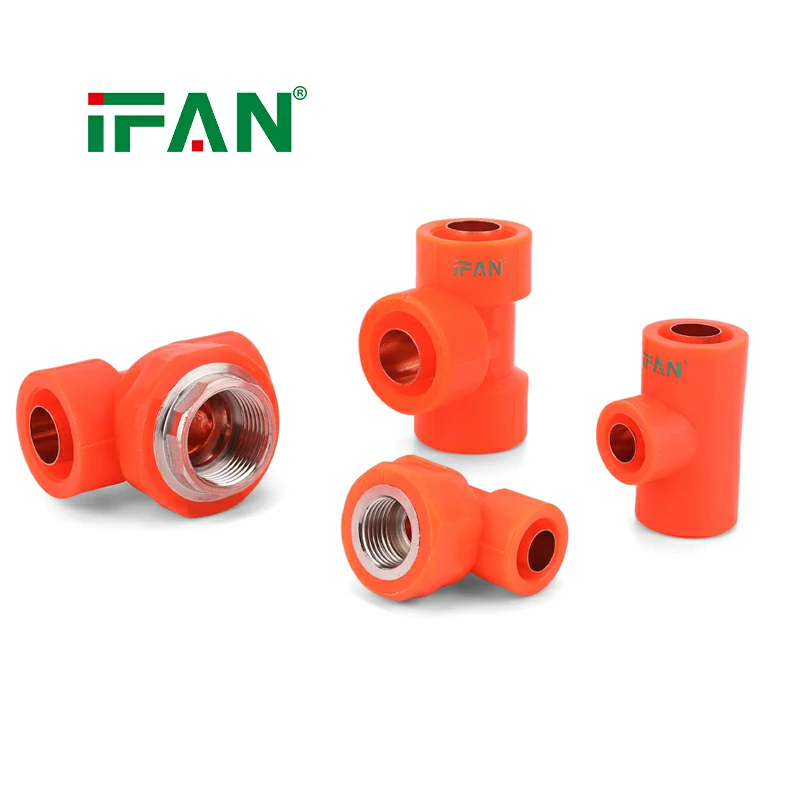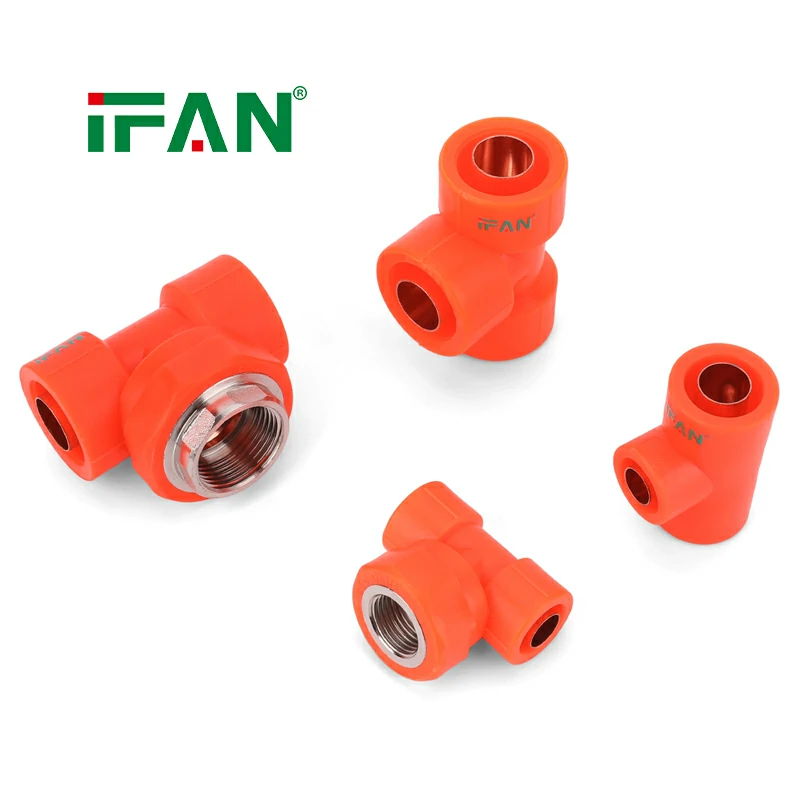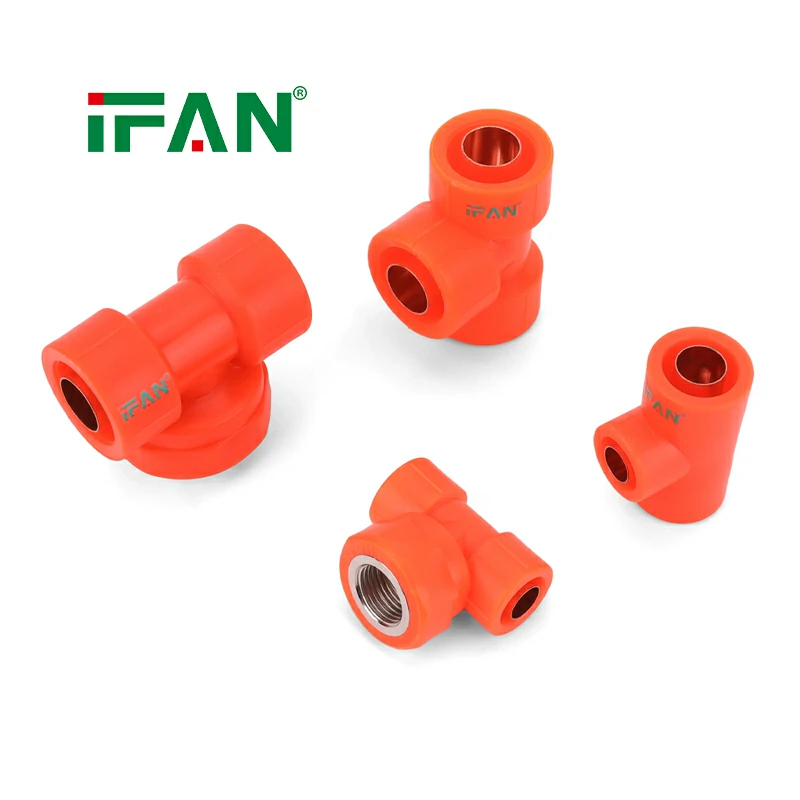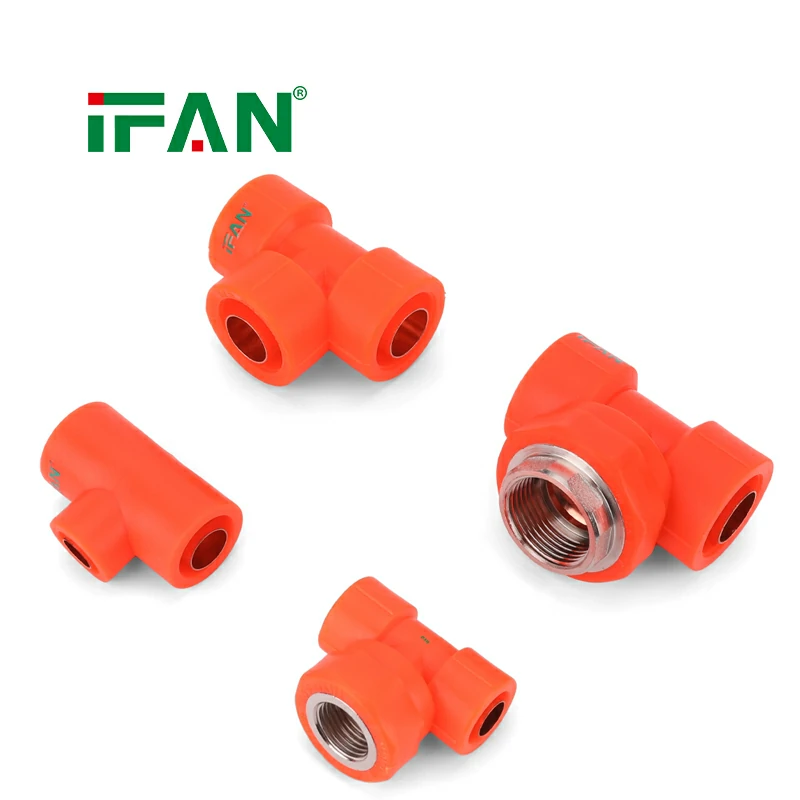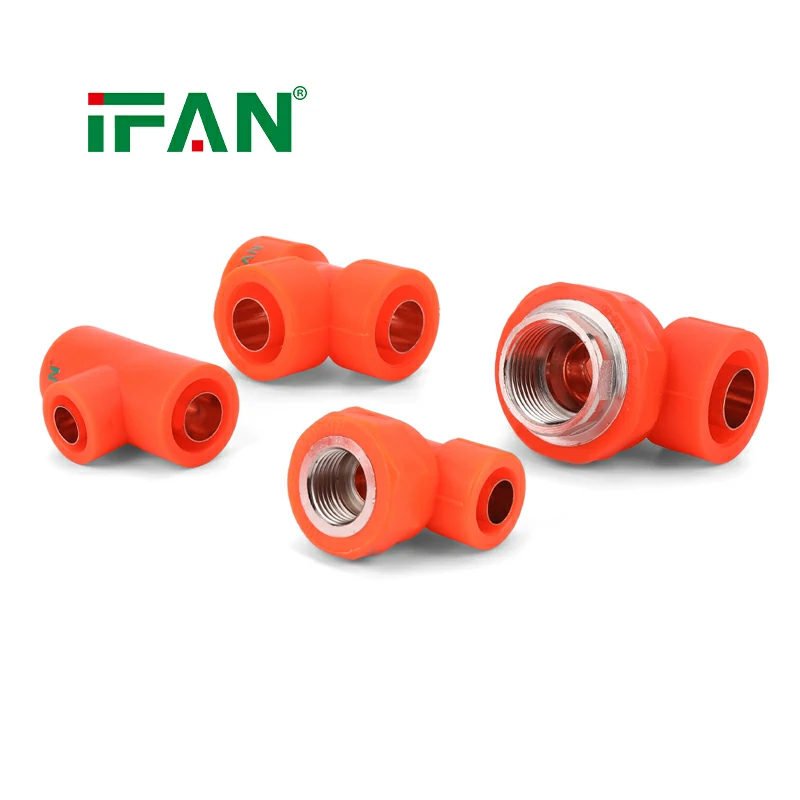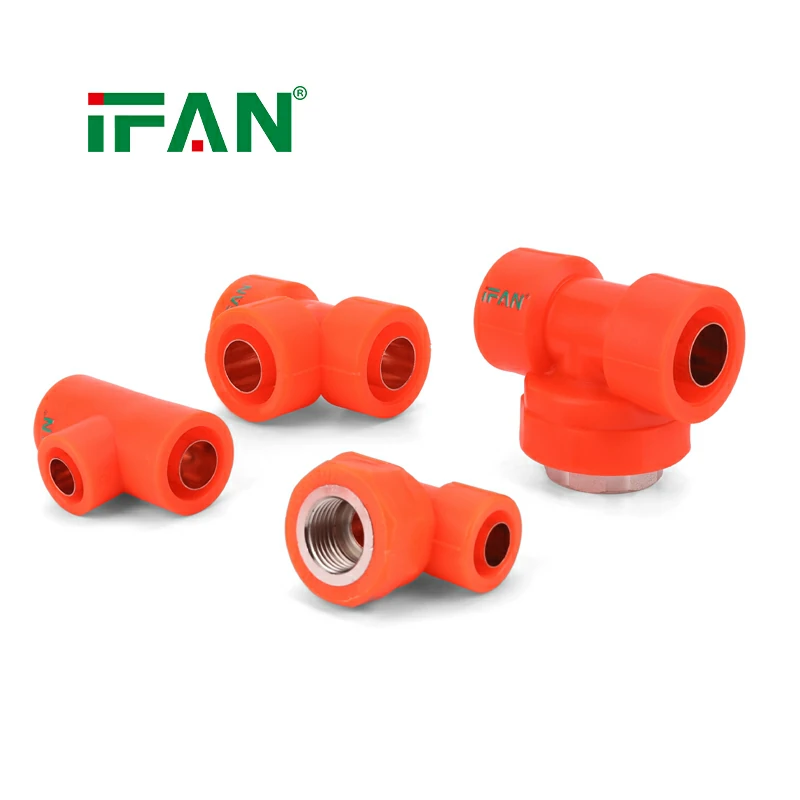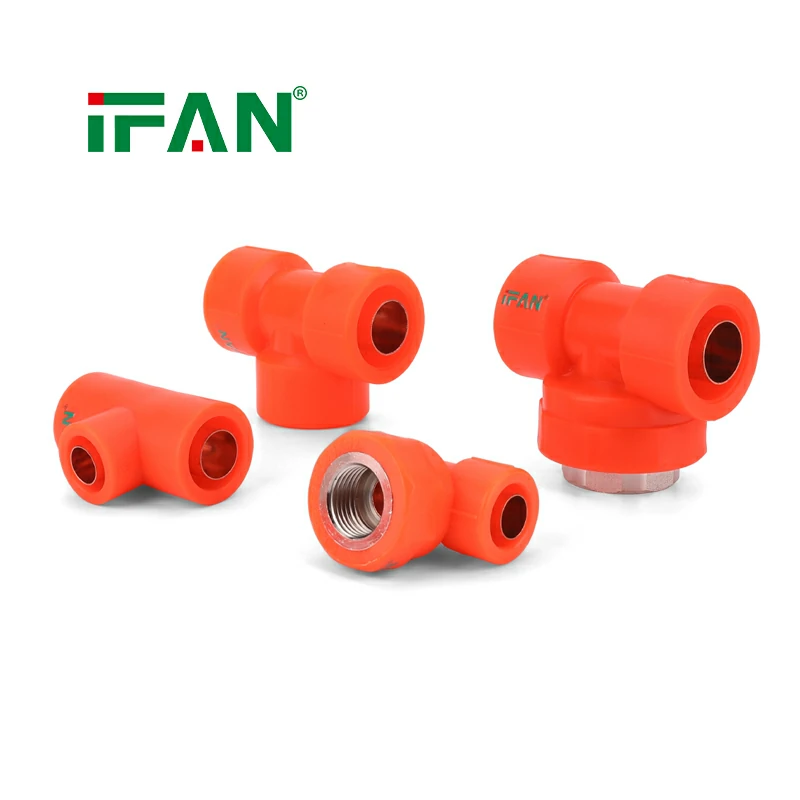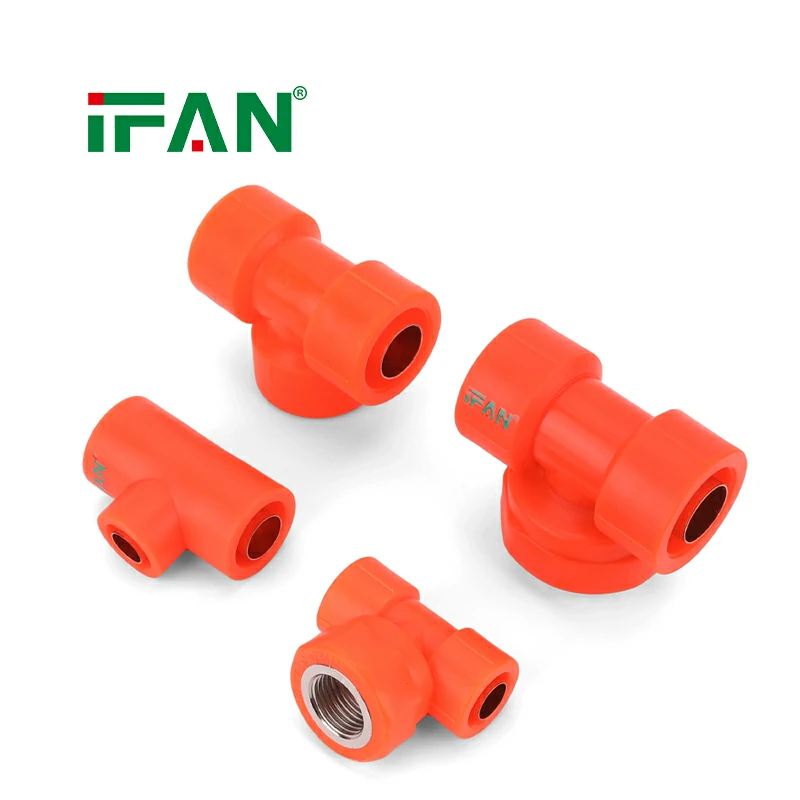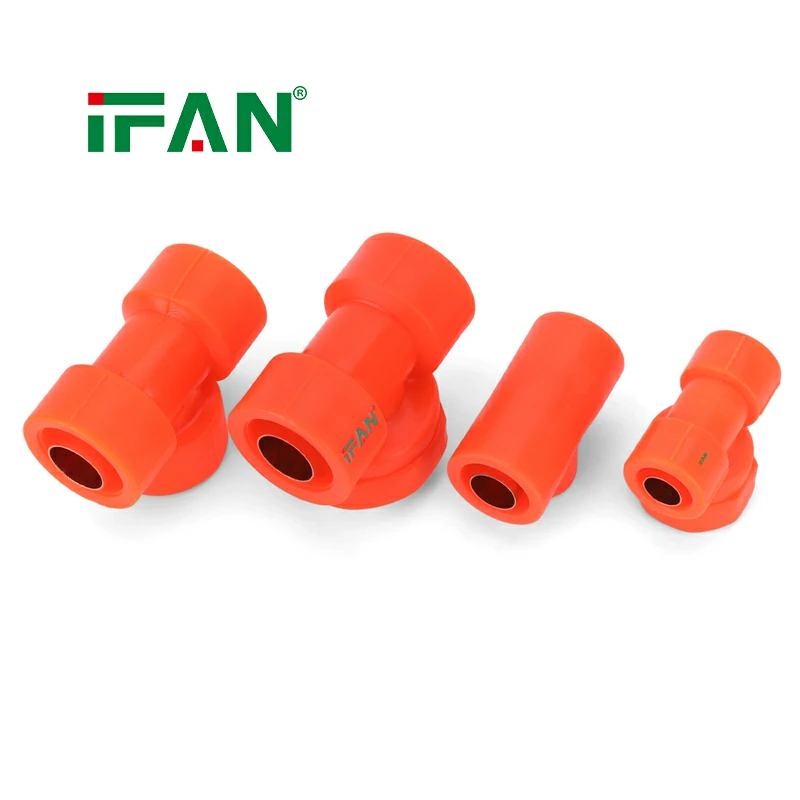
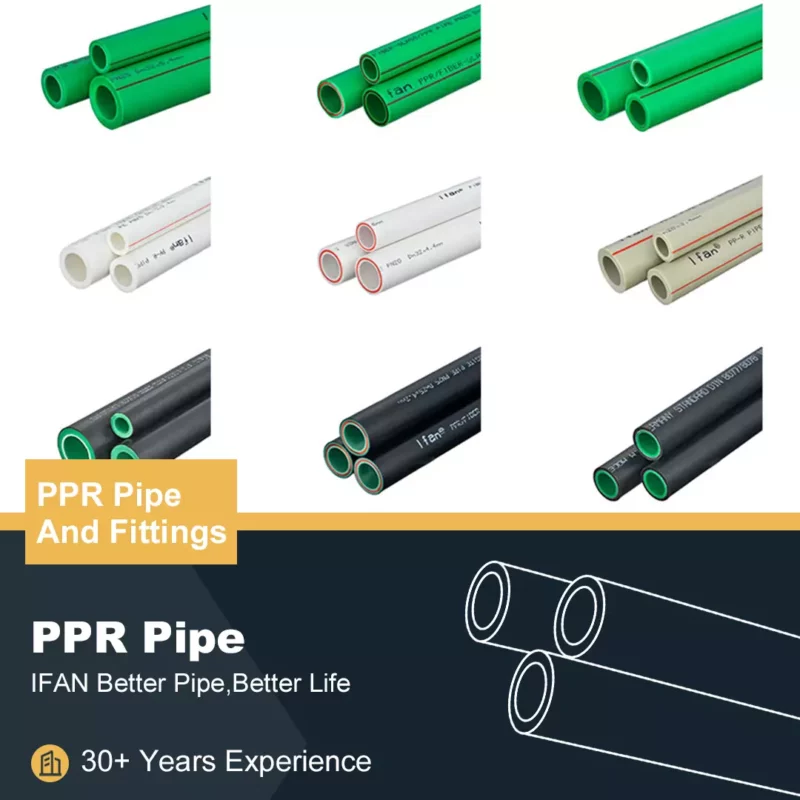
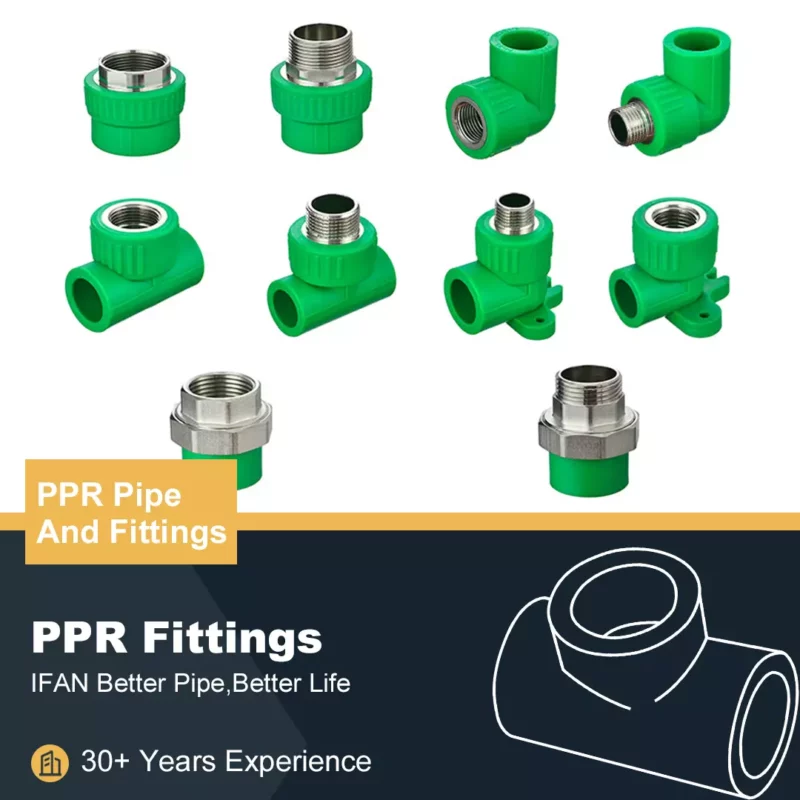
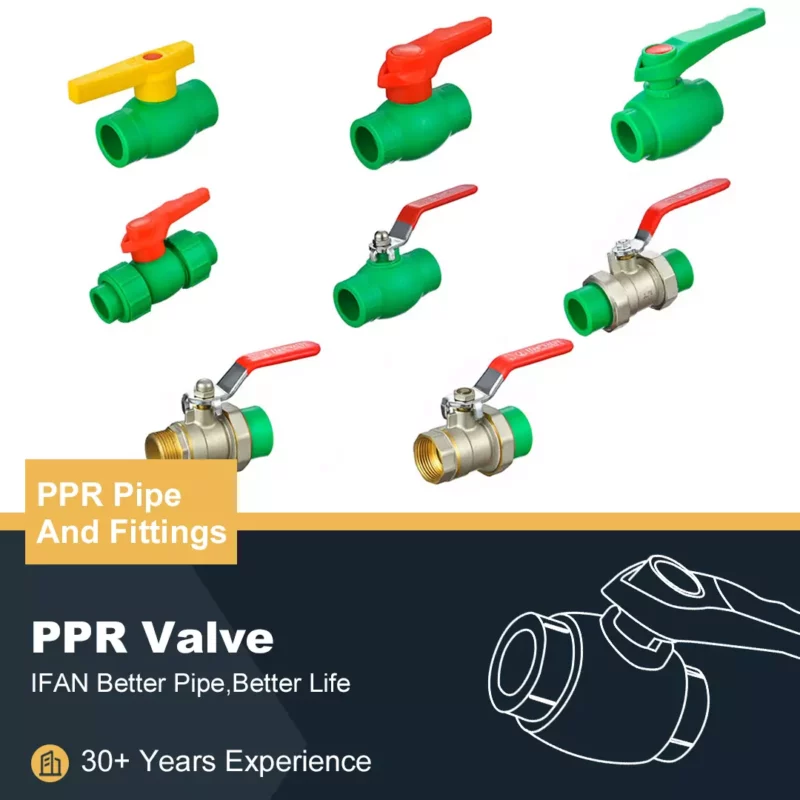
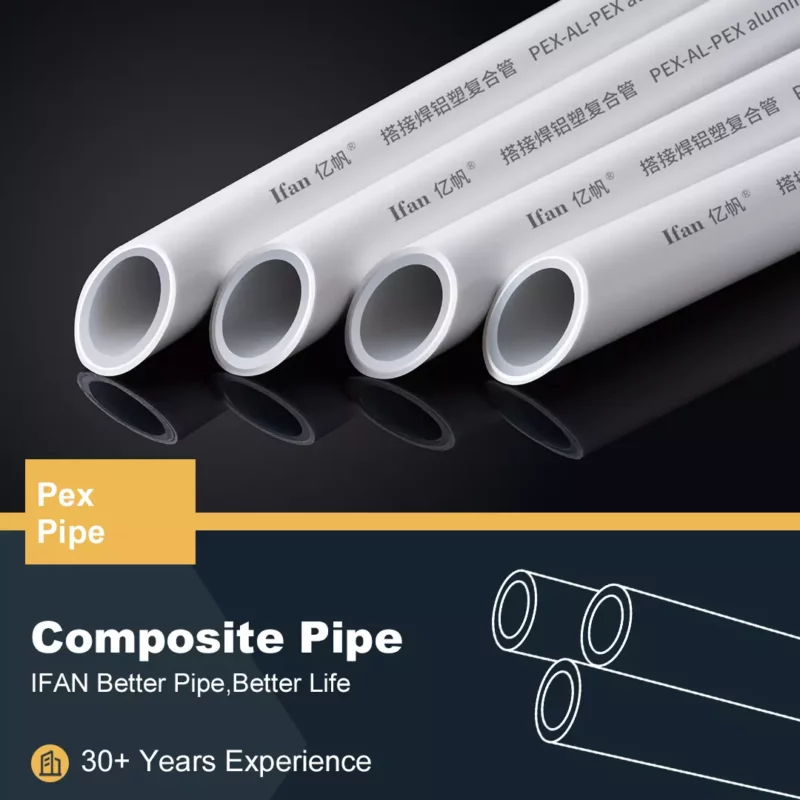

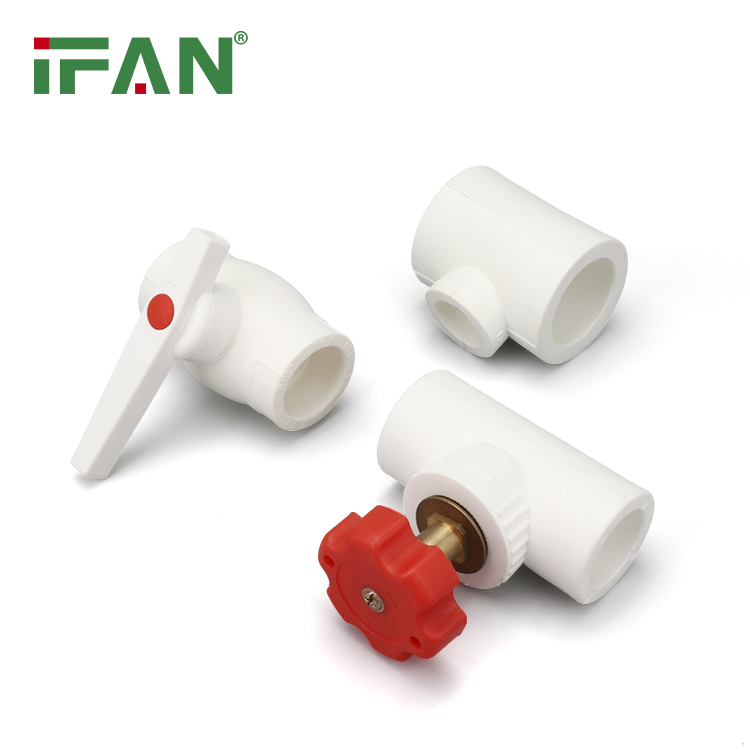
PPR pipe fittings are widely used for plumbing systems due to their durability and ease of installation. However, like all materials, they can face issues over time. This article discusses some common faults with PPR pipe fittings and provides solutions to resolve these problems.
Leaks at the Joint Connections
One of the most common faults with PPR pipe fittings is leaks at the joints. These leaks often occur due to poor installation or improper fusion of the fittings. If the pipe and fitting are not fused correctly, water can seep through the connection. Over time, even small leaks can cause significant damage.
Solution:
Ensure that the pipe and fittings are cleaned properly before installation. Use the correct temperature and time for the fusion process. Always check the alignment of the pipe and fitting during installation. If leaks occur, reheat the joint and reseal it properly. In some cases, you may need to replace the fitting if the fusion was faulty.
Cracking and Brittle Pipes
PPR pipes and fittings are generally durable but can crack under extreme conditions. High temperatures, excessive pressure, or physical impact can cause the material to become brittle and crack. These cracks are usually visible on the surface but can also cause internal leaks.
Solution:
Avoid exposing PPR pipes to extreme temperatures or sudden pressure changes. Ensure that the pipes are not exposed to direct sunlight for extended periods, as UV rays can weaken the material. Install the pipes in areas where they are protected from physical impact. If cracking occurs, replace the damaged sections immediately to prevent water leakage.
Pipe Expansion Due to High Temperatures
PPR pipes can expand when exposed to high temperatures. In systems that carry hot water, thermal expansion may lead to pressure build-up. This can strain the connections, causing leaks or even burst pipes. If the pipe does not have enough room to expand, it may break or deform.
Solution:
Install expansion loops or fittings to allow the pipes to expand freely. Use insulated pipes where necessary to control temperature fluctuations. Ensure that the system operates within the recommended temperature range for PPR pipes, typically up to 70°C for hot water systems. Regularly inspect the system for signs of stress or deformation, especially around bends and connections.
Water Quality Issues
While PPR pipes are resistant to corrosion, poor water quality can still cause issues. Hard water, for example, can lead to the accumulation of mineral deposits inside the pipes. These deposits can clog the fittings and reduce water flow. Over time, this may lead to pressure buildup and leaks.
Solution:
Install water softeners if you live in an area with hard water. Regularly flush the system to remove mineral buildup. For systems with existing deposits, consider using a pipe descaler or flushing the system with a vinegar solution to remove the buildup. Replace any affected fittings or pipes if necessary.
Misalignment of Pipe Fittings
Improper alignment of pipe fittings during installation can cause stress on the joints. This misalignment can result in water leaks and pipe damage. Additionally, misaligned fittings may lead to uneven water flow and reduced system efficiency.
Solution:
Ensure proper alignment during installation. Double-check the angle and direction of each pipe before securing the fittings. Use a pipe alignment tool to ensure that all pipes are properly aligned. If misalignment is noticed after installation, carefully disassemble the system and realign the parts before reassembling.
Conclusion:
Proper Maintenance and Installation Prevents Issues
PPR pipe fittings offer a reliable and cost-effective solution for plumbing systems. However, like all materials, they require proper care and installation to avoid common faults. By understanding these common problems and their solutions, you can ensure the longevity and efficiency of your PPR piping system.
Always follow the manufacturer’s instructions during installation. Regularly inspect the system for any signs of wear or damage. By taking proactive steps, you can prevent most issues and keep your PPR pipe fittings in optimal condition.
If you have read this article and have any questions, please feel free to contact IFAN. Below is our contact information:
Whatsapp:+86 13373827623
Email:[email protected]