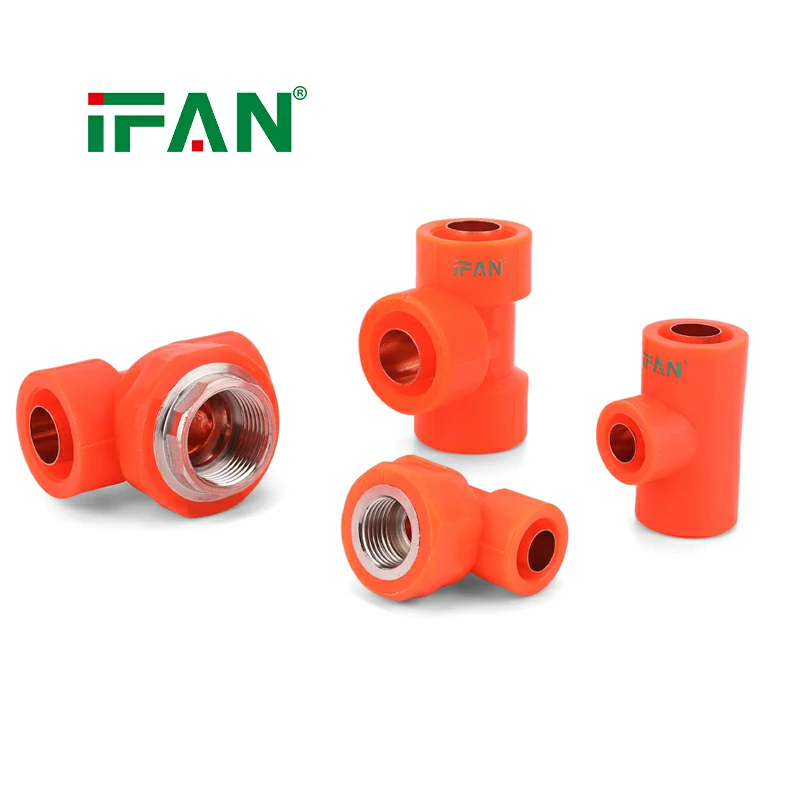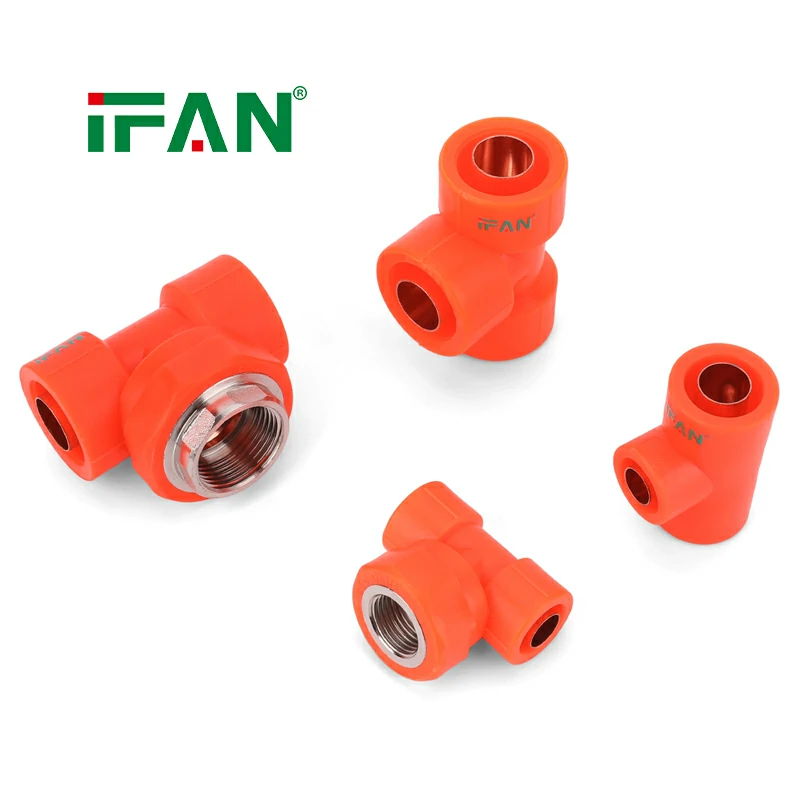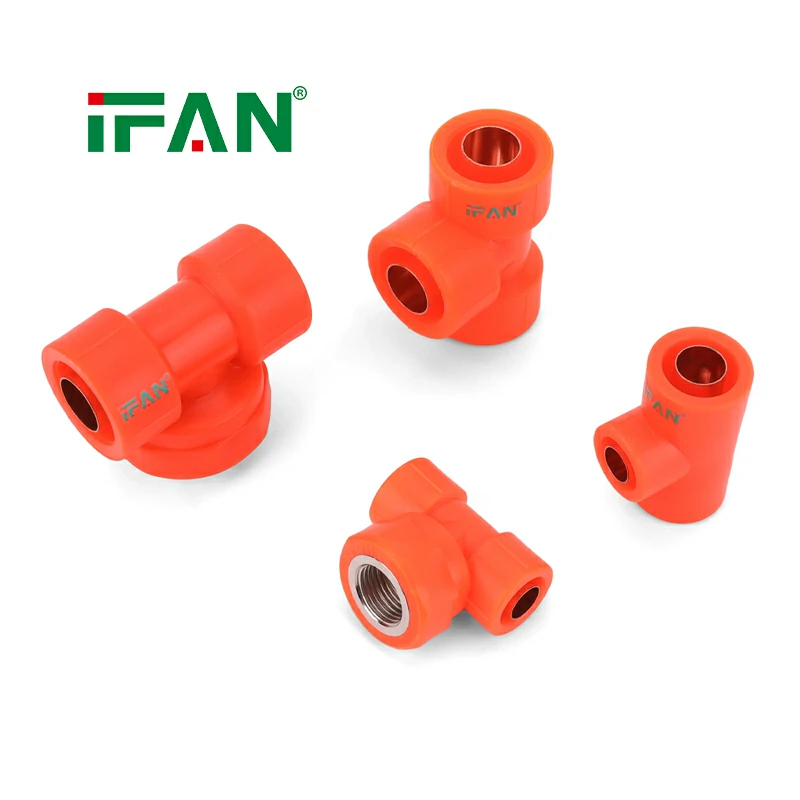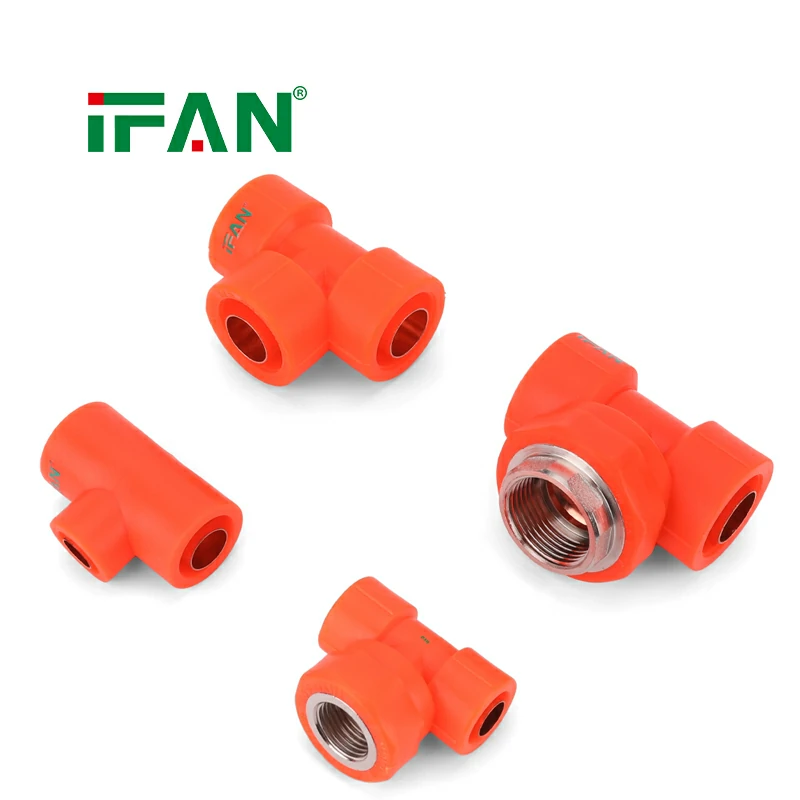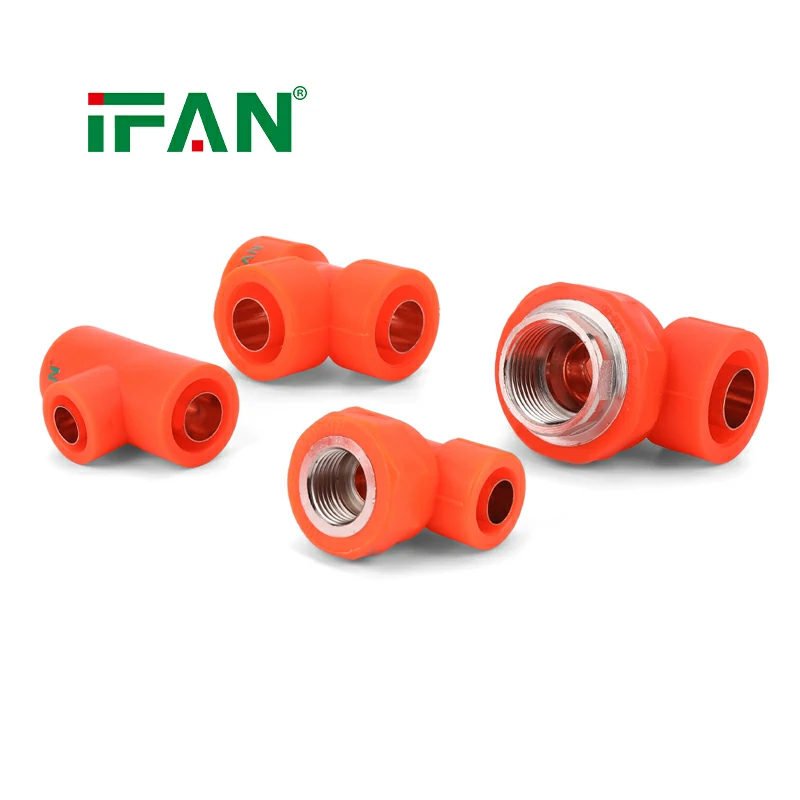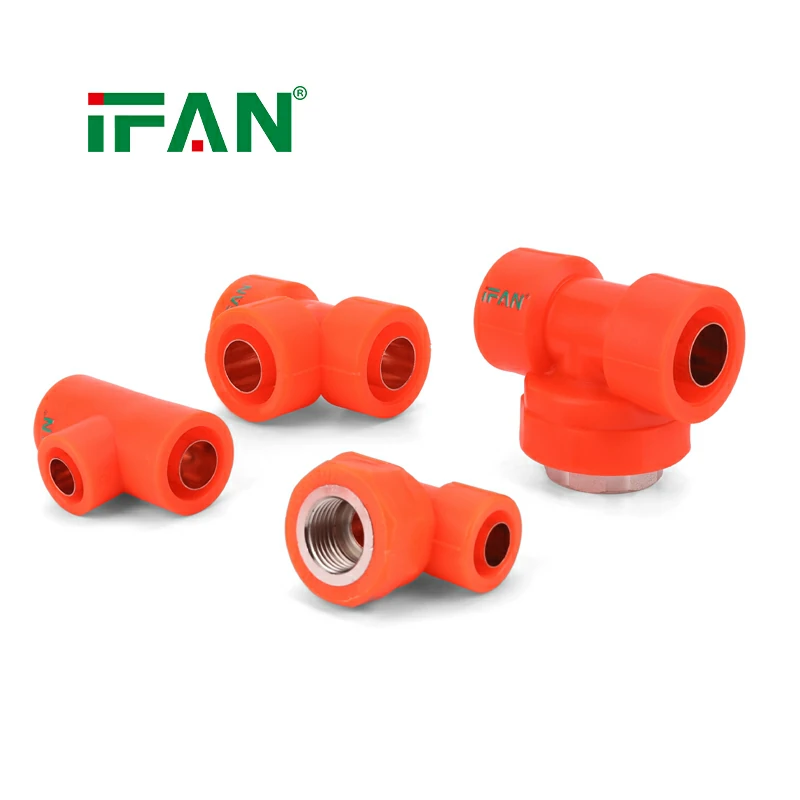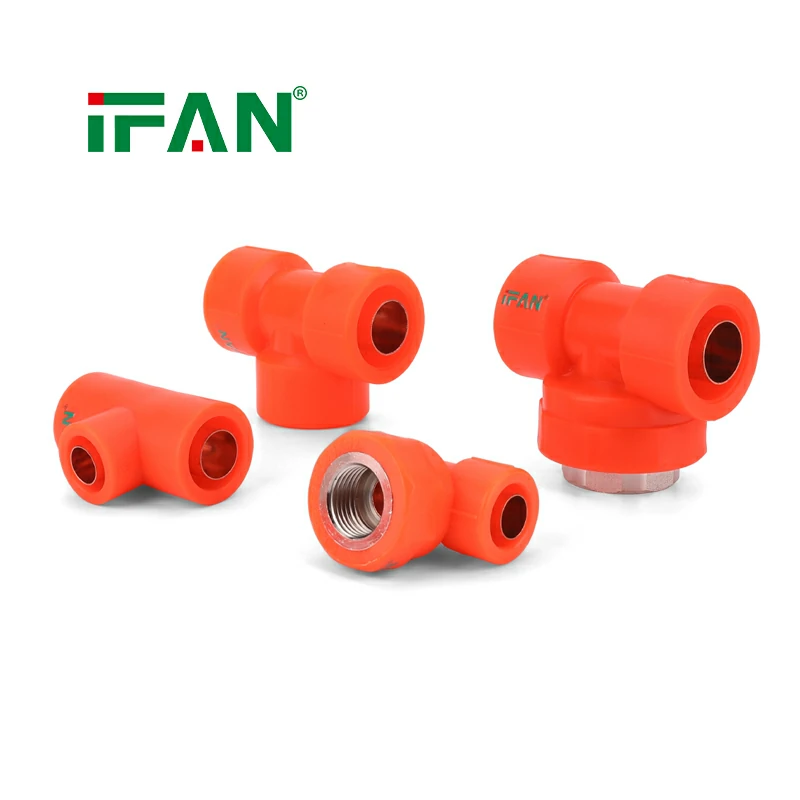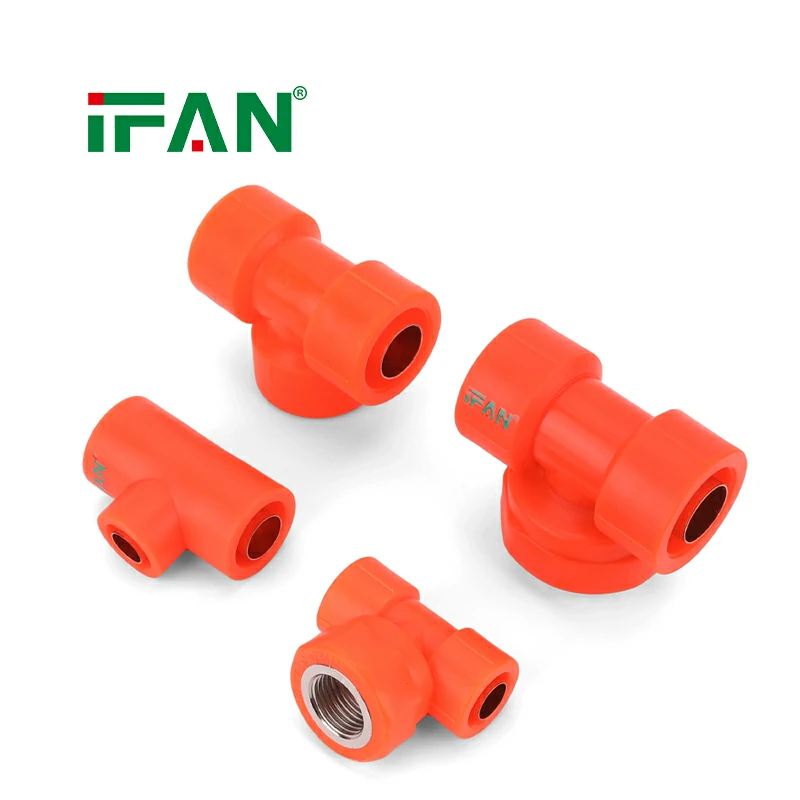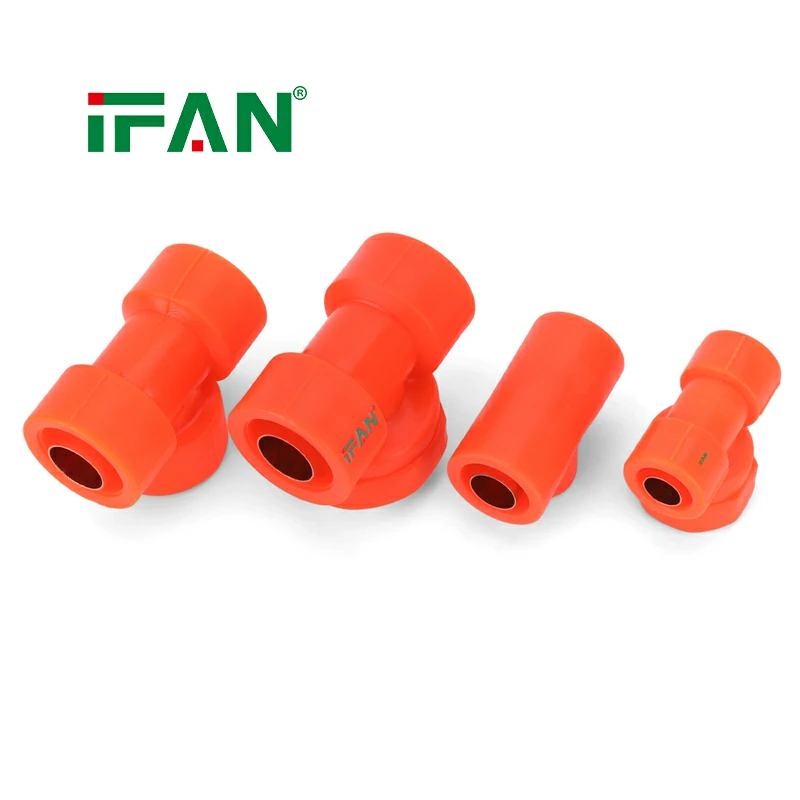
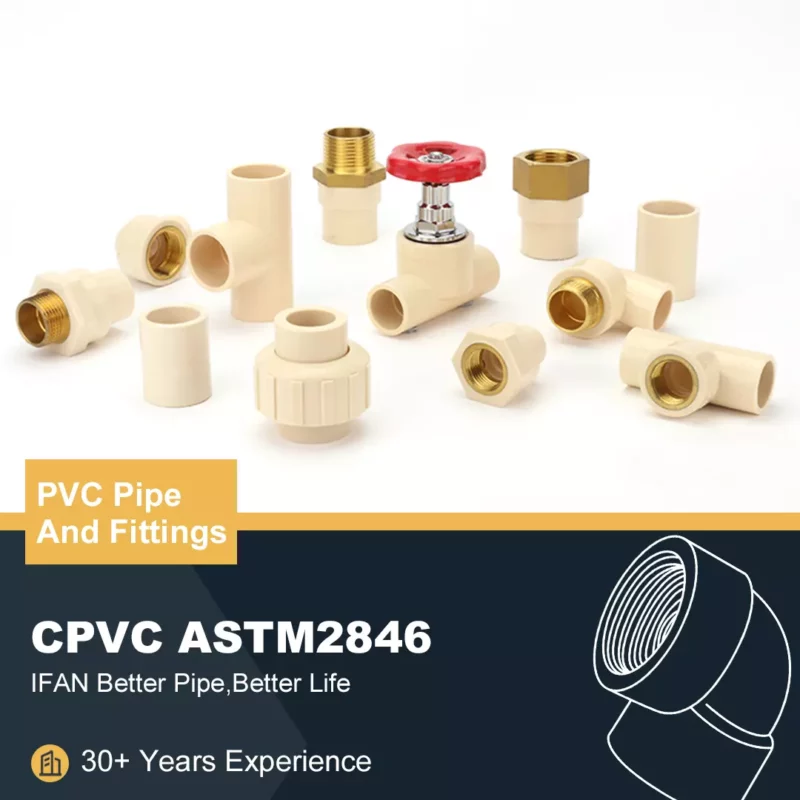
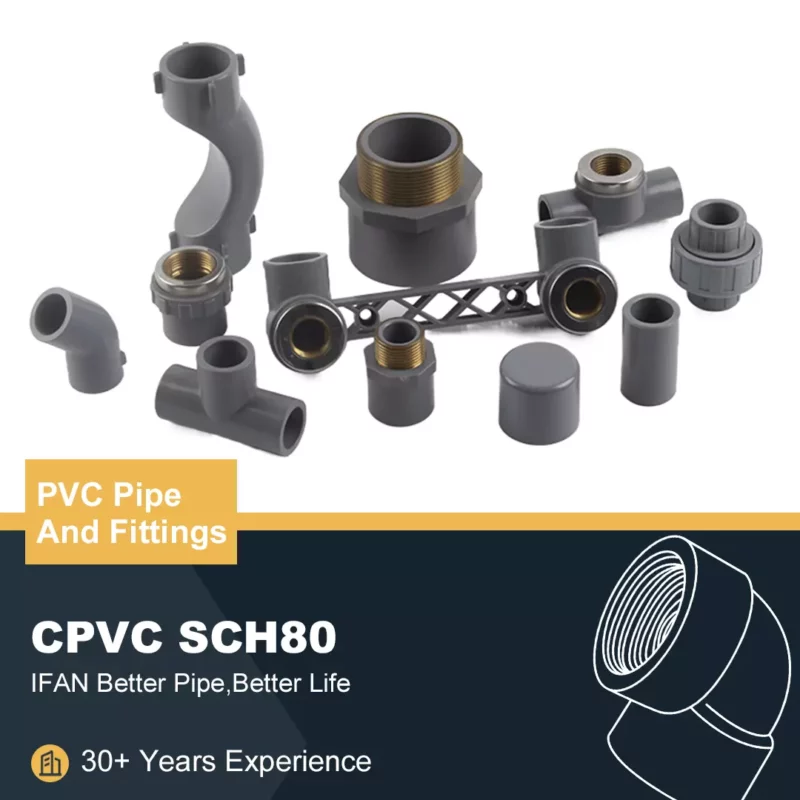
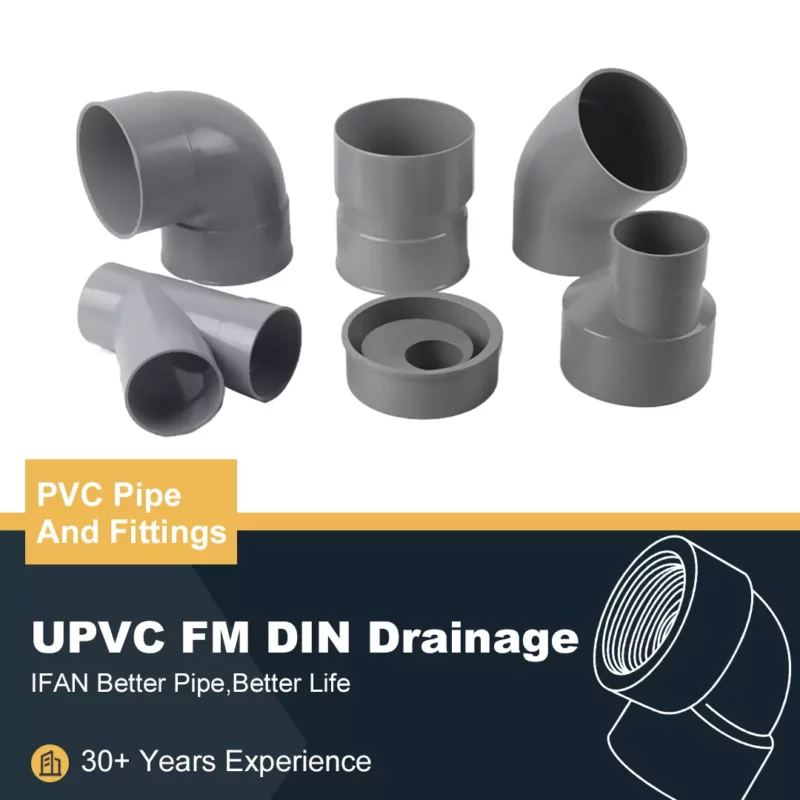
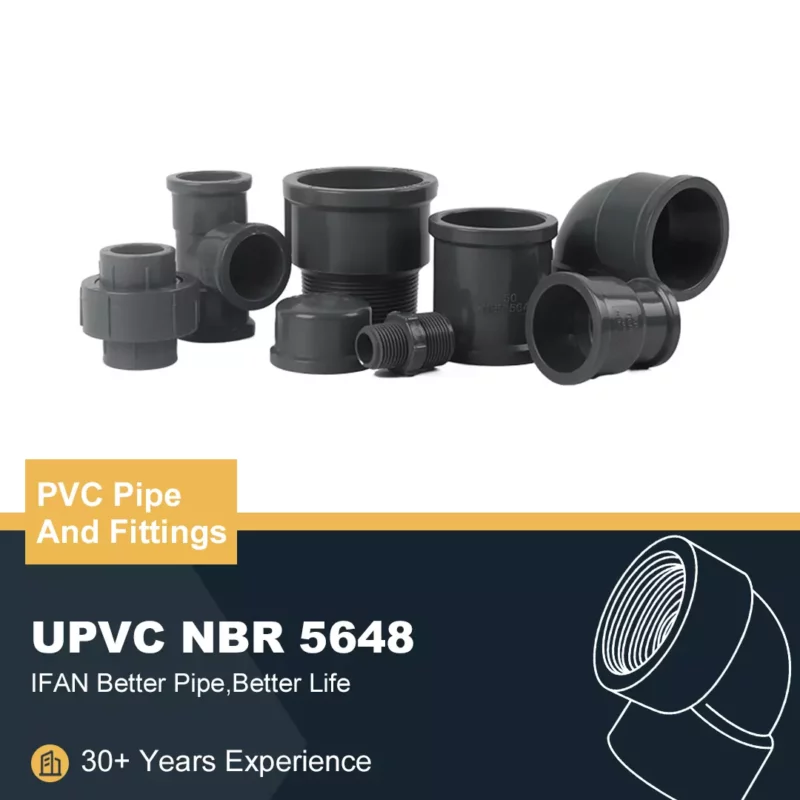
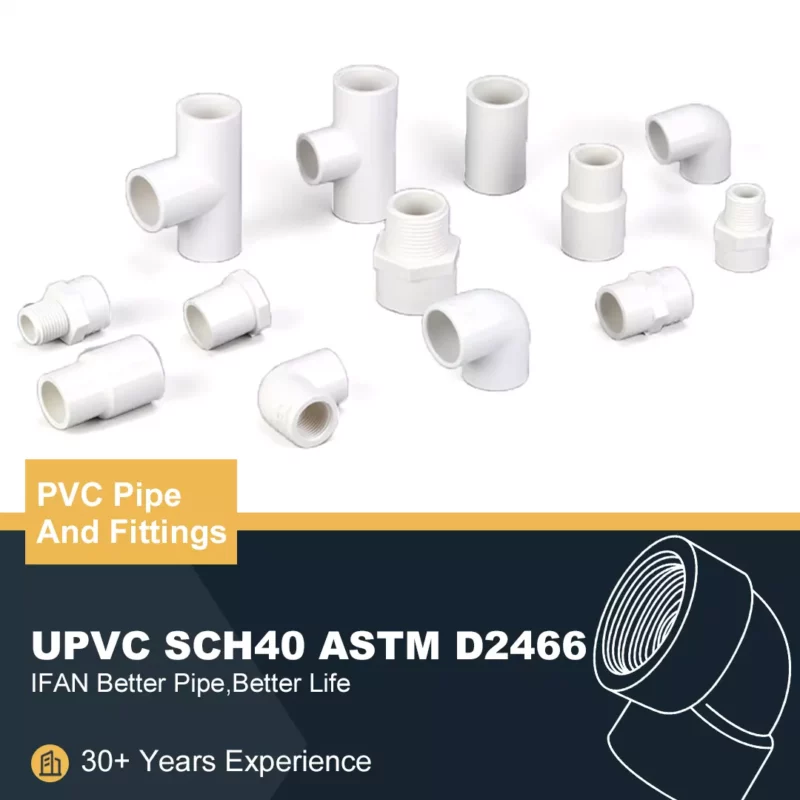
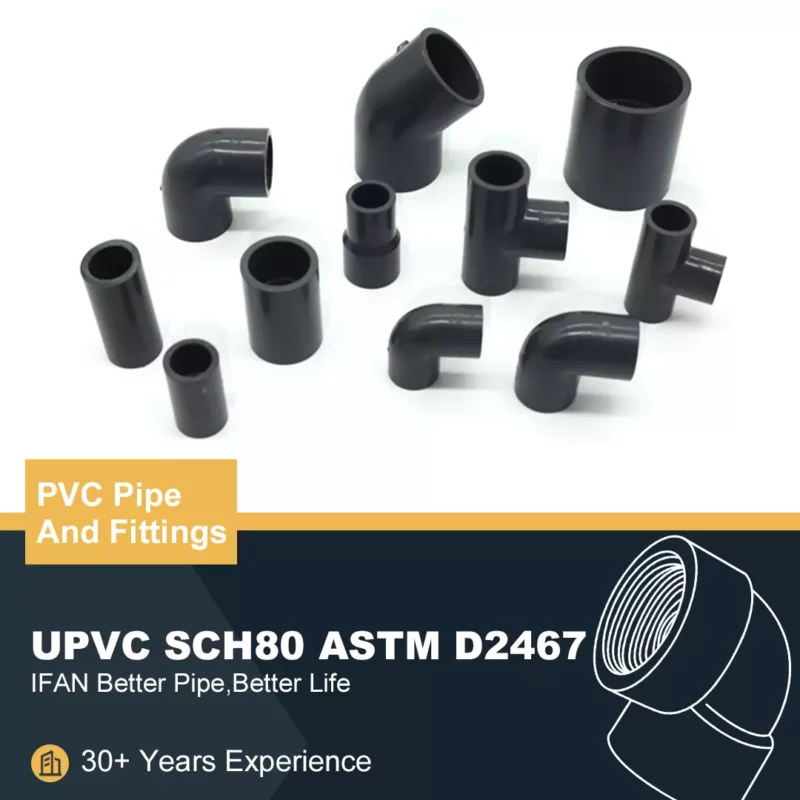
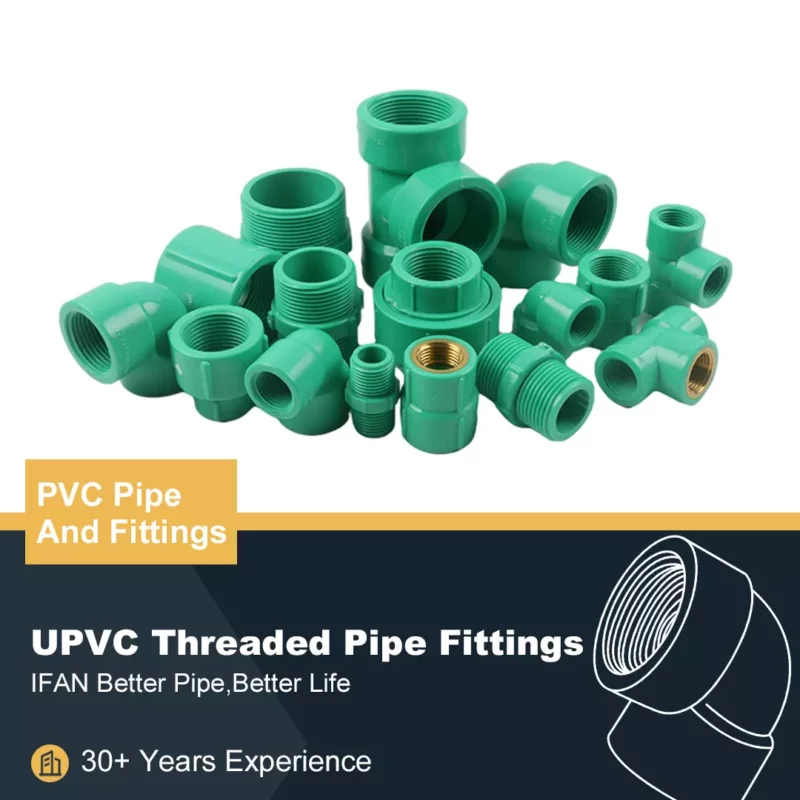
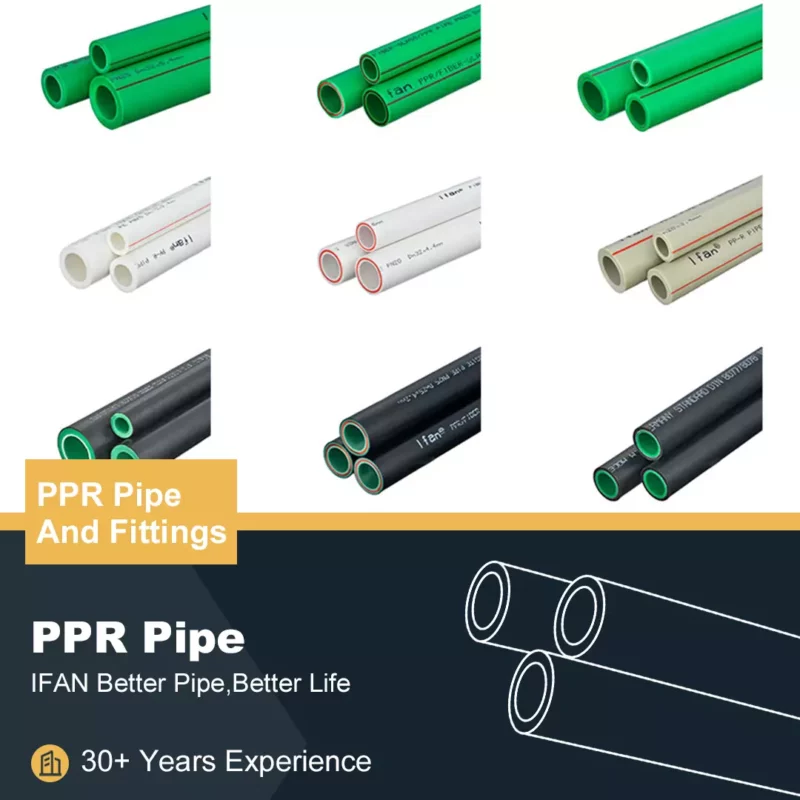
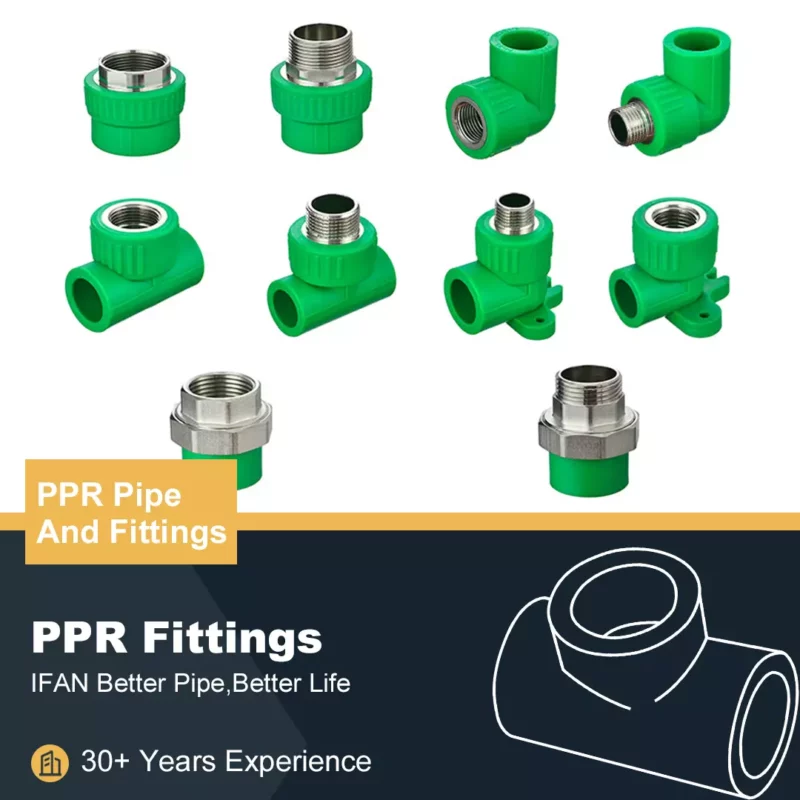
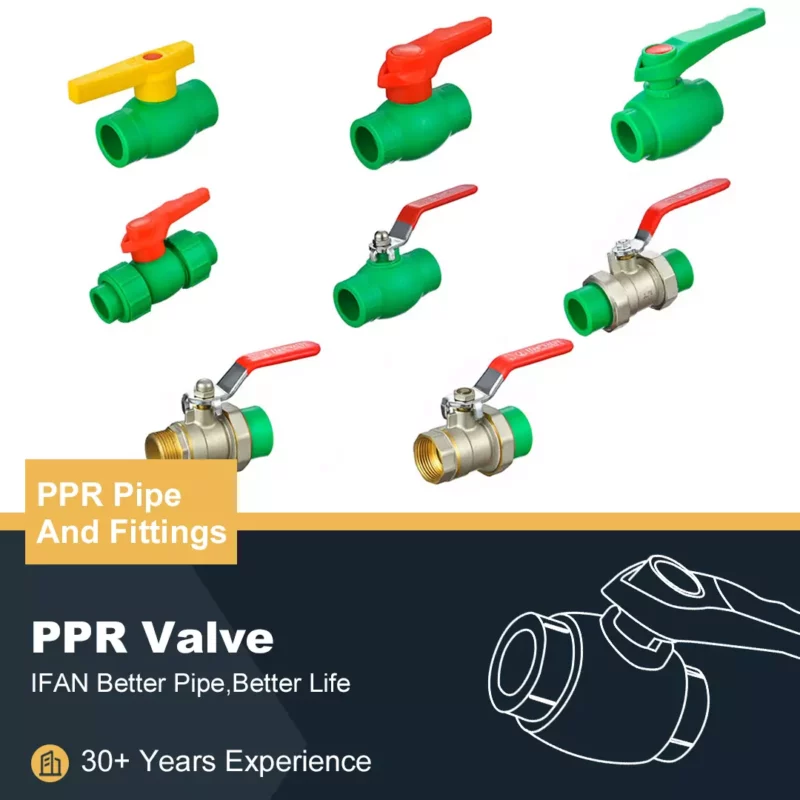
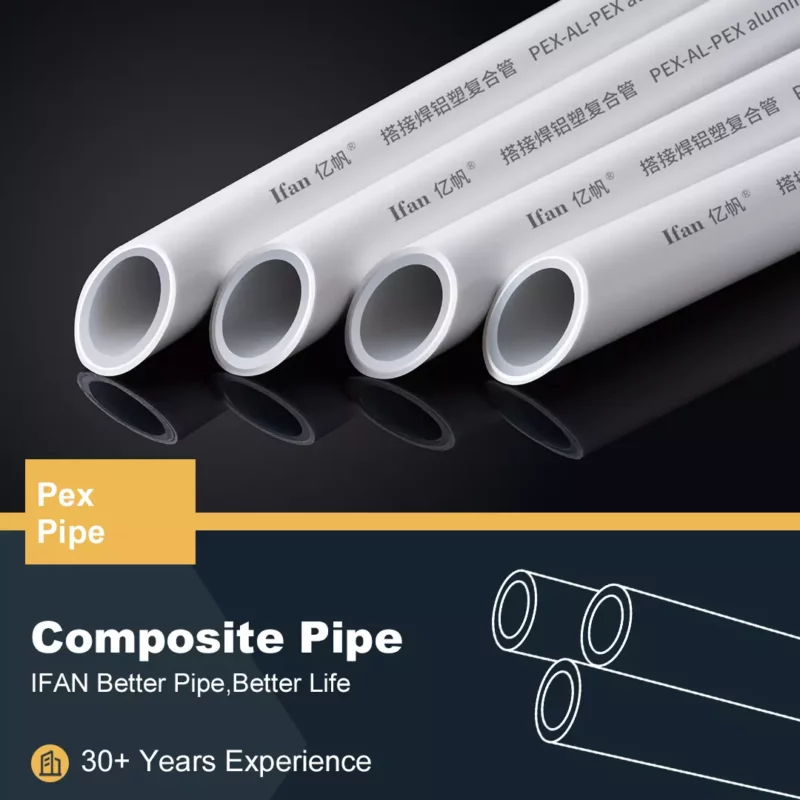
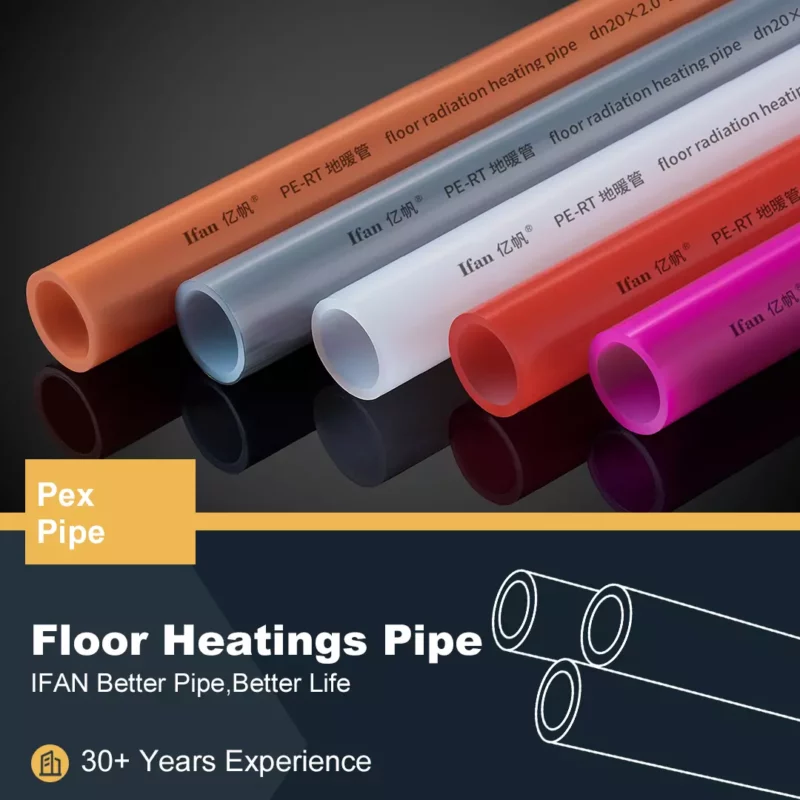
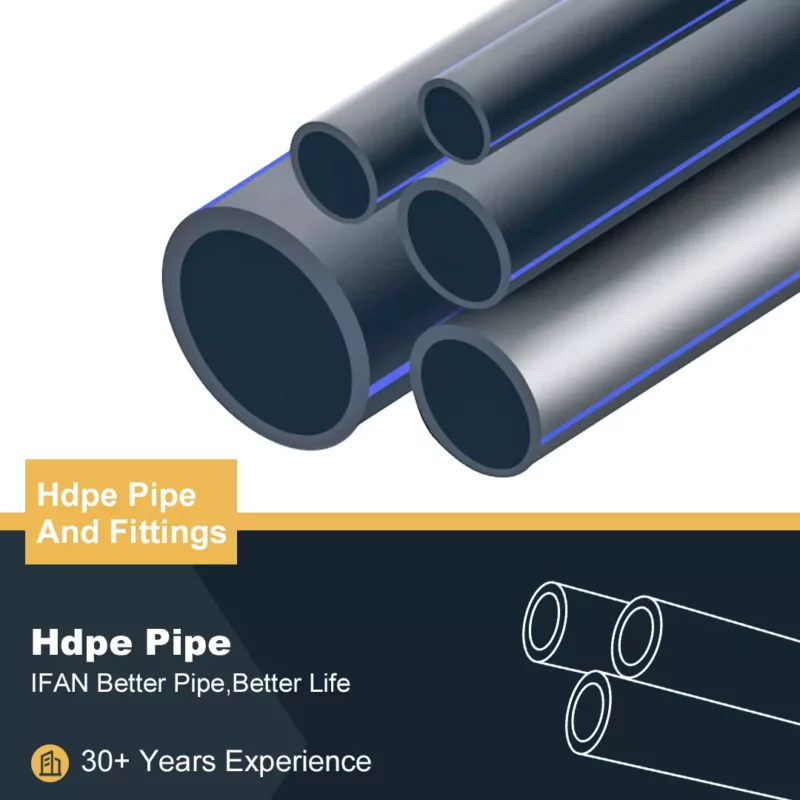
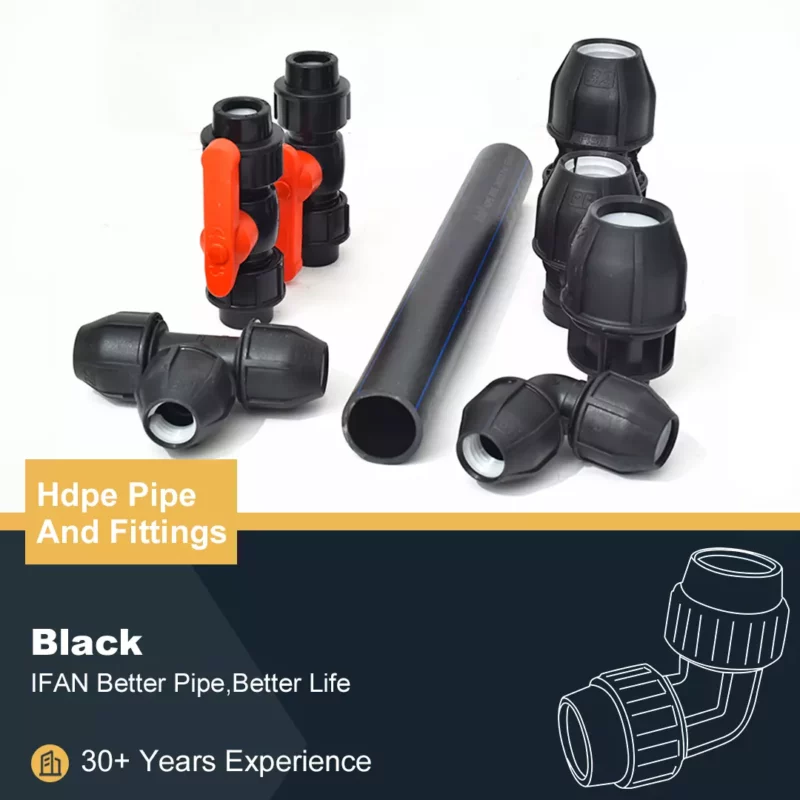
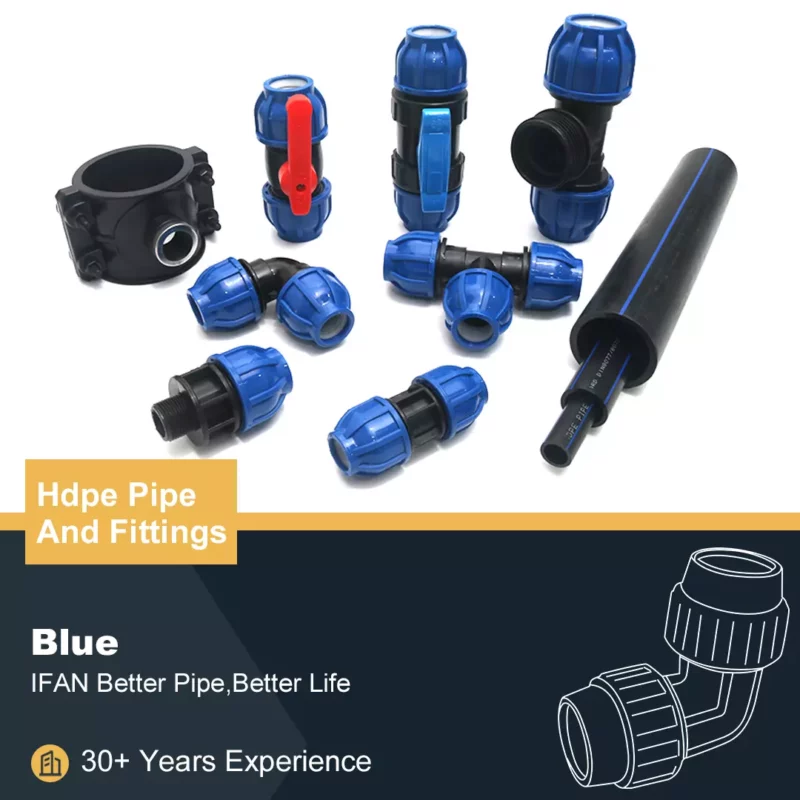
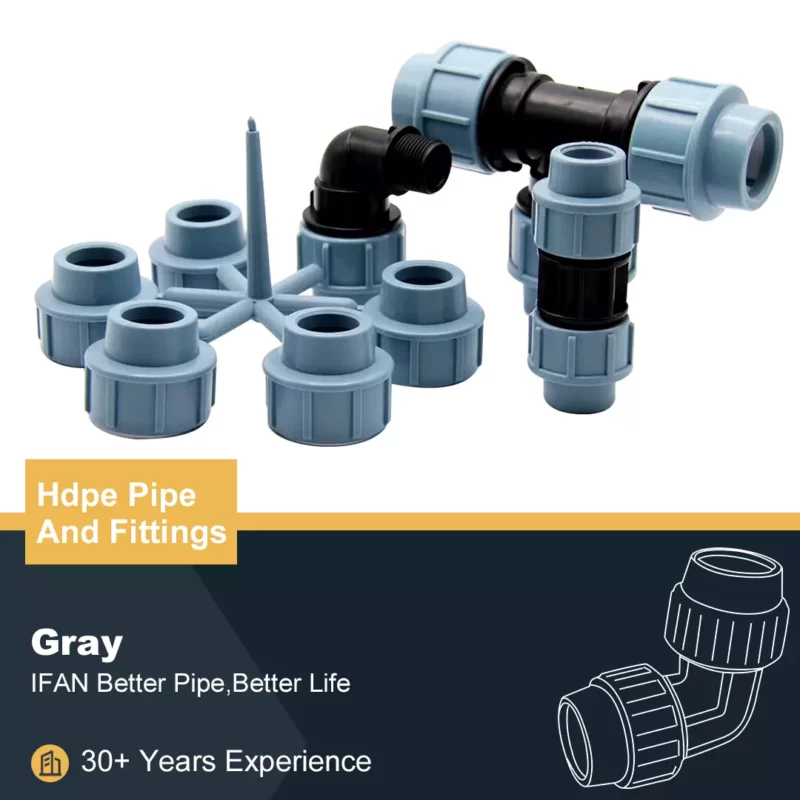


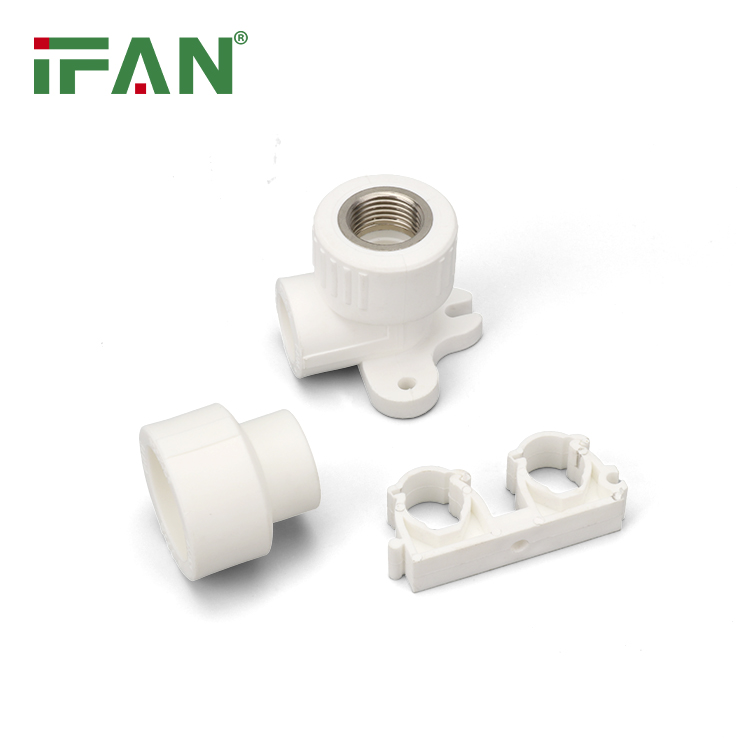
PPR (Polypropylene Random Copolymer) pipe fittings have become a popular choice in plumbing systems. However, PVC (Polyvinyl Chloride) and PE (Polyethylene) are also widely used materials. This article compares PPR pipe fittings with PVC and PE, considering factors such as durability, cost, ease of installation, and suitability for different applications.
Durability and Resistance to Environmental Factors
PPR pipes have a higher resistance to high temperatures compared to PVC and PE. They can handle temperatures up to 70°C, making them suitable for hot water systems. In contrast, PVC typically performs well only in cold water systems and can crack under high heat. PE pipes offer better flexibility but have lower temperature resistance than PPR pipes.
PPR pipes are also resistant to corrosion, making them ideal for both hot and cold water systems. PVC pipes are highly resistant to chemicals but can degrade over time with exposure to UV rays. PE pipes are also resistant to corrosion and do not degrade under UV exposure, making them ideal for outdoor installations.
Pressure Resistance and Strength
PPR pipe fittings generally have higher pressure tolerance than PVC and PE. PPR pipes can withstand higher water pressures, especially in systems carrying hot water. PVC pipes have good pressure resistance but may not handle high-temperature pressures effectively. PE pipes offer excellent flexibility but have lower pressure resistance compared to PPR.
The strength of PPR pipes makes them suitable for applications where high pressure and temperature variations are common. PVC is commonly used in low-pressure systems, while PE is often selected for systems that require flexibility, such as irrigation systems.
Ease of Installation
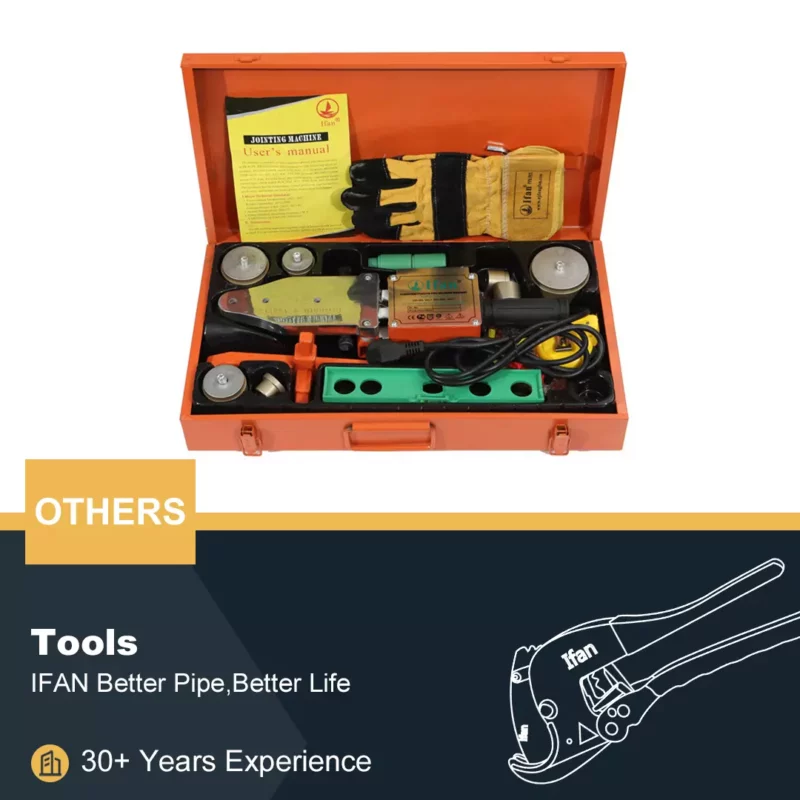
PPR pipes require a specialized fusion welding process for installation. This process ensures a strong, leak-free connection, but it requires skilled labor. On the other hand, PVC and PE pipes can be joined using simple solvent cement or mechanical fittings, making them easier to install, especially for DIY projects.
Although PPR pipes require more expertise to install, they offer long-term reliability. PVC and PE pipes are easier to install, but they may not provide the same level of durability and performance as PPR when exposed to high pressures or temperatures.
Cost Comparison
PVC pipes are typically the most cost-effective option. They are widely available and inexpensive, making them a popular choice for budget-conscious projects. PE pipes are more expensive than PVC but offer better flexibility and durability, especially in underground applications. PPR pipes are generally the most expensive option due to their superior durability and high-temperature resistance.
While PPR pipes may have a higher upfront cost, their long-term benefits in terms of longevity and performance can justify the price. PVC and PE pipes are cheaper upfront but may require more frequent repairs or replacements in certain applications.
Application Suitability
PPR pipes are commonly used in hot water supply systems, heating systems, and industrial applications where high pressure and temperature resistance are necessary. PVC pipes are best suited for cold water distribution, drainage systems, and low-pressure applications. PE pipes are ideal for flexible systems like irrigation, gas distribution, and underground piping.
PPR’s ability to withstand higher temperatures makes it unsuitable for outdoor, cold-weather installations. PE pipes, however, are well-suited for outdoor use because of their flexibility and resistance to freezing temperatures.
Conclusion: Choosing the Right Material for the Job
Each material has its strengths and weaknesses. PPR pipes offer excellent durability and high-temperature resistance, making them ideal for hot water systems and industrial applications. PVC pipes are cost-effective and perform well in cold water and drainage systems. PE pipes offer flexibility and are suitable for underground and irrigation applications.
Choosing the right pipe material depends on factors like temperature, pressure, installation ease, and budget. Understanding the advantages and limitations of each material will help ensure the best choice for your plumbing system.
If you have read this article and have any questions, please feel free to contact IFAN. Below is our contact information:
Whatsapp:+86 13373827623
Email:[email protected]