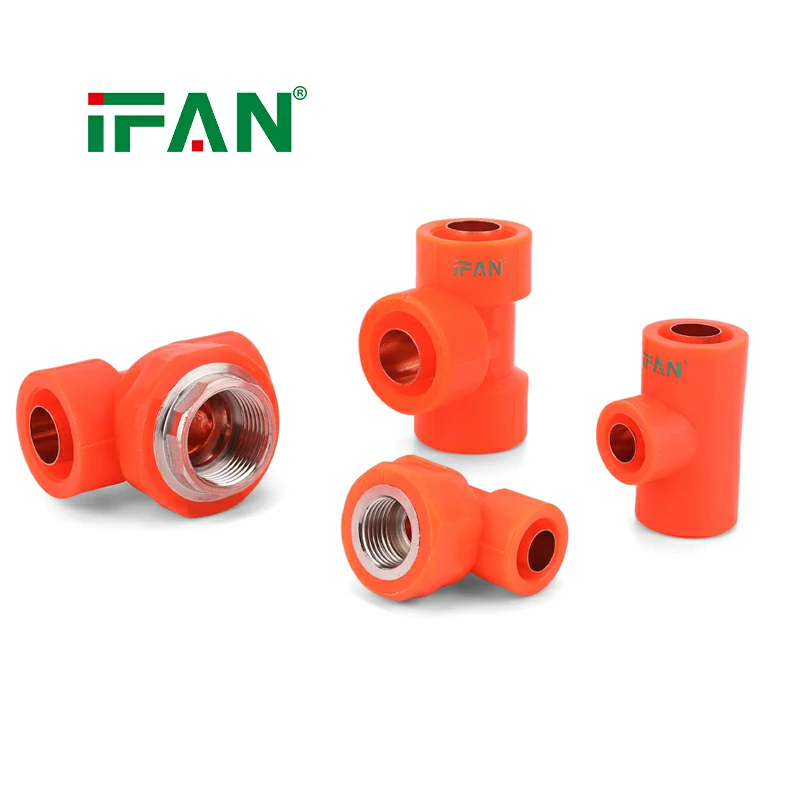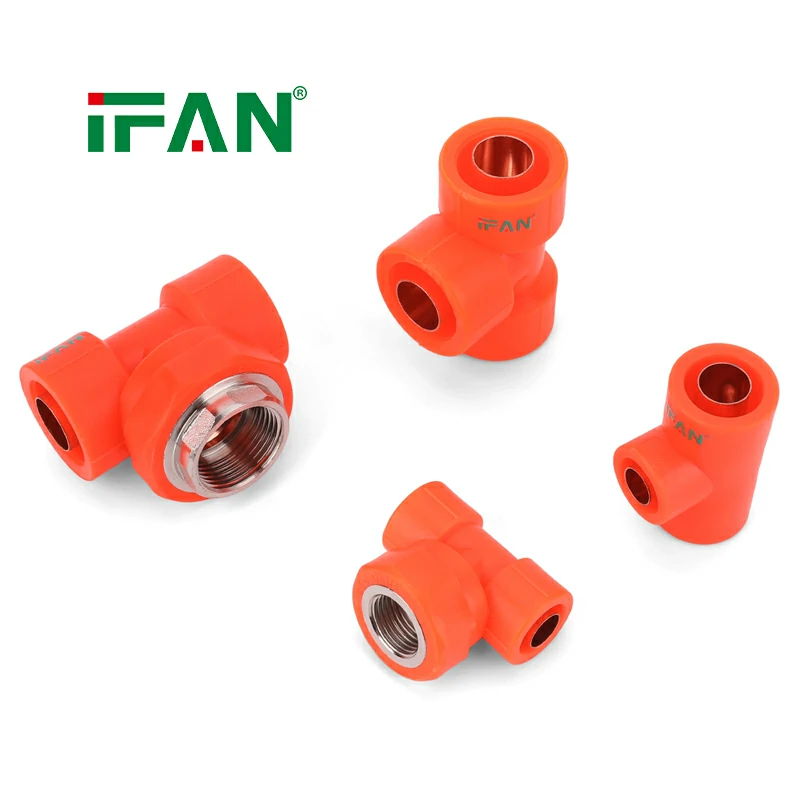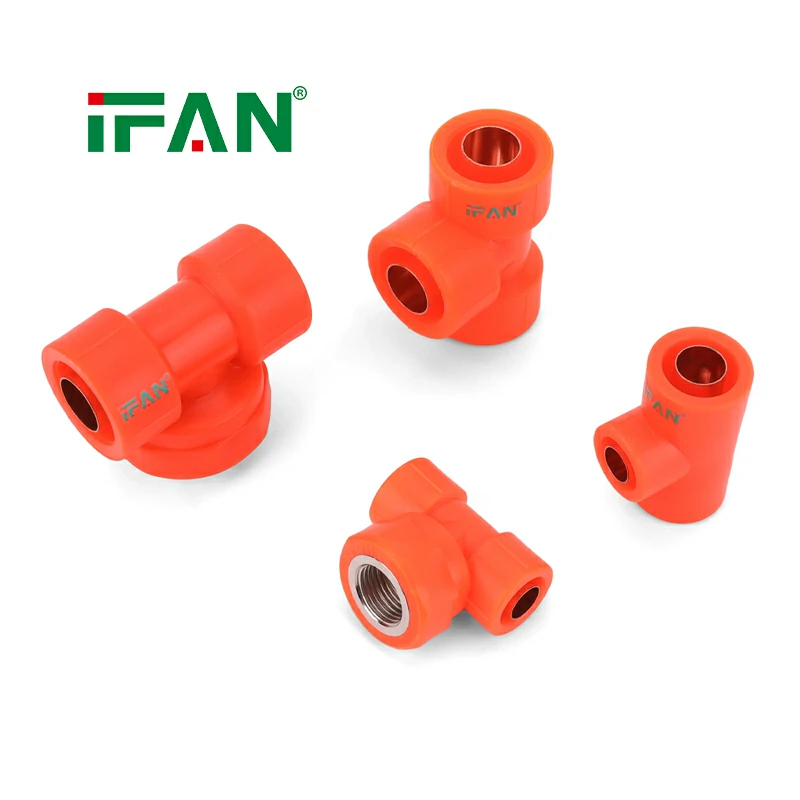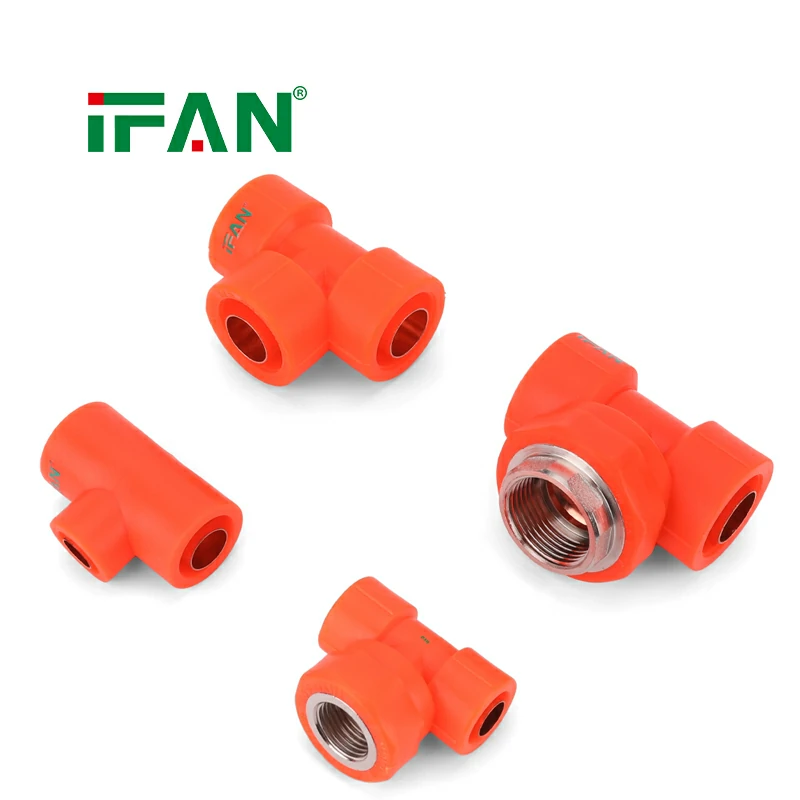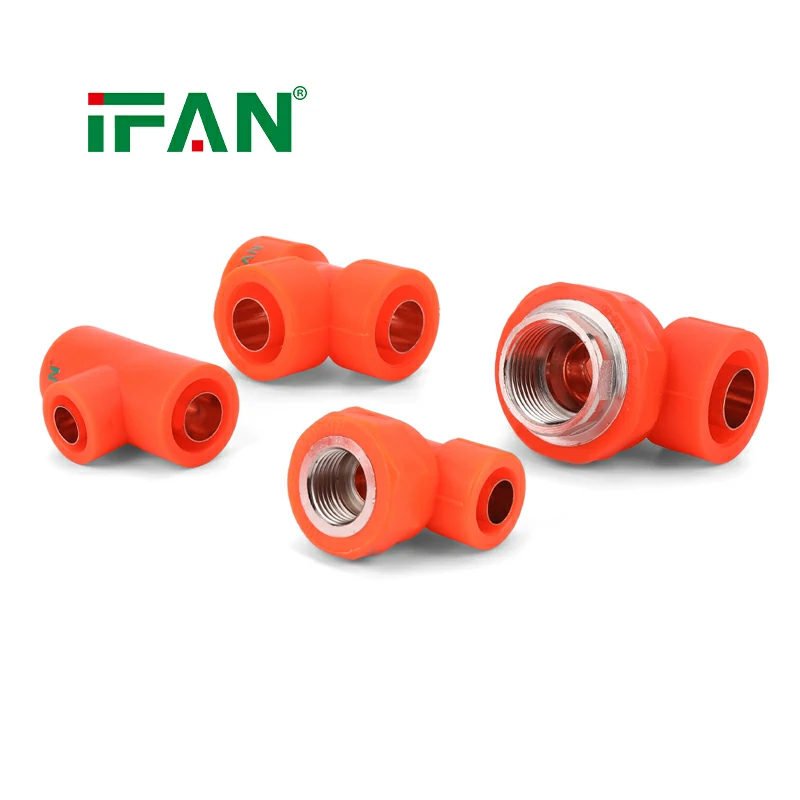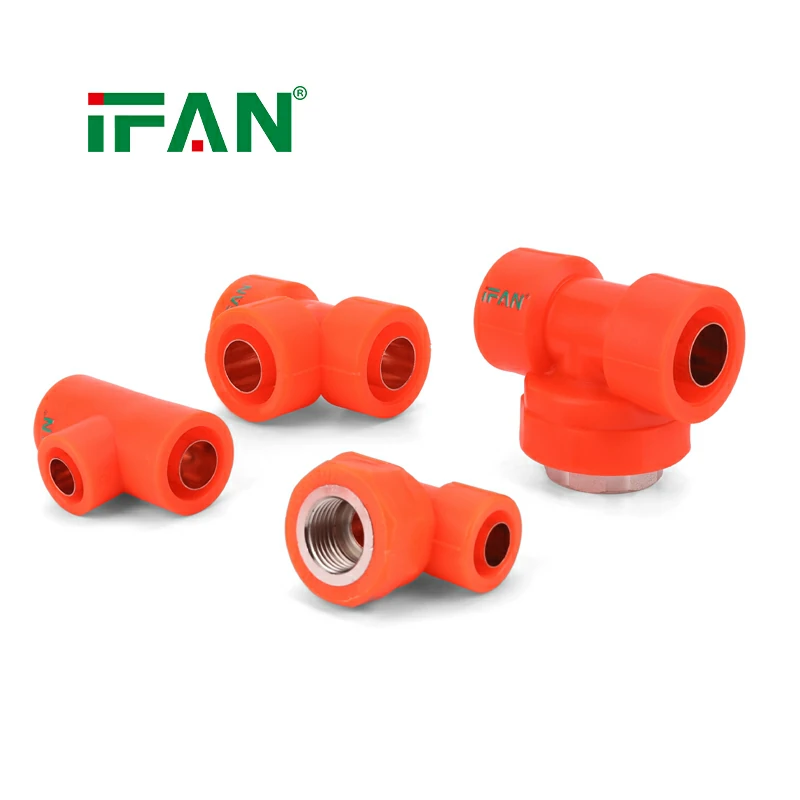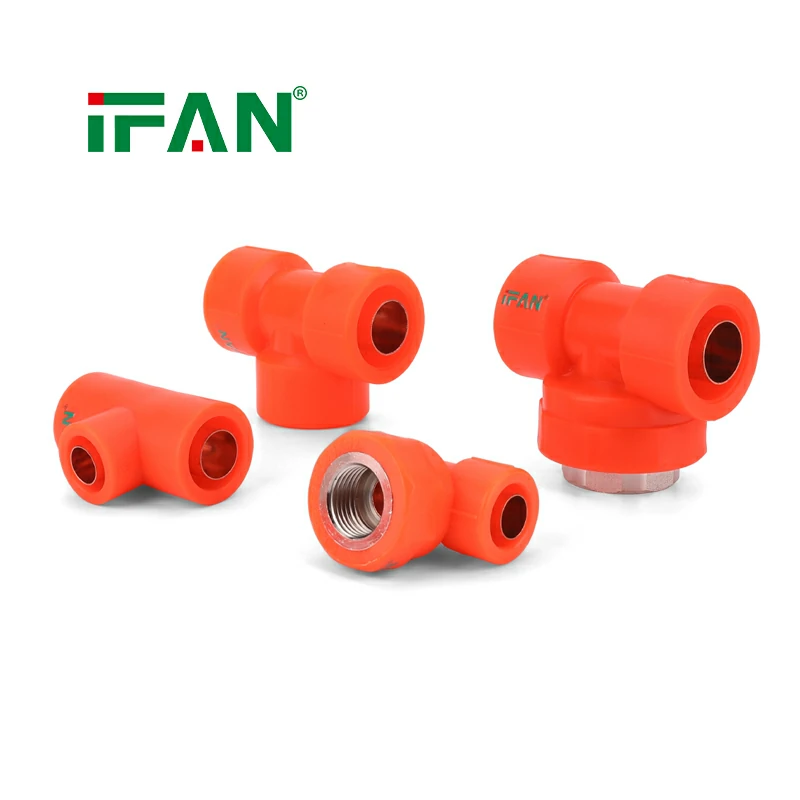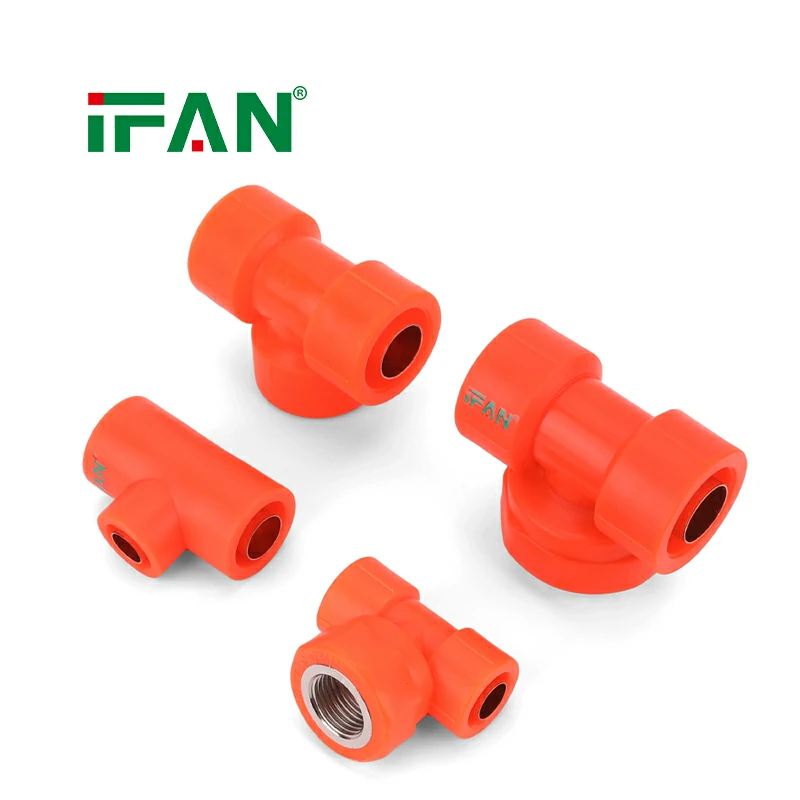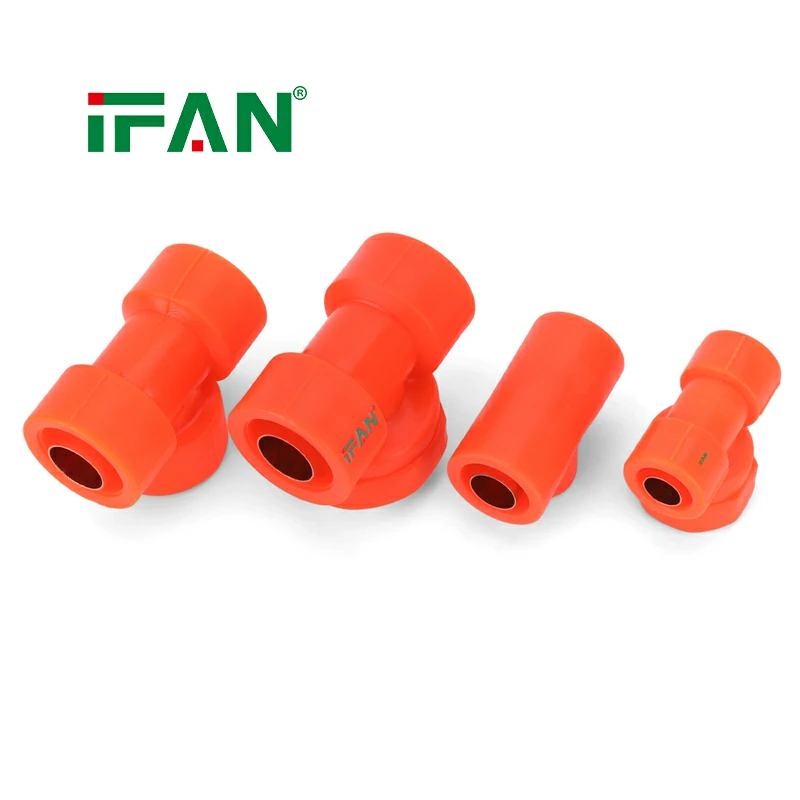
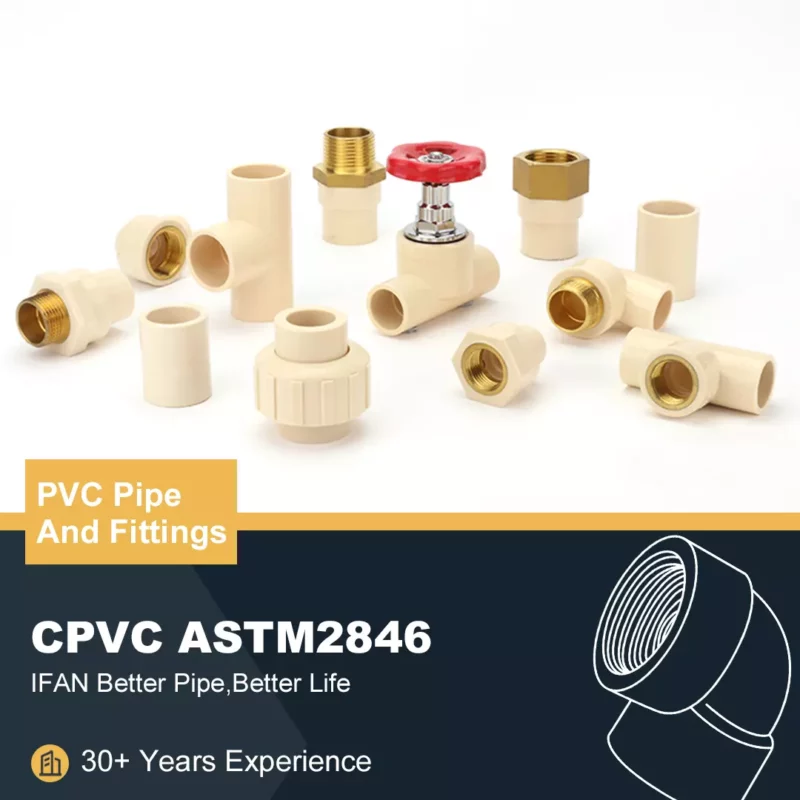
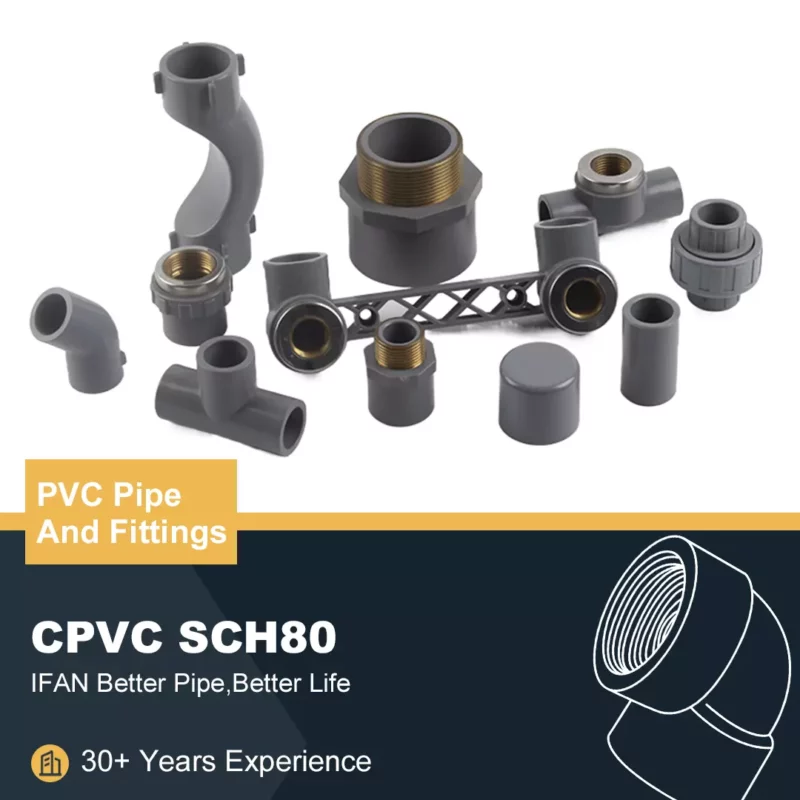
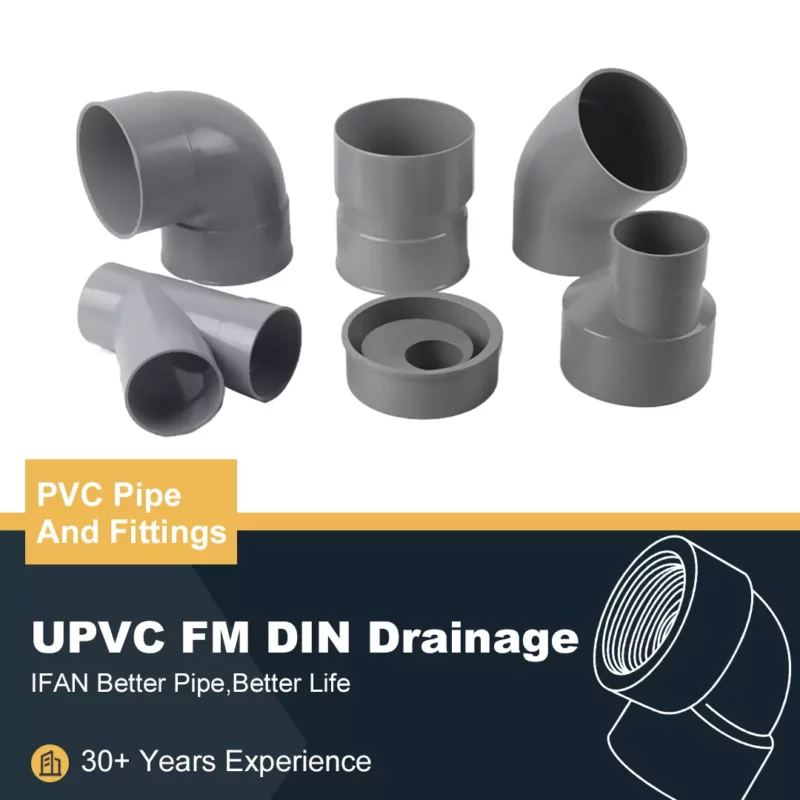
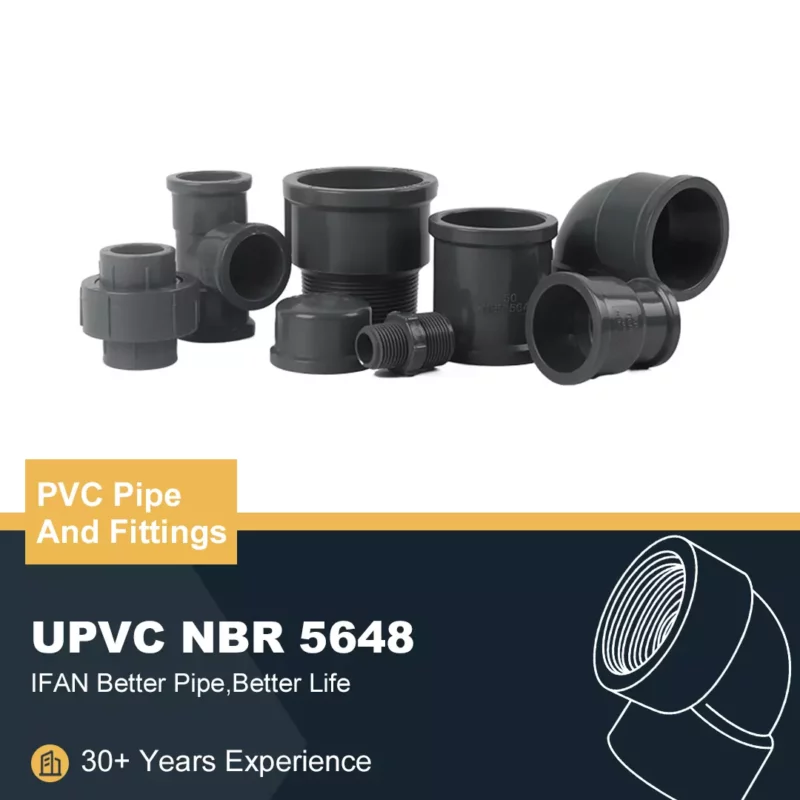
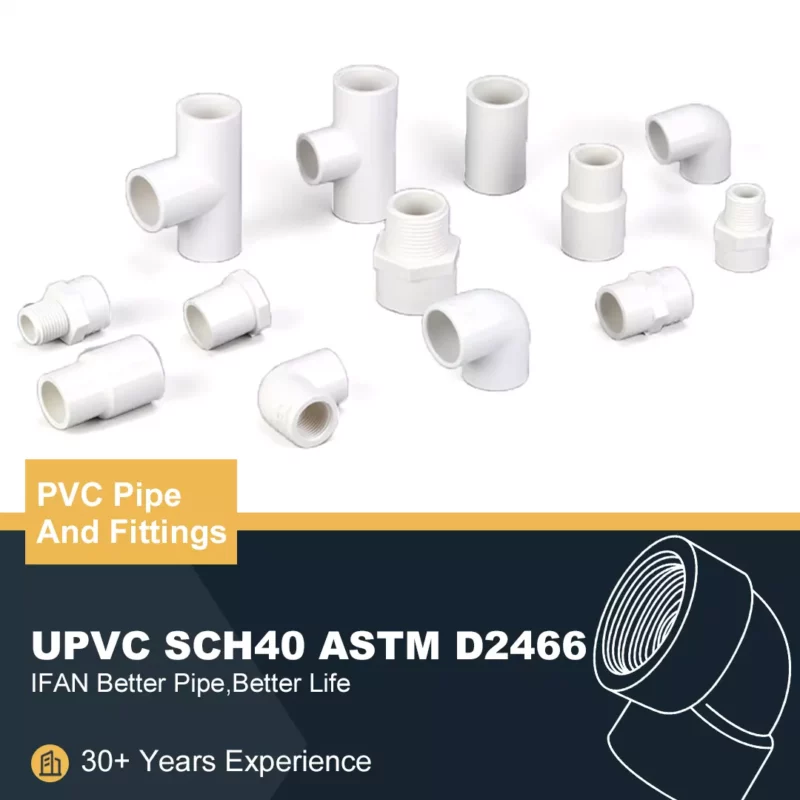
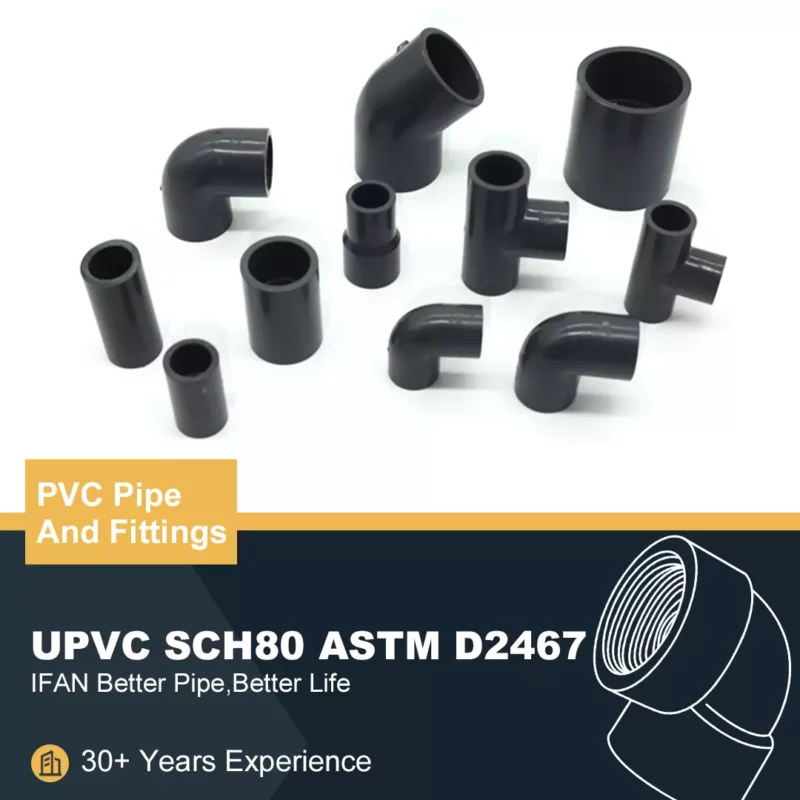
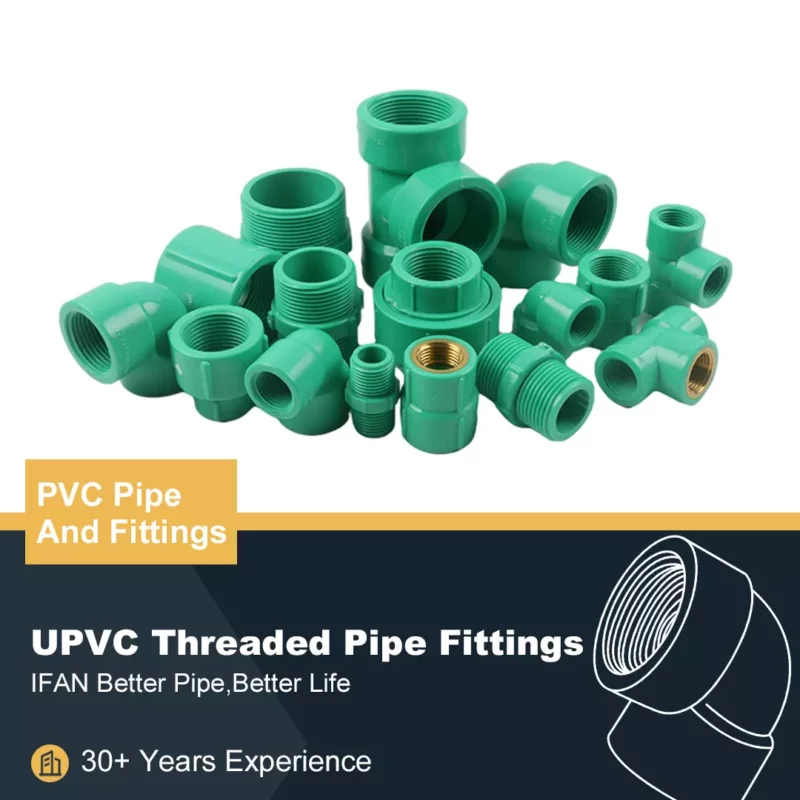
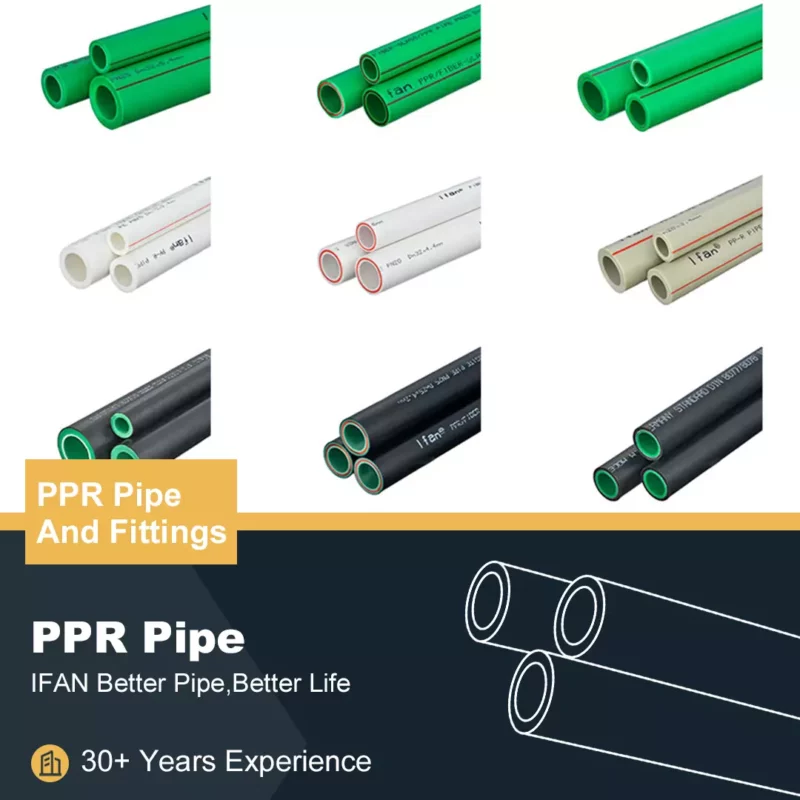
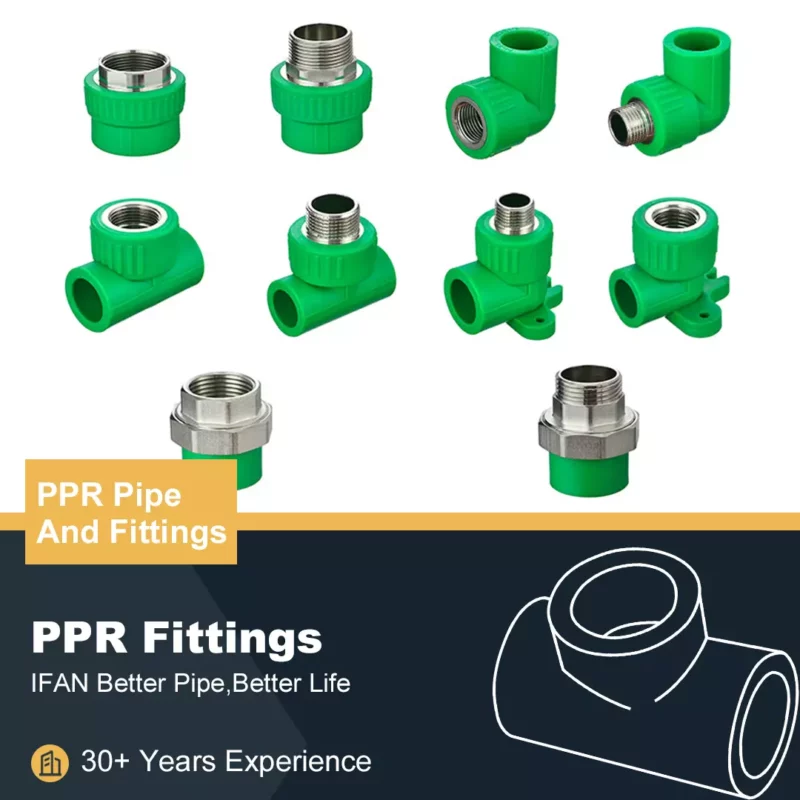
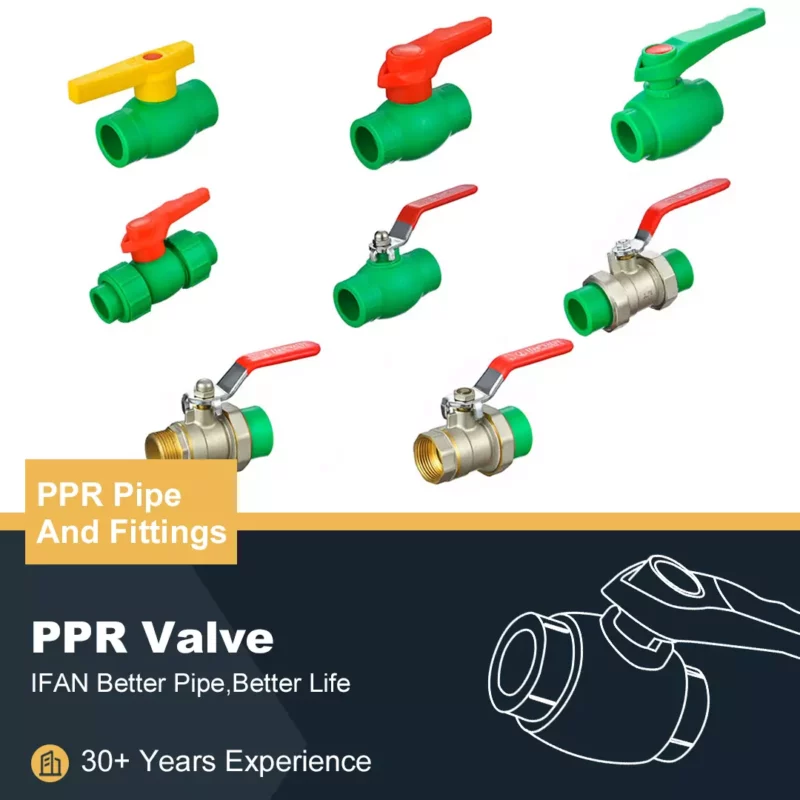
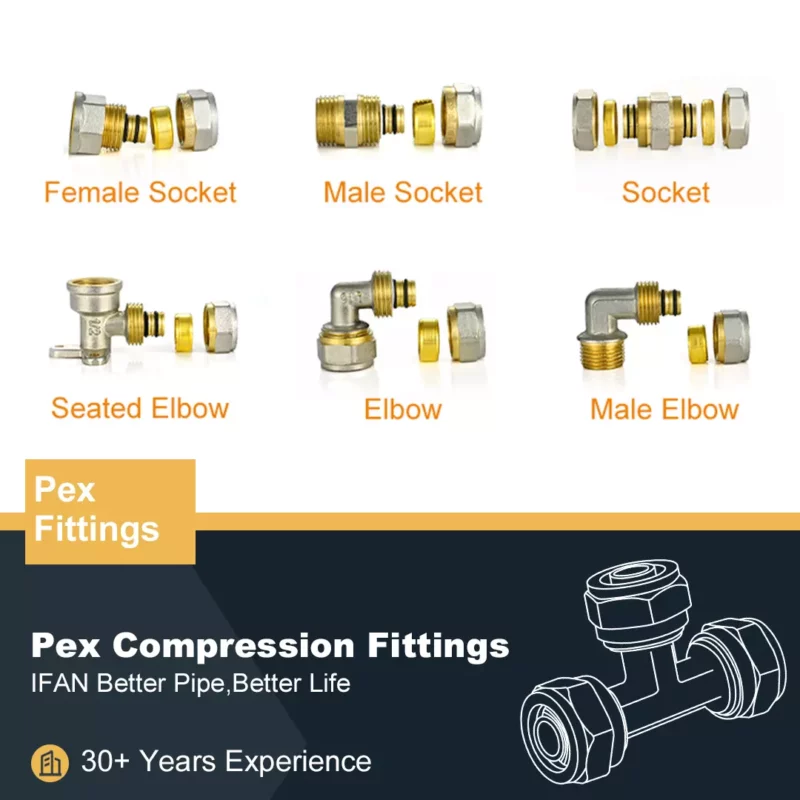
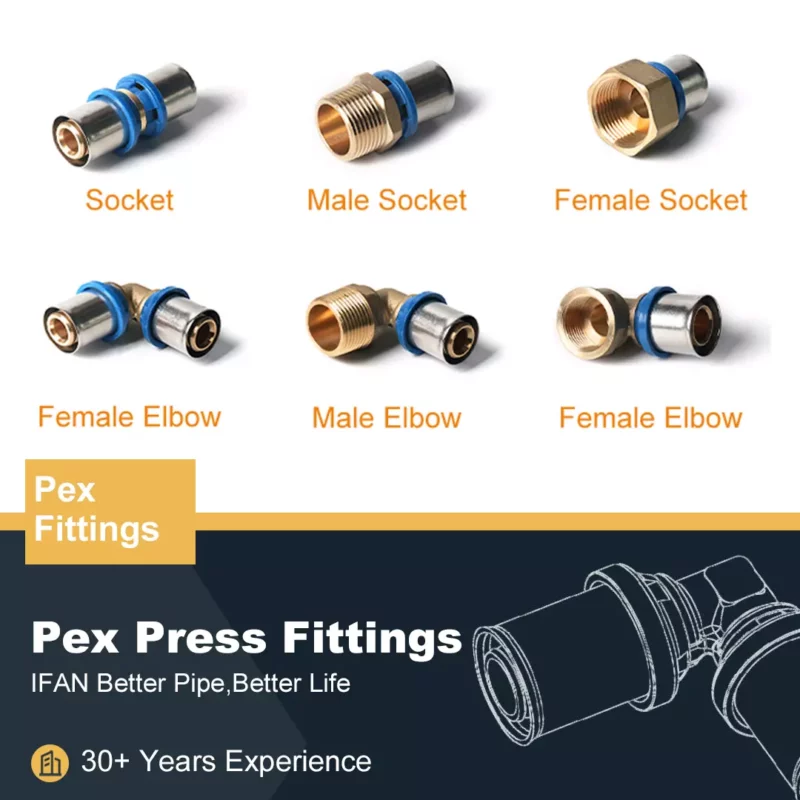
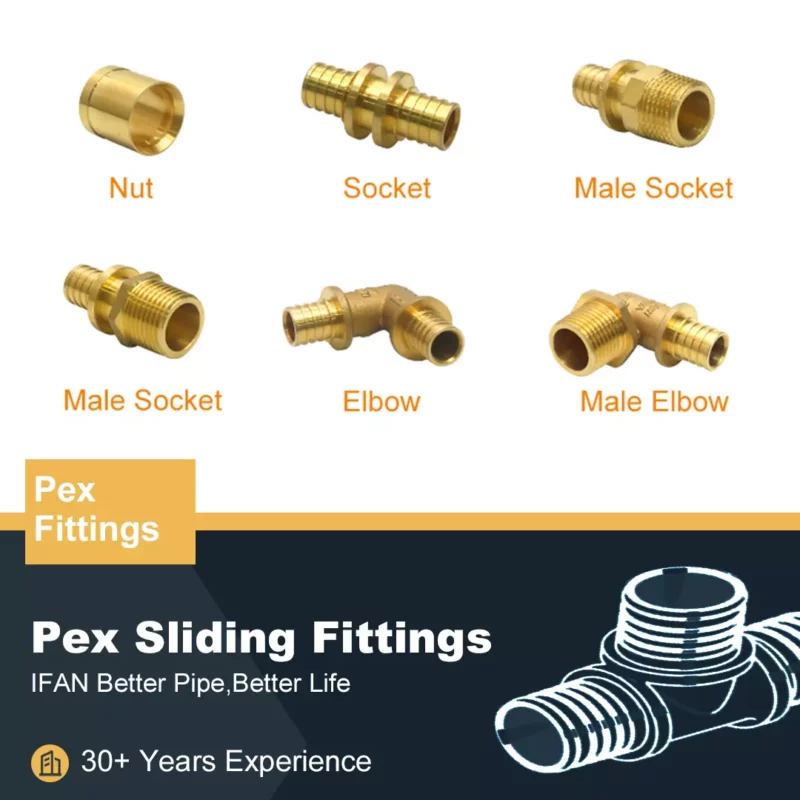
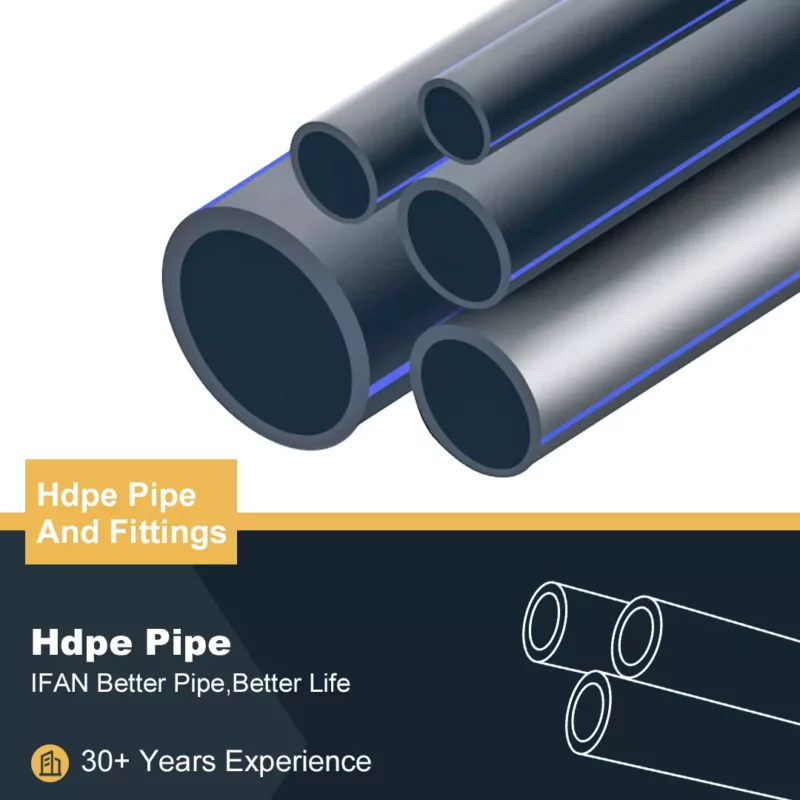
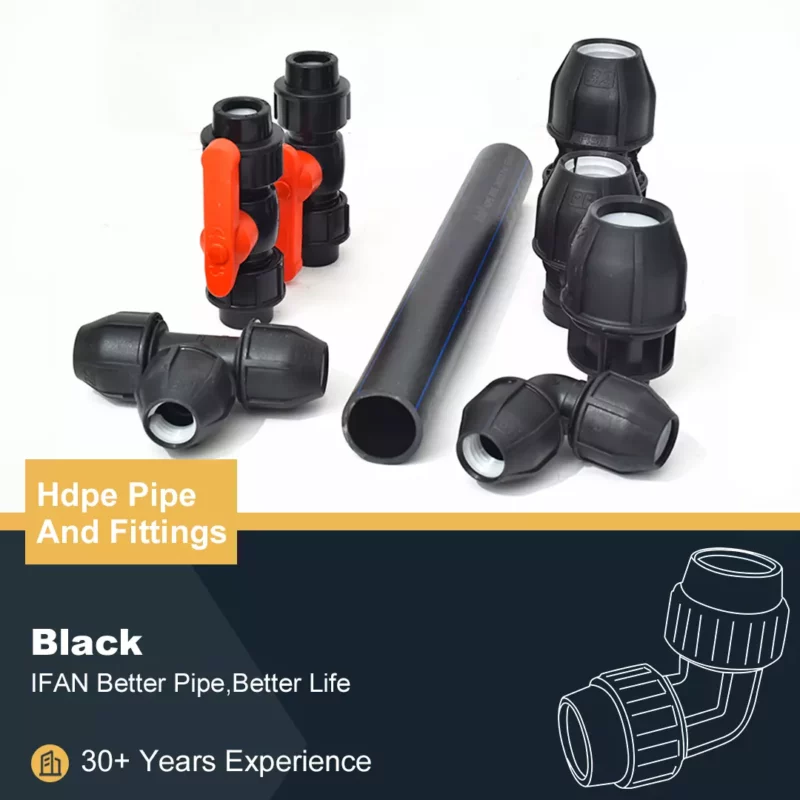
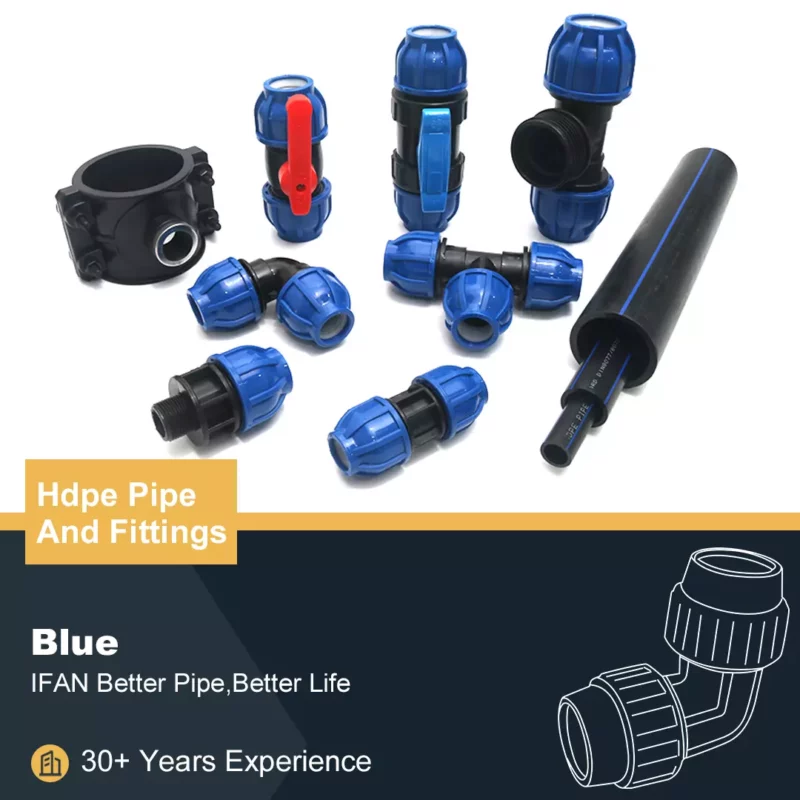
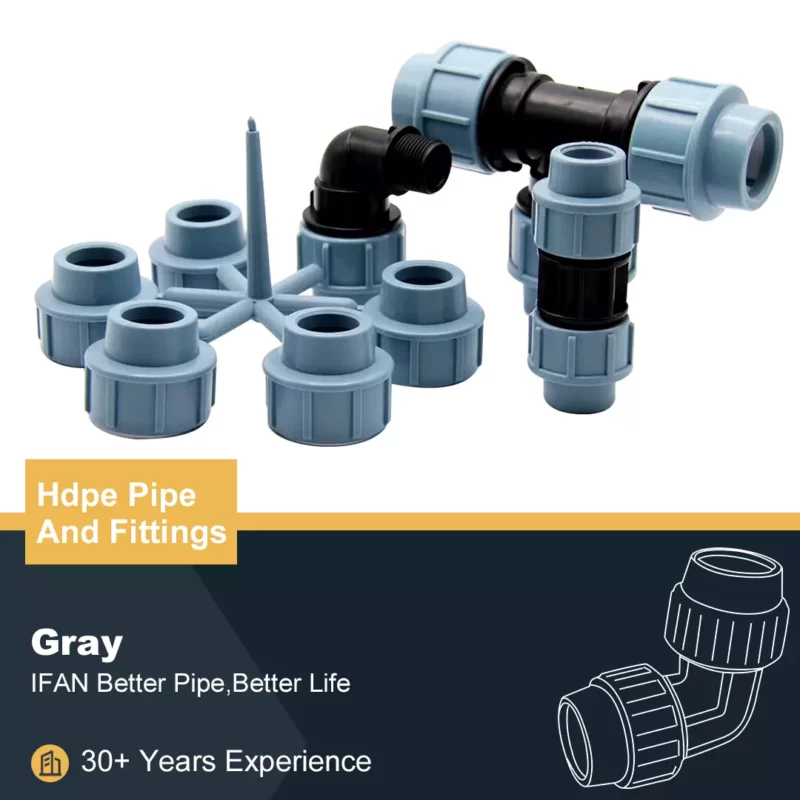


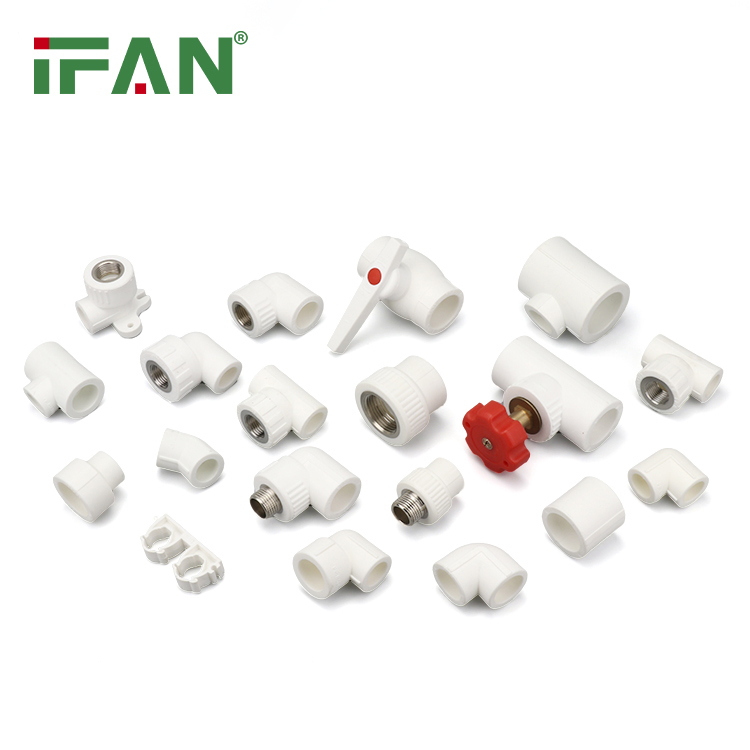
PPR pipe fittings are widely used in various plumbing systems due to their excellent performance and ease of installation. Understanding their pressure-bearing capacity and the scope of their applications is essential when selecting these fittings for different purposes. This article explores the pressure bearing capacity of PPR pipe fittings and their appropriate application areas.
Pressure Bearing Capacity of PPR Pipe Fittings
PPR pipe fitting are designed to withstand certain levels of pressure. These fittings typically support pressures ranging from 2 to 20 bars, depending on the size and grade. The pressure capacity of PPR pipes is mainly influenced by factors such as temperature, wall thickness, and the type of joint used. For example, PPR pipes can bear higher pressure when they are installed in low-temperature environments.
The pressure bearing capacity decreases with increasing temperature. PPR pipes can tolerate pressures up to 10 bars at 70°C and 4 bars at 90°C. At higher temperatures, the material tends to soften, reducing its strength and pressure tolerance. Therefore, it is crucial to account for temperature fluctuations when selecting PPR pipe fittings for high-pressure systems.
PPR Pipe Fittings in Residential Water Supply Systems
In residential settings, PPR pipe fittings are widely used for cold and hot water distribution. The pressure in these systems usually remains within 4-6 bars, well within the pressure tolerance of standard PPR pipe fittings. These fittings are ideal for installations in homes, apartments, and buildings where water pressure requirements are relatively moderate.
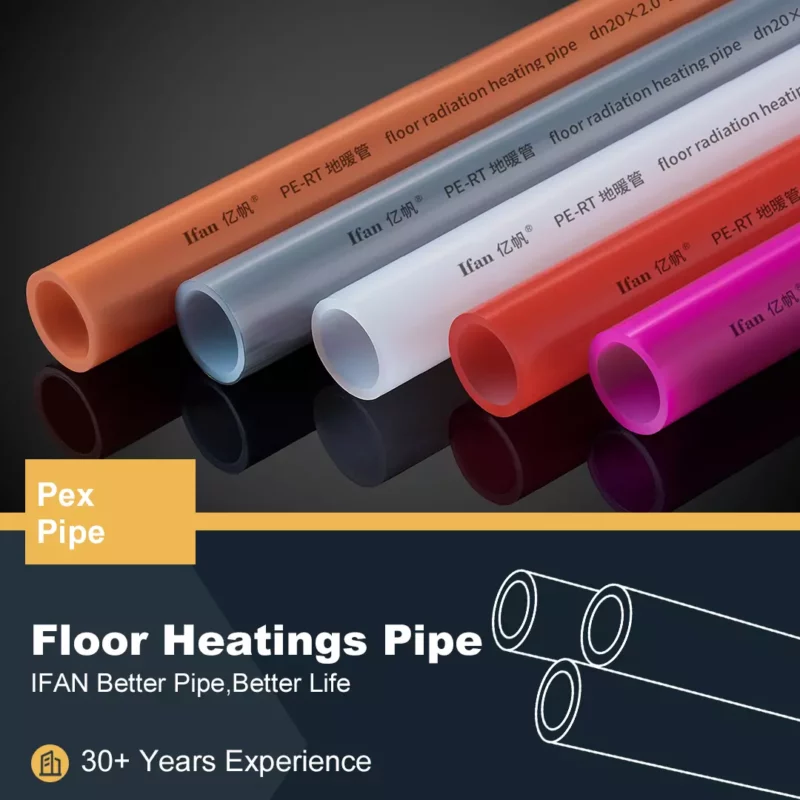
For hot water systems, PPR pipes can easily handle the typical temperature range (up to 70°C) without compromising their pressure-bearing capacity. They are suitable for use in both domestic hot water lines and radiant heating systems. However, it is important to avoid exceeding the recommended pressure and temperature limits to maintain their durability.
Application of PPR Pipe Fittings in Industrial Systems
In industrial applications, PPR pipe fitting are also widely used, particularly in systems that involve the transportation of cold water or non-corrosive liquids. Industries such as food processing, chemical production, and pharmaceutical manufacturing benefit from the use of PPR pipes due to their resistance to corrosion and chemical damage.
For industrial applications, engineers must carefully select PPR pipe fittings based on the pressure and temperature requirements. High-pressure systems (above 10 bars) may require specialized grades of PPR material with thicker walls to withstand the stress. PPR fittings can be used for systems that handle aggressive chemicals, as long as they do not exceed the recommended operating temperature and pressure.
PPR Pipe Fitting in Agricultural and Irrigation Systems
PPR pipe fittings are also ideal for agricultural applications, especially in irrigation systems. These systems often operate under moderate pressure conditions, which fall well within the capabilities of PPR pipes. The fittings can efficiently manage the pressure from water pumps used in irrigation without failure.
Since PPR pipes are resistant to mineral scaling and corrosion, they are especially effective in areas with hard water. The lightweight nature of PPR pipes also makes them easy to install and transport, making them a popular choice for agricultural irrigation. However, extreme weather conditions, such as freezing temperatures, may damage PPR pipes, so insulation is necessary in colder climates.
Selecting the Right PPR Pipe Fitting for Specific Applications
When selecting PPR pipe fittings, it is essential to consider both the pressure requirements and the specific application. Choosing the right size, type, and grade ensures optimal performance and long-term reliability. For example, in systems where water pressure can fluctuate or reach higher values, it may be necessary to choose PPR fittings that offer higher pressure resistance.
In some cases, pipe fittings designed for hot water systems must be specifically rated to handle higher temperatures. For industrial or commercial applications, thicker-walled fittings may be needed to withstand high-pressure environments. It is also essential to follow local regulations and standards when choosing PPR fittings for plumbing or industrial systems.
Conclusion: Maximizing the Efficiency and Durability of PPR Pipe Fittings
PPR pipe fitting offer excellent pressure-bearing capacity and durability when used correctly. These fittings are well-suited for a wide range of applications, from residential plumbing to industrial systems. Their resistance to corrosion, ease of installation, and ability to handle moderate pressure make them a popular choice for various plumbing needs.
To ensure the long-term effectiveness of PPR pipe fittings, it is crucial to select the right fittings for the specific pressure and temperature conditions of each application. Regular maintenance and proper installation can extend their service life and reduce the risk of failure. With proper care, PPR pipe fittings can continue to perform reliably in diverse environments.
If you have read this article and have any questions, please feel free to contact IFAN. Below is our contact information:
Whatsapp:+86 13373827623
Email:[email protected]