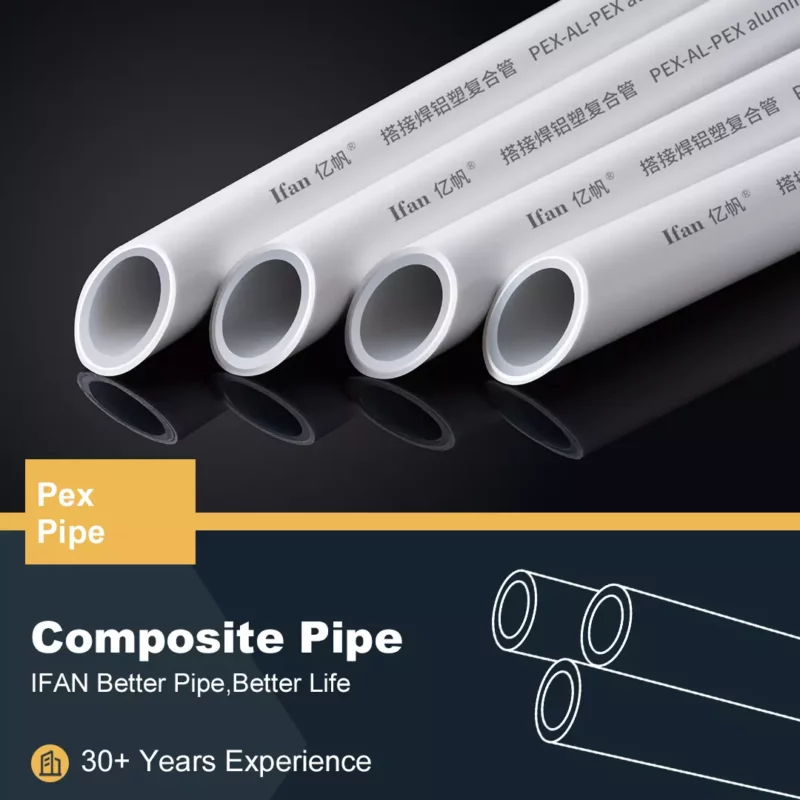
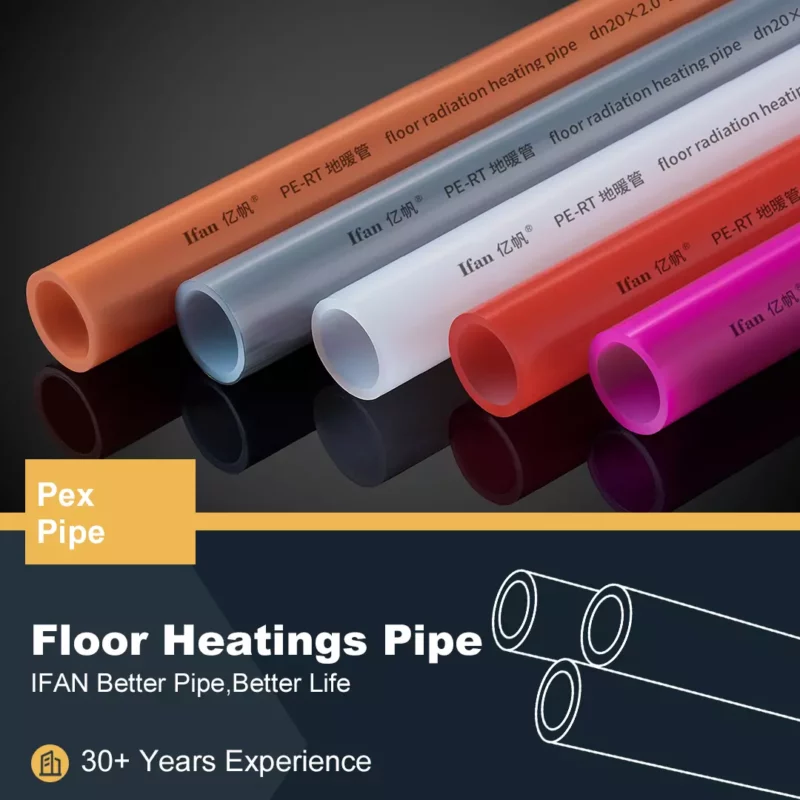



When choosing piping for plumbing systems, PEX and CPVC are two of the most common options. Both materials offer advantages, but they differ in key areas. Understanding these differences can help you decide which is best for your plumbing needs. In this article, we’ll compare PEX pipe and CPVC pipes based on flexibility, cost, installation, durability, and performance.
Flexibility: PEX Offers More
PEX (cross-linked polyethylene) pipes are known for their high flexibility. This flexibility allows the pipes to bend around corners without requiring fittings. Installers can also run PEX pipes in long continuous stretches, reducing the number of joints needed. This flexibility makes PEX ideal for retrofitting and new installations where complex layouts are common.
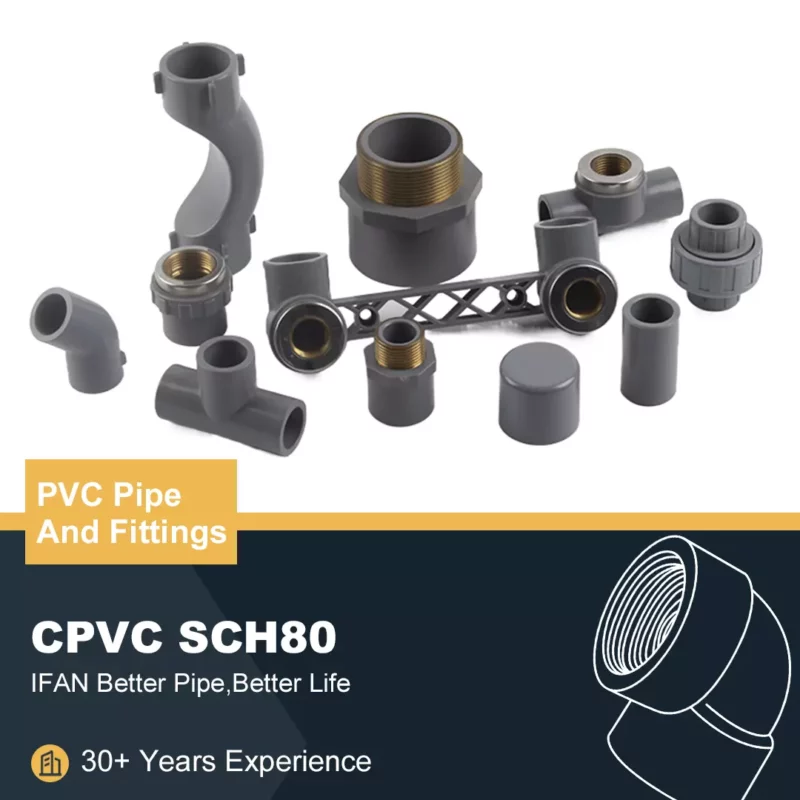
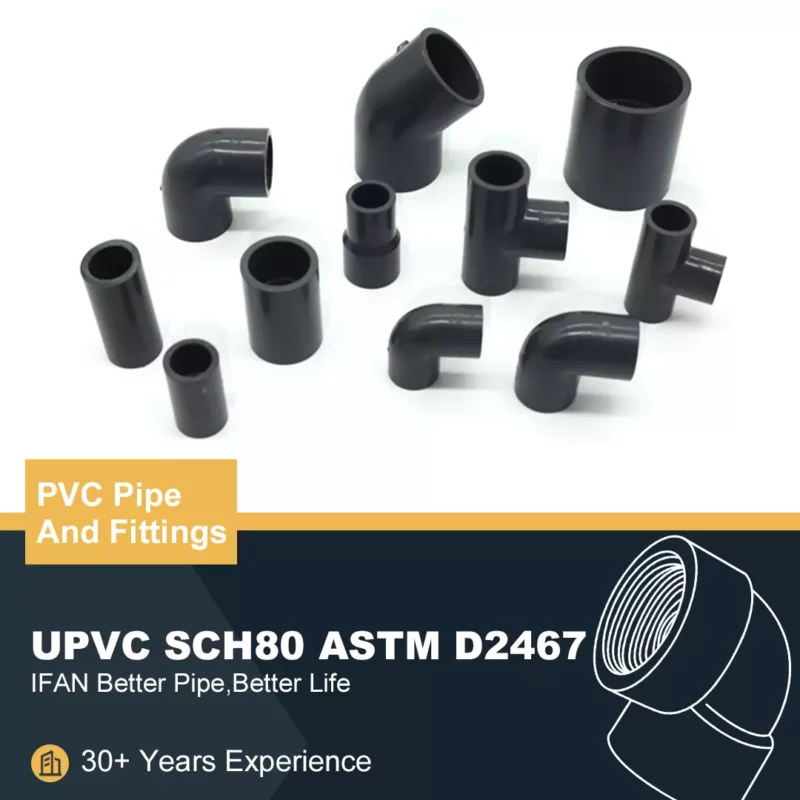
In contrast, CPVC (chlorinated polyvinyl chloride) pipes are rigid. Installers must use fittings and connectors to make turns or navigate obstacles. This rigidity can make CPVC harder to install in tight spaces or areas with many turns. As a result, PEX is generally easier to install in a variety of environments.
Cost: PEX vs. CPVC
Cost is always a consideration when selecting materials. PEX pipes tend to be more expensive than CPVC pipes. The price difference arises from the manufacturing process of each pipe. PEX requires more advanced cross-linking methods to achieve flexibility, which increases the cost of production.
On the other hand, CPVC is generally more affordable than PEX. It is made from a simpler chlorination process, which makes it less expensive to produce. While PEX’s higher upfront cost may seem like a disadvantage, its reduced installation time and fewer fittings can offset the cost difference.
Installation: PEX is Easier
When it comes to installation, PEX has a significant advantage. Its flexibility allows it to be installed quickly and with fewer fittings. PEX also doesn’t require specialized tools for cutting or bending, making it easier to handle during installation. It is especially beneficial in areas where pipes need to be routed around obstacles or in tight spaces.
CPVC installation, in contrast, requires more fittings. The rigidity of CPVC makes it more difficult to work with, especially in spaces with many turns. CPVC pipes must be cut with a pipe cutter, and joints need to be glued together using solvent cement. This adds extra time to the installation process.
Durability: PEX and CPVC Performance
Both PEX and CPVC are durable materials, but they have different strengths and weaknesses. PEX pipes are highly resistant to freezing. They can expand if the water inside freezes, which prevents bursting. This characteristic makes PEX ideal for colder climates where freezing temperatures are a concern.
CPVC pipes, while durable, are more prone to damage in freezing temperatures. They can crack or burst if the water inside freezes. In addition, CPVC pipes are more susceptible to damage from UV rays. Exposing CPVC pipes to sunlight for long periods can weaken the material, leading to cracking or brittleness.
In terms of corrosion resistance, both materials are superior to metal pipes like copper or steel. However, PEX has the added benefit of being resistant to scale build-up and chlorine, making it a better choice for areas with chlorinated water.
Performance: Hot Water and Pressure Resistance
Both PEX and CPVC handle hot water well, but each material has its limits. PEX pipes can withstand temperatures up to 200°F (93°C) and are rated to handle high-pressure systems. They are commonly used in both hot and cold water supply lines, radiant heating, and other applications that require temperature resistance.
CPVC pipes also perform well in hot water systems. They can handle temperatures up to 180°F (82°C) and are suitable for residential and commercial hot water lines. However, CPVC tends to become brittle with age, especially when exposed to higher temperatures for extended periods.
When it comes to pressure, both PEX and CPVC offer high resistance. Most PEX pipe are rated for up to 160 psi, while CPVC pipes can typically handle 200 psi. However, the flexibility of PEX allows it to better absorb water pressure fluctuations and vibrations, making it a more reliable option in certain systems.
Maintenance and Longevity
PEX pipe are known for their low maintenance requirements. They do not corrode or scale, and their flexibility helps prevent cracking and leakage. As long as they are installed correctly and protected from UV exposure, PEX pipe can last for decades with minimal maintenance.
CPVC pipes, while also long-lasting, can require more maintenance. They are more vulnerable to cracking and breakage, especially when exposed to UV rays or extreme temperatures. Over time, CPVC pipes can become brittle and may need to be replaced sooner than PEX pipes.
Conclusion: Which is Better, PEX or CPVC?
Choosing between PEX and CPVC depends on your specific needs and the conditions of your plumbing system. Here’s a quick summary:
PEX is more flexible, easier to install, and better at handling freezing conditions. It’s ideal for complex plumbing layouts and colder climates. However, it can be more expensive than CPVC.
CPVC is more rigid and may require more fittings for installation. It is also more affordable but is more prone to damage from freezing temperatures and UV exposure.
For most residential applications, PEX is often the better choice due to its flexibility, ease of installation, and freeze resistance. However, if you are working on a budget and your system doesn’t involve freezing conditions, CPVC can be a reliable and cost-effective alternative.
If you have read this article and have any questions, please feel free to contact IFAN. Below is our contact information:
Whatsapp:+86 13373827623
Email:[email protected]