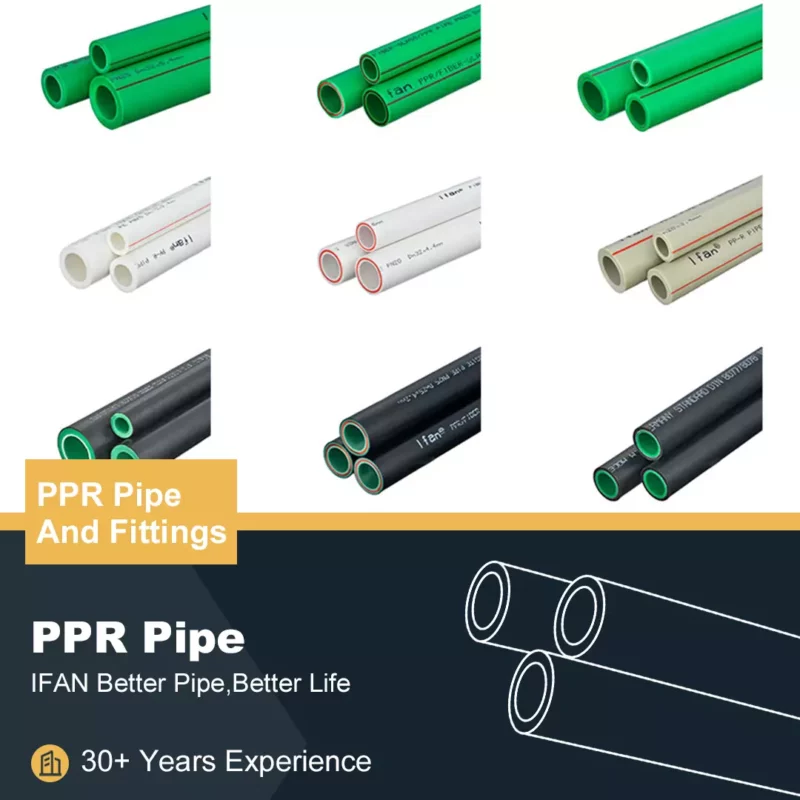
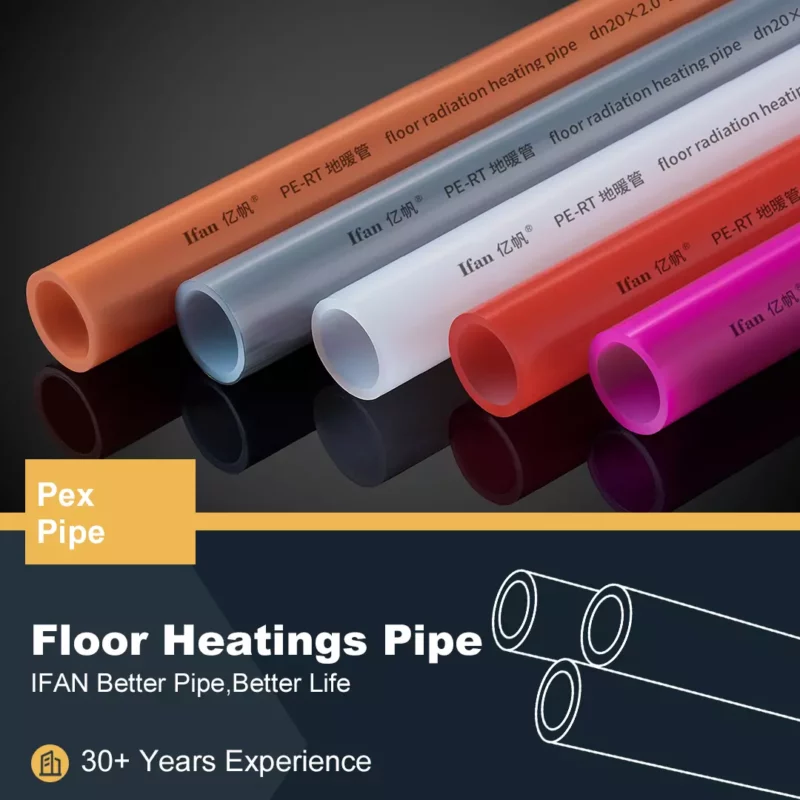



PEX (cross-linked polyethylene) has become a popular material for radiant in-floor heating systems. Its flexibility, ease of installation, and durability make it a preferred choice. However, not all PEX pipes are the same. Different types of PEX pipes exist, and understanding their differences is crucial for selecting the right one for in-floor heating projects. In this article, we will explore the key differences between various PEX in-floor pipes and how to choose the best one for your needs.
PEX Types: PEX-A, PEX-B, and PEX-C
The three main types of PEX pipes—PEX-A, PEX-B, and PEX-C—differ in their manufacturing methods, flexibility, and performance. These differences affect their suitability for in-floor heating applications.
PEX-A: The Most Flexible Option
PEX-A is known for its superior flexibility and strength. It is made through the peroxide cross-linking process, which allows the pipe to expand and contract without cracking. This flexibility makes PEX-A an excellent choice for in-floor heating systems, where the pipe often needs to be bent around corners and obstacles.
PEX-A also has excellent freeze resistance because it can expand if the water inside freezes. This feature makes it ideal for colder climates. However, PEX-A tends to be more expensive than the other types.
PEX-B: The Budget-Friendly Option
PEX-B uses the silane cross-linking method. While it lacks the same flexibility as PEX-A, it still provides good performance for in-floor heating systems. PEX-B is slightly stiffer but still flexible enough to be used in most installations.
The primary advantage of PEX-B is its affordability. It is a cost-effective option for those who want a reliable product without breaking the bank. PEX-B is also resistant to chlorine and offers good overall durability, making it a strong contender for in-floor heating systems.
PEX-C: The Most Rigid Option
PEX-C uses the electron beam cross-linking process, resulting in a more rigid pipe compared to PEX-A and PEX-B. While PEX-C is not as flexible, it still performs well in certain applications, including in-floor heating where extreme flexibility is not required.
PEX-C is the least expensive of the three types, making it an appealing option for budget-conscious projects. However, its rigidity can make it more challenging to install in tight spaces or areas with complex layouts.
Key Differences in Performance
When choosing PEX pipe for in-floor heating, flexibility and durability are the most important factors to consider. Each type of PEX pipe offers different performance characteristics that can impact your system’s efficiency and ease of installation.
Flexibility: PEX-A vs. PEX-B vs. PEX-C
PEX-A offers the highest level of flexibility. It can be easily bent without requiring fittings, which reduces the need for additional joints and potential points of failure. This flexibility makes PEX-A easier to install in floors with complex layouts.
PEX-B is less flexible but still provides enough flexibility for standard in-floor heating systems. However, it might require fittings for corners and turns.
PEX-C is the least flexible of the three, which can make installation in intricate floor plans more difficult. It may require more fittings, leading to additional costs and potential weak spots in the system.
Durability and Resistance
PEX-A is the most durable option, with the best resistance to cracking, freezing, and pressure fluctuations. This makes it ideal for long-term use in in-floor heating systems, especially in colder climates.
PEX-B, while not as flexible, is still highly resistant to cracking and bursting. It is less resistant to temperature changes compared to PEX-A but performs well in typical heating applications.
PEX-C, due to its rigidity, is less resistant to freezing and pressure changes. It is better suited for stable, commercial applications rather than residential in-floor heating systems.
Cost and Installation Considerations
Cost is an important factor when selecting a PEX pipe for your in-floor heating system. While PEX-A offers the best performance, it comes with a higher price tag. PEX-B is more affordable, making it a good choice for residential projects with a tighter budget.
PEX-C is the least expensive and may be suitable for larger projects or where flexibility is not a major concern. However, its rigidity may increase the complexity of installation and lead to higher labor costs.
Ease of Installation
PEX-A is the easiest to install due to its flexibility. It can be laid out in longer, continuous runs without requiring too many joints or fittings. This reduces the chance of leaks and increases the efficiency of the installation.
PEX-B is a bit stiffer but still relatively easy to install. However, you may need more fittings than with PEX-A, which can increase installation time and costs.
PEX-C is the most difficult to install due to its rigidity. It often requires more fittings, and installers may need to take extra care when making turns or bends. This could lead to longer installation times and higher labor costs.
Conclusion: Which Type of PEX Pipe Should You Choose?
Choosing the right type of PEX for your in-floor heating system depends on several factors, including your budget, installation complexity, and the climate where you live.
For maximum flexibility and durability, PEX-A is the best choice. It performs well in cold climates, offers excellent freeze resistance, and is easier to install. However, it comes at a higher price.
For a more budget-friendly option, PEX-B provides a good balance of flexibility and performance. It is more affordable than PEX-A and is still a reliable choice for most in-floor heating systems.
For large projects on a tight budget, PEX-C may be the right fit. It is the least expensive but less flexible and durable. It is better suited for installations where extreme flexibility isn’t required.
By understanding the differences between the types of PEX pipes, you can make an informed decision that will ensure your in-floor heating system works efficiently for years to come.
If you have read this article and have any questions, please feel free to contact IFAN. Below is our contact information:
Whatsapp:+86 13373827623
Email:[email protected]